There’s something magnetic about fire. It pulls us in. We gather around it, stories spill out, and the world slows down just a little bit. But when you’re standing in your backyard in 2026, staring at an empty patch of patio or deck, the question isn’t just “do I want fire?” It’s “what kind of fire fits my life?”
Maybe you crave the raw, crackling energy of burning oak logs. Or maybe you want the clean, instant glow of gas with zero hassle. Both have their place. Both have their quirks. And honestly? Neither is wrong. It all comes down to how you plan to use that space, who you’re sharing it with, and what kind of evenings you want to create. Let’s break it down, no fluff, just real talk about wood versus gas fire pits in 2026.
The Vibe Check: Atmosphere and Experience
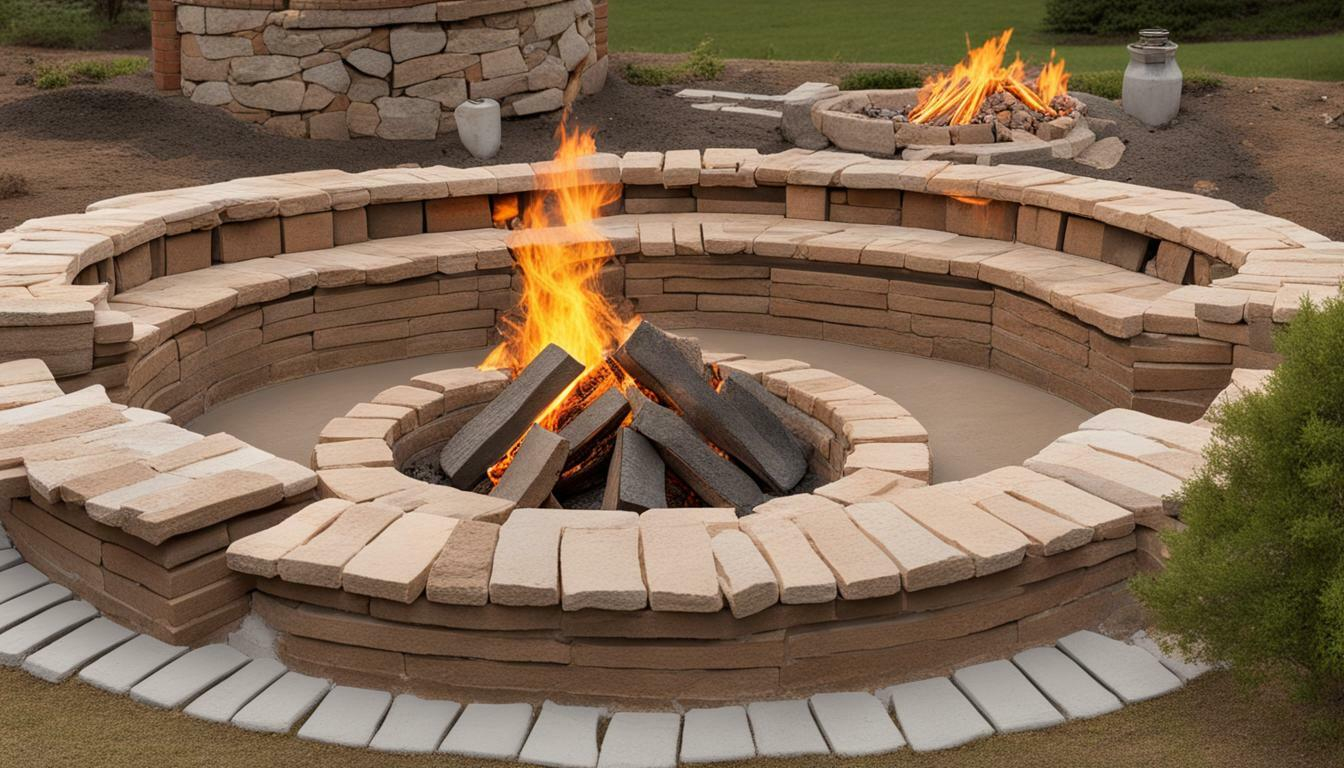
Let’s start with the feeling. Because that’s what we’re really buying here, isn’t it? Not just heat, but mood. Wood fires are the ultimate sensory experience. You smell the smoke (hopefully the good kind, like hickory or applewood). You hear the pop and hiss of sap escaping the logs. You watch the flames dance in unpredictable ways. It’s primal. It’s nostalgic. For many of us, it’s what camping memories are made of. If you love roasting marshmallows until they’re perfectly golden-brown (or charred, no judgment), wood is your guy. It engages every sense.
Gas, on the other hand, is about control and consistency. You turn a knob, press a button, and boom—flames. No waiting for kindling to catch. No worrying about wind blowing sparks onto your neighbor’s prize-winning petunias. The flame pattern is steady, often designed to look realistic with ceramic logs or glass beads, but it doesn’t have that wild, organic unpredictability. It’s cleaner. Quieter. Some people miss the crackle; others find the silence relaxing. Think of it like this: wood is a live acoustic set. Gas is a high-fidelity streaming playlist. Both are great, but they set a different tone.
In 2026, design trends are leaning towards seamless integration. Gas fire pits often come in sleek, modern shapes—concrete bowls, copper rings, even table-height units that double as dining spots. They blend into contemporary landscapes effortlessly. Wood pits tend to be more rustic, though you can find stylish metal designs now too. But let’s be real: a wood fire always looks a bit… messy. Ash, embers, soot. It’s part of the charm for some, a dealbreaker for others. Ask yourself: do you want the theater of fire, or just the warmth?
Heat Output and Practical Warmth
If your main goal is to actually stay warm on a chilly October night, wood wins. Hands down. Wood burns significantly hotter than propane or natural gas. A robust wood fire can radiate heat several feet out, making it ideal for larger groups or colder climates. You feel that deep, penetrating warmth that seeps into your bones. It’s why cabins still use wood stoves. It’s efficient heating, in a raw, unrefined way.
Gas fire pits? They’re cozy, but they’re not heaters. Most residential gas pits put out between 40,000 to 60,000 BTUs. That’s enough to take the edge off a 50-degree evening, especially if you’re sitting close. But if it’s 30 degrees and windy, you’ll still need blankets. Some high-end models push higher BTUs, but they rarely match the sheer thermal output of a well-built wood fire. Also, gas heat is more directional. You feel it where the flames are, but step to the side, and the warmth drops off quickly.
This matters depending on where you live. In milder climates like California or the Southeast, gas might be plenty for year-round use. In the Northeast or Midwest, if you want to extend your outdoor season into late fall or early spring, wood gives you that extra punch. But remember, with wood, the heat comes with smoke. And smoke drifts. So placement is key. You don’t want your guests coughing while trying to enjoy the warmth. Gas produces no smoke, so you can place it closer to seating areas without worry. It’s a trade-off: raw power versus clean comfort.
Convenience and Maintenance Reality
Here’s where lifestyles really diverge. Wood requires work. You need to buy or chop wood. Store it properly so it stays dry (wet wood smokes terribly). Build the fire. Tend to it. Wait for it to burn down. Then, once it’s cool, clean out the ash. It’s a process. For some, this ritual is part of the joy. It’s mindful. It’s engaging. For others, it’s a chore they’d rather skip after a long week at work. If you’re the type who likes to spontaneousy decide “let’s sit outside tonight,” wood might frustrate you. You can’t just flip a switch.
Gas is the king of convenience. Propane tanks are easy to swap. Natural gas lines are even better—endless fuel, no tanks to lug around. Light it up, enjoy, turn it off. Done. No ash. No soot. No cleaning up burnt logs. Maintenance is minimal. Maybe check the burner ports for spider webs occasionally (they love nesting there). Wipe down the exterior. That’s it. In our busy 2026 lives, where time feels scarcer than ever, this ease is a huge selling point. It lowers the barrier to using your outdoor space. You’re more likely to use it if it’s easy.
But convenience has a cost. Literally. Gas fuel costs add up. Propane prices fluctuate. Natural gas bills creep up. Wood can be cheap if you have access to free scraps or fallen trees, but buying seasoned hardwood isn’t exactly pocket change either. Still, the labor factor is real. Do you value your weekend mornings spent stacking logs, or would you rather spend that time actually relaxing? There’s no right answer, just your answer. And dont forget, gas units often have electronic ignitions that can fail over time, requiring occasional tech support. Wood? Just needs a match.
Safety and Space Considerations
Safety isn’t just a buzzword; it’s crucial. Wood fires throw sparks. Embers fly. If you have a small yard, nearby trees, or a wooden deck, this is a major concern. You need a spark screen. You need a non-combustible base. Many insurance companies have strict rules about wood fires on decks. Some HOAs ban them entirely. In 2026, with stricter wildfire regulations in many states, wood burning restrictions are more common than ever. Check your local ordinances before you even think about buying. A fine for illegal burning is no fun.
Gas is inherently safer for tight spaces. No sparks. No flying embers. No smoke inhalation risks (though you still need ventilation for carbon monoxide, obviously). This makes gas the go-to choice for decks, patios under covers, or urban backyards with close neighbors. You can place it closer to furniture, walls, and overhead structures without the same level of risk. For families with young kids or pets, the controlled nature of gas offers peace of mind. You can turn it off instantly if things get too rowdy. With wood, once it’s lit, you’re committed until it burns out or you douse it (which creates a lot of steam and mess).
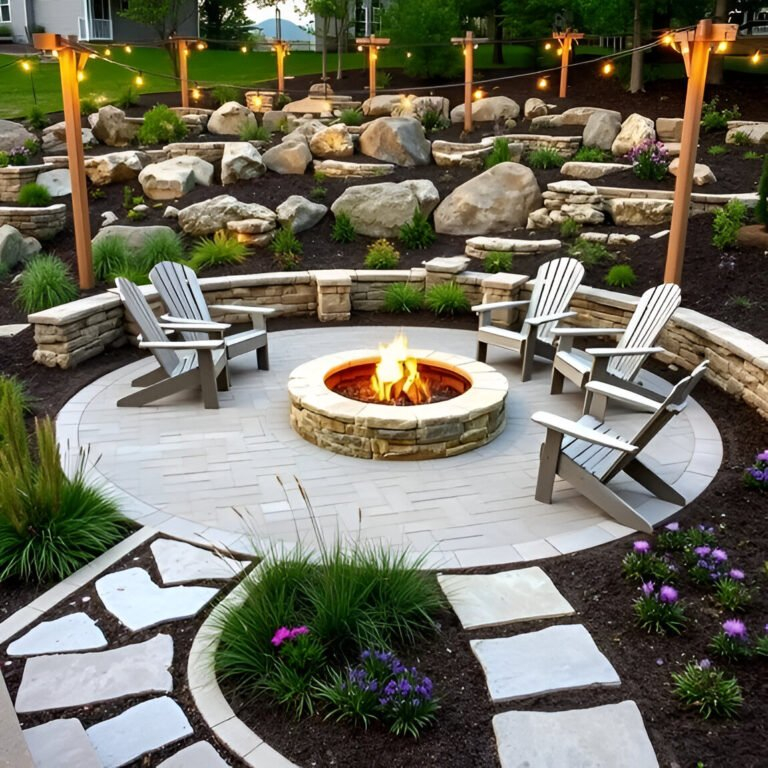
Space also dictates design. Wood pits need room for airflow and ash collection. They’re often bulkier. Gas pits can be slim, built-in, or even portable tabletop models. If you have a tiny balcony, a small propane table pit might be your only option. If you have a sprawling stone patio in the countryside, a large wood-burning cauldron could be a stunning centerpiece. Think about your layout. Where will people sit? How far is the nearest structure? Wind patterns matter too. A breezy spot might blow wood smoke right into your face, ruining the evening. Gas doesn’t have that issue.
Cost Breakdown: Upfront and Long-Term
Let’s talk money. Upfront, wood fire pits are generally cheaper. You can find basic steel bowls for under $100. Even nice stone or copper models often cost less than comparable gas units. Why? Simpler technology. It’s a bowl with holes. Gas pits require burners, valves, ignition systems, and often more complex materials to handle the heat distribution. A decent quality gas fire pit starts around $300-$500 and can easily go into the thousands for custom built-ins. Installation adds to this. Running a natural gas line? That’s a professional job, costing hundreds more. Propane is easier, but you still need to buy tanks.
Long-term, the costs shift. Wood fuel varies. If you source it yourself, it’s nearly free. If you buy seasoned hardwood by the cord, it can add up to $200-$400 per season depending on usage. Gas costs depend on local rates. Propane tanks run $20-$30 to refill. Natural gas is usually cheaper per BTU but adds to your monthly bill. Over five years, a heavy wood user might spend less on fuel than a daily gas user, but the labor difference is the hidden cost. Time is money, right?
Also consider lifespan. Steel wood pits rust. They might last 3-5 years before needing replacement. High-quality gas pits made from concrete, stainless steel, or copper can last 10-20 years with minimal care. So, while the initial hit for gas is harder, the longevity might balance it out. Plus, resale value? A permanent, well-installed gas feature can boost property appeal. A rusty wood bowl? Not so much. Think about your budget not just for today, but for the next decade. What fits your financial comfort zone?
So, how do you decide? It comes down to honesty. Look at your typical week. Are you busy, tired, and craving low-effort relaxation? Go gas. Do you love weekends outdoors, don’t mind a little dirt under your fingernails, and value the authentic campfire experience? Go wood. Think about your guests. Do you host large parties where smoke might be an annoyance? Gas is safer for crowds. Do you have intimate gatherings where storytelling and roasting s’mores are the main event? Wood sets the stage better.
There’s no shame in mixing it up either. Some people have a small gas pit for weeknight dinners and a larger wood pit for weekend bonfires. It’s your space. Your rules. In 2026, hybrid options are emerging too—pits that can switch between gas ignition for ease and wood burning for atmosphere. They’re pricier, but they offer the best of both worlds. Consider your climate, your local laws, your physical ability to handle wood, and your aesthetic preferences.
Trust your gut. Which image makes you smile more? The clean, modern glow of gas flames reflecting in a glass bead bed? Or the rugged, dancing orange light of burning logs casting shadows on the trees? Both create memories. Both bring people together. The “best” choice is the one you’ll actually use. Don’t buy the wood pit if you’ll hate cleaning it. Don’t buy the gas pit if you’ll miss the smell of smoke. Choose the tool that fits the life you want to live outdoors. After all, it’s not just about fire. It’s about connection. And thats worth getting right.
[sps_html tag=”img” src=”https://cdn.northcarolinafinearchitecture.com/2026/05/10-stunning-stone-fire-pit-ideas-that-will-transform-your-backyard-inside-outdoor-fire-pit-design.jpg” alt=”10 Stunning Stone Fire Pit Ideas That Will Transform Your Backyard … inside Outdoor Fire Pit Design” style=”width: 100%; height: auto;”]
[sps_html tag=”img” src=”https://cdn.northcarolinafinearchitecture.com/2026/05/fire-pit-design-and-layout-ideas-lush-backyard-with-designing-a-fire-pit-that-actually-fits-your-backyard-layout.jpeg” alt=”Fire Pit Design And Layout Ideas - Lush Backyard with Designing a Fire Pit That Actually Fits Your Backyard Layout” style=”width: 100%; height: auto;”]
[sps_html tag=”img” src=”https://cdn.northcarolinafinearchitecture.com/2026/05/15-backyard-fire-pit-designs-youll-love-regarding-designing-a-fire-pit-that-actually-fits-your-backyard-layout.jpg” alt=”15 Backyard Fire Pit Designs You'll Love regarding Designing a Fire Pit That Actually Fits Your Backyard Layout” style=”width: 100%; height: auto;”]
[sps_html tag=”img” src=”https://cdn.northcarolinafinearchitecture.com/2026/05/diy-outdoor-fire-pit-ideas-diy-backyard-fire-pit-ideas-all-the-in-designing-a-fire-pit-that-actually-fits-your-backyard-layout.jpg” alt=”Diy Outdoor Fire Pit Ideas Diy Backyard Fire Pit Ideas + All The in Designing a Fire Pit That Actually Fits Your Backyard Layout” style=”width: 100%; height: auto;”]
[sps_html tag=”img” src=”https://cdn.northcarolinafinearchitecture.com/2026/05/46-creative-sunken-firepit-ideas-to-warm-up-your-backyard-in-2025-throughout-designing-a-fire-pit-that-actually-fits-your-backyard-layout.jpg” alt=”46 Creative Sunken Firepit Ideas To Warm Up Your Backyard In 2025 … throughout Designing a Fire Pit That Actually Fits Your Backyard Layout” style=”width: 100%; height: auto;”]