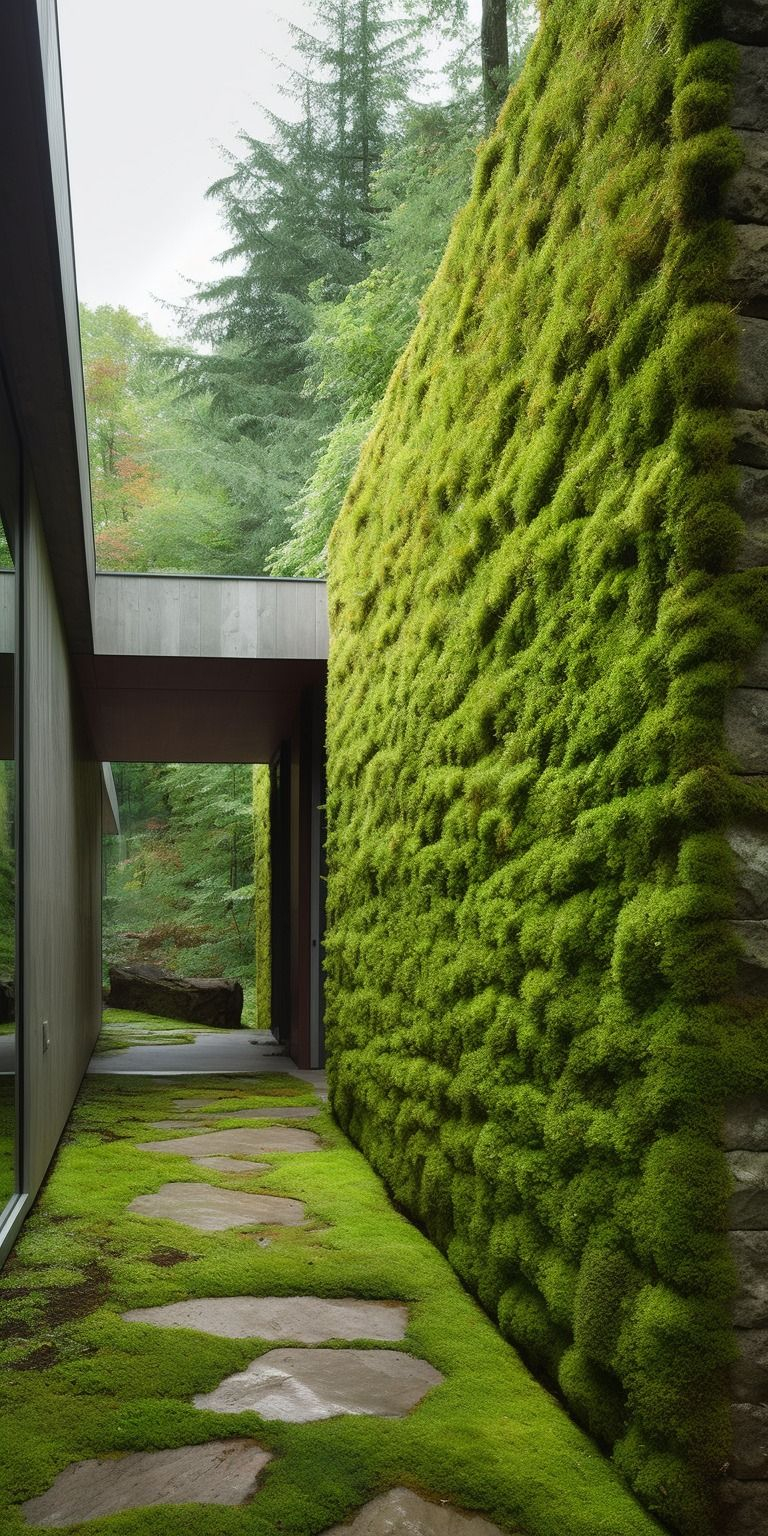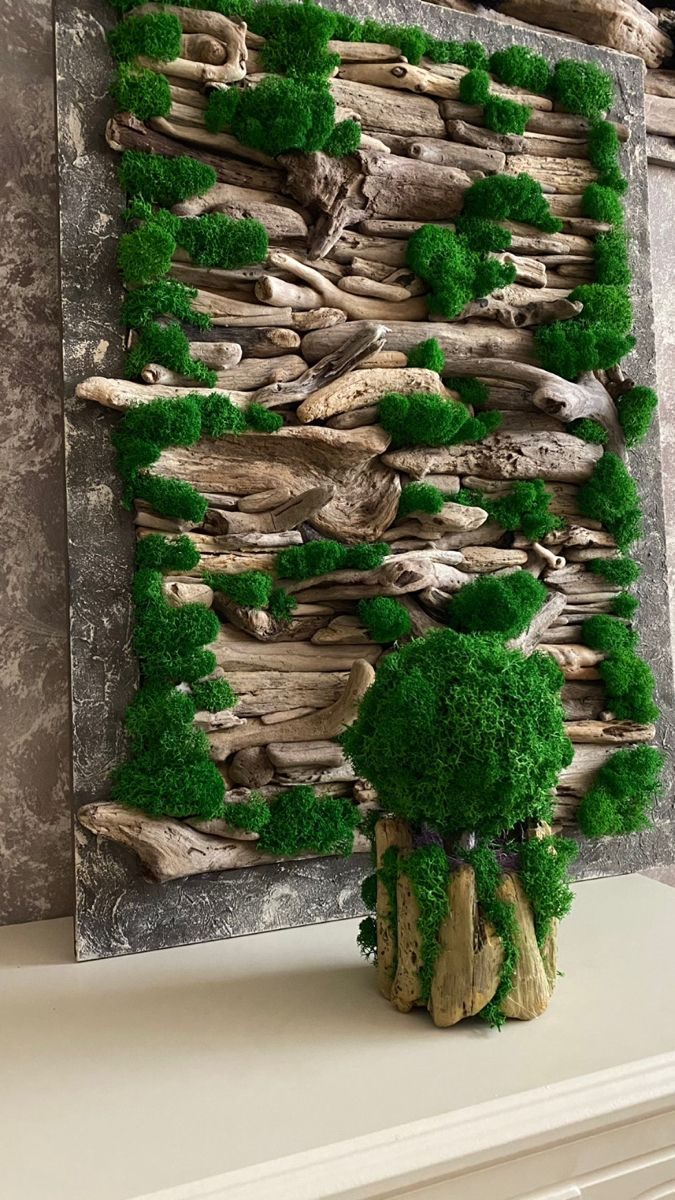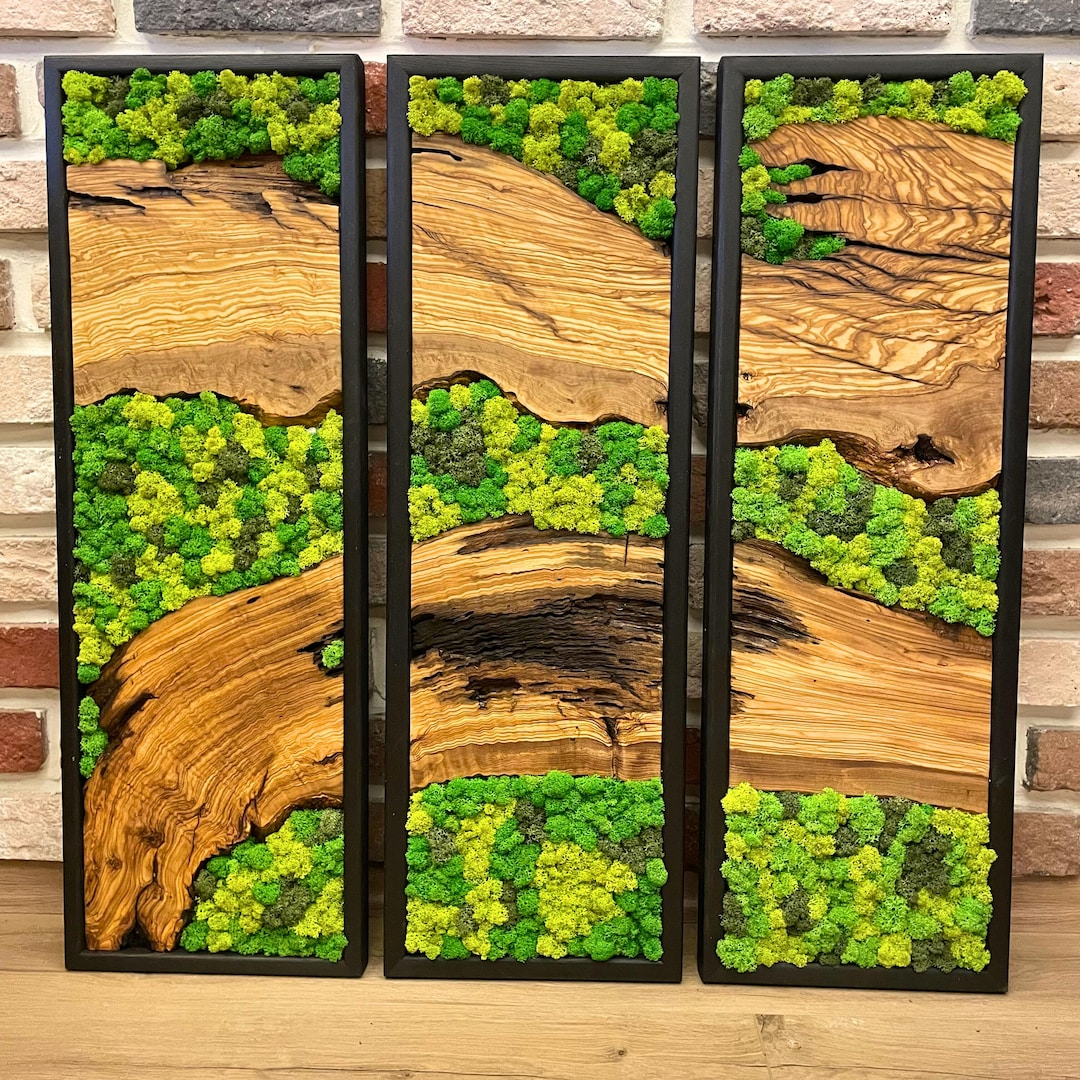
Ever looked at a bare, drab fence or a blank concrete wall and thought, "There has to be a better way"? You’re not alone. In 2026, more homeowners are turning away from high-maintenance flower beds and toward the quiet, resilient beauty of moss. It’s not just a trend; it’s a shift toward gardening that works with nature, not against it. But here’s the catch: moss isn’t just one thing. It’s a vast, ancient family of plants, and picking the wrong one for your vertical space is like trying to wear snow boots in July. It just won’t work.
So, where do you start? Do you go for the fluffy cushions or the flat, carpet-like sheets? Does it matter if your wall faces north or gets blasted by afternoon sun? (Spoiler: Yes, it matters a lot.) This guide cuts through the botanical jargon to help you choose the right moss for your outdoor vertical garden. We’ll talk about texture, light, moisture, and the little quirks that make each species unique. By the end, you’ll feel confident enough to turn that empty wall into a living piece of art.
Understanding the Vertical Challenge
Growing moss on the ground is one thing. Growing it vertically is a whole different ball game. When moss sits on the forest floor, it pulls moisture from the soil and the air around it. On a vertical surface, gravity is working against you. Water runs off quickly, meaning the moss can dry out faster than you’d expect. That’s why choosing the right type isn’t just about aesthetics; it’s about survival.
Most experts agree that vertical moss gardens thrive best in shaded or partially shaded areas. Direct sunlight is the enemy of most moss varieties, especially when they’re mounted on a wall where heat can build up. According to recent guides from sites like Vertical Live Garden, moss walls don’t need soil or heavy irrigation systems, which makes them lighter and easier to install. But they do demand consistent moisture. If you live in a dry climate, you’ll need to pick species that are drought-tolerant once established, or be prepared to mist regularly.
Think of your vertical garden as a microclimate. Is it windy? Does rain hit it directly, or is it under an eave? These factors dictate your choice. A moss that loves damp, still air might shrivel up in a breezy, exposed spot. Conversely, a hardy, rugged moss might look out of place in a delicate, sheltered nook. Understanding these conditions before you buy a single spore saves you time, money, and heartache later on.
Sheet Moss vs. Cushion Moss: Know Your Textures
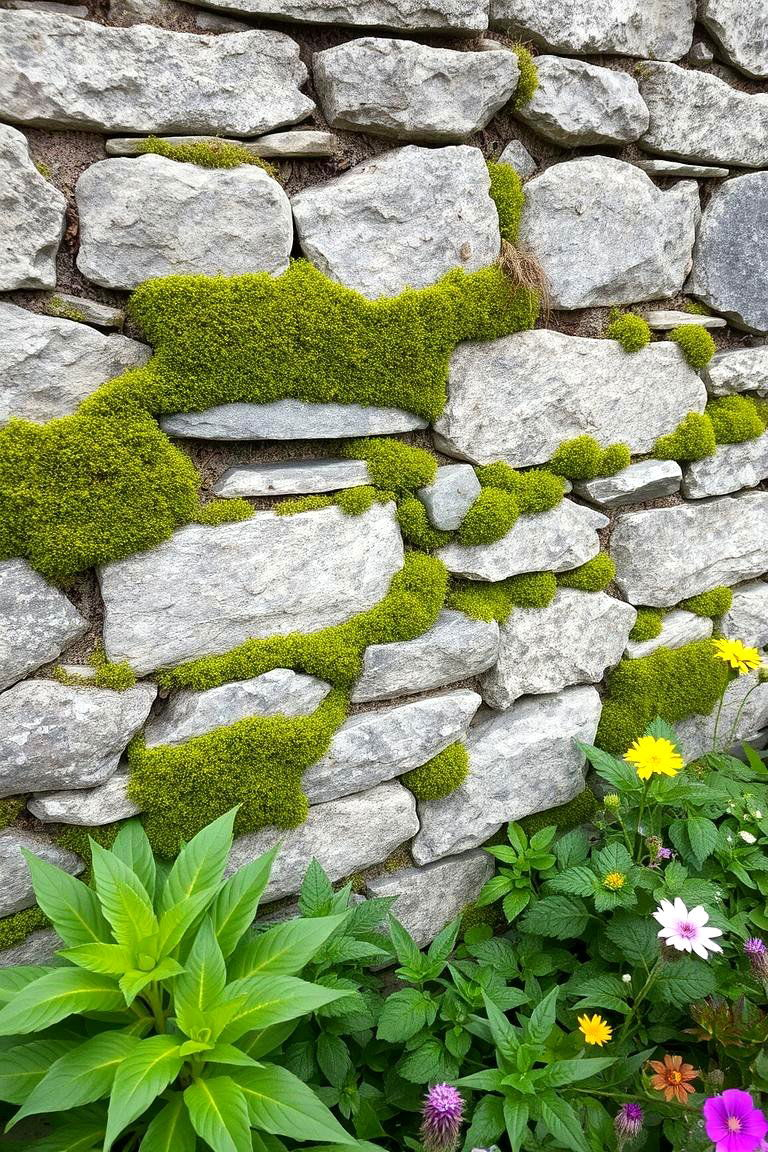
When you start shopping for moss, you’ll mostly encounter two main forms: sheet moss and cushion moss. Knowing the difference is crucial because they behave differently on vertical surfaces. Sheet moss, like Hypnum or Thuidium, grows flat and spreads horizontally. It’s excellent for covering large areas quickly because it acts like a living carpet. If you want a uniform, sleek green wall, sheet moss is your go-to. It adheres well to backing materials and creates a smooth, continuous look.
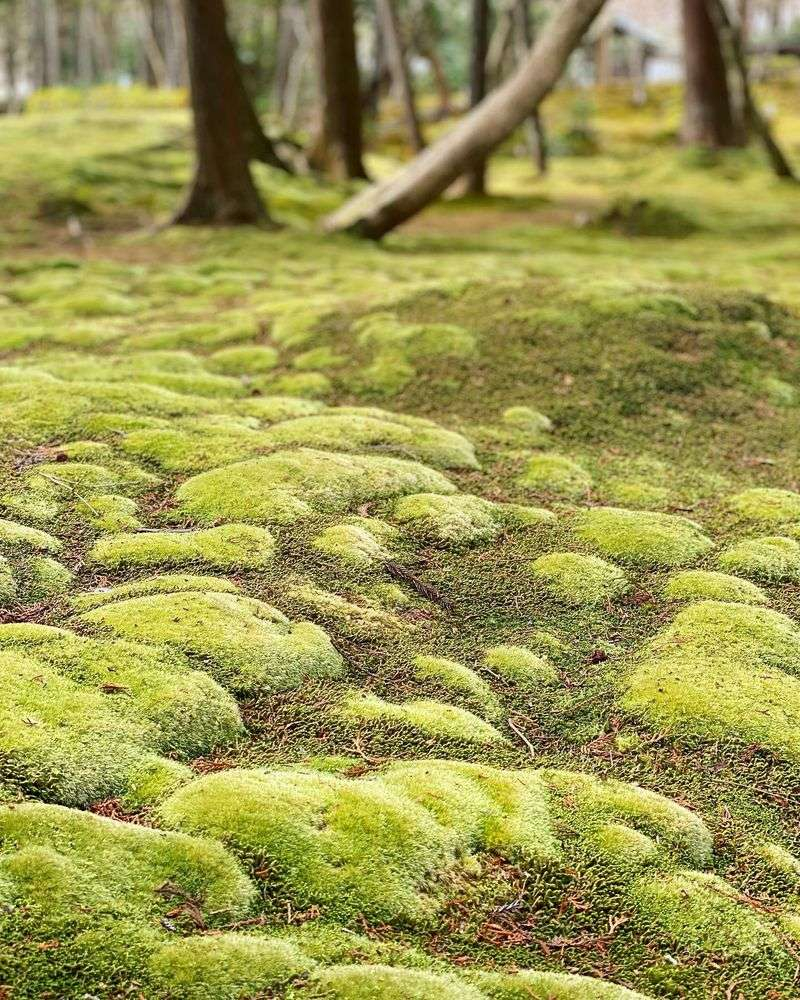
Cushion moss, such as Leucobryum (often called Bun Moss), grows in clumps or mounds. It adds incredible depth and texture to a vertical garden. Instead of a flat green plane, you get a 3D landscape with shadows and highlights that change throughout the day. However, cushion moss can be trickier to secure on a vertical wall. The gaps between clumps can dry out, so you need to ensure your backing material holds moisture well or that the clumps are packed tightly together.
Some gardeners mix both. They use sheet moss as a base layer to cover the structure and then dot cushion moss on top for visual interest. This hybrid approach gives you the best of both worlds: coverage and texture. Just remember that cushion moss generally needs slightly more protection from wind and direct sun because its raised structure exposes more surface area to drying elements.
Top Moss Picks for Outdoor Walls
Not all mosses are created equal when it comes to hanging on a wall. Here are three standout varieties that perform well in outdoor vertical settings in 2026. First, there’s Sheet Moss (Hypnum). It’s the workhorse of the moss world. Tough, adaptable, and fast-spreading, it handles slight variations in moisture better than most. It’s perfect for beginners because it’s forgiving. If you miss a watering day, it might look a bit crisp, but it usually bounces back with a good soak.
Next up is Mood Moss (Dicranum). Don’t let the name fool you; it’s not actually moody, but it does change appearance based on hydration. When wet, it’s vibrant and lush; when dry, it curls up and looks silvery-gray. This dynamic quality makes it fascinating to watch. It grows in loose clumps, so it’s great for adding a natural, wild look to your wall. It prefers shade and consistent moisture, so keep it away from hot, sunny spots.
Lastly, consider Fern Moss (Thuidium). It has a delicate, fern-like appearance that adds a soft, feathery texture. It’s incredibly dense and holds water well, which is a huge plus for vertical applications. Fern moss spreads aggressively, so it’s ideal if you want quick coverage. However, it can be sensitive to pollution and foot traffic (though traffic isn’t an issue on a wall). It thrives in humid, shady environments, making it perfect for covered patios or north-facing walls.
Light and Location: Reading Your Space
Before you attach any moss, you need to read your space. Light is the most critical factor. Most mosses prefer shade or partial shade. Full sun will scorch them, turning them brown and brittle. But "shade" doesn’t mean darkness. Moss needs some light to photosynthesize. The ideal spot receives dappled sunlight or morning sun with afternoon shade. Morning sun is gentler and less likely to dry out the moss quickly.
Use a simple test: watch your wall throughout the day. Where does the shadow fall? How long does direct sun hit it? If your wall gets more than four hours of direct midday sun, it’s probably too harsh for most mosses. You might need to install a shade cloth or choose only the most sun-tolerant varieties, like certain types of Polytrichum (Haircap Moss), though even they struggle in intense heat.
Wind is another silent killer. A breezy spot will evaporate moisture from the moss rapidly. If your vertical garden is on an exposed corner, consider adding a windbreak or choosing a more sheltered section of the wall. Also, think about rain. Does rain naturally hit the wall? If so, that’s a bonus—it means free watering. But if the wall is under a deep overhang, you’ll need to be diligent about manual watering. Location isn’t just about where the moss looks good; it’s about where it can survive.
Installation Basics for Beginners
You don’t need fancy tools to start a moss wall, but you do need the right foundation. Most DIYers use a backing board made of wood, cork, or a specialized mesh panel. Wood needs to be treated to resist rot, or you can use cedar, which is naturally resistant. Cork is lightweight and holds moisture well, making it a favorite for small projects. Mesh panels allow for better air circulation and drainage, which can prevent mold issues.
To attach the moss, many gardeners use a mixture of yogurt and blended moss (a slurry) painted onto the surface, or they simply press live moss mats into a layer of sphagnum moss secured with fishing line or staples. The slurry method takes longer to establish but creates a seamless look. Using pre-grown moss mats is faster and gives instant gratification. Whichever method you choose, ensure the moss is in firm contact with the backing. Air pockets are bad news—they dry out and kill the moss.
Watering immediately after installation is crucial. Soak the wall thoroughly to help the moss settle and adhere. For the first few weeks, keep the moss consistently moist. This helps it establish roots (or rhizoids, technically) into the backing material. Once established, moss is surprisingly low-maintenance. But don’t neglect it entirely. A quick mist every few days during dry spells keeps it happy and vibrant.
One of the biggest myths about moss is that it requires zero care. While it’s true that moss doesn’t need fertilizer or mowing, it does need attention. The primary task is moisture management. In 2026, smart irrigation systems with misting nozzles are becoming popular for vertical gardens, making this easier. But even a simple spray bottle works for smaller walls. Check your moss regularly. If it looks gray or crispy, it’s thirsty. If it looks slimy or smells musty, it’s too wet and might be developing mold.
Weeding is another occasional task. While moss is dense, seeds from nearby trees or weeds can land on your wall and sprout. Pull these invaders gently as soon as you see them. If they take root, removing them can damage the moss. Also, keep an eye out for debris. Leaves and twigs can trap moisture and cause rot underneath. A gentle brush-off once a month keeps the surface clean and healthy.
Finally, enjoy the process. Moss changes with the seasons. It might look dormant in winter and burst into vibrant green in spring. Embrace these shifts. Unlike a plastic hedge, your moss wall is alive. It breathes, it reacts to the weather, and it brings a sense of calm to your space. By choosing the right species and giving it basic care, you’re not just decorating a wall; you’re cultivating a tiny ecosystem. And that’s something special.
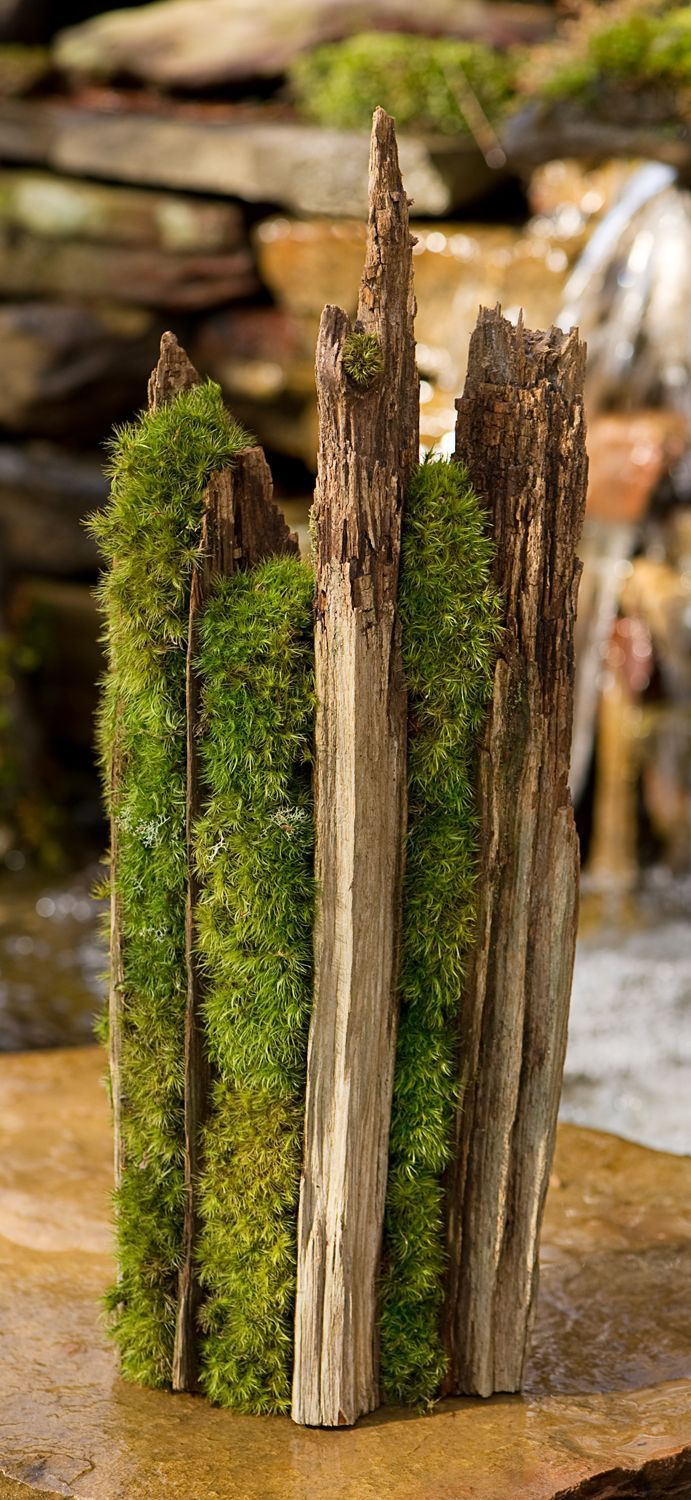
[sps_html tag=”img” src=”https://cdn.northcarolinafinearchitecture.com/2026/05/wood-and-moss-wall-sculpture-throughout-outdoor-moss-wall-design.jpg” alt=”Wood And Moss Wall Sculpture throughout Outdoor Moss Wall Design” style=”width: 100%; height: auto;”]
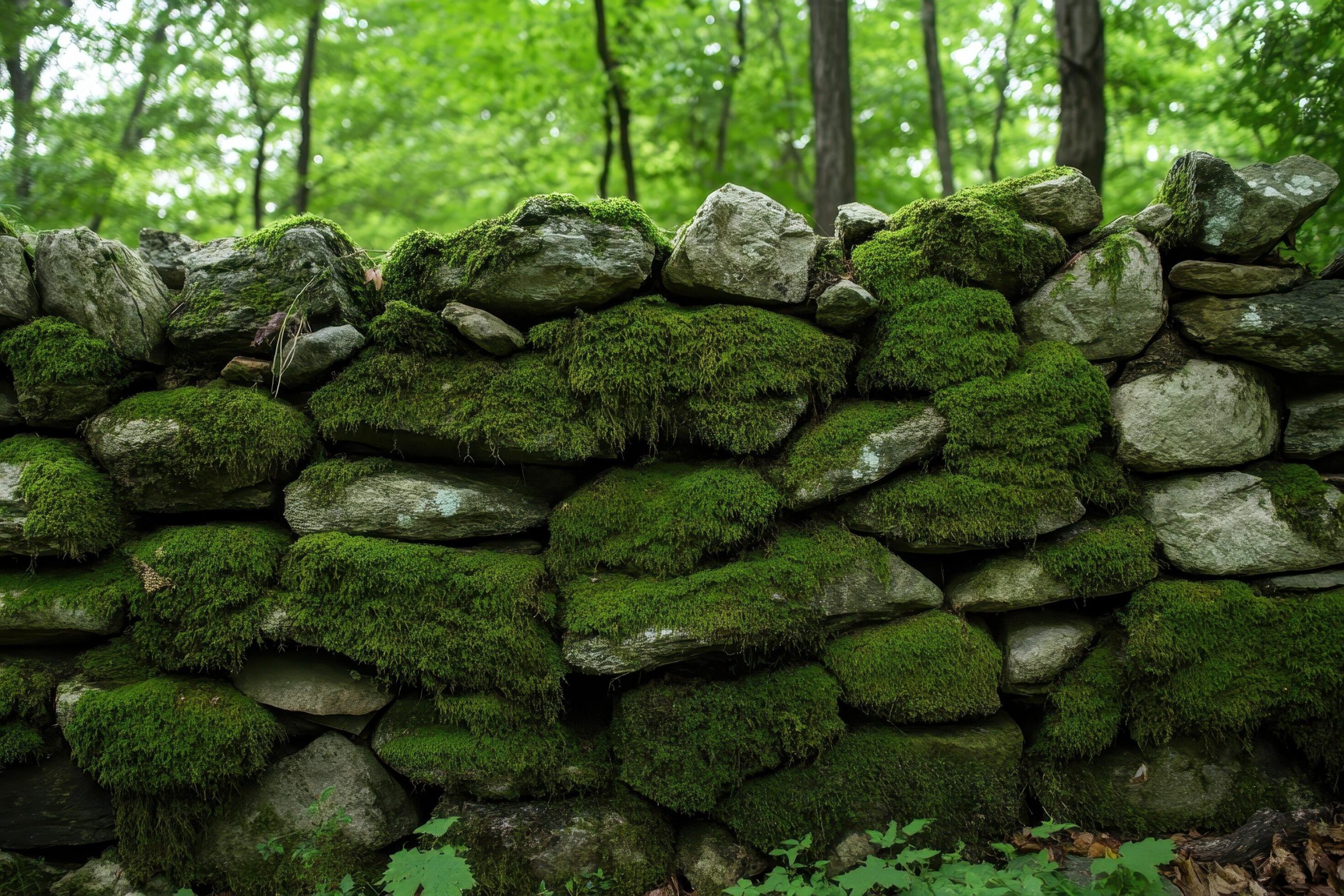
[sps_html tag=”img” src=”https://cdn.northcarolinafinearchitecture.com/2026/05/moss-and-wood-in-a-serene-garden-for-outdoor-moss-wall-design.jpg” alt=”Moss And Wood In A Serene Garden for Outdoor Moss Wall Design” style=”width: 100%; height: auto;”]
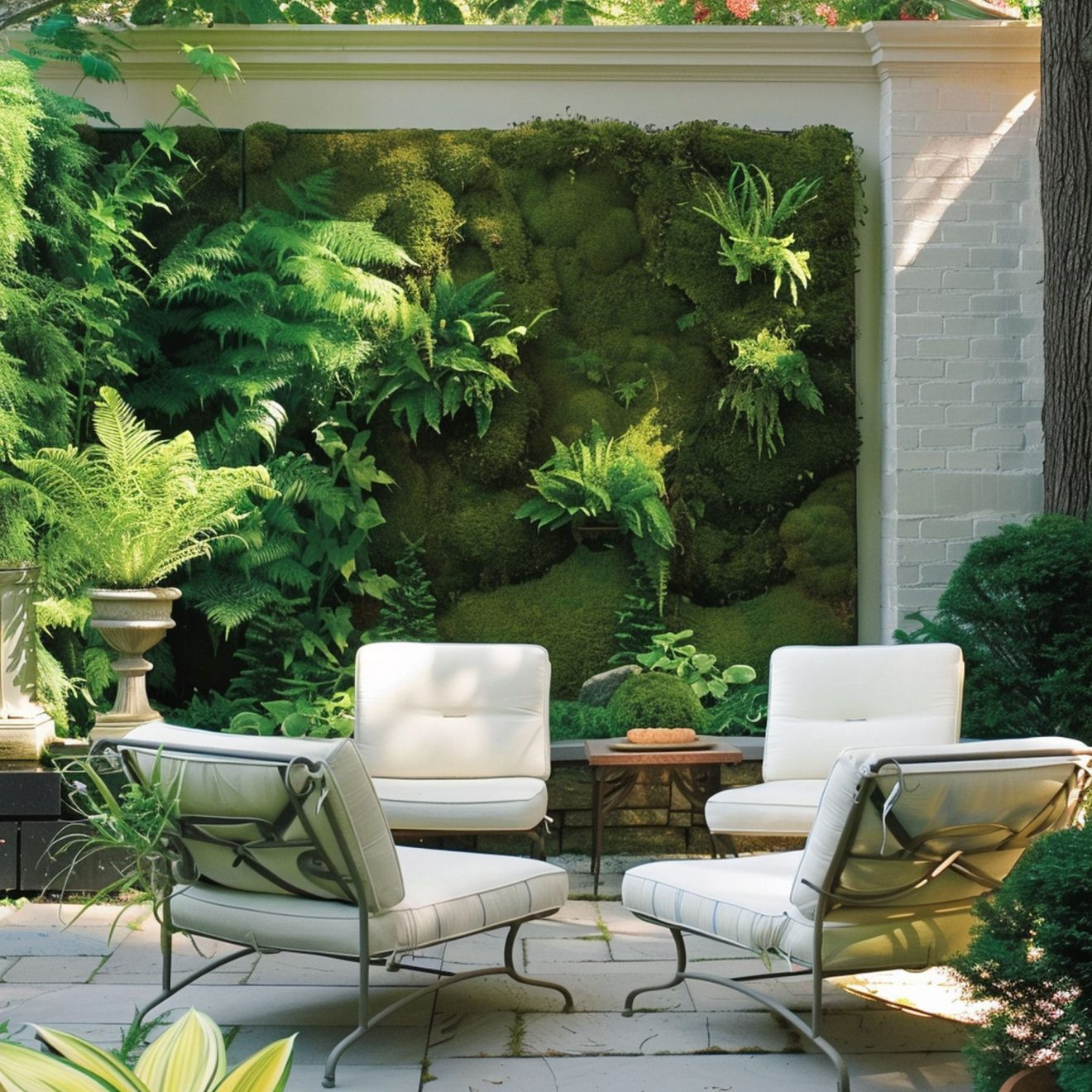
[sps_html tag=”img” src=”https://cdn.northcarolinafinearchitecture.com/2026/05/outdoor-living-canvas-lush-moss-wall-for-a-green-oasis-retreat-pertaining-to-mixing-moss-with-stone-and-wood-for-natural-outdoor-wall-features.jpg” alt=”Outdoor Living Canvas: Lush Moss Wall For A Green Oasis Retreat pertaining to Mixing Moss with Stone and Wood for Natural Outdoor Wall Features” style=”width: 100%; height: auto;”]
[sps_html tag=”img” src=”https://cdn.northcarolinafinearchitecture.com/2026/05/moss-wall-decor-moss-wall-art-handcrafted-natural-walnut-wood-and-pertaining-to-outdoor-moss-wall-design.jpg” alt=”Moss Wall Decor, Moss Wall Art, Handcrafted Natural, Walnut Wood And … pertaining to Outdoor Moss Wall Design” style=”width: 100%; height: auto;”]
[sps_html tag=”img” src=”https://cdn.northcarolinafinearchitecture.com/2026/05/24-moss-garden-ideas-for-lush-outdoor-landscaping-designs-regarding-mixing-moss-with-stone-and-wood-for-natural-outdoor-wall-features.jpg” alt=”24 Moss Garden Ideas For Lush Outdoor Landscaping Designs regarding Mixing Moss with Stone and Wood for Natural Outdoor Wall Features” style=”width: 100%; height: auto;”]