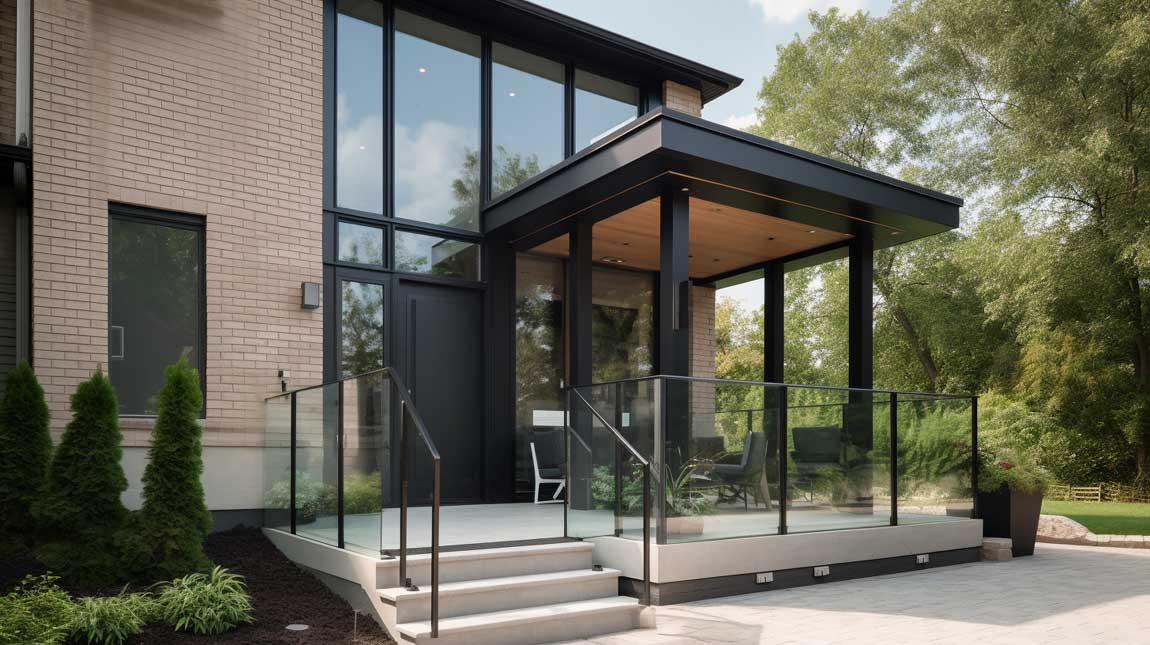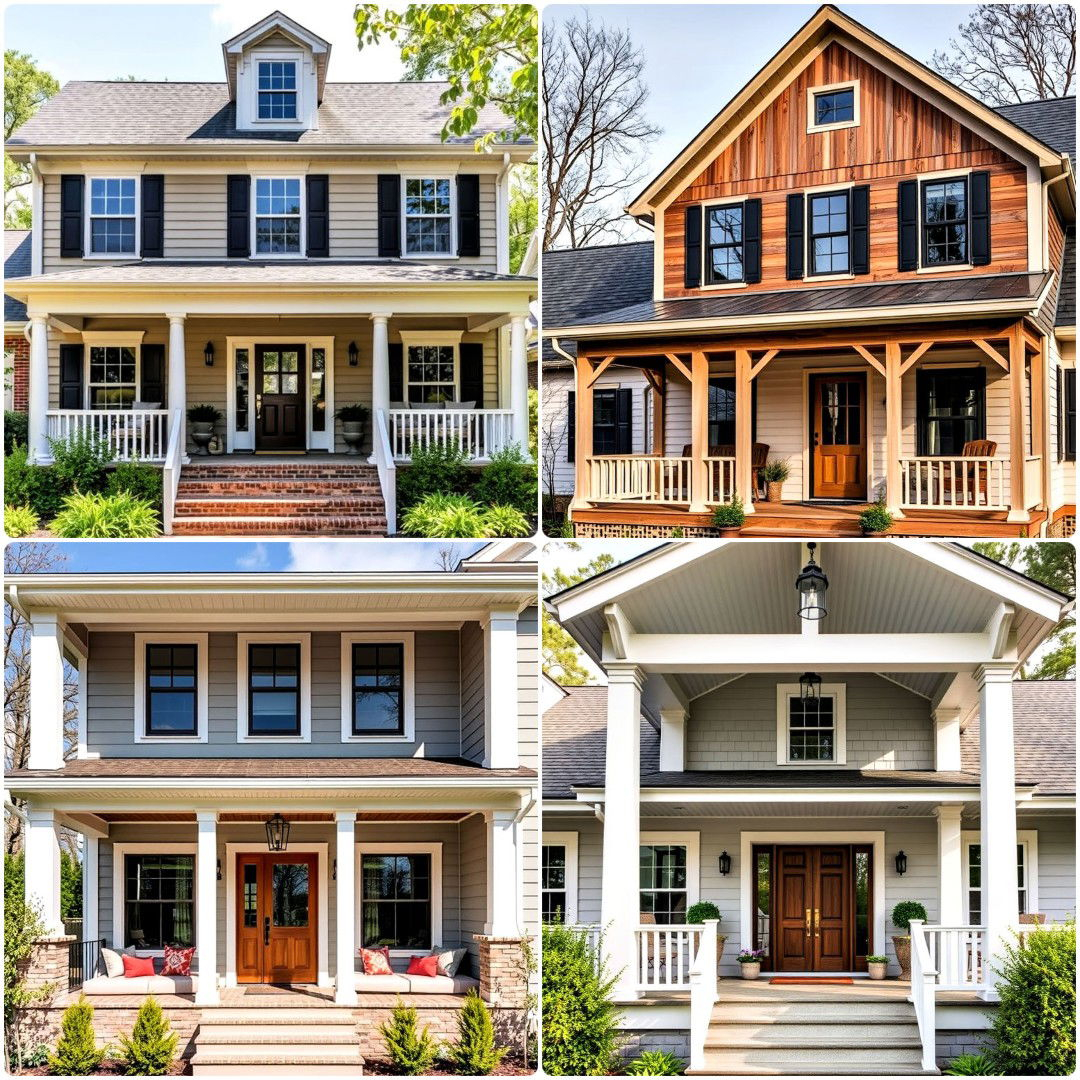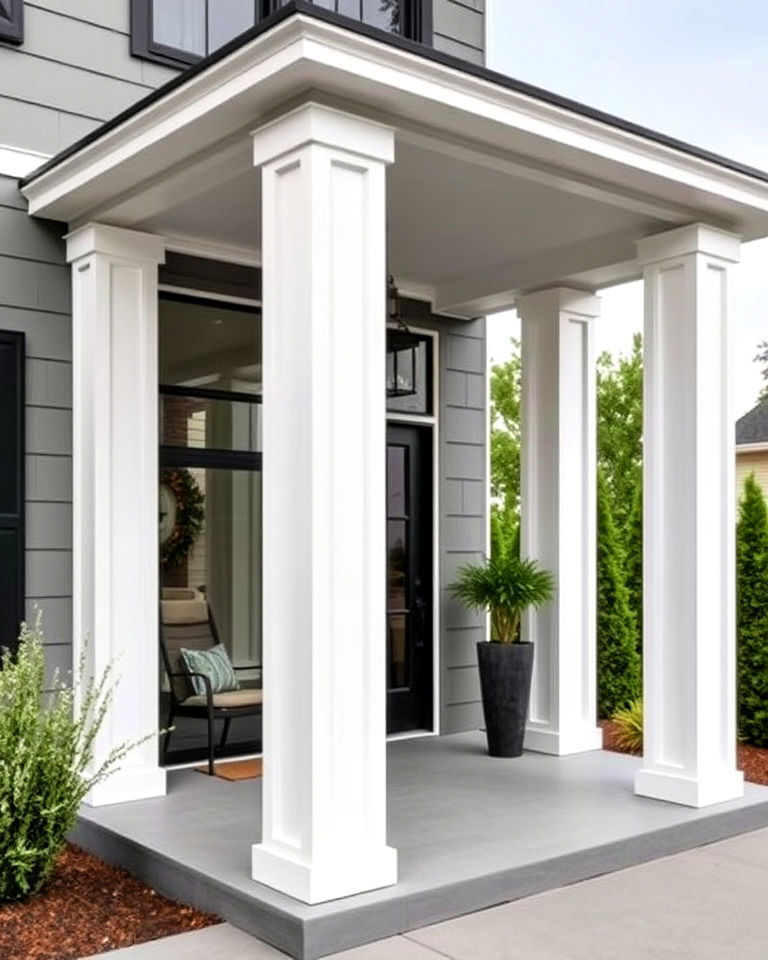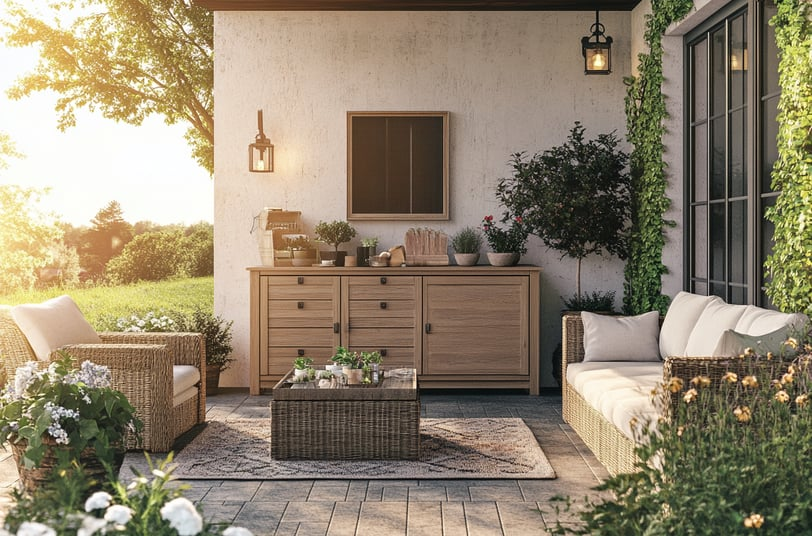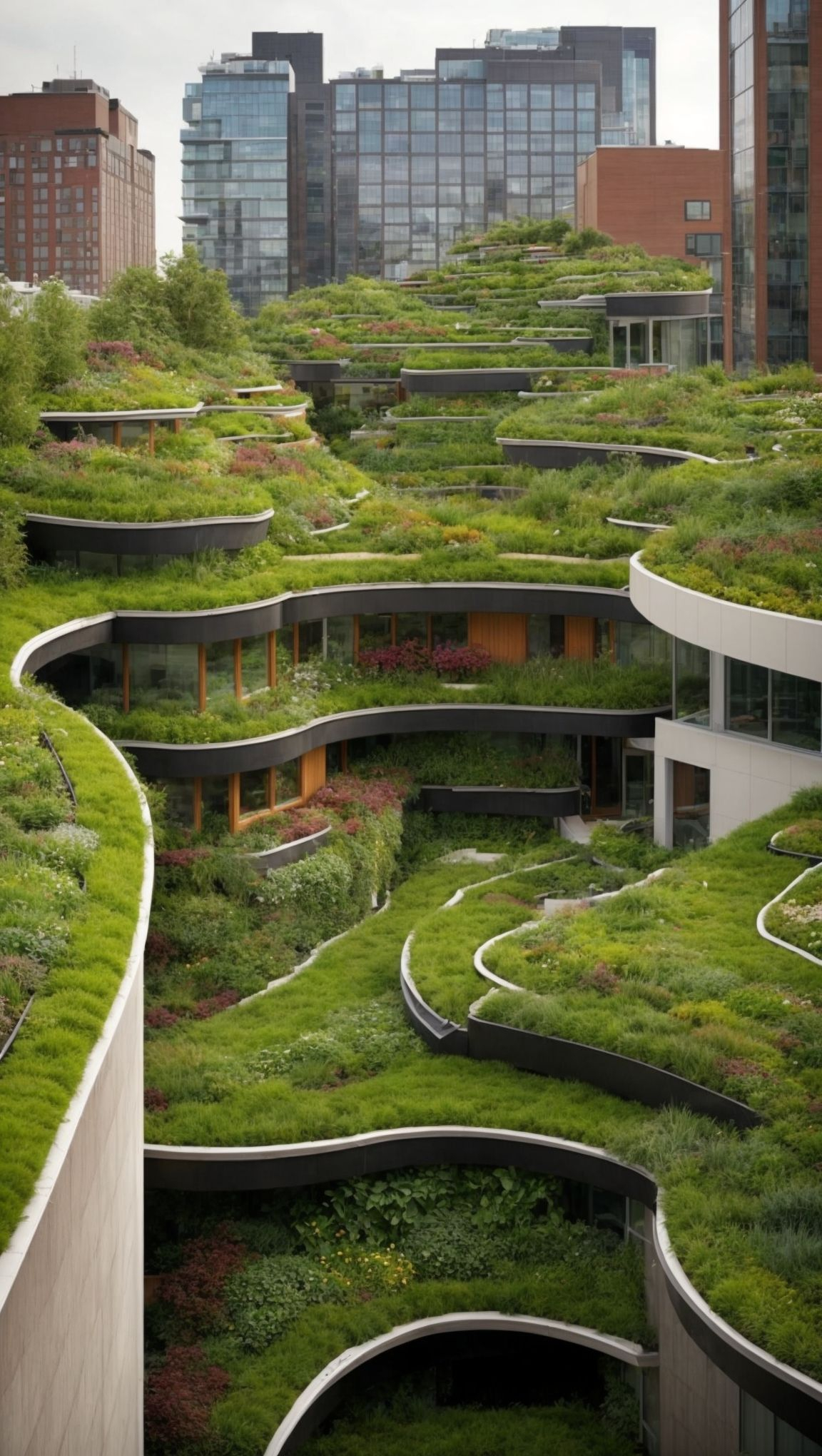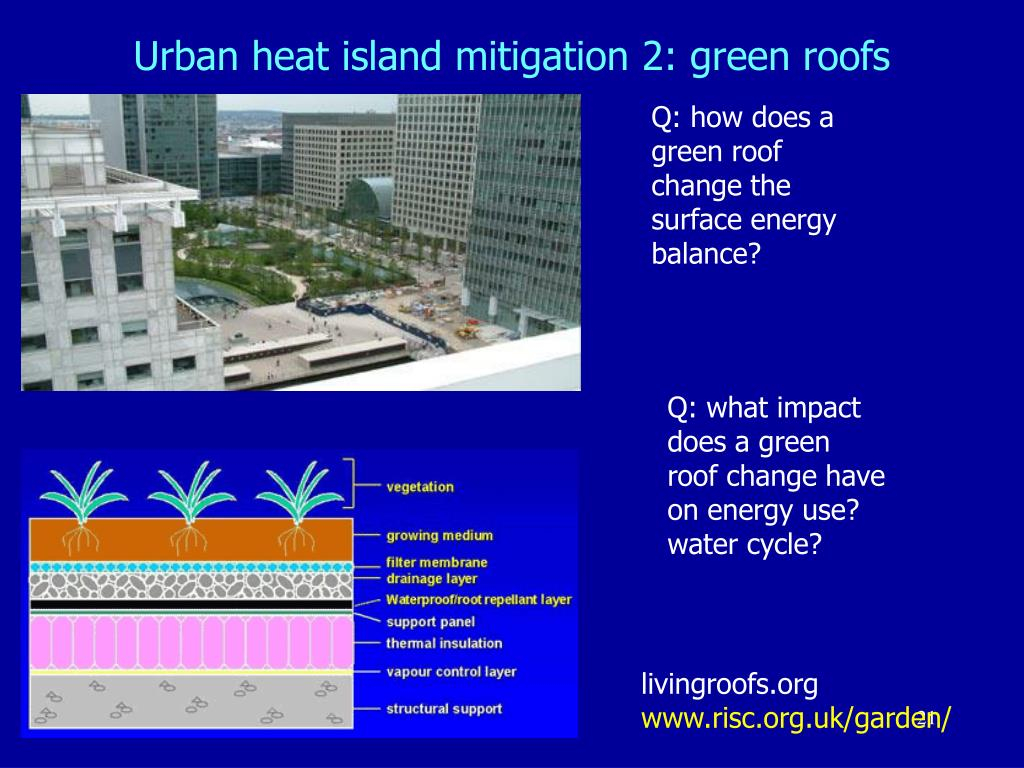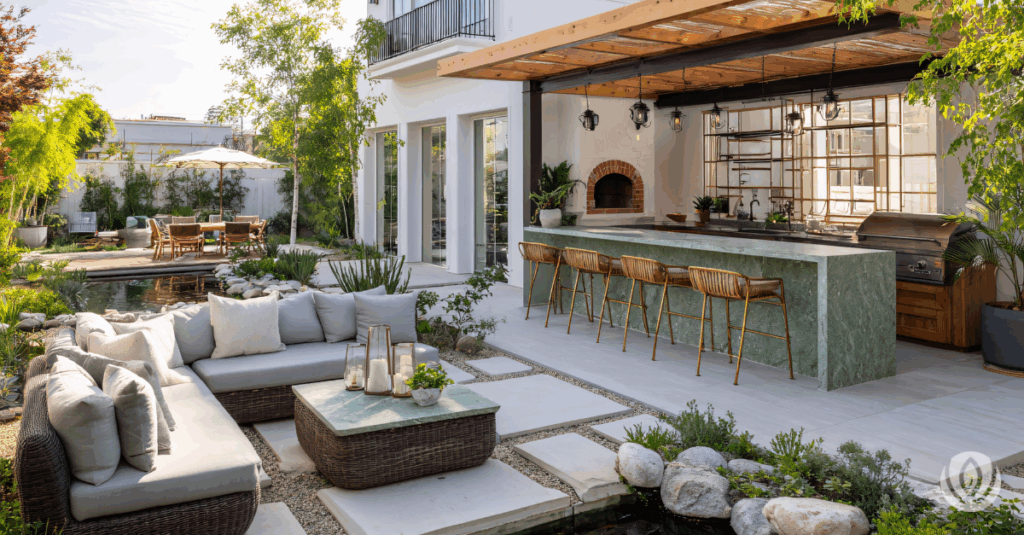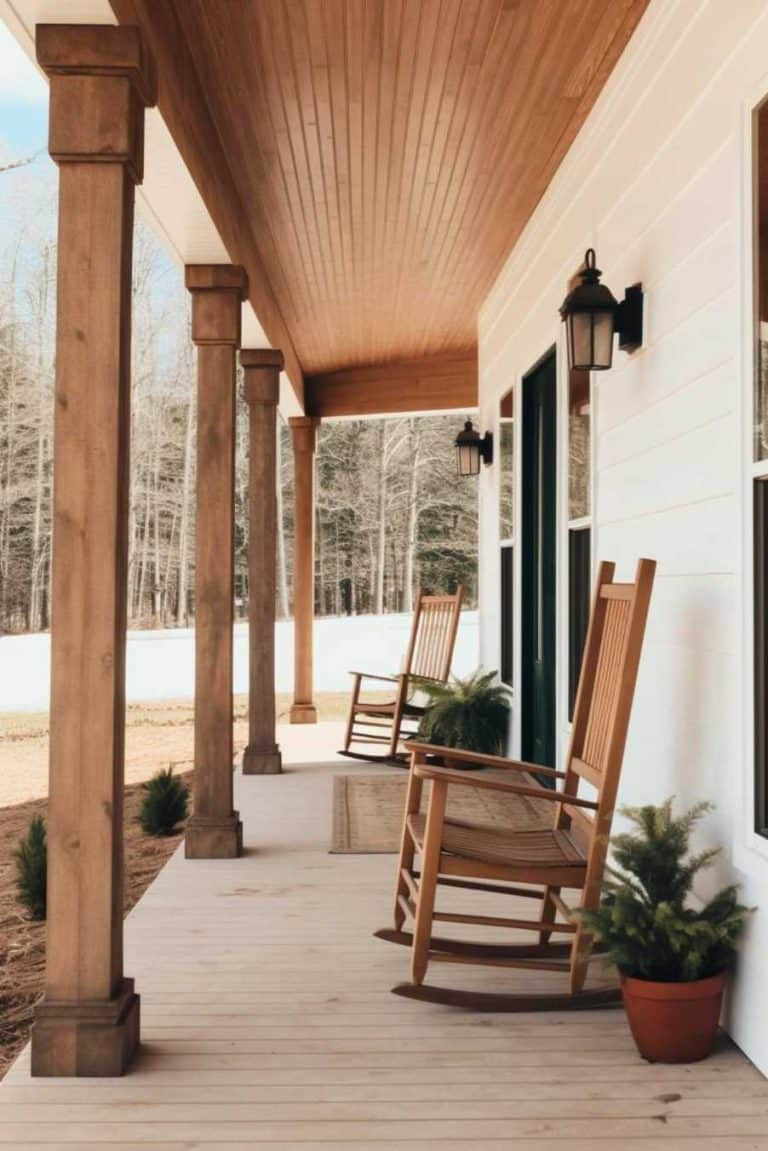
You know that feeling when you walk into a garden and it just feels… right? Like the fence wasn’t built, but grew there? That’s the vibe we are chasing this year. It’s not about slapping up a concrete post and calling it a day. Not anymore. In 2026, the line between what’s built and what’s planted has gotten blurry. Really blurry. And honestly? It’s about time.
We used to think of pillars as just things that held stuff up. A roof. A pergola. A gate. But look around now. Those vertical elements are doing heavy lifting in terms of style, sustainability, and even mood. They aren’t background noise. They are the main character. From entry arches that greet you with mossy textures to gate posts that double as mini-ecosystems, the trend is clear. We want structure, sure. But we want it to feel like it belongs to the earth, not just sits on top of it.
So, why does this matter to you? Maybe you’re renovating a tired patio. Maybe you’re building from scratch. Or maybe you just want your backyard to feel less like a construction site and more like a sanctuary. Whatever the case, understanding how to blend nature and structure in your vertical designs can change everything. It’s not just about looks. It’s about creating spaces that work smarter, not harder. Let’s dive into what’s actually happening in gardens across the country this year.
The Shift from Background to Foreground
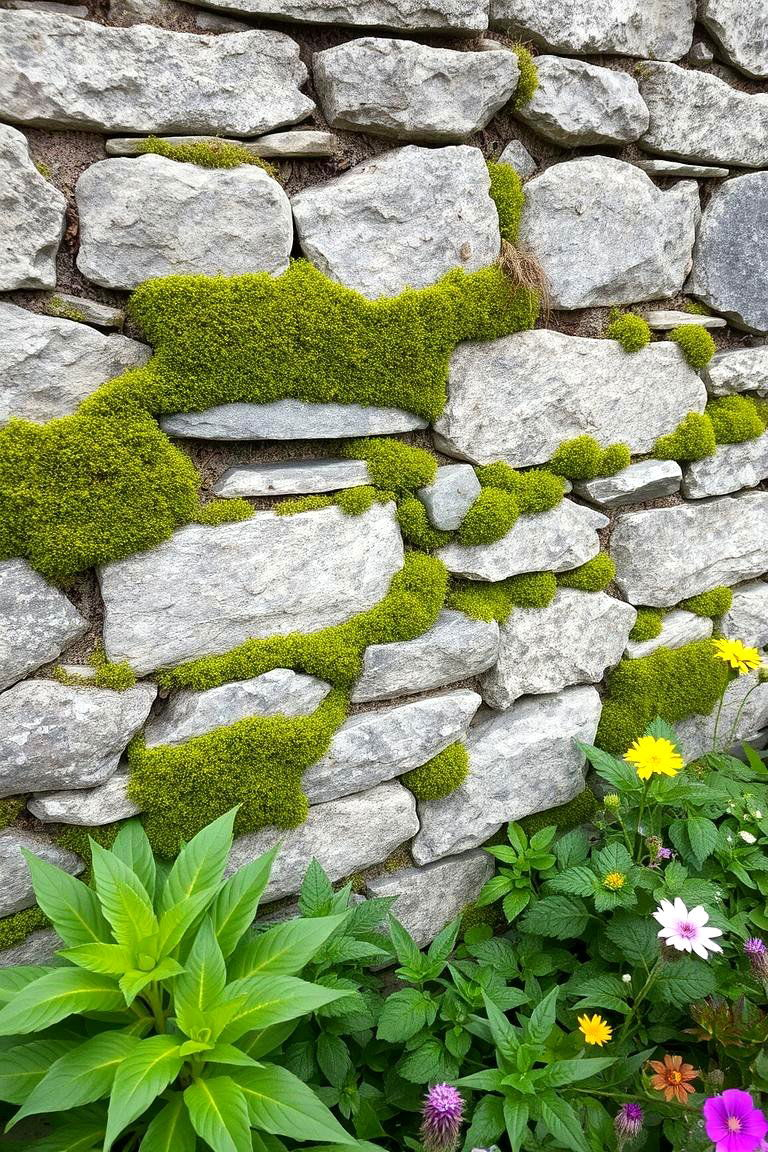
Remember when columns were just white, round, and boring? Yeah, me too. They were there to hold up the porch roof and nothing else. But in 2026, stone and brick have stopped acting like shy wallflowers. They are leading the layout. According to recent design insights, masonry is no longer just a background structure. It sets edges. It guides movement. It anchors key zones.
Think about your entryway. Instead of a simple metal gate, imagine thick, textured stone pillars that frame the path. These aren’t just supports; they are statements. They tell visitors, "Slow down. You are entering a special place." This shift is huge. It means every surface carries weight and purpose. Whether it’s a retaining wall that doubles as seating or a pillar that marks the transition from lawn to patio, the structure itself is doing the talking.
This approach also helps with flow. When you use substantial materials like rough-hewn stone or reclaimed brick for your pillars, you create visual cues. Your eye follows them. Your feet follow them. It’s subtle, but it works. Designers are using these elements to define "outdoor rooms" without building actual walls. A pair of sturdy pillars can mark the dining area. Another set can signal the lounge zone. It’s architecture that breathes. And it feels grounded. Literally.
Living Columns and Vertical Greenery
Here is where it gets fun. What if your pillar was alive? I mean, not literally walking around, but covered in life. Vertical greenery is massive in 2026. We are seeing a move away from plastic-looking fake plants and toward real, thriving ecosystems on vertical surfaces. Imagine a square wooden post wrapped in climbing jasmine. Or a stone column with pockets for succulents.
This isn’t just for show. It’s practical. Plants help cool the air around your seating areas. They absorb sound. And let’s be real, they look incredible. The trend is to integrate planting directly into the structure. Some designers are building hollow pillars with built-in irrigation systems. Others are using modular panels that attach to standard posts, allowing vines to take over naturally. It’s low maintenance if you pick the right native plants.
Sensory sanctuaries are part of this too. It’s not just about looking at green. It’s about smelling lavender as you walk through the gate. Hearing the bees buzz around the clover growing on your trellis-pillar hybrid. This multi-sensory approach makes outdoor spaces feel more immersive. You aren’t just outside; you are in nature. And the pillar is the bridge that gets you there. It softens the hard lines of construction and brings warmth.
Sustainable Materials and Climate Resilience
Let’s talk about what these things are made of. In the past, we might have grabbed whatever was cheap. Concrete. Vinyl. But 2026 is all about intention. Sustainability isn’t a buzzword anymore; it’s a requirement. People want materials that last. Materials that don’t hurt the planet. And materials that can handle weird weather. Because let’s face it, the weather is getting weirder.
Climate-resilient choices are key. This means using local stone that doesn’t need to be shipped halfway across the world. It means using woods that are naturally rot-resistant, like cedar or teak, or treated with non-toxic sealants. Recycled composite materials are also having a moment. They look like wood but act like plastic (in a good way). They don’t warp. They don’t fade. And they keep plastic out of landfills.
Native plants play a role here too. When you pair a sustainable pillar with native greenery, you create a system that supports itself. Native plants need less water. Less fertilizer. Less fuss. This aligns with the broader trend of "working smarter, not harder." Your outdoor space should reflect how you actually want to live. Do you want to spend every weekend watering and pruning? Probably not. You want to sit down and relax. Choosing the right materials and plants makes that possible.
Functional Zones and Smart Integration
Pillars are getting smarter. Not necessarily "AI-powered" smart, though some lighting is getting pretty techy. But they are becoming functional hubs. Think about it. A pillar is a perfect place to hide a light fixture. Or a speaker. Or even a small shelf for your drink. In 2026, we are seeing designs where the structure serves multiple purposes.
Lighting is a big one. Integrated LED strips inside stone columns create a soft glow at night. It’s safer than tripping over a cord. And it looks magical. Some designs include motion sensors, so the light only comes on when you need it. This saves energy and adds to the security of your home. It’s a small detail, but it makes a huge difference in how usable your space is after dark.
Then there’s the idea of "all-season comfort." Pillars can support retractable awnings or heaters. They can anchor screens that keep bugs away in the summer. By making the pillar a central part of the infrastructure, you free up floor space. You don’t need bulky standalone heaters or ugly bug zappers cluttering up your patio. Everything is tucked away, integrated, and ready to go. It’s clean. It’s modern. And it works.
Textural Contrast and Earth Tones
Visually, 2026 is warm. Very warm. We are moving away from the stark whites and cool grays of the early 2020s. Now, it’s all about earth tones. Terracotta. Ochre. Deep greens. Warm browns. These colors mimic the natural landscape. They make your outdoor space feel like an extension of the land, not an invasion of it.
Texture is just as important as color. Smooth stone next to rough bark. Polished metal next to fuzzy moss. These contrasts create interest. They make you want to touch things. And when you engage with your environment physically, you connect with it emotionally. Designers are mixing materials boldly. A steel column might be wrapped in rope. A brick pillar might have a wooden cap. It’s eclectic, but it feels curated.
This mix of textures also helps with durability. Different materials handle wear and tear differently. Wood might soften the look of a cold metal frame. Stone might protect a vulnerable corner. By layering materials, you get the best of both worlds. Aesthetics and function. Plus, it just looks cooler. It feels handmade. Personal. Like it was designed specifically for your home, because it probably was.
Finally, let’s talk about you. Your space should look like you. Not like a magazine cover. Not like your neighbor’s yard. Yours. One of the biggest trends in 2026 is personalization. Pillars are becoming canvases for artistic expression. Maybe you love mosaic tiles. Wrap your columns in broken ceramic pieces. Maybe you love sculpture. Top your pillars with custom ironwork.
There are no rules here. Well, maybe structural rules. Don’t make it fall down. But aesthetically? Go wild. This is about creating a space that reflects your lifestyle. If you love cooking, maybe your pillar has a built-in herb garden. If you love art, maybe it displays a rotating sculpture. The pillar is a vertical element, which means it draws the eye up. Use that to your advantage.
This level of customization is easier now than ever before. Modular systems allow you to swap out panels. Add-ons let you change functions. You can start simple and add complexity over time. It’s an evolving space. Just like you. And that’s the beauty of it. Your outdoor room isn’t a static product. It’s a living project. And the pillars are the backbone that holds it all together.
So, where do you start? Look at your space. What feels missing? What feels hard? Maybe you need more definition. Maybe you need more softness. Maybe you just need a place to put your coffee cup. Whatever it is, think vertically. Think naturally. Think about how structure and nature can dance together. It’s not about choosing one or the other. It’s about finding the balance. The sweet spot.
In 2026, the best outdoor spaces are those that feel inevitable. Like they were always meant to be there. By using pillars that blend stone, wood, and plant life, you create that feeling. You create a home outside. And isn’t that what we all want? A place to breathe. A place to be. A place that feels like us. So go ahead. Get your hands dirty. Build something beautiful.
[sps_html tag=”img” src=”https://cdn.northcarolinafinearchitecture.com/2026/06/elevate-your-porch-with-round-wood-columns-for-timeless-elegance-throughout-outdoor-pillar-design.jpg” alt=”Elevate Your Porch With Round Wood Columns For Timeless Elegance throughout Outdoor Pillar Design” style=”width: 100%; height: auto;”]
[sps_html tag=”img” src=”https://cdn.northcarolinafinearchitecture.com/2026/06/modern-front-porch-columns-ideas-for-timeless-curb-appeal-inside-elevating-entryways-with-rustic-and-modern-front-porch-pillar-styles.jpg” alt=”Modern Front Porch Columns Ideas For Timeless Curb Appeal inside Elevating Entryways With Rustic and Modern Front Porch Pillar Styles” style=”width: 100%; height: auto;”]
[sps_html tag=”img” src=”https://cdn.northcarolinafinearchitecture.com/2026/06/11-front-porch-column-ideas-to-elevate-your-homes-architectural-style-for-outdoor-pillar-design.jpg” alt=”11+ Front Porch Column Ideas To Elevate Your Home's Architectural Style for Outdoor Pillar Design” style=”width: 100%; height: auto;”]
[sps_html tag=”img” src=”https://cdn.northcarolinafinearchitecture.com/2026/06/30-front-porch-column-ideas-for-a-welcoming-entryway-intended-for-outdoor-pillar-design.jpg” alt=”30 Front Porch Column Ideas For A Welcoming Entryway intended for Outdoor Pillar Design” style=”width: 100%; height: auto;”]