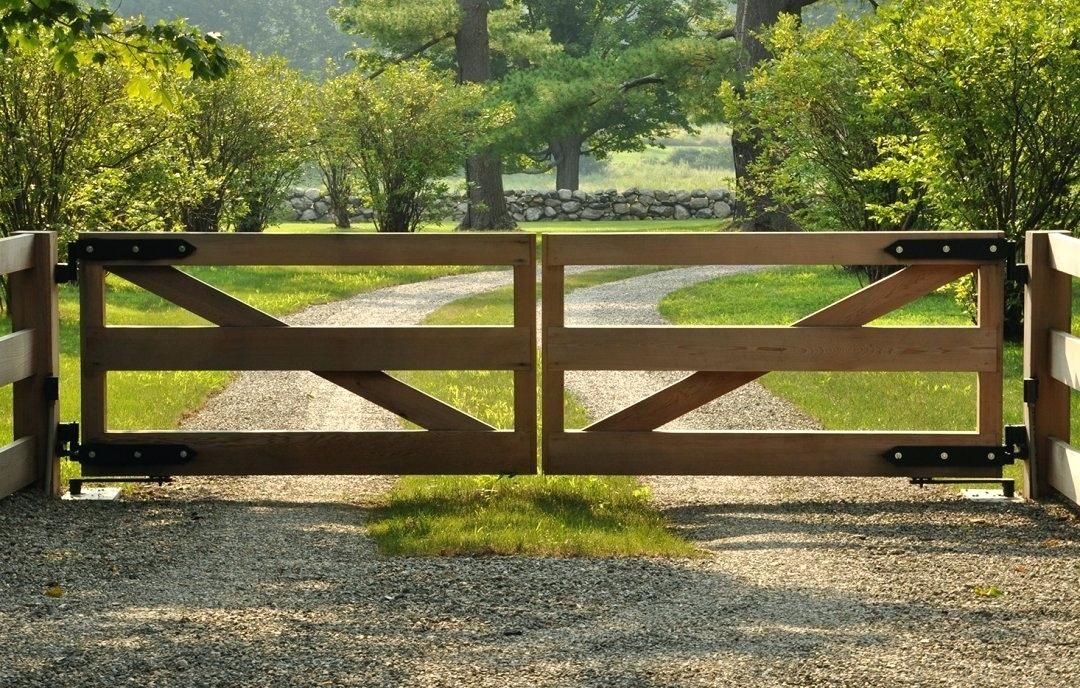
Think about the last time you walked through a gate. Not just any gate, but one that felt right. Maybe it was heavy wood, warm under your palm. Or perhaps it was sleek metal, cool and precise. Did you notice how the air seemed to change? How the noise of the street faded just a little? That’s not an accident. It’s design. It’s intention.
For years, we’ve treated garden gates like an afterthought. A functional necessity. A thing you buy because the HOA says you need a barrier. But in 2026, something has shifted. We’re realizing that the gate isn’t just a door in a fence. It’s a transition. It’s the handshake of your home. It tells a story before you even step onto the patio. And honestly? It’s about time we gave it the attention it deserves.
The Psychology of the Entrance
Why do we feel different when we cross a threshold? It’s primal. For centuries, gates have marked the difference between the public world and the private sanctuary. In our fast-paced, hyper-connected lives, that distinction matters more than ever. A gate creates a pause. A breath. It signals to your brain that you are leaving the chaos behind and entering a space of calm.
Consider the simple act of unlatching a gate. It’s a ritual. You stop. You touch the hardware. You push or pull. That physical interaction grounds you. It’s a mindful moment in a day full of digital distractions. Designers like Joanna Gaines have long talked about this "outdoor storytelling," and in 2026, homeowners are finally listening. They aren’t just building fences; they’re crafting experiences. The gate is the prologue to that story.
It also frames the view. Think of it like a picture frame for your yard. A well-placed gate hints at what’s beyond without revealing everything. It creates mystery. It invites curiosity. When you stand outside, looking in, a beautiful gate makes you want to see more. It’s a warm welcome, even if no one is home. It says, "You are invited here." That’s powerful stuff for a few planks of wood or bars of steel.
Sustainable Choices Defining 2026
Let’s talk materials. If you’re looking to install or replace a gate this year, you’ve probably noticed the options have changed. Gone are the days when pressure-treated pine was the only affordable choice. Today, sustainability isn’t just a buzzword; it’s a demand. According to a recent survey by the National Association of Home Builders, 70% of respondents now prioritize eco-friendly options. That’s a huge shift. People want their homes to reflect their values.
Wood-plastic composite (WPC) is having a major moment. Why? Because it lasts. It resists UV damage, which is crucial as summers get hotter. It doesn’t rot, warp, or need annual staining. But here’s the catch: not all composites are created equal. You have to check the density. Look for quality. The cheapest option might save you money upfront, but it’ll look tired in two years. The difference in performance is noticeable. And remember, installation matters. Even the best material needs good posts and proper hanging to perform well.
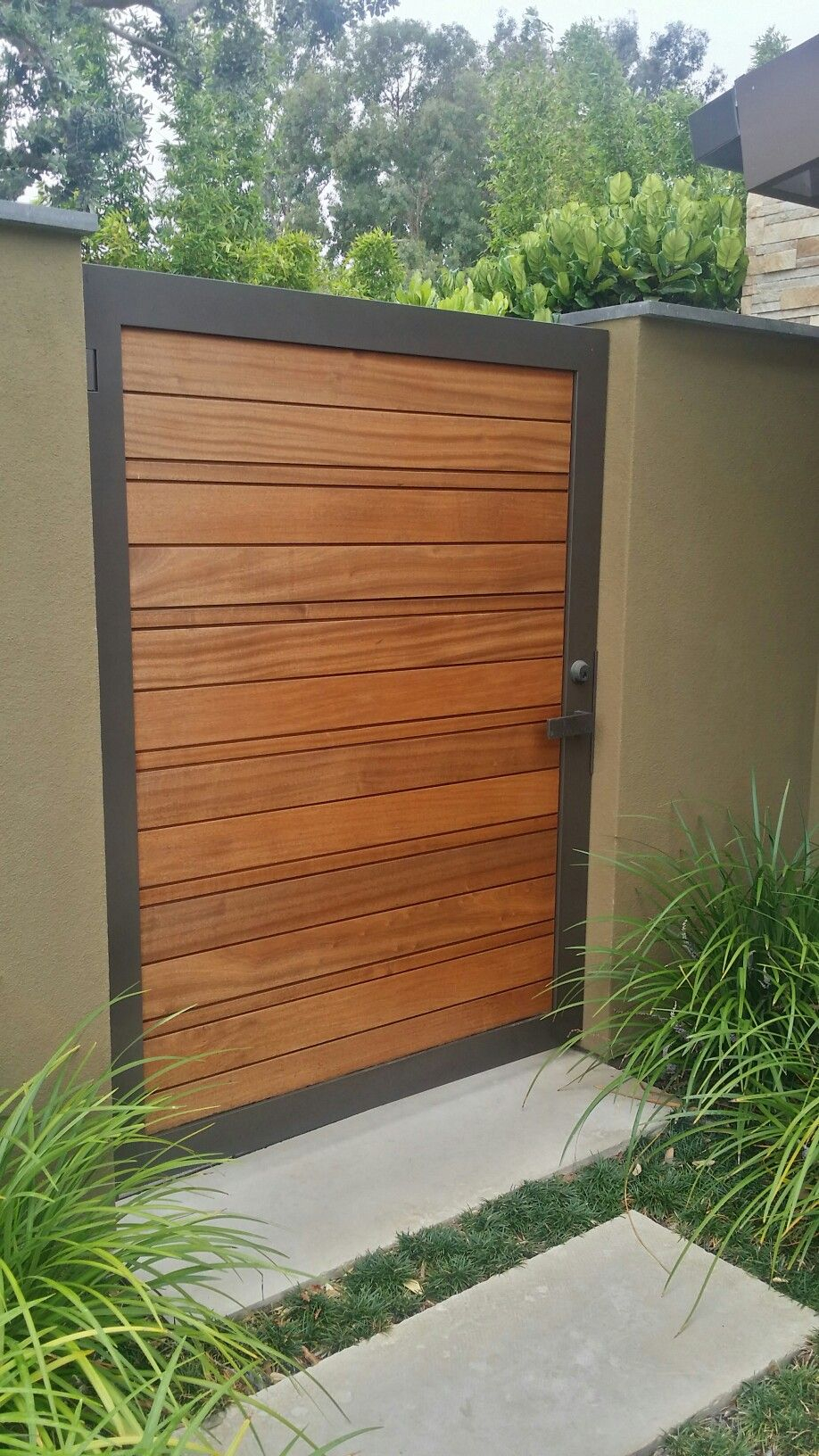
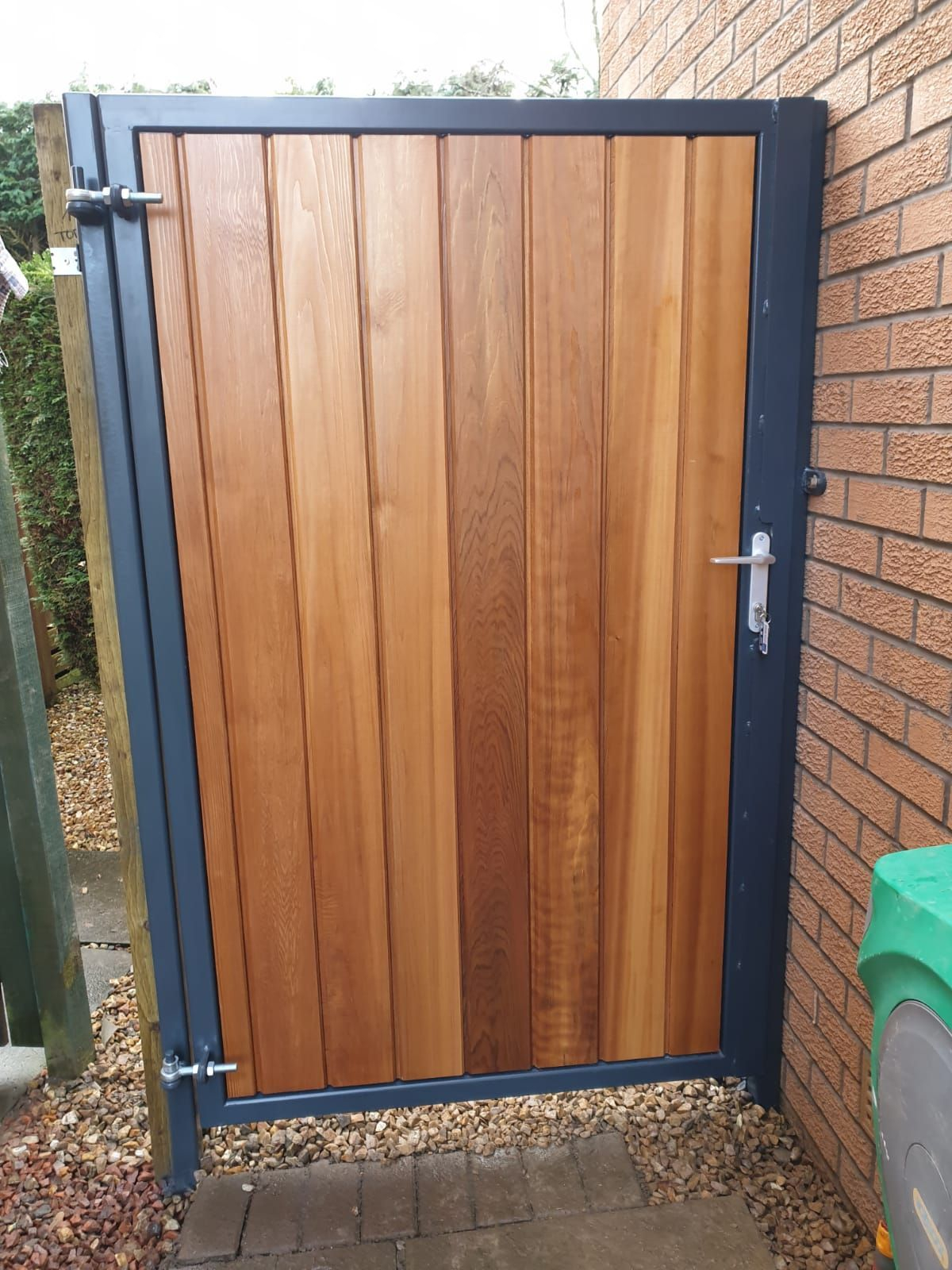
But it’s not just about composites. Reclaimed wood is huge too. There’s something deeply satisfying about using timber that has a history. Maybe it’s old barn wood, weathered and gray. Maybe it’s salvaged from a demolition project. Each piece has character. It’s unique. And it keeps waste out of landfills. Aluminum is another contender, especially for modern looks. It’s lightweight, recyclable, and incredibly durable. Custom aluminum gates can be powder-coated in any color, offering a sleek, low-maintenance solution that reflects the considered aesthetic of the whole property.
Design Trends That Break the Mold
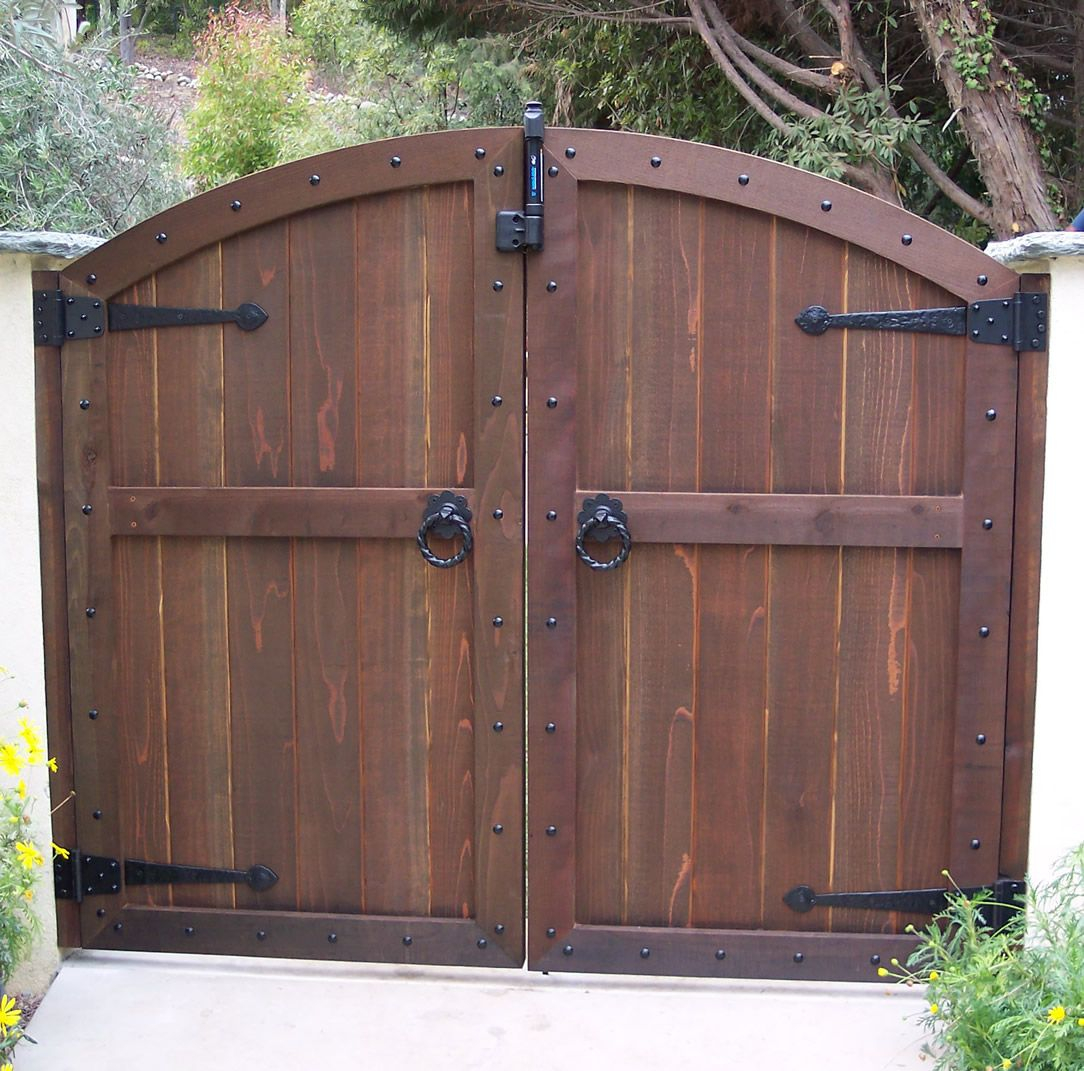
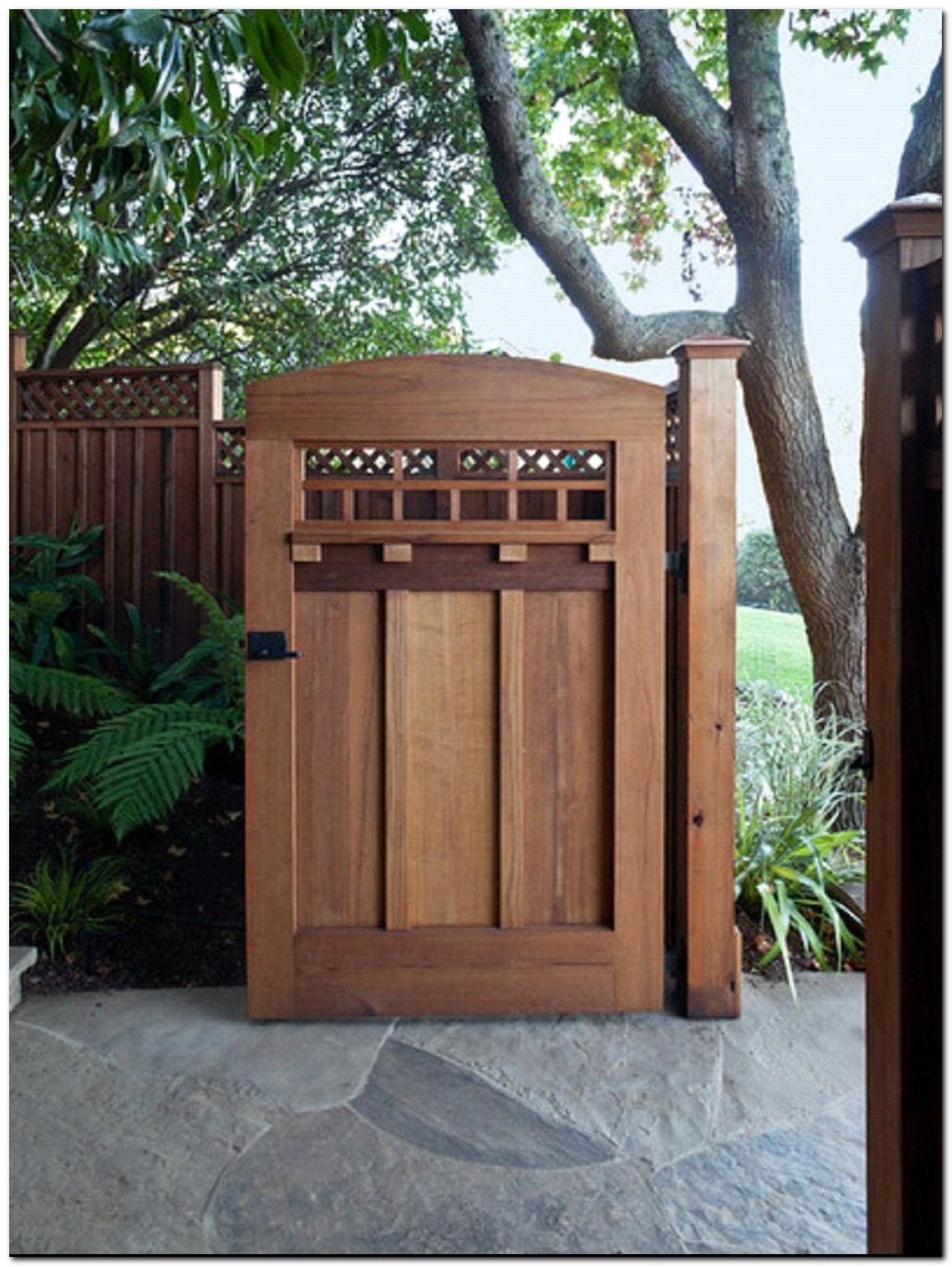
So, what does a 2026 gate actually look like? Well, it depends on your style, but there are some clear trends emerging. First, oversized entrances are making a splash. An oversized wooden garden gate offers privacy and a touch of elegance to a driveway or courtyard. It feels grand. Important. It transforms an old driveway or parking area into a statement piece. When you pair it with upgraded pavers and surrounding greenery, the whole vibe changes. It’s no longer just a place to park; it’s an arrival point.
On the other end of the spectrum, we’re seeing clever solutions for small spaces. Tight side yards and narrow walkways can make traditional swinging gates feel clumsy. They hit the wall. They block the path. Enter the bi-fold gate. These accordion-style designs fold in on themselves rather than swinging wide. They’re becoming increasingly popular in urban settings where every inch counts. They’re practical, sure, but they can also be stunning. Imagine a slim, black metal bi-fold gate that tucks away neatly, revealing a hidden garden pocket. It’s smart design.
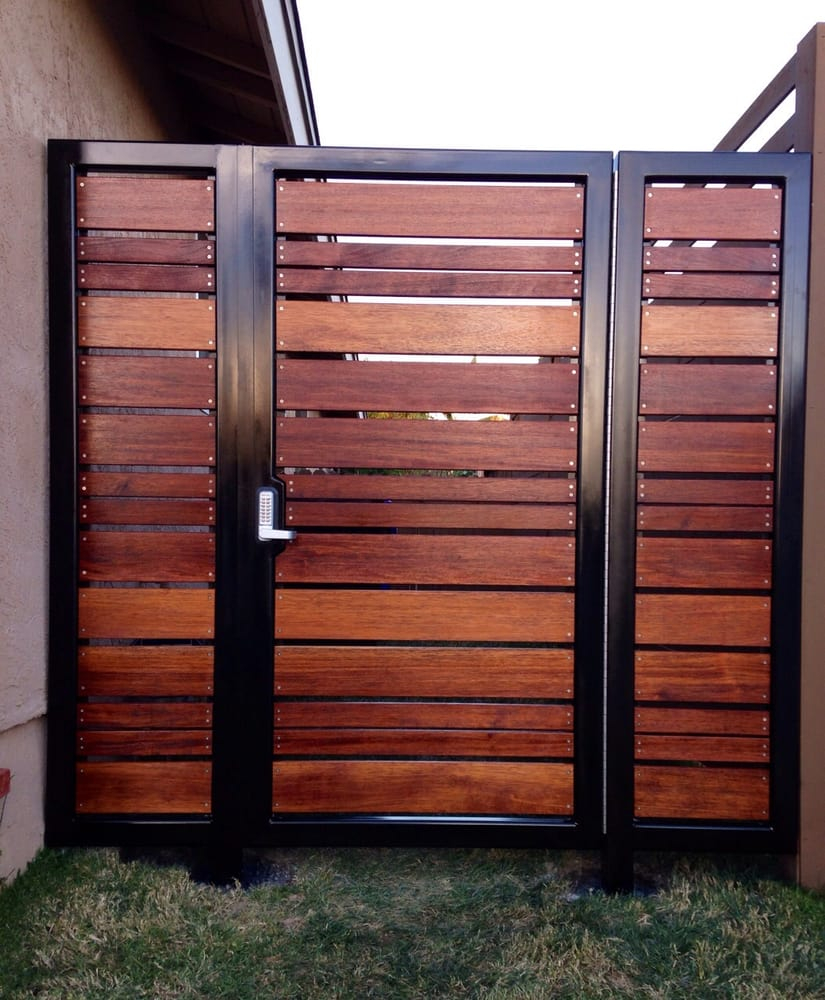
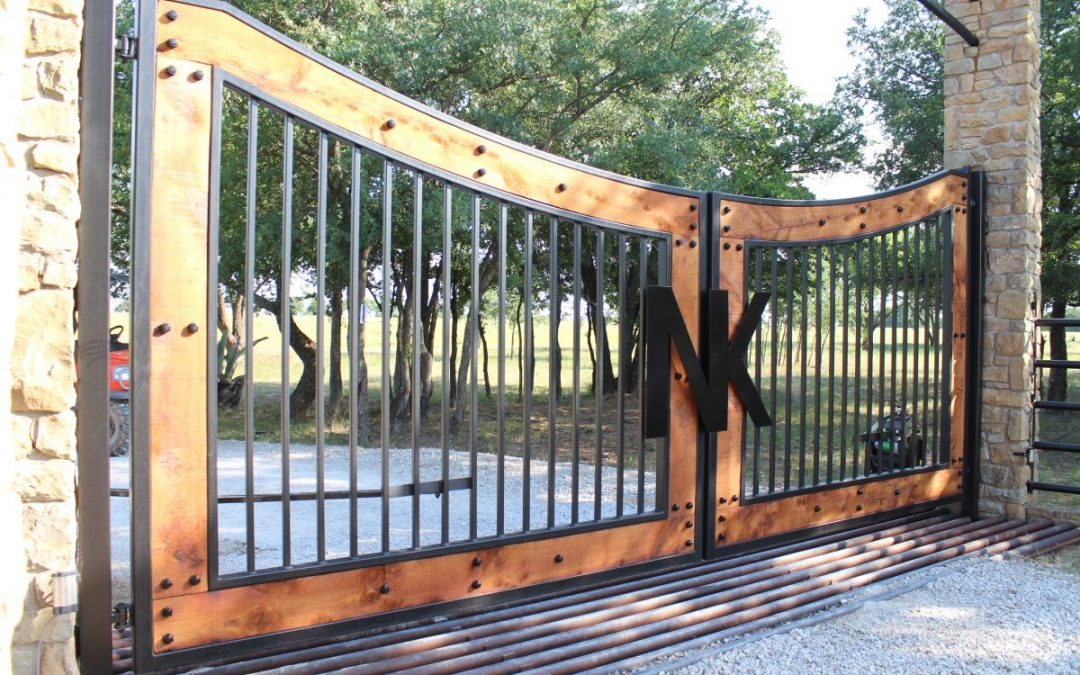
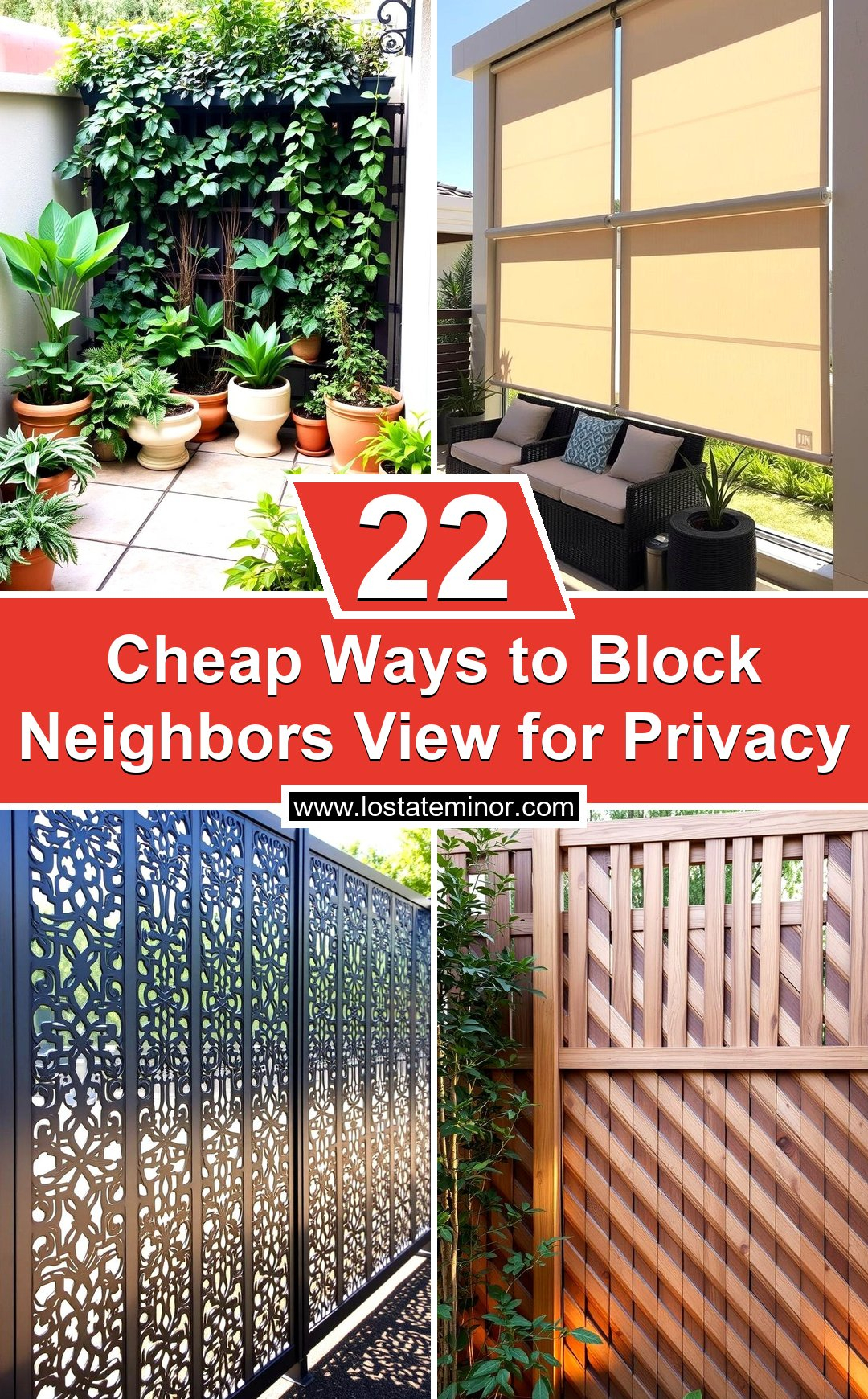
Then there’s the move toward artistic statements. Gates are no longer just rectangular boxes. They’re sculptural. Curved lines. Asymmetrical slats. Mixed materials. A gate might combine warm cedar with industrial steel cables. Or maybe it features laser-cut patterns that cast intricate shadows on the ground as the sun moves. These aren’t just barriers; they’re art installations. They enhance curb appeal by adding visual interest and depth. They make people stop and look. And isn’t that what we want? To create spaces that delight?
The Tech-Integrated Boundary
Here’s where things get interesting. In 2026, our gates are getting smarter. But not in a creepy, Big Brother way. In a helpful, convenient way. Smart locks are becoming standard for high-end installations. You can unlock your gate with your phone. Or a fingerprint. Or a voice command. It’s secure, yes, but it’s also seamless. No more fumbling for keys when your hands are full of groceries. No more wondering if you locked the gate when you’re already in bed.
Integration with home security systems is another big deal. Cameras can be built directly into the gate posts. Motion sensors trigger lighting that guides you in at night. This isn’t just about safety; it’s about ambiance. Soft, warm lighting along the gate path creates a welcoming glow. It highlights the texture of the wood or the shine of the metal. It makes the entrance feel safe and inviting, even after dark.
But let’s not forget the basics. A smart gate is useless if the mechanical parts fail. Hinges need to be robust. Latches need to be smooth. Technology should enhance the experience, not complicate it. If you’re going high-tech, make sure the underlying structure is solid. Good craftsmanship still matters. In fact, it matters more. Because when the tech works flawlessly with beautiful design, the result is magic. It’s invisible convenience. You don’t notice it until you realize how easy your life has become.
Curb Appeal and Property Value
Let’s be real for a second. We all care about value. Whether you’re planning to sell in five years or twenty, your home is likely your biggest asset. And curb appeal? It’s the first impression. It sets the tone. A tired, sagging gate screams neglect. A crisp, well-designed gate whispers care. It suggests that the rest of the property is equally well-maintained. It’s a subtle signal to buyers, neighbors, and guests alike.
Studies consistently show that outdoor improvements yield strong returns on investment. But it’s not just about the dollar amount. It’s about pride of ownership. When you love coming home, you take better care of your home. You spend more time in the garden. You connect with your neighbors over the fence. A beautiful gate fosters community. It’s a conversation starter. "Love your gate!" someone might say. And suddenly, you’re talking. Connecting.
Think about the rental market too. Properties with distinct, attractive features stand out. A unique garden gate can be the deciding factor for a tenant choosing between two similar houses. It adds character. It makes the place feel special. In a world of cookie-cutter developments, individuality is valuable. Your gate is one of the easiest ways to express that individuality. It’s a small detail with a big impact. Don’t underestimate it.
Installation and Maintenance Realities
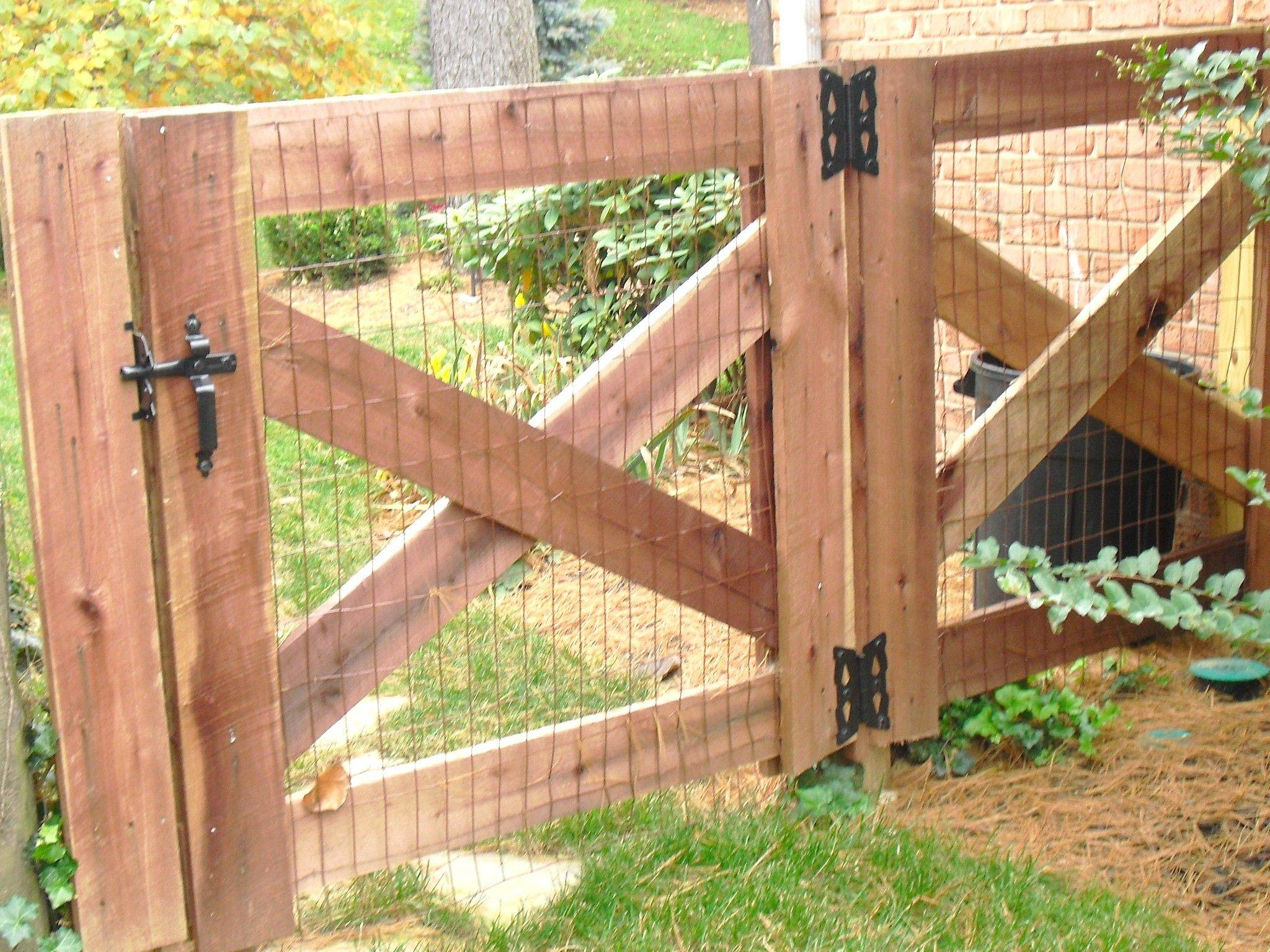
Okay, so you’ve picked your style. You’ve chosen your material. Now what? Installation. This is where many people stumble. A gate is a moving part. It swings. It hangs. It bears weight. If the posts aren’t set deep enough, or if the concrete isn’t cured properly, the gate will sag. It will drag. It will frustrate you every single day. Don’t skimp on the foundation. Use pressure-treated posts or steel anchors. Make sure they’re plumb. Level. Solid.
Hanging the gate is an art form. The hinges need to be aligned perfectly. The latch needs to engage smoothly. If you’re not confident in your carpentry skills, hire a pro. It’s worth it. A poorly hung gate is a nightmare. A well-hung gate is a joy. It swings with a satisfying weight. It clicks shut with a reassuring sound. These details matter. They affect how you use the space every day.
Maintenance depends on your material, but it’s never zero. Wood needs oiling or staining every few years. Metal might need a touch-up paint job if it gets scratched. Composites need washing to remove dirt and pollen. But here’s the thing: regular maintenance is easier than major repairs. Take ten minutes twice a year to check the hardware. Tighten screws. Lubricate hinges. Clean the surface. It extends the life of your gate significantly. And it keeps it looking fresh. It’s a small effort for a big reward.
At the end of the day, a garden gate is about more than wood, metal, or tech. It’s about how we live. In 2026, we’re craving connection. To nature. To our homes. To each other. A gate facilitates that. It creates a boundary, yes, but a permeable one. It allows us to control our environment without isolating ourselves. It’s a tool for mindfulness. For beauty. For security.
So, look at your gate. Really look at it. Does it welcome you? Does it reflect who you are? If not, maybe it’s time for a change. You don’t need to spend a fortune. Sometimes, a fresh coat of paint and new hardware are enough. Sometimes, you need a complete redesign. But whatever you do, do it with intention. Treat your gate as the important element it is.
Because it’s not just a boundary. It’s a transition. It’s a promise. It’s the start of your sanctuary. And in a world that often feels chaotic, that’s a gift worth giving yourself. Let your gate be more than just a door. Let it be an invitation. To slow down. To breathe. To come home.
[sps_html tag=”img” src=”https://cdn.northcarolinafinearchitecture.com/2026/05/metal-garden-gate-design-ideas-design-talk-within-outdoor-gate-design.jpg” alt=”Metal Garden Gate Design Ideas - Design Talk within Outdoor Gate Design” style=”width: 100%; height: auto;”]
[sps_html tag=”img” src=”https://cdn.northcarolinafinearchitecture.com/2026/05/gate-design-ideas-diy-throughout-rustic-wood-vs-modern-metal-which-outdoor-gate-style-suits-you-best.jpg” alt=”Gate Design Ideas Diy throughout Rustic Wood vs Modern Metal Which Outdoor Gate Style Suits You Best” style=”width: 100%; height: auto;”]
[sps_html tag=”img” src=”https://cdn.northcarolinafinearchitecture.com/2026/05/pin-by-kamilahsnook-on-dream-house-house-gate-design-house-main-within-outdoor-gate-design.jpg” alt=”Pin By Kamilahsnook On Dream House | House Gate Design, House Main … within Outdoor Gate Design” style=”width: 100%; height: auto;”]
[sps_html tag=”img” src=”https://cdn.northcarolinafinearchitecture.com/2026/05/make-wooden-garden-gate-at-jessica-hincks-blog-throughout-rustic-wood-vs-modern-metal-which-outdoor-gate-style-suits-you-best.jpg” alt=”Make Wooden Garden Gate At Jessica Hincks Blog throughout Rustic Wood vs Modern Metal Which Outdoor Gate Style Suits You Best” style=”width: 100%; height: auto;”]
[sps_html tag=”img” src=”https://cdn.northcarolinafinearchitecture.com/2026/05/76-driveway-gate-ideas-farm-gates-entrance-rustic-metal-farm-gate-within-rustic-wood-vs-modern-metal-which-outdoor-gate-style-suits-you-best.jpg” alt=”76 Driveway Gate Ideas | Farm Gates Entrance, Rustic Metal Farm Gate … within Rustic Wood vs Modern Metal Which Outdoor Gate Style Suits You Best” style=”width: 100%; height: auto;”]