You know that feeling when you step outside with your morning coffee, only to be greeted by a gust of wind so cold it steals the breath right out of you? Or maybe it’s mid-July, and the sun is beating down so hard that your patio furniture feels like it’s been sitting in an oven. We’ve all been there. For years, we treated our terraces and patios as fair-weather friends. Nice to have around when the sky is blue and the temperature is mild, but abandoned the moment the clouds roll in or the thermometer drops.
But what if that didn’t have to be the case?
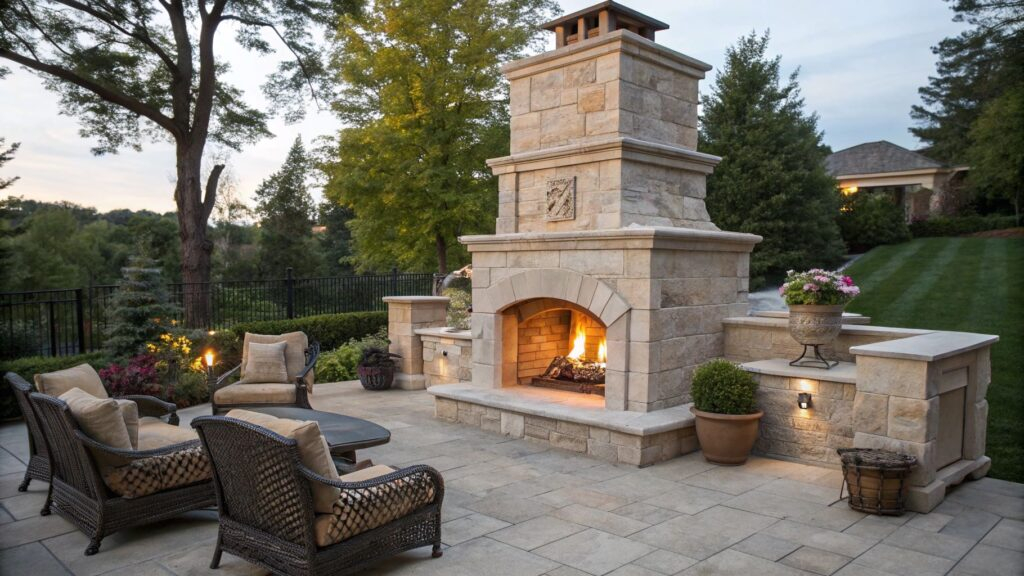
Imagine stepping out onto your terrace in late November. The air is crisp, sure, but you’re wrapped in a warm throw, sitting under a soft glow of ambient lighting, with a gentle heat source keeping the chill at bay. Or picture a rainy Tuesday in April where you’re still able to read your book under a sleek, waterproof cover while listening to the rain hit the roof. This isn’t a fantasy reserved for luxury hotels or magazine spreads. It’s entirely possible to create an outdoor space that works just as hard as you do, no matter what the weather throws at it. In 2026, the line between indoor comfort and outdoor freedom is blurrier than ever, and getting it right starts with understanding how to build for resilience, not just aesthetics.
Know Your Enemy: Understanding Local Climate Challenges
Before you buy a single cushion or pour any concrete, you need to have an honest conversation with your environment. A terrace that works perfectly in sunny California will fail miserably in snowy Vermont or humid Florida. The biggest mistake people make is copying a design they saw online without considering their specific microclimate. You have to start with the basics: sun, wind, and precipitation. Where does the sun hit hardest in the afternoon? Where do the winter winds come from? Does snow pile up against the railing?
Take a week to just watch your space. Note where the shadows fall at different times of day. If your backyard faces direct afternoon sun, you’re going to need serious shade solutions, or else that terrace will be unusable from May through September. On the flip side, if you’re in a windy area, you need windbreaks. This doesn’t mean building a solid wall, which can create uncomfortable turbulence. Instead, think about permeable barriers like slatted screens or dense evergreen planting that filters the wind rather than blocking it dead.
Knowing your exposure helps you pick the right materials, too. If you live near the coast, salt air will eat certain metals for breakfast. If you’re in a place with heavy freeze-thaw cycles, your flooring needs to handle expansion and contraction without cracking. It sounds boring, I know. But ignoring these factors is why so many "dream" outdoor spaces end up gathering dust (or snow) for half the year. Planning isn’t just about looks; it’s about survival.
The Shell: Roofs, Screens, and Flexible Enclosures
The structure above your head is the most critical element of an all-season terrace. Without some form of overhead protection, you’re at the mercy of the elements. In the past, this meant building a solid roof, which can feel dark and enclosed. But today, we have much smarter options. Retractable awnings are a classic choice, but modern versions are far more durable and wind-resistant than the flimsy ones from a decade ago. They allow you to open up to the sky on a perfect spring day and button down tight when a storm rolls in.
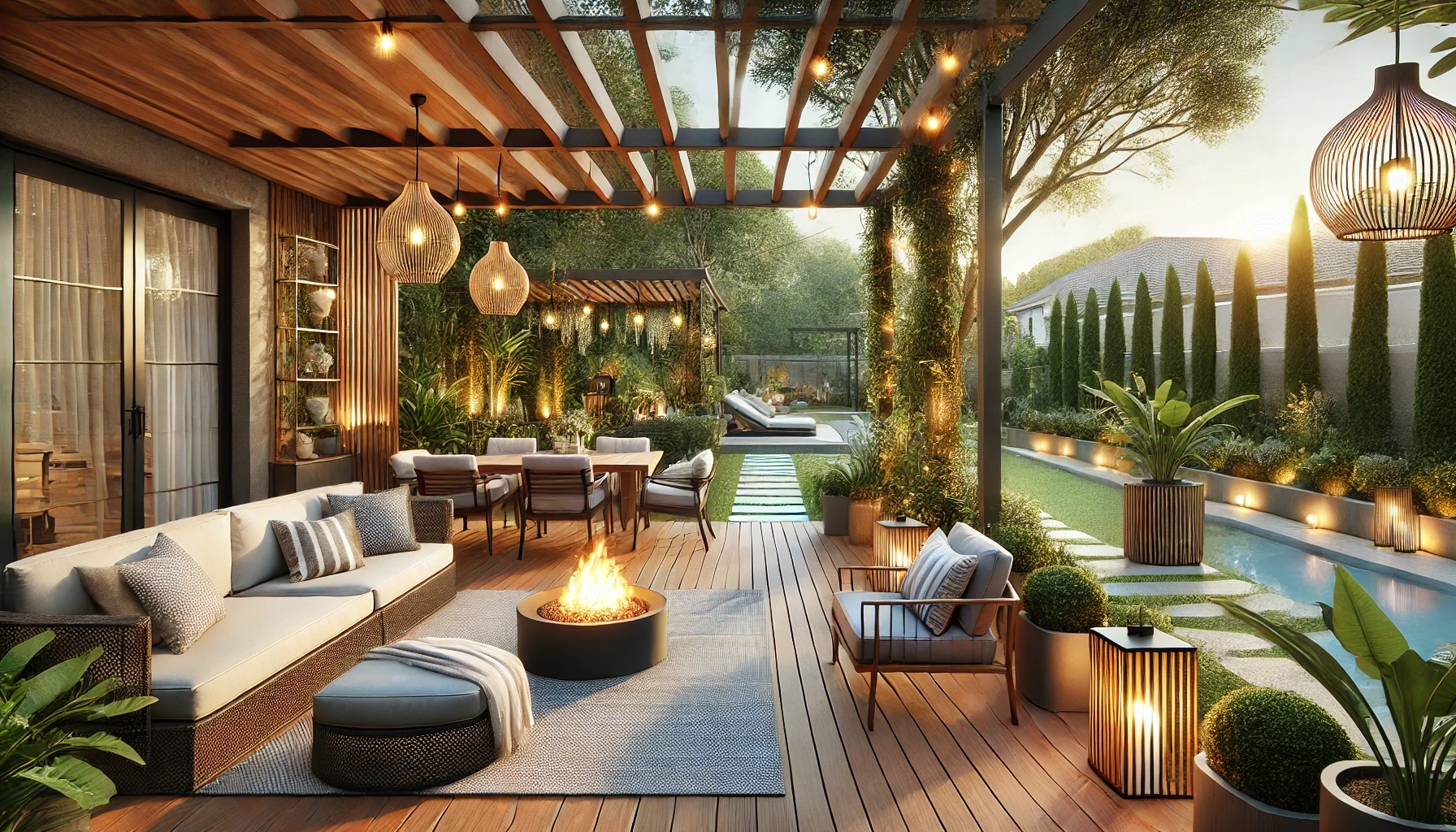
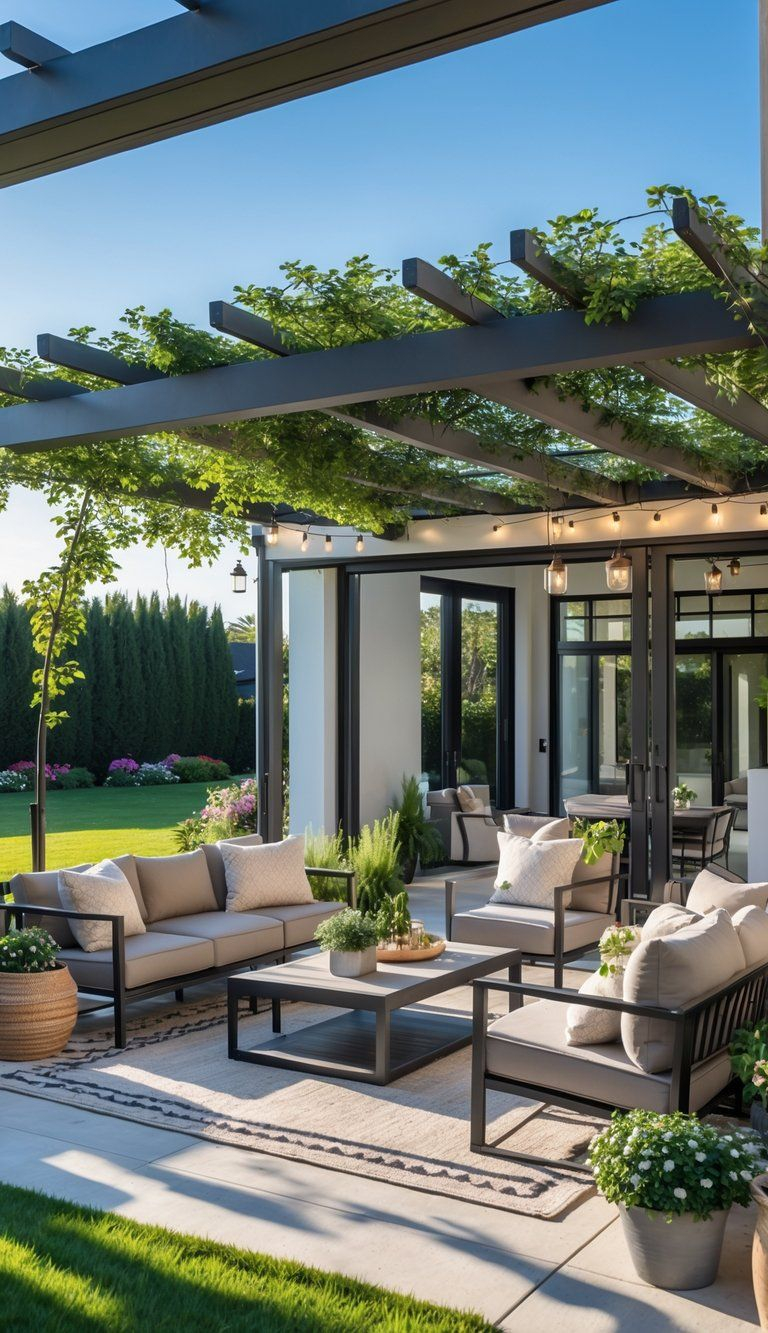
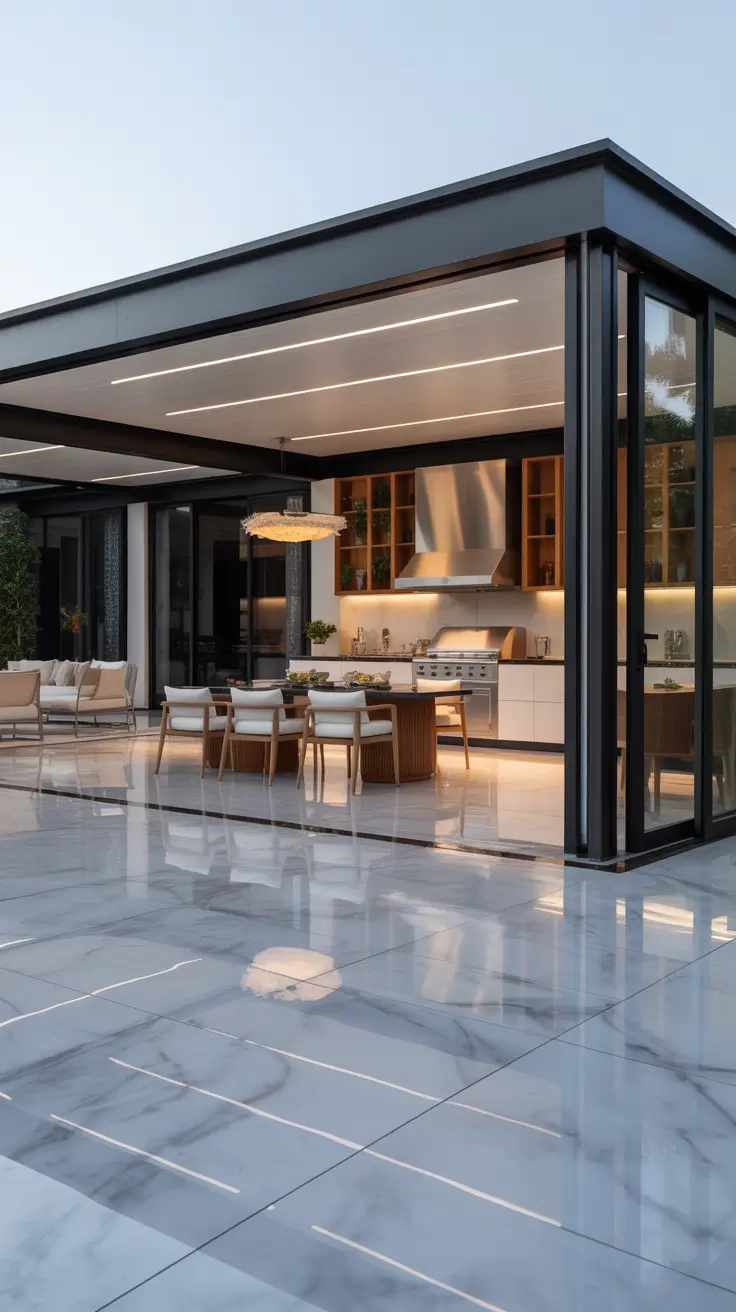
For a more permanent solution, consider a pergola with adjustable louvers. These are game-changers. With the push of a button, you can tilt the slats to let in light, block the sun, or close them completely to keep out rain. It gives you instant climate control. If you want to go even further, glass enclosures or sliding glass panels can turn your terrace into a four-season room. This doesn’t mean you have to seal it off completely. Frameless glass systems can slide away to open the space up when the weather is nice, providing a barrier against wind and rain when it’s not.
Screens are another underrated tool. Insect screens keep the bugs out in summer, but heavier, clear vinyl screens can block wind and retain heat in colder months. Some systems even offer motorized screens that drop down from the ceiling. The key here is flexibility. You want a shell that can adapt. A static roof is fine, but a dynamic one lets you choose your experience based on the day’s conditions. It’s about having options, not just shelter.
Heating and Cooling: Extending the Comfort Zone
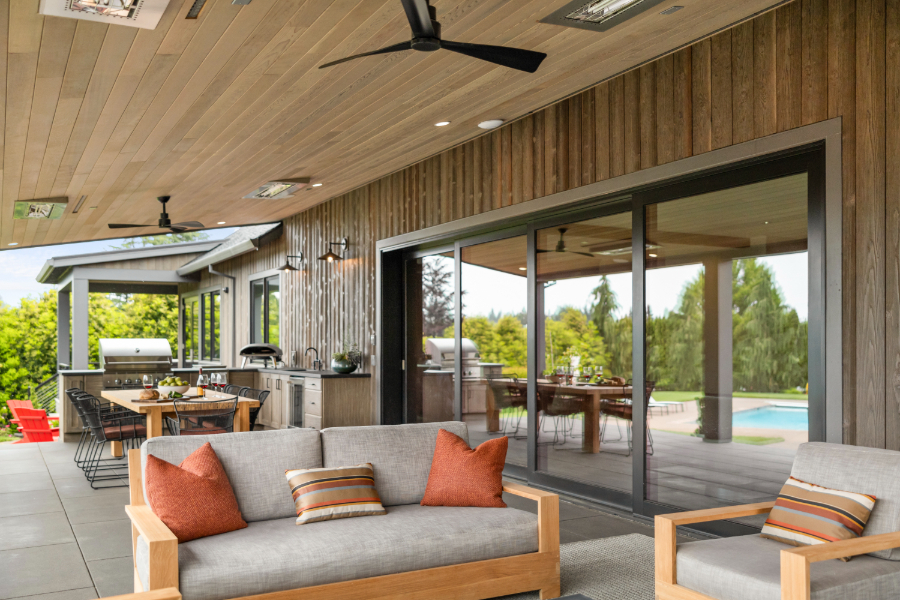
Let’s talk about temperature. This is usually the dealbreaker for outdoor living. It’s easy to enjoy a terrace when it’s 72 degrees, but what about when it’s 45? Or 95? To make a space truly all-season, you need to manage the thermal comfort. Heating has come a long way from those ugly, smoky patio heaters that tipped over in a stiff breeze. Today, infrared heaters are the gold standard. They don’t heat the air (which just blows away); they heat objects and people directly. It’s efficient, instant, and feels like standing in sunlight.
Strategic placement is everything. Don’t just stick a heater in the corner. Mount them above seating areas or dining tables where people actually sit. Electric models are clean and easy to control, often integrating with smart home systems so you can turn them on from your phone before you head outside. For larger spaces, consider under-floor heating. It’s a bigger investment, but it keeps the surface warm and dry, preventing ice buildup in winter and making barefoot walking pleasant even in cooler weather.
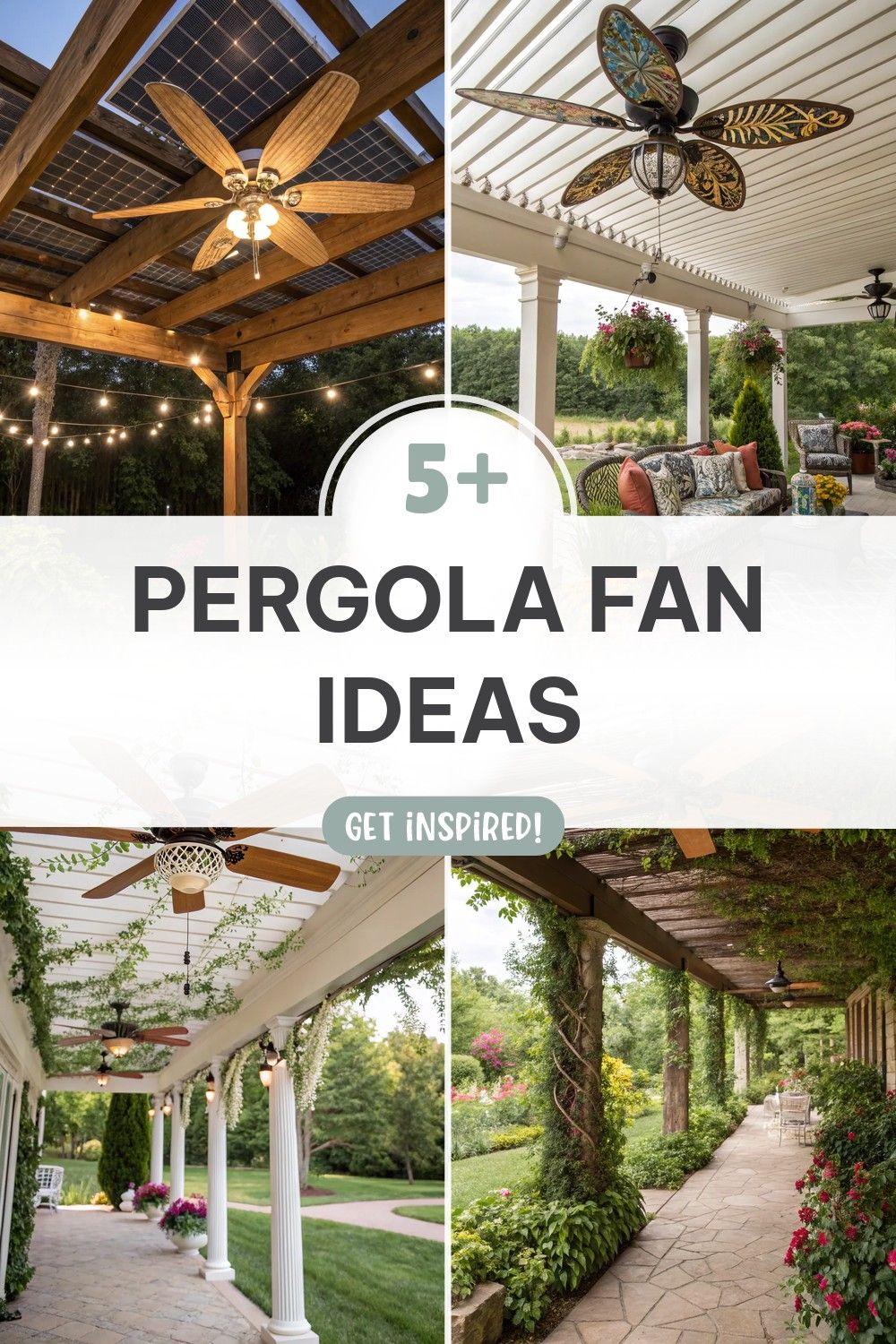
Cooling is just as important, especially as summers get hotter. Misting systems can drop the temperature by 10-15 degrees in dry climates, but they can make things damp in humid areas. In those cases, large ceiling fans are your best friend. They move the air, creating a breeze that makes the heat feel manageable. Shade is also a form of cooling. By blocking direct solar radiation, you keep the surface temperatures of your furniture and floor down. It’s a holistic approach: shade to block the heat, fans to move the air, and heaters to add warmth when needed. Balance is the name of the game.
Materials That Laugh at the Weather
You can have the best heating system in the world, but if your furniture is rotting or your floor is slippery with moss, the space won’t work. Durability is non-negotiable for an all-season terrace. This means choosing materials that are designed to withstand UV rays, moisture, freezing temps, and general wear and tear. Composite decking has become incredibly popular because it doesn’t warp, splinter, or require annual staining like wood does. It’s low maintenance and looks great year after year.
For furniture, look for high-density polyethylene (HDPE) or powder-coated aluminum. These materials don’t rust, fade, or crack. Avoid wicker unless it’s synthetic and high-quality; natural wicker will disintegrate in a single rainy season. Cushions are tricky. You want them to be comfortable, but they can’t stay out in the rain forever. Look for fabrics with high UV resistance and water-repellent coatings. Sunbrella and similar brands have made huge strides in fabric technology, allowing cushions to dry quickly and resist mold.
Don’t forget the small details. Rust-proof hardware is essential. Stainless steel or coated screws prevent those ugly orange stains from appearing on your beautiful deck. Drainage is another big one. Your terrace floor needs to slope slightly away from the house to prevent water pooling. Standing water leads to ice in winter and algae in summer. By choosing the right materials and ensuring proper installation, you reduce the amount of work you need to do to keep the space looking good. It’s about working smarter, not harder.
Lighting and Atmosphere: Creating Mood in the Dark
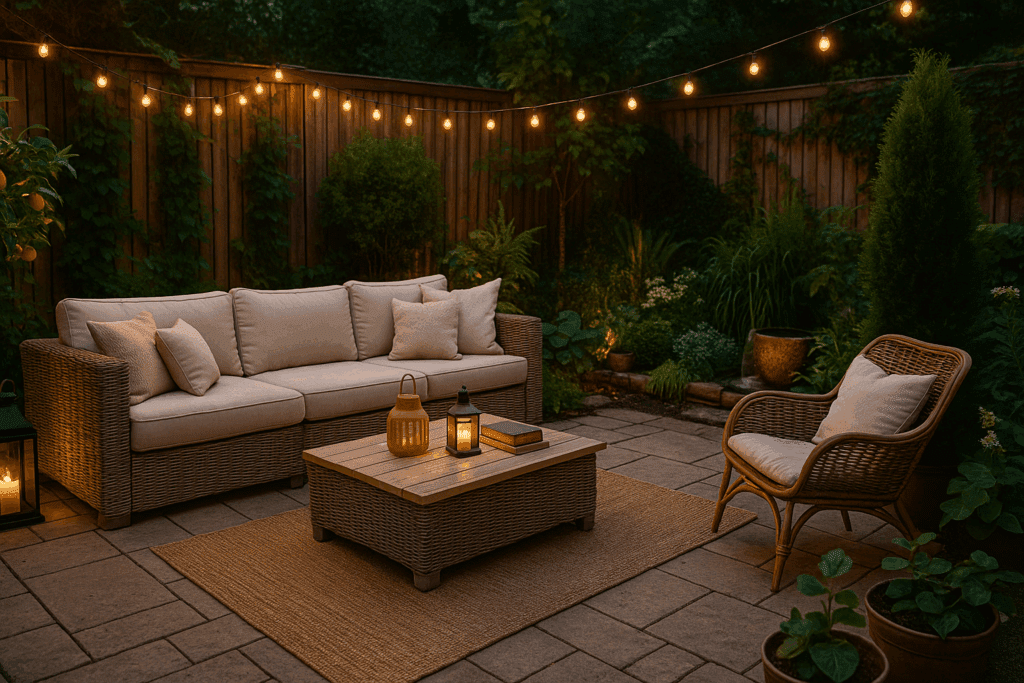
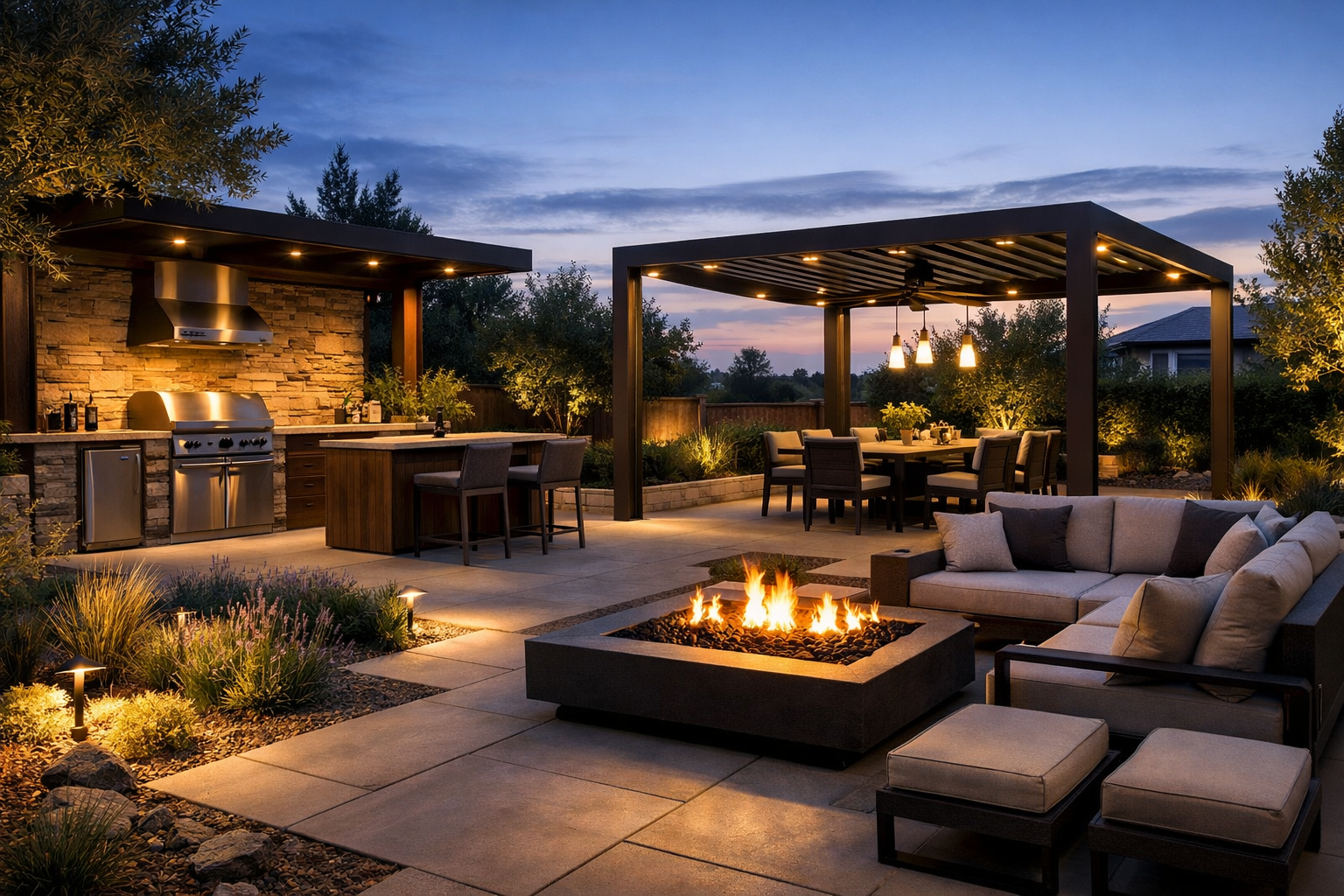
As the days get shorter in fall and winter, lighting becomes crucial. It’s not just about seeing where you’re going; it’s about creating an inviting atmosphere that draws you outside even when it’s dark and cold. A single overhead floodlight is harsh and uninviting. Instead, layer your lighting. Use a mix of ambient, task, and accent lights. String lights or festoon bulbs add a soft, festive glow that works in any season. They’re cheap, easy to install, and instantly make a space feel cozy.
Recessed deck lighting is great for safety, marking steps and edges without being obtrusive. Wall sconces can provide softer, directional light for reading or dining. In 2026, smart lighting systems allow you to change the color temperature and brightness based on the time of day or occasion. Warm white light (around 2700K) is generally best for outdoor spaces because it feels welcoming and doesn’t attract as many bugs as cooler, bluer lights.
Consider the power source. Solar lights have improved, but they can be unreliable in cloudy or snowy weather. Hardwired LED fixtures are more dependable and energy-efficient. Place lights strategically to highlight architectural features or plants, adding depth and interest to the space. Good lighting extends the usable hours of your terrace, turning it into a nighttime retreat. It transforms a cold, dark void into a warm, glowing sanctuary. Plus, it looks amazing from the inside, encouraging you to step out.
An all-season terrace isn’t a "set it and forget it" project. To keep it feeling fresh and functional, you need to adapt your decor as the seasons change. This doesn’t mean a complete overhaul every three months, but small swaps can make a big difference. In spring, bring out colorful cushions and potted flowers to celebrate the renewal. Add lightweight throws for those cool evenings. Summer is about keeping things cool and airy. Swap heavy rugs for breathable outdoor mats, and add plenty of greenery to create a lush, shaded vibe.
Fall is arguably the best season for outdoor living if you have the right setup. Bring out thicker blankets, wool pillows, and lanterns with candles (or LED flicker bulbs for safety). Add pumpkins or gourds for a touch of seasonal charm. Winter requires a minimalist approach. Clear away anything that can be damaged by snow or ice. Use weatherproof covers for furniture you aren’t using. Focus on texture and warmth—think faux fur throws and heavy-duty outdoor rugs that can handle moisture.
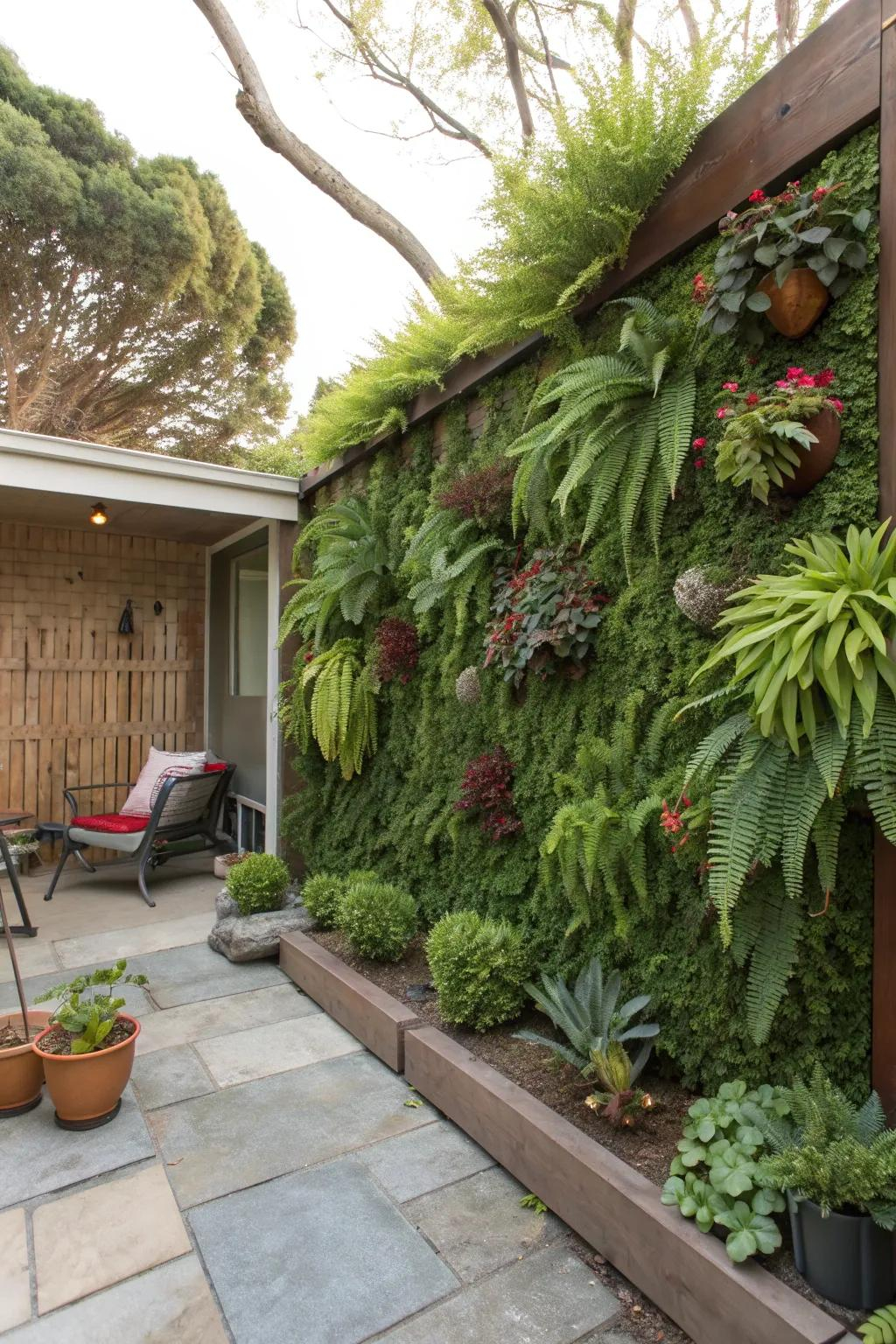
Plants play a huge role here too. Evergreens provide structure and color in winter, while perennials bloom in spring and summer. Choose plants that are native to your area and can handle the local extremes. By rotating your accessories and adjusting your plant choices, you keep the space feeling relevant and inviting throughout the year. It’s a bit of extra effort, sure, but the reward is a terrace that feels like a true extension of your home, no matter the month.
Creating an all-season terrace is less about fighting the weather and more about dancing with it. It’s about accepting that rain will fall, snow will stack, and the sun will blaze, and designing a space that can handle it all with grace. It requires thoughtful planning, smart material choices, and a willingness to adapt. But the payoff is huge. You gain extra living space, a closer connection to nature, and a spot that serves you year-round. So don’t let the forecast dictate your life. Build a terrace that works as hard as you do, and you’ll find yourself stepping outside more often than you ever thought possible.
[sps_html tag=”img” src=”https://cdn.northcarolinafinearchitecture.com/2026/05/creating-the-ultimate-outdoor-living-space-extend-your-home-design-with-the-2026-guide-to-creating-an-outdoor-living-space-that-feels-like-home.jpg” alt=”Creating The Ultimate Outdoor Living Space: Extend Your Home - Design … with The 2026 Guide to Creating an Outdoor Living Space That Feels Like Home” style=”width: 100%; height: auto;”]
[sps_html tag=”img” src=”https://cdn.northcarolinafinearchitecture.com/2026/05/outdoor-living-spaces-that-function-as-true-room-extensions-engineers-regarding-the-2026-guide-to-creating-an-outdoor-living-space-that-feels-like-home.jpg” alt=”Outdoor Living Spaces That Function As True Room Extensions – Engineers … regarding The 2026 Guide to Creating an Outdoor Living Space That Feels Like Home” style=”width: 100%; height: auto;”]
[sps_html tag=”img” src=”https://cdn.northcarolinafinearchitecture.com/2026/05/transform-your-home-with-stunning-outdoor-living-spaces-inside-the-2026-guide-to-creating-an-outdoor-living-space-that-feels-like-home.webp” alt=”Transform Your Home With Stunning Outdoor Living Spaces inside The 2026 Guide to Creating an Outdoor Living Space That Feels Like Home” style=”width: 100%; height: auto;”]
[sps_html tag=”img” src=”https://cdn.northcarolinafinearchitecture.com/2026/05/top-luxury-outdoor-living-trends-for-2026-live-well-outdoors-with-outdoor-terrace-design.png” alt=”Top Luxury Outdoor Living Trends For 2026 - Live Well Outdoors with Outdoor Terrace Design” style=”width: 100%; height: auto;”]
[sps_html tag=”img” src=”https://cdn.northcarolinafinearchitecture.com/2026/05/25-outdoor-living-space-ideas-to-transform-your-backyard-into-a-cozy-for-the-2026-guide-to-creating-an-outdoor-living-space-that-feels-like-home.jpg” alt=”25 Outdoor Living Space Ideas To Transform Your Backyard Into A Cozy … for The 2026 Guide to Creating an Outdoor Living Space That Feels Like Home” style=”width: 100%; height: auto;”]