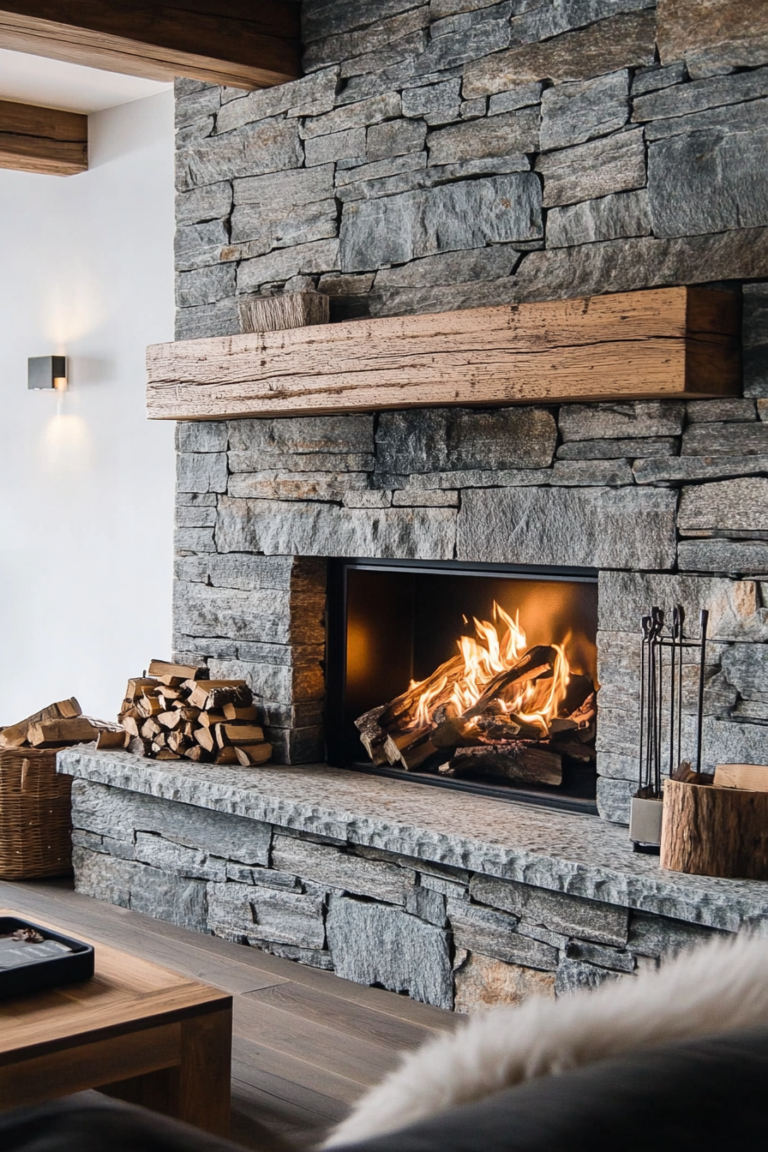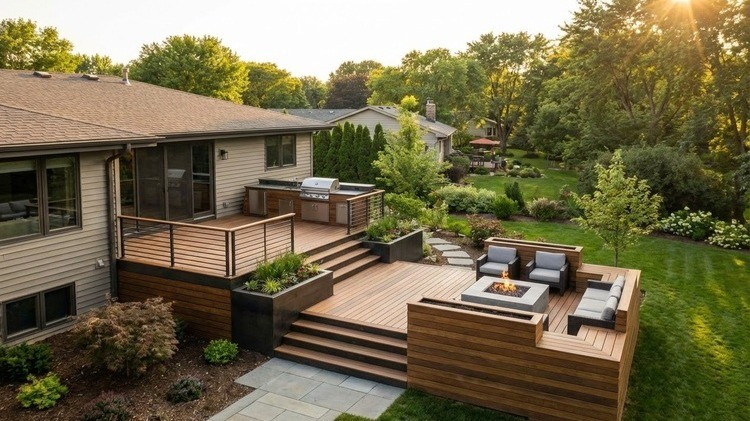
There’s something primal about gathering around a fire. It pulls us together. We lean in. The cold air nips at our backs, but our faces are warm. Sparks drift up like tiny, glowing stars before vanishing into the night. It’s a moment that feels ancient, even if you’re just in your backyard in suburban Ohio or a patio in Austin. But here’s the thing: that magic only works if the stage is set right. And the foundation of that stage? The material you build it with.
You might be tempted by sleek steel or poured concrete. They have their place. But when it comes to standing up to years of roaring flames, freezing winters, and scorching summers, nothing beats the real deal. Natural stone. It’s not just a trend. It’s a legacy. In 2026, as homeowners look for ways to make their outdoor spaces last longer and look better, stone is still the king. It doesn’t just survive the elements; it gets character from them.
Let’s talk about why this old-school material is still the smartest pick for your next fire pit or outdoor fireplace. It’s not just about looks, though it certainly has those in spades. It’s about physics, longevity, and the simple joy of knowing your investment won’t crack under pressure. Literally.
The Physics of Heat: Why Stone Doesn’t Quit
Fire is violent. I know, we think of it as cozy, but chemically, it’s a rapid oxidation process releasing massive amounts of energy. That energy has to go somewhere. If you use the wrong material, that heat causes expansion. Fast expansion. Then contraction when the fire dies down. This cycle is what kills weak materials. Concrete can spall. Steel can warp or rust out if not treated perfectly. But stone? Stone was born in fire and pressure deep underground.
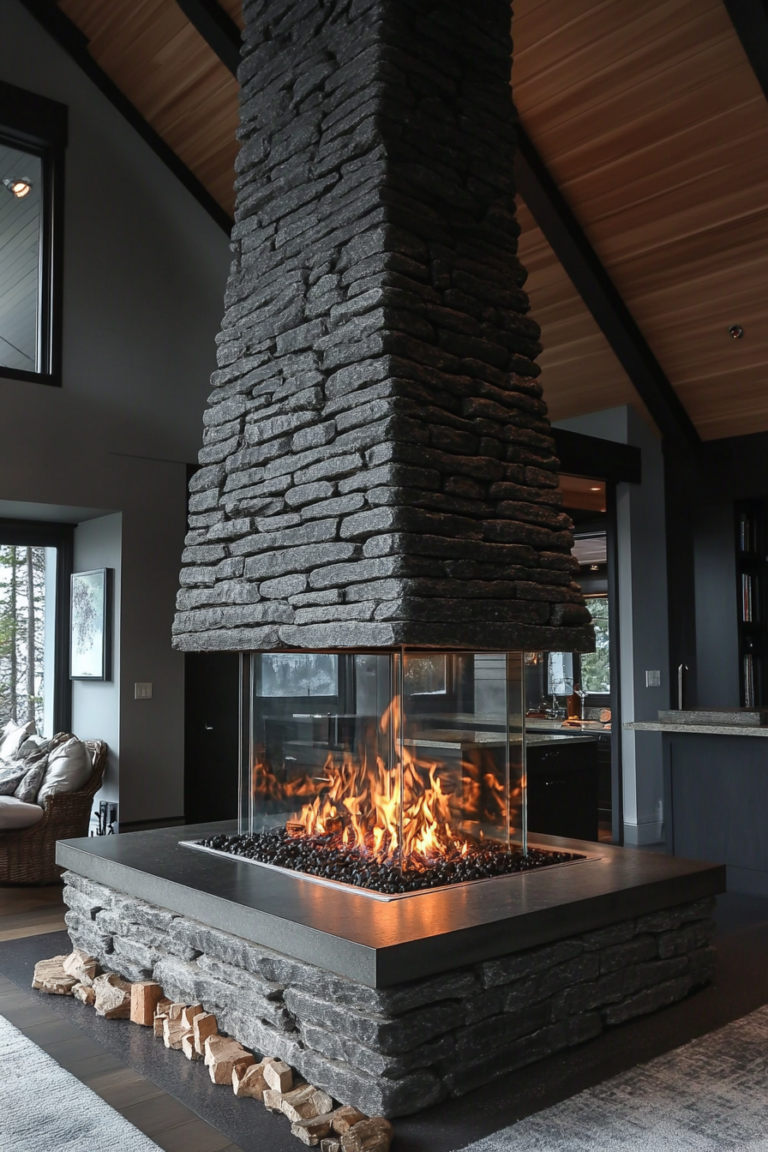
Granite, for instance, is an igneous rock. It formed from cooled magma. So, when you light a fire in a granite pit, you’re essentially reintroducing it to its origins. It handles thermal shock better than almost anything else. Basalt and lava stone are similar. They are dense. They absorb heat slowly and radiate it back out evenly. This means your fire feature doesn’t just look hot; it stays warm long after the logs have turned to ash. That’s a huge plus for those late-night conversations when the flames die down but you don’t want to go inside yet.
It’s also about density. Porous stones can trap moisture. When that water heats up, it turns to steam. Steam expands. Boom. Cracks. That’s why choosing the right type of stone matters. You wouldn’t use sandstone for the inner ring of a high-heat fire box, for example. But for the outer veneer? It’s gorgeous. Knowing which stone goes where is key. Granite for the core. Limestone or fieldstone for the aesthetic wrap. It’s a system. And when done right, it’s indestructible.
Aesthetic Versatility: From Rustic to Modern
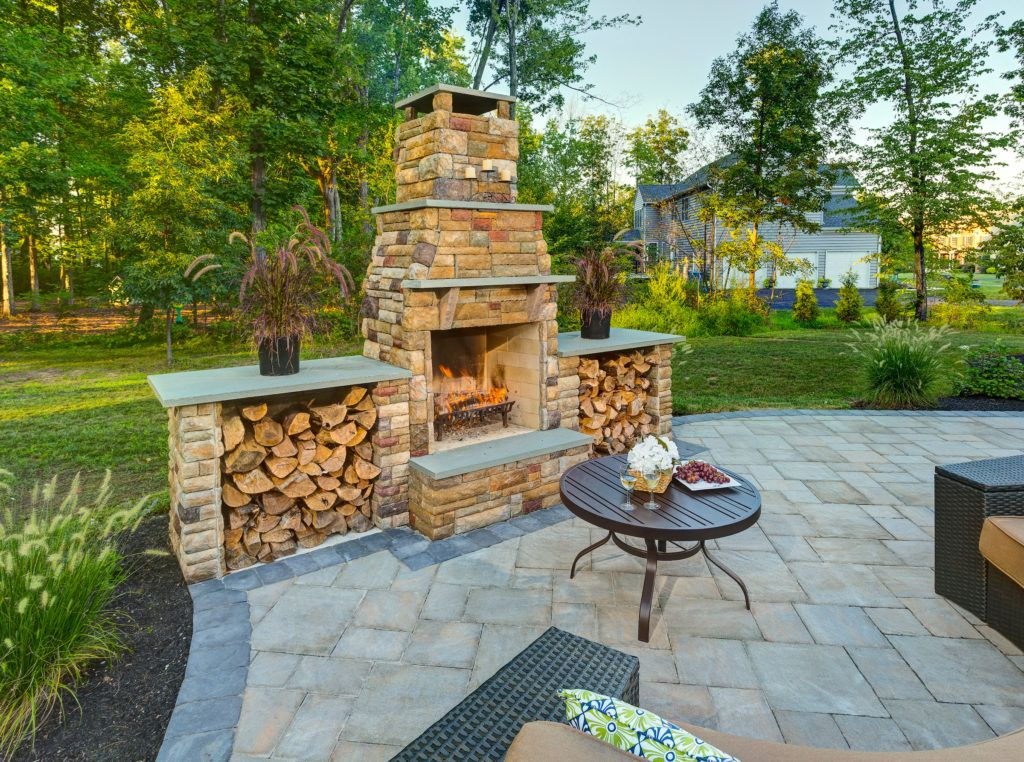
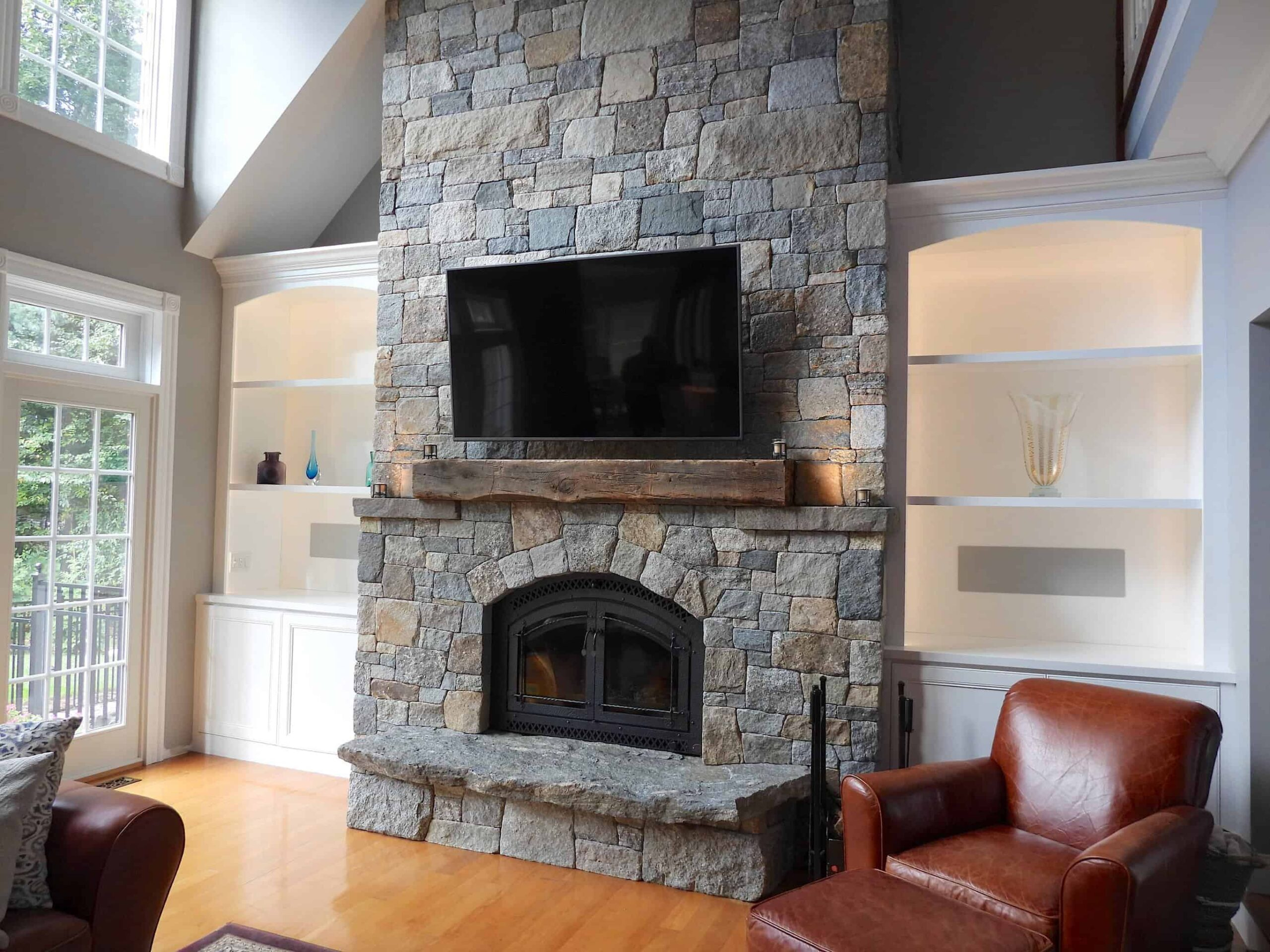
One of the biggest myths about stone is that it looks "old" or "countryside." Sure, if you want a rustic cabin vibe, stacked fieldstone is perfect. It brings that earthy, grounded feel. River rocks smooth out the edges, making the space feel softer, more inviting. But stone isn’t stuck in the past. In 2026, we’re seeing incredible modern designs using natural stone.
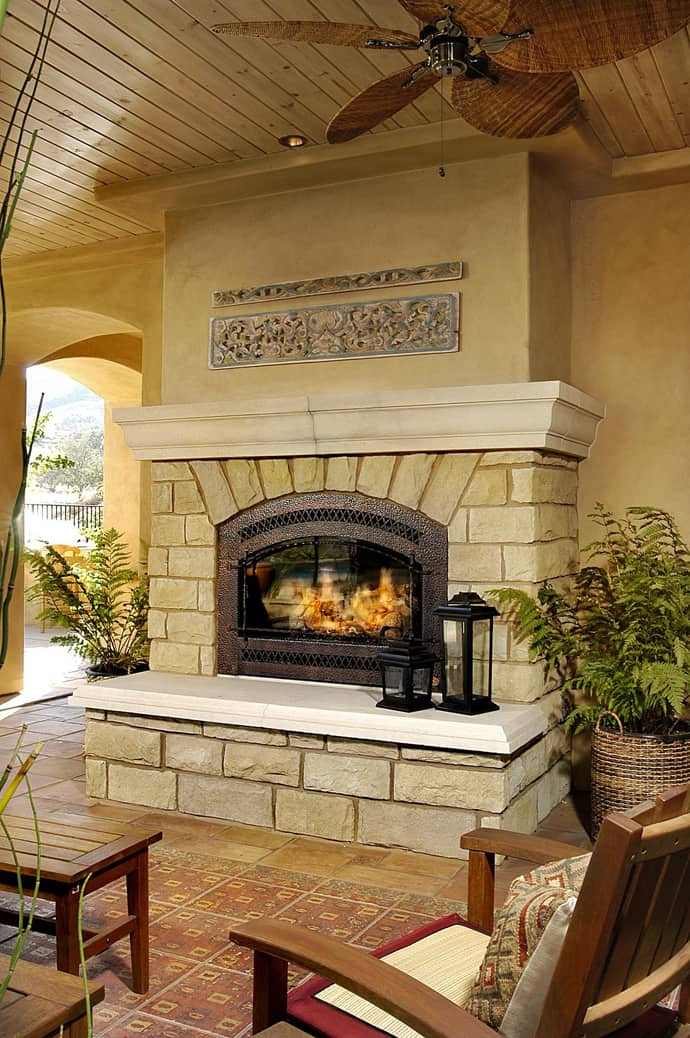
Think about bluestone. It has these cool, flat layers and a blue-grey hue that screams sophistication. Cut it into clean, rectangular blocks, and you’ve got a mid-century modern masterpiece. Or consider travertine. It’s lighter, creamier, and adds a touch of Mediterranean luxury. It pairs beautifully with sleek metal fire bowls or minimalist gas inserts. The texture of natural stone adds depth that manufactured materials just can’t fake. Concrete can be stamped to look like stone, but it lacks the variation. No two pieces of natural stone are alike. That randomness is what makes it feel alive.
And let’s not forget color. Fire changes how we see color. The orange glow of flames reflects off the stone, highlighting veins of quartz in granite or the red undertones in certain limestones. During the day, that same stone might look cool and grey. At night, it’s warm and inviting. This dynamic quality makes the fire feature a focal point that shifts with the time of day. It’s not just a static object; it’s part of the living landscape. You can tailor the stone to match your home’s exterior brick, your patio pavers, or even the surrounding garden beds. It ties everything together.
Longevity and Low Maintenance: Built for Decades
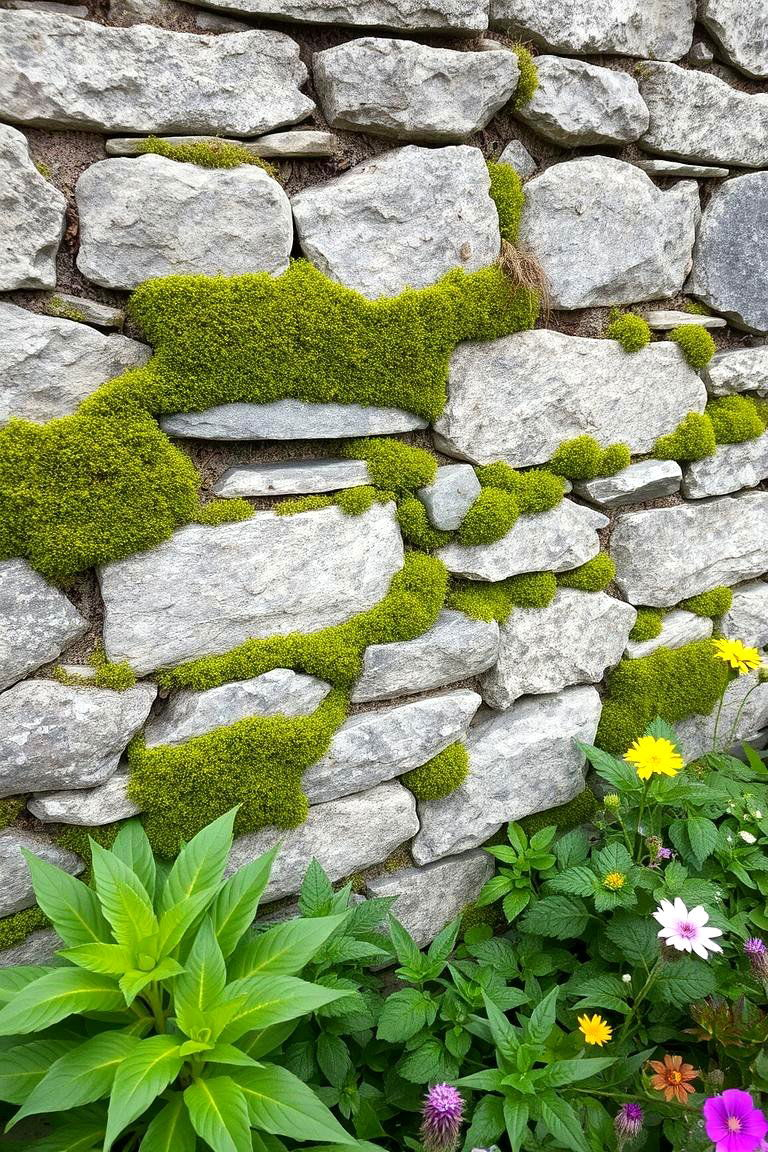
Let’s be honest. Nobody wants to spend their weekends fixing their fire pit. You want to light it, enjoy it, and forget about it. Natural stone delivers on this promise better than any other material. A well-built stone fire feature can last decades. I’ve seen pits built in the 90s that still look fantastic today. Maybe they have a little moss in the cracks (which some people actually like), but structurally? Solid as a rock.
Compare that to steel. Even stainless steel can discolor or rust over time, especially near salt air or harsh chemicals. Concrete needs sealing every few years to prevent staining and cracking. Stone? It’s pretty much hands-off. Sure, you should seal it initially to prevent oil or wine spills from staining during a party. But after that? Just hose it down if it gets dirty. The weathering process actually helps blend it into the environment. A little lichen? That’s just nature saying hello.
This durability translates to value. Real estate experts in 2026 are noting that high-quality hardscaping, especially natural stone features, boosts property appeal. Buyers see it as a permanent upgrade. They know they won’t have to replace it in five years. It’s a selling point. It signals quality craftsmanship. When a potential buyer sees a solid granite fireplace, they assume the rest of the house was built with the same care. It’s a subtle psychological cue that pays off.
Safety First: Non-Combustible and Stable
Fire safety isn’t something to gamble with. You’re dealing with open flames, high temperatures, and often, kids or pets running around. Natural stone is non-combustible. It won’t catch fire. It won’t melt. It won’t release toxic fumes when heated, unlike some treated woods or composite materials. This makes it the safest choice for the immediate vicinity of the fire.
But it’s not just about burning. It’s about stability. Stone is heavy. A properly installed stone fire pit isn’t going to tip over if someone bumps into it. It’s anchored by its own weight. This is crucial for peace of mind. You don’t want a lightweight metal pit shifting on a windy night. Stone stays put. It provides a solid barrier between the fire and the rest of your yard.
Also, stone retains heat, but it doesn’t conduct it as rapidly as metal. Touch a steel rim after a fire, and you’ll burn your hand. Touch a thick stone cap, and it might be warm, but it’s rarely searing hot immediately. This slower heat transfer makes it safer for accidental brushes. Of course, you still need to be careful, but the margin for error is wider. It’s a forgiving material in a high-risk environment.
Choosing the Right Stone for Your Climate
Not all stone is created equal, and not all climates are the same. What works in Arizona might fail in Minnesota. In colder regions, freeze-thaw cycles are the enemy. Water gets into tiny cracks, freezes, expands, and breaks the stone apart. For these areas, you need dense, low-porosity stones. Granite is the gold standard here. It’s nearly impervious to water absorption. Basalt is another great option. Avoid soft sandstones or limestones for the structural parts if you live in a place with harsh winters.
In hotter, drier climates, UV resistance and heat retention matter more. Lighter colored stones like travertine or limestone reflect sunlight, keeping the surrounding area cooler during the day. Darker stones like bluestone or black granite absorb heat, which can be nice in the evening but might make the area uncomfortably hot if you’re sitting right next to it in the afternoon sun. Lava stone is excellent for hot climates because it’s porous enough to breathe but tough enough to handle the heat without cracking.
Local sourcing is also a smart move. Using stone quarried nearby reduces transportation costs and carbon footprint. Plus, local stone naturally matches the geology of your area, making your fire feature look like it grew out of the ground. In the Pacific Northwest, you might see lots of basalt and fieldstone. In the Southwest, it’s all about sandstone and flagstone. Working with what’s available often leads to the most harmonious designs.
Even the best stone can fail if installed poorly. The foundation is everything. You can’t just pile stones on dirt. You need a compacted gravel base, usually 4-6 inches deep, to ensure drainage and stability. If water pools under your fire pit, it will heave during freezes. That’s a recipe for disaster. Use a level. Take your time. A crooked fire pit looks amateurish and can be unsafe.
Mortar selection matters too. Don’t use standard indoor mortar. You need heat-resistant mortar or refractory cement for the inner firebox where temperatures get extreme. For the outer veneer, a high-quality exterior stone mortar will do. Some builders prefer dry-stacking (no mortar) for a more natural look. This works well for larger, heavier stones but requires skill to ensure stability. If you’re dry-stacking, make sure the stones interlock tightly.
Finally, consider the clearance. Keep combustible materials—like wood decks, fences, or overhanging branches—at a safe distance. Most codes recommend at least 10 feet, but check your local regulations. Stone radiates heat, so give it room to breathe. Add a spark screen if you’re burning wood. It keeps embers contained and adds an extra layer of safety. These small details add up to a feature that’s not just beautiful, but responsible and long-lasting.
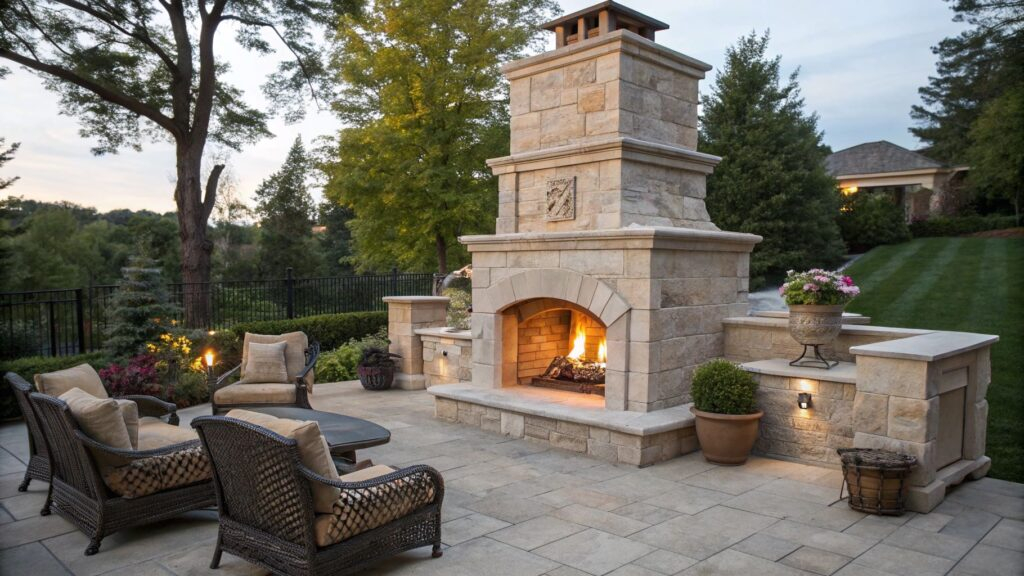
So, there you have it. Natural stone isn’t just a pretty face. It’s a workhorse. It handles heat, weather, and time with grace. It offers safety, style, and substance. Whether you’re building a simple ring for marshmallows or a grand outdoor fireplace for entertaining, stone is the choice that pays dividends for years. It connects us to the earth, even as we gather around the fire. And in a world that’s moving faster and faster, there’s something comforting about that permanence. Go ahead. Pick up a piece of stone. Feel its weight. Imagine the fires it will see. It’s ready. Are you?
[sps_html tag=”img” src=”https://cdn.northcarolinafinearchitecture.com/2026/05/elegant-fireplace-stone-and-stylish-patio-design-for-your-home-for-designing-stone-fireplaces-that-feel-like-they-belong-in-your-yard.jpg” alt=”Elegant Fireplace Stone And Stylish Patio Design For Your Home for Designing Stone Fireplaces That Feel Like They Belong in Your Yard” style=”width: 100%; height: auto;”]
[sps_html tag=”img” src=”https://cdn.northcarolinafinearchitecture.com/2026/05/diy-outdoor-stone-fireplace-wall-for-outdoor-fire-stone-design.jpg” alt=”Diy Outdoor Stone Fireplace Wall for Outdoor Fire Stone Design” style=”width: 100%; height: auto;”]
[sps_html tag=”img” src=”https://cdn.northcarolinafinearchitecture.com/2026/05/35-cozy-stone-fireplace-ideas-to-transform-your-living-room-feel-with-outdoor-fire-stone-design.png” alt=”35+ Cozy Stone Fireplace Ideas To Transform Your Living Room - Feel … with Outdoor Fire Stone Design” style=”width: 100%; height: auto;”]
[sps_html tag=”img” src=”https://cdn.northcarolinafinearchitecture.com/2026/05/25-stone-fireplace-ideas-for-a-cozy-nature-inspired-home-pertaining-to-outdoor-fire-stone-design.jpg” alt=”25 Stone Fireplace Ideas For A Cozy, Nature-Inspired Home pertaining to Outdoor Fire Stone Design” style=”width: 100%; height: auto;”]
[sps_html tag=”img” src=”https://cdn.northcarolinafinearchitecture.com/2026/05/35-cozy-stone-fireplace-ideas-to-transform-your-living-room-feel-pertaining-to-designing-stone-fireplaces-that-feel-like-they-belong-in-your-yard.png” alt=”35+ Cozy Stone Fireplace Ideas To Transform Your Living Room - Feel … pertaining to Designing Stone Fireplaces That Feel Like They Belong in Your Yard” style=”width: 100%; height: auto;”]