You know that feeling when you bring home a beautiful new planter, only to find it cracked, faded, or leaching weird chemicals into your soil six months later? It’s frustrating. Worse, it feels wasteful. We’ve all been there, staring at a pile of plastic shards in the backyard, wondering if "eco-friendly" was just a marketing buzzword slapped on a label. In 2026, the noise is louder than ever. Every brand claims to save the planet. But which ones actually do? And more importantly, which ones will last long enough to matter?
The truth is, sustainability isn’t just about what a pot is made of. It’s about how long it stays out of a landfill. It’s about whether the materials are safe for the herbs you’re growing for dinner. It’s about the journey from raw resource to your patio. This guide cuts through the greenwashing. We’re looking at materials that stand up to rain, sun, and time, without costing the earth. Literally. Let’s dig in.
The Rise of Recycled Composite Durability
Recycled composite planters have come a long way since the early days of flimsy, brittle plastics. Today, these pots are often crafted from a blend of post-consumer recycled plastics and natural fibers like rice husks or bamboo dust. The result? A material that mimics the look of stone or terracotta but weighs a fraction of the amount. In 2026, advancements in binding agents mean these composites are more UV-stable than ever. They don’t fade into that sad, chalky white after one summer. Instead, they hold their color, resisting the harsh rays that usually destroy cheaper alternatives.
Why does this matter? Because durability is the heart of sustainability. If a planter lasts ten years instead of two, its environmental footprint drops significantly. These composites are also incredibly low-maintenance. You don’t need to seal them. You don’t need to worry about rot. They’re inert, meaning they won’t leach harmful microplastics into your soil as they break down, a common concern with lower-quality plastics. Just rinse them off and replant. It’s simple. Effective. And honestly, a relief for busy gardeners who want beauty without the hassle.
However, not all composites are created equal. Look for brands that specify the percentage of post-consumer waste used. Some high-quality options in 2026 use up to 95% recycled content. Avoid anything labeled simply as "plastic blend" without further detail. Transparency is key. You want to know that the bottle you recycled last year might now be holding your tomato plants. That’s a cycle worth supporting. Plus, many of these pots are fully recyclable at the end of their long life, closing the loop completely.
Reclaimed Wood and Natural Fibers
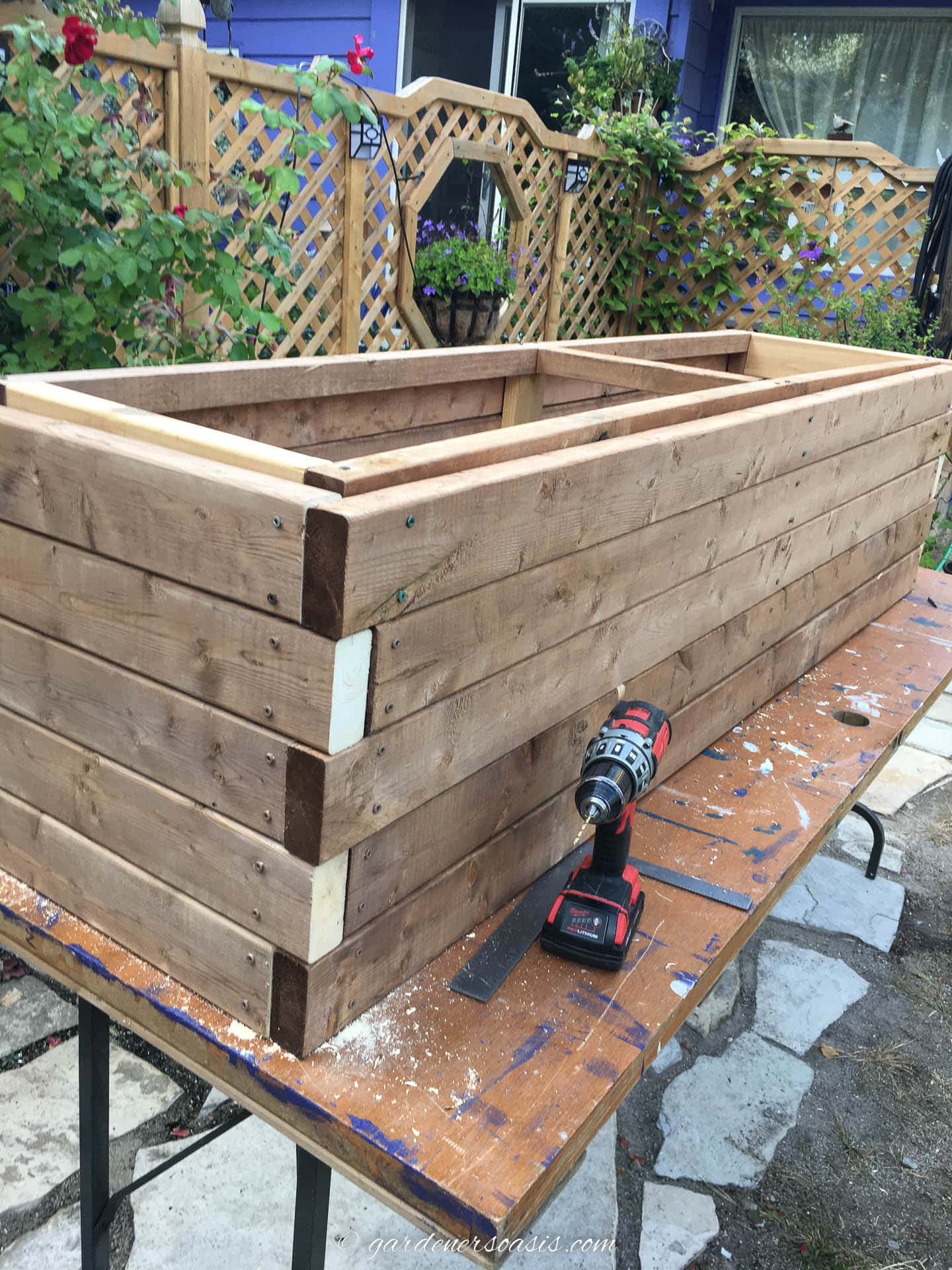
There’s something undeniably warm about wood. It connects us to nature in a way plastic never can. But using virgin timber for outdoor planters? That’s a hard no in 2026. Deforestation remains a critical issue. Instead, look for reclaimed wood. This is timber salvaged from old barns, factories, or shipping pallets. It has character. Knots, weathering, and history. Each piece is unique. When treated with non-toxic, water-based sealants, reclaimed wood planters can last for years, developing a lovely silver-gray patina over time.
But wood isn’t the only natural option. Bamboo is making a huge comeback, especially when processed correctly. Fast-growing and renewable, bamboo is a powerhouse. The trick is ensuring it’s bonded with formaldehyde-free adhesives. Older bamboo products often used toxic glues that off-gassed harmful VOCs (volatile organic compounds). Modern, trustworthy brands in 2026 use soy-based or other bio-adhesives. This makes them safe for growing edibles. You can pull a carrot right out of a bamboo planter without worrying about chemical contamination. It’s peace of mind in pot form.
Of course, natural materials require a bit more love. Wood needs occasional resealing to prevent rot, especially in wet climates. Bamboo should be kept out of standing water to prolong its life. But this maintenance is part of the relationship. It forces you to check on your plants, to touch the soil, to notice changes. It’s a slower, more mindful approach to gardening. And if a wooden planter eventually rots? It composts. It returns to the earth. No trash. No guilt. Just nutrients for the next generation of growth.
Terracotta and Clay: The Timeless Choice
Terracotta is the old reliable. It’s been around for thousands of years for a reason. Made from baked clay, it’s natural, breathable, and biodegradable. But here’s the catch: not all clay is sourced ethically. In 2026, savvy buyers are looking for locally sourced clay. Why? Transportation emissions. Shipping heavy clay pots across oceans creates a massive carbon footprint. Buying from a local potter or regional manufacturer slashes those miles. It supports your community too. It’s a win-win.
The breathability of terracotta is its superpower. The porous walls allow air and moisture to pass through. This prevents root rot, a common killer of container plants. It’s especially great for Mediterranean herbs like rosemary and lavender, which hate soggy feet. However, this same feature means they dry out faster. You’ll need to water more often in hot summers. It’s a trade-off. But for many, the health of the plant is worth the extra watering can trips. Plus, the aesthetic is unbeatable. That classic orange-red glow warms up any patio.
One thing to watch for in 2026 is the glaze. Traditional glazes can contain lead or cadmium. Always ask for "food-safe" or "non-toxic" glazes if you’re growing edibles. Unglazed terracotta is naturally safe, but it stains easily. Glazed options are easier to clean but must be verified as safe. Many artisanal potters now proudly list their glaze ingredients online. Look for that transparency. If they hide it, walk away. There are plenty of honest creators out there who care about what goes into their work. And remember, if a terracotta pot breaks, you can crush it up and use it as drainage material in other pots. Nothing is wasted.
Innovative Mycelium and Bio-Composites
This is where things get exciting. Mycelium—the root structure of mushrooms—is emerging as a star player in sustainable design. In 2026, mycelium planters are no longer just experimental prototypes. They’re commercially available. Grown from agricultural waste like sawdust or corn stalks bound together by fungal networks, these pots are lightweight, insulating, and fully compostable. At the end of their life, you can literally break them up and toss them in your garden bed. They decompose in weeks, adding organic matter to the soil. It’s magic.
Bio-composites are another frontier. Think of materials made from algae, hemp, or even coffee grounds mixed with natural binders. These innovations reduce reliance on petroleum-based plastics entirely. They often have a unique, textured look that feels organic and modern. While they might not last as long as stone or high-grade composite, their end-of-life profile is impeccable. They’re designed to return to the earth. For annual plants or seasonal displays, they’re perfect. You plant, you enjoy, you compost. The cycle continues.
The challenge with bio-materials is moisture resistance. Early versions fell apart in heavy rain. But 2026 formulations include natural waxes and oils that repel water without blocking breathability. They’re tougher than they look. Still, they’re best suited for covered patios or milder climates. If you live in a monsoon zone, maybe stick to clay or composite for your main displays. But for a balcony herb garden or a shaded corner, mycelium offers a futuristic yet earthy vibe. It’s a conversation starter. Guests always ask, "Is that really made from mushrooms?" Yes. Yes, it is.
Upcycled Metals and Industrial Salvage
Metal planters have a sleek, industrial charm. But mining new aluminum or steel is energy-intensive. Enter upcycled metal. In 2026, designers are turning to scrap metal from construction sites, old appliances, and discarded machinery. These pieces are cut, welded, and powder-coated into stunning geometric planters. The key here is the coating. Powder coating is a dry finish that’s more durable and less toxic than traditional liquid paints. It doesn’t release VOCs during application. Look for planters coated with eco-friendly, non-toxic powders.
Rust is the enemy of metal, but it’s also part of the aesthetic. Corten steel, for example, is designed to rust. It forms a protective layer that stops further corrosion. It’s low-maintenance and looks incredible as it ages, turning a deep, rich orange-brown. For other metals, ensure they’re sealed properly. Aluminum is naturally rust-resistant and lightweight, making it great for hanging planters. Just make sure it’s recycled aluminum. The energy savings compared to virgin aluminum are huge—up to 95% less energy required. That’s a stat worth remembering.
One downside to metal is heat. In direct sun, metal pots can get scorching hot, cooking your plant roots. To combat this, look for double-walled designs or use them in shaded areas. You can also line them with natural fiber inserts to insulate the roots. It’s a small step that makes a big difference. Upcycled metal is about giving industrial waste a second life. It’s rugged. It’s bold. And it tells a story of transformation. From scrap to sculpture. From trash to treasure. It’s sustainability with an edge.
What to Avoid: The Greenwashing Traps
Not everything labeled "green" is good. In 2026, greenwashing is sophisticated. Beware of "biodegradable" plastics that only break down in industrial composting facilities, which most households don’t have access to. If it ends up in a landfill, it behaves just like regular plastic. Read the fine print. Look for certifications like OK Compost HOME, which ensures it breaks down in your backyard bin. If there’s no certification, be skeptical. Trust your gut. If it sounds too good to be true, it probably is.
Avoid virgin PVC (polyvinyl chloride). It’s cheap, flexible, and everywhere. But it’s one of the most toxic plastics to produce and dispose of. It releases dioxins when burned and leaches phthalates over time. Many budget planters are still made from PVC. Check the recycling code. Number 3 is PVC. Steer clear. Instead, opt for HDPE (High-Density Polyethylene), which is safer and widely recycled. It’s often used for milk jugs and shampoo bottles. When recycled into planters, it’s a much better choice. Knowledge is power. Knowing what to say no to is just as important as knowing what to buy.
Also, watch out for vague terms like "eco-conscious" or "nature-inspired." These mean nothing. They’re filler words. Look for specific claims: "Made from 100% post-consumer recycled plastic," "Sourced from FSC-certified reclaimed wood," or "Glazed with lead-free, food-safe materials." Specificity builds trust. Vagueness hides secrets. Don’t be afraid to email companies and ask questions. Where is the material sourced? What binders are used? How is it disposed of? If they can’t answer, they’re not worth your money. Vote with your wallet. Support those who are honest.
So, where does this leave you? Standing in the garden center, overwhelmed? Take a breath. Start with your needs. Do you need something lightweight for a balcony? Go for recycled composite or aluminum. Do you want to grow edible herbs? Choose unglazed terracotta, reclaimed wood, or mycelium. Do you want a statement piece that lasts decades? Invest in upcycled Corten steel or high-quality local clay. There’s no single "best" material. There’s only the best material for your specific situation.
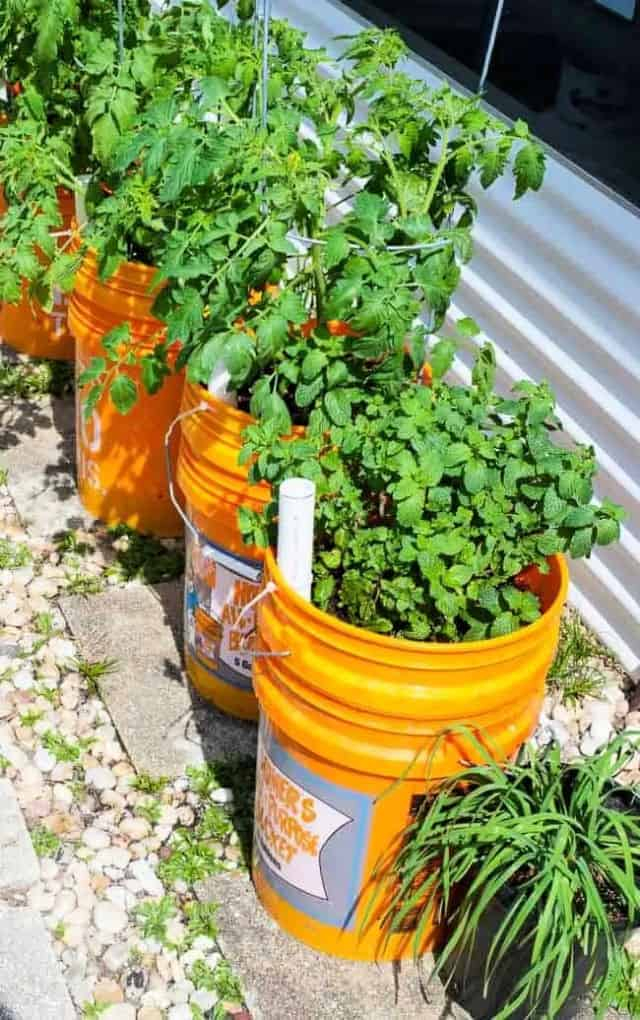
Think about the lifecycle. Where did it come from? How long will it last? Where will it go when it’s done? The most sustainable planter is the one you already have. Before buying new, look around. Can you repurpose an old crate? A tin can? A broken bucket? Creativity is the ultimate sustainable tool. But when you do buy, choose quality. Choose transparency. Choose materials that respect the earth and your health. It’s not about perfection. It’s about progress. Every conscious choice adds up.
In 2026, we have more options than ever. We have technology and tradition working together. We have mushrooms growing pots and scrap metal becoming art. We have the power to demand better. So, pick your pots with purpose. Let them reflect your values. Let them nurture your plants safely. And when you sit back and enjoy your green oasis, know that you’ve built it on a foundation of trust. Not just in the materials, but in yourself. You’re doing it right. One planter at a time.
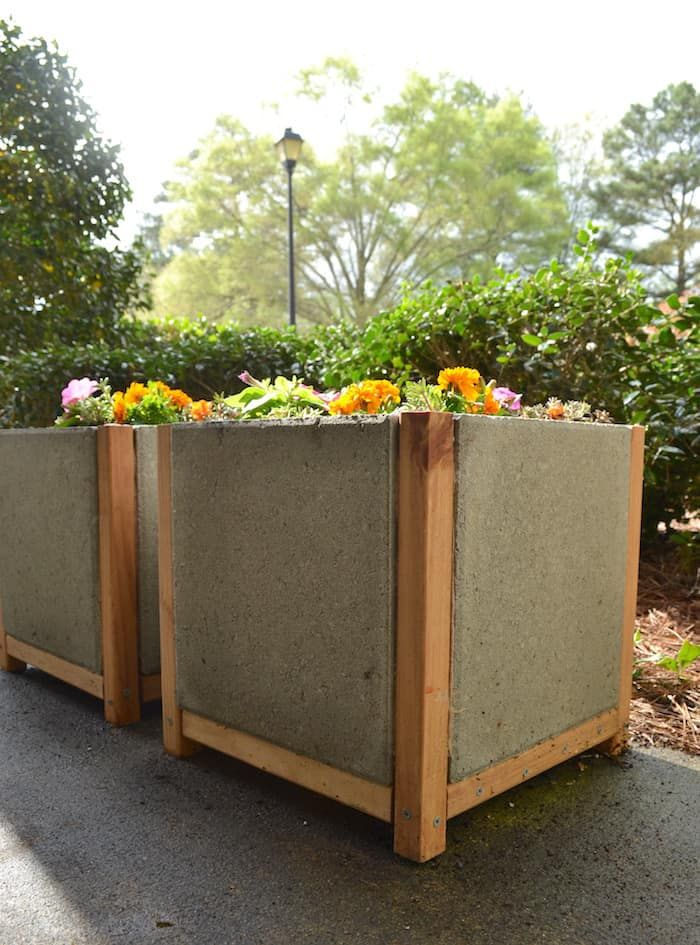
[sps_html tag=”img” src=”https://cdn.northcarolinafinearchitecture.com/2026/05/how-to-make-cool-looking-concrete-planters-from-scratch-regarding-the-art-of-layering-how-to-build-professional-looking-planters-from-scratch.jpg” alt=”How To Make Cool-Looking Concrete Planters From Scratch regarding The Art of Layering How to Build Professional Looking Planters from Scratch” style=”width: 100%; height: auto;”]
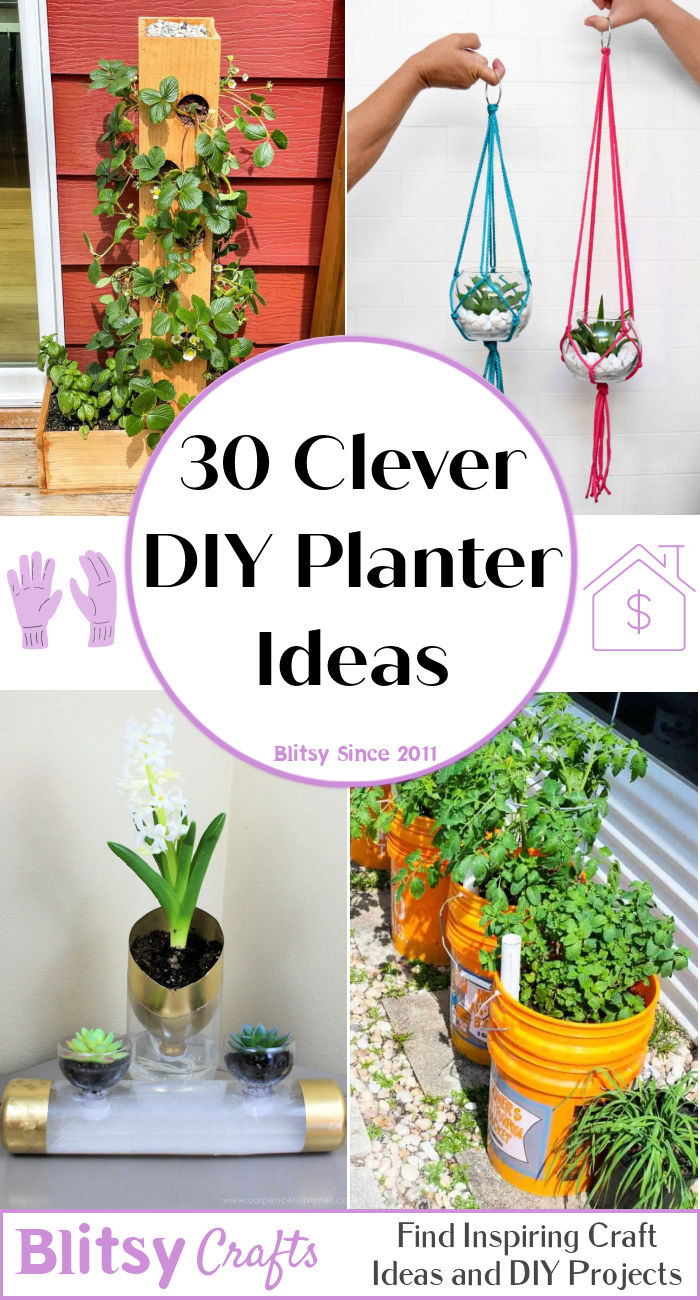
[sps_html tag=”img” src=”https://cdn.northcarolinafinearchitecture.com/2026/05/30-beautiful-diy-planters-you-can-make-from-scratch-blitsy-regarding-the-art-of-layering-how-to-build-professional-looking-planters-from-scratch.jpg” alt=”30 Beautiful Diy Planters You Can Make From Scratch - Blitsy regarding The Art of Layering How to Build Professional Looking Planters from Scratch” style=”width: 100%; height: auto;”]
[sps_html tag=”img” src=”https://cdn.northcarolinafinearchitecture.com/2026/05/how-to-build-a-large-diy-planter-box-gardening-from-house-to-home-intended-for-outdoor-container-design.jpg” alt=”How To Build A Large Diy Planter Box - Gardening @ From House To Home intended for Outdoor Container Design” style=”width: 100%; height: auto;”]
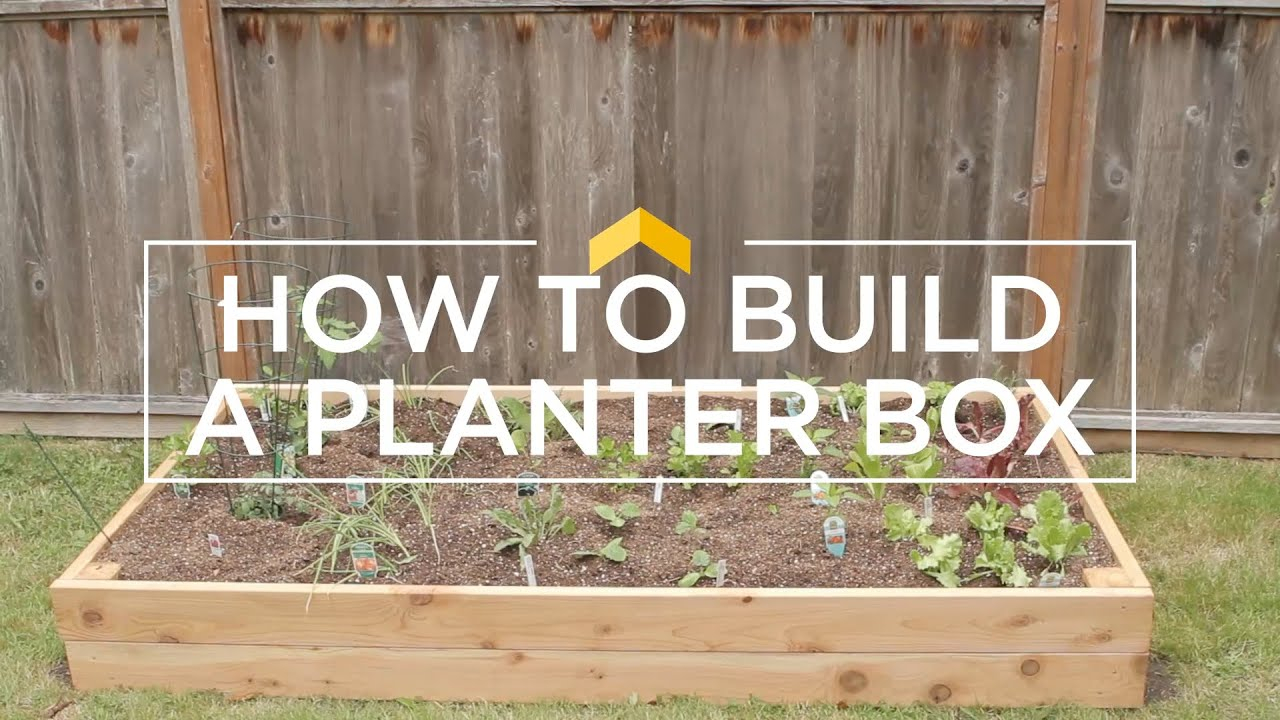
[sps_html tag=”img” src=”https://cdn.northcarolinafinearchitecture.com/2026/05/how-to-build-a-planter-box-youtube-for-outdoor-container-design.jpg” alt=”How To Build A Planter Box - Youtube for Outdoor Container Design” style=”width: 100%; height: auto;”]
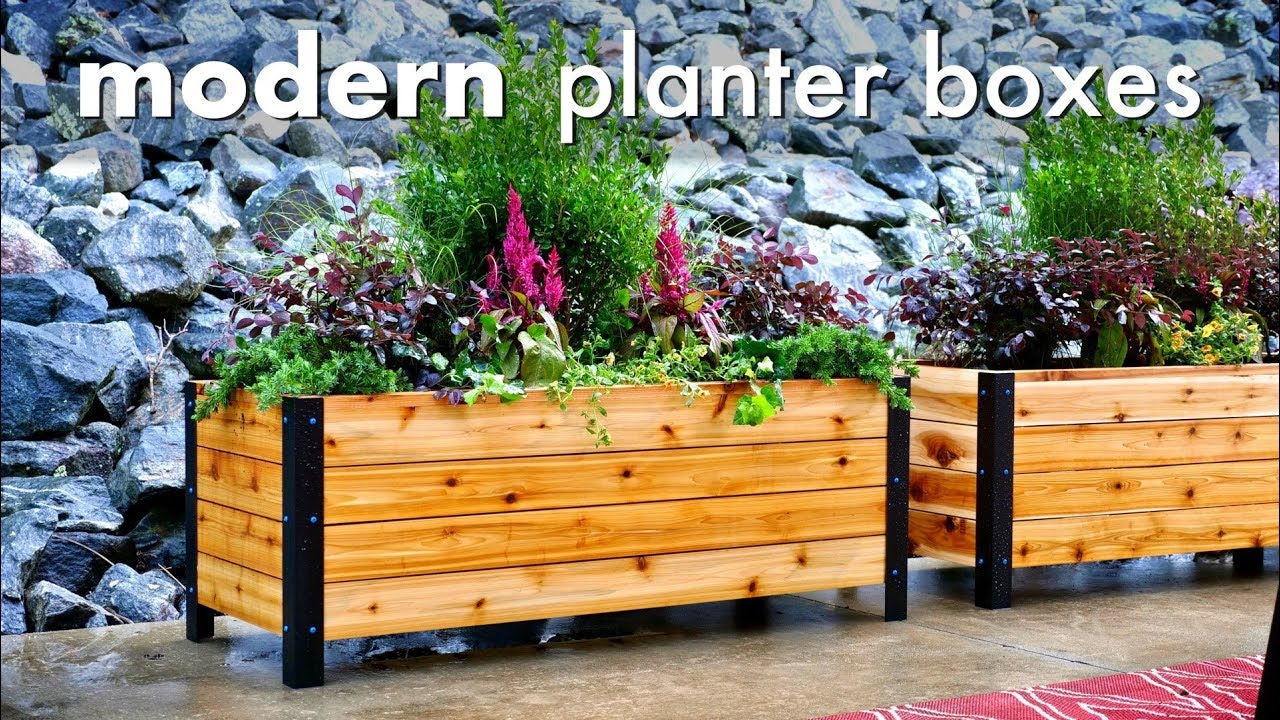
[sps_html tag=”img” src=”https://cdn.northcarolinafinearchitecture.com/2026/05/diy-modern-raised-planter-box-how-to-build-woodworking-youtube-with-regard-to-the-art-of-layering-how-to-build-professional-looking-planters-from-scratch.jpg” alt=”Diy Modern Raised Planter Box // How To Build - Woodworking - Youtube with regard to The Art of Layering How to Build Professional Looking Planters from Scratch” style=”width: 100%; height: auto;”]