Ever walked past a flea market stall and felt that little tug in your chest? You know the one. It’s that old, chipped porcelain sink sitting there, looking a bit sorry for itself. Maybe it’s got a crack running down the side or the faucet is long gone. Most people walk right by. They see junk. But you? You see potential. You see a story waiting to be told in your backyard.
In 2026, the trend of upcycling isn’t just about saving money—though let’s be honest, who doesn’t love a bargain? It’s about soul. It’s about taking something mass-produced decades ago and giving it a second life that feels personal and unique. A rustic vintage basin can become the heart of your outdoor space. It can be a place to wash fresh herbs, a tranquil water feature that sings on a summer evening, or a quirky planter that makes your neighbors stop and stare. And the best part? You don’t need a massive budget or a degree in engineering to make it happen.
Hunting for Hidden Treasures
Finding the perfect basin is half the fun. It’s like a treasure hunt, but instead of gold, you’re looking for cast iron, porcelain, or even sturdy ceramic. Start local. Estate sales are goldmines, especially in older neighborhoods where homes haven’t been renovated in years. Keep an eye out for farm auctions too; you’d be surprised what ends up in barns. Online marketplaces are great, but try to filter by "local pickup" to avoid shipping costs that can kill your budget.
Don’t be afraid of a little wear and tear. In fact, embrace it. A chip here or a stain there adds character. Just check for structural integrity. You want a basin that holds water, not one that leaks like a sieve. If you find a metal basin with some rust, don’t panic. Rust can be treated and sealed, and sometimes, a bit of patina looks amazing against green foliage. Look for shapes that appeal to you—oval, rectangular, or deep farmhouse styles all work differently in a garden setting.
Keep your eyes open for unusual finds too. Sometimes a broken vanity unit comes with a beautiful sink still attached. Or maybe you’ll find a standalone pedestal sink that’s lost its partner. These oddballs often cost less because sellers don’t know what to do with them. That’s your opportunity. Bring a tape measure and a friend. Some of these old beauties are heavier than they look, and you’ll want to make sure it fits in your car before you fall in love.
Cleaning and Prepping Your Find
Once you’ve got your basin home, it’s time for some TLC. This part isn’t glamorous, but it’s crucial. Years of grime, paint splatters, and who-knows-what-else need to go. Start with a good scrub using warm soapy water and a stiff brush. For tougher stains, a mixture of vinegar and baking soda works wonders without harsh chemicals. If there’s old paint, a gentle scraper or sandpaper might be needed, but be careful not to damage the original finish if it’s in good shape.
If you’re dealing with rust on metal basins, use a wire brush to remove loose flakes. Then, apply a rust converter. This chemical treatment turns rust into a stable, black primer that you can paint over. It’s a game-changer for longevity. For porcelain, if there are ugly chips, you can fill them with epoxy filler matched to the color. It won’t be perfect, but from a few feet away, nobody will notice. The goal isn’t museum-quality restoration; it’s garden-ready charm.
Consider the drainage hole. If you plan to use it as a planter, you might need to enlarge it or add more holes for better water flow. A masonry drill bit works well for porcelain or ceramic. Go slow and keep the area wet to prevent cracking. If you’re turning it into a water feature, you’ll want to seal any unwanted leaks but keep the main drain accessible for cleaning. Take your time here. A well-prepped base makes the rest of the project so much easier and ensures your feature lasts through the seasons.
Creating a Functional Outdoor Sink
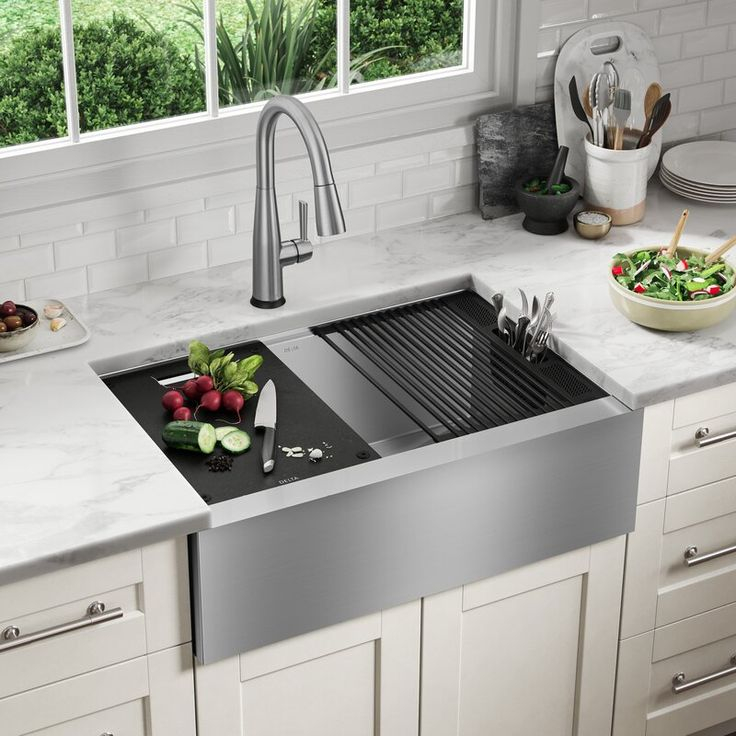
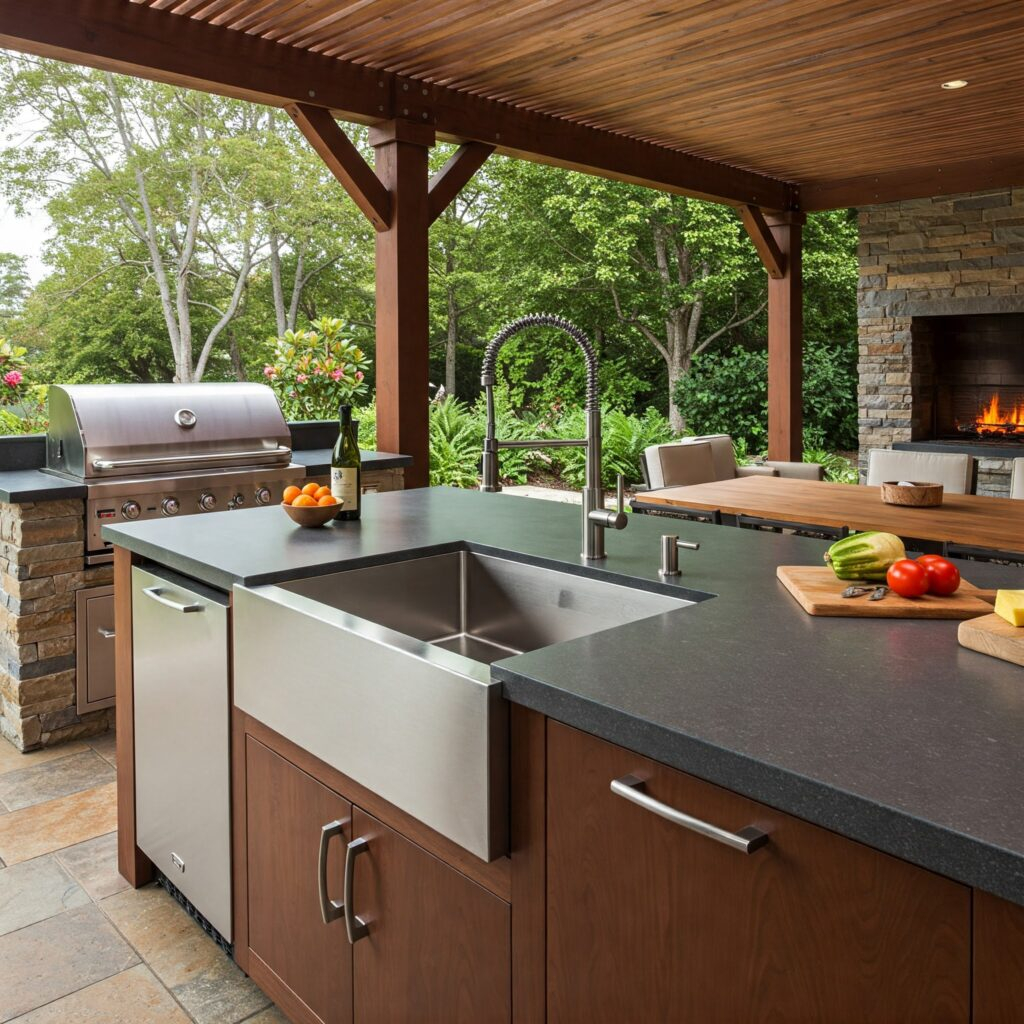
One of the most practical uses for a vintage basin is an outdoor sink. Imagine rinsing muddy carrots right after pulling them from the earth, or washing your hands after potting plants without tracking dirt into the house. It’s a luxury that feels surprisingly simple to achieve. You don’t need complex plumbing. A gravity-fed system using a large water container hidden nearby can work perfectly. Connect a simple spigot to the container and run a hose to the basin’s faucet hole.
For the stand, think creatively. An old wooden table, a stack of cinder blocks painted to match your house, or even a repurposed dresser drawer can serve as the base. Make sure it’s sturdy and level. If you’re using wood, treat it with outdoor sealant to protect against moisture. Install a standard outdoor faucet adapter if the original fixtures are missing. These are cheap and easy to find at any hardware store. Add a splash guard around the edges if you’re worried about water splashing onto your deck or patio.
Don’t forget the details that make it usable. Add a small shelf underneath for soap, sponges, or gardening gloves. Hang a towel rack on the side. Plant trailing herbs like thyme or oregano in pots nearby so you can snip them while you wash veggies. This transforms a simple washing station into a sensory experience. The smell of wet earth, fresh herbs, and clean water creates a vibe that’s both productive and peaceful. It’s functional, yes, but it’s also a spot you’ll want to linger.
Designing a Tranquil Water Feature
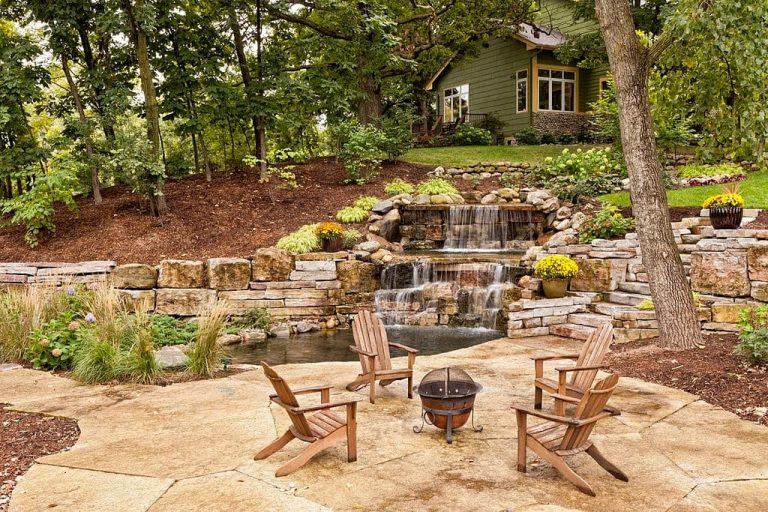
If plumbing sounds like too much hassle, consider turning your basin into a recirculating water feature. The sound of trickling water is incredibly soothing and can mask neighborhood noise. All you need is a small submersible pump, some tubing, and a power source. Hide the pump in the basin, run the tube up through a decorative spout or even a hollowed-out stone, and let the water cascade back into the bowl. It’s a closed loop, so you only lose water to evaporation.
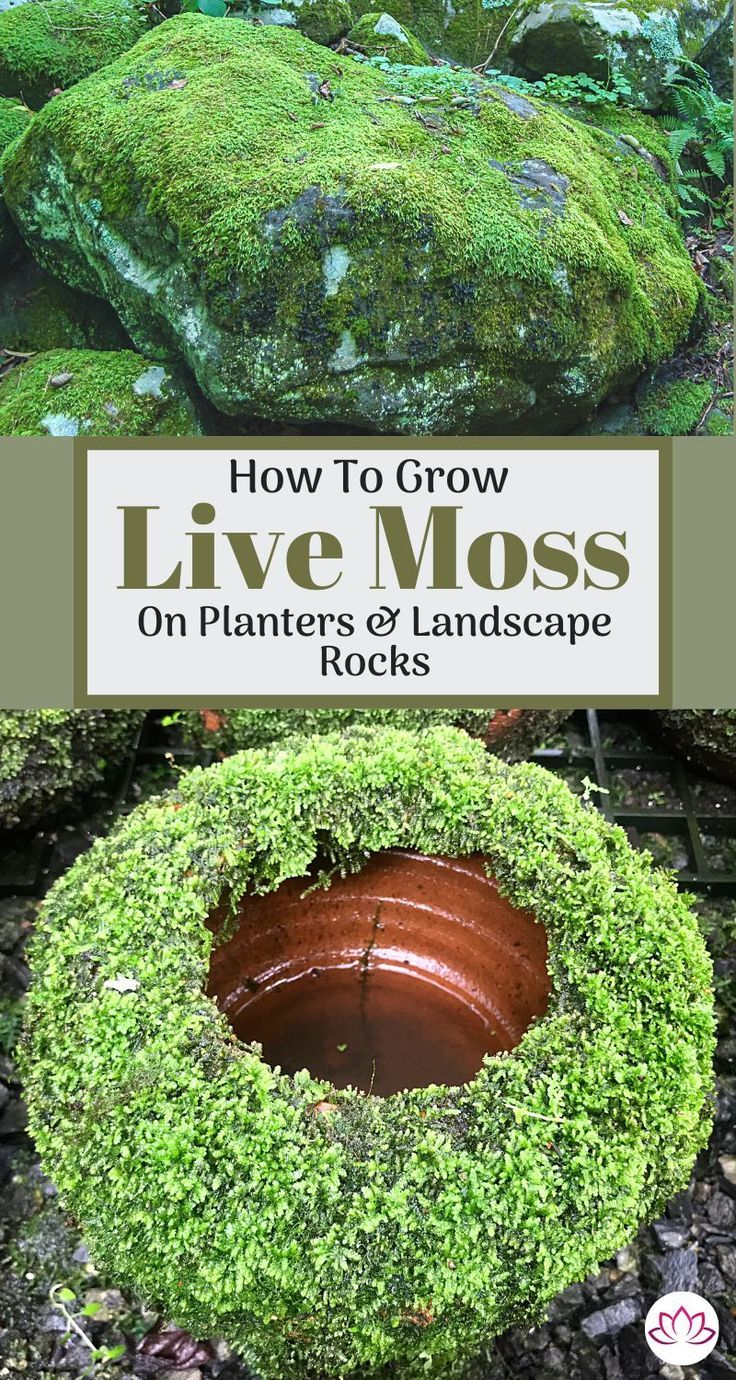
Surround the basin with stones or pebbles to soften the edges and blend it into the landscape. Native plants love the moist environment created by the splash zone. Ferns, mosses, and hostas thrive in these damp, shady spots. You can even add a few floating plants if the basin is deep enough. Water lilies or duckweed add a touch of whimsy and help keep algae at bay naturally. The key is to make it look like it’s always been there, not like a plastic tub dropped in last Tuesday.
Lighting can take your water feature to the next level. Solar-powered LED lights are inexpensive and easy to install. Place a few around the rim or submerge waterproof lights in the water for a magical glow at night. The reflection of light on moving water creates a mesmerizing effect that draws people in. It becomes a focal point for evening gatherings or a quiet spot for morning coffee. Just remember to clean the pump filter regularly to keep the water flowing smoothly and clearly.
Repurposing as Unique Planters
Sometimes, the simplest idea is the best. Fill that vintage basin with soil and plants. It’s instant charm. Because basins are often shallow, they’re perfect for succulents, alpine plants, or trailing vines that don’t need deep roots. Drill extra drainage holes if needed to prevent root rot. Use a mix of potting soil and perlite for good aeration. Arrange your plants with height in mind—taller specimens in the back or center, spillers cascading over the edges.
Group several basins together for a dramatic effect. Use different sizes and shapes to create visual interest. Paint the exteriors in coordinating colors if you want a more curated look, or leave them natural for a rustic vibe. You can even mount smaller basins on walls or fences to create vertical gardens. This saves ground space and adds dimension to bare walls. Just ensure they’re securely anchored, especially if they’ll hold wet soil which gets heavy.
Experiment with themes. A white porcelain basin filled with white flowers and silver foliage looks elegant and cool. A rusty metal tub packed with vibrant orange and red blooms creates a warm, fiery contrast. Let the basin guide your plant choices. If it has a vintage floral pattern, pick plants that complement those colors. If it’s industrial and stark, go for bold, architectural plants like agave or ornamental grasses. The basin isn’t just a container; it’s part of the design palette.
Once your basin is in place, style the area around it. This is where you make it feel intentional. Add a weathered wooden stool nearby for a place to sit. Scatter some river rocks around the base to hide any unsightly supports or hoses. Incorporate other vintage items—a rusty watering can, an old lantern, or a stack of antique bricks. These elements tell a cohesive story and make the space feel curated rather than cluttered.
Maintenance is key to keeping your feature looking great. For sinks, wipe down the basin weekly to prevent soap scum or mineral buildup. Check hoses for leaks or cracks, especially after winter. For water features, top off the water regularly and clean the pump every few months. Algae can be controlled with barley straw bales or safe biological treatments. Avoid harsh chemicals that could harm nearby plants or wildlife.
Planters need seasonal attention. Refresh the soil once a year to replenish nutrients. Deadhead spent flowers to encourage new blooms. In colder climates, empty water features and bring sensitive pumps indoors to prevent freezing damage. Porcelain can crack if water freezes inside it, so consider covering or storing delicate basins during harsh winters. With a little care, your vintage find will remain a beloved part of your garden for years to come, aging gracefully alongside your plants.
Transforming a rustic vintage basin into a garden feature is more than a DIY project. It’s an act of preservation and creativity. It connects us to the past while enhancing our present outdoor living spaces. Whether you choose a functional sink, a calming fountain, or a vibrant planter, you’re adding a piece of history to your home. And you’re doing it on a budget that respects your wallet and the planet. So go ahead, hunt for that perfect basin. Give it a second chance. Your garden—and your soul—will thank you.
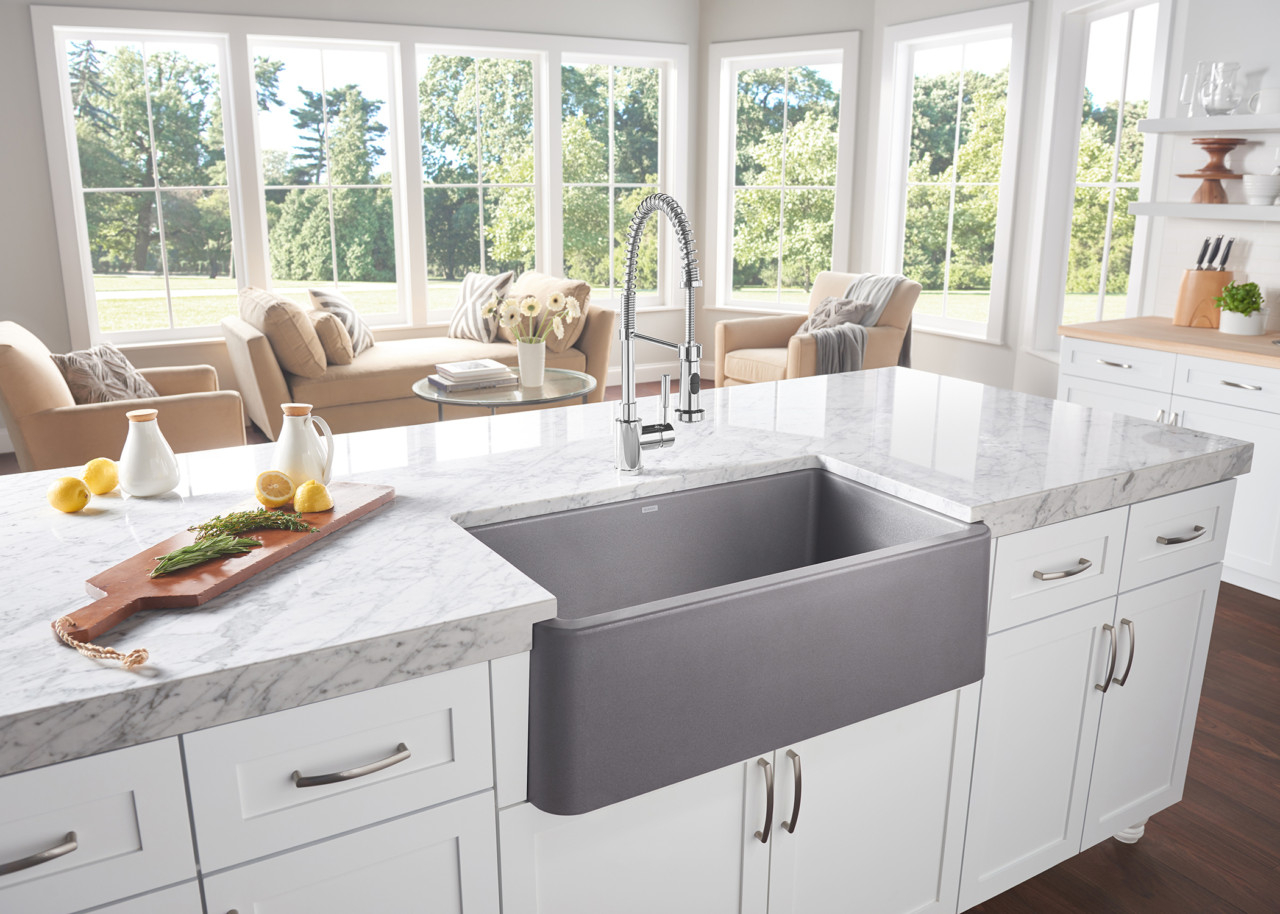
[sps_html tag=”img” src=”https://cdn.northcarolinafinearchitecture.com/2026/05/the-nostalgic-apron-front-sink-makes-a-modern-comeback-throughout-outdoor-sink-design.jpg” alt=”The Nostalgic Apron-Front Sink Makes A Modern Comeback throughout Outdoor Sink Design” style=”width: 100%; height: auto;”]
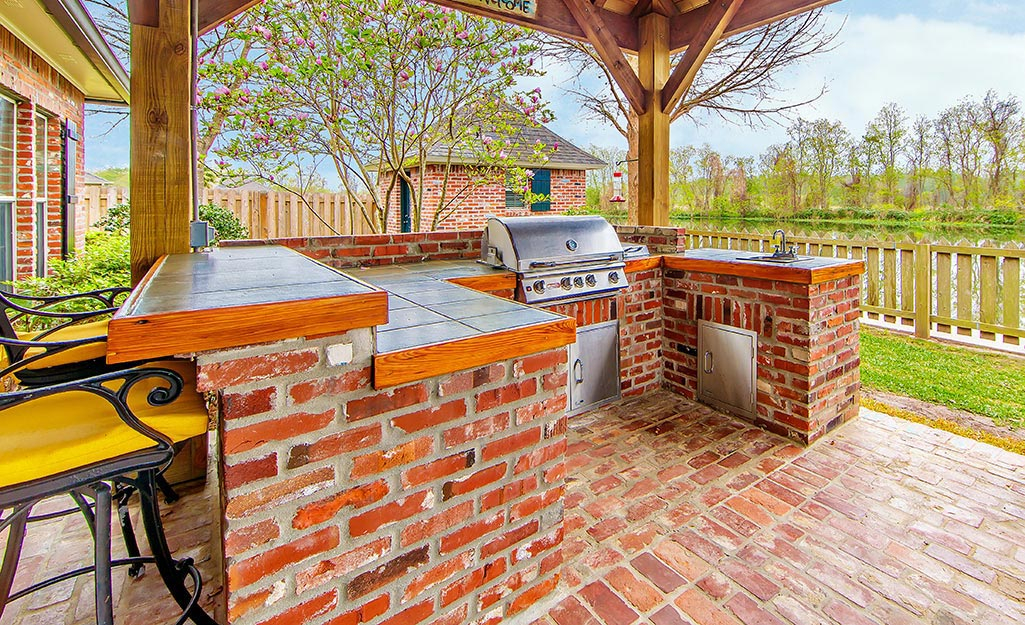
[sps_html tag=”img” src=”https://cdn.northcarolinafinearchitecture.com/2026/05/do-it-yourself-outdoor-kitchen-designs-transform-spaces-my-blog-inside-why-adding-an-apron-front-sink-transforms-your-patio-into-a-real-outdoor-kitchen.jpg” alt=”Do It Yourself Outdoor Kitchen Designs: Transform Spaces - My Blog inside Why Adding an Apron-Front Sink Transforms Your Patio into a Real Outdoor Kitchen” style=”width: 100%; height: auto;”]
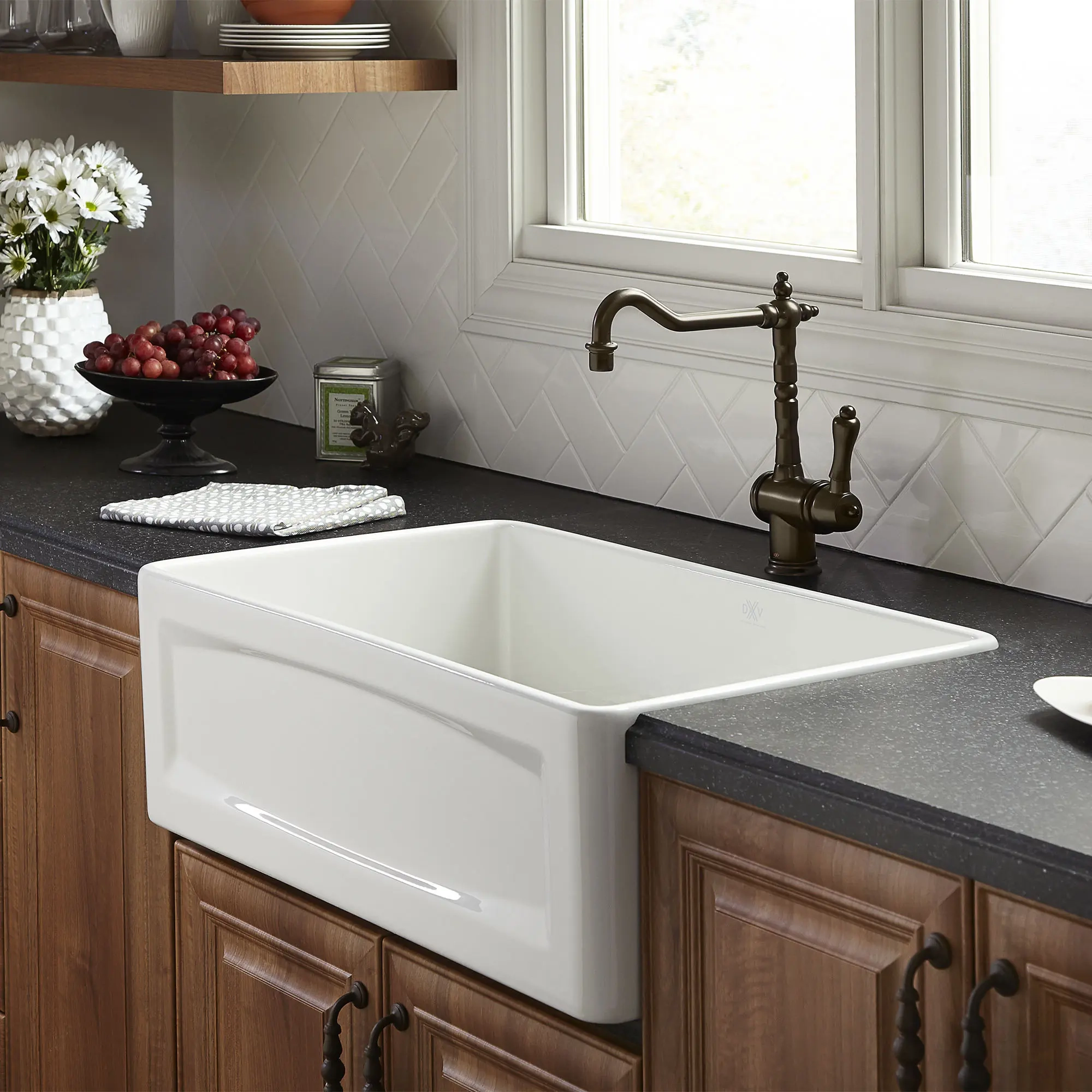
[sps_html tag=”img” src=”https://cdn.northcarolinafinearchitecture.com/2026/05/apron-front-sink-bold-design-from-shaws-shaker-collection-by-house-regarding-why-adding-an-apron-front-sink-transforms-your-patio-into-a-real-outdoor-kitchen.webp” alt=”Apron Front Sink Bold Design From Shaws™ Shaker Collection By House regarding Why Adding an Apron-Front Sink Transforms Your Patio into a Real Outdoor Kitchen” style=”width: 100%; height: auto;”]
[sps_html tag=”img” src=”https://cdn.northcarolinafinearchitecture.com/2026/05/outdoor-kitchen-sink-7-amazing-options-to-transform-your-backyard-inside-why-adding-an-apron-front-sink-transforms-your-patio-into-a-real-outdoor-kitchen.jpg” alt=”Outdoor Kitchen Sink: 7 Amazing Options To Transform Your Backyard … inside Why Adding an Apron-Front Sink Transforms Your Patio into a Real Outdoor Kitchen” style=”width: 100%; height: auto;”]
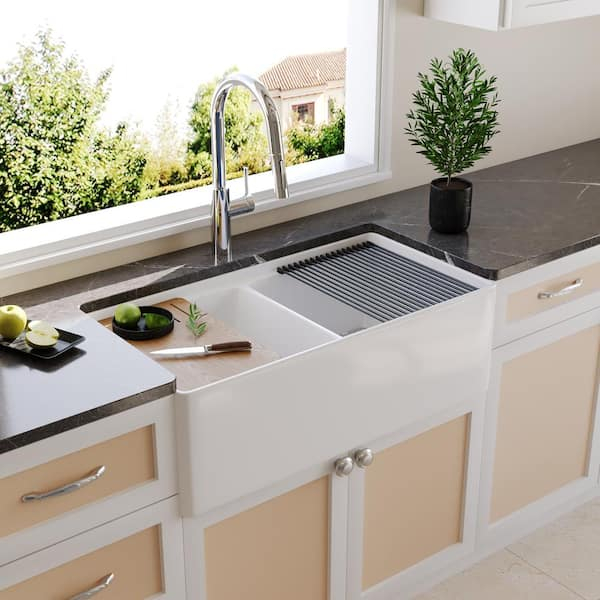
[sps_html tag=”img” src=”https://cdn.northcarolinafinearchitecture.com/2026/05/delta-rivet-30-l-workstation-farmhouse-apron-front-kitchen-sink-with-regard-to-why-adding-an-apron-front-sink-transforms-your-patio-into-a-real-outdoor-kitchen.jpg” alt=”Delta Rivet 30" L Workstation Farmhouse Apron Front Kitchen Sink with regard to Why Adding an Apron-Front Sink Transforms Your Patio into a Real Outdoor Kitchen” style=”width: 100%; height: auto;”]