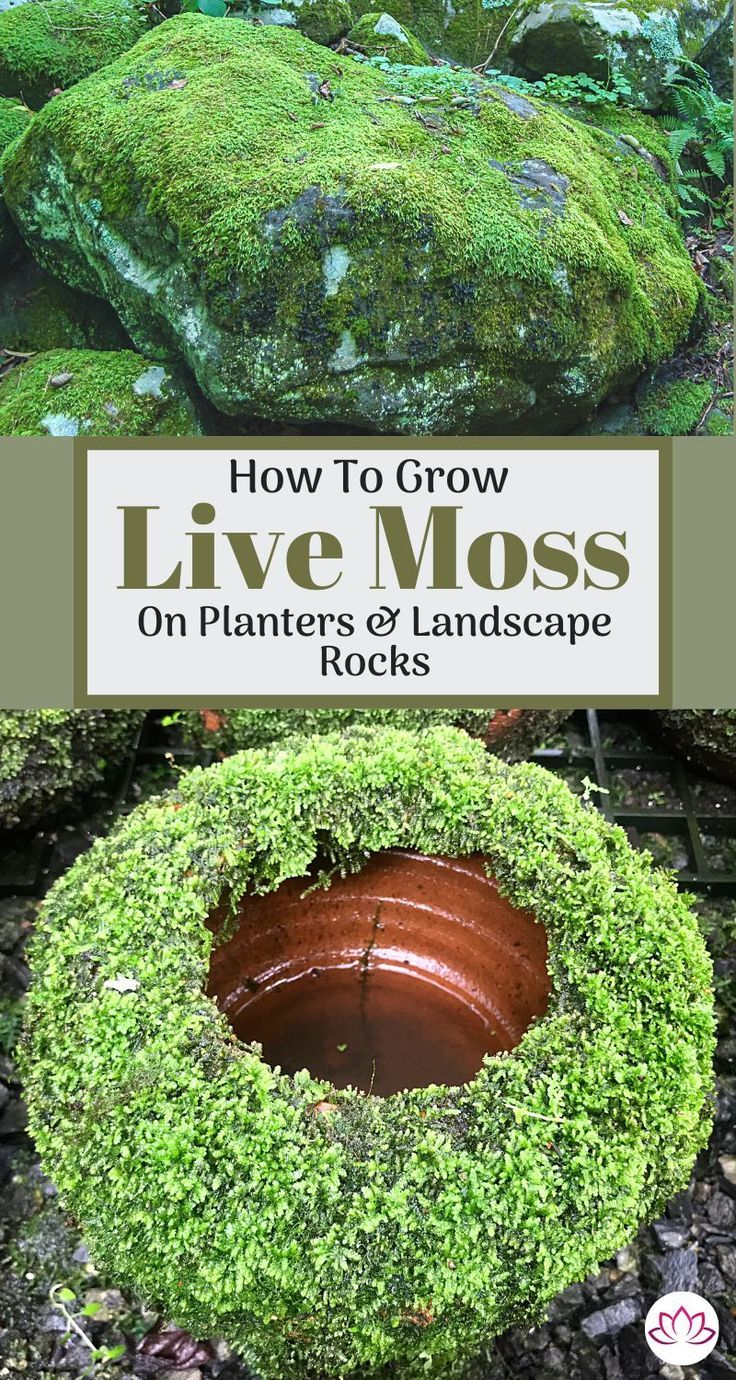
You walk into a garden in Arizona or Nevada, expecting dust and cacti. Instead, you see velvet green cushions clinging to rocks. It feels impossible. Like finding snow in the desert. But it’s real. And it’s happening more often than you’d think.
People assume moss needs constant rain. They think it belongs only in the Pacific Northwest or the misty hills of Scotland. That’s a myth. A big one. Moss is tougher than it looks. It doesn’t have roots like other plants. It drinks through its leaves. This simple fact changes everything. It means you can control its water intake. You don’t need a monsoon. You just need strategy.
Why Moss Defies the Drought Myth
Moss isn’t a plant in the traditional sense. It’s a bryophyte. No vascular system. No deep roots digging for groundwater. This makes it uniquely suited for tricky environments if you understand its mechanics. In wet climates, moss thrives on ambient humidity. In dry places, it survives on microclimates.
Think of moss like a sponge. When it’s dry, it goes dormant. It turns brown or gray. It looks dead. But it’s not. It’s waiting. Give it water, and within minutes, it greens up. This resilience is key. In 2025, researchers at the University of Arizona published findings showing that certain native moss species can survive months without rain, provided they get brief, intense hydration events. This "resurrection" ability is what makes dry-climate moss gardening possible.
The trick isn’t fighting the dry air. It’s working with it. You create pockets of moisture. Shaded corners. North-facing walls. Areas where dew settles. These are your moss sanctuaries. You aren’t trying to turn your desert yard into a rainforest. You’re creating tiny oases. Small, manageable spots where moisture lingers just long enough for the moss to drink its fill.
Choosing the Right Species for Arid Zones
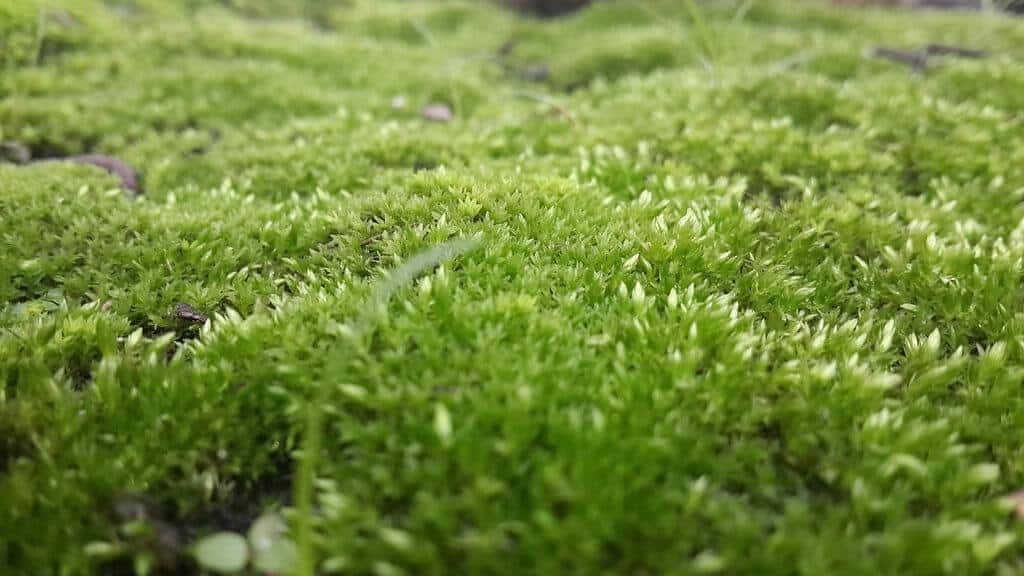
Not all moss is created equal. Some varieties wilt under the slightest stress. Others are built for battle. In dry climates, you need the warriors. Syntrichia caninervis, also known as haircap moss, is a superstar in the American Southwest. It’s found naturally in Mojave Desert crusts. It handles extreme heat and UV radiation better than almost any other bryophyte.
Then there’s Grimmia pulvinata. It loves rock. It grows in tight, dark green cushions that look like miniature pillows. It’s incredibly drought-tolerant once established. Another good option is Tortula ruralis. It’s common in semi-arid regions globally. These species have adapted to shed water quickly to prevent rot during rare rainstorms, then absorb it rapidly when available.
Avoid delicate forest mosses like Leucobryum unless you have a heavily shaded, irrigated courtyard. They’ll crisp up in days. Stick to the rugged types. Local nurseries in places like Phoenix and Las Vegas are starting to stock these hardier varieties as of 2026. If you can’t find them locally, online specialty growers ship dormant moss plugs that wake up easily. Always check if the species is native to your region to avoid ecological issues.
Creating Microclimates That Retain Moisture
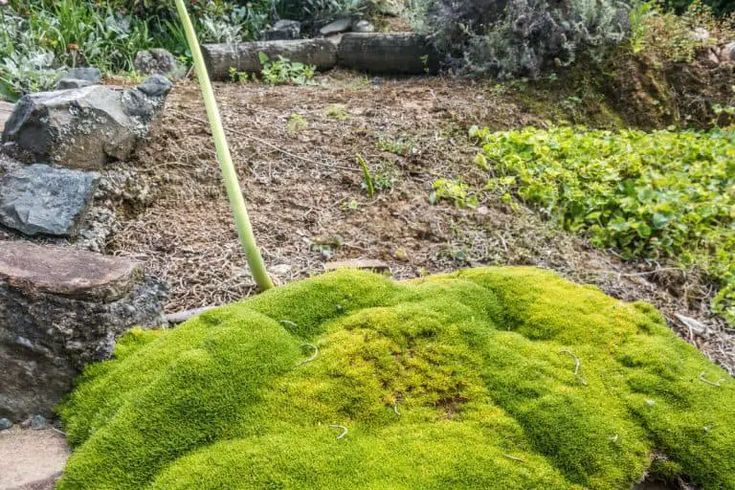
You can’t change the climate. But you can change the spot. A microclimate is a small area where conditions differ from the surrounding area. For moss, you want cool, damp, and shaded. Start with hardscape. Rocks are your best friends. They hold moisture longer than soil. Place large stones in shaded areas. The space between the rock and the ground stays cooler.
Orientation matters. North-facing surfaces get the least direct sun. In the Northern Hemisphere, this is your gold mine. East-facing spots get morning sun, which is gentler. Avoid west and south exposures unless you have heavy shade structures. Even a simple wooden slat fence can drop the temperature by ten degrees. That difference is life or death for moss in July.
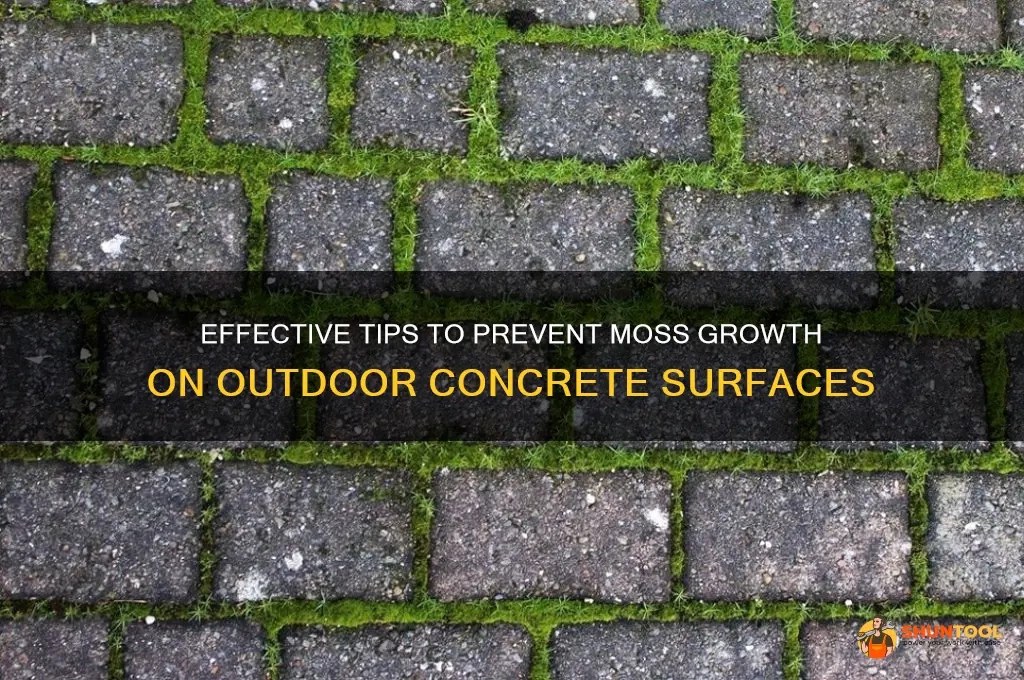
Mulch helps too. But not wood chips. Use gravel or crushed stone. It reduces evaporation from the soil surface. It also looks natural. Moss grows beautifully over gravel. It creates a seamless, ancient look. In 2024, landscape architects in Santa Fe began using permeable pavers with moss joints. The pavers stay cool, and the moss fills the gaps, reducing heat island effects. It’s functional and beautiful.
The Hydration Strategy: Less Is More
Watering moss in dry climates is counterintuitive. You might think you need to soak it daily. Wrong. Overwatering leads to fungus. It leads to rot. Moss needs cycles. Wet, then dry. Wet, then dry. This mimics natural dew patterns. In arid zones, dew is often the primary water source for wild moss.
Use a misting system. Not a sprinkler. Sprinklers waste water and hit too hard. Misters create a fine fog. Install them on a timer. Run them early in the morning, just before sunrise. This allows the moss to absorb water before the heat kicks in. Five to ten minutes is usually enough. The goal is to dampen the surface, not saturate the ground.
Hand watering works for small patches. Use a spray bottle. Gentle pressure. Aim for the leaves, not the base. Check the color. If it’s bright green, it’s happy. If it’s turning yellow, it might be too wet. If it’s gray and brittle, it’s thirsty. Learn to read the plant. It tells you what it needs. In peak summer, you might mist every other day. In winter, once a week might suffice. Adjust based on weather.
Soil Prep and Installation Techniques
Moss doesn’t need rich soil. In fact, it hates fertilizer. Nutrient-rich dirt encourages algae and weeds. Moss prefers poor, acidic, compacted substrates. Clay is great. Sand is okay if mixed with clay. The key is stability. Moss needs something to anchor to, even though it doesn’t have true roots.
Prepare your site by removing all vegetation. Weeds are the enemy. They compete for water. Solarize the area if possible. Cover it with clear plastic for a few weeks to kill seeds. Then, rake the surface smooth. Compact it. You want a firm bed. Some people use a mixture of yogurt and moss fragments to paint onto rocks. The yogurt acts as a binder and provides slight acidity. It works, but it can smell. A better method is laying down sod-like moss mats.
Press them firmly into the soil. Walk on them. Use a roller. Good contact is essential. If air pockets remain, the moss will dry out from the bottom up. After installation, keep the area consistently moist for the first three weeks. This is the establishment phase. Once it grabs hold, you can reduce frequency. Don’t peek under the edges. Let it settle. Disturbance slows growth.
Moss is low maintenance, but not no maintenance. In dry climates, debris is a problem. Leaves block light and trap dry air. Sweep them off gently. Use a soft brush. Never use a leaf blower. It’s too aggressive. It will rip the moss apart. Keep the surface clean. Airflow is important. Stagnant, hot air cooks moss.
Watch for invaders. Crabgrass loves the same shady, moist spots. Pull it by hand. Do not use herbicides. They will kill the moss. Algae can appear if the area stays too wet. If you see slimy green film, reduce watering. Increase airflow. Sometimes, just raking the surface lightly helps.
In extreme heat waves, provide temporary shade. Use shade cloth. It’s cheap and effective. Drape it over sensitive areas during the hottest part of the day. Remove it in the evening. This simple step can prevent scorching. Also, monitor pH. Moss likes acidity. If your tap water is alkaline, consider adding a bit of vinegar to your misting tank. One tablespoon per gallon. Test it first on a small patch.
Growing moss in dry places is an act of patience. It’s slow. It’s quiet. But the reward is a living carpet that feels ancient and calm. It connects you to the land in a subtle way. You learn to watch the weather. You notice dew. You appreciate shade. It’s not just gardening. It’s mindfulness. And in 2026, as water becomes scarcer, it’s also a smart choice. Low water. High impact. Pure beauty.
[sps_html tag=”img” src=”https://cdn.northcarolinafinearchitecture.com/2026/06/effective-tips-to-prevent-moss-growth-on-outdoor-concrete-surfaces-inside-expert-secrets-for-growing-thriving-moss-outdoors-without-the-common-beginner-mistakes.webp” alt=”Effective Tips To Prevent Moss Growth On Outdoor Concrete Surfaces … inside Expert Secrets for Growing Thriving Moss Outdoors Without the Common Beginner Mistakes” style=”width: 100%; height: auto;”]
[sps_html tag=”img” src=”https://cdn.northcarolinafinearchitecture.com/2026/06/unlock-the-secrets-of-moss-in-your-lawn-expert-tips-for-removal-and-pertaining-to-expert-secrets-for-growing-thriving-moss-outdoors-without-the-common-beginner-mistakes.jpeg” alt=”Unlock The Secrets Of Moss In Your Lawn: Expert Tips For Removal And … pertaining to Expert Secrets for Growing Thriving Moss Outdoors Without the Common Beginner Mistakes” style=”width: 100%; height: auto;”]
[sps_html tag=”img” src=”https://cdn.northcarolinafinearchitecture.com/2026/06/how-to-grow-moss-on-12-different-surfaces-step-by-step-outdoormoss-throughout-expert-secrets-for-growing-thriving-moss-outdoors-without-the-common-beginner-mistakes.jpg” alt=”How To Grow Moss On 12 Different Surfaces Step By Step | Outdoormoss … throughout Expert Secrets for Growing Thriving Moss Outdoors Without the Common Beginner Mistakes” style=”width: 100%; height: auto;”]
[sps_html tag=”img” src=”https://cdn.northcarolinafinearchitecture.com/2026/06/how-to-grow-moss-on-a-planter-at-archie-eva-blog-regarding-expert-secrets-for-growing-thriving-moss-outdoors-without-the-common-beginner-mistakes.jpg” alt=”How To Grow Moss On A Planter At Archie Eva Blog regarding Expert Secrets for Growing Thriving Moss Outdoors Without the Common Beginner Mistakes” style=”width: 100%; height: auto;”]
[sps_html tag=”img” src=”https://cdn.northcarolinafinearchitecture.com/2026/06/how-to-grow-moss-on-rocks-and-impress-your-friends-or-enemies-with-regard-to-outdoor-moss-garden-design.jpg” alt=”How To Grow Moss On Rocks And Impress Your Friends (Or Enemies … with regard to Outdoor Moss Garden Design” style=”width: 100%; height: auto;”]