Have you ever stood by a creek in the woods and just… listened? There’s a specific kind of quiet that water brings. It’s not silence, exactly. It’s a hum. A gentle, rhythmic presence that seems to slow down time itself. Now, imagine capturing that feeling in your own backyard. Not a plastic fountain spraying water into a blue tub, but a real, living stream. One that winds through ferns and mossy rocks, looking like it’s been carving its path through your garden for centuries.
It sounds impossible, right? Like something only landscape architects with huge budgets can pull off. But here’s the truth: nature isn’t perfect. Nature is messy. And that messiness is exactly what makes a backyard stream feel authentic. In 2026, the trend isn’t about pristine, manicured water features anymore. People are craving wildness. They want spaces that feel untamed, even if they’re carefully constructed. The goal isn’t to build a stream. It’s to reveal one that was already there, waiting to be found.
Most folks get stuck on the mechanics. They worry about pumps and liners and electricity. And sure, those things matter. You can’t have flowing water without them. But if you focus only on the plumbing, you’ll end up with a garden hose disguised as a river. The magic happens in the details. It’s in the way a rock sits half-buried in the mud. It’s in the curve of the bank where the water slows down. It’s in the plants that hang over the edge, dipping their toes in the current. This guide isn’t just about digging a ditch. It’s about learning to think like water.
Reading the Land Before You Dig
Before you pick up a shovel, you need to stop and look. Really look. Most mistakes happen because people try to force a stream into a spot where it doesn’t belong. Water has weight. It has momentum. It follows gravity. If you fight gravity, you’re fighting a losing battle. Start by walking your property after a heavy rain. Watch where the water naturally wants to go. Are there low spots? Areas where puddles form? That’s your clue. Nature is telling you where the flow wants to be.
You don’t need a massive slope, but you do need some elevation change. Even a gentle incline of two or three inches over ten feet can create a beautiful, meandering current. If your yard is flat, don’t despair. You can build up the source area with soil to create a starting point. But remember, the higher you build the start, the more earth you’ll need to move. Keep it simple. Let the existing topography guide your hand. If you have a natural dip near a tree line or a corner of the fence, that’s often the perfect canvas.
Think about the view from your house, too. Where will you see the stream most often? From the kitchen window while making coffee? From the patio in the evening? Map out those sightlines. You want the stream to unfold as you walk through the garden, revealing little surprises around bends. Don’t make it all visible at once. Mystery is part of the charm. Sketch a rough shape on paper, but keep it loose. Use a garden hose to lay out the curve on the ground. Move it around until it feels right. If it looks too symmetrical, it’s wrong. Nature hates straight lines.
The Skeleton: Grading and Liner Secrets
Once you’ve got your shape, it’s time to dig. This is the hard part. The physical labor. But it’s also where the stream starts to take soul. You’re not just digging a trench; you’re sculpting a riverbed. The bottom shouldn’t be flat. It needs variation. Create shallow riffles and deeper pools. Riffles are where the water moves fast over shallow rocks, creating that lovely babbling sound. Pools are where it slows down, reflecting the sky and giving fish or frogs a place to rest. Alternate them. Fast, slow, fast, slow. That rhythm is key.
When it comes to the liner, skip the cheap, thin plastic. It tears easily and looks fake if it peeks out. Go for a heavy-duty EPDM rubber liner. It’s flexible, durable, and safe for wildlife. But here’s the trick: never let the liner show. Not even a tiny bit. As you lay it in, smooth out the wrinkles, but don’t stretch it tight. Let it conform to the shapes you dug. Cover the edges with soil and stones immediately. The liner is just the vessel; the rock and soil are the skin. If you see black rubber, you’ve failed. Hide it under layers of earth and gravel.
Underlayment is non-negotiable. Put a thick layer of old carpet or specialized geotextile fabric under the liner. This protects it from sharp rocks and roots. Think of it as insurance. You don’t want to spend weeks building a stream only to have a rogue root puncture it six months later. Also, consider the spillway. This is where the water enters the stream from the pump or source. Make it wide and shallow, not a narrow pipe dumping water. Use flat stones to create a natural-looking weir, so the water sheets over gently rather than splashing awkwardly.
Stone Selection: The Language of Rocks
Rocks are the vocabulary of your stream. Choose the wrong ones, and the sentence makes no sense. The biggest mistake people make is buying bagged river rock from a big-box store. It’s too clean. Too uniform. It looks like pet food. You need local stone. Visit a local quarry or landscape supply yard that sources from nearby regions. Look for stone that matches the geology of your area. If you live in a region with limestone, use limestone. If you’re in granite country, use granite. This grounds the stream in its place. It makes it look like it belongs.
Variety is everything. You need boulders, cobbles, and gravel. Boulders anchor the stream. They create the structure. Place them partially buried, not sitting on top like decorations. Dig a hole, set the rock in, and pack soil around it. It should look like it’s been there since the ice age. Cobbles fill in the gaps. They create the texture. And gravel? Gravel is the glue. It covers the liner and softens the look. Mix sizes. A stream bed with only one size of rock looks manufactured. Nature throws everything in together.
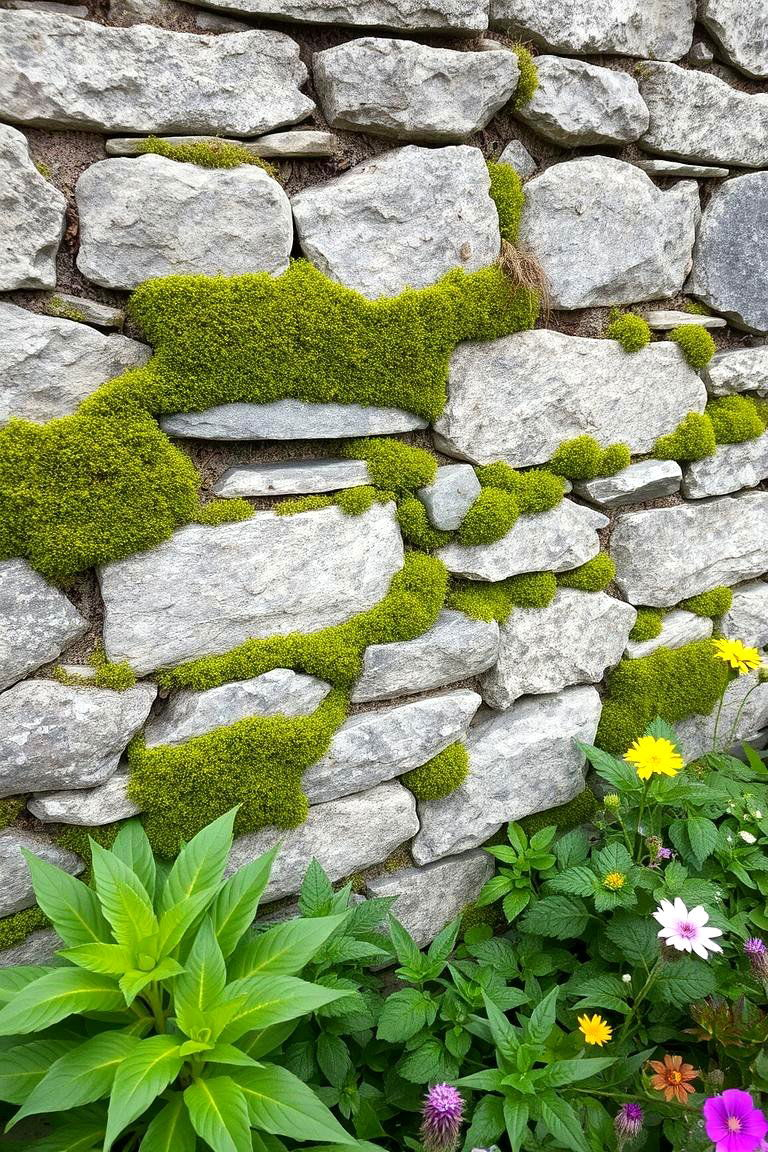
Pay attention to orientation. Rocks in a stream aren’t random. They align with the current. Long, flat stones should point downstream or across the flow, not against it. This directs the water and creates natural eddies. Stack some rocks to create small drops or cascades, but keep them low. A six-inch drop is more realistic than a two-foot waterfall. Use mossy stones if you can find them. Or, plan for moss to grow. Wet rocks attract life. Over time, algae and moss will soften the hard edges, blending the stone into the landscape. Patience is part of the material list.
Plumbing with Purpose: Hiding the Mechanics
Let’s talk about the heart of the system: the pump. In 2026, energy efficiency is huge, so look for a variable-speed DC pump. These allow you to adjust the flow rate. Sometimes you want a gentle trickle; other times, maybe after a storm simulation, you want more volume. But the pump itself? It needs to disappear. Hide it in a secluded pool at the head of the stream or in a underground vault covered by a grate and stones. Never leave it exposed. The sound of the pump humming is a mood killer. Bury it deep enough to muffle the noise, or surround it with sound-absorbing materials like loose gravel.
Piping should be buried, too. Run your PVC or flexible tubing under the liner or alongside it, covered by soil. Don’t let hoses snake across the surface. If you’re using a biological filter (which helps keep the water clear), hide that as well. Camouflage it with shrubs or build a small rock enclosure around it. The goal is invisibility. When someone looks at your stream, they shouldn’t wonder how it works. They should just feel it. If they start asking about the pump, you’ve pulled back the curtain too much.
Consider adding a UV clarifier if you struggle with green water, but again, hide it. Modern systems are compact and can be tucked away easily. Also, think about accessibility. You’ll need to clean the pump filter occasionally. Make sure you can reach it without dismantling the entire stream. Create a hidden access point. Maybe a large, removable flat stone that lifts up to reveal the intake. Functionality doesn’t have to sacrifice beauty. It just requires a bit more thought during the planning phase. Smart design means you rarely have to think about the mechanics once it’s running.
Planting for Wildness and Stability
Plants are the final layer of disguise. They soften the hardscape and integrate the stream into the garden. But don’t just plant flowers. Think about function. You need plants that hold the soil. Erosion is the enemy of a natural look. If your banks wash away every time it rains, the illusion breaks. Use native grasses and sedges along the banks. Their roots knit the soil together. Iris, ferns, and hostas love wet feet and provide lush greenery. In 2026, native plant selection is easier than ever, with many nurseries specializing in local ecotypes.
Layer your planting. Put taller plants like Joe-Pye weed or cardinal flower in the back, near the edges. Place shorter, spreading plants like creeping jenny or moneywort near the water’s edge. Let them spill over. This blurs the line between land and water. Avoid mulch near the stream. It floats away and looks messy. Instead, use gravel or stone dust on the banks. It stays put and looks natural. If you must use organic material, use shredded bark that interlocks, but stone is better.
Don’t forget submerged plants. Oxygenators like hornwort or anacharis help keep the water clear by competing with algae. They also provide habitat for beneficial insects and microorganisms. A healthy stream is a living ecosystem, not just a water feature. Introduce these plants after the stream has been running for a few weeks. Give the system time to settle. And resist the urge to overplant. Leave some bare rock and gravel visible. A stream choked with vegetation looks neglected, not natural. Balance is key. Let the water breathe.
The difference between a new stream and an old one is patina. New rocks are bright and clean. Old rocks are stained, mossy, and settled. You can speed up this process. Sprinkle soil and compost over the rocks during construction. It gives bacteria and algae something to grab onto. Add a handful of pond sludge from a friend’s established pond if you can. It inoculates your stream with beneficial microbes. Within a few months, the rocks will darken and blend in. Time does the rest, but you can give it a nudge.
Lighting can make or break the effect at night. Avoid spotlighting the water directly. It looks theatrical and fake. Instead, light the surrounding plants. Use warm, low-kelvin LEDs hidden among the foliage. Let the light reflect softly off the water’s surface. You want to see the movement, not the source. Keep the fixtures hidden. If you see a light fixture, it’s too bright or poorly placed. Submersible lights can work if they’re buried in the gravel, pointing up at a cascade, but keep them subtle. The moon is the best lighting designer; mimic its glow.
Finally, listen. Stand by your stream at different times of day. Does the sound match the look? If it looks like a tiny trickle but sounds like a roaring rapid, something’s off. Adjust the flow. Tweak the rock placements. Add a leaf or two (real ones, not plastic). Let debris accumulate naturally in the eddies. A perfectly clean stream is a suspicious stream. Nature leaves traces. Twigs, leaves, a bit of sediment. Embrace the imperfection. That’s where the beauty lives. Your stream shouldn’t look built. It should look discovered.
Creating a natural backyard stream is less about construction and more about observation. It’s about slowing down and paying attention to how water moves, how rocks settle, and how plants grow. It takes effort, yes. Digging is hard work. Moving boulders is tough. But the reward is a space that heals. A place that connects you to the rhythms of the earth. In a world that’s increasingly digital and fast-paced, having a piece of wild, flowing nature in your backyard is a radical act of peace. So grab a shovel. Listen to the land. And let the water find its way.
[sps_html tag=”img” src=”https://cdn.northcarolinafinearchitecture.com/2026/06/serenity-single-storey-home-design-wisdom-homes-throughout-bringing-serenity-home-with-low-maintenance-stream-designs-for-busy-lives.jpg” alt=”Serenity Single Storey Home Design | Wisdom Homes throughout Bringing Serenity Home with Low Maintenance Stream Designs for Busy Lives” style=”width: 100%; height: auto;”]
[sps_html tag=”img” src=”https://cdn.northcarolinafinearchitecture.com/2026/06/serenity-at-home-discover-tranquil-home-design-inspiration-with-bringing-serenity-home-with-low-maintenance-stream-designs-for-busy-lives.jpg” alt=”Serenity At Home: Discover Tranquil Home Design Inspiration with Bringing Serenity Home with Low Maintenance Stream Designs for Busy Lives” style=”width: 100%; height: auto;”]
[sps_html tag=”img” src=”https://cdn.northcarolinafinearchitecture.com/2026/06/7-home-decor-ideas-to-bring-serenity-to-your-space-the-cottage-market-pertaining-to-bringing-serenity-home-with-low-maintenance-stream-designs-for-busy-lives.jpg” alt=”7 Home Decor Ideas To Bring Serenity To Your Space - The Cottage Market pertaining to Bringing Serenity Home with Low Maintenance Stream Designs for Busy Lives” style=”width: 100%; height: auto;”]
[sps_html tag=”img” src=”https://cdn.northcarolinafinearchitecture.com/2026/06/serenity-home-on-behance-intended-for-bringing-serenity-home-with-low-maintenance-stream-designs-for-busy-lives.jpg” alt=”Serenity Home On Behance intended for Bringing Serenity Home with Low Maintenance Stream Designs for Busy Lives” style=”width: 100%; height: auto;”]
[sps_html tag=”img” src=”https://cdn.northcarolinafinearchitecture.com/2026/06/serenity-at-home-discover-tranquil-home-design-inspiration-throughout-outdoor-stream-design.jpg” alt=”Serenity At Home: Discover Tranquil Home Design Inspiration throughout Outdoor Stream Design” style=”width: 100%; height: auto;”]