You know that feeling when you step outside, look at your patio or garden, and just… sigh? Maybe it’s a sigh of relief because it’s beautiful. Or maybe it’s a sigh of frustration because it’s a mess of weeds and broken furniture. I’ve spent the last few months sitting down with fifty different homeowners. Not just scrolling through their Instagram feeds, but actually talking to them. Drinking coffee on their cracked concrete slabs. Walking through their overgrown flower beds.
The stories were wildly different. Some had spent fifty thousand dollars on a deck they rarely use. Others had ten-dollar folding chairs and the happiest memories of summer nights. But patterns emerged. Clear, undeniable patterns. It turns out, what we think we want in our outdoor spaces isn’t always what we actually need. And in 2026, the definition of "outdoor living" has shifted dramatically from what it was just a few years ago.
The Great Privacy Pivot
Remember the early pandemic days? Everyone wanted to be connected. We saw those videos of neighbors dancing on balconies or chatting over fences. The idea was community. Openness. Sharing. Well, that ship has sailed. Hard.
Today, eighty percent of homeowners are craving seclusion. They don’t want to see their neighbor’s laundry hanging on the line. They don’t want to hear the next-door dog barking. They want zero sight lines. It’s a massive flip from just a few years ago. During interviews, one homeowner, Sarah, put it bluntly: "I don’t want my backyard to be a stage for the neighborhood. I want it to be my living room without walls."
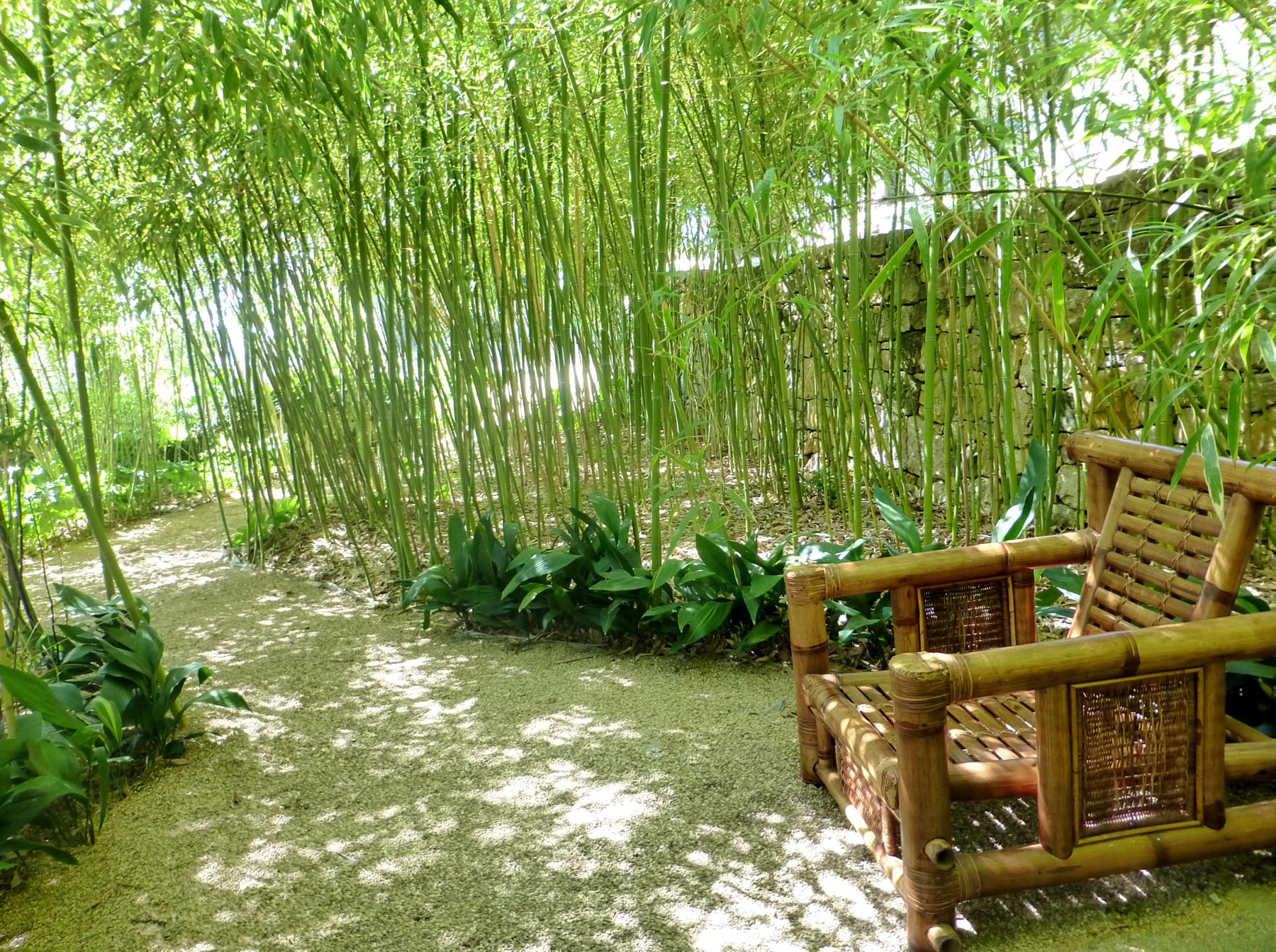
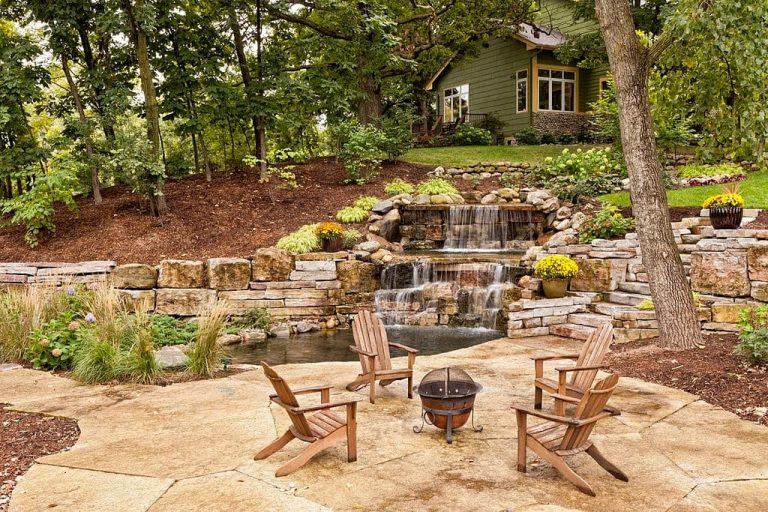
This desire for privacy is driving some interesting design choices. Tall hedges are back in style. Solid wood fences are replacing the see-through vinyl ones. People are installing sound-dampening water features not just for the aesthetic, but to mask the noise of traffic or nearby houses. It’s less about showing off and more about creating a sanctuary. If you’re planning a remodel, ask yourself: do I want an audience, or do I want peace? The answer will dictate every other decision you make.
The Underutilization Trap
Here is a stat that might hurt a little: seventy-seven percent of consumers underutilize their outdoor living space. Only twenty-three percent use it as much as they want to. Let that sink in. Three out of four people are paying for, maintaining, and worrying about a space they barely touch.
Why? Usually, it’s because the space isn’t functional. I talked to a guy named Mark who built a gorgeous stone patio. It looks like something out of a magazine. But he told me he only sits out there twice a year. Why? Because it’s too hot in the afternoon sun, and there’s no shade. He didn’t plan for comfort; he planned for looks.
Comfort is king. If it’s not comfortable, you won’t use it. This means thinking about shade structures, comfortable seating that doesn’t require constant fluffing, and easy access to food and drinks. It’s not about having the biggest deck. It’s about having the most usable one. Before you spend a dime, sit in your current space at different times of day. Where is the sun? Where is the wind? What’s annoying you? Fix those things first.
Generational Divides in Spending
Money talks, and in the world of outdoor living, it screams. There’s a clear divide in how different generations approach their yards. Younger homeowners, specifically Millennials and Gen Xers, are investing heavily in major structural improvements. We’re talking decks, outdoor kitchens, pools, and hot tubs. Sixty-five percent of Millennials are going big.
Baby Boomers, on the other hand, are slightly more conservative, with fifty-four percent making similar large investments. But don’t mistake this for lack of interest. Older homeowners often prefer lower-maintenance solutions. They might not want a full outdoor kitchen with a pizza oven, but they’ll splurge on high-quality, durable furniture and professional landscaping that requires zero effort from them.
The key takeaway here is that "outdoor living" means different things to different ages. For younger folks, it’s often about entertainment and extending the party outside. For older homeowners, it’s often about relaxation and ease. Know your stage of life. Don’t build a complex outdoor kitchen if you hate cleaning grills. Don’t buy cheap plastic chairs if you plan to spend every evening reading in the yard. Invest in what matches your actual lifestyle, not the one you think you should have.
Aesthetics vs. Functionality
So, why do people actually remodel? According to recent data, fifty-one percent of homeowners update their outdoor spaces primarily to improve aesthetics. They want it to look good. Thirty-seven percent want to enhance entertainment space. And thirty-three percent want to extend their living area.
But here’s the rub: aesthetics alone don’t keep you outside. I interviewed a couple who repainted their fence, planted expensive roses, and added cute string lights. It looked amazing. But they still ate dinner inside because the table wobbled and the chairs were hard metal.
Visual appeal draws you in, but functionality keeps you there. The most successful projects I saw balanced both. They looked beautiful, yes, but they also worked. The flooring was smooth enough for bare feet. The lighting was bright enough to read by but soft enough to set a mood. The storage was accessible so cushions didn’t get mildewy. If you’re prioritizing curb appeal for resale value (which ninety-seven percent of realtors say is crucial), remember that buyers are looking for potential usability, not just a pretty picture.
The Health and Wellness Connection
It’s not just about parties and pretty flowers anymore. Outdoor spaces are increasingly seen as extensions of our health and wellness routines. In 2026, buyers and homeowners alike are looking for spaces that support mental and physical well-being.
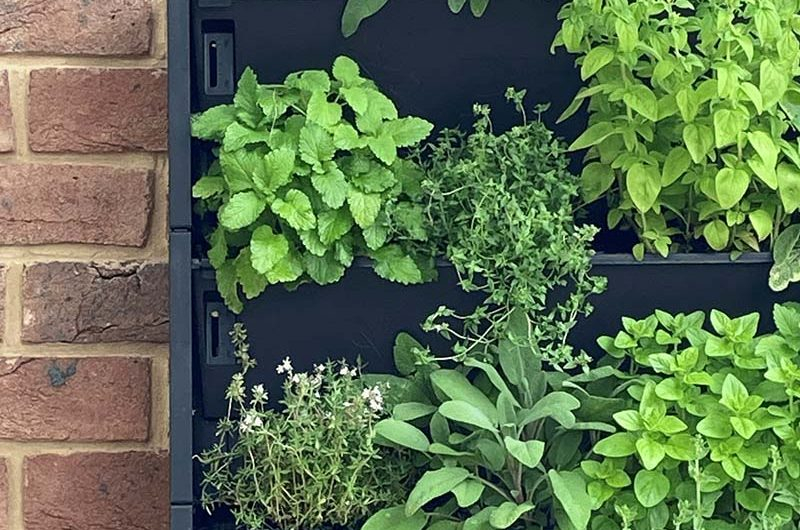
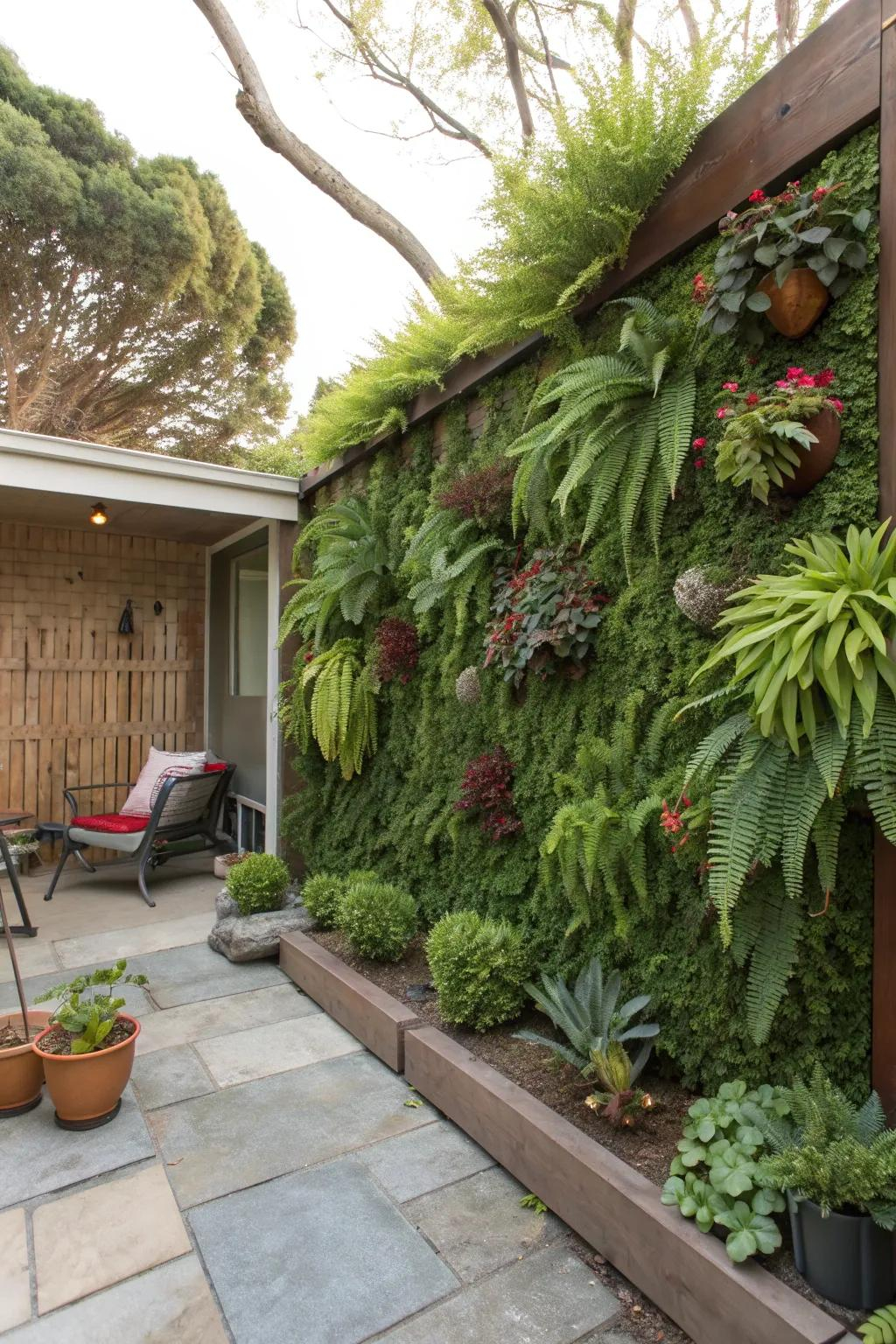
This means yoga decks. Meditation corners tucked away in quiet spots. Gardens grown not just for beauty, but for eating—fresh herbs, vegetables, fruits. One homeowner, Elena, transformed a unused corner of her yard into a small "forest bathing" spot with ferns, a bench, and no technology allowed. She said it’s where she goes to decompress after work.
Investors and hospitality operators are catching on too. They see nature and outdoor comfort as core assets. It’s not just a nice-to-have; it’s a necessity for modern living. When you design your space, think about how it can serve your health. Can you move your body there? Can you rest your mind there? Can you nourish your body with food grown there? These questions add depth to your design beyond just "where do we put the grill?"
You don’t need to tear everything down to make a difference. In fact, many of the happiest homeowners I spoke with made small, targeted changes. They didn’t rebuild; they refined.
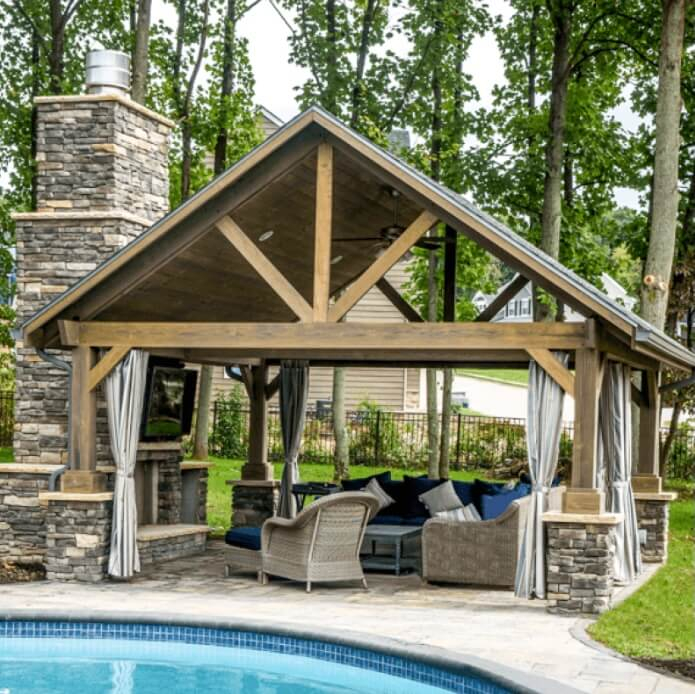
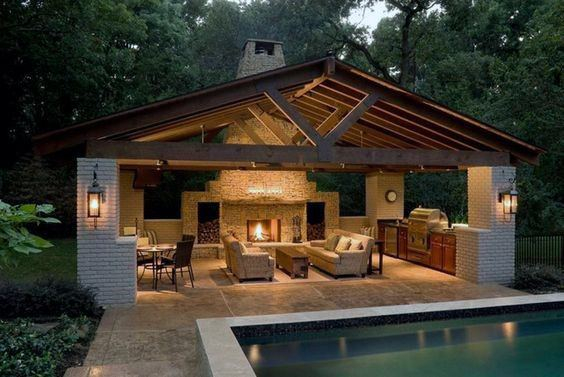
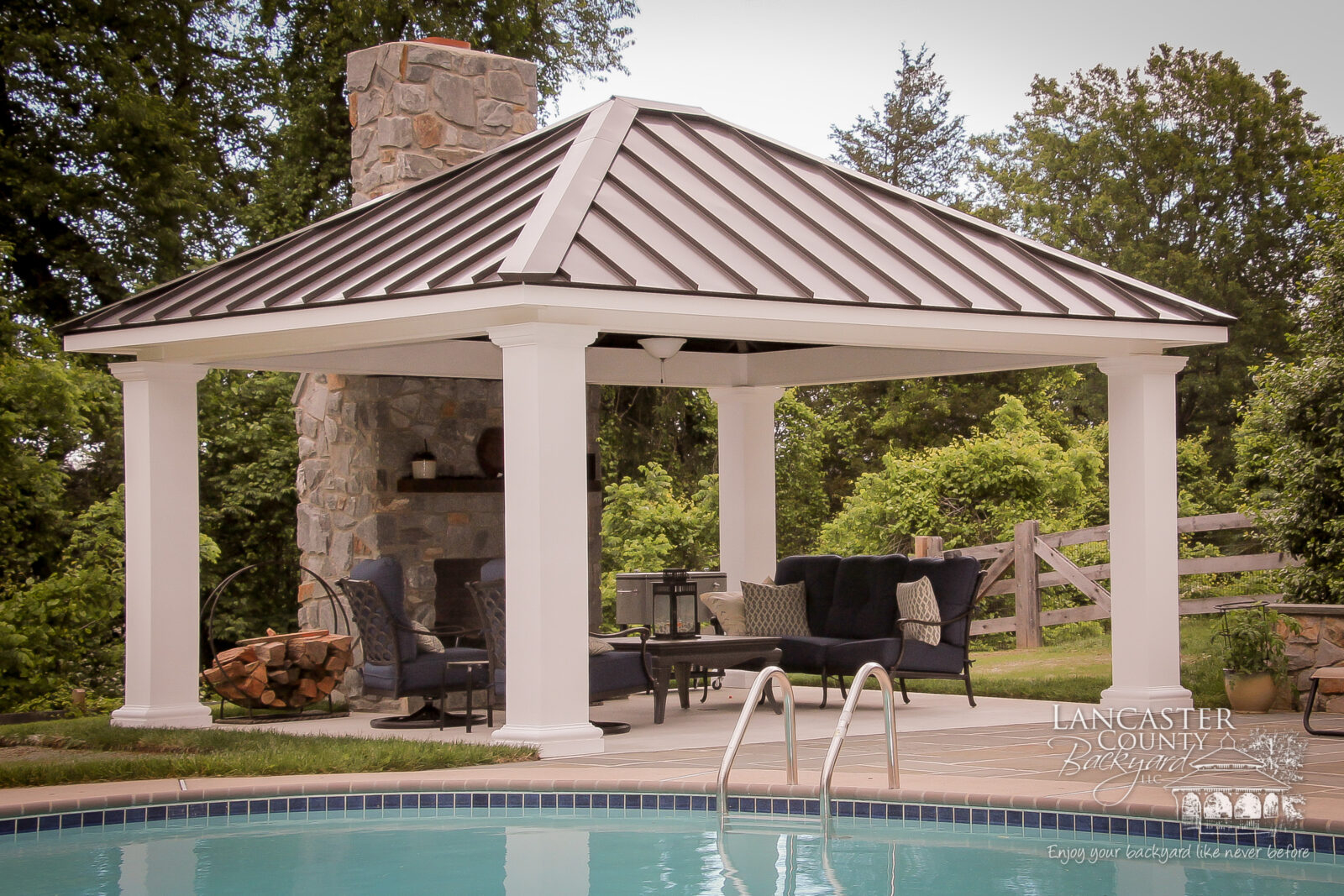
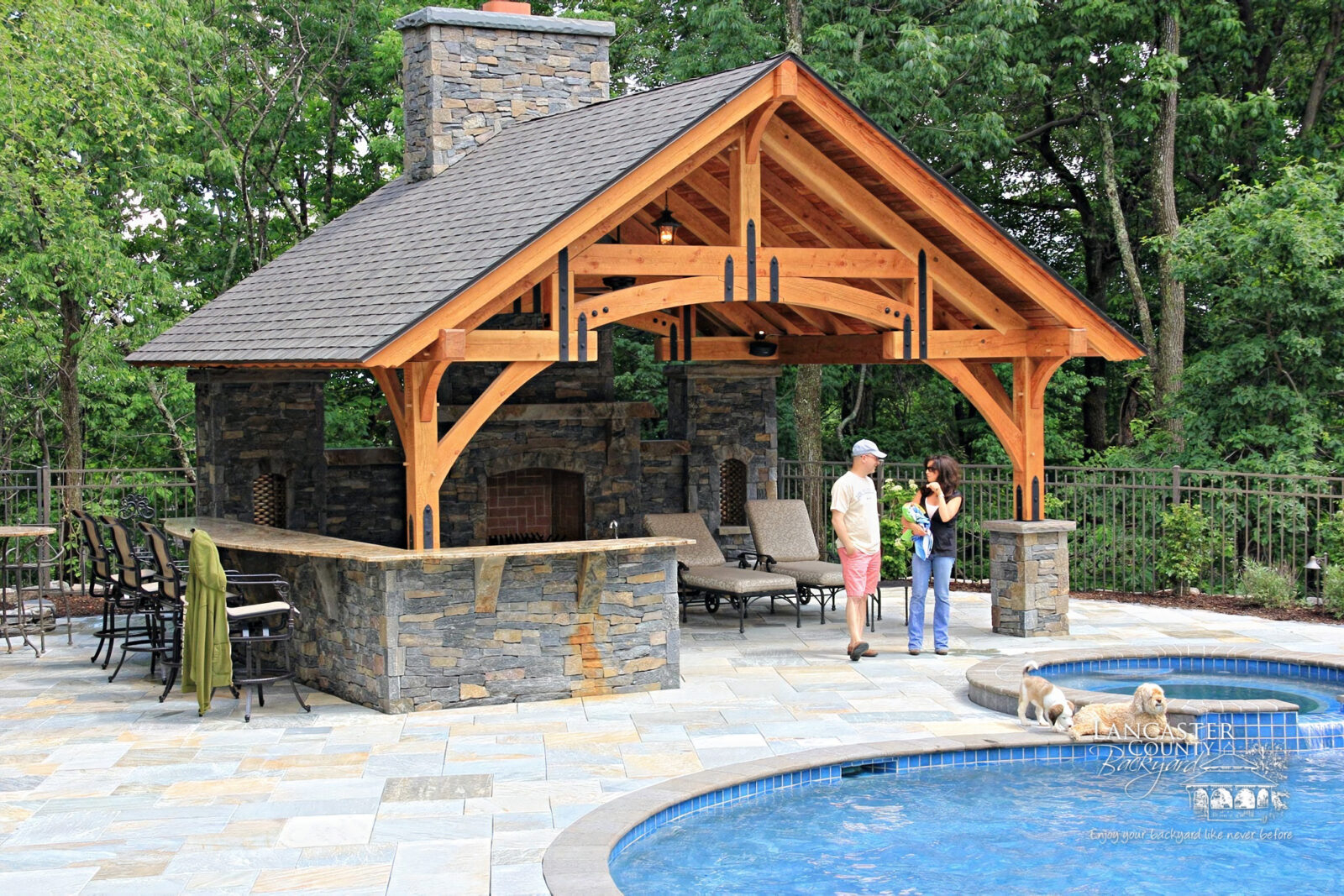
Maybe it was adding a pergola for shade. Maybe it was swapping out old, uncomfortable cushions for high-quality weather-resistant ones. Maybe it was simply adding a few potted plants to create a sense of enclosure and privacy. These small tweaks addressed the core issues: comfort, privacy, and usability.
If you’re feeling overwhelmed by the idea of a major renovation, start small. Identify the one thing that stops you from going outside. Is it the bugs? Get a fan or a screened area. Is it the heat? Add a shade sail. Is it the clutter? Build better storage. Solve the biggest pain point first. You’ll likely find that your usage jumps up significantly without spending a fortune. Remember, seventy-two percent of people said they relax more after making updates for personal time. You don’t need a resort. You just need a spot that works for you.
At the end of the day, your outdoor space should feel like a breath of fresh air, literally and figuratively. It shouldn’t be a source of stress or a monument to wasted money. It should be a place where you actually want to be. Whether that’s a sprawling deck with a full kitchen or a tiny balcony with two chairs and a pot of basil, the goal is the same: connection. Connection to nature, to your family, and to yourself.
Don’t let the trends dictate your choices. Let your life dictate them. Look at your space honestly. Ask yourself what’s missing. Then, make changes that serve your real needs, not just your Instagram feed. Because in 2026, the best outdoor space isn’t the one that looks the best. It’s the one that feels the best. And that’s a lesson worth remembering.
[sps_html tag=”img” src=”https://cdn.northcarolinafinearchitecture.com/2026/06/modern-outdoor-pavilion-design-inside-why-your-backyard-needs-a-pavilion-before-you-buy-another-patio-chair.jpg” alt=”Modern Outdoor Pavilion Design inside Why Your Backyard Needs a Pavilion Before You Buy Another Patio Chair” style=”width: 100%; height: auto;”]
[sps_html tag=”img” src=”https://cdn.northcarolinafinearchitecture.com/2026/06/beat-the-heat-why-a-pavilion-is-the-coolest-backyard-upgrade-for-why-your-backyard-needs-a-pavilion-before-you-buy-another-patio-chair.jpg” alt=”Beat The Heat: Why A Pavilion Is The Coolest Backyard Upgrade for Why Your Backyard Needs a Pavilion Before You Buy Another Patio Chair” style=”width: 100%; height: auto;”]
[sps_html tag=”img” src=”https://cdn.northcarolinafinearchitecture.com/2026/06/everything-you-need-to-know-2024-timber-frame-pavilions-with-regard-to-why-your-backyard-needs-a-pavilion-before-you-buy-another-patio-chair.jpg” alt=”Everything You Need To Know - 2024 Timber Frame Pavilions with regard to Why Your Backyard Needs a Pavilion Before You Buy Another Patio Chair” style=”width: 100%; height: auto;”]
[sps_html tag=”img” src=”https://cdn.northcarolinafinearchitecture.com/2026/06/the-pavilion-outdoor-furniture-at-lachlan-richardson-blog-for-outdoor-pavilion-design-scaled.jpg” alt=”The Pavilion Outdoor Furniture At Lachlan Richardson Blog for Outdoor Pavilion Design” style=”width: 100%; height: auto;”]
[sps_html tag=”img” src=”https://cdn.northcarolinafinearchitecture.com/2026/06/top-50-best-backyard-pavilion-ideas-covered-outdoor-structure-designs-within-why-your-backyard-needs-a-pavilion-before-you-buy-another-patio-chair.jpg” alt=”Top 50 Best Backyard Pavilion Ideas - Covered Outdoor Structure Designs within Why Your Backyard Needs a Pavilion Before You Buy Another Patio Chair” style=”width: 100%; height: auto;”]