There is something primal about gathering around a flame. It pulls people together like nothing else can. You sit there, maybe with a glass of wine or a cold beer, watching the blue and orange tongues dance in the dark. But before you get to that cozy moment, you have to deal with the logistics. And if you are thinking about going the natural gas route instead of lugging around heavy propane tanks or chopping wood, you probably have one big question burning in your mind. How much is this actually going to cost me?
It is not a simple number. If you look online, you might see averages like $850 and think, "Great, I can do that." But then you talk to a neighbor who spent five thousand dollars, and suddenly you are confused. The truth is, the price tag varies wildly depending on what you want and where you live. We are going to dig into the nitty-gritty of 2026 pricing so you do not get sticker shock when the invoice arrives.
The Sticker Price vs. Reality
Let us start with the basics. When most sources quote an average installation cost of around $850, they are usually talking about a very standard, no-frills setup. This might cover a basic portable bowl converted for gas or a simple drop-in unit with minimal labor. For many homeowners, the real spending range sits somewhere between $300 and $2,500 for simpler projects. But here is the catch. That lower end often assumes you are doing some of the work yourself or that your gas line is already right next to where you want the bowl.
If you are looking at permanent, custom-built natural gas fire bowls, the numbers jump significantly. We are talking anywhere from $2,500 to over $8,000 installed. Why the huge gap? It comes down to five main things: the type of pit, its size, the materials used, the fuel source infrastructure, and whether you hire a pro or try to DIY. A custom in-ground build with high-end stone veneer and a complex gas line run is a different beast entirely than a pre-fab steel bowl sitting on a patio paver. You need to decide early on if you want a quick weekend project or a permanent backyard feature that adds value to your home.
Do not forget that the fire bowl itself is just one part of the equation. In many cases, the installation labor represents about half of the total cost. This makes sense when you think about it. You are not just buying a product; you are paying for skilled tradespeople to ensure your home does not blow up. The convenience of natural gas—no refilling tanks, consistent heat, instant on/off switch—comes with a premium price tag compared to wood or propane options which might start as low as $200 for a basic portable unit.
The Hidden Costs of Gas Lines
Here is where things get tricky. If you already have a natural gas line running near your planned fire spot, you are lucky. You might only pay a few hundred dollars for a licensed plumber to tap into it and run a short branch line. But if your nearest gas line is on the other side of the yard, prepare your wallet. Trenching is expensive. You have to dig through dirt, maybe rocks, possibly under a sidewalk or driveway.
In 2026, labor costs for licensed gas fitters remain high due to demand and regulatory requirements. Running a new gas line can add $500 to $2,000 or more to your bill, depending on the distance and difficulty. You cannot just bury a hose and hope for the best. Codes require specific types of piping, proper depth, and sometimes sand bedding to protect the line. This is not a place to cut corners. A leak underground is a nightmare scenario that no one wants to deal with.
Also, consider the shut-off valve. You need an accessible way to turn off the gas to the fire bowl for maintenance or emergencies. This seems small, but it requires careful placement and proper hardware. Some homeowners forget this until the inspector shows up, leading to costly rework. Always ask your contractor exactly where the shut-off will be and ensure it is easy to reach. It is a small detail that saves big headaches later.
Permits and Red Tape
Nobody likes dealing with permits, but ignoring them is a risky gamble. Most municipalities require a permit for any new natural gas installation. The cost varies by location, but expect to pay anywhere from $50 to $300 just for the paperwork. This fee covers the city or county sending an inspector to verify that the work meets safety codes. It is worth every penny for the peace of mind.
Why does this matter? Because if you sell your home later, unpermitted work can cause major issues during the inspection phase. Buyers may demand you fix it or lower the price. Plus, insurance companies might deny a claim if a fire starts from an unpermitted gas line. It is not just about following rules; it is about protecting your investment. Check with your local building department before you buy anything. Rules change, and what was okay last year might not be okay now.
Some areas also have strict rules about where you can place a fire feature. Setback requirements dictate how far the bowl must be from your house, fence, or property line. These rules exist for safety reasons, mainly to prevent fires from spreading. If your dream spot is too close to the deck railing, you might have to redesign your whole plan. Knowing these constraints early saves you from buying a bowl that you legally cannot install where you want it.
Material Choices and Aesthetics
The look of your fire bowl drives the price up or down more than almost anything else. Basic steel or concrete bowls are affordable and functional. They get the job done. But if you want something that looks like a piece of art, you will pay for it. Copper bowls develop a beautiful patina over time but cost significantly more upfront. Stainless steel is durable and modern but can show fingerprints and heat discoloration.
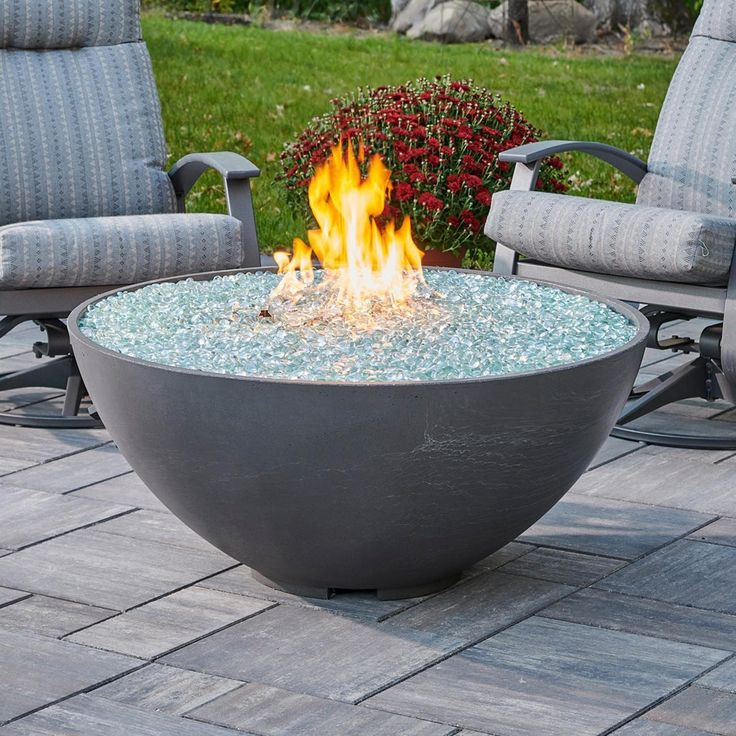
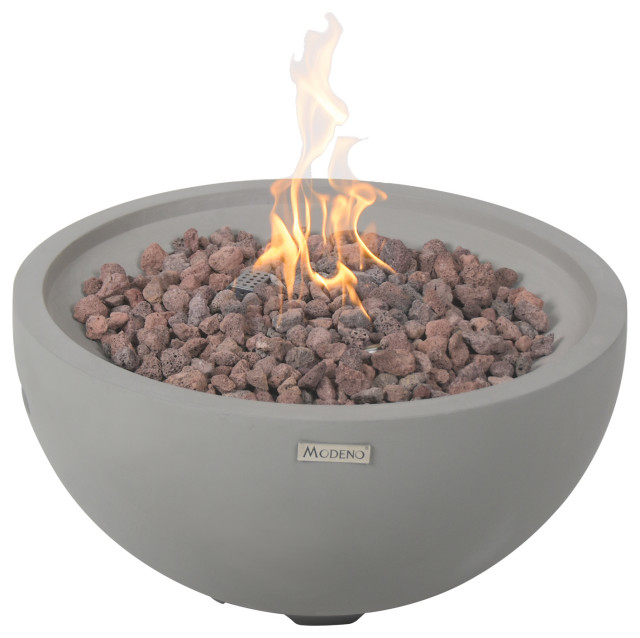
Then there is the surround. Are you placing the bowl on existing pavers? Or do you want a custom stone base? A simple gravel pad is cheap. A raised platform with travertine or granite tiles can add thousands to the project. The media inside the bowl also matters. Lava rock is inexpensive and effective. Fire glass comes in dozens of colors and reflects light beautifully, but high-quality tempered glass is not cheap. Driftwood logs made of ceramic look realistic but add to the cost.
Think about the burner system too. Basic burners work fine, but higher-end systems offer better flame control and durability. Some allow you to adjust the height of the flame precisely, creating ambiance rather than just heat. These features come with a higher price tag but enhance the experience. Decide what matters most to you. Is it the visual impact? Or just the warmth? Your answer will guide your budget choices.
Labor and Professional Installation
Can you DIY this? Technically, yes, if you are experienced with gas lines. But for most people, hiring a professional is the only safe option. Natural gas is dangerous. A mistake can lead to explosions or carbon monoxide poisoning. In 2026, finding a licensed gas fitter might take some time due to high demand. Get multiple quotes. Do not just go with the cheapest bid. Ask for references and check reviews.
A good installer will handle the permits, the trenching, the connection, and the final inspection. They know the local codes inside and out. This expertise is what you are paying for. Expect to pay hourly rates or a flat project fee. Flat fees are often better because you know the total cost upfront. Hourly rates can spiral if unexpected problems arise, like hitting a rock while trenching.
Make sure your contract includes cleanup. Trenching leaves a mess. You do not want to spend your first evening by the fire picking up dirt clods. A professional crew should leave the site clean and ready for use. Also, ask about warranty. What happens if the burner fails in six months? A reputable installer will stand behind their work. This protection is invaluable.
Once installed, a natural gas fire bowl is relatively low maintenance. You do not have to buy wood or refill propane tanks. This convenience saves money over time. Propane costs fluctuate and can be expensive in winter. Natural gas prices are generally more stable. Over five or ten years, the savings on fuel can help offset the higher initial installation cost. It is a long-term play.
Maintenance involves keeping the burner clean and checking for debris. Leaves and spider webs can clog the ports, causing uneven flames. A yearly check-up by a pro is a good idea to ensure everything is tight and safe. Inspect the gas line visually if it is exposed. Look for signs of corrosion or damage. These small steps keep your investment running smoothly.
Does it add value to your home? Yes. Outdoor living spaces are highly desirable in 2026. A well-installed, code-compliant gas fire feature boosts curb appeal and usability. It extends the season you can use your backyard. Potential buyers see it as a luxury amenity. While you may not recoup 100% of the cost in resale value, it makes your home more attractive and easier to sell. It is an investment in your lifestyle today and your property’s marketability tomorrow.
So, what is the real cost? It is more than just the price of the bowl. It is the gas line, the permits, the labor, and the materials. It ranges from a modest $850 for simple setups to $8,000+ for custom luxury builds. But when you sit down on a cool autumn night, wrap a blanket around your shoulders, and watch the flames flicker without lifting a finger, you might find it was worth every penny. Just make sure you plan carefully, hire the right pros, and enjoy the warmth responsibly.