Ever walk out to your backyard or patio and just feel… cluttered? Maybe it’s the garden hose coiled like a sleeping snake on the deck. Or perhaps it’s those wet towels from a quick dip in the pool, draped over a chair that was meant for relaxing, not drying. It happens to the best of us. We spend so much time curating the perfect seating arrangement or picking out the right potted plants, but we often forget the tiny hardware that holds it all together. Literally.
Wall-mounted hooks are often an afterthought. They’re bought in a panic at the hardware store five minutes before guests arrive. But what if they weren’t just functional necessities? What if they were part of the design? In 2026, the trend isn’t just about hiding things away; it’s about displaying them with intention. A well-placed hook can turn a chaotic corner into a chic station for your grilling tools or a beautiful spot for hanging trailing ivy. It’s small, sure. But it changes everything.
Let’s be real for a second. Outdoor spaces are hard on materials. Rain, sun, wind, and the occasional rogue frisbee take their toll. So, when we talk about "stylish," we also have to talk about "survivable." You don’t want your beautiful brass hook turning green and crumbling after one summer storm. This guide is here to help you navigate that messy middle ground where aesthetics meet durability. We’ll look at what works, what doesn’t, and how to make your walls work harder for you without looking like a storage unit.
Choosing Materials That Won’t Quit on You
First things first: let’s talk metal. Not all metals are created equal, especially when they’re living outside. Stainless steel is the gold standard for a reason. It resists rust and looks sleek, modern, and clean. If you’re going for that industrial vibe—think exposed brick or concrete walls—stainless steel or matte black powder-coated steel is your best friend. It’s sturdy. It handles weight. And it doesn’t whine when it gets wet.
But maybe stainless feels too cold? Brass and copper are making a huge comeback in 2026. There’s something warm about them. They age beautifully, developing a patina that tells a story. Just remember, if you live in a coastal area with salty air, you need to be careful. Salt accelerates corrosion. Look for marine-grade brass or ensure the finish is sealed properly. You don’t want your elegant hook becoming a rusty eyesore by August.
Then there’s the unexpected contenders. Have you seen hooks made from recycled composite materials or heavy-duty resin? They’re surprisingly tough. They don’t rust, obviously, and they come in every color under the sun. For a playful, colorful patio, these are fantastic. They’re lightweight, which means easier installation, but don’t let that fool you. Many are engineered to hold significant weight, like heavy planters or wet beach bags. It’s all about checking the specs before you buy. Don’t just grab the prettiest one; grab the one that fits your climate.
Placement Is Everything (Yes, Really)
Where you put your hooks matters just as much as what they’re made of. It’s easy to just slap them up at eye level and call it a day. But think about how you actually use your space. If you’re hanging coats or bags when you first step outside, yes, eye level (around 60-65 inches from the ground) is perfect. It’s accessible. It’s intuitive. But what about garden tools?
For gardening zones, think lower. Or higher, depending on the tool. Long-handled rakes and shovels need height. Mounting hooks near the top of a fence or garage wall keeps them off the ground and out of the way. It frees up floor space, which makes a small yard feel twice as big. On the flip side, if you’re using hooks for kids’ toys or pet leashes, lower mounting points prevent little ones from stretching too far or getting frustrated. It’s about ergonomics, even outdoors.
Don’t forget the "wet zone." If you have a pool, hot tub, or outdoor shower, your hooks need to be in the splash zone but made of materials that love water. Teak wood hooks are great here because they naturally resist rot. Place them close enough to reach with a dripping towel but far enough away that they aren’t constantly submerged. And please, avoid placing metal hooks directly under roof runoff lines. Constant dripping water will wear down even the toughest finishes faster than you’d think. It’s a small detail, but it saves you from replacing them every year.
Beyond Coats: Creative Uses for Your Hooks
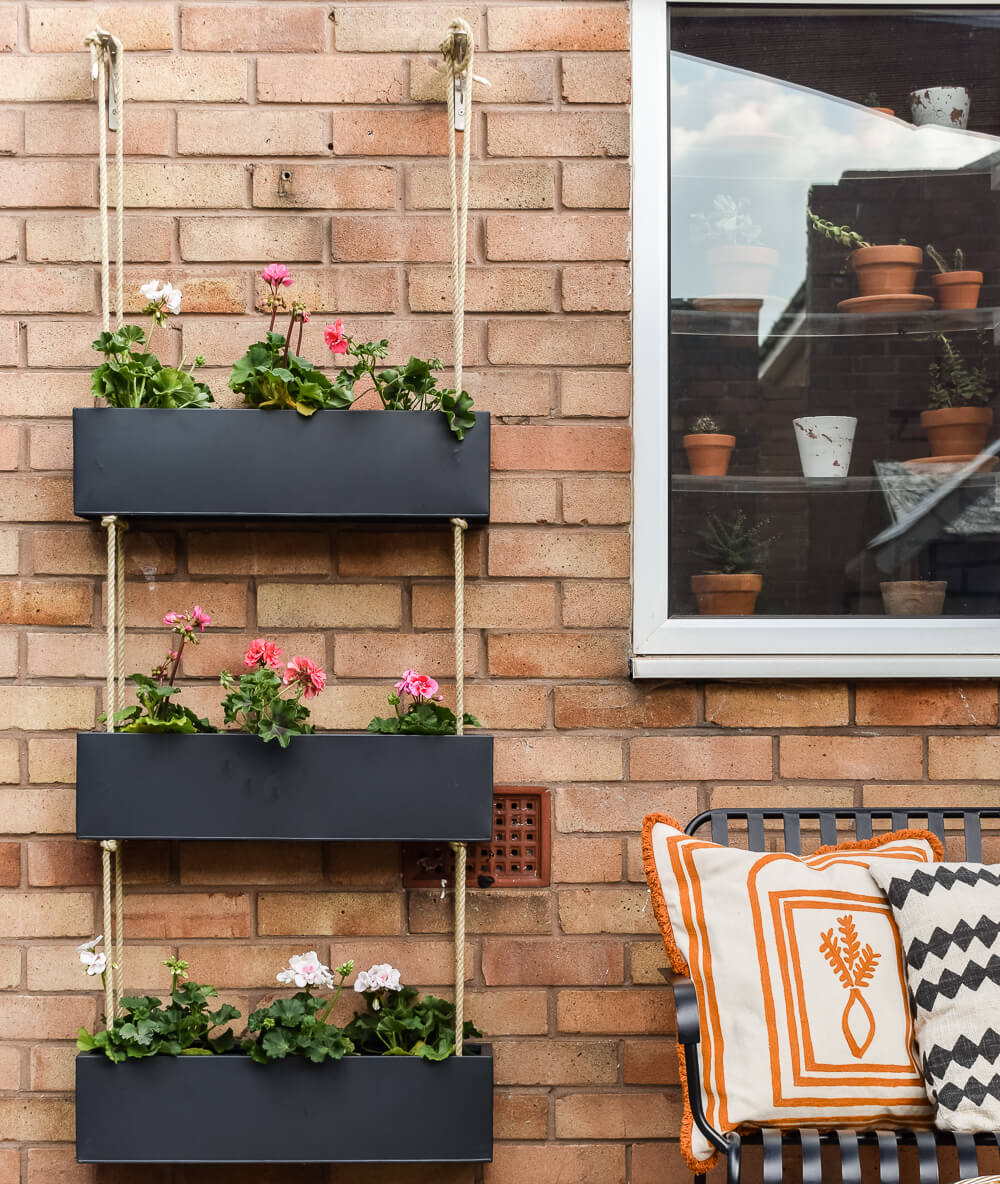
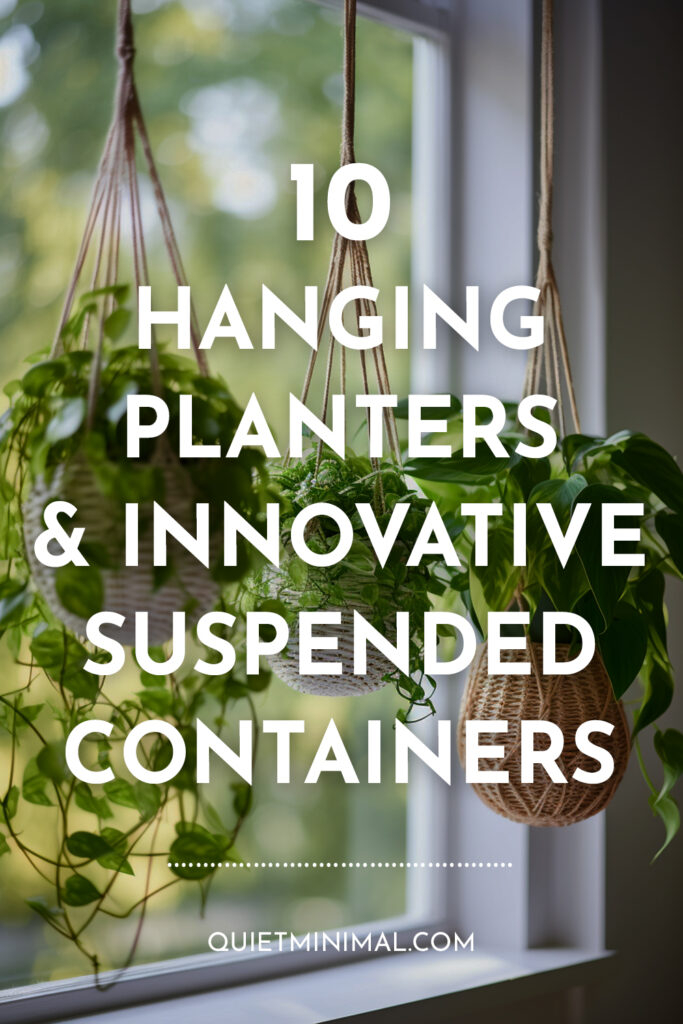
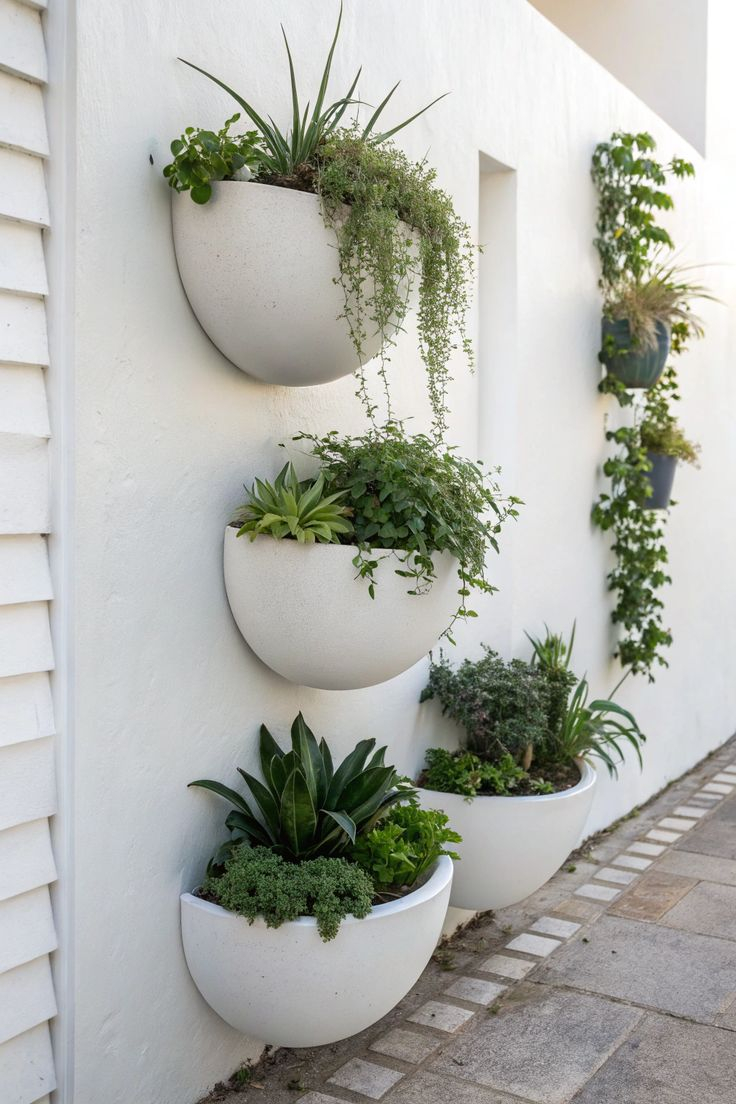
Most people think of hooks and immediately picture a coat rack. That’s fine. But outdoors? The possibilities are way more fun. Think vertical. In small urban balconies or tight patio corners, wall hooks are your secret weapon for greenery. Hanging planters from sturdy hooks allows you to create a living wall without expensive infrastructure. You can mix herbs, flowers, and trailing vines at different heights. It adds depth and texture to a flat wall.
Lighting is another huge one. String lights are popular, but they can look messy if they’re just draped randomly. Use decorative hooks to anchor the ends of your string lights or to hang individual lanterns. This gives you control over the ambiance. You can create pools of light exactly where you need them—over the dining table or along a pathway. It’s safer than staking lights into the ground, too, since you’re less likely to trip over cords.
And let’s not overlook the practical stuff that usually clutters up your view. Garden hoses, extension cords, and even brooms can be hung neatly on specialized hooks. There are designs now, like the "Sticks" multi-hook racks, that feature flip-down arms. These are genius for varying item sizes. You can hang a lightweight scarf on one arm and a heavy wet towel on another. It keeps things organized but still within reach. It turns chores into a streamlined process rather than a scavenger hunt.
Style Trends Defining 2026 Outdoors
So, what’s looking good right now? In 2026, we’re seeing a shift away from overly ornate, fussy designs. Simplicity is king. Clean lines, geometric shapes, and minimalist forms are dominating the market. People want hooks that look like sculptural art pieces when they aren’t being used. A single, oversized hook in a bold color can serve as a focal point on an otherwise plain wall. It’s functional art.
Industrial chic is still holding strong, but it’s getting softer. Instead of raw, jagged metal, we’re seeing smoothed edges and mixed materials. Think wood accents on metal hooks or leather straps integrated into the design. This adds warmth and prevents the space from feeling too sterile. It bridges the gap between the indoors and outdoors, making the patio feel like a true extension of the home.
Nature-inspired motifs are also having a moment. But not in a cheesy way. We’re talking subtle leaf shapes, organic curves, or finishes that mimic stone or bark. Etsy and artisan markets are full of handmade options here. You can find dragonfly-shaped hooks or floral designs cast in solid steel. These add a whimsical touch, especially in garden settings. They blend in with the foliage rather than fighting against it. It’s about harmony. The hook shouldn’t scream for attention; it should whisper complement.
DIY vs. Buying: What’s Worth the Effort?
Should you make your own hooks or buy them? Honestly, it depends on your skill level and your timeline. If you’re handy with a drill and some wood, DIY can be incredibly rewarding. A simple project involves mounting a reclaimed wood plank to the wall and screwing in heavy-duty eye hooks or even climbing carabiners. It’s rugged, customizable, and cheap. You can stain the wood to match your deck or leave it natural for a weathered look.
However, buying pre-made hooks has its advantages, mainly consistency and warranty. When you buy from reputable brands, you know the weight ratings are tested. You know the finish is designed to withstand UV rays. With DIY, you’re guessing. If you’re hanging something heavy, like a large ceramic planter or a swing chair, I’d lean towards buying professionally rated hardware. Safety isn’t something you want to gamble on with a homemade bracket.
That said, hybrid approaches work well. Buy high-quality metal hooks but mount them on a custom-cut piece of cedar or teak. This gives you the durability of manufactured metal with the unique, personal touch of a DIY project. It’s the best of both worlds. Plus, it allows you to space the hooks exactly how you want them, which is hard to do with pre-assembled racks. Just make sure you use exterior-grade screws and anchors. Nothing ruins a project faster than a hook pulling out of the wall because the anchor failed.
Installing outdoor hooks isn’t rocket science, but it does require attention to detail. The biggest mistake people make is skipping the stud finder. Drywall and siding alone won’t hold much weight for long. You need to hit the studs behind the wall. If you’re mounting on brick or concrete, you’ll need a masonry bit and proper wall plugs. It takes ten extra minutes, but it ensures your hooks stay put for years.
Weatherproofing your installation is key. Even if the hook is rust-proof, the screw holes are vulnerable. Apply a dab of silicone sealant around the screw heads after you’ve tightened them. This creates a barrier against water seeping into the wall cavity. It’s a tiny step that prevents rot and mold behind your nice new decor. Also, consider the angle of the hook. If it points slightly upward, rainwater might pool in the curve. A slight downward tilt or a design with drainage holes helps water run off.
Finally, think about accessibility for maintenance. Don’t install hooks in spots that are impossible to reach for cleaning. Dust, pollen, and bird droppings accumulate. You’ll want to wipe them down occasionally to keep them looking fresh. If you’re using wooden hooks, an annual coat of oil or sealant will keep them from graying out too quickly. Treat your hooks like you treat your furniture. A little care goes a long way in keeping them functional and beautiful.
Outdoor living is about freedom. It’s about stepping outside and feeling relaxed, not stressed by clutter. Wall-mounted hooks are small, inexpensive, and easy to install, but their impact is massive. They reclaim space. They add style. They solve problems you didn’t even realize you had until you tripped over that garden hose one too many times.
As we move through 2026, the focus remains on intentional design. Every item in your outdoor space should have a purpose and a place. Hooks provide that place. Whether you choose sleek stainless steel for a modern vibe, warm brass for a classic touch, or colorful resin for a playful pop, the right hook elevates the entire area. It’s not just about hanging stuff; it’s about curating an experience.
So, take a look at your walls. Really look at them. Are they bare and wasted? Or are they cluttered and chaotic? With a few well-chosen hooks, you can transform them into functional assets. Start small. Pick one problem area. Solve it with style. You might find that this tiny change makes your outdoor space feel completely new. And isn’t that what we’re all chasing? A little bit of peace, a little bit of order, and a lot of beauty, right outside our door.
[sps_html tag=”img” src=”https://cdn.northcarolinafinearchitecture.com/2026/06/wall-hanging-planter-ideas-with-regard-to-essential-tips-for-hanging-heavy-planters-safely-on-exterior-walls.jpg” alt=”Wall Hanging Planter Ideas with regard to Essential Tips for Hanging Heavy Planters Safely on Exterior Walls” style=”width: 100%; height: auto;”]
[sps_html tag=”img” src=”https://cdn.northcarolinafinearchitecture.com/2026/06/ceiling-hanging-planter-ideas-plant-care-and-selection-tips-quiet-pertaining-to-essential-tips-for-hanging-heavy-planters-safely-on-exterior-walls.jpg” alt=”Ceiling Hanging Planter Ideas: Plant Care And Selection Tips - Quiet … pertaining to Essential Tips for Hanging Heavy Planters Safely on Exterior Walls” style=”width: 100%; height: auto;”]
[sps_html tag=”img” src=”https://cdn.northcarolinafinearchitecture.com/2026/06/modern-wall-mounted-outdoor-planters-vertical-garden-idea-in-2025-throughout-essential-tips-for-hanging-heavy-planters-safely-on-exterior-walls.jpg” alt=”Modern Wall Mounted Outdoor Planters | Vertical Garden Idea In 2025 … throughout Essential Tips for Hanging Heavy Planters Safely on Exterior Walls” style=”width: 100%; height: auto;”]
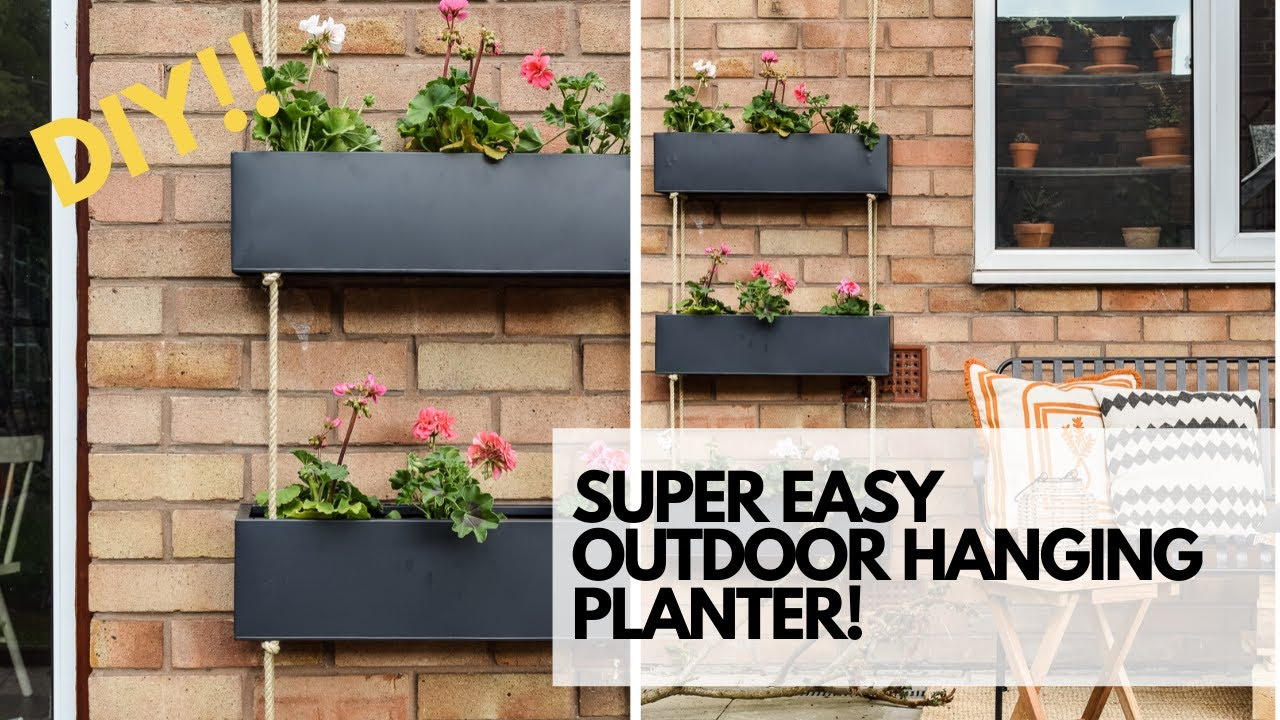
[sps_html tag=”img” src=”https://cdn.northcarolinafinearchitecture.com/2026/06/diy-outdoor-hanging-planter-youtube-regarding-essential-tips-for-hanging-heavy-planters-safely-on-exterior-walls.jpg” alt=”Diy Outdoor Hanging Planter - Youtube regarding Essential Tips for Hanging Heavy Planters Safely on Exterior Walls” style=”width: 100%; height: auto;”]
[sps_html tag=”img” src=”https://cdn.northcarolinafinearchitecture.com/2026/06/amazon-com-holensun-railing-planters-outdoor-balcony-16-inch-deck-over-intended-for-essential-tips-for-hanging-heavy-planters-safely-on-exterior-walls.jpg” alt=”Amazon.com: Holensun Railing Planters Outdoor Balcony 16 Inch Deck Over … intended for Essential Tips for Hanging Heavy Planters Safely on Exterior Walls” style=”width: 100%; height: auto;”]