The digital clock on the bedside table glows a harsh, unrelenting 3:14 AM. For millions of aging adults navigating the twilight hours, this moment marks the beginning of a high-stakes, silent obstacle course. A sudden wave of urgency demands a trip down the hallway to the bathroom. In the pitch black, the floorboards become treacherous territory strewn with invisible hazards—a stray rug edge, a misplaced pair of slippers, or the abrupt transition from carpet to hardwood. Reaching blindly for the wall switch requires crossing open space in complete darkness, robbing the body of visual cues essential for basic balance.
When the human eye enters a dark room, the rods and cones struggle to adjust, leaving a vital window of sensory deprivation. For older adults, age-related changes in vision—such as reduced pupillary response, yellowing of the lens, and diminished contrast sensitivity—turn an unlit hallway into a navigation nightmare. Millions of emergency room visits each year begin right here, triggered by a nocturnal misstep that could have been entirely neutralized by a single, perfectly timed beam of light.
Enter the quiet revolution of automatic illumination. For decades, home safety guides treated lighting as an afterthought, assuming manual switches were enough. But recent, rigorous investigations led by clinical researchers, gerontologists, and lighting scientists are rewriting the playbook. By moving away from manual switches and embracing automated, tunable, and motion-triggered lighting systems, researchers have uncovered a profound truth: photon management is healthcare.
The Biological Architecture of Vision and Postural Stability
Human balance is not merely a muscular function; it is a complex, multi-sensory feedback loop that relies heavily on the visual system. When we walk, our eyes constantly feed spatial orientation data to the vestibular system in the inner ear and the proprioceptors in our joints. Pull the plug on ambient light, and two-thirds of that feedback loop collapses. Without crisp visual references, the brain struggles to calculate distance, velocity, and surface geometry, leading directly to destabilized posture and an elevated fall risk.
Researchers at the Mount Sinai Light and Health Research Center, alongside teams from Brigham and Women’s Hospital, have spent years measuring the physiological toll of dim environments on older demographics. Their findings reveal that standard residential lighting—often capped at dim wattages or poorly distributed table lamps—fails to stimulate the human circadian system or provide adequate visual acuity. The human retina contains intrinsically photosensitive retinal ganglion cells (ipRGCs) that respond specifically to short-wavelength blue light. These cells do not just regulate sleep-wake cycles; they also directly influence alertness, cognitive processing speed, and motor reaction times.
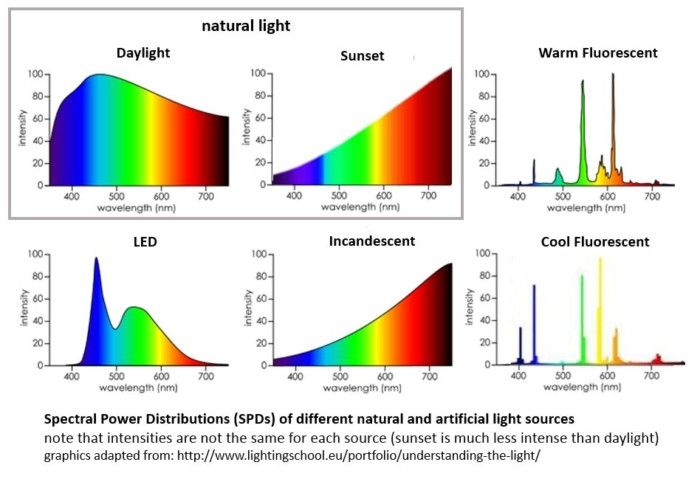
When automated solid-state LED systems are introduced, they do more than simply illuminate the floor. Tunable systems dynamically adjust color temperature and lumen output throughout a 24-hour cycle. During the day, high-intensity, cool-white illumination reinforces circadian rhythms, boosting daytime alertness and reducing the lethargy that leads to daytime trips. At night, warm, low-intensity automatic illumination provides just enough photons to guide safe navigation without triggering the melatonin suppression that causes insomnia. This dual-action approach transforms light from a passive utility into an active medical intervention.
Decoding the Clinical Data Behind Tunable Lighting and Fall Reductions
For years, recommendations to improve home lighting relied on common sense rather than empirical proof. That changed with landmark multi-center trials published in journals like the Journal of the American Medical Directors Association (JAMDA). One of the most striking investigations tracked long-term care facilities over a two-year period, comparing institutions equipped with advanced tunable LED lighting systems against control facilities operating under legacy fluorescent setups.
The results sent shockwaves through the gerontology community: facilities utilizing the dynamic, automated lighting intervention saw a staggering 43% reduction in resident falls. This was not a minor statistical blip; it represented a fundamental shift in safety outcomes achieved entirely through environmental modification. Researchers meticulously cataloged incident reports, light meter readings using devices like the Digitech-QM1587, and resident circadian health markers. They discovered that the reduction in falls was distributed across both daytime mobility and nocturnal bathroom excursions.
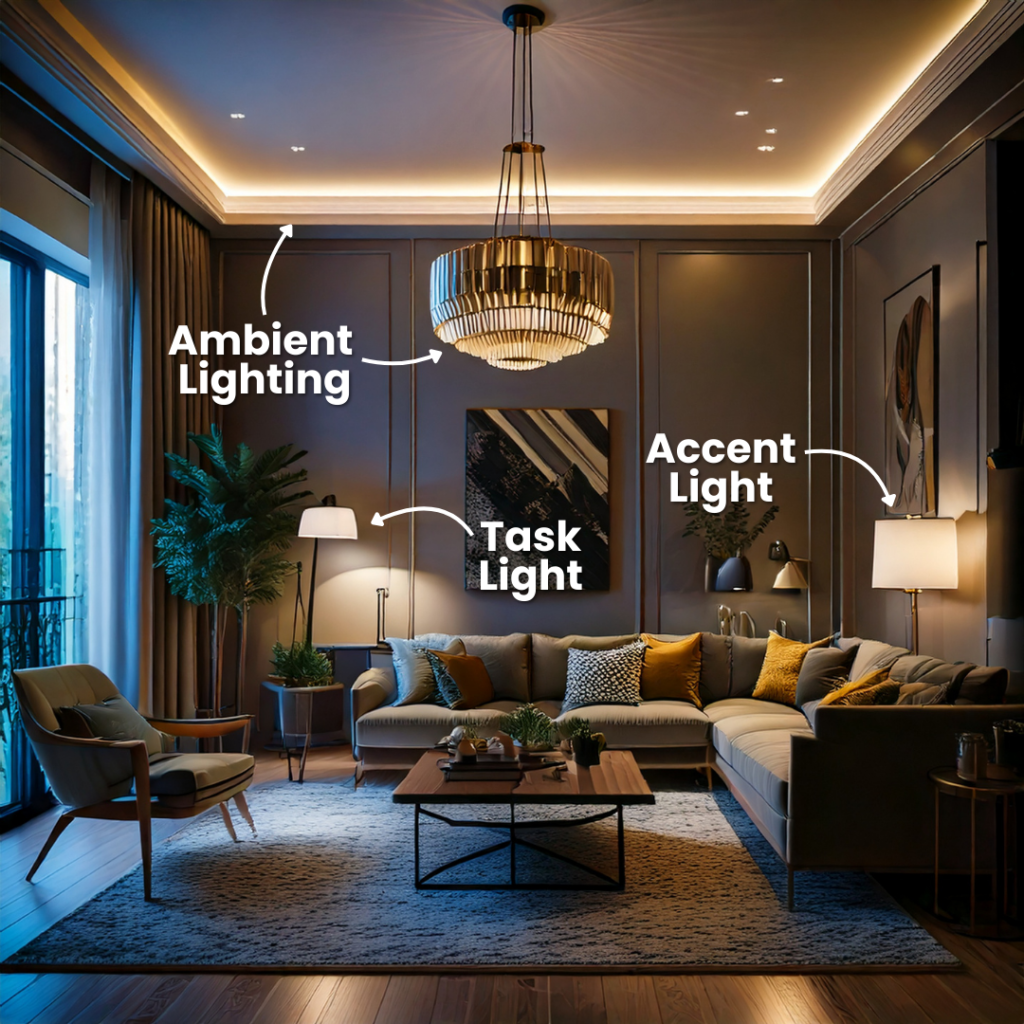
What makes these findings particularly compelling is the mechanism of action. Traditional nursing home environments often suffer from "cave effect" lighting—bright spots directly under fixtures surrounded by gloomy, shadowed corridors. Shadows trick the aging brain into misinterpreting level flooring as a drop-off or a step, triggering instinctive, often destabilizing stutter-steps. Automated, continuous illumination eliminates harsh contrast gradients. By washing hallways and door frames in consistent, glare-free lumens, these systems provide reliable visual cues that keep the brain’s spatial mapping software running smoothly.
Step-by-Step Methodology for Designing an Automated Lighting Safety Network
Implementing an evidence-based lighting intervention requires moving beyond haphazardly plugging in cheap nightlights. Translating clinical insights into a residential or facility setting demands a systematic, room-by-room blueprint that prioritizes coverage, sensor placement, and color temperature.
- Step 1 (Audit the High-Risk Zones): Map out every path traveled between the bed and the bathroom, kitchen, and primary exits. Identify blind spots, glare-prone reflective surfaces, and areas completely devoid of natural or artificial light sources during nighttime hours.
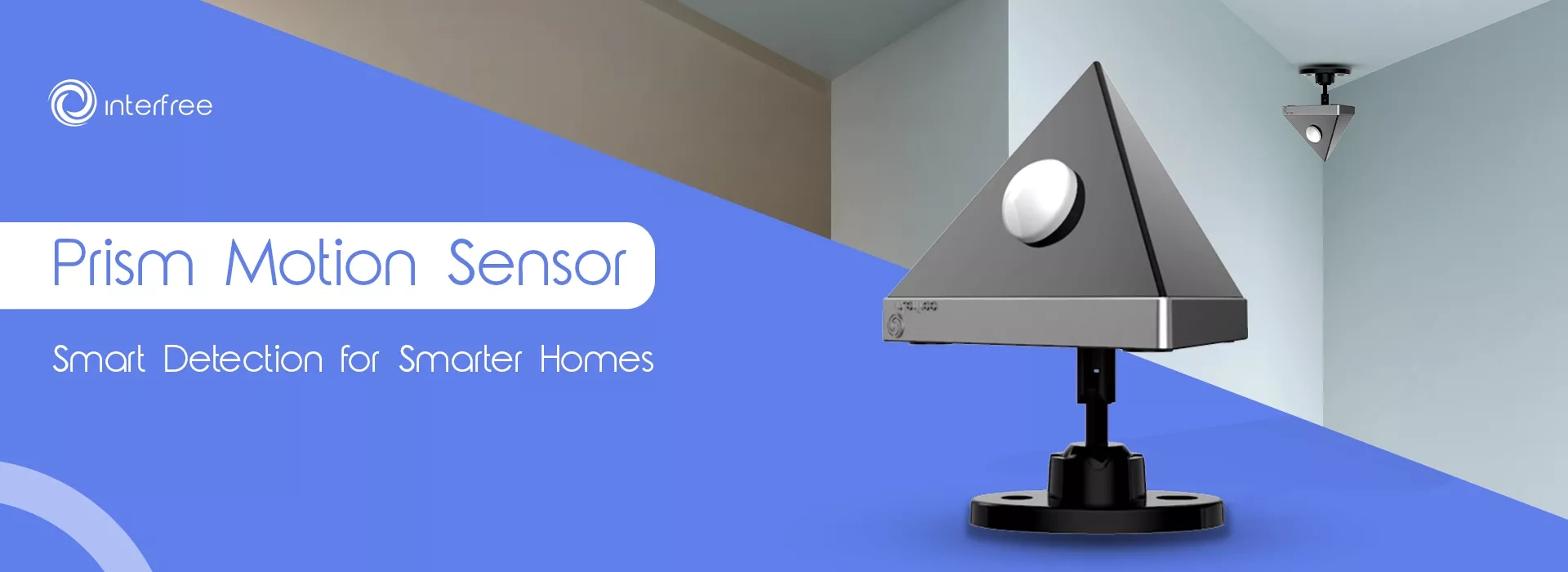
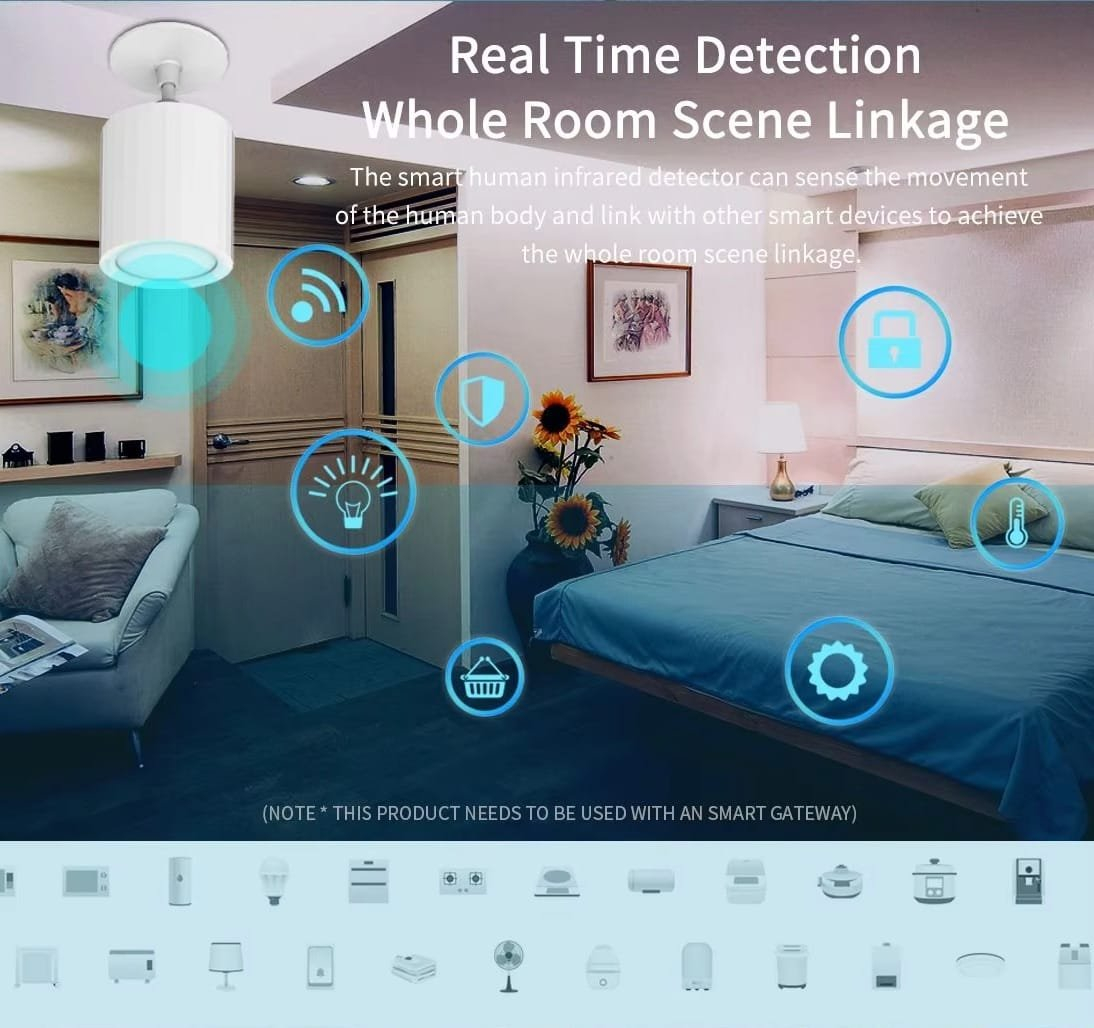
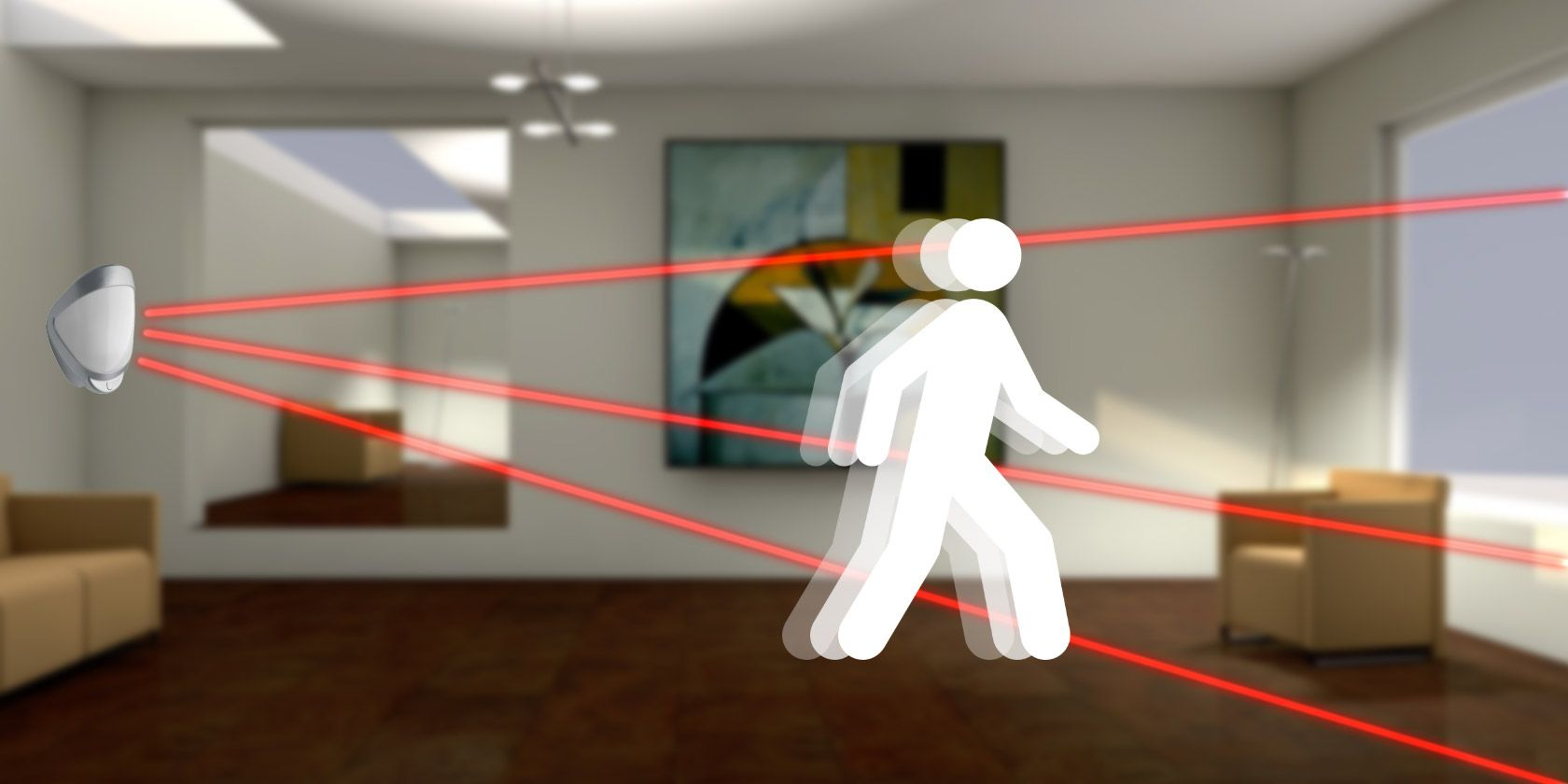
- Step 2 (Deploy Passive Infrared Motion Sensors): Install battery-operated or hardwired motion-activated under-bed lighting strips and hallway plug-in beacons. Ensure sensors are mounted low to the ground—roughly 12 to 18 inches high—to capture foot-level movement instantly while avoiding false triggers from pets.
- Step 3 (Select Tunable Smart Bulbs and Fixtures): Replace legacy incandescent bulbs with smart LED systems that allow programmatic control over color temperature. Program fixtures to emit 2700K warm white at 10% brightness between 10:00 PM and 6:00 AM, preventing harsh glare while providing clear visibility.
- Step 4 (Implement Visual-Cue Doorway Lighting): Follow the lead of clinical trials by installing low-profile vertical LED strips or smart bulbs around patient and resident door frames. This provides a clear, unmistakable spatial landmark that helps disoriented individuals locate room thresholds without hesitation.
- Step 5 (Calibrate Activation Timers and Fade Rates): Configure motion sensors with appropriate "on" durations (typically 60 to 90 seconds) and ensure lights fade out gradually rather than shutting off abruptly. Sudden darkness mid-stride is a recipe for disorientation and panic.
Navigating Common Pitfalls and Field-Tested Implementation Workarounds
Even the most advanced technology can fail if improperly deployed. Homeowners, caregivers, and facility managers often run into predictable hurdles when attempting to retrofit older spaces with automated illumination. Recognizing these pitfalls before installation prevents frustration and ensures maximum safety.
- Pitfall 1 (Blinding Glare and High-Kelvin Light at Night): Using high-intensity, cool-blue daylight bulbs (5000K+) for nighttime navigation completely disrupts sleep architecture and causes painful eye strain. Workaround: Strictly restrict high-Kelvin lighting to daytime hours and mandate warm-spectrum (2200K–2700K) amber or soft-white lighting for all nocturnal zones.
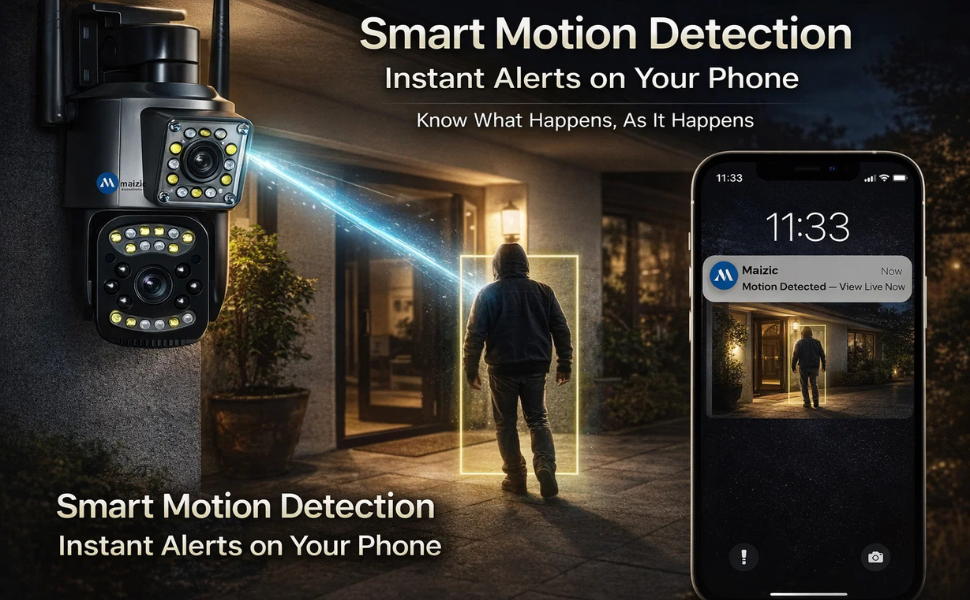
- Pitfall 2 (Delayed Sensor Response Times): Cheaper motion detectors often suffer from a multi-second latency, meaning an individual has already stepped into a dark area before the light activates. Workaround: Invest in high-sensitivity PIR (Passive Infrared) sensors with wide-angle coverage lenses and test the trigger zone repeatedly before finalizing placement.
- Pitfall 3 (Shadow Play and High-Contrast Hazards): Positioning a single overhead light incorrectly can cast long, deceptive shadows across a hallway floor that mimic physical obstacles. Workaround: Utilize multi-source, indirect illumination such as baseboard-level LED strips that wash the floor evenly rather than casting harsh directional beams.
- Pitfall 4 (Complex Smart Home Ecosystems): Relying entirely on unstable Wi-Fi networks and complex voice-activated smart assistants can backfire when routers drop connections or power flickers. Workaround: Choose standalone, hard-wired, or local radio-frequency (RF/Zigbee/Z-Wave) sensor systems that operate reliably even during internet outages.
- Pitfall 5 (Ignoring Daytime Circadian Needs): Focusing solely on nightlights while leaving daytime living spaces dim and gloomy leaves residents vulnerable to daytime fatigue and falls. Workaround: Install full-spectrum, high-lumen tunable fixtures in living rooms and kitchens to maintain daytime alertness and support healthy melatonin production.
The Broader Economic and Quality-of-Life Impacts of Proactive Environmental Design
The implications of fall prevention extend far beyond personal convenience; they strike at the heart of public health economics and human dignity. According to federal healthcare data, the average cost of treating a single severe fall-related injury—such as a hip fracture—runs into tens of thousands of dollars in direct medical expenses, frequently initiating a permanent decline in independent living. When extrapolated across aging populations worldwide, falls represent a multi-billion-dollar healthcare crisis.
By investing in evidence-based environmental interventions like tunable LED networks and automated motion illumination, families and facility operators can dramatically alter these trajectories. Clinical research spearheaded by organizations like the Mount Sinai Light and Health Research Center is actively building the economic case for insurance and government reimbursement programs—such as Medicare and Medicaid—to cover in-home lighting upgrades as durable medical equipment.
Beyond the balance sheets lies the intangible value of autonomy. For an aging adult, the creeping fear of falling often leads to self-restriction of movement, social isolation, and rapid physical deconditioning. When a home is intelligently illuminated, the environment ceases to be a source of anxiety. Hallways become welcoming pathways rather than minefields, empowering individuals to age in place safely, maintain their daily routines, and retain their hard-earned independence with confidence.
Strategic Recommendations for Homeowners, Caregivers, and Facility Administrators
Translating research into daily practice requires a structured framework. Whether you are outfitting a private suburban home or managing a multi-story assisted living facility, a phased approach guarantees success.
- Prioritize Evidence Over Aesthetics: Do not choose decorative light fixtures that prioritize design over functional lumen output and uniform distribution. Safety lighting must provide flat, shadow-free illumination across all walking planes.
- Consult Certified Practitioners: For complex care home environments or individuals with advanced neurodegenerative conditions like dementia, collaborate with occupational therapists and lighting specialists certified in senior design.
- Establish Maintenance Protocols: Motion sensors require periodic battery replacements, and fixtures collect dust that can dim output over time. Implement a quarterly checklist to test sensors, clean lenses, and verify timer settings.
- Educate the End-User: Technology only works if people trust it. Walk older adults through how the sensors operate so they are not startled by lights turning on automatically during the night.
The intersection of solid-state lighting technology and human gerontology has opened an unprecedented window of opportunity in preventative healthcare. We no longer have to accept midnight falls as an inevitable consequence of growing older. The empirical data is clear: by harnessing the power of automated, tunable, and thoughtfully engineered illumination, we can fundamentally alter the physics of safety.
As smart building standards evolve and clinical research continues to gain institutional backing, the smart home of the future will treat lighting not as an aesthetic luxury, but as an essential vital sign of residential health. By taking proactive steps today to illuminate our hallways, stairs, and thresholds, we cast away the shadows of uncertainty and build a safer, brighter tomorrow for everyone.