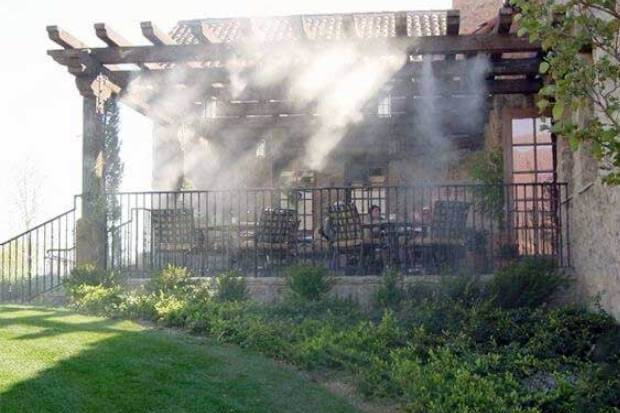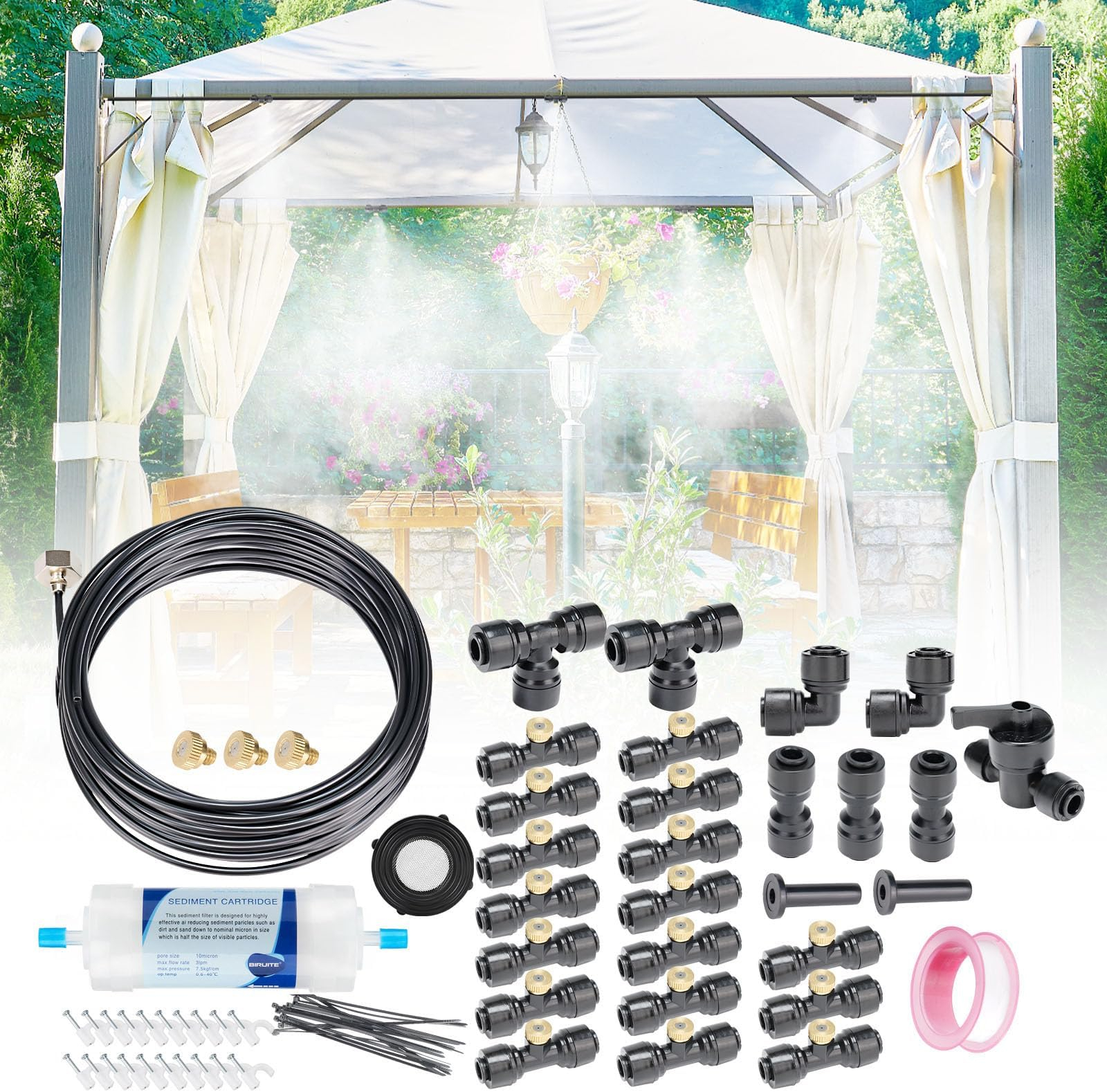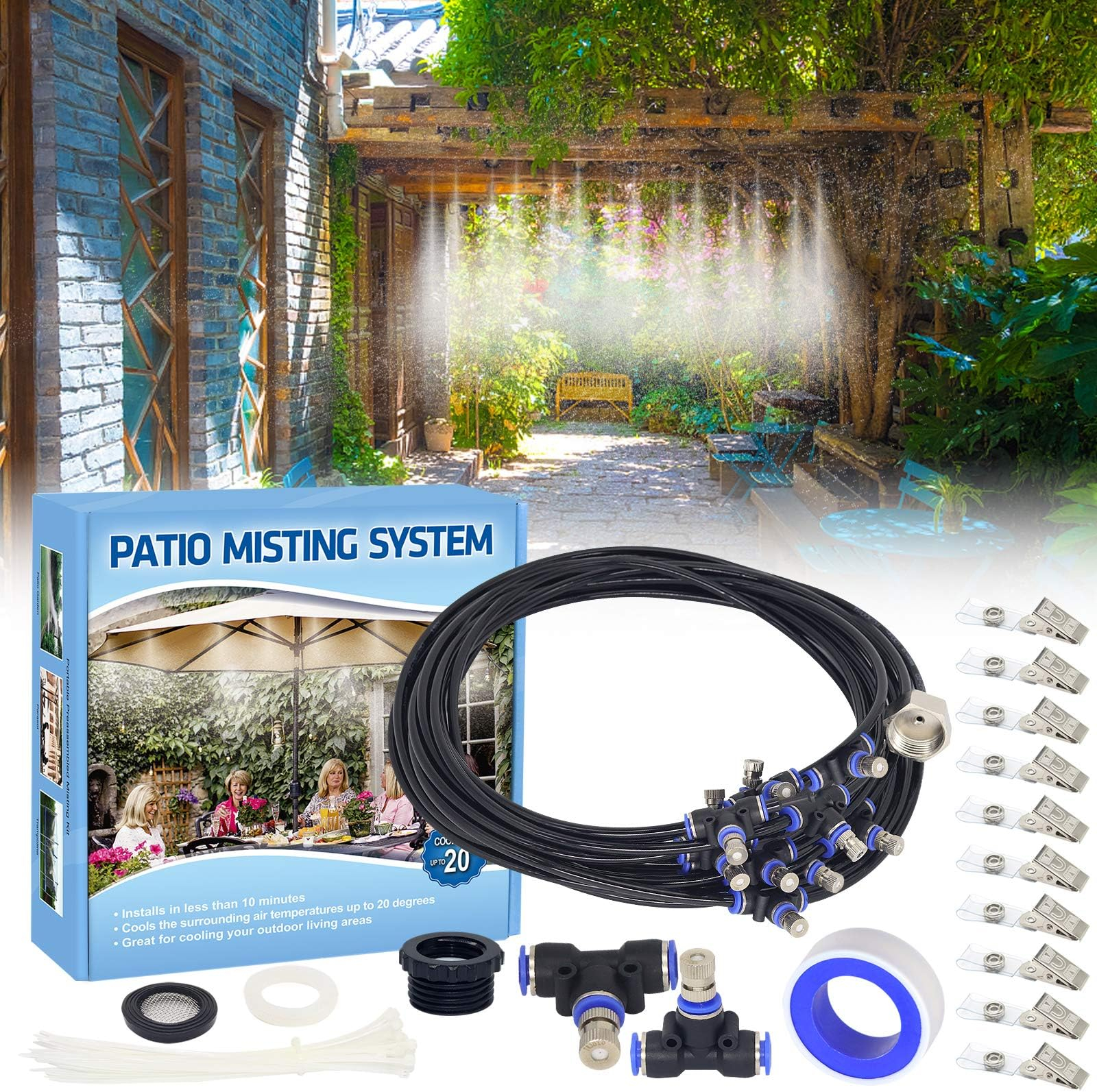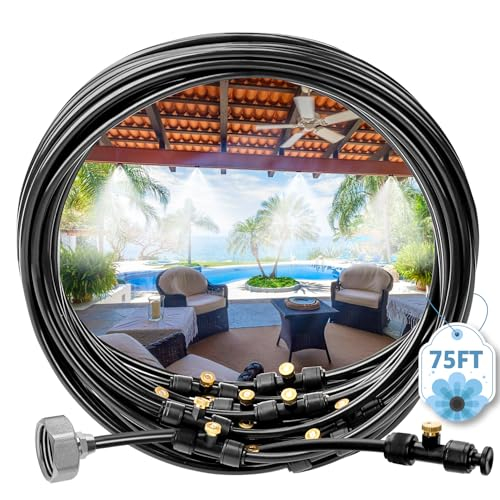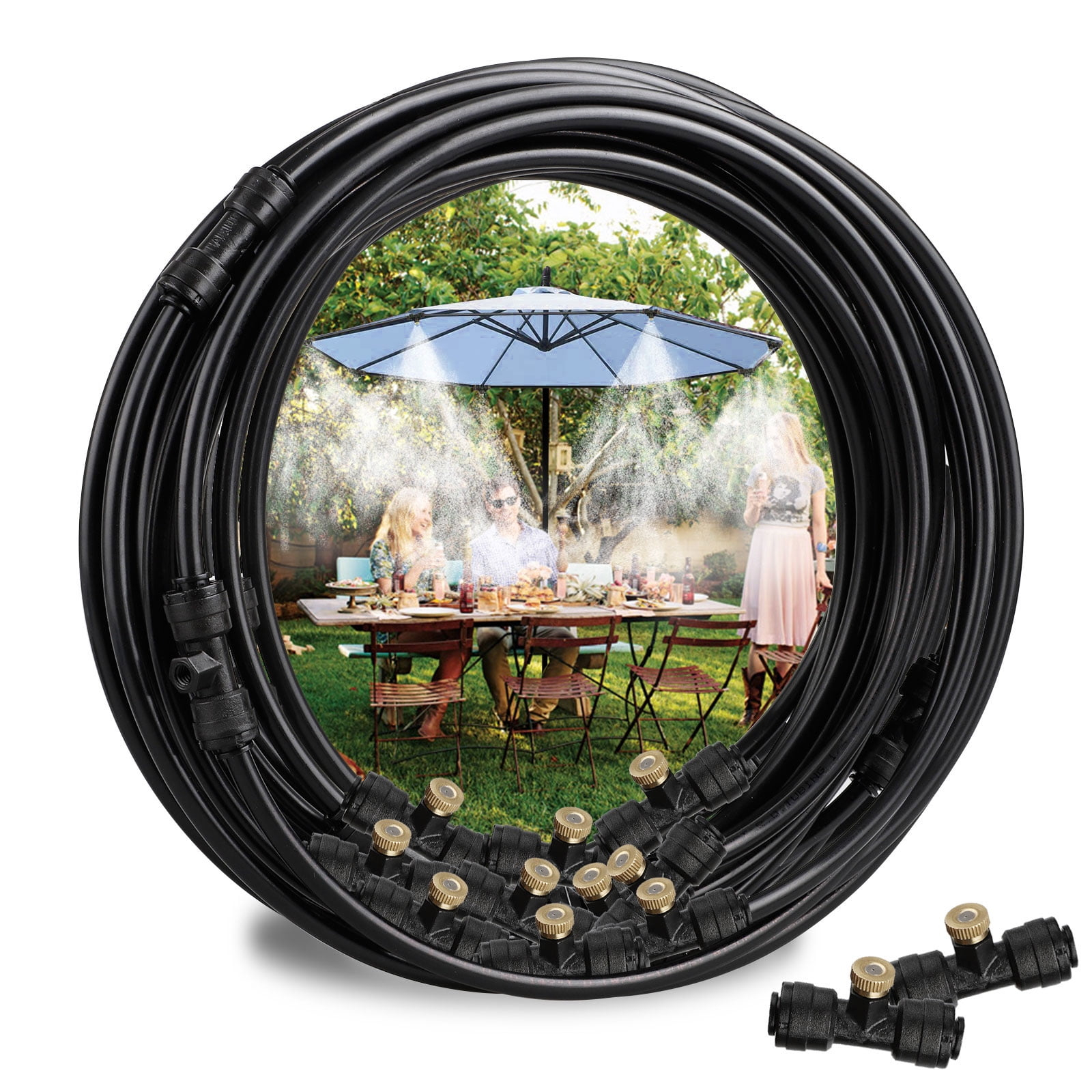
There is nothing quite like the feeling of stepping out onto a hot patio and being greeted by a fine, cool mist instead of a wall of heat. It’s magic, really. But let’s be honest for a second. That magic often comes with a price tag that isn’t just monetary. It’s aesthetic. You know what I mean. Those black or white tubes snaking across your beautiful pergola, clinging to the eaves, or dangling awkwardly from a standalone pole. They work, sure. Micro-misting systems can drop patio temperatures by up to 20 degrees, which is incredible. But they can also look like an afterthought. Like you taped some garden hose to your ceiling and called it a day.
We’ve all been there. You want the comfort. You want that oasis vibe. But you don’t want the clutter. In 2026, outdoor living is more than just having furniture; it’s about seamless design. It’s about creating spaces that feel intentional, not patched together. The good news? Hiding those lines doesn’t require a degree in engineering or a massive budget. It just takes a bit of creativity and some strategic planning. Whether you are retrofitting an old system or starting fresh, making those tubes disappear is easier than you think. And when you get it right, your guests won’t even know the system is there until they feel the cool air. That’s the goal. Invisible comfort.
So, how do we achieve this clean look? It starts with understanding that the tubing is just one part of the puzzle. It’s about integration. It’s about using the architecture of your home and the natural elements of your garden to do the heavy lifting. From painting tubes to match your trim, to weaving them through lush greenery, there are myriad possibilities. Let’s dive into the best ways to keep your patio cool and your style intact.
Work With What You Have: Using Architecture to Your Advantage
The first place to look when trying to hide misting lines is right above your head. Most patios have some kind of overhead structure. Maybe it’s a solid roof, a pergola with beams, or just the eaves of your house. These are your best friends. According to recent installation guides, sketching your patio layout and noting these overhead structures is the critical first step. Why? Because gravity and shadows are great at hiding things. If you can run the main supply line along the top of a beam or tuck it into the corner where the roof meets the wall, you’re already halfway there.
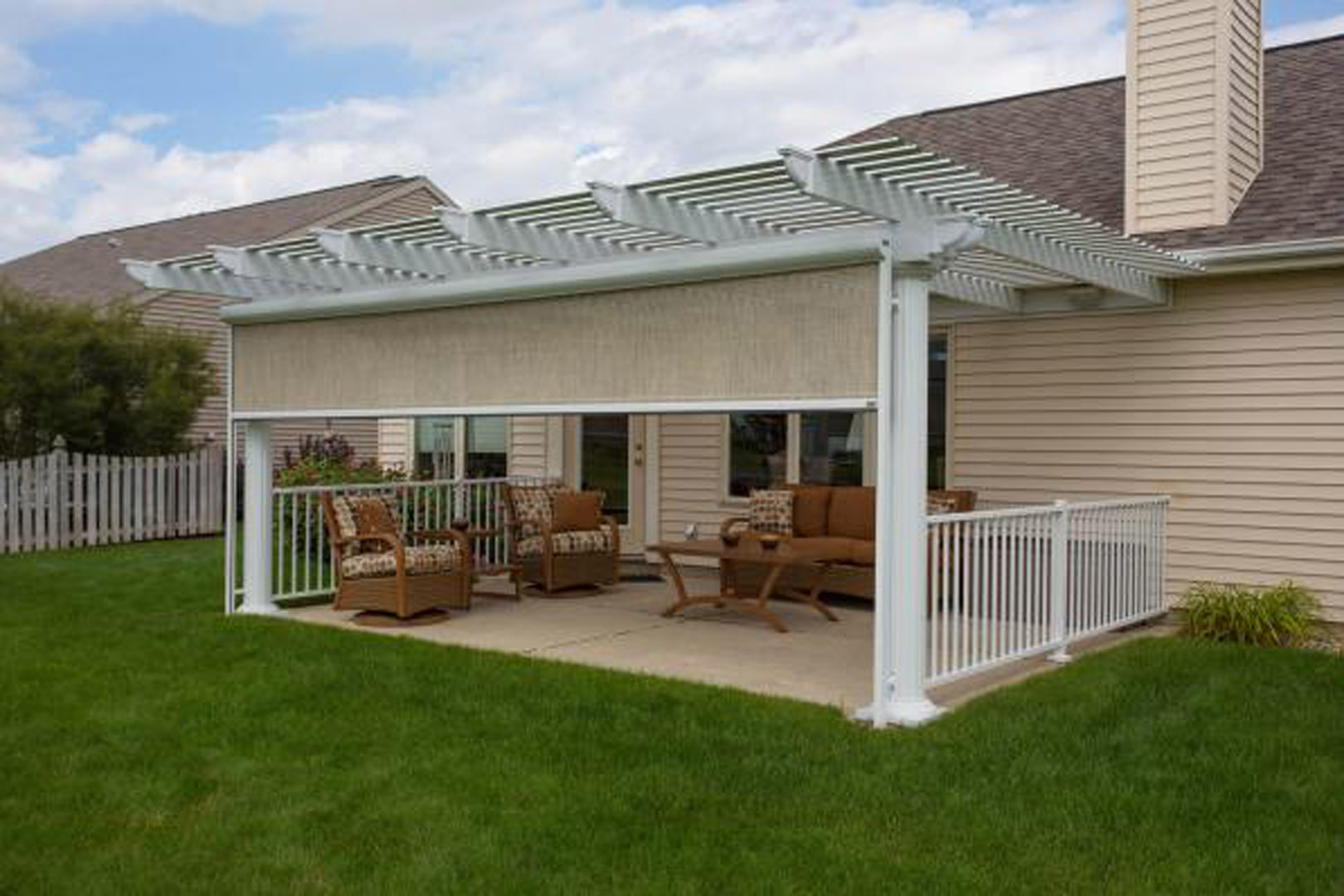
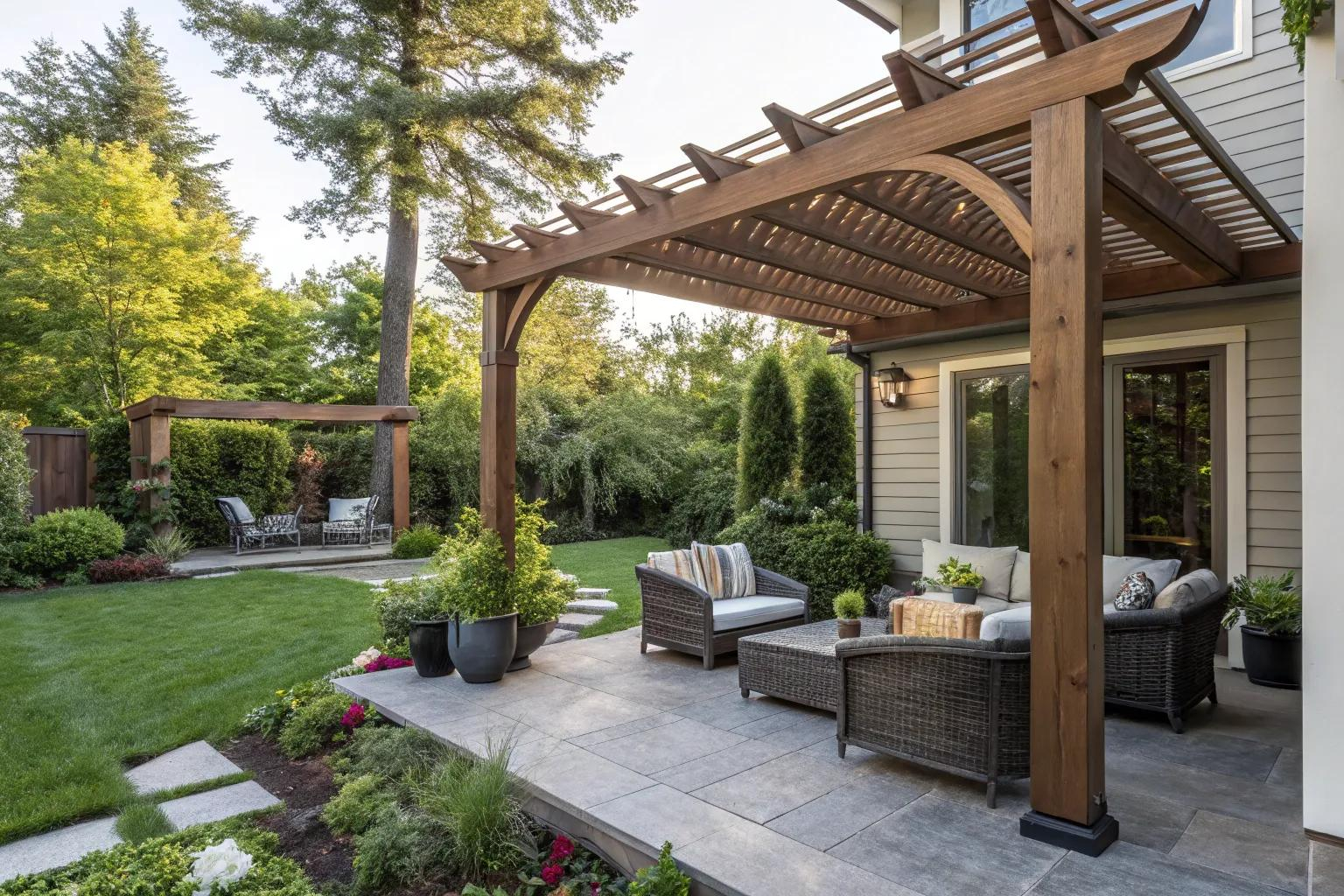
For pergolas, the strategy changes slightly. You don’t want to just staple the tube to the bottom of the slats. That looks messy. Instead, run the line along the top side of the beams. If the beams are wide enough, you can even route the tube through a small groove cut into the wood, though that’s a bit more advanced. For most people, using UV-resistant clips that match the color of your wood or metal works wonders. Paint the clips. Paint the tube. If your pergola is dark brown, use a dark brown tube. If it’s white, go white. It sounds simple, but color matching is the single most effective way to make something disappear.
Don’t forget the corners. Corners are natural blind spots. Route your main lines along the perimeter of the patio, hugging the walls or the outer edges of the structure. This keeps the center of your view clear. When you look up, you see sky or wood, not a spiderweb of plastic. It’s about guiding the eye away from the mechanics and toward the experience. And if you have a patio cover with a solid roof, you can often run the lines inside the soffit or fascia board. This requires a bit more DIY skill, maybe drilling small holes to bring the nozzles down, but the result is completely invisible piping. Worth the effort? Absolutely.
The Power of Paint and Camouflage Techniques
Let’s talk about paint. It’s cheap, it’s easy, and it’s transformative. Many people buy standard black or white misting tubing because that’s what’s available at the big box stores. But in 2026, customization is key. If your house has beige siding and your patio cover is a soft gray, a stark black tube is going to scream for attention. Don’t let it. Grab a can of exterior-grade spray paint or brush-on paint that matches your trim. Paint the entire length of the visible tubing. Yes, it takes time. Yes, you have to be careful not to clog the nozzles (cover them with tape!). But the result is a line that blends seamlessly into the background.
But painting isn’t the only trick. Camouflage is about breaking up the visual line. A long, straight black line is obvious. A line that is interrupted by leaves, shadows, or texture is not. This is where strategic placement comes in. If you have hanging baskets, potted plants, or climbing vines, use them. Weave the misting line behind a hanging fern. Run it along the back of a trellis covered in jasmine. The goal is to break the continuity of the tube so the eye doesn’t follow it. It’s a bit like magic tricks. Misdirection.
Also, consider the material of the tube itself. Older systems used thick, rigid plastic. Newer micro-misting systems often use thinner, more flexible nylon or stainless steel braided hoses. These are inherently less obtrusive. Stainless steel, in particular, can look like a deliberate design choice rather than a utility line. It reflects light and can blend in with modern metal fixtures. If you’re buying a new kit, look for these sleeker options. Koolfog and other brands offer kits with customizable tubing. Choose the one that least contrasts with your environment. Sometimes, the best way to hide something is to make it look like it belongs there intentionally.
Green Screens: Integrating Nature into the Design
Nature is the ultimate concealer. One of the most beautiful ways to hide misting lines is to let your garden do the work. This isn’t just about slapping a tube on a wall and hoping a vine grows over it. It’s about intentional integration. Think about vertical gardens. If you have a bare wall on your patio, install a trellis or a wire mesh. Grow climbing plants like ivy, clematis, or star jasmine. Run the misting lines behind the trellis, or weave them gently through the lower branches of the plants. As the plants grow, they will envelop the lines.
This approach has a double benefit. First, it hides the ugly tubes. Second, the plants themselves contribute to the cooling effect. Transpiration from leaves adds to the humidity and cooling, working in tandem with your misting system. It’s a symbiotic relationship. Plus, it looks lush and inviting. A patio surrounded by greenery feels like a secret garden, not a mechanical cooling zone. Just be mindful of the nozzle placement. You don’t want the leaves blocking the mist from reaching your seating area. Keep the nozzles clear, but let the tubing disappear into the foliage.
For those without vertical space, consider hanging plants. Suspended pots with trailing plants like pothos or string of pearls can be arranged to drape over the areas where lines run. It creates a canopy effect. The eye is drawn to the beautiful cascading greenery, not the thin black line running behind it. This is especially effective for patios with limited overhead structure. You create your own "ceiling" with plants, and the misting system becomes part of that living roof. It’s creative, it’s sustainable, and it’s stunning. Just remember to check the lines occasionally to ensure plants aren’t growing into the nozzles. A little pruning goes a long way.
Strategic Nozzle Placement and Minimalist Hardware
Sometimes, the problem isn’t the line. It’s the hardware. The connectors, the elbows, the nozzles themselves. If you have bulky, brass fittings every two feet, it’s going to look cluttered no matter how well you hide the tube. In 2026, minimalist design is trending hard. Look for low-profile nozzles. There are tiny, high-pressure nozzles available now that are barely the size of a pencil eraser. They produce a finer mist and are much less visually intrusive.
Placement matters too. Don’t just put a nozzle every foot because the kit says so. Think about where people actually sit. Do you need a mist stream directly over the dining table? Maybe not. You might prefer the cooling to come from the perimeter, creating a cool envelope around the space rather than spraying people directly. This allows you to reduce the number of visible nozzles in the central view. Fewer nozzles mean less clutter. It’s about quality over quantity.
Also, consider the angle. If you must have a visible line, angle the nozzles so they point away from the main viewing angles. If your main seating area looks north, try to run lines on the south side and angle the mist northward. The source of the mist becomes less obvious. And use clear or translucent tubing if possible for the final drops to the nozzles. Clear tube is harder to see against a bright sky or light-colored background than black tube. It’s a small detail, but it adds up. The goal is to feel the cool, not see the source.
DIY Tricks for Concrete and Hard Surfaces
Not everyone has a pergola. Many patios are just open concrete slabs or pavers. This presents a unique challenge. Where do you put the lines? Running them across the floor is a tripping hazard and looks terrible. Running them up standalone poles can look industrial. So, what’s the move? Get creative with boundaries. Use the edge of the patio. If you have a low retaining wall or a planter box along the edge, run the lines inside or behind it. You can drill small holes in the top of the planter wall to bring the nozzles up, hiding the horizontal runs completely.
For open patios, consider "misting fans" or standalone misting poles that are designed to look like landscape lighting. Instead of a web of tubes, you have a few sleek, discrete units. These can be placed in corners or among large potted plants. The tubing runs underground or along the base of the house, buried in mulch or gravel. Concealing drip irrigation lines on concrete surfaces often involves using channel tracks or covering them with decorative stones. You can apply similar logic here. Use a shallow channel cut into the concrete (if you’re handy) or cover the lines with a row of decorative river rocks along the perimeter.
Another trick is to use existing structures. Do you have a fence? Run the lines along the top rail, hidden by the shadow of the rail itself. Do you have a large tree nearby? Can you safely attach a line to a sturdy branch? (Be careful not to damage the tree). The key is to avoid the "spiderweb" look in the middle of the space. Keep the infrastructure on the edges. Use the center for living, not for plumbing. If you must cross the open space, try to do it high up, using a tension wire that is thin and hard to see, with the misting tube clipped tightly to it. Distance makes it disappear.
Hiding the lines is one thing. Keeping them hidden and functioning is another. A misting system that drips, leaks, or gets clogged is an eyesore, no matter how well you’ve concealed the tubing. Regular maintenance is part of the aesthetic. In 2026, water efficiency is huge. Make sure your system is tuned correctly. High-pressure systems produce a finer mist that evaporates faster, leaving less residue. Low-pressure systems can leave wet spots on your furniture and floors, which draws attention to the source. Check your nozzles regularly. Clean them. Replace them if they start to drip.
Also, think about the longevity of your camouflage. If you painted the tubes, check the paint once a year. UV rays can fade paint, making the tube stand out again. Touch it up. If you used plants, prune them. Don’t let them get so overgrown that they block the mist or look unkempt. An untidy garden draws attention to the mechanics behind it. A tidy garden distracts from them. It’s a balance.
Finally, consider the sound. Some high-pressure pumps are noisy. A noisy pump ruins the relaxation vibe. Hide the pump too. Put it in a shed, or build a small, ventilated box for it, surrounded by shrubs. Silence is part of the clean look. When everything works smoothly, quietly, and invisibly, you achieve that true oasis feel. It’s not just about temperature. It’s about atmosphere. And atmosphere is built on details. Don’t neglect them.
So, there you have it. Hiding misting lines isn’t about complex construction. It’s about observation. Look at your space. What colors are there? What structures? What plants? Use them. Paint the tubes. Weave them through vines. Tuck them into corners. Choose sleek hardware. Keep it maintained. When you step out onto your patio next summer, you shouldn’t see the system. You should just feel the relief. That’s the mark of a job well done. A cool, clean, and inviting space that feels like it was always meant to be. And honestly, isn’t that what we’re all chasing? A little bit of comfort, wrapped in beauty. Go make it happen.
[sps_html tag=”img” src=”https://cdn.northcarolinafinearchitecture.com/2026/05/best-misting-systems-for-outdoor-cooling-to-beat-summer-heat-alane-living-in-outdoor-misting-design.jpg” alt=”Best Misting Systems For Outdoor Cooling To Beat Summer Heat – Alane Living in Outdoor Misting Design” style=”width: 100%; height: auto;”]
[sps_html tag=”img” src=”https://cdn.northcarolinafinearchitecture.com/2026/05/backyard-patio-misting-systems-for-july-4th-advanced-misting-systems-within-outdoor-misting-design.jpg” alt=”Backyard Patio Misting Systems For July 4Th | Advanced Misting Systems within Outdoor Misting Design” style=”width: 100%; height: auto;”]
[sps_html tag=”img” src=”https://cdn.northcarolinafinearchitecture.com/2026/05/amazon-com-misty-mate-16020-cool-patio-misting-system-20-feet-gray-within-outdoor-misting-design.jpg” alt=”Amazon.com: Misty Mate 16020 Cool Patio Misting System, 20 Feet, Gray … within Outdoor Misting Design” style=”width: 100%; height: auto;”]
[sps_html tag=”img” src=”https://cdn.northcarolinafinearchitecture.com/2026/05/outdoor-misting-systems-for-outdoor-misting-design.jpeg” alt=”Outdoor Misting Systems for Outdoor Misting Design” style=”width: 100%; height: auto;”]
[sps_html tag=”img” src=”https://cdn.northcarolinafinearchitecture.com/2026/05/amazon-com-misty-mate-16020-cool-patio-misting-system-20-feet-gray-pertaining-to-the-real-cost-of-diy-outdoor-misting-systems-this-summer.jpg” alt=”Amazon.com: Misty Mate 16020 Cool Patio Misting System, 20 Feet, Gray … pertaining to The Real Cost of DIY Outdoor Misting Systems This Summer” style=”width: 100%; height: auto;”]