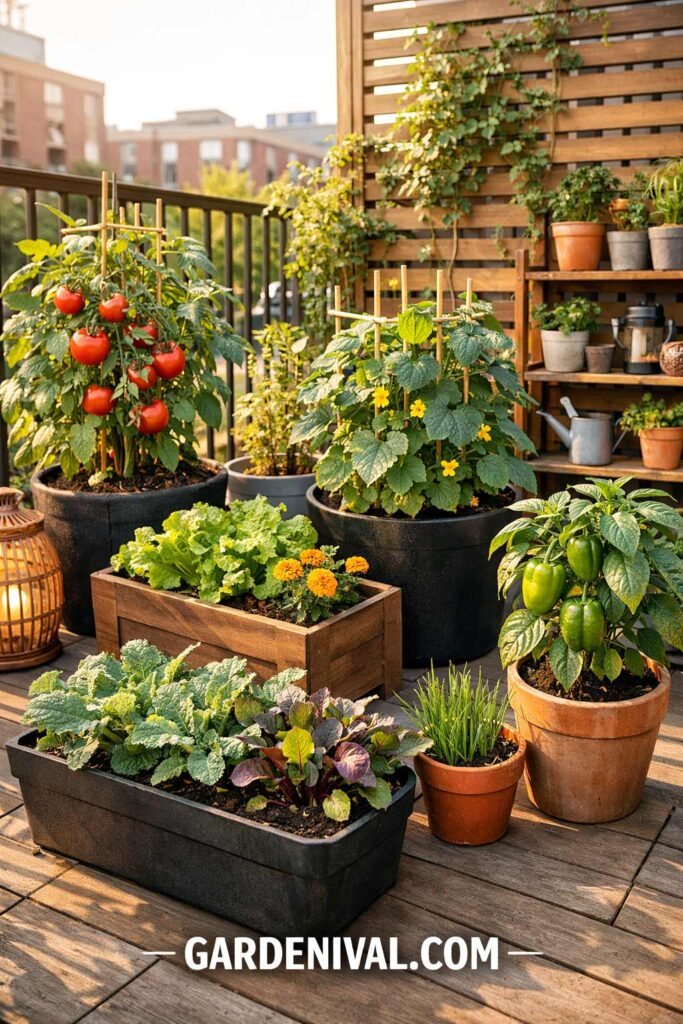
You’ve probably been there. You buy a stunning ceramic pot, the kind that makes your neighbors pause and stare. It’s heavy, glossy, and looks like it belongs in a magazine. You fill it with expensive soil, tuck in a vibrant fern or a hearty tomato plant, and wait for the magic to happen. But instead of thriving, your new green friend starts to droop. The leaves turn yellow, then brown, and eventually, the whole thing just gives up. You check the soil. It’s wet. Maybe even soggy. You think, "I must not be watering enough," so you give it more. And that, right there, is where the trouble begins.
It’s frustrating, isn’t it? We pour our hearts, time, and money into these little patches of green, only to watch them fade away. Most of us blame the weather, the quality of the plant, or maybe even our own lack of a "green thumb." But rarely do we look at the vessel itself. Specifically, what’s happening at the very bottom of that pot. In 2026, as container gardening continues to explode in popularity for urban balconies and suburban patios alike, the conversation is shifting. It’s no longer just about aesthetics. It’s about physics. It’s about biology. It’s about letting water leave.
Let’s be real for a second. Drainage is boring. It’s not sexy. You don’t post pictures of drainage holes on Instagram. But it is quite possibly the single most important factor in whether your outdoor container garden survives the season. Research and real-world results from recent years show something pretty startling: how water moves through a container matters way more than the size of the pot itself. A perfectly sized pot with poor drainage is a death trap. Meanwhile, a smaller, well-drained container can be a powerhouse of growth. So, let’s talk about why those little holes at the bottom are actually the unsung heroes of your garden.
The Hidden Danger Beneath the Soil
When you water a plant, you aren’t just giving it a drink. You’re also trying to flush out old air and bring in fresh oxygen to the roots. Plants breathe, just like we do. Their roots need oxygen to survive. When water sits at the bottom of a pot with nowhere to go, it displaces all that air. The roots suffocate. It’s a slow, silent process. You won’t see it happening until it’s too late. This condition is called root rot, and it is arguably the number one killer of container plants.
Think of it like this. Imagine trying to breathe while wearing a snorkel that’s stuck underwater. That’s what your plant feels like when its roots are sitting in stagnant water. The bacteria and fungi that cause rot love these anaerobic (oxygen-free) environments. They multiply quickly, attacking the delicate root hairs that absorb nutrients. Once the roots start to decay, they can’t take up water or food, even if the soil is soaking wet. This is why a plant can look thirsty and wilted even when it’s drowning. It’s a cruel irony.
In outdoor settings, this problem is compounded by the elements. Rain doesn’t care about your schedule. A sudden summer storm in July can dump inches of water into your pots in minutes. If that water has no exit strategy, it pools at the bottom. By the time the sun comes out again, your plant is already in distress. Recent studies in horticultural science have reinforced that consistent moisture fluctuation is key, but constant saturation is fatal. The difference between a thriving garden and a graveyard of dead plants often comes down to whether that excess rainwater could escape.
Debunking the Gravel Myth
Here is a secret that might make you angry if you’ve been gardening for a while. That layer of rocks, pebbles, or broken pottery shards you put at the bottom of your pot? It doesn’t help. In fact, it might be making things worse. For decades, well-meaning gardeners have been told that adding a drainage layer creates a reservoir for excess water. It sounds logical, right? Water flows down, hits the rocks, and stays there, keeping the soil above drier.
But physics disagrees. Water has a property called surface tension. It doesn’t like to move from a fine material (like soil) into a coarse material (like gravel) unless the fine material is completely saturated. This creates something scientists call a "perched water table." Essentially, the water sits in the soil just above the gravel layer, waiting for the soil to get totally soaked before it drips into the rocks. This means the roots at the bottom of your pot are sitting in a swampy zone for much longer than they would be if the pot was just filled with soil all the way down.
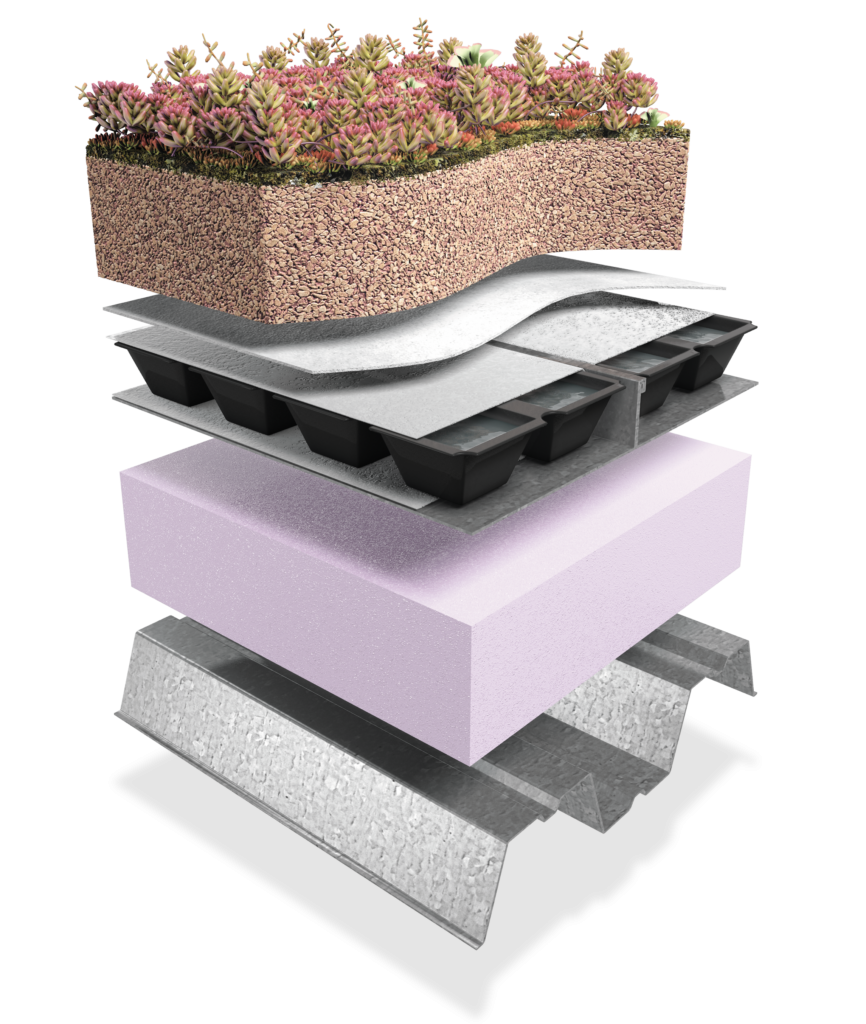
So, what happens? The effective volume of your pot shrinks. If you have a 12-inch pot and you put two inches of gravel at the bottom, you haven’t created a drainage zone; you’ve just reduced the amount of soil available for roots. The water still gets trapped in the lower soil layer. Experts in 2026 are firmly stating that the rock layer trick is a myth that needs to die. Instead of rocks, what you need is a continuous column of uniform soil that allows water to flow freely all the way to the exit hole. It’s counterintuitive, but it’s true. Skip the rocks. Use good soil. Let the water run.
Size Doesn’t Matter (As Much As You Think)
We often assume that bigger is better. If a plant looks cramped, we jump to a massive planter, thinking we’re doing it a favor. But an oversized pot with poor drainage is a recipe for disaster. Why? Because there’s simply too much soil holding too much water. If the pot doesn’t drain well, that huge volume of wet soil stays wet for days, maybe weeks. The roots of a small plant can’t drink all that water fast enough to keep the soil aerated. The center of the pot becomes a bog.
Conversely, a smaller pot with excellent drainage can be incredibly healthy. The water flows in, feeds the roots, and flows out. The soil dries out appropriately between waterings, allowing air to rush back in. This cycle of wetting and drying is crucial for root health. It encourages roots to grow and search for water, making the plant stronger. It’s about the movement of water, not just the storage of it.
This is particularly important for outdoor pots in variable climates. In spring and fall, when evaporation rates are lower, a large, poorly drained pot can stay sodden for long periods. This invites fungal diseases and rot. In the heat of summer, that same pot might bake the roots if the water stagnates and heats up. The key takeaway here is that drainage efficiency trumps container volume. A well-designed pot that manages water flow effectively will always outperform a giant bucket that holds water like a bathtub. Don’t let the size fool you. Look at the exit.
Material Choices and Their Impact
Not all pots are created equal. The material your pot is made from plays a huge role in how it handles moisture. Terracotta and unglazed clay are porous. They literally breathe. Water evaporates through the sides of the pot, which helps dry out the soil faster. This is great for plants that hate wet feet, like succulents or lavender. However, in very hot climates, terracotta can dry out too fast, requiring constant watering. It’s a trade-off.
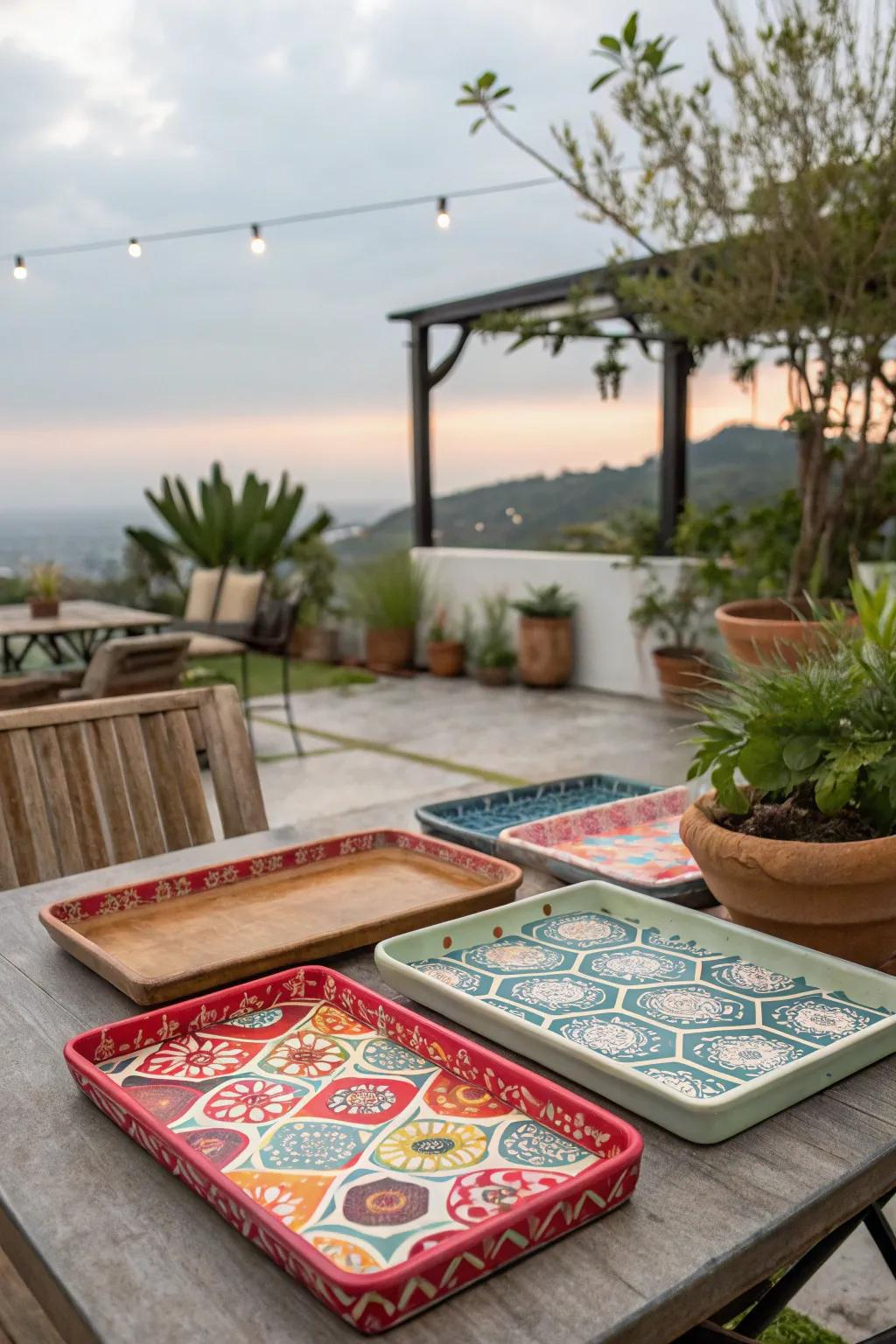
On the other hand, plastic, glazed ceramic, and metal pots are non-porous. They hold every drop of water you put in them until it either evaporates from the top or drains out the bottom. These materials are durable and come in endless styles, but they demand respect. If you choose a glazed ceramic pot for your outdoor space, you absolutely must ensure it has adequate drainage holes. Without them, you are creating a sealed environment where water has no escape route except evaporation, which is slow and inefficient.
In 2026, we’re seeing a rise in composite materials and recycled plastics designed specifically for better thermal regulation and moisture management. Some modern designs even include built-in wicking systems or self-watering reservoirs that are separated from the root zone by an air gap. These are clever innovations, but they still rely on the fundamental principle of drainage. Even self-watering pots need a way to overflow excess rain. If you’re using a decorative outer pot without holes (a cache pot), you must lift the inner nursery pot out after it rains. Never let the inner pot sit in standing water. It’s a simple step, but it saves lives. Plant lives, that is.
Practical Fixes for Pots Without Holes
Sometimes, you fall in love with a pot that has zero drainage holes. It happens. Maybe it’s a vintage find, or a handmade piece from a local artist. Can you still use it? Yes, but you have to change how you treat it. You cannot treat it like a normal pot. You have to treat it like a hydroponic system or a high-stakes balancing act. The safest method is "double potting." Keep the plant in its cheap, ugly plastic nursery pot with plenty of holes. Place that inside the beautiful, hole-less decorative pot.
When it rains, or when you water, take the inner pot out. Let it drain completely in the sink or on the patio. Wait until it stops dripping. Then, put it back in the decorative shell. This ensures the roots never sit in water. It’s a bit of extra work, but it lets you enjoy the aesthetic you want without killing your plant. Another option is to drill your own holes. For plastic and resin pots, this is easy with a standard drill bit. For ceramic or stone, you need a masonry bit and some patience, but it’s doable. Many hardware stores in 2026 even offer services to drill drainage holes into purchased containers.
If you absolutely cannot drill holes and don’t want to double pot, you must become a master of moisture monitoring. Use a moisture meter, or stick your finger deep into the soil. Water sparingly. Use a soil mix that is extremely airy and fast-draining, with lots of perlite or pumice. Accept that you might lose a plant or two while you learn the rhythm of that specific container. It’s not ideal, but it’s possible. Just remember: every drop of water you add stays there until it evaporates or is taken up by the plant. There is no margin for error.
Getting drainage right isn’t just about keeping a plant alive for a few weeks. It’s about sustainability and long-term health. Healthy roots mean a resilient plant. A resilient plant fights off pests and diseases better. It blooms more profusely. It grows faster. When you prioritize drainage, you’re setting up a system that works with nature, not against it. You’re reducing the stress on your plants, which means less intervention for you.
There’s also a financial angle. Good drainage prevents the cycle of buying new plants every season because the old ones rotted away. It also protects your pots. In colder climates, water trapped in soil or in the pores of a pot can freeze and expand. This causes ceramic and terra cotta pots to crack and shatter over winter. Proper drainage allows the pot to dry out somewhat before the freeze, significantly extending the life of your containers. Your wallet will thank you when you aren’t replacing cracked pots every spring.
Ultimately, gardening is about observation and adaptation. By paying attention to how water moves through your containers, you become a better gardener. You start to notice the signs of stress earlier. You understand the needs of different plants more deeply. It shifts your perspective from simply "watering" to "managing an ecosystem." And honestly, isn’t that the best part of gardening? Seeing things thrive because you understood what they needed? It’s satisfying. It’s peaceful. And it starts with a simple hole in the bottom of a pot.
So, the next time you’re shopping for outdoor containers, ignore the flashy colors for a moment. Turn the pot over. Look at the bottom. Are there holes? Are they big enough? If not, can you make them? It’s a small detail, but it’s the difference between a garden that struggles and one that sings. Don’t underestimate the power of letting go. Let the water go. Let the air in. Your plants will do the rest.
[sps_html tag=”img” src=”https://cdn.northcarolinafinearchitecture.com/2026/05/ultimate-guide-to-creating-a-thriving-container-garden-tips-for-every-for-the-art-of-layering-plants-for-stunning-container-gardens-on-small-patios.jpg” alt=”Ultimate Guide To Creating A Thriving Container Garden: Tips For Every … for The Art of Layering Plants for Stunning Container Gardens on Small Patios” style=”width: 100%; height: auto;”]
[sps_html tag=”img” src=”https://cdn.northcarolinafinearchitecture.com/2026/05/24-stunning-container-garden-planting-designs-a-piece-of-rainbow-regarding-outdoor-pot-design.jpg” alt=”24 Stunning Container Garden Planting Designs - A Piece Of Rainbow regarding Outdoor Pot Design” style=”width: 100%; height: auto;”]
[sps_html tag=”img” src=”https://cdn.northcarolinafinearchitecture.com/2026/05/best-container-plants-for-patio-patio-ideas-with-outdoor-pot-design.jpg” alt=”Best Container Plants For Patio - Patio Ideas with Outdoor Pot Design” style=”width: 100%; height: auto;”]
[sps_html tag=”img” src=”https://cdn.northcarolinafinearchitecture.com/2026/05/layering-plants-in-pots-pertaining-to-the-art-of-layering-plants-for-stunning-container-gardens-on-small-patios.jpg” alt=”Layering Plants In Pots pertaining to The Art of Layering Plants for Stunning Container Gardens on Small Patios” style=”width: 100%; height: auto;”]
[sps_html tag=”img” src=”https://cdn.northcarolinafinearchitecture.com/2026/05/23-best-shade-plants-container-garden-ideas-worth-to-check-sharonsable-intended-for-the-art-of-layering-plants-for-stunning-container-gardens-on-small-patios-scaled.jpg” alt=”23 Best Shade Plants Container Garden Ideas Worth To Check | Sharonsable intended for The Art of Layering Plants for Stunning Container Gardens on Small Patios” style=”width: 100%; height: auto;”]