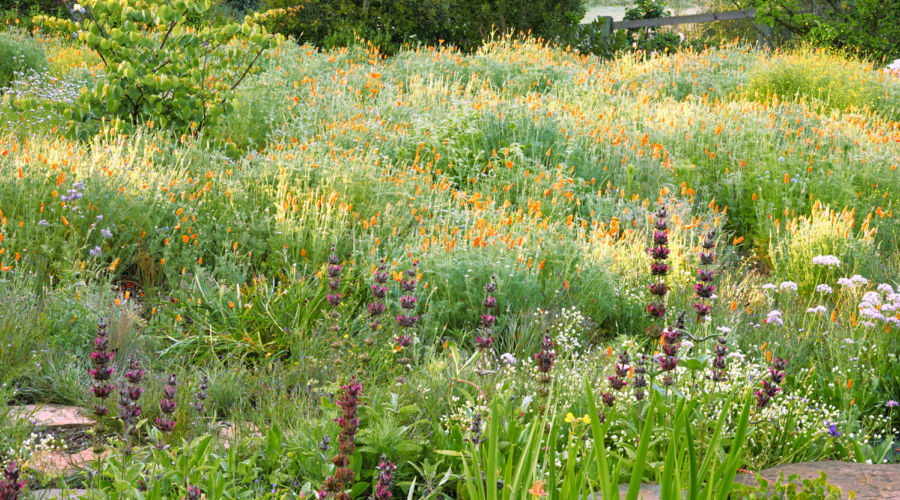
So, you’re thinking about turning that flat, gray expanse above your head into a living, breathing meadow? It’s a beautiful idea. Really. There is something deeply grounding about knowing that while you sleep or work downstairs, a little ecosystem is buzzing away up top, soaking up rain and cooling the air. But let’s be real for a second. It’s not just "plant some seeds and walk away." If you’ve been dreaming of this, you’ve probably hit a wall of confusing numbers and contradictory advice. One contractor says it’s cheap; another hands you a quote that makes your eyes water. And then there’s the maintenance. Do you need a gardener? A roofer? Both?
Here is the truth: meadow roofs are an investment, not just in dollars, but in attention. They are alive. And like any living thing, they have bad days, they get thirsty, and sometimes they get weeds. In 2026, the landscape for green roofing has shifted slightly. Materials are getting better, but labor costs have crept up, making the initial price tag a bit steeper than it was five years ago. Yet, the long-term payoff—both for your wallet and the planet—is still massive if you do it right. This guide isn’t here to sell you a system. It’s here to give you the no-nonsense breakdown of what you’re actually signing up for. We’ll talk money, we’ll talk dirt, and we’ll talk about how to keep your roof from turning into a dead patch of mud.
Breaking Down the Price Tag in 2026
Let’s rip the band-aid off. How much does this actually cost? If you are looking at recent data from 2025 and early 2026, the average installation for a residential green roof hovers around $18,000. But averages are tricky things. For a smaller, simpler setup, you might get away with $10,000. For a larger, more complex intensive garden roof? You could easily be looking at $25,000 or more. When we break it down to square footage, you are generally looking at $15 to $35 per square foot for extensive systems (the shallow, low-maintenance meadow type) and significantly more for intensive ones that can support shrubs or small trees.
Why the huge range? It comes down to layers. A meadow roof isn’t just soil on shingles. You need a waterproof membrane (the most critical part), a root barrier, a drainage layer, a filter fabric, and then the growing medium. The depth of that soil matters. A shallow extensive roof needs less soil and lighter plants, which keeps the structural load down and the cost lower. But if your building needs extra reinforcement to hold the weight, that engineering assessment alone can add thousands to the bill. Also, don’t forget access. If your roof is hard to reach, contractors will charge more for the hassle of getting materials up there.
It is also worth noting that prices vary by region. In places with established green infrastructure incentives, you might find more competitive bidding among installers. However, supply chain quirks in 2026 have kept the cost of specialized lightweight aggregates and high-quality membranes somewhat elevated. When you get quotes, make sure they are comparing apples to apples. A cheap quote might be skipping the root barrier or using a thinner drainage mat. That’s a false economy. Fixing a leak caused by roots punching through your membrane later will cost way more than doing it right the first time.
Hidden Costs and Long-Term Value
Okay, so you’ve paid for the install. Are you done spending money? Not quite. There are hidden costs that people often overlook in the excitement of seeing those first green shoots. First, there’s the inspection fee. Before you even plant, you might need a structural engineer to sign off on your roof’s load-bearing capacity. That’s a few hundred to a thousand dollars, depending on complexity. Then there’s irrigation. Even drought-tolerant meadow plants need water to establish themselves in the first year or two. Installing a simple drip system or ensuring you have safe access to hose out the roof adds to the initial outlay.
But let’s flip the coin. What do you get back? The lifecycle cost analysis is where green roofs start to shine. A conventional asphalt roof might last 15 to 20 years. A well-maintained green roof can protect the underlying waterproofing membrane for 40 years or more. Why? Because the soil and plants shield the membrane from UV rays, extreme temperature fluctuations, and physical damage. That means you won’t be replacing your roof twice in the lifetime of one green roof. That’s a massive saving. Plus, there are energy bills. In the summer, a meadow roof can reduce the heat gain in your top floor by a significant margin, lowering your AC costs. In winter, it adds a layer of insulation.
Then there’s the stormwater angle. Many cities in 2026 are offering tax abatements or direct rebates for green roofs because they reduce the burden on municipal sewer systems. If you live in an area with combined sewers, check with your local utility. You might get a credit on your bill every month. When you factor in the extended roof life, energy savings, and potential incentives, the "sticker shock" of the initial installation softens considerably. It’s not free, but it pays you back over time. Just don’t expect overnight riches. This is a slow burn investment.
Spring Awakening: The Critical Start
Maintenance isn’t a once-a-year chore. It’s a rhythm. And spring is when the rhythm starts. As the snow melts and the temps rise, your meadow roof wakes up. This is the most important time for inspection. You want to catch any damage from winter freeze-thaw cycles before the growing season kicks into high gear. Walk the roof (carefully!) or hire a pro to check the drainage outlets. Are they clogged with leaves or debris from autumn? If water can’t drain, it sits. And standing water is the enemy of both plants and roofs. It leads to root rot and can add unnecessary weight.
This is also the time to look at the plants. Did anything die over the winter? It happens. Some sedums or native grasses might not make it, especially if it was a particularly harsh winter. Pull out the dead stuff. You don’t want it rotting and inviting pests or fungi. Look for bare patches in the soil. If you see exposed growing medium, it’s vulnerable to erosion and weed invasion. Now is the time to replant or spread some extra substrate to fill those gaps. Think of it like reseeding a lawn, but much gentler.
Weed control is huge in spring. Wind blows seeds up onto your roof all winter long. Tree seedlings, in particular, are dangerous. Their roots are aggressive and can punch through membranes. If you see a tiny maple or oak sprouting, pull it out immediately. Don’t wait. Once its root system establishes, removing it becomes a major operation that might damage the surrounding plants. Hand-pulling is best here. Avoid harsh herbicides if you can; you want a healthy ecosystem, not a chemical bath. A little effort in April saves you hours of headache in July.
Summer Stress and Hydration
Summer is beautiful, but it’s tough on a roof. The sun is intense, and wind speeds are often higher up there, drying out the soil faster than you’d expect. Even if you chose drought-tolerant species, young plants or newly established meadows need help. In 2026, with summers getting hotter and more unpredictable, relying solely on rainfall is risky. You need a watering plan. This doesn’t mean flooding the roof every day. It means deep, occasional watering that encourages roots to grow down, not just spread out on the surface.
Check the soil moisture. Stick your finger in. If it’s bone dry an inch down, it’s time to water. Early morning is the best time. Watering in the heat of the day leads to evaporation waste, and watering at night can encourage fungal diseases because the leaves stay wet too long. If you have an irrigation system, check the emitters. Clogged drippers are common. If you’re hand-watering, use a gentle spray. A high-pressure jet can wash away your precious topsoil and expose the roots.
Watch for signs of stress. Plants might turn reddish or purple when they are stressed by heat or lack of water. This is often a survival mechanism, not necessarily death. But if they start wilting or browning, act fast. Also, keep an eye on pests. Aphids love new growth. Usually, beneficial insects like ladybugs will handle them, but if you see a massive infestation, you might need to intervene. Use organic solutions if possible. Remember, you’re trying to build a balanced mini-ecosystem. Killing everything with a broad-spectrum pesticide defeats the purpose and harms the biodiversity you’re trying to create.
Autumn Prep and Winter Protection
As the air cools, your meadow roof shifts gears. The plants are storing energy for winter, and your job is to help them tuck in safely. Autumn is cleanup time. Remove any fallen leaves from nearby trees. A thick layer of leaves on a green roof traps moisture and blocks light, which can kill the plants underneath and cause rot. It’s tedious, yes, but necessary. Use a leaf blower on a low setting or a soft rake. Be careful not to disturb the plants or the soil layer.
Check your drainage again. Autumn storms can bring heavy rain. Ensure all scuppers, drains, and gutters are clear. If water backs up, it can freeze in winter, causing ice dams that lift the membrane or damage the edges of the roof. Inspect the flashing around any penetrations—vents, chimneys, skylights. Look for cracks or gaps in the sealant. Small leaks now become big ice problems later. If you spot an issue, fix it before the first hard freeze. It’s much easier to work with caulk in 50-degree weather than in 20-degree wind.
For the plants, avoid fertilizing in late autumn. You don’t want to encourage new, tender growth that will get killed by frost. Let the plants go dormant naturally. If you have sensitive species, you might consider a light mulch layer for extra insulation, but be careful not to block drainage. In colder climates, snow is actually a good insulator for the plants. Don’t rush to shovel it off unless the weight is a structural concern (which it shouldn’t be if designed correctly). Let nature do its thing. Your meadow is tougher than it looks.
Here’s the big question: Can you do this yourself? For small, accessible extensive roofs, maybe. If you’re handy, comfortable with heights, and have a good understanding of roofing basics, you can handle seasonal inspections and light weeding. Replacing a few dead sedum plugs is easy enough for a weekend warrior. But there are limits. Never, ever walk on a wet green roof. The soil is slippery, and you can compact the substrate, damaging the root systems and drainage layers. Always wear soft-soled shoes if you must go up there.
However, for the big stuff, hire a pro. Initial installation should always be done by certified specialists. Waterproofing is not a place to cut corners. If you mess up the seam welding on the membrane, you’re asking for a leak that will ruin your ceiling and your insulation. Similarly, if you notice a persistent leak, sagging areas, or large patches of plant death, call in an expert. Diagnosing why a green roof is failing requires knowledge of both horticulture and roofing construction. A regular roofer might not understand the plant needs, and a regular gardener won’t understand the waterproofing. You need someone who gets both.
In 2026, there are more maintenance contracts available than ever. Consider a semi-annual service plan. Having a professional come out in spring and fall gives you peace of mind. They know what to look for. They have the safety gear. And they can spot small problems—like a loose flashing piece or a clogged drain—before they become expensive disasters. Think of it like dental checkups. You brush your teeth daily (DIY maintenance), but you still see the dentist twice a year (pro inspection). It’s a small cost that prevents major pain later.
So, where does this leave us? Meadow roofs are not a magic bullet. They require money, time, and care. But they offer something rare in modern construction: a connection to nature in the most unlikely place. They cool our cities, clean our air, and give us a quiet, green sanctuary above the noise. The cost in 2026 is real, but so is the value. If you go in with your eyes open, budget for the long haul, and commit to the seasonal rhythm of care, you’ll end up with more than just a roof. You’ll have a living part of your home that thrives.
Don’t let the complexity scare you off. Start small if you need to. Learn as you go. Talk to other green roof owners in your area. Share tips. It’s a community of people who decided to try something different, and it’s worth it. Just remember: respect the water, watch the weeds, and never skip the spring cleanup. Your roof—and the bees that will eventually visit it—will thank you.
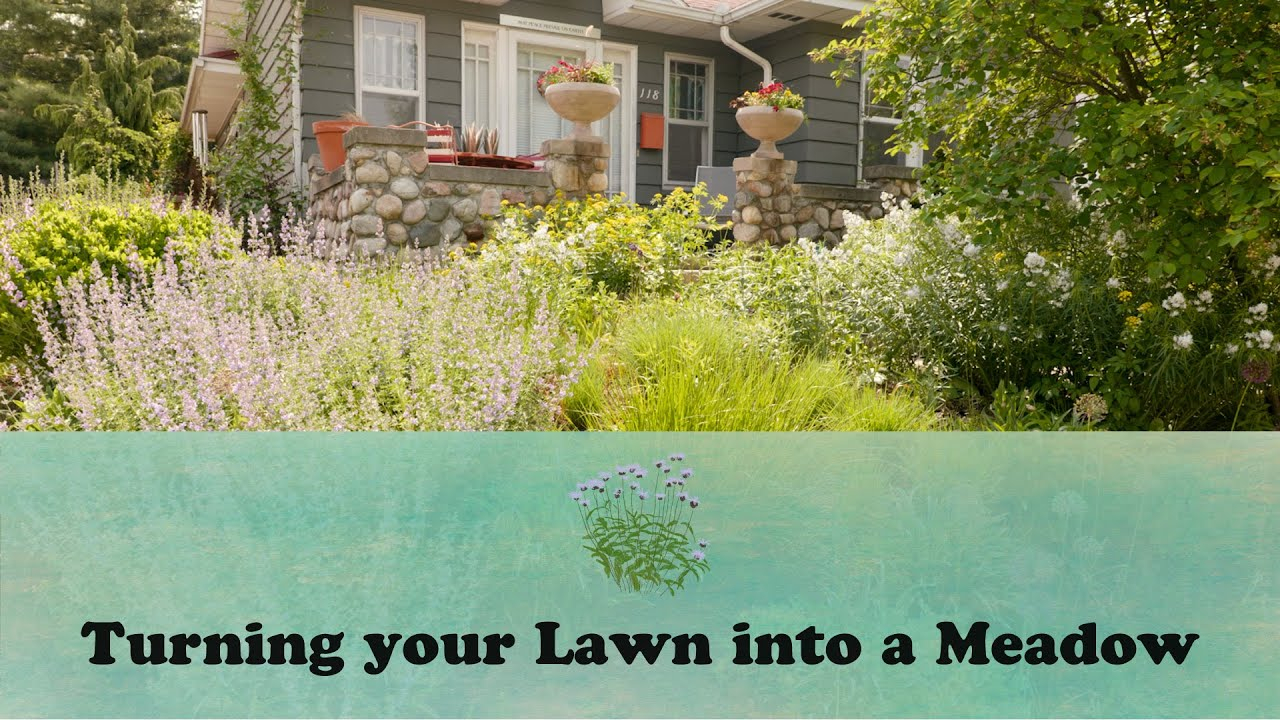
[sps_html tag=”img” src=”https://cdn.northcarolinafinearchitecture.com/2026/05/turning-your-lawn-into-a-meadow-lets-grow-stuff-youtube-pertaining-to-outdoor-meadow-roof-design.jpg” alt=”Turning Your Lawn Into A Meadow | Let's Grow Stuff - Youtube pertaining to Outdoor Meadow Roof Design” style=”width: 100%; height: auto;”]
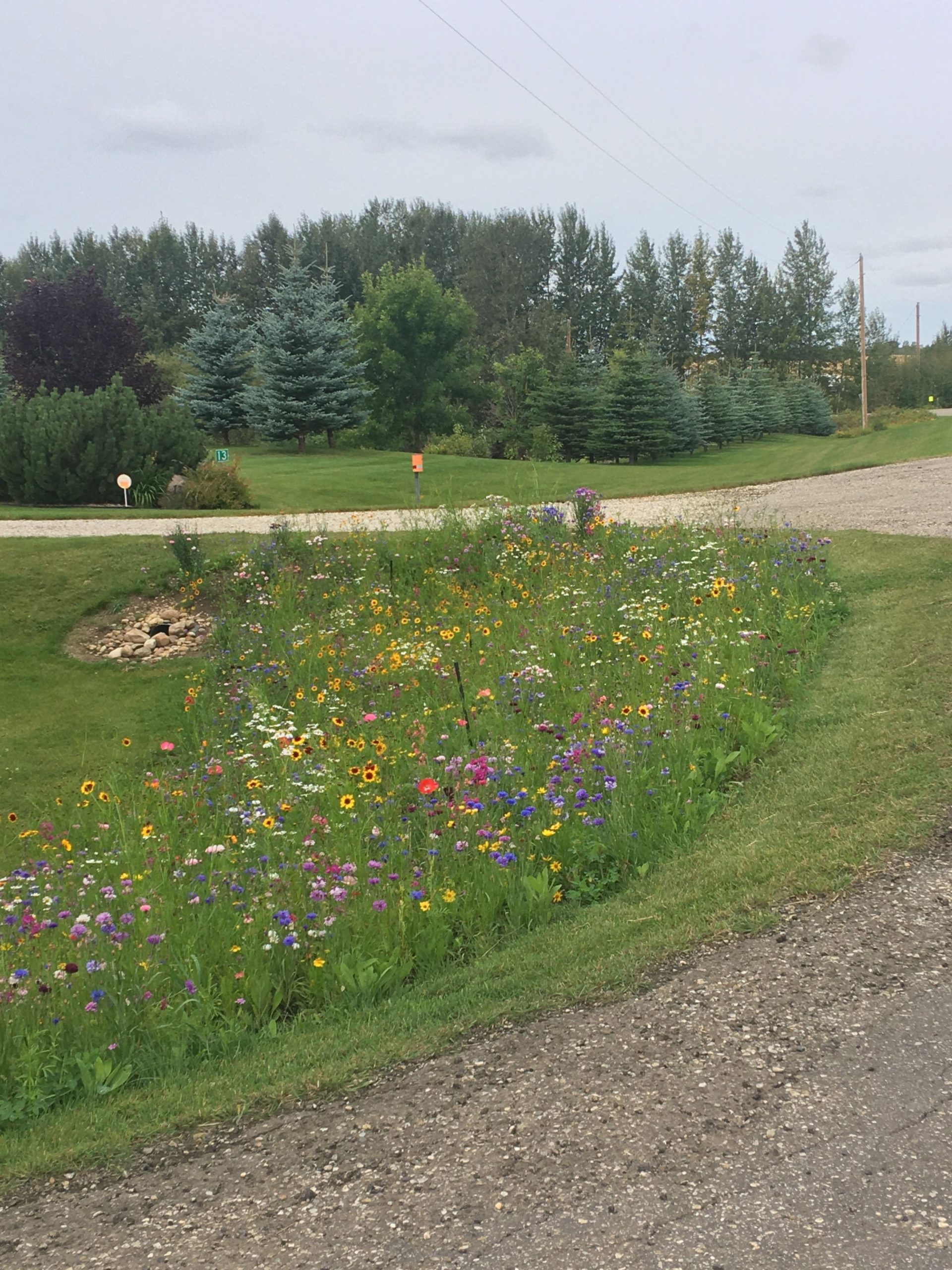
[sps_html tag=”img” src=”https://cdn.northcarolinafinearchitecture.com/2026/05/low-maintenance-landscaping-with-wildflowers-artofit-intended-for-outdoor-meadow-roof-design-scaled.jpg” alt=”Low Maintenance Landscaping With Wildflowers – Artofit intended for Outdoor Meadow Roof Design” style=”width: 100%; height: auto;”]
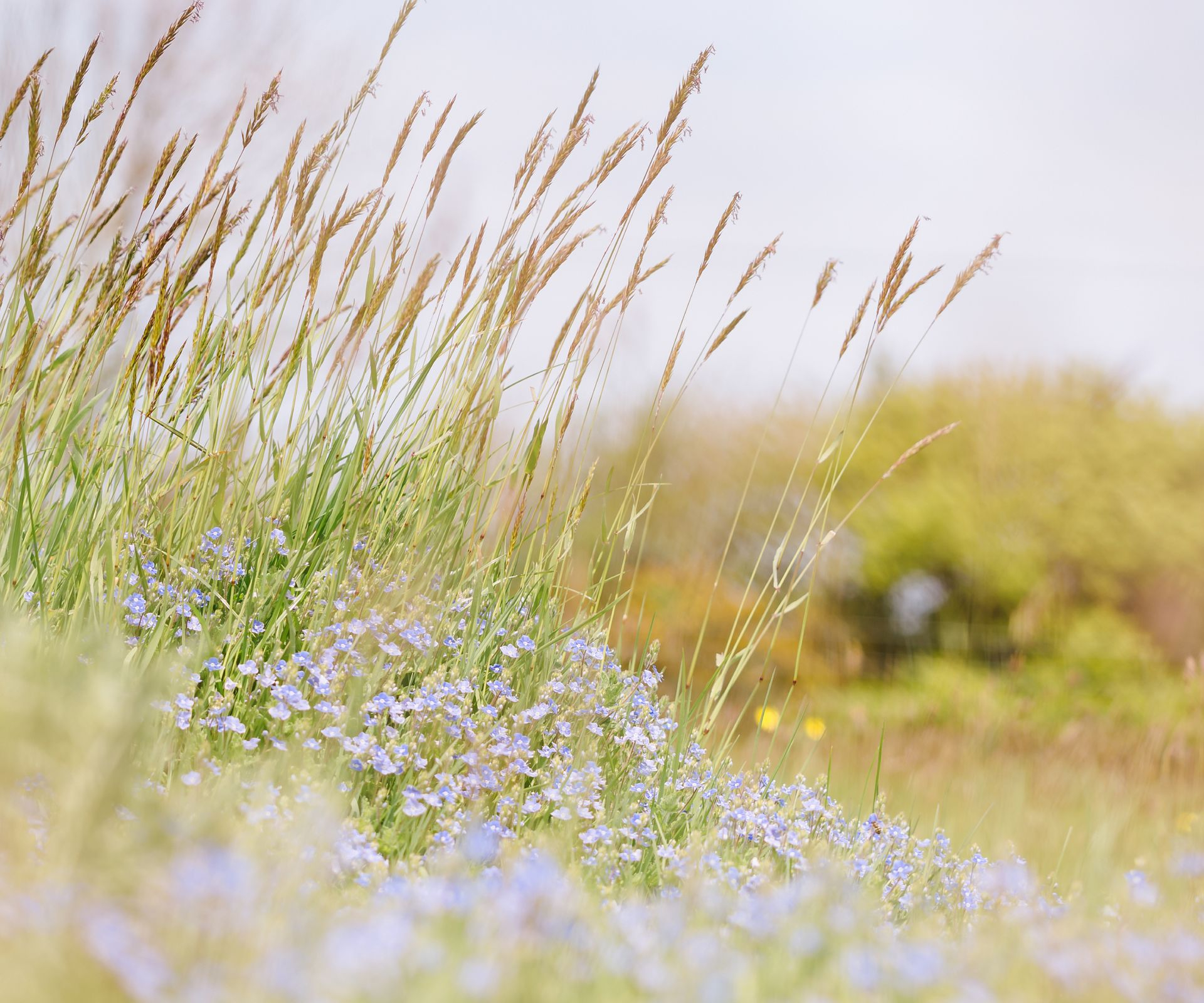
[sps_html tag=”img” src=”https://cdn.northcarolinafinearchitecture.com/2026/05/10-meadow-flowers-grasses-for-a-low-maintenance-landscape-gardening-regarding-outdoor-meadow-roof-design.jpg” alt=”10 Meadow Flowers & Grasses For A Low-Maintenance Landscape | Gardening … regarding Outdoor Meadow Roof Design” style=”width: 100%; height: auto;”]
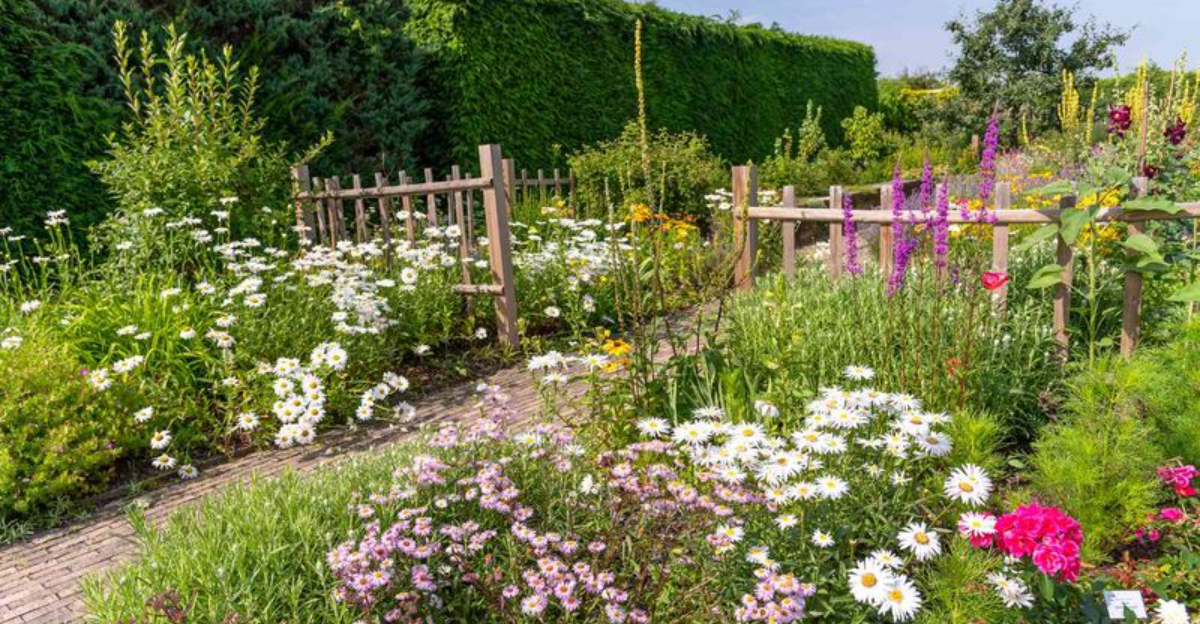
[sps_html tag=”img” src=”https://cdn.northcarolinafinearchitecture.com/2026/05/10-steps-to-create-a-thriving-meadow-garden-in-your-backyard-inside-creating-a-low-maintenance-sky-meadow-that-thrives-all-year-long.jpg” alt=”10 Steps To Create A Thriving Meadow Garden In Your Backyard inside Creating a Low Maintenance Sky Meadow That Thrives All Year Long” style=”width: 100%; height: auto;”]
[sps_html tag=”img” src=”https://cdn.northcarolinafinearchitecture.com/2026/05/meadow-garden-design-ideas-sunset-magazine-for-creating-a-low-maintenance-sky-meadow-that-thrives-all-year-long.jpg” alt=”Meadow Garden Design Ideas – Sunset Magazine for Creating a Low Maintenance Sky Meadow That Thrives All Year Long” style=”width: 100%; height: auto;”]