Ever looked at your flower bed and wondered why it feels… quiet? You planted the right blooms, watered them, maybe even talked to them a little (no judgment here). But where are the bees? Where’s the flutter of wings? It’s frustrating. We want our gardens to be alive, buzzing with energy and color. But somewhere along the line, we got told that a "healthy" garden is one without a single chewed leaf or aphid in sight. That’s a lie. A perfect garden is a dead garden.
The truth is, those little imperfections? They’re dinner invitations. And if you’ve been reaching for the spray bottle every time you see a bug, you’re accidentally slamming the door on the very creatures you’re trying to attract. It’s not about letting your garden go to ruin. It’s about shifting your mindset. It’s about working with nature, not against it. In 2026, more folks are ditching the chemicals, and honestly? Their gardens have never looked better. Or felt better. Let’s talk about how you can do the same.
Rethinking What "Healthy" Really Means
We need to start by tossing out the old rulebook. For decades, gardening magazines sold us this idea that pests are enemies. If you saw a hole in a leaf, you panicked. You sprayed. But here’s the thing: pests are part of the food web. They’re the base of the pyramid. Without aphids, you don’t get ladybugs. Without caterpillars, you don’t get butterflies. It’s that simple. When you wipe out the "bad" bugs with broad-spectrum pesticides, you’re also wiping out the good guys. You’re starving your pollinators.
Think of your garden as a community, not a showroom. A healthy ecosystem is messy. It’s dynamic. It has balance. Research from groups like the Xerces Society has shown time and again that home gardens can thrive without any synthetic inputs. In fact, they often perform better because the soil life is intact. Earthworms, fungi, and beneficial bacteria do the heavy lifting for you. They build soil structure. They fight off diseases naturally. But they can’t do their job if you’re drenching the ground in toxins.
So, take a deep breath. Look at that chewed leaf. Instead of seeing damage, see life. Ask yourself: who is eating this? Is it a host plant for a butterfly larva? If so, celebrate it. That hole means you’re supporting the next generation of pollinators. This shift in perspective is the hardest part, but it’s also the most freeing. You stop fighting your garden and start partnering with it. And once you make that mental switch, the rest becomes much easier. You’re not losing control; you’re gaining understanding.
Choosing Plants That Do the Heavy Lifting
You can’t have a great pollinator garden without the right plants. But it’s not just about picking pretty flowers. It’s about picking the right pretty flowers. Native plants are your best friends here. Why? Because local pollinators have evolved alongside them for thousands of years. They know exactly how to access the nectar and pollen. A honeybee might visit a exotic hybrid, but a native bumblebee? It’s got a special lock-and-key relationship with certain native blooms. If you plant what belongs in your region, you’re setting the table with food they actually recognize.
Diversity is key, too. Don’t just plant one type of flower. You want a buffet. Aim for blooms that open at different times of the day and throughout the seasons. Early spring is critical. That’s when queen bumblebees are emerging from hibernation, hungry and weak. They need crocus, pussy willow, or early blooming natives like bloodroot. Then, keep the momentum going into summer with coneflowers, bee balm, and milkweed. Finally, don’t forget fall. Goldenrod and asters are lifelines for migrating monarchs and bees stocking up for winter. If your garden goes bare in September, you’re leaving them hanging.
Also, pay attention to flower shape. Not all pollinators feed the same way. Hummingbirds love tubular flowers like cardinal flower or trumpet vine. Butterflies need flat landing pads, like zinnias or Joe-Pye weed. Bees? They’ll work almost anything, but they love clusters of small flowers like lavender or goldenrod. By mixing these shapes, you invite a wider range of guests. And remember, skip the double-flowered hybrids. Those fluffy, pom-pom roses look nice to us, but they’re often sterile. They have no pollen or nectar. They’re basically plastic flowers to a bee. Stick to single-petal varieties. They’re simpler, yes, but they’re honest.
Building Habitat, Not Just Flower Beds
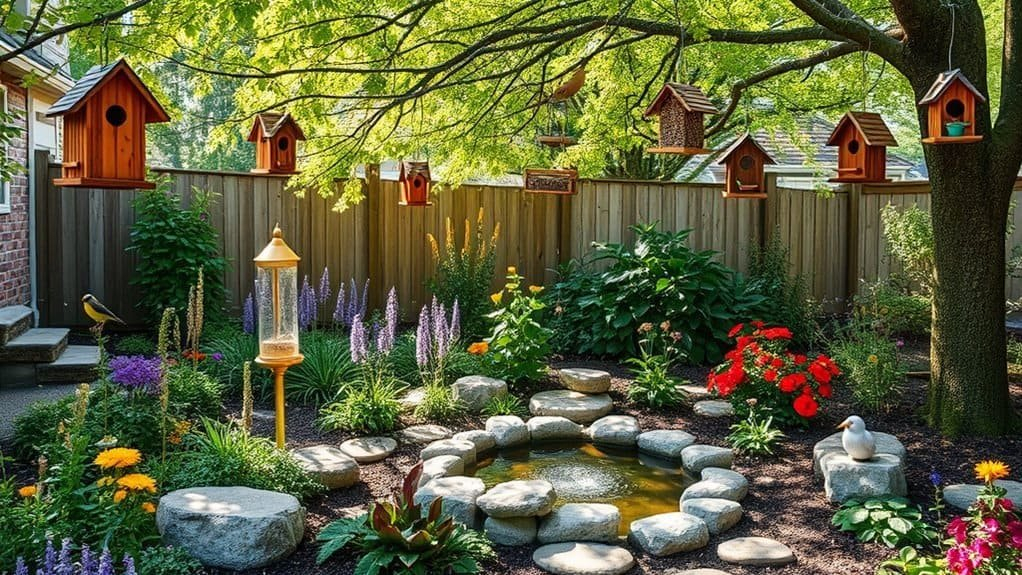
Flowers are the cafeteria, but pollinators need homes too. If you want them to stick around, you’ve got to provide shelter. This is where the "no-spray" approach really shines, because it allows you to leave things a bit wild. Think about it: where do bees nest? Many native bees are solitary ground-nesters. They need patches of bare, undisturbed soil. If you mulch every inch of your garden with thick wood chips, you’re blocking their front doors. Leave some spots open. Let the sun hit the dirt. It’s okay if it looks a little untidy. That’s where the magic happens.
Then there’s the "messy" stuff. Dead stems, leaf litter, fallen logs. To a human eye, it’s clutter. To a pollinator, it’s real estate. Hollow stems from plants like joe-pye weed or raspberry canes are perfect nesting sites for mason bees and leafcutter bees. Instead of cutting everything down in the fall, wait until late spring. This gives overwintering insects time to emerge. Leaf litter under shrubs provides insulation for moth pupae and bumblebee queens. By leaving these materials in place, you’re creating a layered habitat. It’s like building an apartment complex instead of just a parking lot.
Water is another often-overlooked element. Pollinators get thirsty, especially in the heat of summer. But a deep birdbath is a drowning hazard for tiny bees. Create a safe drinking station. Take a shallow dish, fill it with pebbles or marbles, and add water just below the top of the stones. This gives them a place to land and sip without falling in. You can even add a splash of salt or a pinch of dirt to provide minerals. It’s a small touch, but it makes a huge difference. Suddenly, your garden isn’t just a place to eat; it’s a place to live, drink, and raise a family. That’s how you build loyalty. That’s how you get them to stay.
Natural Pest Control That Actually Works
Okay, so you’ve stopped spraying. Now you’re seeing aphids. Maybe some Japanese beetles. Your instinct screams "do something!" But hold on. Nature has its own pest control squad, and they’re free. The key is attracting them. Ladybugs, lacewings, hoverflies, and parasitic wasps are the good cops. They eat the bad guys. But they won’t show up if you’ve sterilized your garden. They need pollen and nectar too, especially when prey is scarce. Plant umbel-shaped flowers like dill, fennel, yarrow, or Queen Anne’s lace. These tiny flowers are easy for small beneficial insects to access.
Sometimes, you need to give nature a nudge. If you see a heavy infestation of aphids on a rose bush, don’t panic. Try blasting them off with a strong jet of water from your hose. It’s surprisingly effective. It knocks them off the plant, and they rarely climb back up. Or, use your hands. Squish the beetles. Drop them in a bucket of soapy water. It’s visceral, sure, but it’s targeted. You’re only removing the problem insects, not carpet-bombing the whole ecosystem. Another trick? Companion planting. Marigolds, nasturtiums, and garlic can repel certain pests with their scent. It’s not 100% foolproof, but it helps tip the scales.
Patience is your strongest tool here. When you first stop using chemicals, there might be a surge in pests. This is normal. It’s called the "pesticide treadmill" breaking. Your beneficial insect population hasn’t caught up yet. Give it time. Within a season or two, you’ll see the balance restore itself. You’ll notice fewer outbreaks because the predators are established. It’s a self-regulating system. And honestly, watching a ladybug larva devour an aphid colony is way more satisfying than spraying poison. It’s active gardening. You’re observing, learning, and intervening only when necessary. It connects you to the rhythm of the land in a way chemicals never could.
Seasonal Care for Year-Round Vibrancy
A pollinator garden isn’t a set-it-and-forget-it project. It needs attention, but not the kind you might think. Spring is about cleanup and observation. Resist the urge to tidy up too early. Wait until daytime temperatures are consistently above 50°F (10°C) before removing last year’s debris. This protects overwintering bees and butterflies. Once you do clean up, compost the material or leave it in a corner of your yard. Start planting early bloomers now. Check your soil. If it’s compacted, gently aerate it. Add compost if needed, but avoid synthetic fertilizers. They promote fast, weak growth that attracts more pests.
Summer is the peak season. This is when your garden should be buzzing. Your main job here is watering. Deep, infrequent watering is better than shallow sprinkles. It encourages deep root systems, which make plants more drought-resistant. Mulch around your plants to retain moisture, but keep it away from the stems to prevent rot. Watch for signs of stress. Wilting leaves? Yellowing? Address the underlying issue, not just the symptom. If a plant is struggling, it might be in the wrong spot. Move it or replace it with something better suited. Deadhead spent flowers to encourage more blooms, but leave some seed heads for birds and bees. It’s a balancing act.
Fall and winter are about preparation and rest. Plant bulbs now for spring color. Sow seeds of native perennials that need cold stratification to germinate. Leave those standing stems and leaf litter we talked about. This is crucial. As the weather cools, pollinators are finding their winter homes. Don’t disturb them. Take this time to plan. What worked this year? What didn’t? Did you have enough late-season blooms? Did you see new visitors? Keep a journal. Note what you see. This data is gold. It helps you refine your garden for the next year. Gardening is a conversation with nature, and winter is when you listen.
Your garden doesn’t exist in a vacuum. It’s part of a larger landscape. If your neighbors are spraying heavily, your no-spray efforts might feel like a drop in the bucket. But don’t get discouraged. Lead by example. A vibrant, buzzing garden is contagious. People notice. They ask questions. "Why are there so many butterflies here?" "How do you keep your roses looking so good without spraying?" These are openings. Share your knowledge. Gift them a packet of native seeds. Invite them over to see the bees. You’re not just gardening; you’re advocating.
Consider joining or starting a local pollinator pathway. Groups like Pollinator Pathway are spreading across the country, connecting individual yards into corridors of habitat. When you link your garden with your neighbor’s, you create a highway for wildlife. It increases genetic diversity and resilience. It’s powerful stuff. You can also get involved with local conservation groups. They often have plant sales, workshops, and citizen science projects. Participating helps you learn more and meet like-minded people. It turns a solitary hobby into a community movement.
Finally, share your story online or in local newsletters. Talk about the challenges and the victories. Did you lose a plant to disease? Say so. Did you see your first monarch egg? Celebrate it. Authenticity resonates. People are tired of perfect, curated images. They want real advice from real people. By sharing your journey, you inspire others to take the leap. You show them that it’s possible. That it’s worth it. In 2026, we’re seeing a huge shift towards regenerative landscaping. You’re part of that wave. Every no-spray garden is a vote for a healthier planet. It’s a small act, but multiplied by millions, it changes everything. So keep going. Keep growing. And keep sharing.
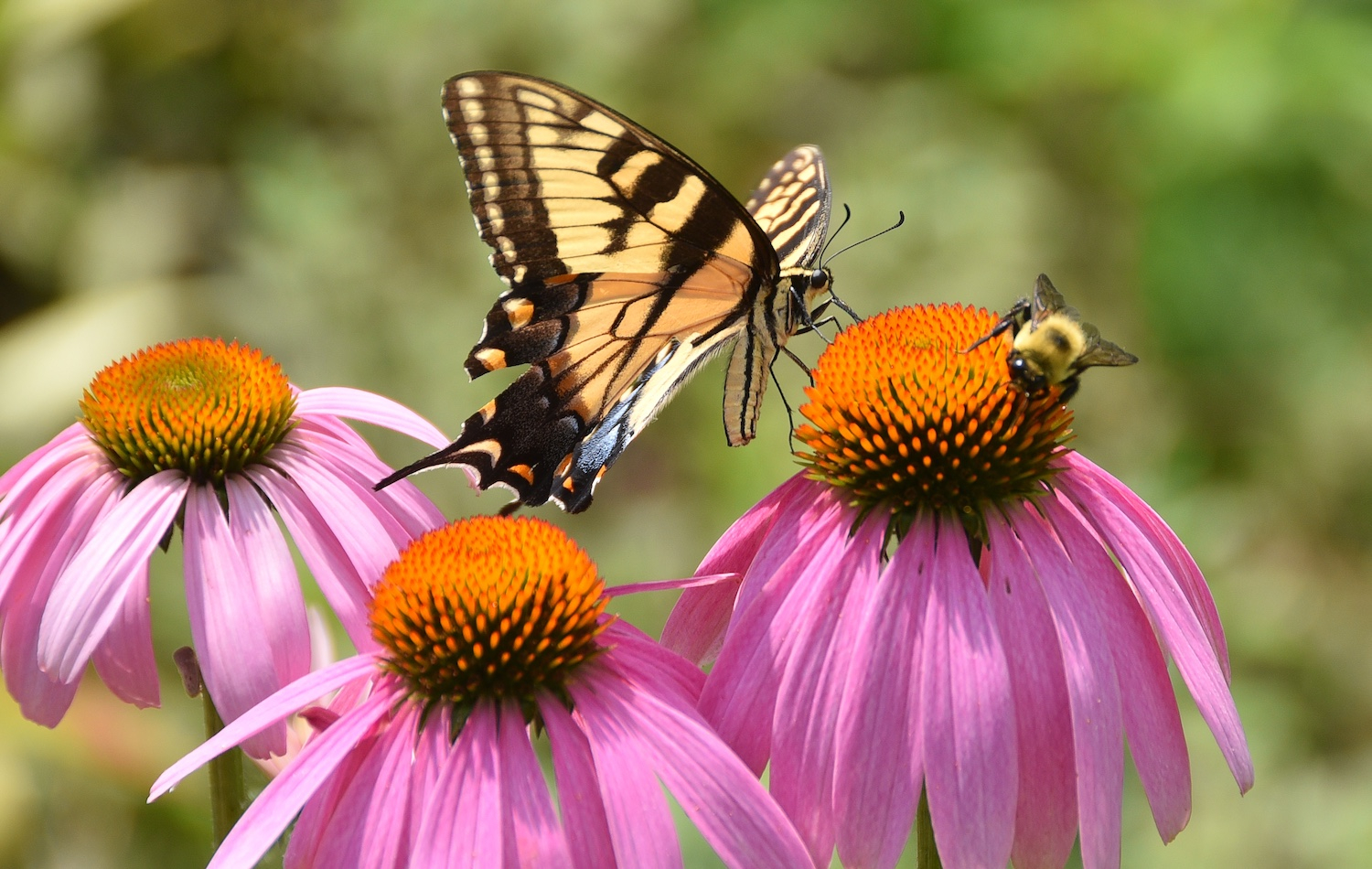
The path to a no-spray garden isn’t always smooth. There will be moments of doubt. You’ll see bugs eating your prized plants and feel that twinge of loss. But then, you’ll see a hummingbird hover over a bee balm flower. You’ll spot a fuzzy bumblebee tucked into a coneflower. You’ll hear the hum of life. And you’ll realize that the trade-off was worth it. You’ve created something alive. Something resilient. Something true.
It takes time. It takes observation. It takes a willingness to let go of control. But the reward is a garden that feeds your soul as much as it feeds the bees. It’s a place of connection. Of wonder. Of hope. So put down the spray bottle. Pick up a pair of binoculars. Watch closely. Learn constantly. And let your garden wild. The pollinators will thank you. And honestly? So will you.
[sps_html tag=”img” src=”https://cdn.northcarolinafinearchitecture.com/2026/06/how-and-why-to-grow-a-butterfly-bush-the-garden-glove-with-regard-to-outdoor-pollinator-garden-design.jpg” alt=”How (And Why) To Grow A Butterfly Bush • The Garden Glove with regard to Outdoor Pollinator Garden Design” style=”width: 100%; height: auto;”]
[sps_html tag=”img” src=”https://cdn.northcarolinafinearchitecture.com/2026/06/how-to-plant-a-pollinator-garden-flower-magazine-for-how-to-create-continuous-blooms-for-bees-and-butterflies-all-season.jpg” alt=”How To Plant A Pollinator Garden - Flower Magazine for How to Create Continuous Blooms for Bees and Butterflies All Season” style=”width: 100%; height: auto;”]
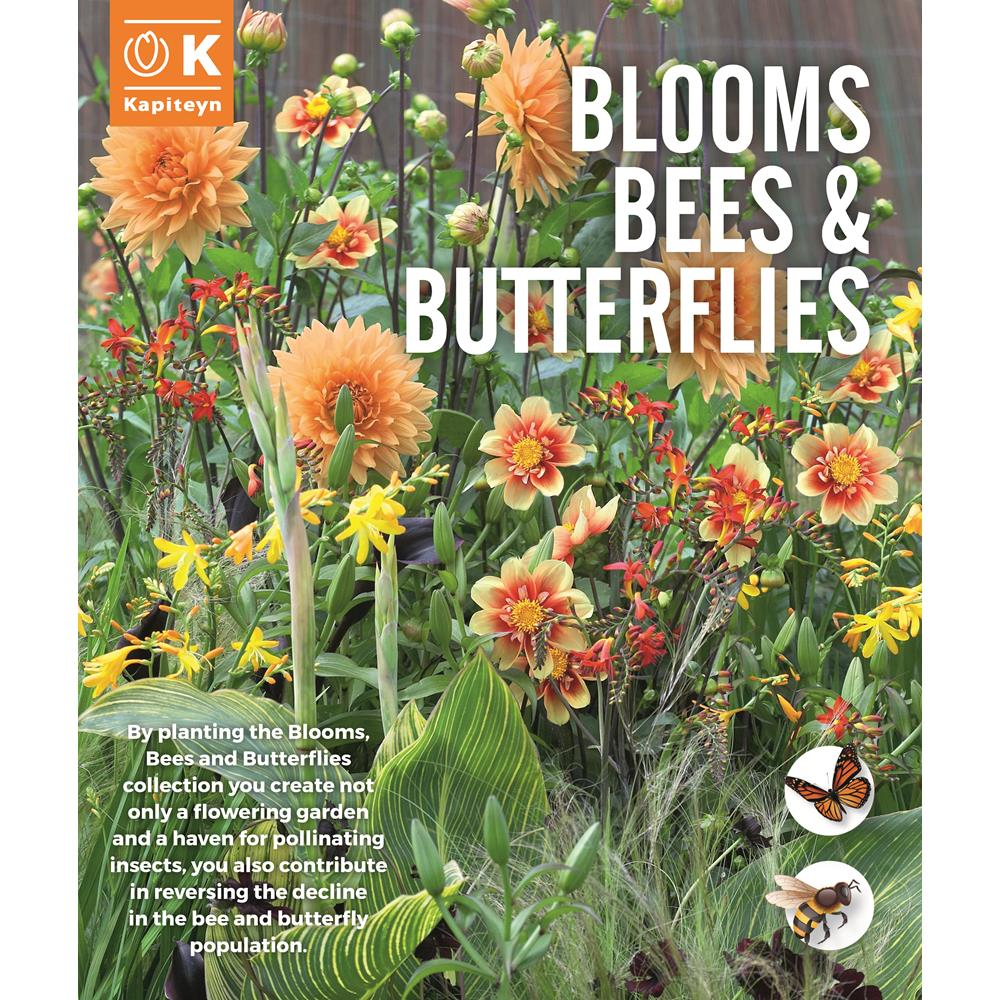
[sps_html tag=”img” src=”https://cdn.northcarolinafinearchitecture.com/2026/06/blooms-bees-butterflies-salmon-orange-summer-bulbs-polhill-inside-how-to-create-continuous-blooms-for-bees-and-butterflies-all-season.jpg” alt=”Blooms, Bees & Butterflies Salmon- Orange - Summer Bulbs - Polhill … inside How to Create Continuous Blooms for Bees and Butterflies All Season” style=”width: 100%; height: auto;”]
[sps_html tag=”img” src=”https://cdn.northcarolinafinearchitecture.com/2026/06/bees-butterflies-and-blooms-tv-time-pertaining-to-outdoor-pollinator-garden-design.jpg” alt=”Bees, Butterflies And Blooms | Tv Time pertaining to Outdoor Pollinator Garden Design” style=”width: 100%; height: auto;”]
[sps_html tag=”img” src=”https://cdn.northcarolinafinearchitecture.com/2026/06/10-flowers-to-attract-hummingbirds-bees-and-butterflies-plantbeacon-com-inside-outdoor-pollinator-garden-design.jpg” alt=”10 Flowers To Attract Hummingbirds Bees And Butterflies – Plantbeacon.com inside Outdoor Pollinator Garden Design” style=”width: 100%; height: auto;”]