Drive down a newly developed residential boulevard at dusk, and you will instantly notice the difference between a lighting project that was carefully engineered and one that was simply thrown together. On one side of the street, uniform pools of warm-toned illumination cascade across the sidewalk and asphalt, complementing the modern architecture of the surrounding homes. Fifty yards away, the mood shifts jarringly: a blindingly harsh white glare spills into second-story bedroom windows, while an adjacent pole sits completely dark, its battery already dead from three consecutive days of winter cloud cover.
That sudden blackout is rarely the fault of the sun; it is the inevitable consequence of skipping the granular, unglamorous math of solar street light sizing. For municipal planners, landscape architects, and commercial developers, getting the lighting right requires balancing cold technical physics with visual elegance. A solar-powered luminaire is not a standalone gadget you pull out of a box and bolt to the nearest piece of metal. It is a tightly integrated micro-utility system where a millimeter of panel tilt, a single percentage point of battery depth-of-discharge, or an out-of-scale pole diameter can spell the difference between decades of seamless operation and an expensive public relations disaster.
The stakes have only grown higher as cities transition toward decentralized, low-carbon infrastructure. Modern developments demand clean energy solutions that blend effortlessly into urban and rural landscapes without cluttering the skyline with ugly trench lines or massive, industrial battery boxes. Achieving this requires looking past generic product datasheets and mastering the intricate ecosystem of solar photovoltaic (PV) sizing, electrochemical storage capacities, optical distribution patterns, and structural aesthetics.
The Invisible Architecture: How Sizing Deficiencies Sabotage Urban Lighting
Every successful solar street lighting project begins with a relentless commitment to numbers. When engineers talk about sizing, they are referring to the delicate synchronization of three core variables: the power consumption of the LED luminaire, the energy generation capacity of the photovoltaic panel, and the energy storage limit of the battery bank. If any single component is undersized by even ten percent, the entire system degrades rapidly under real-world operating conditions.
Consider the common trap of relying on peak sun hours (PSH) averages without factoring in localized microclimates, seasonal tilt adjustments, or soiling losses. Dust, bird droppings, and fallen leaves can quietly choke a solar panel’s energy yield by 15 to 20 percent within weeks. If the PV array was calculated using laboratory-ideal conditions rather than site-specific historical irradiance data, the battery will consistently fail to reach a full charge before nightfall. Over time, lead-acid or lithium iron phosphate (LiFePO4) cells suffer from chronic partial-state-of-charge operation, leading to sulfation or premature chemical breakdown.
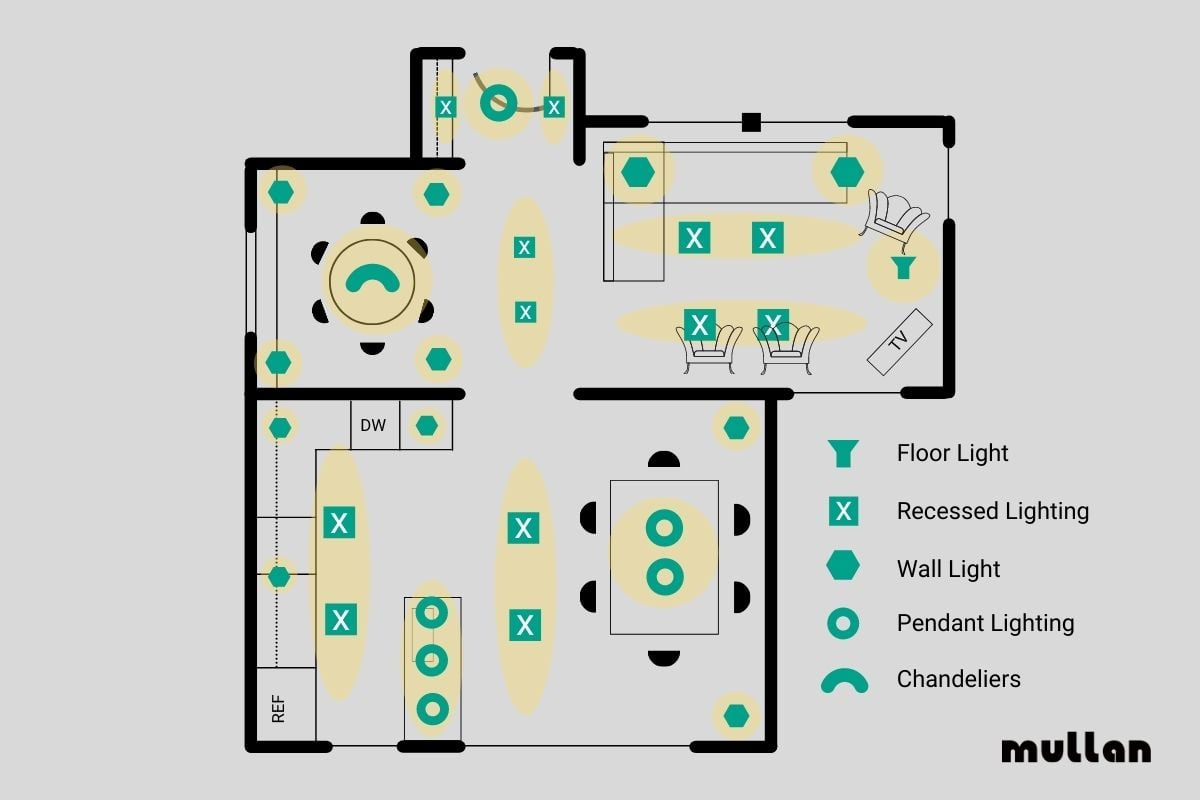
Beyond raw electrical mathematics, optical sizing dictates how photons interact with the physical environment. Luminaire wattage must be strictly matched to pole height and road width. A common mistake involves deploying high-wattage, narrow-beam fixtures on short, closely spaced poles, creating zebra-striped hot spots and dangerous blind corners. Conversely, mounting a low-lumen fixture atop a twelve-meter pole leaves the street level cloaked in shadows. Precise photometric calculations using industry-standard tools ensure that illuminance (lux) and luminance (cd/m²) meet regional safety codes, preventing light trespass while maintaining uniform visual comfort for drivers and pedestrians alike.
Beyond the Utility Pole: The Critical Intersection of Structural Engineering and Visual Design
While electrical calculations keep the light on, structural engineering and industrial design determine whether the hardware survives a severe windstorm and whether the community actually welcomes it in their neighborhood. A solar street light pole is subjected to massive aerodynamic loads. Unlike traditional grid-tied poles that only need to support a modest fixture at the top, solar poles must anchor a heavy, sail-like photovoltaic panel angled directly into the wind.
If the wind-load rating of the pole, anchor bolts, and bracket assembly is miscalculated, a severe weather event can twist the panel out of alignment or catastrophic failure can occur, bringing down heavy hardware onto public walkways. Hot-dip galvanized steel or extruded aluminum alloys are non-negotiable standards for structural longevity, but the finish matters just as much. Industrial powder coating not only protects the metal from corrosive coastal salt spray or urban pollution, but it also transforms an aggressive, purely functional utility pole into an elegant architectural element.
Aesthetic planning means treating lighting hardware as furniture for the public realm. In historic downtown districts or upscale commercial plazas, standard industrial silver poles and bulky external battery boxes instantly destroy the visual harmony of the streetscape. Integrating lithium battery packs directly inside the pole shaft or neatly concealed beneath the panel mount preserves clean, minimalist silhouettes. When designers coordinate color palettes, pole profiles, and luminaire housing shapes with surrounding street furniture, benches, and landscaping, the solar lighting system becomes an invisible asset that elevates the entire public experience during the day and enlivens it by night.
Methodical Sizing and Planning: A Step-by-Step Practitioner Framework
Executing a flawless solar street lighting project demands a disciplined, linear workflow. Skipping steps or guessing values inevitably leads to expensive field modifications. Follow this structured framework to ensure every installation meets rigorous engineering and design standards:
- Step 1 (Site Auditing and Irradicance Mapping): Gather historical solar insolation data for the exact geographical coordinates, accounting for shading from surrounding buildings, mature tree lines, and mountain horizons across all four seasons.
- Step 2 (Photometric Layout and Classification): Determine the road classification (e.g., residential, collector, or arterial) to establish target foot-candle or lux levels, and use lighting simulation software to model pole spacing, arm length, and optical distribution types (Type II, III, or V).
- Step 3 (Electrical Component Sizing): Calculate the total daily energy demand (watt-hours) of the LED luminaire, factoring in intelligent dimming profiles, and size the PV module and LiFePO4 battery bank to guarantee a minimum of three to five days of autonomous backup capacity during prolonged inclement weather.
- Step 4 (Structural and Wind-Load Verification): Select pole heights, wall thicknesses, and anchor cage designs that comply with local wind-loading codes (ASCE or Eurocode standards), ensuring the structure can safely handle the surface area and weight of the top-mounted solar array.
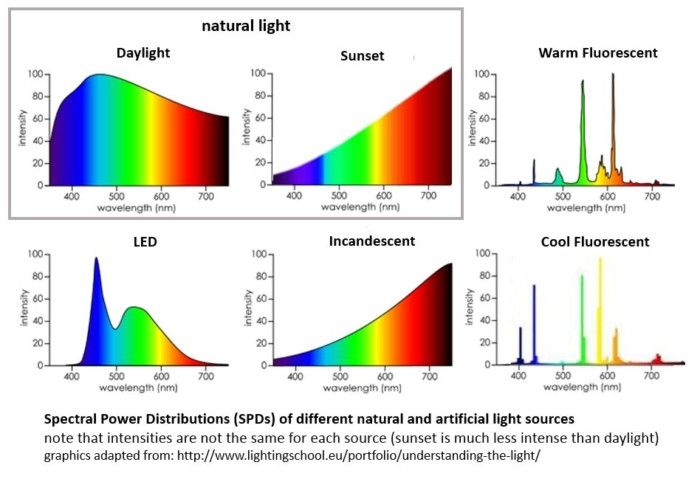
- Step 5 (Aesthetic and Material Integration): Choose appropriate finishes, color temperatures (typically 3000K to 4000K for balanced warmth and visibility), and housing designs that complement the architectural context of the project site.
Navigating Complications: Common Pitfalls and Field-Tested Workarounds
Even experienced project managers occasionally stumble when unexpected site conditions clash with theoretical blueprints. Anticipating these common traps saves valuable time and prevents costly equipment failures down the road.
- Pitfall 1 (Ignoring Winter Tilt Angle Losses): Setting solar panels at a flat, horizontal angle to save on mounting hardware costs allows water and debris to pool, while severely reducing energy capture during low-sun winter months. Workaround: Always size the tilt angle to latitude plus 15 degrees for fixed installations, or specify adjustable seasonal brackets in high-latitude regions.
- Pitfall 2 (Overlooking Micro-Shading Hazards): A designer might confirm a clear southern exposure during a summer site visit, ignoring deciduous trees that drop leaves in winter or newly planned architectural additions nearby. Workaround: Conduct a comprehensive solar pathfinder analysis to map horizon obstructions across the entire annual cycle before locking in locations.
- Pitfall 3 (Disregarding Battery Operating Temperatures): Placing standard lithium batteries in unvented, surface-mounted metal boxes directly exposed to scorching desert sun or freezing sub-zero environments will trigger thermal cutoff or permanent cell damage. Workaround: Bury battery enclosures underground where soil temperatures remain stable, or specify integrated pole-shaft designs with active thermal management and low-temperature charging protection.
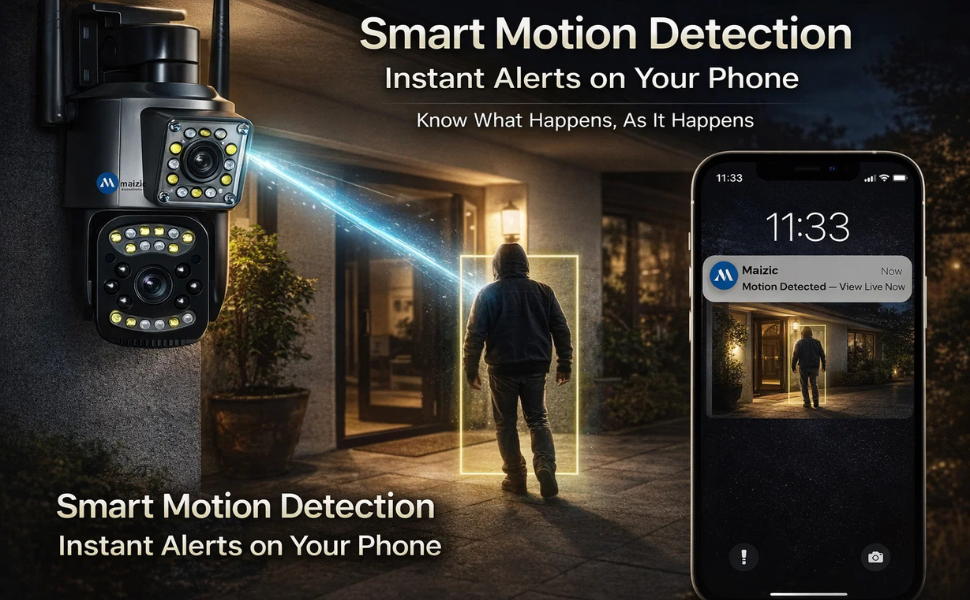
- Pitfall 4 (The "Brighter is Better" Fallacy): Installing unnecessarily high-lumen output fixtures to ensure safety complaints are avoided, which rapidly drains batteries, causes light pollution, and blinds drivers. Workaround: Stick strictly to IESNA recommended practice guidelines for the specific application and implement motion-sensor adaptive dimming to conserve energy during low-traffic hours.
- Pitfall 5 (Neglecting Future Maintenance Access): Mounting complex charge controllers and battery banks deep inside inaccessible pole sections without proper disconnect switches or service doors. Workaround: Insist on modular, plug-and-play components with clear labeling, accessible base-level service panels, and smart IoT remote monitoring capabilities for diagnostic checks without a bucket truck.
The Broader Horizon: Economic Value, Smart Integration, and Sustainable Planning
When solar street lighting is executed with meticulous attention to detail, the long-term benefits extend far beyond carbon offsets and zero electric bills. Financially, commercial-grade solar systems eliminate the need for costly trenching, heavy copper wiring, and utility transformer tie-ins, often making the initial capital expenditure comparable to—or lower than—grid-tied alternatives when infrastructure excavation is factored in. Over a twenty-year operational lifecycle, municipalities and private developers avoid continuous utility rate hikes and massive maintenance overhauls.
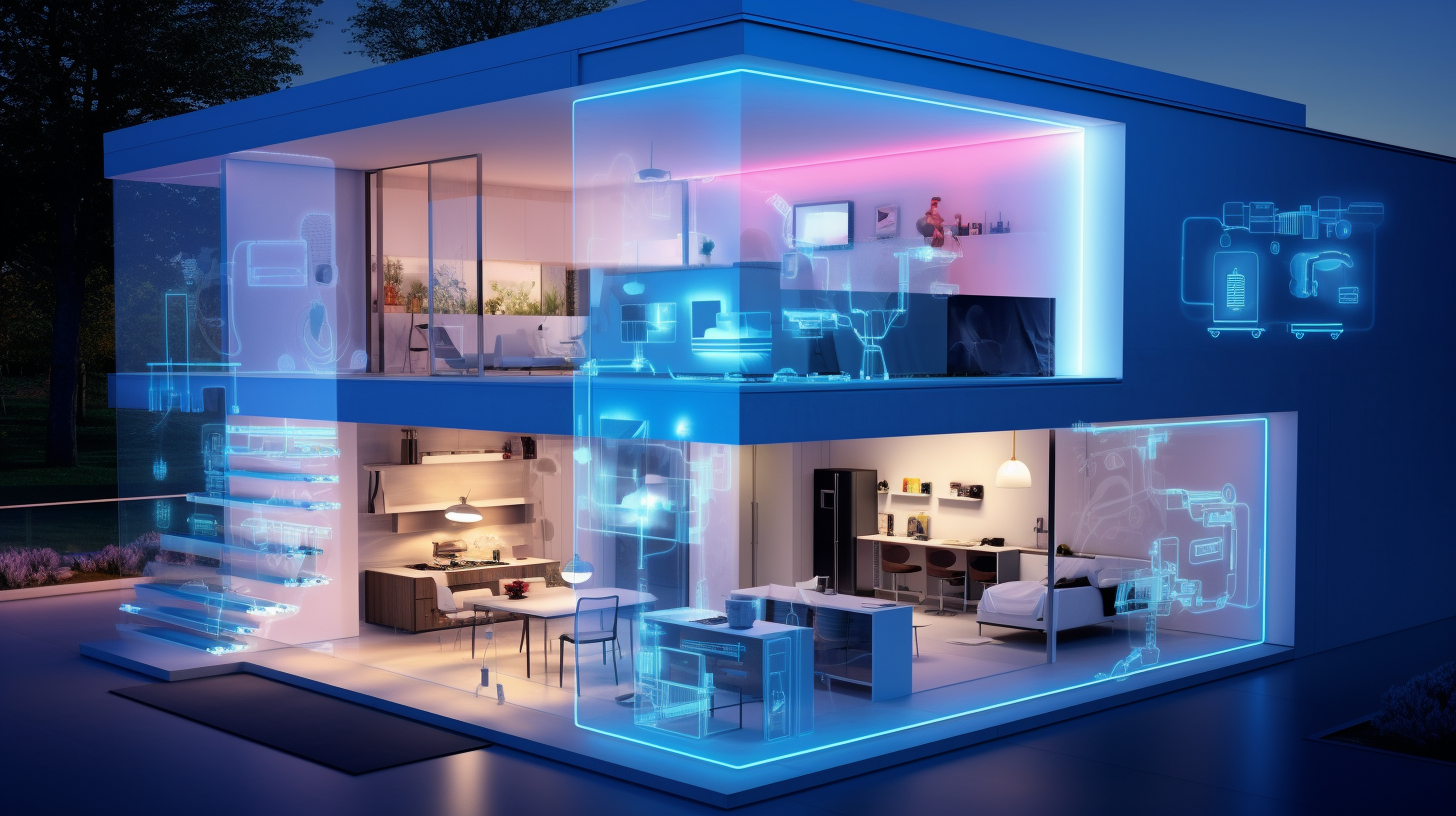
Moreover, modern solar lighting is rapidly converging with smart city architecture. Today’s advanced deployments feature integrated IoT controllers, environmental sensors, and adaptive micro-radar motion detection. These systems do not just sit passively in the dark; they communicate in real-time. When a pedestrian walks down a dark suburban pathway at 2:00 AM, the adjacent light seamlessly ramps up from an eco-friendly 20 percent standby dim to full brightness, then dims back down once the path is clear. This dynamic functionality maximizes battery longevity while providing a profound sense of localized safety.
Aesthetic planning plays a vital role in public acceptance of these technologies. Communities are naturally resistant to clunky, experimental infrastructure that looks out of place. By treating solar luminaires as sophisticated pieces of public design rather than utilitarian afterthoughts, planners bridge the gap between sustainability and civic pride. Beautifully illuminated public spaces foster vibrant evening economies, encourage pedestrian mobility, and prove that green infrastructure does not require aesthetic compromises.
Practical Recommendations for Project Success
Transforming theoretical engineering concepts into a reliable, beautiful real-world installation requires adherence to a few core operational principles.
- Prioritize Component Transparency: Never accept generic, unbranded battery cells or untraceable PV panels. Insist on Tier-1 photovoltaic modules and Tier-1 LiFePO4 cells with documented cycle life ratings exceeding 3,000 cycles at 80% depth of discharge.
- Invest in Smart Monitoring: Equip all commercial installations with remote IoT telemetry gateways. Catching a failing charge controller or an unexpected drop in battery voltage via dashboard alert prevents sudden dark zones before citizens even notice a problem.
- Tailor Color Temperatures to Context: Avoid cold, bluish 6000K LEDs in residential zones where harsh lighting disrupts circadian rhythms and human comfort. Opt for warmer 3000K to 4000K fixtures that provide high color rendering indices (CRI) for natural color recognition and pedestrian safety.
- Collaborate Across Disciplines: Bring civil engineers, landscape architects, and electrical specialists to the table during the initial schematic phase. Sizing and aesthetics cannot be treated as separate, sequential steps; they must evolve in tandem to create a cohesive final design.
The humble street light has quietly undergone a quiet revolution. No longer just a passive bulb tethered to a sprawling, fragile electrical grid, it has evolved into an autonomous, intelligent micro-generator capable of beautifying our public spaces while cutting the cord on fossil fuels. Yet, this technology remains unforgiving of shortcuts. Every watt calculated, every degree of panel tilt, and every contour of the pole housing holds profound weight in determining whether a project thrives for decades or fails in its first winter.
Mastering the intricate details of solar street light sizing and aesthetic planning is ultimately an exercise in respect—respect for the laws of physics, the demands of the environment, and the human communities that rely on these lights to guide their way home safely. As we look toward increasingly electrified and densely populated urban futures, the projects that stand the test of time will not be those built in a rush, but those crafted with obsessive, meticulous care down to the very last bolt.