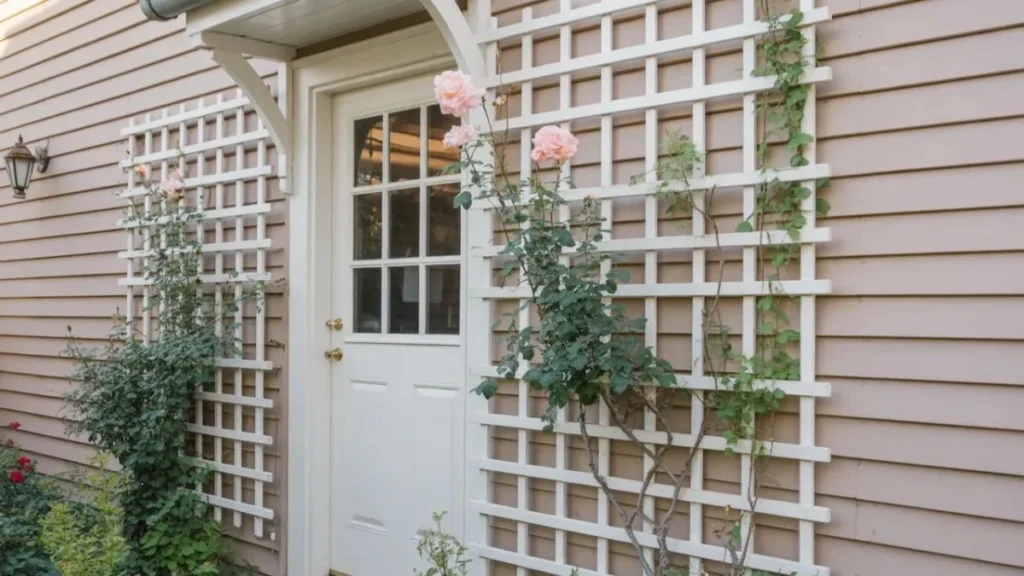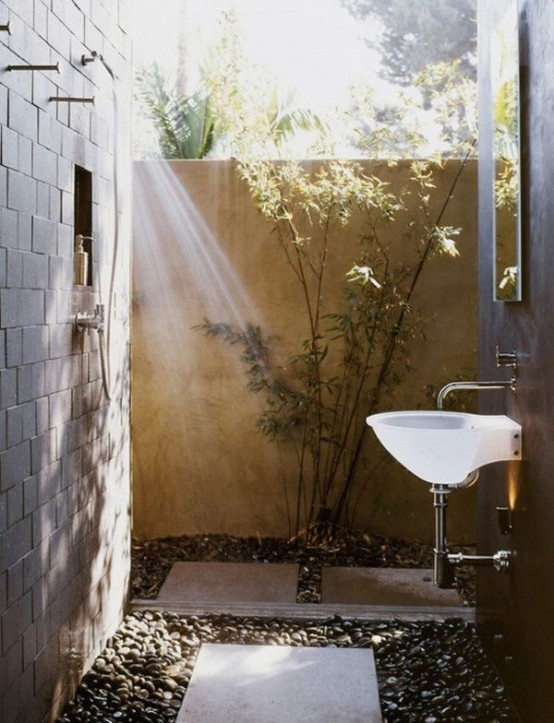
We all crave that perfect outdoor sanctuary where we can relax without prying eyes from neighbors or passersby. It’s hard to unwind when you feel like you’re on display, isn’t it? A backyard should feel like a sanctuary, but nosy neighbors and open sightlines can ruin that sense of peace. You don’t need a massive construction project or a bulky fence to fix this. Adding a trellis is a classic, practical way to create privacy while bringing natural beauty and personality into your outdoor space.
Trellises support climbing plants, block unwanted views, and add architectural structure. They are more than just garden accessories; they are the bones of your private oasis. Whether you have a tiny patio or a sprawling lawn, there is a design that fits. In 2026, the trend is moving away from cold, imposing barriers toward living, breathing screens that soften the edges of our homes. Let’s look at how you can transform your space into a secluded retreat without breaking the bank or losing your mind.
The Psychology of Green Screens
Why do we feel calmer behind a wall of leaves? It’s not just about hiding from the neighbor’s dog. It’s about creating a boundary that feels soft rather than hard. Traditional fences can feel like cages, but a trellis draped in greenery feels like an embrace. This shift in perspective is key. When you choose a trellis, you aren’t just building a barrier; you are curating an experience. Imagine lounging in your backyard, surrounded by lush greenery while feeling shielded from the prying eyes of neighbors. That feeling of safety allows your nervous system to downshift.
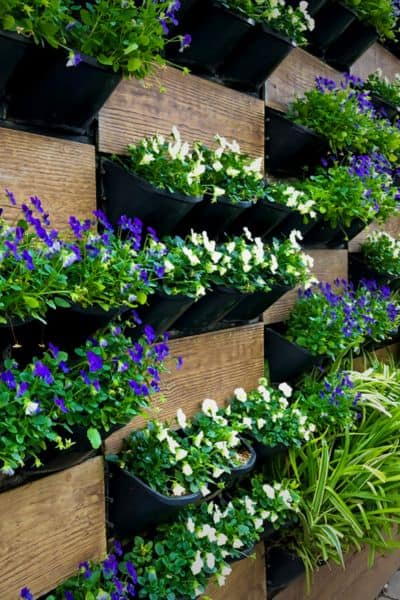
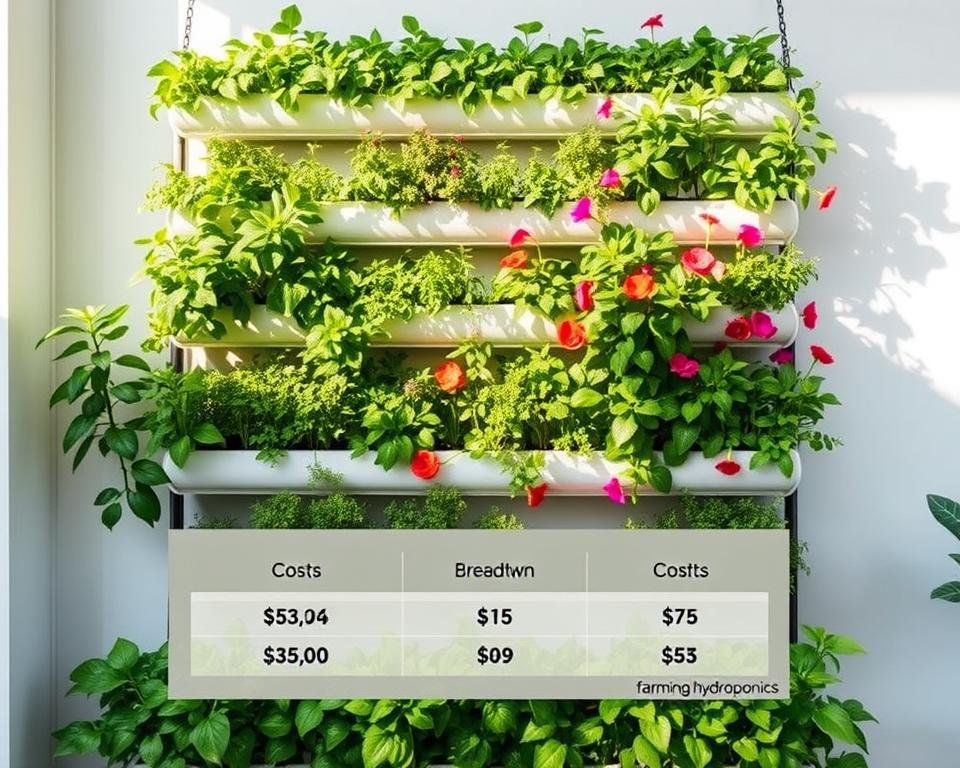
Vertical garden walls bring life and color to your backyard, turning bland walls into living works of art. Picture yourself sipping tea beside a wall of fragrant blossoms and fresh herbs, enveloped in nature’s embrace. These walls provide privacy while infusing your space with greenery, creating a lush, calming environment. The scent of jasmine or the rustle of ivy adds a sensory layer that a wooden fence simply can’t match. It’s about engaging all your senses to create a true escape.
In recent years, researchers and designers have noted that "biophilic" elements—those that connect us to nature—reduce stress significantly. A trellis is the easiest way to introduce this into a small space. It doesn’t require a huge footprint. It goes up, not out. This verticality draws the eye upward, making the space feel larger and more open, even though it is enclosed. It’s a clever trick that makes your yard feel expansive yet intimate.
Choosing the Right Structure for Your Space
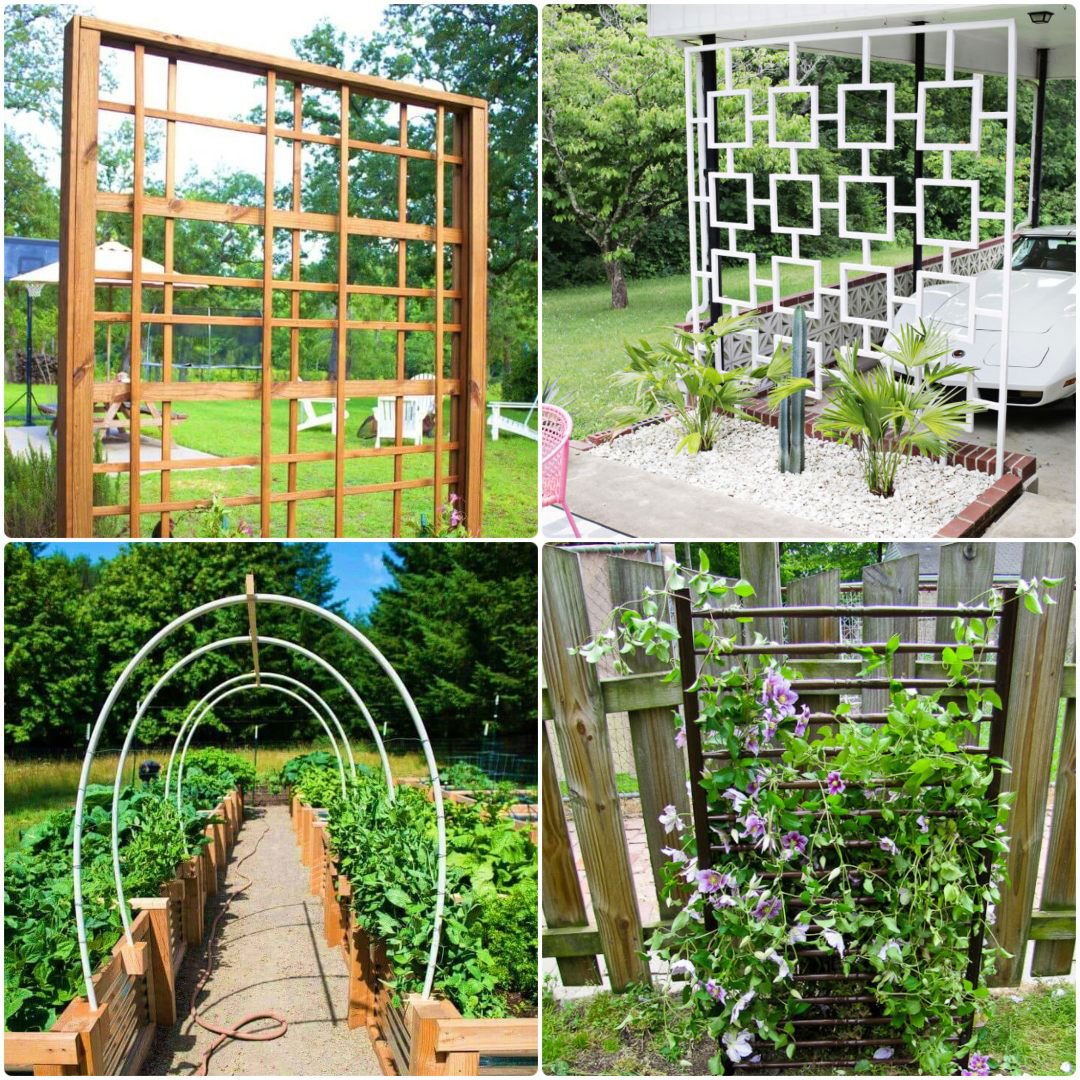
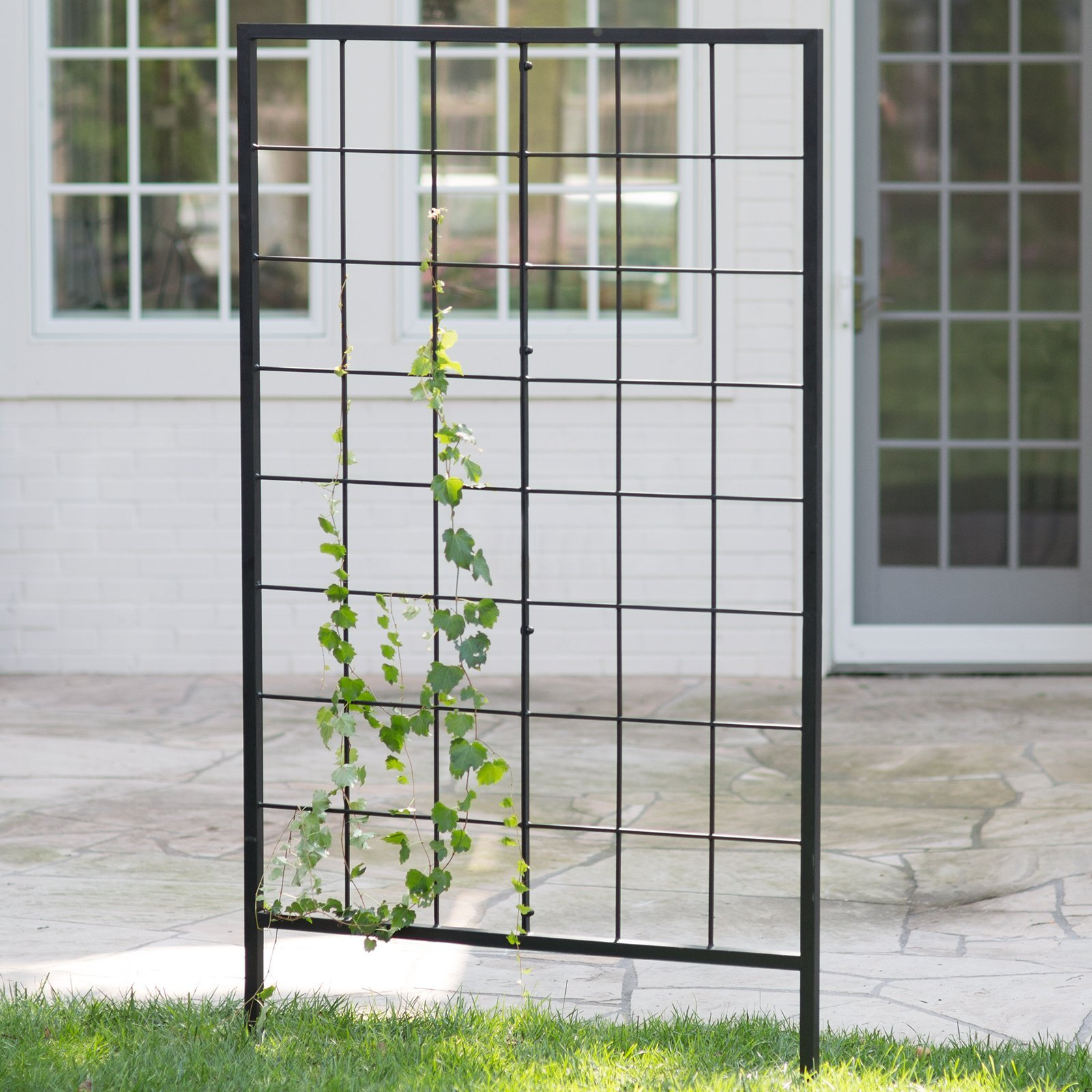
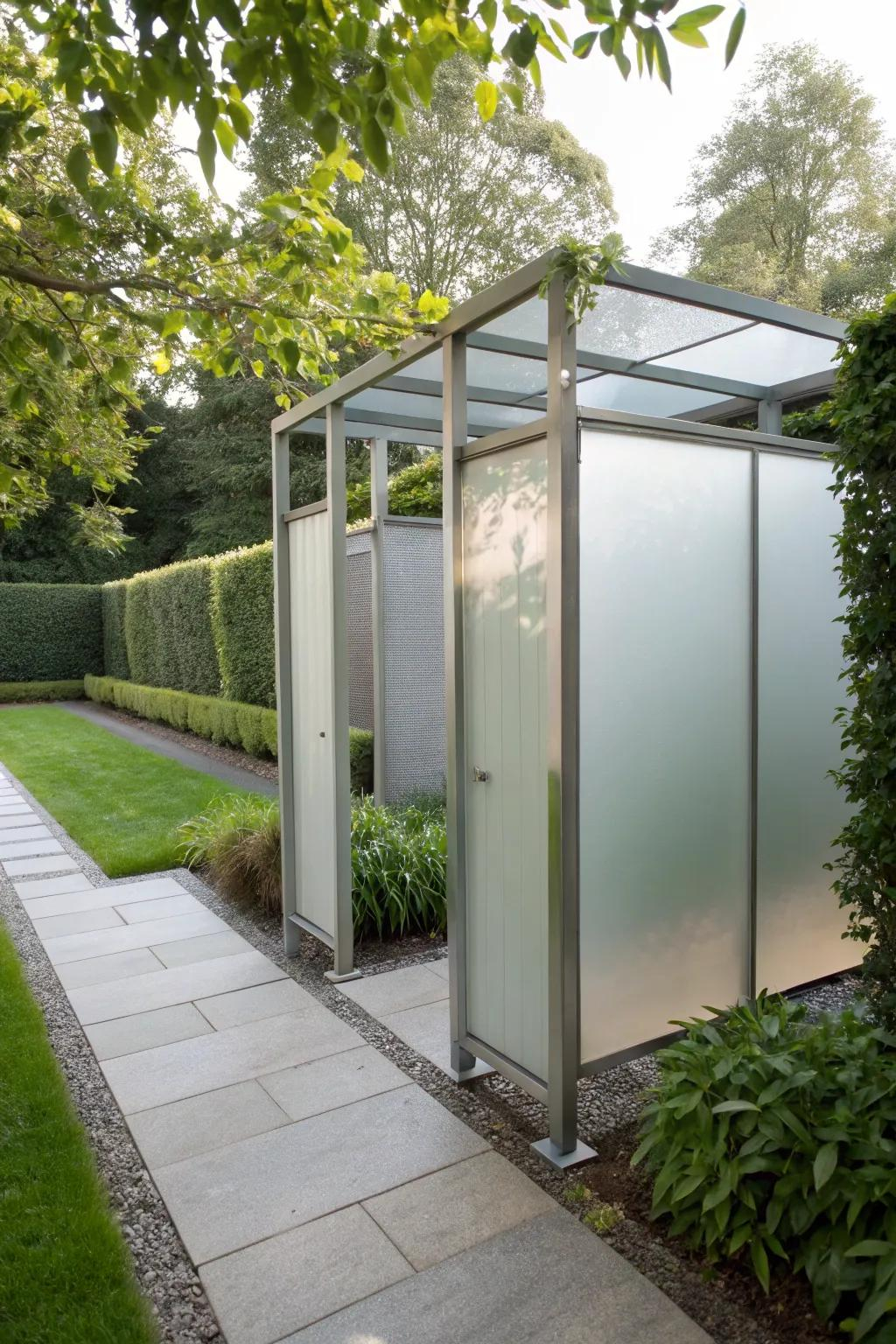
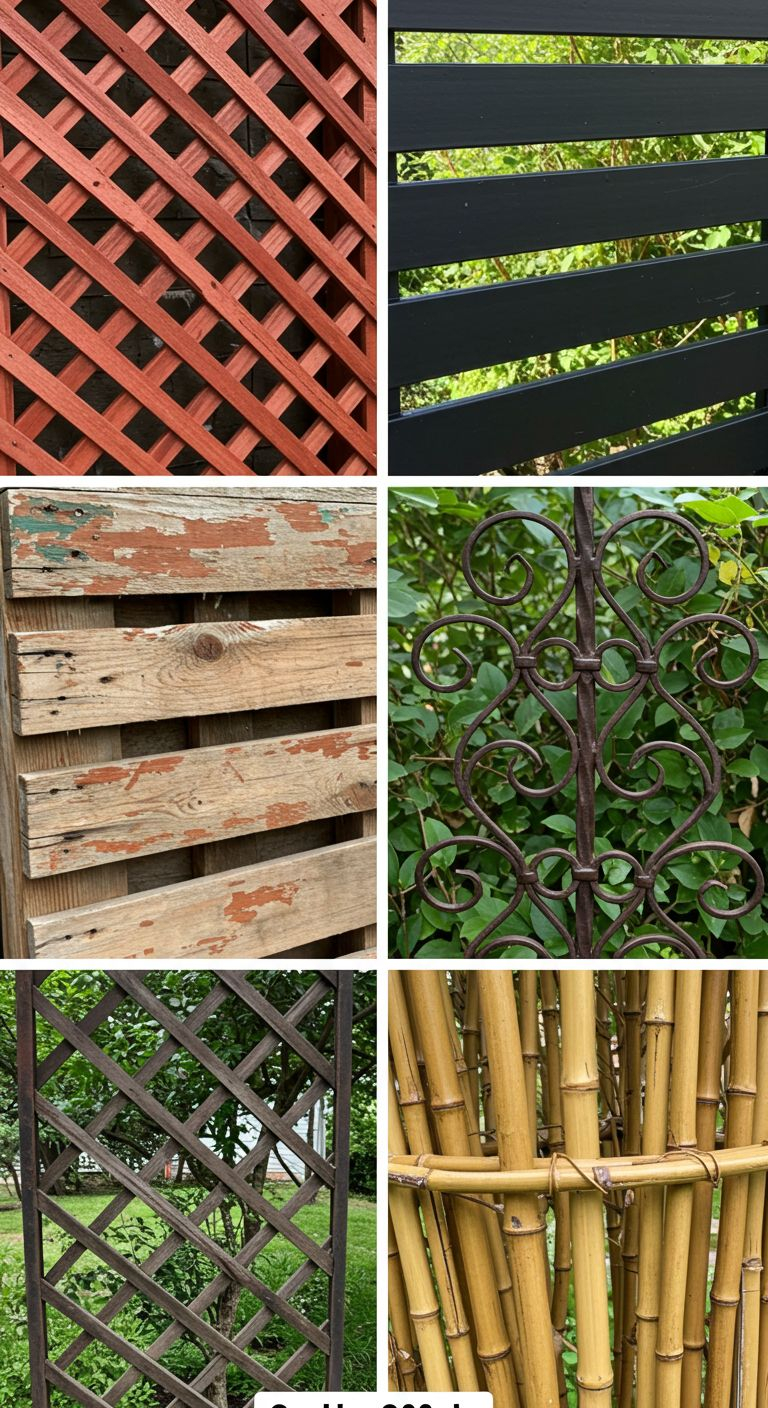
Not all trellises are created equal. The material and shape you choose will define the vibe of your sanctuary. From rustic wooden designs to sleek metal structures, these trellises can transform your garden into a cozy retreat. Wood offers warmth and blends seamlessly with traditional gardens. Cedar and redwood are popular choices because they resist rot and look great as they weather. If you prefer a modern look, powder-coated steel or aluminum provides clean lines and durability. These materials are low maintenance and can handle harsh weather without warping.
Consider the scale of your yard. A massive wooden lattice might overwhelm a small patio, while a delicate wire mesh might get lost in a large garden. Wooden Free-Standing Trellis options enhance your outdoor space with versatility. They are movable, which means you can adjust your privacy screen as the sun moves or as your plants grow. This flexibility is invaluable. You aren’t stuck with one layout forever. You can experiment.
Garden Arch Trellis designs are another fantastic option. They create a charming reading nook with a sturdy arch featuring lush climbing plants. An arch acts as a gateway, psychologically marking the transition from the "public" part of your yard to your "private" zone. It frames the view and adds a touch of romance. Plus, it’s a great spot for hanging a swing or a hammock chair. The key is to match the structure to your existing architecture. If your house has modern lines, go sleek. If it’s a cottage, go rustic. Harmony matters.
Plant Selection for Maximum Coverage
A trellis is only as good as the plants you put on it. For true privacy, you need density. You want a screen, not a sieve. Tall growing vegetables like pole beans, cucumbers, squash, peas, and indeterminate tomatoes all climb trellises enthusiastically. They grow dense enough to block sightlines within weeks of planting. This is a productive vegetable garden trellis that serves double duty—it screens your backyard from neighbors and grows food at the same time. It’s efficient and rewarding.
If you prefer flowers, consider fast-growing climbers like clematis, honeysuckle, or morning glories. These plants offer beauty and scent, but be mindful of their lifecycle. Annuals will die back in winter, leaving you exposed. Perennials provide year-round structure, though they might take longer to establish. Evergreen climbers like star jasmine or ivy are the gold standard for permanent privacy. They keep their leaves through the coldest months, ensuring you aren’t staring at bare branches in January.
Mixing plants can also work well. Combine a fast-growing annual with a slower perennial. The annual gives you immediate coverage while the perennial establishes its roots. This layered approach ensures you have privacy now and in the future. Don’t forget to consider the light conditions. Some plants love full sun, while others thrive in shade. Match the plant to the spot, or you’ll end up with a sparse, unhappy screen. Check your hardiness zone for 2026 recommendations to ensure your choices will survive your local climate.
DIY Projects and Budget-Friendly Hacks
Creating privacy in your backyard doesn’t have to be expensive or require major construction. There are countless creative answers that’ll transform your space into a secluded retreat. You don’t need to hire a contractor to build a custom woodwork masterpiece. Many effective trellis ideas can be implemented using pots and garden materials you already have. Old ladders, repurposed window frames, or even simple bamboo stakes can form the basis of a stunning screen.
One popular DIY method involves using cattle panels. These are sturdy, cheap, and easy to bend into arches or stand upright. Paint them black for a modern industrial look, or leave them galvanized for a rustic feel. Attach them to posts driven into the ground, and you have an instant structure. Then, just add plants. It’s simple, effective, and costs a fraction of a pre-made panel. Another idea is to use tension rods between two walls or posts to hang lightweight wire mesh. This is perfect for renters who can’t drill holes.
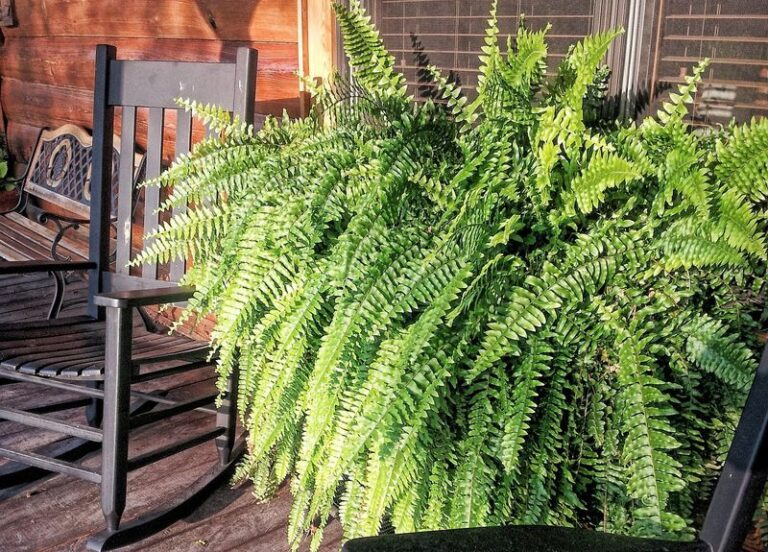
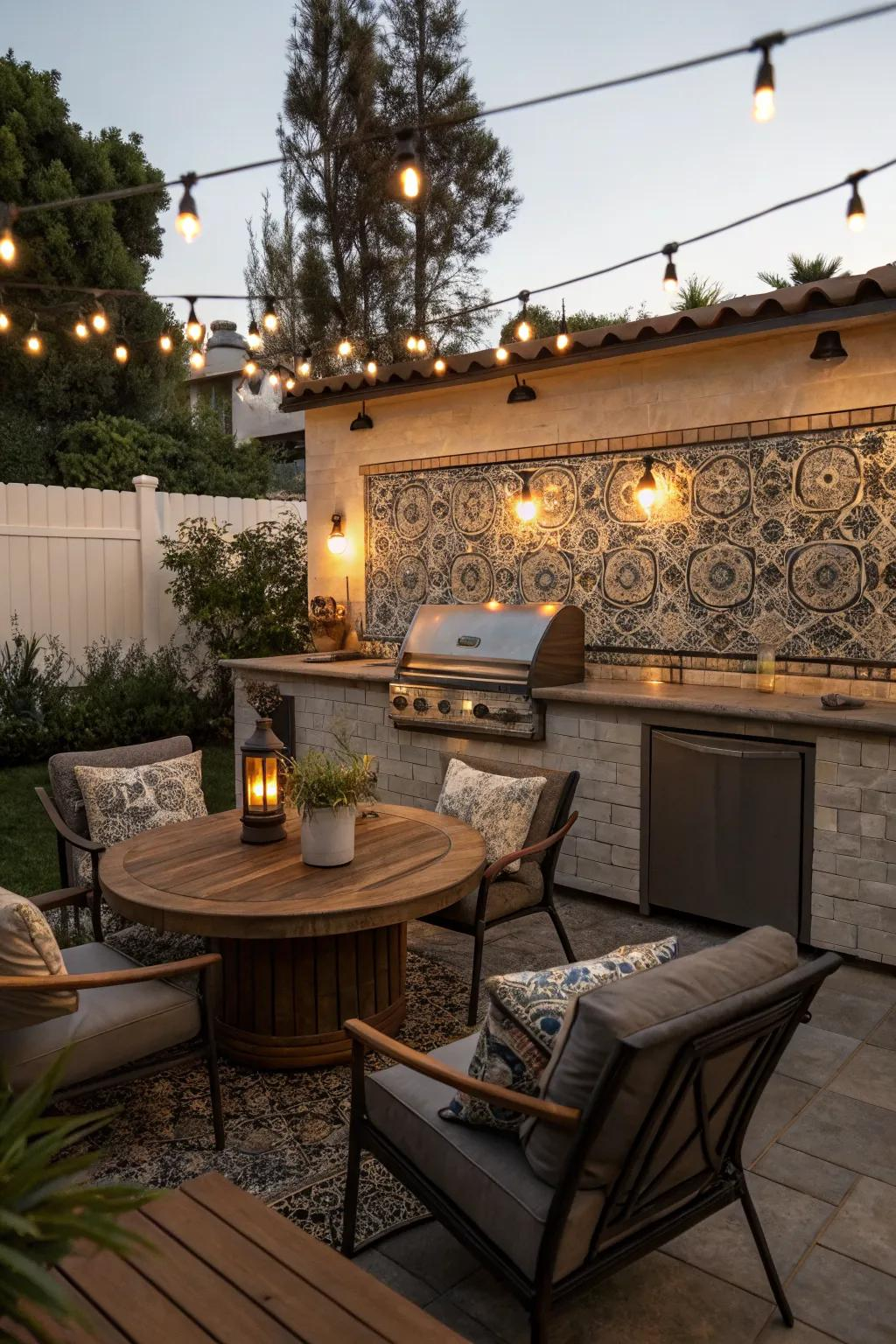
For a more decorative touch, try cutting rectangular openings into the slats of a wooden pallet to nestle black metal planters overflowing with ferns. This adds depth and texture. Mount a round bronze mirror in the center to bounce light and fake a larger yard. Mirrors are a designer secret for making small spaces feel bigger and brighter. Drape warm Edison bulbs across the top to finish your private sanctuary. Lighting extends the usability of your space into the evening, making it feel cozy and inviting. Anchor the room with a concrete fire pit and two charcoal armchairs to complete the vibe.
Integrating Comfort and Atmosphere
A privacy screen is useless if you don’t want to sit there. The goal is to create a room outdoors. Think about flooring, seating, and shade. A trellis can support a canopy of vines that provides natural shade, reducing the heat on hot summer days. This makes your sanctuary usable even in the peak of July. Add outdoor rugs to define the space and make it feel like an extension of your living room. Soft textures underfoot invite you to kick off your shoes and relax.
Lighting plays a huge role in atmosphere. String lights, lanterns, or solar-powered path lights can create a magical ambiance after dark. The warm glow of lights against green leaves is incredibly soothing. It hides the boundaries of the yard and focuses your attention on the immediate surroundings. Consider adding a water feature nearby. The sound of trickling water masks neighborhood noise, adding another layer of auditory privacy. It’s not just about what you see; it’s about what you hear and feel.
Don’t forget the details. Side tables for your drinks, cushions for comfort, and perhaps a small shelf for books or candles. These items make the space functional. If you plan to dine outside, ensure there’s enough room for a table. If it’s a meditation spot, keep it clear and minimal. The trellis frames the activity, but the furnishings define it. Make sure your seating faces the most pleasant view—usually the greenery itself, not the fence line.
A living wall requires care. It’s not a set-it-and-forget-it solution. Regular pruning is essential to keep your plants from overtaking the structure or becoming too heavy. Overgrown vines can damage weaker trellises, so check the integrity of your supports annually. Clean the structure itself to prevent mold or mildew, especially in humid climates. A quick wash with soapy water can keep wood looking fresh and metal from corroding.
Feeding your plants is also crucial. Climbers are hungry growers. They pull nutrients from the soil rapidly to support their vertical growth. Use a balanced fertilizer in the spring and mid-summer to keep them vigorous. Mulch around the base to retain moisture and suppress weeds. Healthy plants mean better coverage. If a plant dies, replace it quickly to avoid gaps in your screen. Gaps are where privacy leaks out.
In winter, protect tender plants if necessary. Wrap sensitive roots or bring potted climbers indoors if they aren’t hardy in your zone. Inspect the trellis for damage from snow or ice. Repair any loose joints or broken slats before the growing season starts. By staying on top of maintenance, you ensure your sanctuary remains beautiful and functional for years. It’s a small investment of time that pays off in daily enjoyment. A well-tended garden is a happy garden, and a happy garden is a true retreat.
So, where do you start? Look at your backyard with fresh eyes. Identify the spots where you feel exposed. Measure the space. Decide on a style that matches your home. Choose plants that fit your climate and your patience level. Build or buy a structure that feels right. Then, plant, water, and wait. The transformation won’t happen overnight, but each new leaf brings you closer to that private paradise. You deserve a place to breathe. Go make it happen.
[sps_html tag=”img” src=”https://cdn.northcarolinafinearchitecture.com/2026/05/wood-steel-trellis-in-outdoor-trellis-design.jpg” alt=”Wood Steel Trellis in Outdoor Trellis Design” style=”width: 100%; height: auto;”]
[sps_html tag=”img” src=”https://cdn.northcarolinafinearchitecture.com/2026/05/privacy-please-using-garden-trellises-as-attractive-screens-dividers-throughout-outdoor-trellis-design.jpg” alt=”Privacy Please! Using Garden Trellises As Attractive Screens & Dividers … throughout Outdoor Trellis Design” style=”width: 100%; height: auto;”]
[sps_html tag=”img” src=”https://cdn.northcarolinafinearchitecture.com/2026/05/how-to-use-a-trellis-on-the-front-of-your-house-and-actually-make-it-pertaining-to-outdoor-trellis-design.webp” alt=”How To Use A Trellis On The Front Of Your House (And Actually Make It … pertaining to Outdoor Trellis Design” style=”width: 100%; height: auto;”]
[sps_html tag=”img” src=”https://cdn.northcarolinafinearchitecture.com/2026/05/30-diy-trellis-ideas-for-your-garden-intended-for-from-rustic-wood-to-sleek-steel-choosing-the-right-trellis-material-for-your-climate.jpg” alt=”30 Diy Trellis Ideas For Your Garden intended for From Rustic Wood to Sleek Steel Choosing the Right Trellis Material for Your Climate” style=”width: 100%; height: auto;”]
[sps_html tag=”img” src=”https://cdn.northcarolinafinearchitecture.com/2026/05/25-diy-wood-trellis-ideas-that-add-rustic-charm-to-any-garden-inside-outdoor-trellis-design.png” alt=”25 Diy Wood Trellis Ideas That Add Rustic Charm To Any Garden inside Outdoor Trellis Design” style=”width: 100%; height: auto;”]