The morning rush in any active kitchen follows a familiar, frantic choreography. You reach for kosher salt while eggs hiss in a cast-iron skillet, fumble with a twist-tie on a crinkly plastic bag buried behind a coffee grinder, and knock over a half-empty box of baking soda that spills a white dusting across the quartz surface. That sudden spike of friction—the split second of annoyance when an ingredient fights your reach—is rarely a failure of your culinary skills. It is an indictment of your kitchen’s ergonomics. For decades, home cooks have accepted that preparation surfaces must either be buried under visual clutter or starved of immediate-access essentials.
Countertops have long been treated as passive holding pens for whatever gadgets, bags, and mismatched canisters happened to find a home there. When kitchen design trends pivoted toward ultra-minimalist, completely cleared-off counters, they created a new, equally exhausting problem: the friction of retrieval. Walking back and forth to pantry cupboards to grab flour, lentils, or finishing salt breaks your cooking rhythm. The modern culinary workspace demands a middle ground, one that marries visual elegance with high-performance physical access.
Enter the renaissance of the countertop storage jar, reimagined not merely as decorative rustic glassware or a budget-friendly DIY pickle jar repurposing project, but as a deeply engineered tactile system. By analyzing how our hands interact with lids, how our eyes register volume and expiration, and how our wrists maneuver under low-hanging upper cabinets, storage jar design has quietly evolved. Moving away from deep, dark bins and awkward baskets, today’s best kitchen setups leverage specialized jar architectures that sit right where the action happens. This transition changes cooking from a series of frustrating searches into a fluid, highly efficient craft.
The Anatomy of Kitchen Friction and Why Traditional Storage Fails
Physical strain in the kitchen rarely stems from heavy lifting; it accumulates through micro-movements—repetitive twisting of awkward lids, lifting heavy ceramic crocks from deep shelves, and straining to peer into opaque containers whose contents remain a mystery. Traditional storage containers were built for static preservation in deep pantries, not for active, high-frequency deployment on a working countertop. When you place a standard, straight-walled glass jar underneath a standard eighteen-inch upper cabinet, you immediately run into an unyielding vertical ceiling. Standard screw-top lids require two hands and a 360-degree wrist rotation, rendering them hostile to a cook holding a whisk or a chef’s knife.
Consider the mechanics of the human hand during meal preparation. Grip strength fluctuates when fingers are damp, dusted with flour, or fatigued from chopping vegetables. Smooth, monolithic cylindrical glass jars without an engineered shoulder or tactile grip zone frequently slip, leading to shattered glass and ruined dinners. Furthermore, wide-mouthed containers that lack gasket seals expose dry goods to ambient humidity, causing brown sugar to petrify into masonry and sea salt to fuse into solid blocks. The failure of traditional countertop storage is fundamentally an ergonomic oversight—it ignores the biological reality of how cooks actually move, touch, and see inside a busy kitchen space.
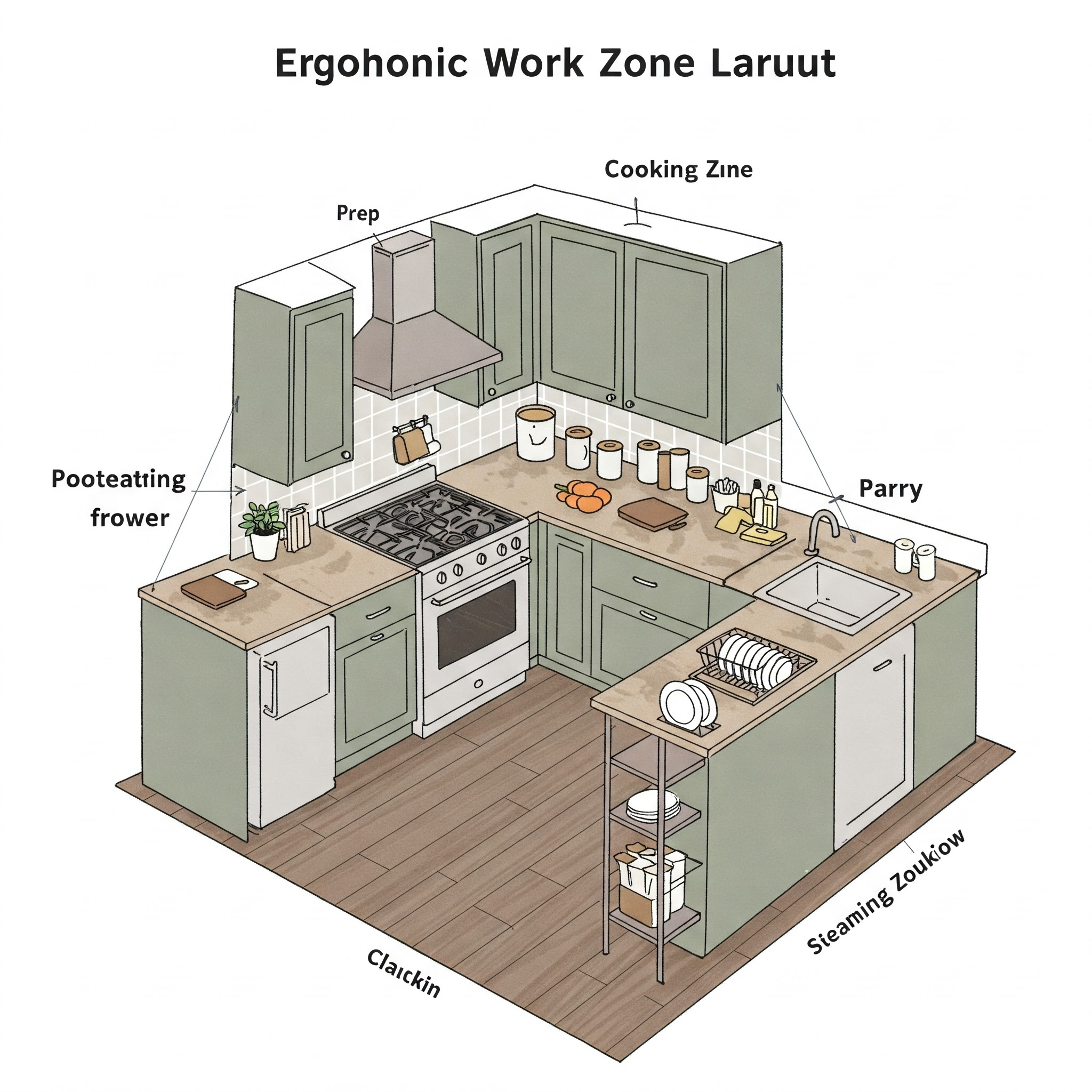
Interior designers and kitchen ergonomists are finally addressing this disconnect by shifting away from closed-door pantries and overloaded lower cabinets. Instead, they are redistributing storage directly onto the backsplash, kitchen islands, and targeted countertop zones. When storage jars are designed with physical workflow in mind—featuring slanted openings, one-handed clamp mechanisms, or stackable footprint geometries—they stop being passive decorative objects. They transform into active architectural extensions of your prep space, minimizing physical reaching distance and cutting down the cognitive load required to track ingredient levels mid-recipe.
Material Science and Tactile Engineering in Modern Jar Construction
Selecting the right storage vessel requires looking far beyond surface aesthetics or rustic charm. The material composition of a countertop jar dictates its weight distribution, thermal stability, and impact resistance—all critical factors when glass or ceramic sits inches away from heavy cast-iron cookware and boiling stockpots. Borosilicate glass has largely replaced traditional soda-lime glass in high-end culinary applications due to its superior thermal shock resistance and higher tensile strength. This means thinner walls without sacrificing durability, resulting in a lighter vessel that is infinitely easier to lift, clean, and reposition with one hand.
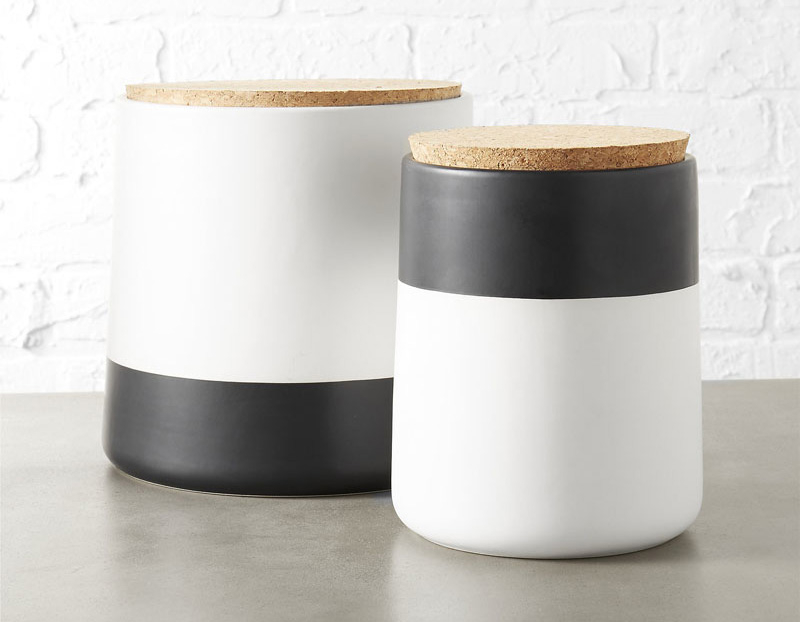
The interface between the vessel and the lid represents the most critical engineering zone of any kitchen jar. Traditional cork stoppers degrade and crumble over time, shedding organic particles into dry goods. Standard threaded metal lids rust when exposed to the ambient steam rising from a nearby simmering pot of broth. Contemporary ergonomic jars utilize food-grade platinum silicone gaskets embedded within bamboo, stainless steel, or weighted glass lids. These gaskets provide an airtight hermetic seal while requiring minimal torque to open. A simple thumb-press or a low-angle flip-latch mechanism releases the vacuum instantly, saving precious seconds and sparing sore joints.
Surface texturing and footprint geometry further separate mediocre containers from elite culinary tools. Jars featuring subtle fluting, ribbed waistlines, or matte-etched lower bands provide vital tactile feedback, ensuring a secure grip even when hands are slick with olive oil. Moreover, geometric shapes matter immensely on limited counter space. While round jars waste valuable interstitial area, hexagonal or square-rounded jars nest closely together along a backsplash tray, maximizing linear storage capacity without creeping into your primary cutting board zone.
Step-by-Step Implementation Guide for an Ergonomically Optimized Countertop
Transforming your kitchen surfaces from a cluttered battleground into a streamlined ergonomic zone requires a deliberate, sequential approach. Follow these precise steps to audit, select, and deploy your kitchen jars for maximum efficiency.
- Step 1 (The Workflow Audit): Stand at your primary food preparation station—typically the zone between your sink and your range—and track every ingredient you reach for at least three times a week. List only those high-frequency items, such as kosher salt, flaky finishing salt, coffee beans, unrefined cane sugar, and primary cooking oils or seeds. Do not clutter your counters with seasonal or low-frequency items that belong in deep pantry storage.
- Step 2 (Vertical Clearance and Reach Mapping): Measure the exact vertical clearance between your countertops and the underside of your upper cabinets. Select low-profile or slanted-mouth jars that allow you to scoop ingredients easily without needing to lift the entire container out from underneath the cabinet overhang. Ensure the jar height plus the clearance required to fully remove its lid does not exceed your available space.
- Step 3 (Lid Mechanism Selection): Match the closure type to the frequency of use. For hyper-frequent items like salt and pepper used multiple times per minute, utilize weighted gravity lids or wide-mouth open crocks. For hygroscopic items like brown sugar or flour that require absolute moisture protection, select single-motion clamp-top glass jars with silicone compression seals.
- Step 4 (Labeling and Visual Ergonomics): Apply high-contrast, waterproof labels to the upper shoulder or lid surface of your jars rather than the bottom or lower body. Because you view countertop jars from an elevated standing angle, top-facing or shoulder-facing typography ensures instant identification without requiring you to pick up or spin the container.
- Step 5 (Surface Anchoring and Curation): Group your selected jars onto a shallow marble, wooden, or stainless steel tray placed neatly against the backsplash or beside your utensil crock. This tray creates a definitive visual boundary, prevents individual jars from sliding or scattering across your workspace, and makes wiping down the countertop effortless during post-cooking cleanup.
Navigating Common Pitfalls and Field-Tested Workarounds
Even the most thoughtfully designed kitchen setups can run into functional hurdles if certain subtle design traps are overlooked. Recognizing these common mistakes early saves you from recurring frustration and wasted investment.
- Pitfall 1 (Choosing Clear Glass for Light-Sensitive Goods): Storing coffee beans, delicate spices, or extra-virgin olive oil in transparent glass jars exposed to direct kitchen sunlight or under-cabinet LED strips causes rapid photodegradation and oxidation.
Workaround: Reserve clear glass exclusively for stable, light-insensitive staples like pasta, rice, and lentils. For coffee, specialty salts, and ground spices, utilize amber, cobalt, or opaque ceramic jars, or place clear jars within shaded alcoves along the backsplash. - Pitfall 2 (Over-Sizing Countertop Containers): Purchasing massive, multi-quart glass jars to hold entire five-pound bags of flour or sugar creates a top-heavy, physically cumbersome weight that strains the wrist during daily scooping.
Workaround: Limit countertop jar capacities to manageable working volumes—typically one to two quarts maximum. Keep bulk reserves stored safely in lower pantry drawers or pull-out bins, refilling your ergonomic countertop jars as needed on a weekly basis. - Pitfall 3 (Ignoring Dishwasher Compatibility and Neck Width): Selecting narrow-necked artisanal jars that look striking on display but make it physically impossible for an adult hand or sponge to reach the bottom interior for thorough cleaning.
Workaround: Prioritize straight-walled or wide-mouth cylinder designs where the interior diameter matches or exceeds the base diameter, ensuring effortless hand-washing and preventing residual food build-up in hidden crevices. - Pitfall 4 (Relying Solely on Countertop Space in Small Kitchens): Cramming every essential jar onto limited surface areas, inadvertently shrinking your active food preparation zone and creating a hazardous cooking environment.
Workaround: Leverage vertical wall space and under-shelf real estate by installing specialized metal jar mounts or magnetic brackets beneath your upper shelves or along the backsplash, suspending jars securely by their lids to keep your counters completely clear. - Pitfall 5 (Neglecting Gasket Maintenance): Assuming airtight silicone and rubber seals require no upkeep, leading over time to trapped moisture, microscopic mold growth, or degraded elasticity that ruins the hermetic seal.
Workaround: Establish a monthly maintenance routine where all jar gaskets are removed, washed in warm soapy water, inspected for micro-cracks, and allowed to air-dry completely before reinstallation.
The Broader Economic and Environmental Impact of Intentional Storage
Rethinking how we store our food on the countertop ripples far beyond immediate kitchen convenience. In an era marked by rising grocery costs and heightened awareness of domestic waste, physical storage systems play a vital role in household sustainability. When ingredients are hidden away in opaque, disorganized pantries or sealed inside crinkly plastic bags rolled shut with clips, they suffer from out-of-sight, out-of-mind degradation. You buy duplicate bags of peppercorns because you forgot the old ones were tucked behind the cereal boxes, or you discard stale flour that absorbed pantry odors.
Transitioning to transparent, air-tight, ergonomically sound glass storage instantly restores visual inventory control. You know precisely when your organic rolled oats are running low, preventing accidental stockouts and streamlining your grocery shopping lists. Furthermore, eliminating single-use plastic bags, flimsy cardboard boxes, and disposable packaging drastically cuts down household waste. High-quality borosilicate glass and stainless steel jars represent a lifetime investment; they do not leach microplastics into your food, they do not absorb stubborn tomato or turmeric stains, and they can be infinitely recycled at the end of their multi-decade service life.
There is also a profound psychological shift that occurs when your culinary workspace is thoughtfully organized. Cooking is an inherently sensory, tactile art form, but modern life often turns meal preparation into a rushed chore squeezed between work emails and evening commutes. When your tools are beautiful, balanced, and instantly responsive to your touch, cooking regains its meditative quality. The smooth glide of a lid, the satisfying weight of a well-balanced jar, and the clean visual rhythm of ingredients arranged along a tray invite you to slow down and engage fully with the process of feeding yourself and the people you love.
Strategic Frameworks for Long-Term Kitchen Harmony
Achieving a sustainably organized countertop is not a one-time project; it is an ongoing system that must adapt to your changing culinary habits. To maintain the ergonomic benefits of your new jar setup over the long term, establish a rigid framework for seasonal rotation and inventory review. As your cooking habits shift—perhaps you transition from baking-heavy winter months to raw-salad summer routines—your countertop jar lineup should evolve in tandem. Rotate high-use seasonal items onto your primary tray while cycling secondary ingredients back into pantry storage, ensuring your active workspace never becomes bloated with items you aren’t currently utilizing.
Another critical pillar of long-term success is standardizing your container ecosystem. Mixing dozens of random, mismatched jars of varying heights, lid styles, and glass thicknesses creates visual noise and disrupts the physical efficiency of your space. Invest in a cohesive system of jars designed to stack or nest harmoniously, sharing uniform lid diameters or proportional height increments. This modular approach ensures that if you decide to repurpose a jar from your coffee station to your baking station next year, it will fit seamlessly into its new environment without disrupting your carefully calculated clearance zones.
Finally, integrate your storage maintenance into your regular kitchen closing routine. Taking sixty seconds at the end of a cooking session to wipe down your countertop tray, check ingredient levels, and snap lids back into their sealed positions prevents the gradual accumulation of kitchen chaos. By treating your storage jars as precision instruments rather than passive decor, you establish an environment where efficiency, beauty, and culinary joy coexist effortlessly.
The kitchen remains the undisputed heart of the modern home—a space where raw ingredients are alchemized into comfort, culture, and connection. Yet too often, our relationship with this vital room is undermined by small, persistent physical annoyances that wear down our patience before we even turn on the stove. By rethinking countertop storage through the rigorous lens of ergonomic jar design, we reclaim control over our physical workflow. We transform the chaotic clutter of modern food packaging into a streamlined, tactile system that honors both the human hand and the art of cooking.
As we look toward the future of home design, the emphasis is moving decisively away from sterile, showroom-perfect minimalism and toward deeply personalized, highly functional utility. The best kitchen is not the one with the emptiest counters, but the one where every single object has earned its place through flawless performance and effortless accessibility. By investing in thoughtful materials, honoring human biomechanics, and curating your active workspace with intention, you turn every trip to the kitchen counter into a fluid, frictionless experience. Your ingredients are ready, your hands move without strain, and your kitchen finally works for you.