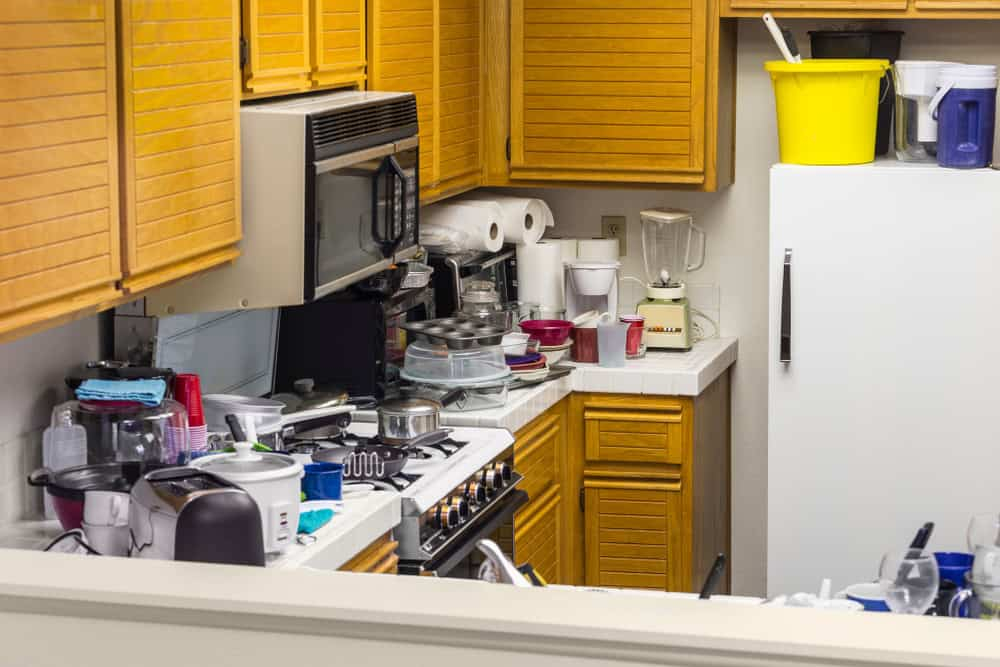
The alarm goes off at 6:15 AM, and the day begins with a quiet sprint. You pad into the kitchen in your bare feet, craving that first cup of coffee, only to be met by a low-grade visual roar. The cabinet door hangs slightly askew, revealing an avalanche of mismatched mugs tumbling forward. A rogue cereal box blocks the coffee filters, and the sugar canister is hiding behind a wall of obscure spice jars you haven’t touched since Thanksgiving. Before the kettle has even whistled, your nervous system has registered a dozen tiny friction points. It feels minor, almost silly to complain about, yet your morning has already been hijacked by chaos.
We tend to underestimate how profoundly our physical surroundings shape our internal state, particularly in the domestic spaces we inhabit before the rest of the world wakes up. Kitchens are the undisputed engine rooms of modern homes, tasked with feeding bodies, housing family command centers, and hosting chaotic morning rushes. When your storage systems fail, every interaction with your kitchen becomes an obstacle course. Cabinet doors become barriers of anxiety, and reaching for a simple glass of water triggers an avalanche of plastic containers.
For years, the interior design industry pushed a narrative of accumulation—more cabinets, deeper pantries, and endless organizational plastic bins sold in bulk. But a quiet, restorative shift is happening in kitchen architecture and daily home management. Designers and homeowners alike are moving away from cramming more storage behind closed doors and instead focusing on radical curation, spatial ergonomics, and intentional shelf optimization. By rethinking how your kitchen shelves operate, you can silence the visual noise, reclaim precious minutes of your morning, and restore a genuine sense of sanctuary to your home’s busiest room.
The Cognitive Cost of Cabinet Clutter and Visual Noise
Human brains are pattern-seeking machines that process millions of visual data points every second. When you open a kitchen shelf or pantry stacked with haphazardly arranged items—mismatched colors, clashing typography on packaging, overcrowding, and items stacked two rows deep—your brain works overtime to filter out that noise. Cognitive psychologists note that environmental clutter directly competes for your attention, elevating cortisol levels before you have even checked your email. This phenomenon is amplified in the morning when your cognitive bandwidth is at its lowest.
Consider the ergonomics of your current shelving setup. If your favorite coffee mug requires you to move a small blender, duck underneath a shelf lip, and stretch your arm at an awkward angle, you are enduring micro-frustrations that accumulate over time. These physical frictions compound into mental fatigue. Traditional kitchen storage often prioritizes pure volumetric capacity over human workflow. Deep shelves encourage you to bury items in the dark, turning your kitchen into an archaeological dig site every time you search for a whisk or a breakfast bowl.
Rethinking your shelves requires shifting from a "how much can I fit here?" mindset to "what does my body and brain need at 7:00 AM?" By analyzing the frequency of use for every item you own, you can map your kitchen storage to mimic your natural physical movements. When everyday essentials live on primary shelves at eye level, and seasonal or specialty items retreat to the margins, the kitchen stops feeling like an adversary and starts behaving like a silent, supportive partner.
The Architecture of Calm: Principles of Intentional Shelf Curation
Creating a peaceful kitchen environment is not about achieving sterile, showroom perfection that crumbles the moment you cook a real meal. True calm comes from structural simplicity and tactile ease. This design philosophy borrows heavily from Japandi principles—the fusion of Japanese functional minimalism and Scandinavian warmth—where every object on display or stored openly earns its place through utility and quiet beauty.
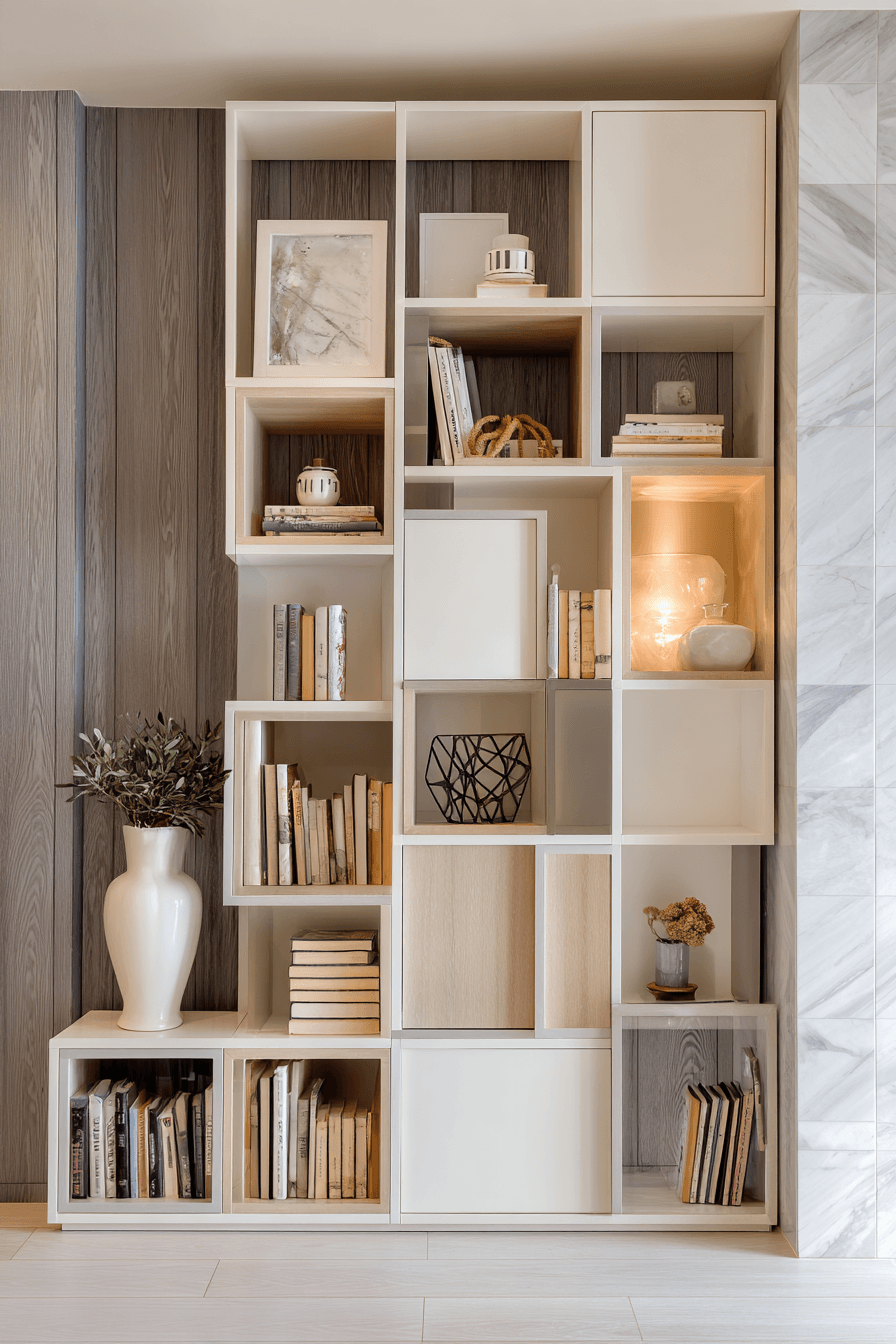
To achieve this, you must first audit your inventory with ruthless honesty. Most kitchens operate at about thirty percent capacity for actual daily use, while the remaining seventy percent is occupied by redundant gadgets, chipped plates kept out of guilt, and duplicate tools. When you strip away the redundancy, your shelves instantly breathe. You create negative space, which interior designers recognize as a vital element for visual rest. Negative space tells the eye that it is safe to relax; it eliminates the subconscious panic of impending avalanches.
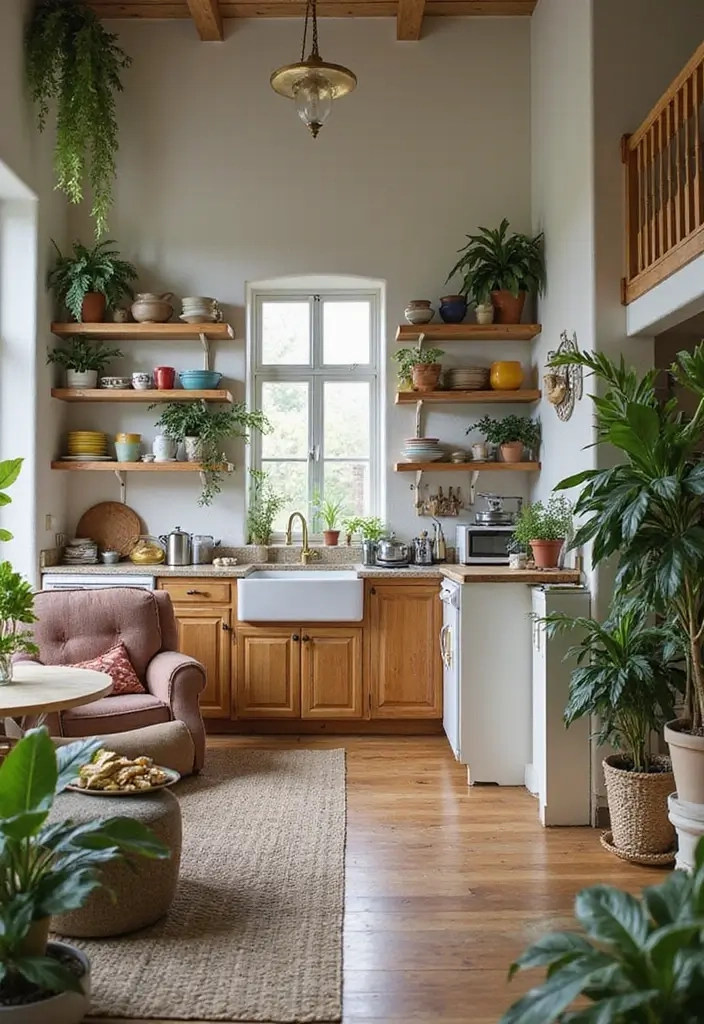
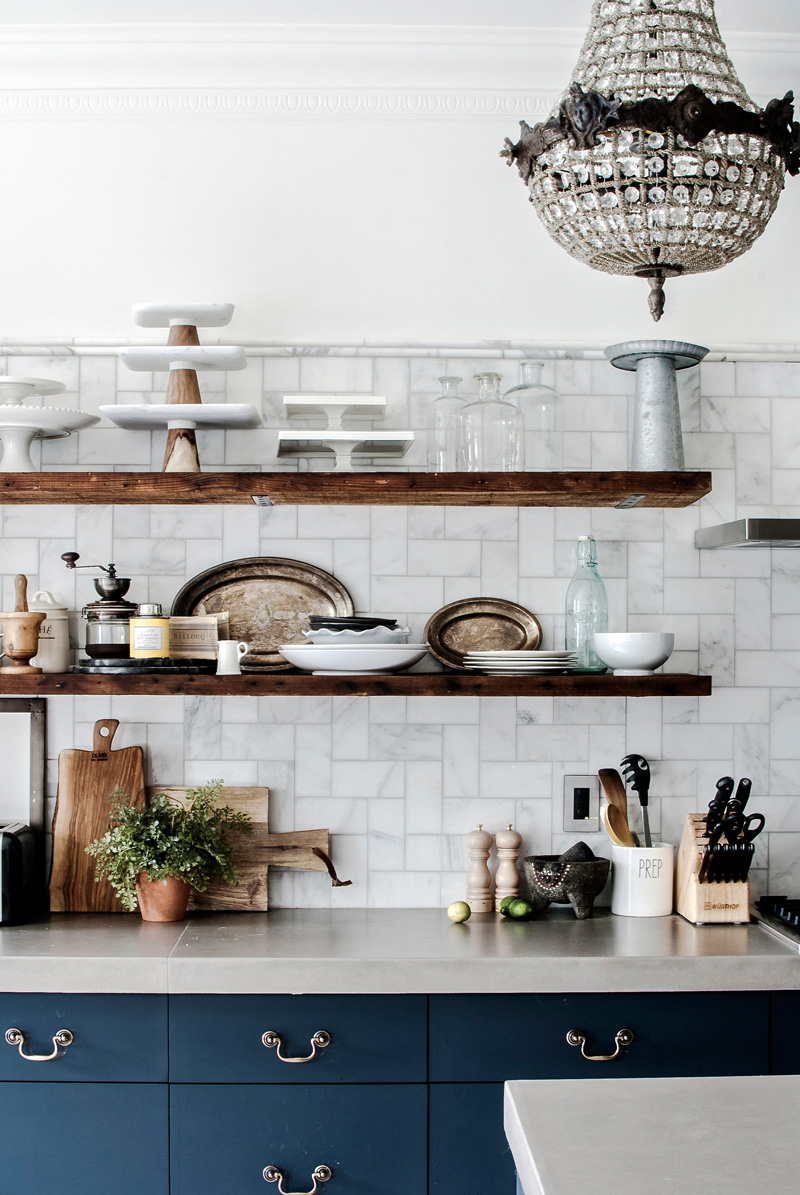
Materiality also plays a massive role in quieting kitchen chaos. If your shelves are lined with twenty different plastic containers sporting peeling labels and neon lids, the visual dissonance will always feel stressful. Transitioning toward cohesive material palettes—clear glass, matte ceramics, warm wood tones, and stainless steel—creates a rhythmic continuity. Even if your shelves are packed tightly, a unified color and material language tricks the eye into seeing order rather than clutter.
The Five-Step Blueprint for Transforming Your Morning Shelf Workflow
Reclaiming your mornings requires a methodical approach to rearranging your kitchen real estate. You do not need a sledgehammer or a massive budget; you need a strategic weekend reset. Follow this step-by-step framework to overhaul your shelves for maximum peace and efficiency.
- Step 1 (The Complete Purge and Surface Reset): Empty every single item off your primary kitchen shelves and place them on your kitchen island or dining table. Wipe down the raw wood, laminate, or metal surfaces with a damp cloth. As you pick up each item to put it back, ask yourself: Have I used this in the last six months? Does it actively serve my morning routine? If the answer is no, box it up for donation or recycling.
- Step 2 (Mapping the Ergonomic Hot Zones): Divide your kitchen shelving into three distinct physical zones. Zone One (eye-level to waist-height) is your prime real estate reserved exclusively for daily morning essentials—coffee, mugs, oatmeal bowls, and everyday drinking glasses. Zone Two (lower shelves and upper reaches) is for weekly items like mixing bowls and storage containers. Zone Three (the very top or deep corners) holds rare specialty cookware.
- Step 3 (Container Harmonization and Decanting): Take high-turnover morning dry goods like coffee beans, granola, and flour out of their loud, crinkly packaging. Transfer them into uniform airtight glass jars or ceramic canisters with clean labels. This single change eliminates visual text clutter and keeps your ingredients fresher longer while making your shelves look grounded and serene.
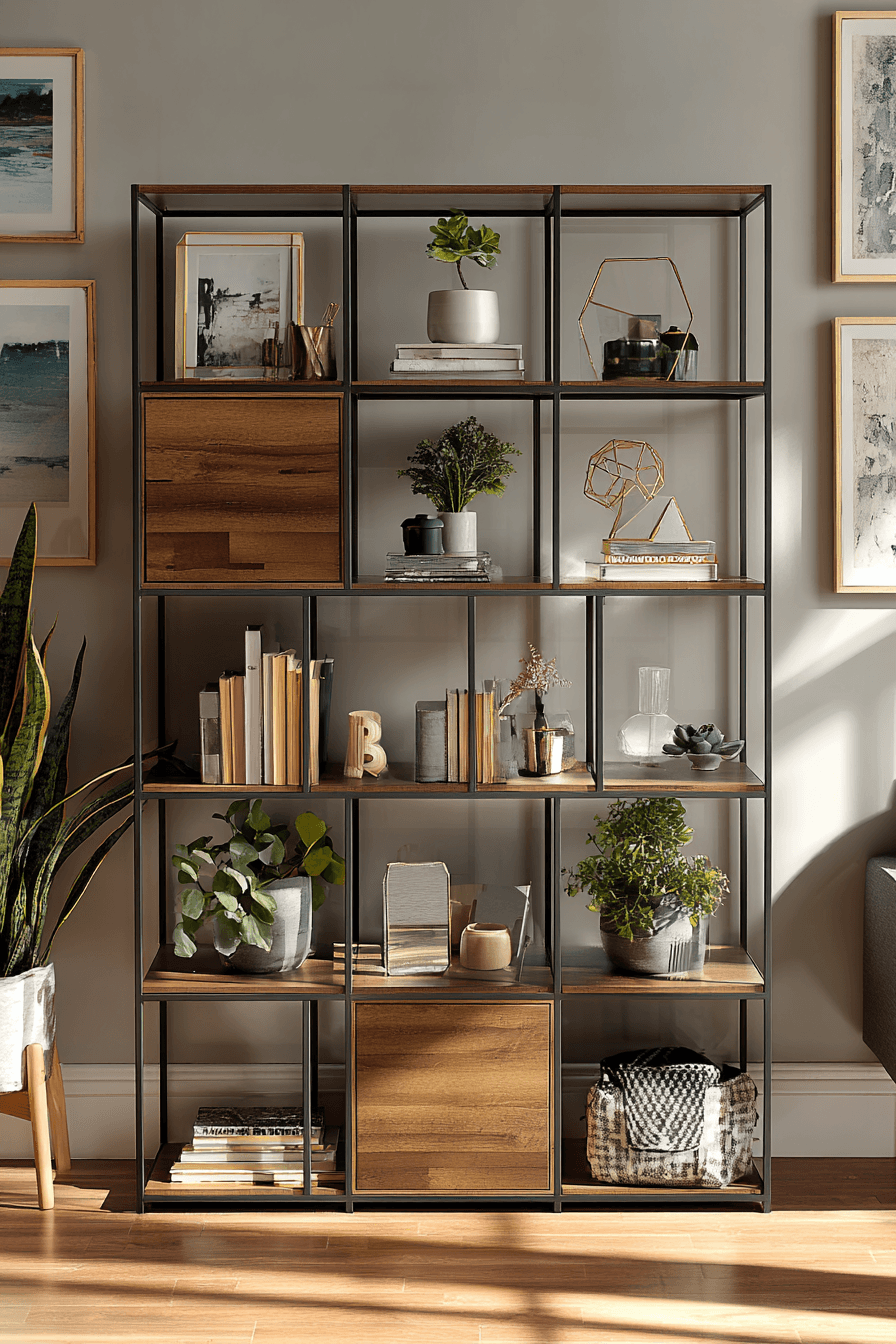
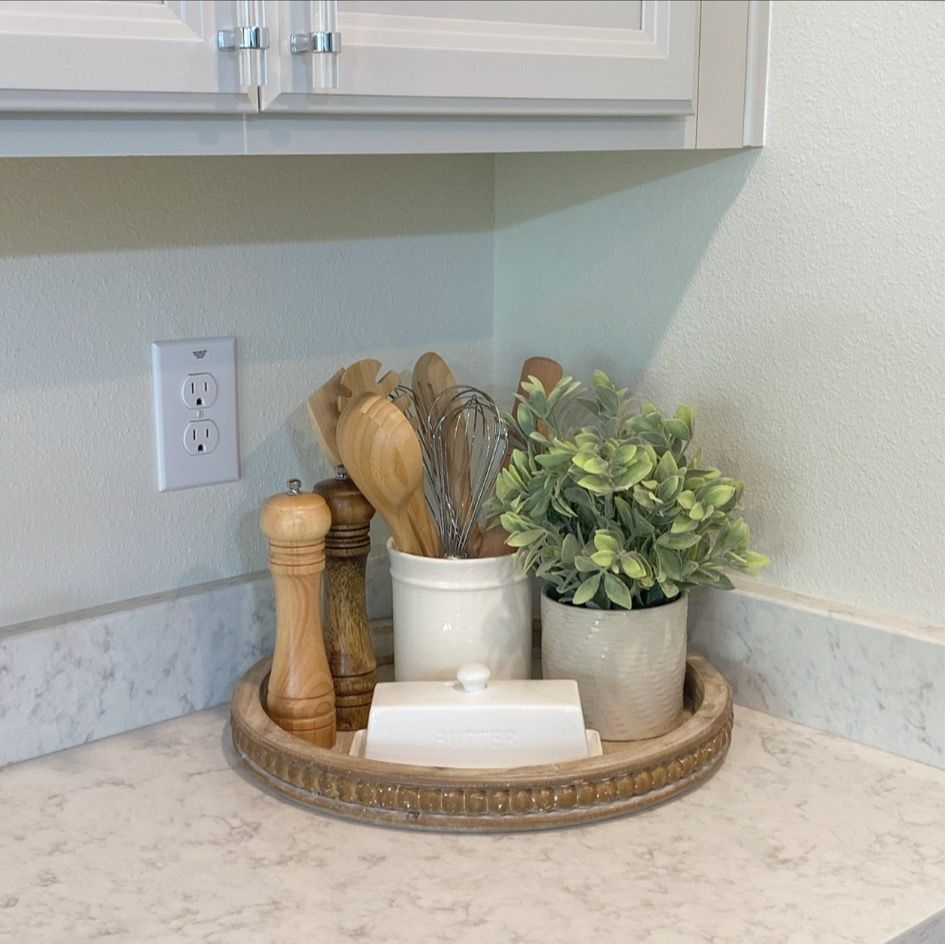
- Step 4 (Establishing Breathing Room and Spacing): Resist the urge to pack items shoulder-to-shoulder. Leave at least twenty to thirty percent of every shelf visibly empty. Group similar items into landing zones using shallow wooden trays or wire baskets so you can pull out an entire category at once rather than maneuvering around individual items.
- Step 5 (Establishing a Five-Minute Evening Reset): Peace in the morning is heavily subsidized by the actions of the night before. Implement a mandatory five-minute evening reset where the dishwasher is unloaded, rogue mugs are returned to their designated shelf zones, and counters are wiped clean. Waking up to a silent, orderly kitchen changes the neurological trajectory of your entire day.
Navigating Common Roadsteps and Shelf Organization Pitfalls
Even with the best intentions, kitchen organizing can easily veer off track if you fall into classic behavioral traps. Recognizing these pitfalls ahead of time saves you hours of frustration and prevents your shelves from sliding back into disarray.
- Pitfall 1 (Prioritizing Aesthetics Over Ergonomics): Placing heavy cast-iron skillets on high open shelves because they look rustic is a recipe for shoulder strain and accidents. Workaround: Always anchor heavy, frequently used items at waist height or below. Save high shelves strictly for lightweight, rarely used items.
- Pitfall 2 (Over-Containerizing with Trendy Bins): Buying fifty matching plastic bins before figuring out what you actually need to store often creates a second layer of clutter. Workaround: Purge first, measure your inventory, and only purchase containment solutions that solve a specific, verified storage problem.
- Pitfall 3 (Ignoring the Family Footprint): Designing a pristine shelving system that only works if you live alone, making it impossible for children or partners to find their breakfast bowls. Workaround: Lower the mug and cereal bowl zones so family members can independently access what they need without disrupting your carefully curated layout.
- Pitfall 4 (Neglecting Maintenance and Creep): Allowing grocery bags, mail, and random mail-sorting clutter to slowly migrate onto your prime kitchen shelves. Workaround: Treat your main shelves as a sacred zone restricted strictly to culinary and dining items. Keep a drop-zone basket elsewhere in the house for mail and keys.
- Pitfall 5 (Forgetting to Account for Height and Depth Variations): Stacking tall items behind short items, rendering the front items a visual barrier and the back items completely invisible. Workaround: Invest in tiered shelf risers or expandable step-shelves so every single item has unobstructed line-of-sight visibility.
The Broader Impact: How a Calm Kitchen Ripples Into Daily Well-Being
When you walk into a kitchen where shelves are quiet, orderly, and purposefully arranged, something subtle shifts in your physiological baseline. Your breathing deepens. Your shoulders drop away from your ears. The kitchen ceases to be a workspace demanding labor and transforms into a grounding station that nourishes your daily rhythm. This spatial psychology has profound ripple effects on your household habits and nutritional choices.
Studies on domestic behavior consistently show that cluttered environments correlate with impulsive snacking and higher stress eating. When a kitchen feels overwhelming, the friction of cooking a fresh meal from scratch feels disproportionately heavy, often driving families toward takeout out of sheer cognitive exhaustion. Conversely, when your tools are visible, accessible, and invitingly arranged, cooking becomes an act of flow rather than an administrative chore. Mornings transition from a frantic obstacle course into a meditative ritual where sipping coffee feels like a genuine moment of pause rather than a stolen second between crises.
Furthermore, this mindful approach to shelving carries an economic and environmental benefit. When you can see everything you own at a glance, you stop accidentally buying duplicate ingredients that expire in the dark corners of deep cupboards. You waste less food, spend less money replacing lost tools, and consume with greater intention. Your kitchen stops acting as a black hole for household goods and becomes a transparent, highly efficient ecosystem.
Actionable Takeaways for Sustained Kitchen Serenity
Achieving a peaceful kitchen is not a one-time project; it is a sustainable lifestyle practice anchored in mindful consumption and thoughtful spatial design. Keep these core principles close at hand as you maintain your newly transformed space over the coming months and years.
- Audit Seasonally: Re-evaluate your shelf contents every three to four months as your seasonal eating habits and family routines shift.
- Embrace the One-In, One-Out Rule: If you buy a new set of ceramic mugs or specialty bowls, retire an equivalent number of older items to maintain your baseline breathing room.
- Prioritize Line of Sight: Ensure that the items you reach for every single morning require zero excavation, moving, or lifting of other items.
- Keep Surfaces Sacred: Protect your countertops and shelf fronts from becoming staging grounds for random household clutter.
- Design for Flow, Not Show: Remember that a kitchen is meant to be lived in, cooked in, and messy at times; true organization forgives real life while making cleanup effortless.
The state of your kitchen shelves might seem trivial when weighed against the grand challenges of daily life, yet our environments are the physical mirrors of our internal worlds. When we take the time to curate our immediate surroundings—to honor the tools that feed us and clear away the visual noise that exhausts us—we reclaim a profound sense of agency.
You do not need a massive kitchen remodel or a luxury home catalog budget to bring peace back to your mornings. You simply need the willingness to look at your shelves with fresh eyes, let go of the excess, and design a space that respects your time, your energy, and your peace of mind. Tomorrow morning, when you walk into that quiet kitchen and reach effortlessly for your favorite mug without knocking over a single thing, you will feel the undeniable return on that investment.