You know that feeling when you’re at a high-end resort? The one where the air smells like eucalyptus and rain, the towels are impossibly fluffy, and for a moment, the noise of the world just… stops. It’s not just about the pool or the massage table. It’s the transition. The space between the wild outdoors and your inner calm. That’s the magic we are chasing here.
For years, the outdoor changing room was an afterthought. A flimsy tent in the corner. A cramped shed with a hook on the door. But in 2026, the narrative has shifted. We aren’t just looking for a place to swap wet trunks for dry jeans. We are craving a sanctuary. A dedicated zone that honors the ritual of unwinding. Transforming your backyard with a luxury spa-inspired changing room isn’t just about aesthetics; it’s about reclaiming a piece of your day for pure, unadulterated peace.
The Psychology of the Transition Space
Why does a changing room matter so much? It’s simple. It creates a boundary. When you step out of the pool, you are still in "water mode." Your body is cool, your skin is damp, and your mind is likely still processing the sensory input of the swim. Rushing straight into the kitchen or the living room breaks that spell. You track water on the floor. You feel exposed. You lose the vibe.
A well-designed changing room acts as a decompression chamber. It allows you to dry off slowly, to breathe, to let the heat of the sun or the warmth of a towel settle into your bones before you re-enter the "real world." This isn’t just poetic fluff. Studies on environmental psychology have long shown that transitional spaces reduce stress by giving the brain time to adjust to new contexts. By elevating this space from a utility closet to a spa-like retreat, you are literally designing for lower cortisol levels.
Think about the last time you felt truly relaxed. Chances are, you weren’t rushing. You had space. You had privacy. A luxury changing room provides exactly that. It tells your nervous system that it is safe to let go. Whether you are hosting guests or enjoying a solitary morning dip, this small structure becomes the anchor of your backyard’s wellness ecosystem. It turns a functional necessity into a moment of mindfulness.
Material Choices That Age With Grace
The biggest mistake people make? Choosing materials that look great on day one but turn into a maintenance nightmare by month three. Outdoor spaces are harsh. Sun, chlorine, humidity, and temperature swings beat down on everything. To achieve that luxury spa feel, you need materials that don’t just survive these elements—they thrive in them. Teak wood is the gold standard for a reason. It contains natural oils that repel water and insects, and over time, it weathers into a stunning silvery-gray patina if left untreated. It feels warm under bare feet, unlike cold stone or metal.
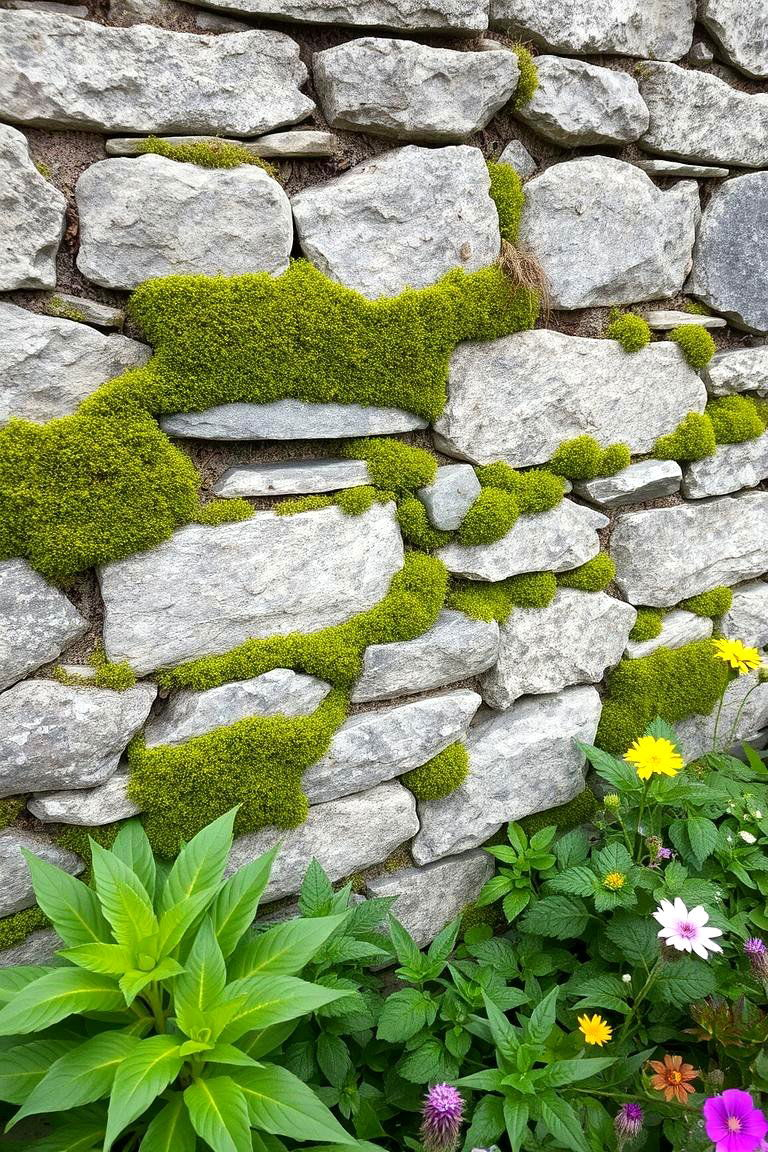
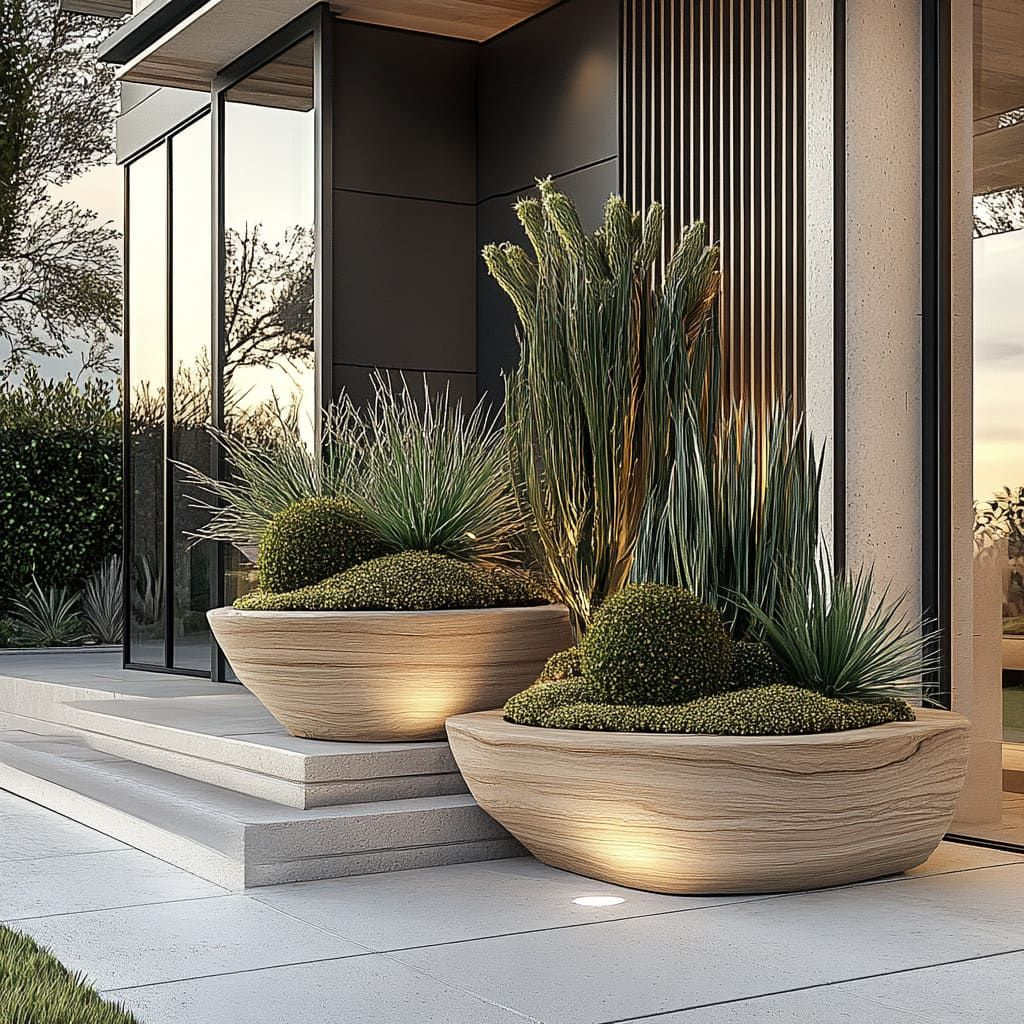
Stone is another powerhouse. Think slate, travertine, or smooth river rocks. These materials ground the space. They connect the built environment to the earth beneath it. In 2026, we are seeing a huge shift toward locally sourced stone, which reduces carbon footprint and ensures the color palette matches the surrounding landscape. Avoid glossy tiles that become slippery death traps when wet. Instead, opt for textured, non-slip surfaces that invite you to walk slowly, mindfully.
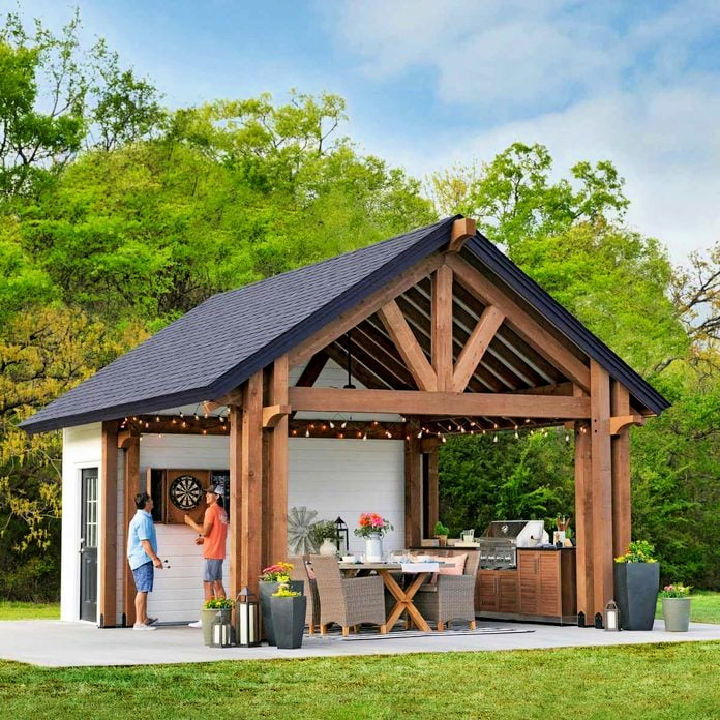
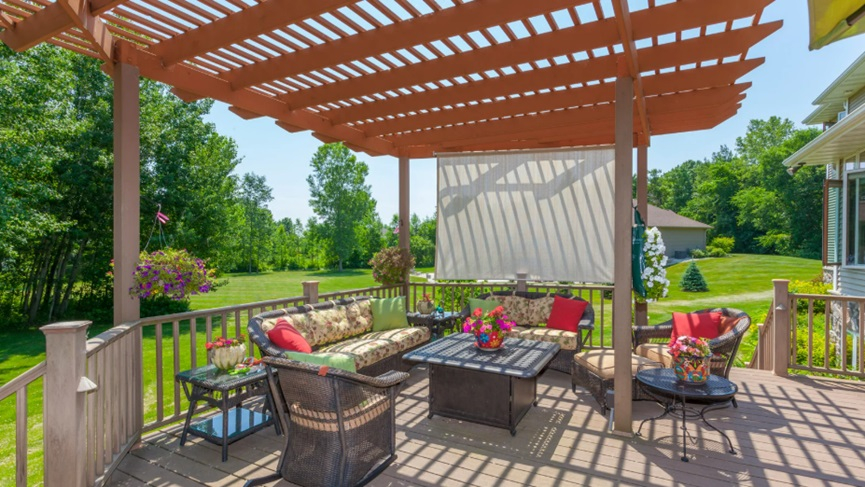
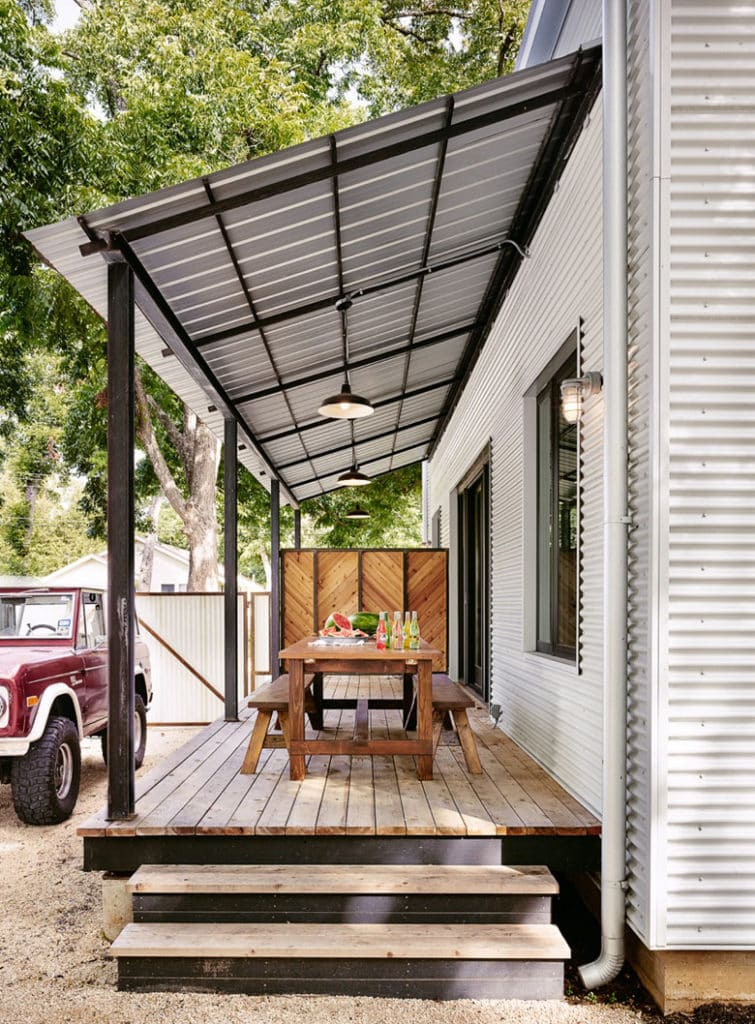
Don’t forget the roof and walls. If you are going for an open-air feel, consider cedar slats that allow airflow while providing shade. For more privacy, weathered corrugated metal or rammed earth walls can create a striking modern contrast against soft greenery. The key is texture. Luxury is tactile. It’s the roughness of the stone against the smoothness of the wood. It’s the cool touch of metal fixtures. When you choose materials that engage the senses, the space feels expensive, even if you didn’t spend a fortune.
Blending Indoor Comfort with Outdoor Rawness
Here is the secret sauce: the best outdoor changing rooms feel like they belong outside, but function like a five-star hotel suite. This means bringing indoor comforts into the raw outdoor environment without fighting nature. Lighting is crucial. Harsh overhead floods kill the mood instantly. Instead, layer your lighting. Use warm-toned LED strips tucked under benches or along the base of walls for a soft glow. Add waterproof sconces at eye level to illuminate mirrors without creating glare.
Storage is where many designs fail. You need a place for dry clothes, wet suits, towels, and toiletries. But bulky plastic bins ruin the aesthetic. Build in custom cabinetry using marine-grade plywood or sealed teak. Include ventilated compartments for wet gear so mildew doesn’t take hold. Add hooks made from brass or copper—materials that develop a beautiful verdigris over time. A small, dedicated shelf for a candle or a vase of fresh flowers adds a touch of whimsy and scent that elevates the experience.
Consider the flooring transition. If your changing room connects to a deck or patio, ensure the levels are flush to prevent tripping. Heated floors might sound excessive, but in cooler climates, they are a game-changer. Imagine stepping out of a chilly pool onto warm stone. It’s a small detail that screams luxury. And don’t skimp on the mirror. A large, fog-resistant mirror framed in wood or metal makes the space feel larger and more intentional. It allows for grooming and checking your appearance, bridging the gap between rugged outdoor fun and polished daily life.
Privacy Without Isolation
Privacy is non-negotiable, but walls can feel claustrophobic. The goal is seclusion, not imprisonment. In 2026, landscape architecture is leaning heavily into "living walls" for privacy. Dense plantings of bamboo, arborvitae, or tropical palms create a natural screen that breathes. They sway in the wind, filtering light and sound in a way that static fences never can. This biophilic approach lowers stress and improves air quality around the changing area.
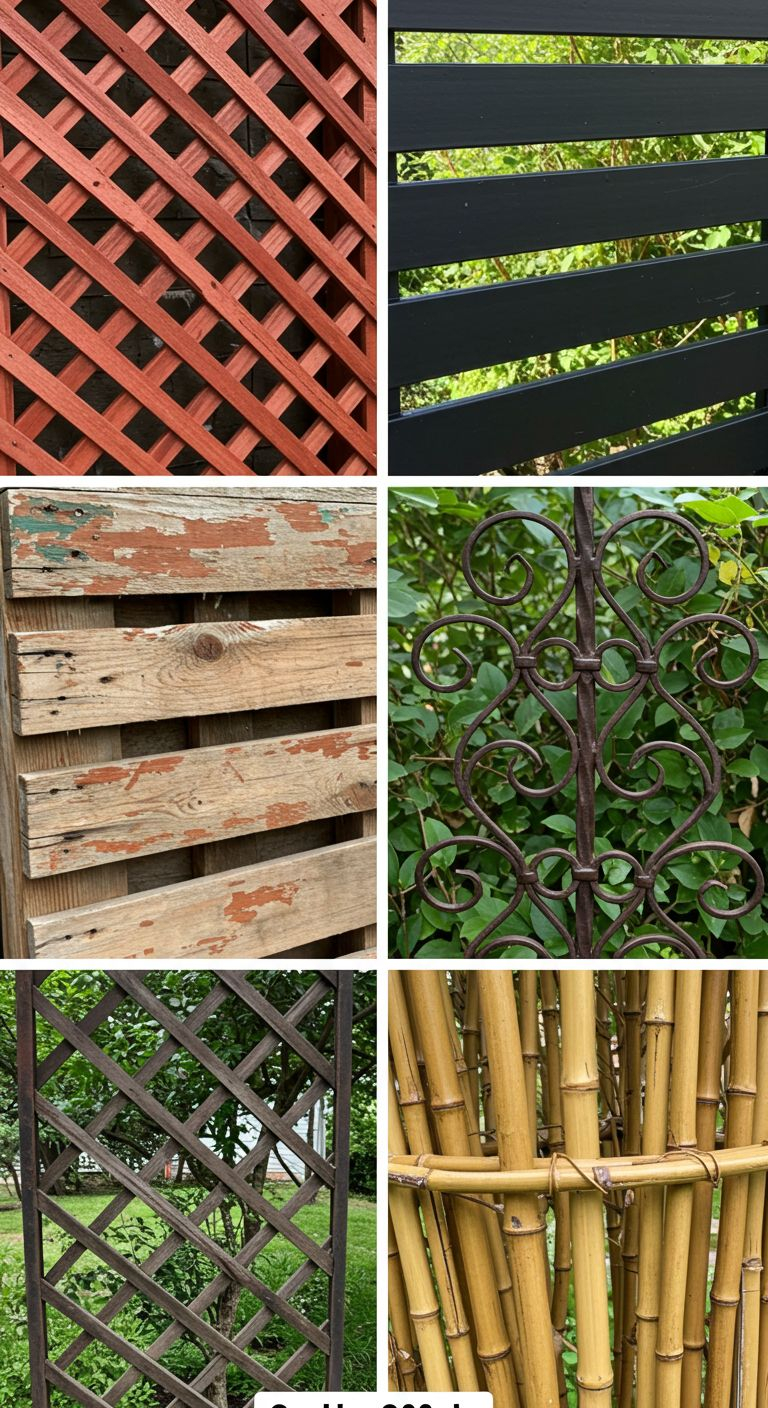
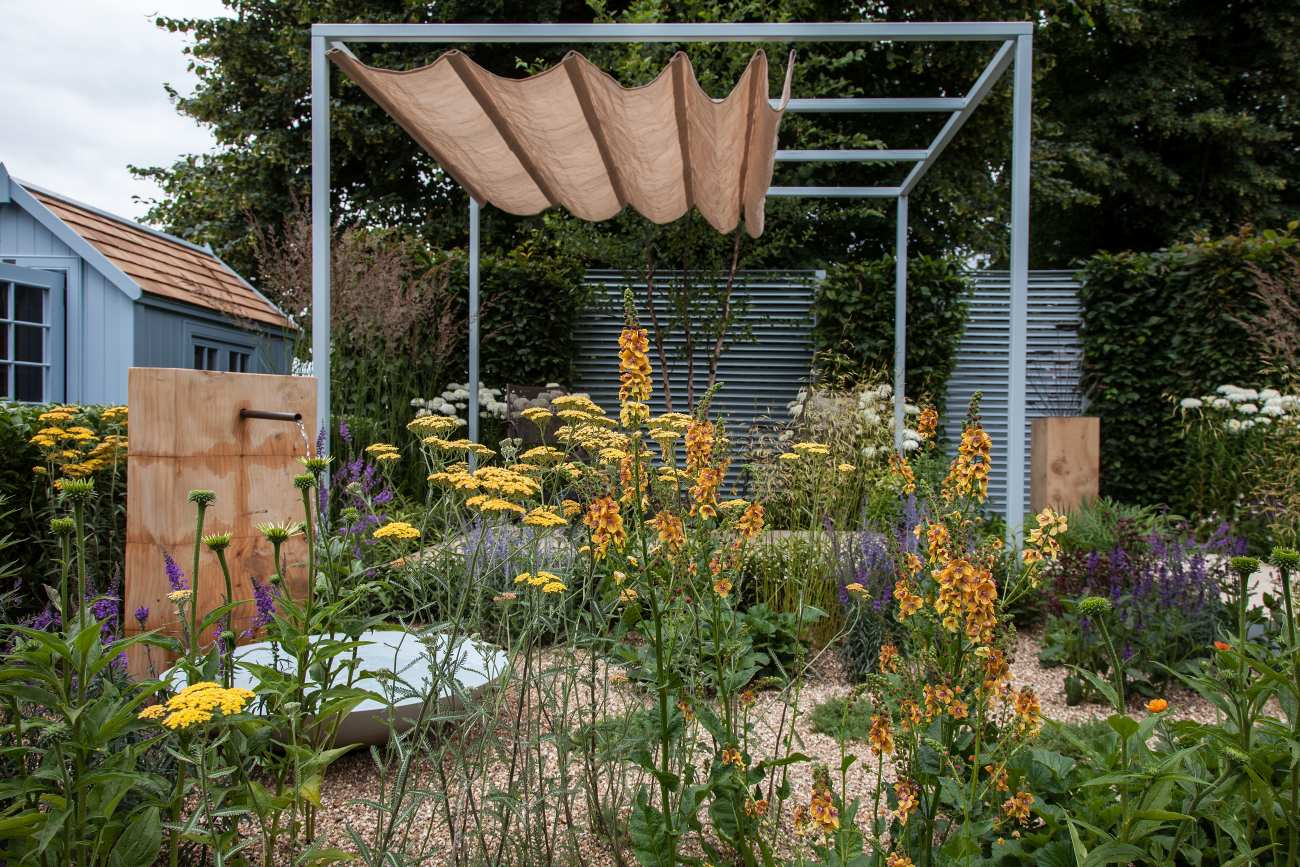
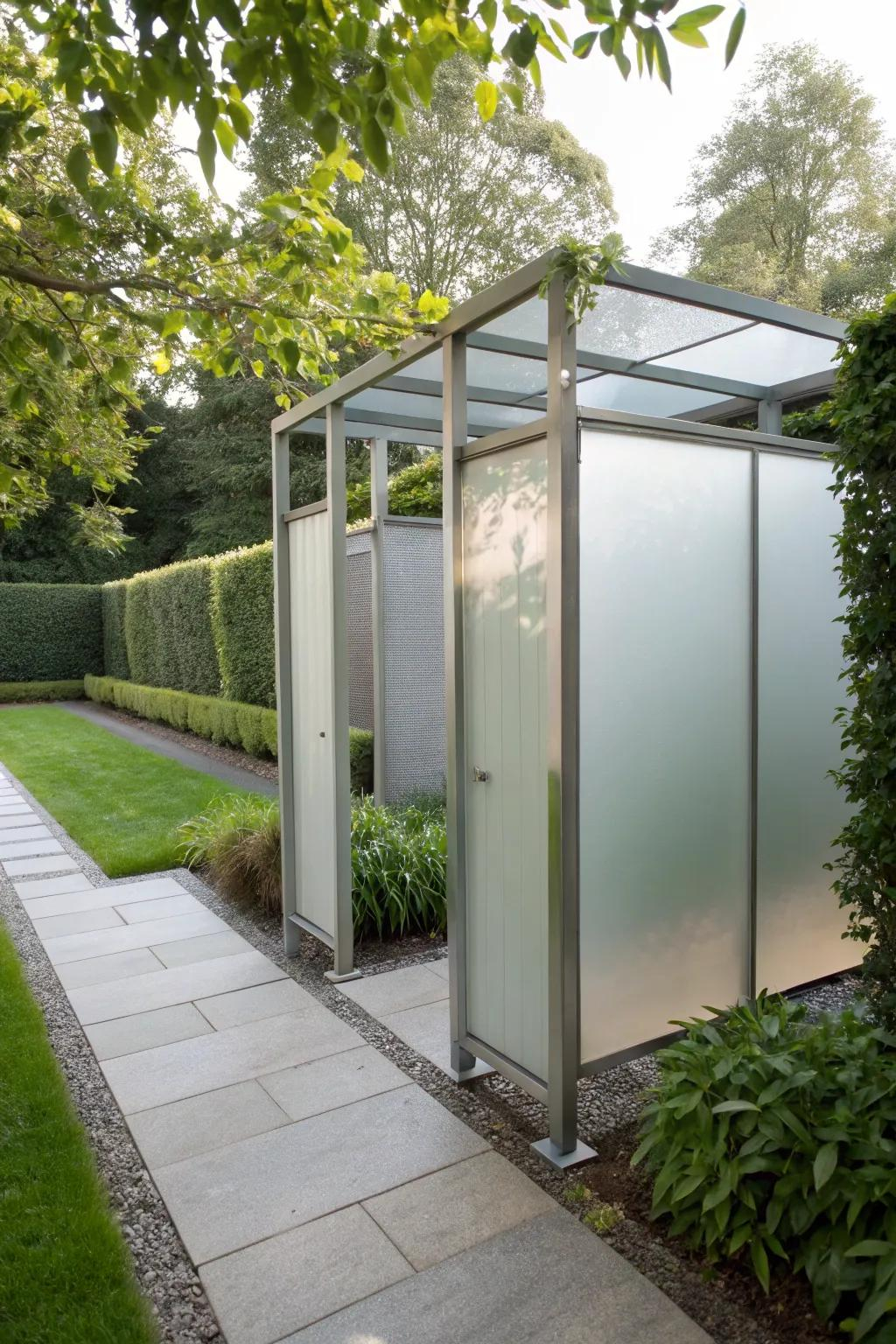
If plants aren’t enough, or if you need instant privacy, consider architectural screens. Laser-cut metal panels with organic patterns cast beautiful shadows during the day and provide a solid barrier at night. Sliding wooden slats allow you to adjust the level of openness depending on the weather or your mood. Sheer, weather-resistant curtains are another option, adding a soft, romantic element that billows gently in the breeze. They are surprisingly durable if made from solution-dyed acrylics.
Sound matters too. A luxury spa is quiet, but not silent. The absence of noise can be unsettling. Mask unwanted sounds from neighbors or traffic with the gentle hum of a water feature. A small fountain or a recirculating waterfall near the changing room creates white noise that soothes the ear. Combined with the rustle of leaves, it creates an acoustic bubble that makes the space feel miles away from civilization. You want to feel alone, but not lonely. Connected to nature, but protected from the world.
The Sensory Details That Define Luxury
It’s the little things that separate a nice changing room from a transformative one. Think about scent. A diffuser with essential oils like lavender, eucalyptus, or sandalwood can subtly perfume the air. Or, simply plant fragrant herbs like rosemary, mint, or jasmine nearby. When you brush past them, they release their aroma, engaging your sense of smell and triggering relaxation responses in the brain.
Texture extends to the accessories. Plush, oversized towels in neutral tones feel indulgent against damp skin. Wooden stools for sitting while you dry off are warmer and more inviting than plastic chairs. A small tray for jewelry or watches keeps valuables safe and organized. Even the hardware—door handles, shower knobs, hooks—should feel substantial in the hand. Cheap, lightweight plastic breaks the illusion of quality. Solid brass, stone, or heavy-gauge steel conveys permanence and care.
Water access is critical. An outdoor shower is almost mandatory for a spa-inspired setup. But don’t just slap on a basic head. Install a rainfall showerhead for a drenching, immersive experience. Add a handheld wand for rinsing feet or cleaning the space. Ensure the water pressure is strong and the temperature control is easy to use. Cold shocks are refreshing, but lukewarm water is comforting. Give users the choice. And always, always provide a bench. Standing on one leg while trying to dry off is undignified and stressful. A wide, comfortable bench invites you to sit, linger, and breathe.
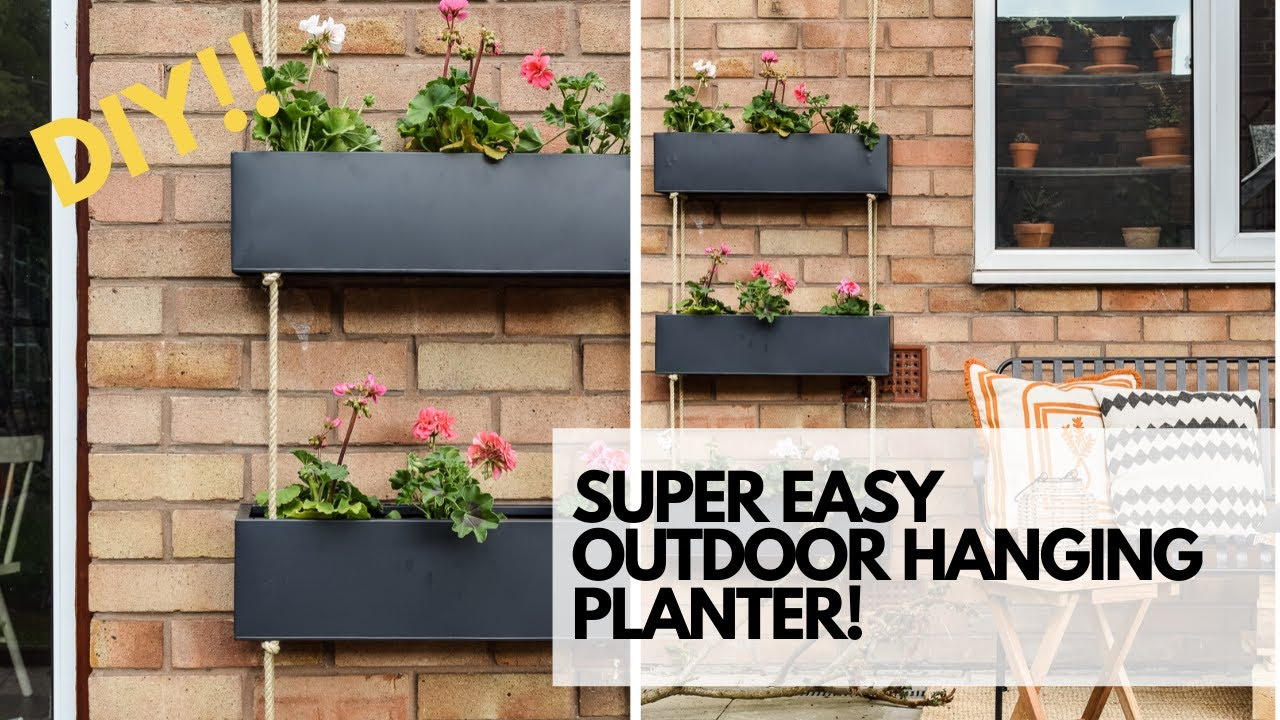
Let’s be real. Not everyone has a sprawling estate. Many of us are working with modest backyards. The good news? Luxury is not about square footage. It’s about intentionality. A compact changing nook can be just as effective as a large cabana if designed well. Vertical space is your friend. Hang towels high. Use wall-mounted shelves. Fold-down benches save floor space when not in use. Mirrors reflect light and make small areas feel twice as big.
Maintenance is another practical concern. A luxury space that looks grimy in six months is a failure. Choose materials that are easy to hose down. Avoid fabrics that trap dirt. Ensure drainage is excellent so water doesn’t pool and create slip hazards or mosquito breeding grounds. Regular oiling of wood and sealing of stone will keep the space looking fresh with minimal effort. Design for how you actually live, not just how it looks in a magazine.
Finally, think about versatility. Can the space serve other purposes? Maybe it’s a yoga spot in the morning. A meditation corner in the evening. A place to change after gardening. By keeping the design clean and uncluttered, you allow the space to adapt to your needs. This flexibility adds value to your home and your daily routine. It becomes a multi-use wellness hub rather than a single-purpose utility. That is the true mark of thoughtful design.
So, where do you start? Look at your backyard. Find that overlooked corner. Imagine the smell of cedar, the sound of water, the feel of warm stone underfoot. You don’t need a massive budget. You need a vision. Start with one element—a bench, a plant, a light. Build from there. Create a space that honors your body and your mind. Because you deserve that moment of pause. You deserve that breath. And honestly? Your backyard is waiting to give it to you.
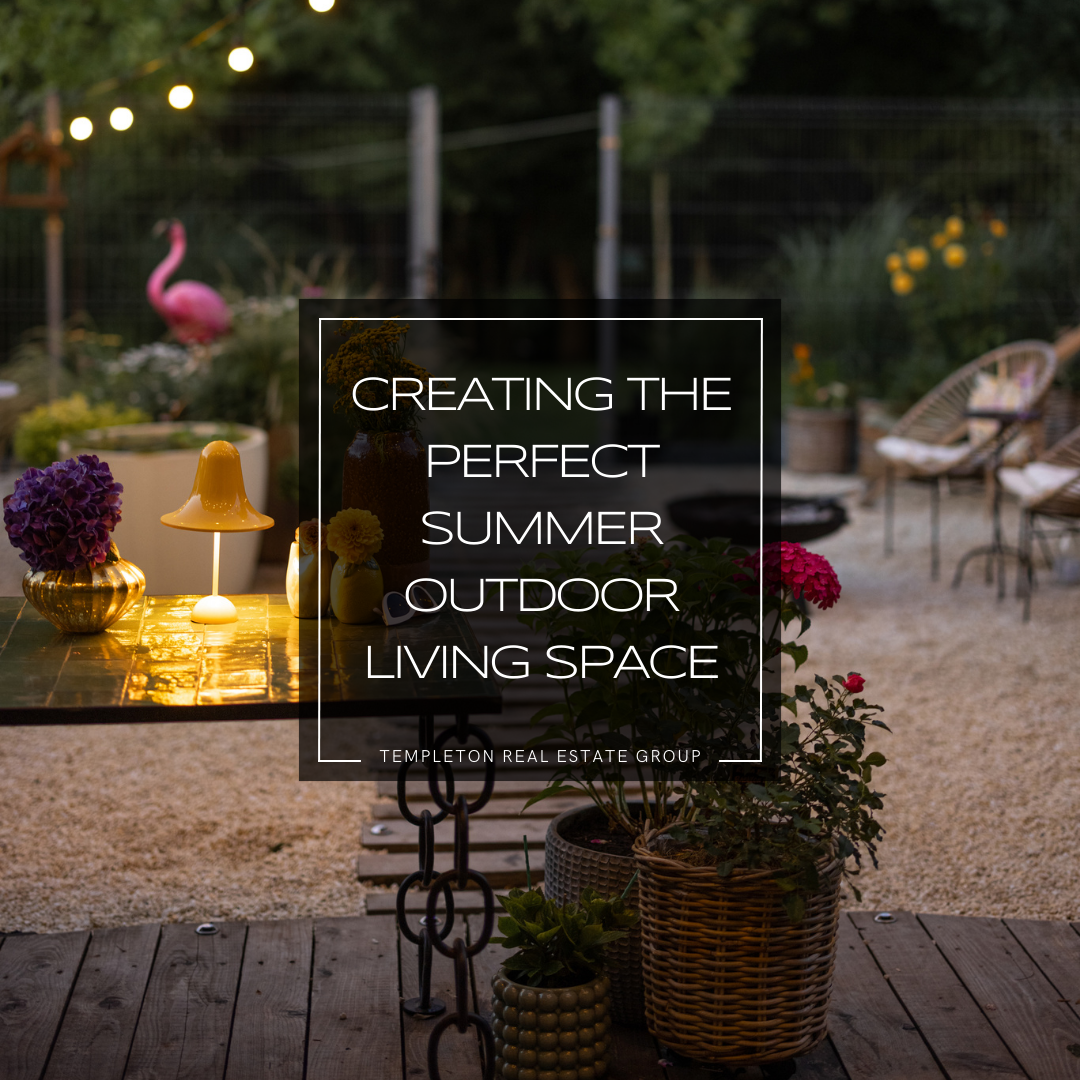
[sps_html tag=”img” src=”https://cdn.northcarolinafinearchitecture.com/2026/06/creating-the-perfect-summer-outdoor-living-space-in-your-boise-home-for-outdoor-changing-room-design.png” alt=”Creating The Perfect Summer Outdoor Living Space In Your Boise Home for Outdoor Changing Room Design” style=”width: 100%; height: auto;”]
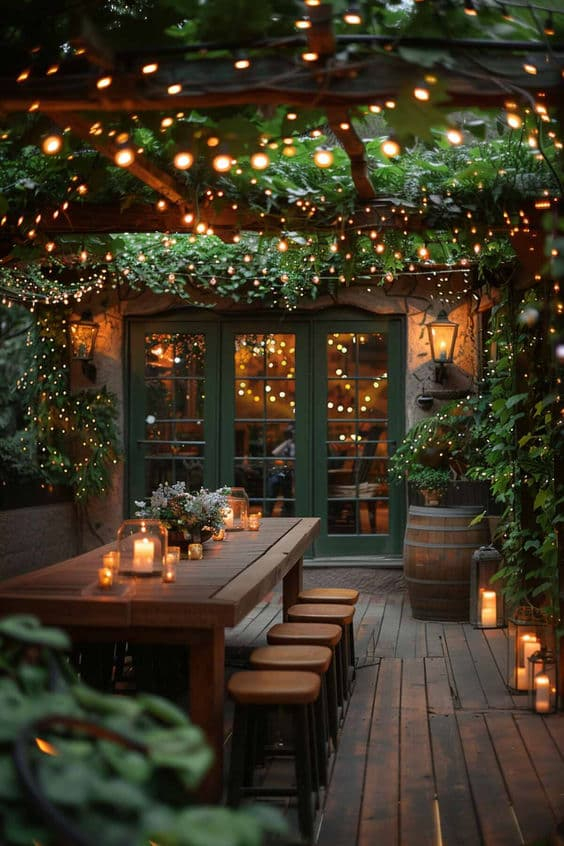
[sps_html tag=”img” src=”https://cdn.northcarolinafinearchitecture.com/2026/06/modern-outdoor-changing-area-designs-light-and-layer-with-creating-family-friendly-outdoor-changing-spaces-with-perfect-lighting-and-ventilation.jpg” alt=”Modern Outdoor Changing Area Designs - Light And Layer with Creating Family Friendly Outdoor Changing Spaces with Perfect Lighting and Ventilation” style=”width: 100%; height: auto;”]
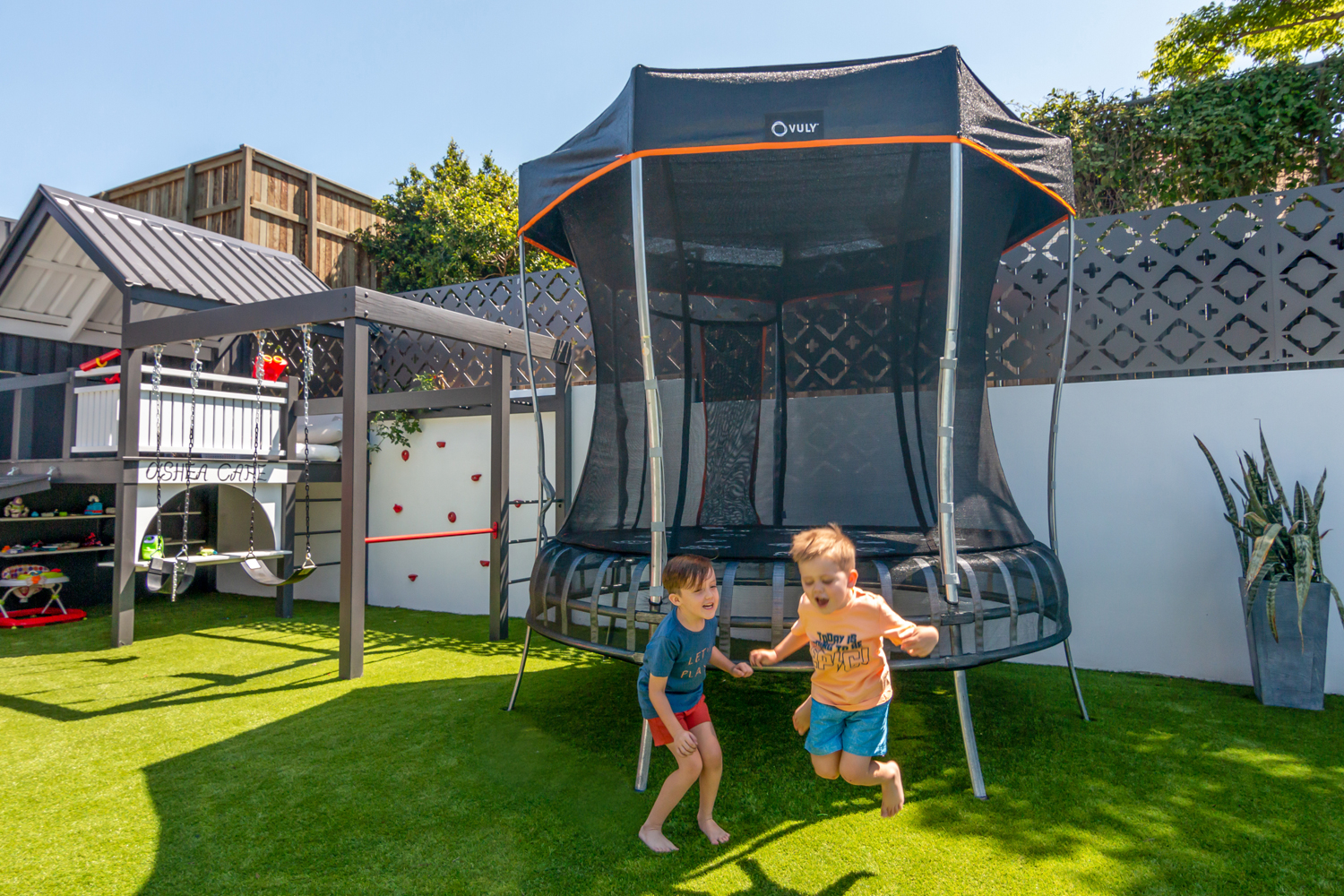
[sps_html tag=”img” src=”https://cdn.northcarolinafinearchitecture.com/2026/06/creating-family-friendly-outdoor-spaces-a-collaboration-between-oshea-with-creating-family-friendly-outdoor-changing-spaces-with-perfect-lighting-and-ventilation.jpg” alt=”Creating Family-Friendly Outdoor Spaces: A Collaboration Between O'shea … with Creating Family Friendly Outdoor Changing Spaces with Perfect Lighting and Ventilation” style=”width: 100%; height: auto;”]
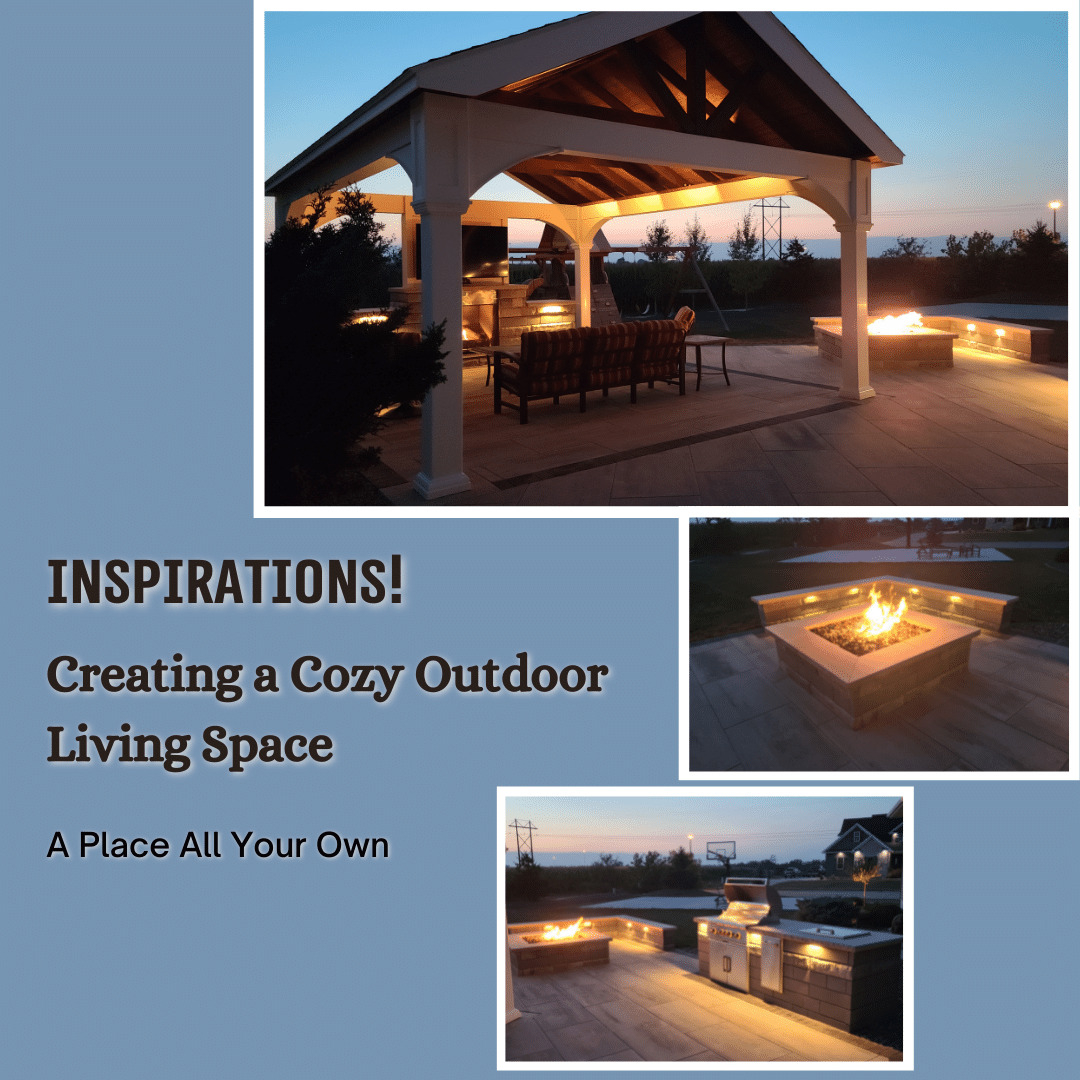
[sps_html tag=”img” src=”https://cdn.northcarolinafinearchitecture.com/2026/06/creating-a-cozy-outdoor-living-space-outdoor-innovations-with-creating-family-friendly-outdoor-changing-spaces-with-perfect-lighting-and-ventilation.jpg” alt=”Creating A Cozy Outdoor Living Space - Outdoor Innovations with Creating Family Friendly Outdoor Changing Spaces with Perfect Lighting and Ventilation” style=”width: 100%; height: auto;”]
[sps_html tag=”img” src=”https://cdn.northcarolinafinearchitecture.com/2026/06/8-ways-to-create-the-perfect-outdoor-space-inside-outdoor-changing-room-design.webp” alt=”8 Ways To Create The Perfect Outdoor Space inside Outdoor Changing Room Design” style=”width: 100%; height: auto;”]