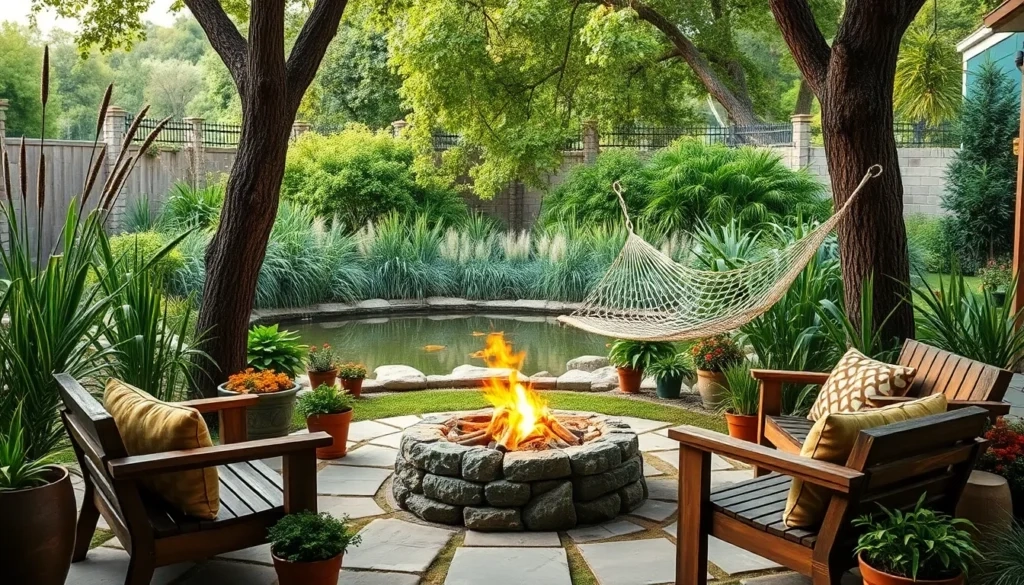
You know that feeling when you’re sitting by the fire pit on a crisp autumn evening? The flames are dancing, the marshmallows are perfectly toasted, and everything feels right with the world. But then you glance at that old, rusted mesh screen leaning against the wall. It’s seen better days. Maybe it’s got a hole the size of a quarter. Maybe the frame is wobbly. You wonder, "Is this thing actually going to stop sparks from flying onto my deck?"
It’s a question more homeowners are asking in 2026. With wildfire seasons getting longer and more intense, especially out west in places like Colorado and California, the humble fire screen isn’t just an accessory anymore. It’s a critical piece of safety equipment. Yet, so many of us treat it like an afterthought. We buy it, use it for a summer, and then let it rot in the rain. That’s a mistake. A big one. Because when it comes to four-season durability, not all screens are created equal. And knowing the difference could save your patio, or even your home.
Let’s talk about what really matters. Not the marketing fluff, but the real-world stuff. What makes a screen last? How do you keep it from turning into a rusty mess after one winter? And why does the National Fire Protection Association (NFPA) keep harping on this? We’re diving deep into the nitty-gritty of fire screen longevity. Whether you’ve got a sleek modern gas fireplace or a classic wood-burning pit, this guide is for you. It’s time to stop replacing screens every two years and start investing in ones that stick around.
The Material Matters More Than You Think
First things first. Let’s talk metal. Not all metals are built for the outdoors. If you’ve ever bought a cheap screen from a big-box store, you probably noticed it started spotting with rust after just a few months. That’s because it was likely made from low-grade steel or iron without proper coating. In 2026, the gold standard for durability is still stainless steel or powder-coated aluminum. Why? Because they don’t rust. Simple as that.
Steel mesh is often recommended by experts for its heat resistance. It can take the high temperatures of a roaring fire without warping or melting. But here’s the catch: regular steel will corrode if it’s not treated. That’s where powder coating comes in. This isn’t just paint. It’s a thick, durable layer that’s baked onto the metal. It resists chipping, fading, and rusting. If you’re looking at a screen and the coating looks thin or uneven, walk away. You want something robust. Something that can handle being rained on, snowed on, and baked by the sun.
Aluminum is another contender. It’s lighter than steel, which makes it easier to move around. It’s naturally resistant to corrosion, too. But it’s not as strong as steel. If you’ve got a large fire pit with heavy logs, a flimsy aluminum screen might bend or break. So, consider your usage. Do you need heavy-duty protection? Go with steel. Do you want something lightweight and easy to store? Aluminum might be your best bet. Just make sure it’s high-quality. Don’t skimp on the gauge of the mesh either. Thicker wire means better spark containment and longer life.
Understanding the Four Seasons Challenge
Here’s the thing about outdoor gear: it has to survive everything. Summer heat, winter freeze, spring rain, and fall winds. Each season brings its own set of challenges for your fire screen. In the summer, UV rays can degrade certain coatings and plastics. If your screen has any plastic components, like handles or feet, they might become brittle and crack. That’s why metal-on-metal construction is often preferred for long-term durability.
Winter is arguably the toughest season. Moisture is the enemy. When water gets into the tiny crevices of your screen’s frame and then freezes, it expands. This causes micro-cracks in the metal or coating. Over time, these cracks grow. Rust sets in. The structural integrity weakens. That’s why proper winter prep is non-negotiable. You wouldn’t leave your car outside without washing off the road salt, right? Same logic applies here. Salt, whether from ocean air or de-icing products, accelerates corrosion faster than almost anything else.
Spring and fall bring their own issues. Pollen, leaves, and debris can get trapped in the mesh. If left there, this organic matter holds moisture against the metal, creating a perfect environment for rust. It’s not just about aesthetics. A clogged screen doesn’t breathe properly, which can affect airflow and even combustion efficiency if it’s placed too close to the fire. Regular cleaning during these transitional seasons prevents buildup and keeps your screen functioning as intended. It’s a small effort that pays off in spades.
Storage Strategies That Actually Work
So, how do you protect your investment when you’re not using it? Storage is key. Many homeowners just leave their screens out year-round. Bad idea. Even the most durable materials will degrade faster if they’re constantly exposed to the elements. Ideally, you should store your fire screen in a dry, covered area during the off-season. A garage, shed, or even a sturdy storage box works wonders.
If you can’t bring it indoors, cover it. But not with just any tarp. You need a breathable cover. Plastic tarps trap moisture underneath, which leads to condensation and rust. Look for covers made from canvas or specialized breathable fabrics. These allow air to circulate while keeping rain and snow off. Make sure the cover fits snugly so wind doesn’t blow it off. You don’t want your screen banging around in a storm, getting dented or scratched.
For those with limited space, consider folding screens. Many modern designs fold flat, making them easier to stash away. Just make sure the hinges are well-oiled and free of debris before storing. A little maintenance goes a long way. Also, elevate the screen off the ground if you must leave it outside. Putting it on a pallet or shelf prevents it from sitting in puddles. Water pooling around the base of the legs is a common cause of premature rusting. Keep it dry, keep it clean, and it’ll last decades, not just seasons.
Maintenance Tips for Longevity
Let’s get practical. What should you actually do to keep your screen in top shape? Start with regular inspections. Before each fire season, give your screen a once-over. Look for signs of rust, loose mesh, or damaged frames. Catching small problems early prevents them from becoming big, expensive ones later. If you spot a little rust, don’t panic. Sand it down lightly and apply a touch-up paint or rust inhibitor. It’s a quick fix that extends the life of your screen significantly.
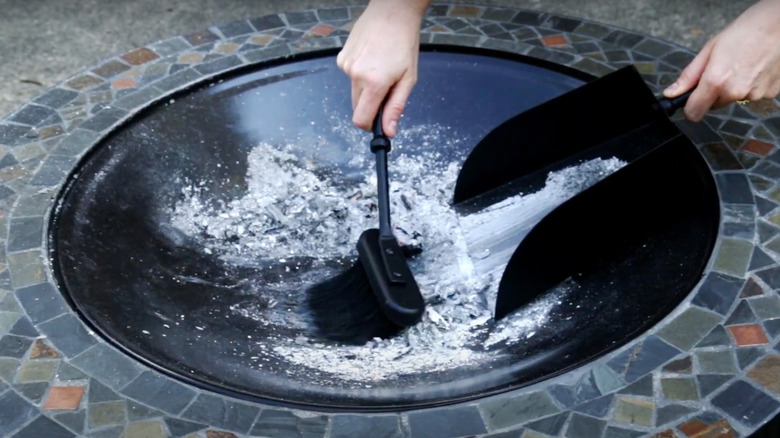
Cleaning is another crucial step. Use a soft brush or cloth to remove ash, soot, and debris from the mesh. Avoid harsh chemicals or abrasive cleaners, which can damage the protective coating. Mild soap and water are usually sufficient. For tougher grime, a mixture of vinegar and water works wonders. Rinse thoroughly and let it dry completely before storing or using. Wet screens are prone to rust, so never put a damp screen away.
Lubrication is often overlooked. If your screen has moving parts, like doors or folding mechanisms, keep them oiled. Use a high-temperature lubricant that won’t burn off or attract dirt. This ensures smooth operation and prevents seizing. It’s a five-minute task that makes a huge difference in usability. And don’t forget the feet or base. Check that they’re stable and not wobbling. A unstable screen is a safety hazard. Tighten any loose bolts or screws. Treat your screen like you would your car. Regular maintenance keeps it running smoothly and safely.
Safety Standards and Wildfire Preparedness
In 2026, safety isn’t just a suggestion. It’s a necessity. With wildfires becoming more frequent and severe, homeowners need to think beyond their immediate patio. The Metal Roofing Alliance (MRA) and other experts urge homeowners to remember the "Four S’s" of fire hardening: Structures, Spaces, Surfaces, and Screens. Your fire screen falls squarely into the "Screens" category. It’s your first line of defense against escaping embers.
The NFPA guidelines emphasize the importance of spark containment. A good fire screen should have a mesh fine enough to catch even the smallest embers. Large gaps are a no-go. They let sparks fly out, potentially igniting nearby dry leaves, furniture, or decking. When shopping for a screen, look for one that meets or exceeds local fire safety codes. Some areas have strict regulations about outdoor burning, especially during high-risk seasons. Ignoring these can lead to fines or, worse, disaster.
Consider the placement of your screen too. It should be sturdy enough to withstand wind gusts. A light breeze can blow embers over a flimsy barrier. Weighted bases or anchored designs are preferable in windy regions. Also, think about the surrounding area. Keep combustible materials at least ten feet away from your fire pit. The screen helps, but it’s not magic. It works best as part of a comprehensive fire safety strategy. Educate yourself on local wildfire risks and adjust your practices accordingly. It’s about protecting your home and your neighbors.
Eventually, even the best-maintained screen will reach the end of its life. Knowing when to repair and when to replace is crucial. Minor rust spots or a loose hinge? Fixable. A cracked frame or large holes in the mesh? Time for a new one. Don’t try to patch a severely compromised screen. It’s not worth the risk. A failed screen during a fire can have catastrophic consequences.
Cost is always a factor. High-quality screens cost more upfront, but they last longer. Cheap screens might seem like a bargain, but if you’re replacing them every two years, you’re spending more in the long run. Plus, the environmental impact of constant disposal adds up. Investing in a durable, repairable screen is the smarter choice. Look for manufacturers that offer replacement parts. Being able to swap out a broken handle or a section of mesh extends the product’s lifespan significantly.
Also, consider technological advancements. In recent years, we’ve seen innovations like "Forever Screens" made from advanced alloys that resist corrosion and heat better than traditional materials. While pricier, these options offer unparalleled durability. If you live in a harsh climate or high-fire-risk zone, it might be worth the upgrade. Evaluate your current screen honestly. Is it doing its job? Is it safe? If the answer is no, don’t hesitate. Replace it. Your peace of mind is worth it.
So, there you have it. The secret to four-season fire screen durability isn’t rocket science. It’s about choosing the right materials, protecting them from the elements, and performing regular maintenance. It’s about respecting the power of fire and taking proactive steps to contain it. In 2026, with our changing climate and increasing wildfire risks, this knowledge is more valuable than ever.
Don’t let your fire screen become an afterthought. Treat it with care. Inspect it. Clean it. Store it properly. And when it’s time to buy a new one, choose quality over price. Your future self—and your home—will thank you. After all, those cozy nights by the fire are precious. Let’s make sure they stay safe and enjoyable for years to come. Now, go check that screen. You might just find a little rust spot that needs attention. Better now than later.
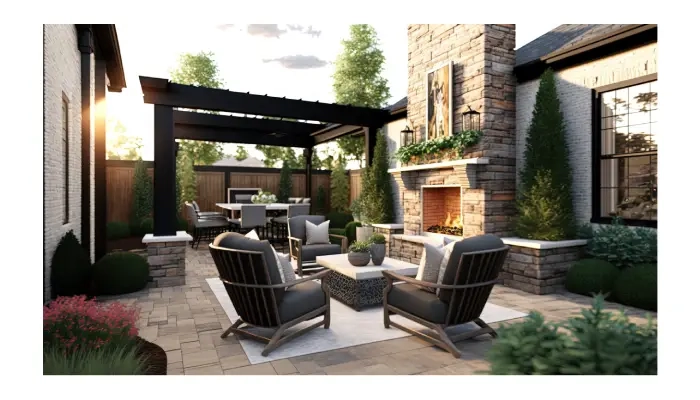
[sps_html tag=”img” src=”https://cdn.northcarolinafinearchitecture.com/2026/06/25-stunning-backyard-oasis-ideas-to-transform-your-outdoor-space-on-any-for-transforming-your-backyard-oasis-with-custom-fire-screen-designs.webp” alt=”25 Stunning Backyard Oasis Ideas To Transform Your Outdoor Space On Any … for Transforming Your Backyard Oasis with Custom Fire Screen Designs” style=”width: 100%; height: auto;”]
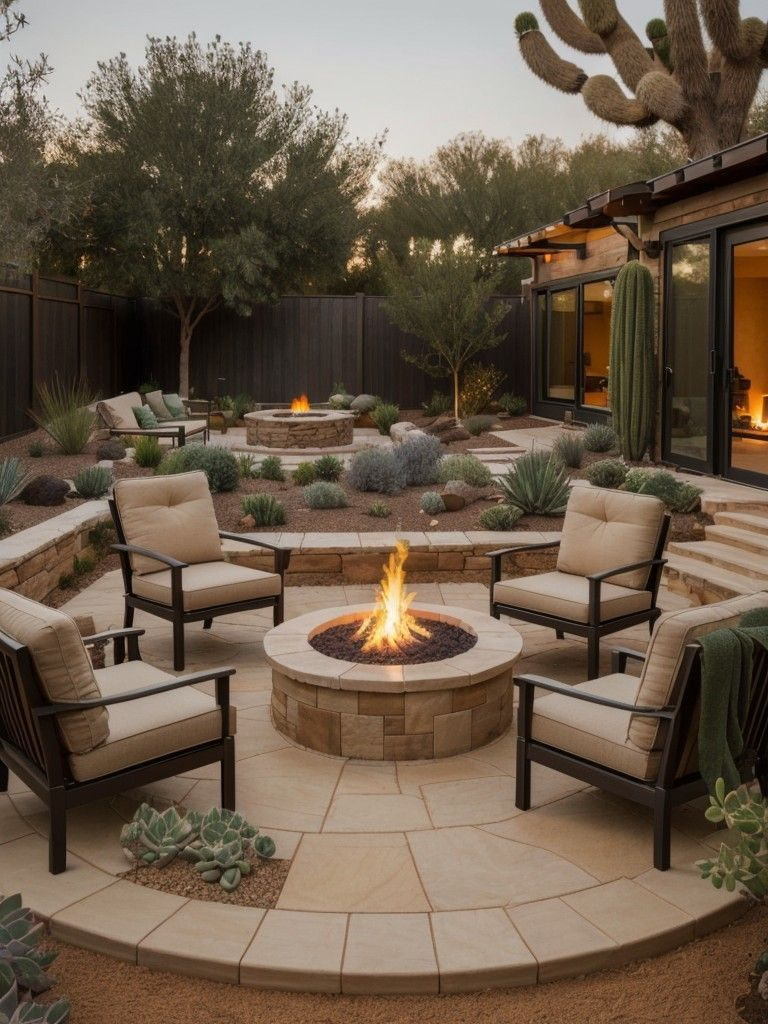
[sps_html tag=”img” src=”https://cdn.northcarolinafinearchitecture.com/2026/06/sands-and-succulents-transforming-your-backyard-into-a-desert-oasis-in-outdoor-fire-screen-design.jpg” alt=”Sands And Succulents: Transforming Your Backyard Into A Desert Oasis … in Outdoor Fire Screen Design” style=”width: 100%; height: auto;”]
[sps_html tag=”img” src=”https://cdn.northcarolinafinearchitecture.com/2026/06/transform-your-backyard-oasis-dallas-outdoor-living-ideas-with-transforming-your-backyard-oasis-with-custom-fire-screen-designs.webp” alt=”Transform Your Backyard Oasis: Dallas Outdoor Living Ideas with Transforming Your Backyard Oasis with Custom Fire Screen Designs” style=”width: 100%; height: auto;”]
[sps_html tag=”img” src=”https://cdn.northcarolinafinearchitecture.com/2026/06/transform-your-backyard-into-an-outdoor-oasis-livinator-intended-for-transforming-your-backyard-oasis-with-custom-fire-screen-designs.png” alt=”Transform Your Backyard Into An Outdoor Oasis - Livinator intended for Transforming Your Backyard Oasis with Custom Fire Screen Designs” style=”width: 100%; height: auto;”]
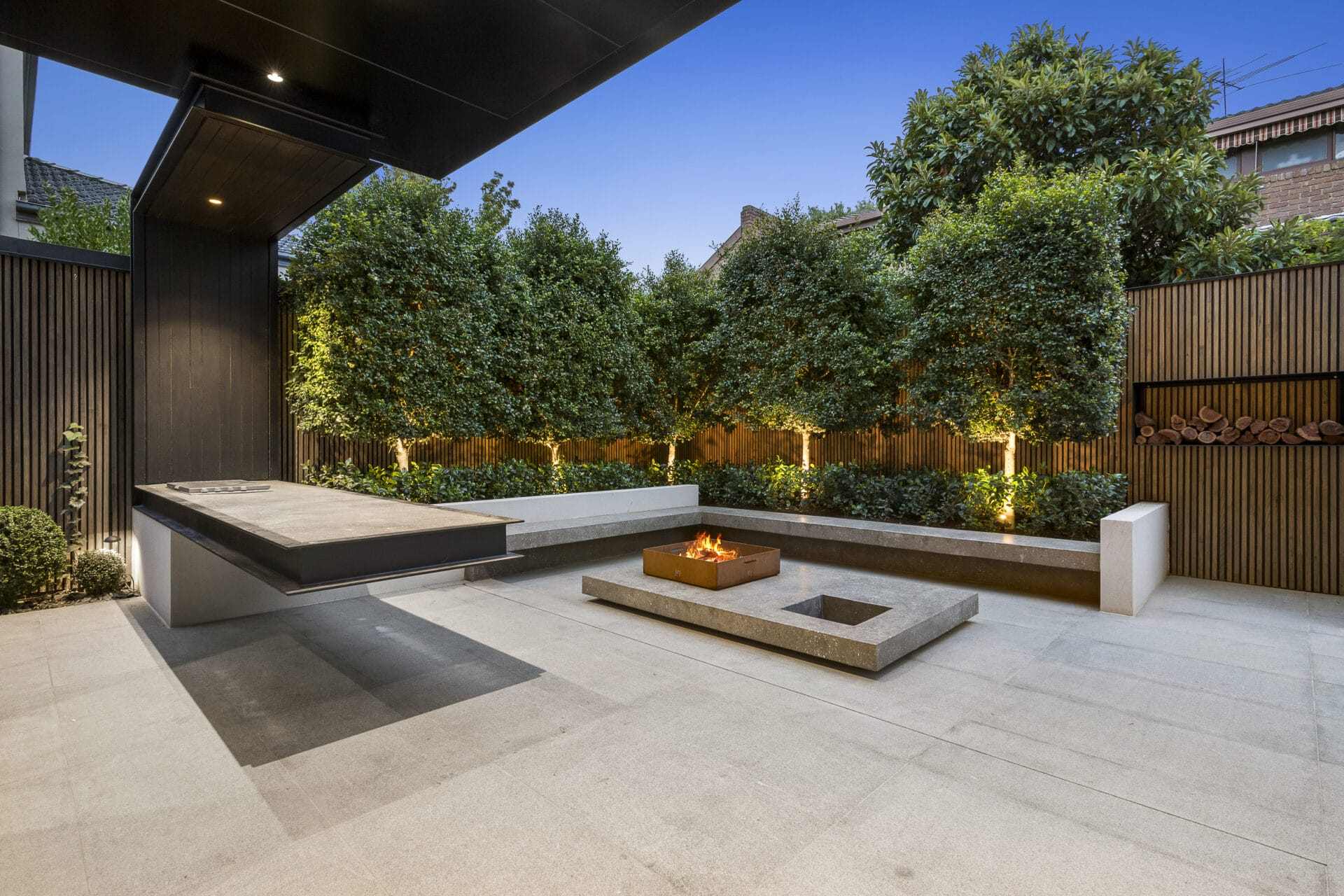
[sps_html tag=”img” src=”https://cdn.northcarolinafinearchitecture.com/2026/06/10-stunning-fire-pit-designs-for-your-backyard-oasis-inside-transforming-your-backyard-oasis-with-custom-fire-screen-designs.jpg” alt=”10 Stunning Fire Pit Designs For Your Backyard Oasis inside Transforming Your Backyard Oasis with Custom Fire Screen Designs” style=”width: 100%; height: auto;”]