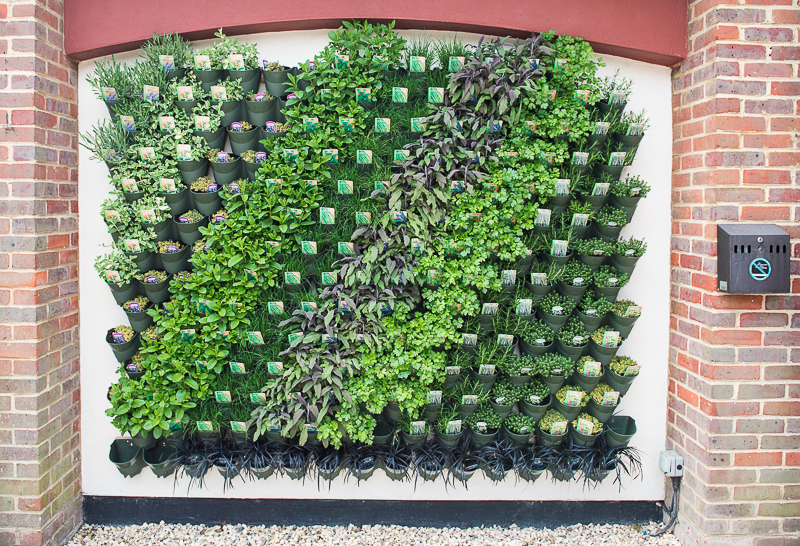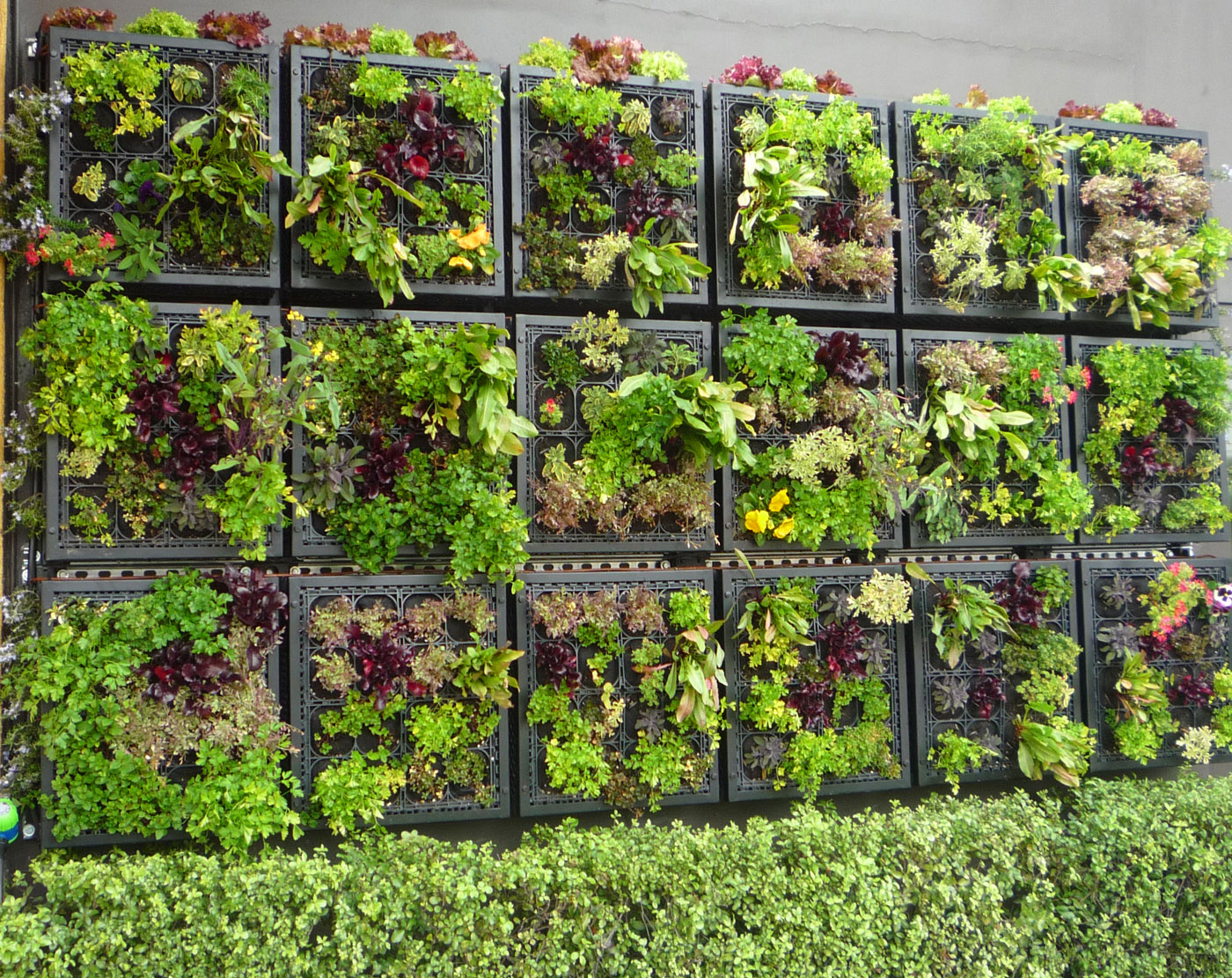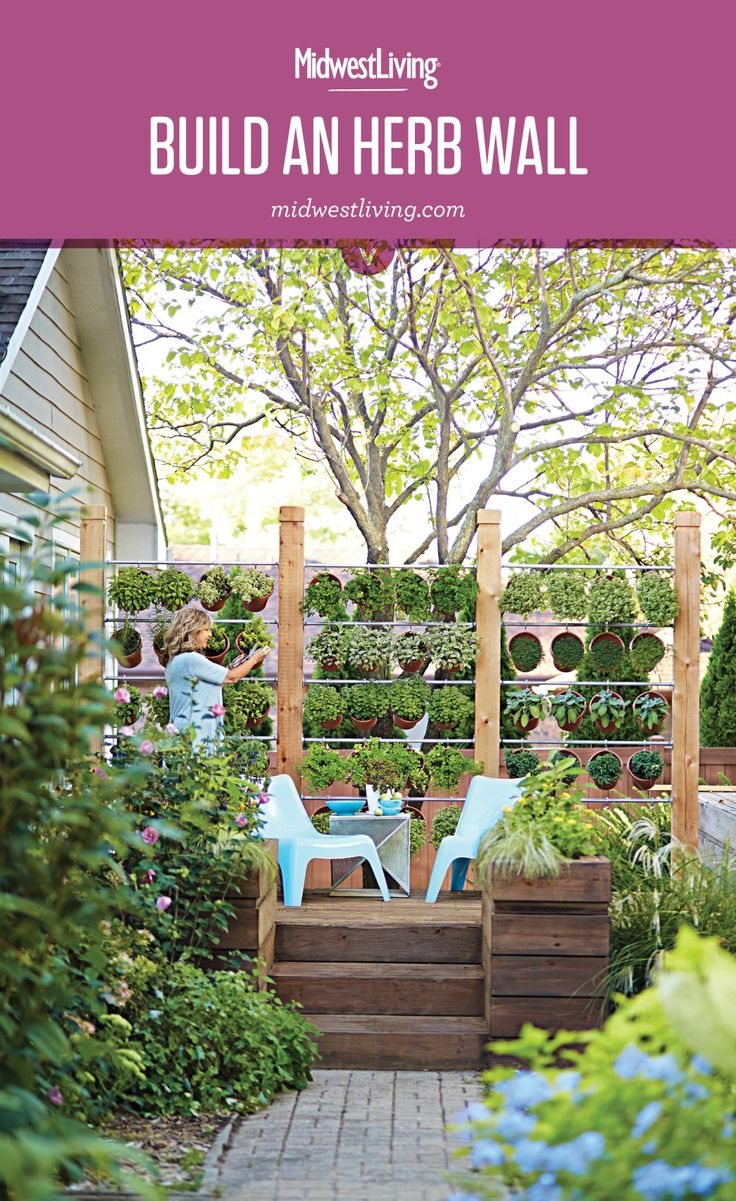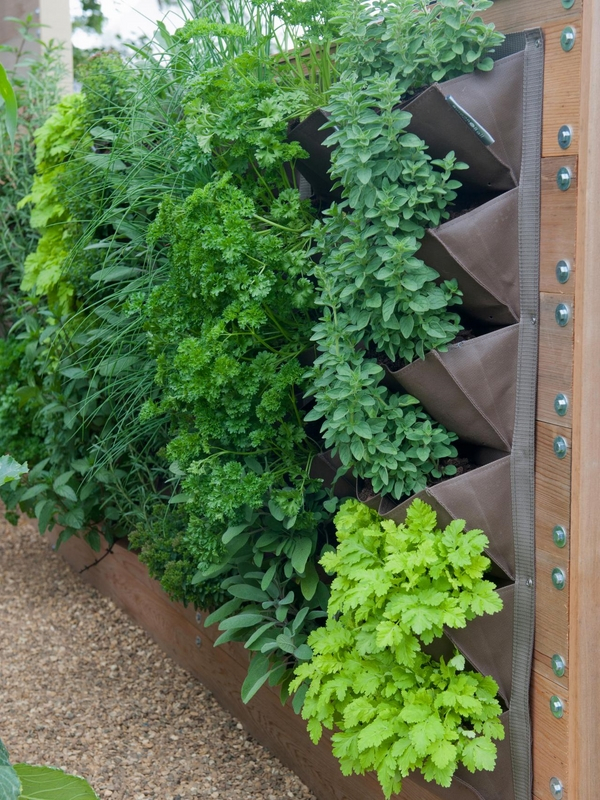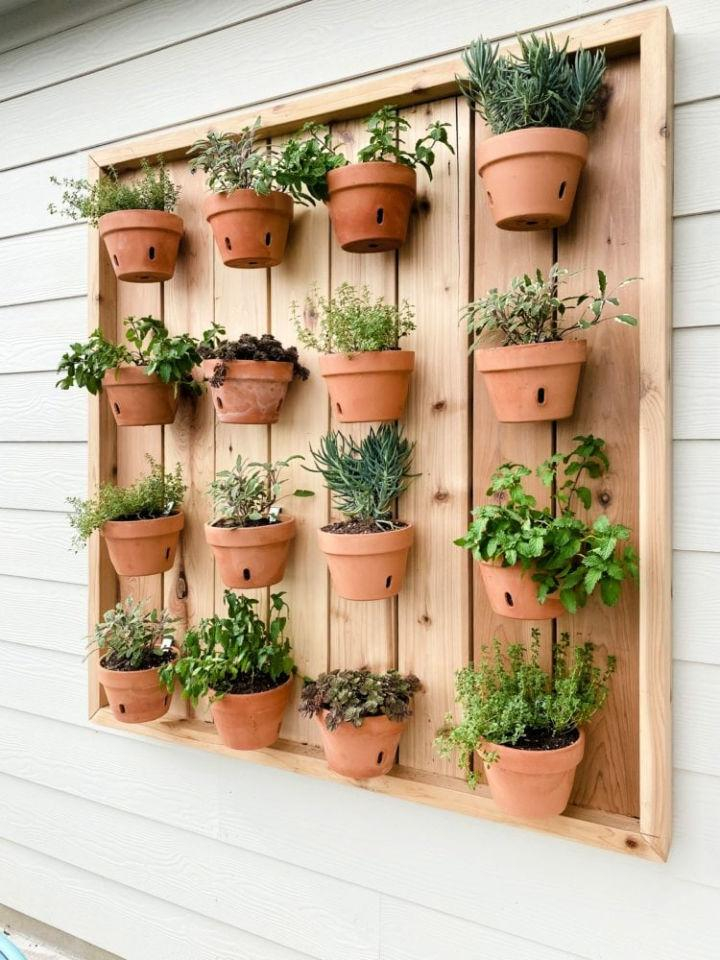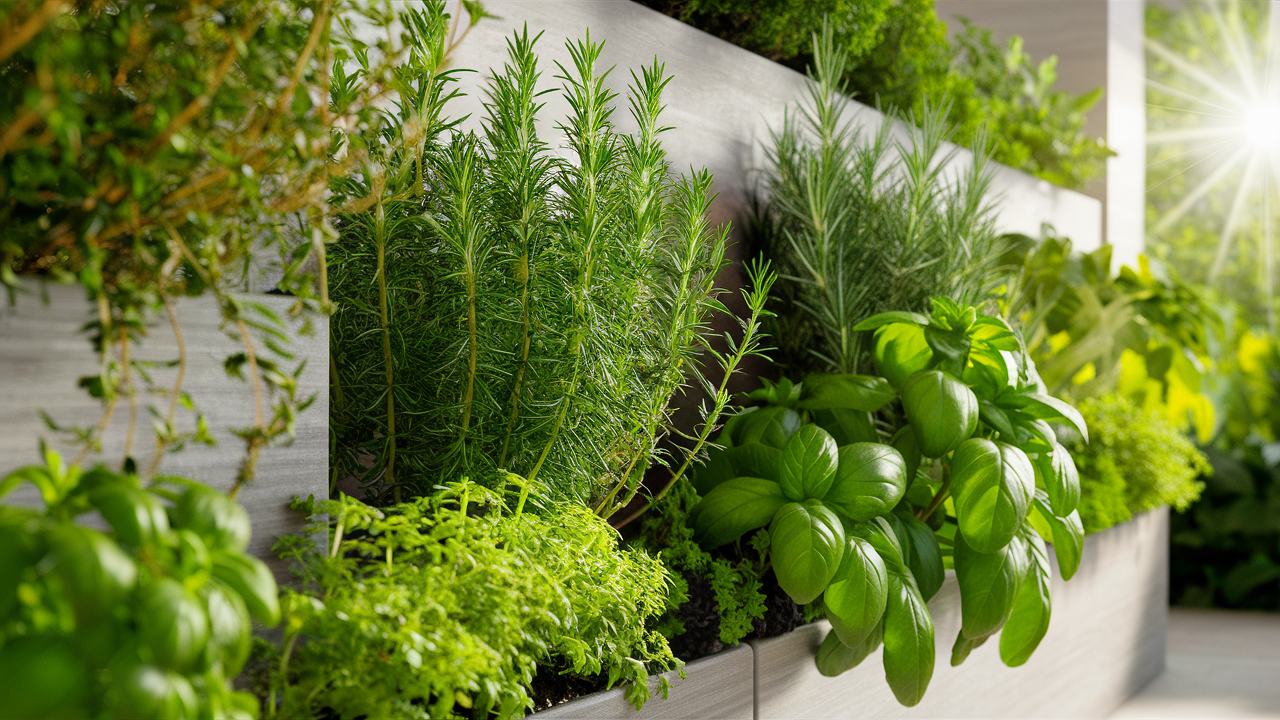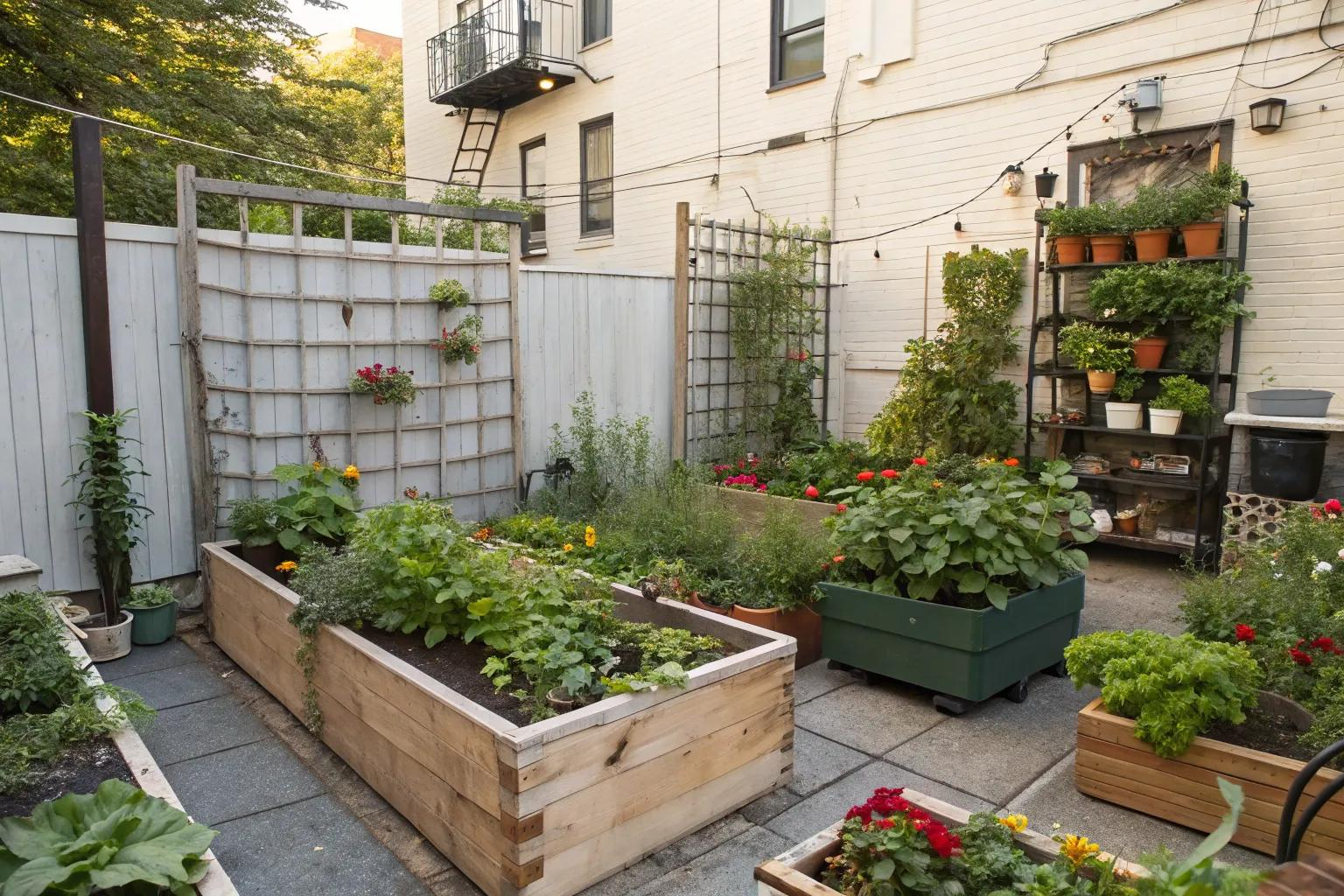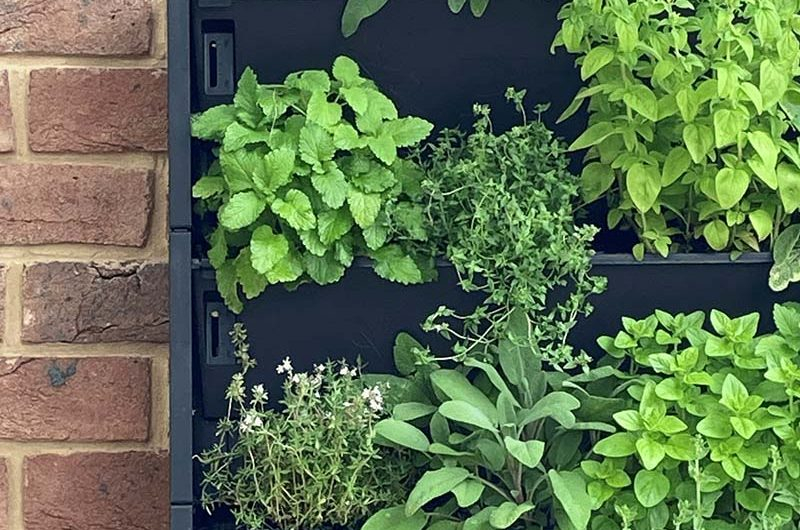
Ever walked past a lush, vertical wall of basil and thyme and thought, "I could never keep that alive"? You aren’t alone. For years, the dream of an outdoor herb garden stacked floor-to-ceiling felt like a trap. It looked beautiful in magazines, but in reality? It was a chore. A daily, sweaty, hose-dragging chore. If you missed one watering in the summer heat, your expensive plants turned into crispy brown confetti. But something shifted recently. The technology caught up with the ambition.
In 2026, we are seeing a quiet revolution in how we water our vertical spaces. It’s no longer about guessing or setting rigid timers that waste water when it rains. It’s about systems that think. They sense. They adapt. Smart irrigation has moved from clunky industrial setups to sleek, user-friendly tools that fit right into our homes. And for herb walls—those tricky, fast-drying vertical gardens—it’s a game changer. Suddenly, the barrier isn’t skill or time. It’s just deciding what you want to cook with tonight.
Why Herb Walls Are Hard (And Why That’s Changing)
Let’s be honest. Vertical gardening is physics fighting against biology. Water wants to go down, not stay put. In a traditional planter, gravity pulls moisture through the soil quickly. The top plants often stay dry while the bottom ones drown. It’s a mess. Add in the wind exposure on an outdoor wall, and you have a recipe for stress. Most people quit because they can’t keep up with the micro-management. You have to check each pocket. You have to adjust for sun spots. It’s exhausting.
But the new wave of smart systems solves this by treating the wall as a single, living organism rather than a collection of pots. Recent data from residential irrigation studies shows that micro-irrigation setups can boost efficiency by huge margins. We aren’t just spraying water and hoping for the best anymore. We are delivering it precisely where the roots are. This shift means the "effort" part of the equation is dropping away. You don’t need to be a horticulture expert. You just need a system that understands the specific needs of a vertical layout.
The real breakthrough here is consistency. Herbs like rosemary and mint are tough, but they hate inconsistency. One day soaked, the next day parched, and they get stressed. Stressed herbs taste bitter. They grow leggy. They die. Smart irrigation removes that rollercoaster. It provides a steady, gentle sip of water that mimics ideal natural conditions. This stability is what makes the wall look effortless. It’s not magic. It’s just really good, consistent care delivered by a machine that doesn’t get tired or forgetful.
The Brain Behind the Water: AI and Sensors
So, what makes these systems "smart"? It’s not just a timer on your phone. That’s old news. In 2026, we are talking about evapotranspiration-aware irrigation. That’s a fancy way of saying the system knows how much water your plants are losing to the air and sun. It uses local weather data, yes, but it also uses sensors right in the garden. These little devices measure soil moisture, temperature, and even humidity levels around the leaves.
Imagine a controller that knows it’s going to rain in two hours, so it skips the morning cycle. Or one that notices the south-facing side of your wall is drying out faster than the shaded north side, and adjusts the flow accordingly. This is sensor fusion in action. It’s taking multiple data points and making a decision. According to recent updates in AI gardening systems, this kind of computer vision and anomaly detection is becoming standard. The system can spot if a plant is wilting before you even notice it.
This level of intelligence saves water, sure. But it also saves your plants from themselves. Overwatering is actually more common than underwatering in well-meaning gardens. Smart controllers prevent root rot by ensuring the soil has time to breathe. Models like the Rachio 3 and Orbit B-hyve have led the charge here, offering easy DIY installs that connect to Alexa or Google Home. But the newer, specialized kits for vertical gardens take it further. They understand the unique hydrodynamics of a wall. They don’t just water; they nurture.
Drip vs. Misting: Choosing the Right Flow
When you’re setting up an herb wall, the method of delivery matters as much as the timing. You generally have two choices: drip irrigation or misting. Drip is the workhorse. It delivers water slowly directly to the base of each plant. It’s efficient. It keeps the leaves dry, which helps prevent fungal diseases like powdery mildew. For herbs like oregano and thyme that hate wet feet, drip is king. It’s quiet, unobtrusive, and incredibly water-wise.
Misting, on the other hand, creates a humid microclimate. It looks gorgeous. Seeing a fine mist coat your basil leaves in the morning sun is a vibe. But it’s riskier. Wet leaves can lead to mold if the air doesn’t circulate well. However, for tropical herbs or leafy greens mixed into your wall, misting can be beneficial. The key is using a smart system that can switch between modes or adjust duration based on humidity sensors. Some 2026 models now offer hybrid heads that can do both, giving you flexibility.
The trend in 2026 is towards modular drip lines that integrate seamlessly into the wall structure. No more ugly black tubing running everywhere. These systems are hidden within the planter frames. They use pressure-compensating emitters, which means every plant gets the exact same amount of water, regardless of whether it’s at the top or bottom of the wall. This eliminates the "gravity problem" we talked about earlier. It’s a simple engineering fix that makes a massive difference in plant health.
Integration with Your Smart Home Ecosystem
One of the coolest parts of modern gardening is how it fits into your existing tech life. You don’t need a separate app for your lights, your thermostat, and your garden. Thanks to Matter-style interoperability, your herb wall can talk to your house. Imagine your smart blinds closing during a heatwave to protect the plants, while the irrigation system increases frequency automatically. It’s a symphony of convenience.
Voice control is also huge. You can ask your speaker, "Did the herbs get watered today?" or "Turn on the manual cycle for five minutes." It sounds trivial, but it builds trust. You feel connected to the garden without having to physically be there. This is especially helpful for busy urban gardeners who might travel for work. You can monitor your wall from anywhere. If a sensor detects a leak or a clog, you get a notification on your phone. No more coming home to a dead garden after a weekend trip.
This integration also allows for better energy and water tracking. Many apps now show you exactly how many gallons you’ve saved compared to a traditional hose setup. Seeing those numbers adds up. It’s satisfying. It turns gardening into a quantifiable win for your household sustainability goals. Plus, some systems can integrate with rainwater harvesting tanks, prioritizing free, collected rain over tap water when available. It’s efficient, eco-friendly, and honestly, pretty cool to watch in action.
Installation and Maintenance: Keeping It Simple
Let’s address the elephant in the room: installation. People hear "smart system" and think "complex wiring." Not anymore. The best systems in 2026 are designed for DIY. They use quick-connect fittings that snap together without tools. You mount the controller near a spigot, run the tubing up the wall, and plug in the sensors. Most setups take under an hour. The apps guide you through step-by-step, almost like assembling furniture but with less frustration.
Maintenance is where the "effortless" promise really shines. Traditional systems need constant tweaking. Smart systems self-calibrate. But you still need to do a few things. Check the filters once a month. Clean the emitter heads if you notice mineral buildup. In hard water areas, this is crucial. Also, winterizing is important if you live in a cold climate. Most smart controllers have a "winter mode" that drains the lines to prevent freezing. It’s a simple button press in the app.
The key is to start small. Don’t try to automate a massive estate on day one. Start with one wall. Get comfortable with the app. Learn how your specific herbs react. Maybe your mint drinks more than your sage. Adjust the zones accordingly. The beauty of these systems is their flexibility. You can tweak settings as your garden grows. And because the hardware is modular, adding more planters later is easy. You just extend the line. It scales with your ambition.
Does it actually work? The data says yes. Studies on residential smart irrigation show water savings of up to 32% or more. For an outdoor herb wall, which can be a water hog due to exposure, the savings are even more significant. You aren’t just saving money on your bill. You’re conserving a precious resource. In drought-prone areas, this isn’t just nice; it’s necessary. Smart systems ensure every drop counts.
But beyond the stats, look at the plants. Herbs grown with consistent, smart irrigation are healthier. They have deeper root systems. They produce more essential oils, which means better flavor. You’ll notice the difference in your cooking. A basil leaf from a well-watered plant is vibrant and sweet. One from a stressed plant is tough and bland. The quality of your harvest improves because the stress is removed.
Users report spending less time worrying and more time enjoying. Instead of dreading the daily watering chore, they enjoy harvesting. They experiment with new varieties because they know the system will handle the care. It changes the relationship with the garden. It becomes a source of joy rather than a list of tasks. And in a world that’s always rushing, having a low-maintenance, high-reward green space is a luxury worth having.
The shift towards smart irrigation for vertical gardens isn’t just a tech trend. It’s a lifestyle upgrade. It makes sustainable living accessible. It brings nature back into urban spaces without the burden of high maintenance. As we move further into 2026, these systems are becoming cheaper, smarter, and easier to use. The barrier to entry is lower than ever. So, why not give it a try? Your future self, sipping tea with fresh mint from your wall, will thank you. It’s time to let technology handle the heavy lifting, so you can just enjoy the green.
[sps_html tag=”img” src=”https://cdn.northcarolinafinearchitecture.com/2026/06/living-wall-herb-plants-at-danelle-perez-blog-in-outdoor-herb-wall-design.jpg” alt=”Living Wall Herb Plants At Danelle Perez Blog in Outdoor Herb Wall Design” style=”width: 100%; height: auto;”]
[sps_html tag=”img” src=”https://cdn.northcarolinafinearchitecture.com/2026/06/10-easy-diy-herb-garden-ideas-indoor-outdoor-inspiration-spoonsway-com-inside-outdoor-herb-wall-design.jpg” alt=”10 Easy Diy Herb Garden Ideas: Indoor & Outdoor Inspiration - Spoonsway.com inside Outdoor Herb Wall Design” style=”width: 100%; height: auto;”]
[sps_html tag=”img” src=”https://cdn.northcarolinafinearchitecture.com/2026/06/living-herb-wall-outdoor-at-ryan-mcgovern-blog-with-build-a-living-herb-wall-that-thrives-outdoors-without-breaking-the-bank.jpg” alt=”Living Herb Wall Outdoor At Ryan Mcgovern Blog with Build a Living Herb Wall That Thrives Outdoors Without Breaking the Bank” style=”width: 100%; height: auto;”]
[sps_html tag=”img” src=”https://cdn.northcarolinafinearchitecture.com/2026/06/living-herb-wall-outdoor-at-ryan-mcgovern-blog-with-regard-to-build-a-living-herb-wall-that-thrives-outdoors-without-breaking-the-bank.jpg” alt=”Living Herb Wall Outdoor At Ryan Mcgovern Blog with regard to Build a Living Herb Wall That Thrives Outdoors Without Breaking the Bank” style=”width: 100%; height: auto;”]
[sps_html tag=”img” src=”https://cdn.northcarolinafinearchitecture.com/2026/06/outdoor-living-herb-wall-living-walls-outdoor-indoor-green-walls-regarding-build-a-living-herb-wall-that-thrives-outdoors-without-breaking-the-bank.jpg” alt=”Outdoor Living Herb Wall Living Walls | Outdoor & Indoor Green Walls regarding Build a Living Herb Wall That Thrives Outdoors Without Breaking the Bank” style=”width: 100%; height: auto;”]