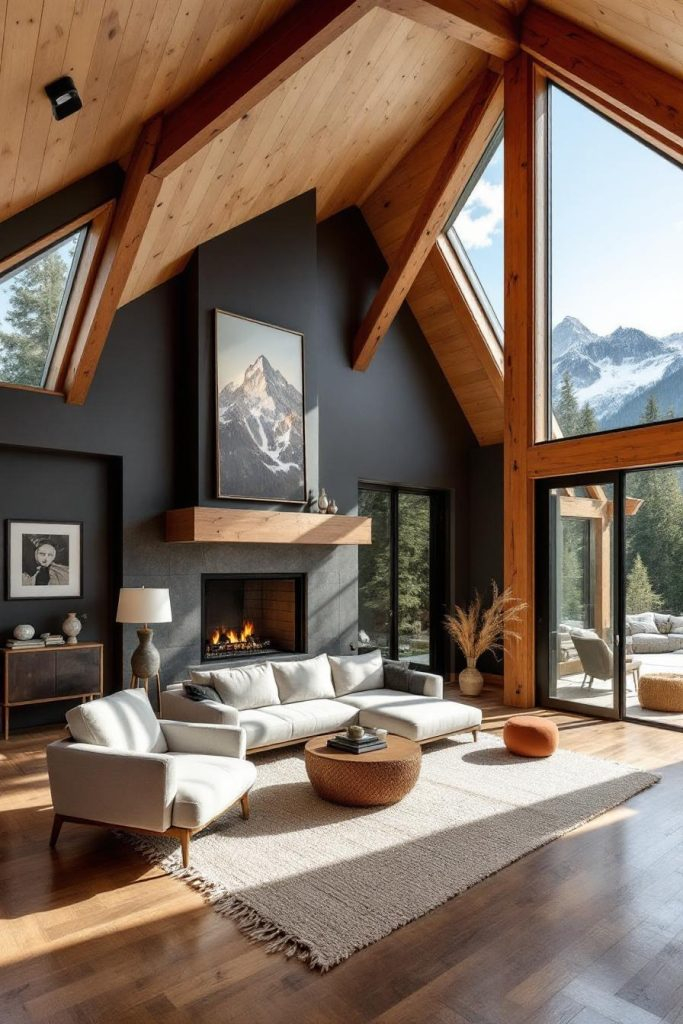
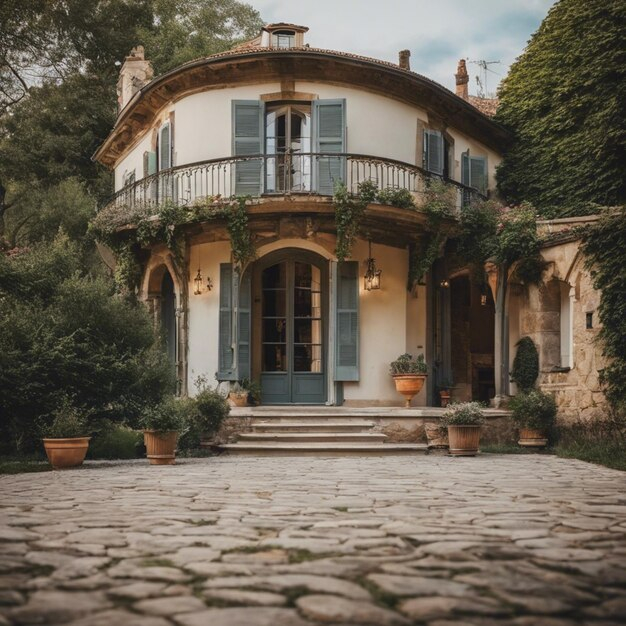
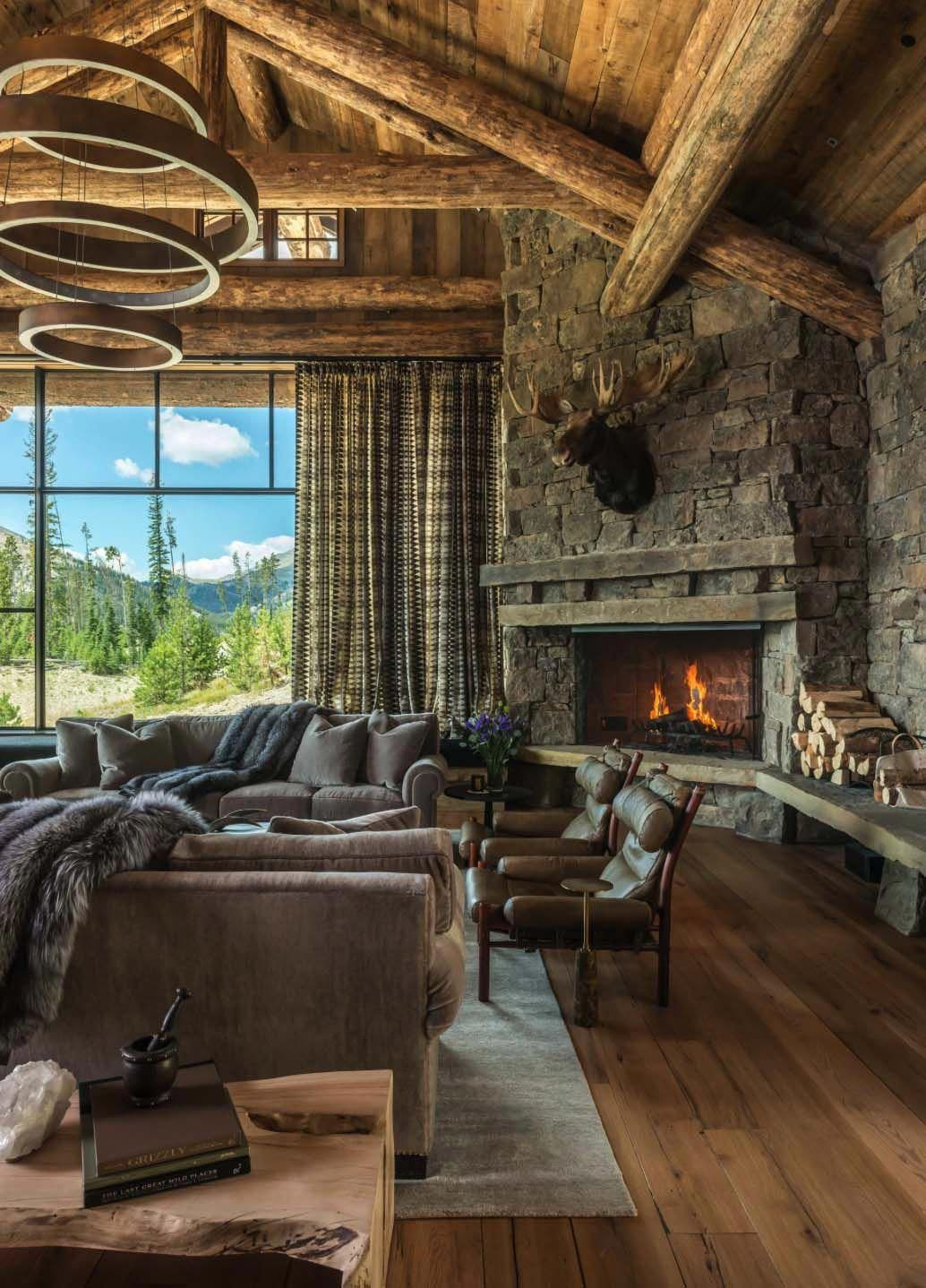
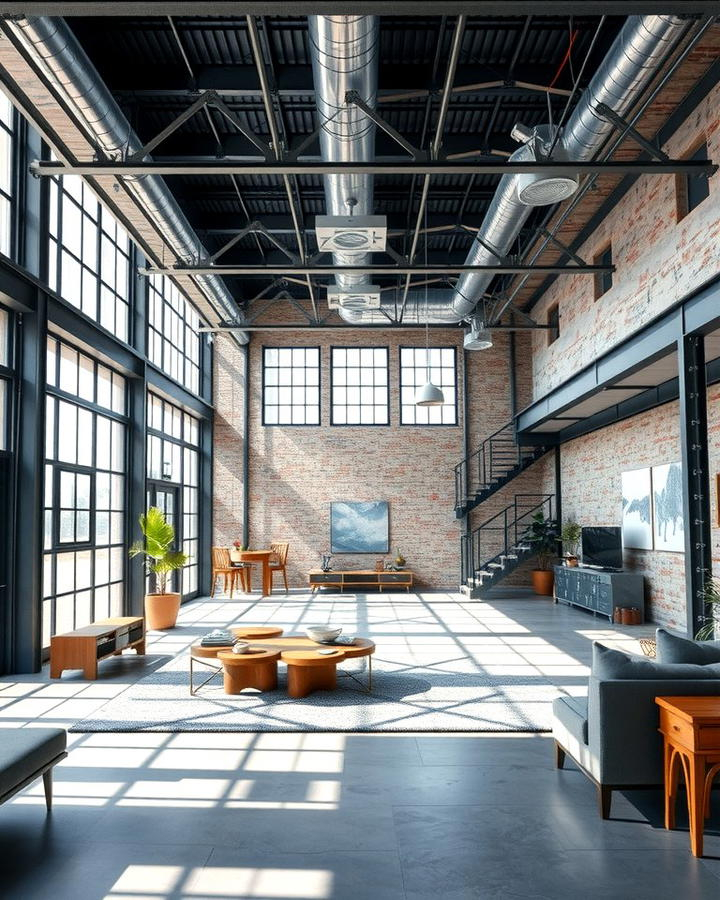
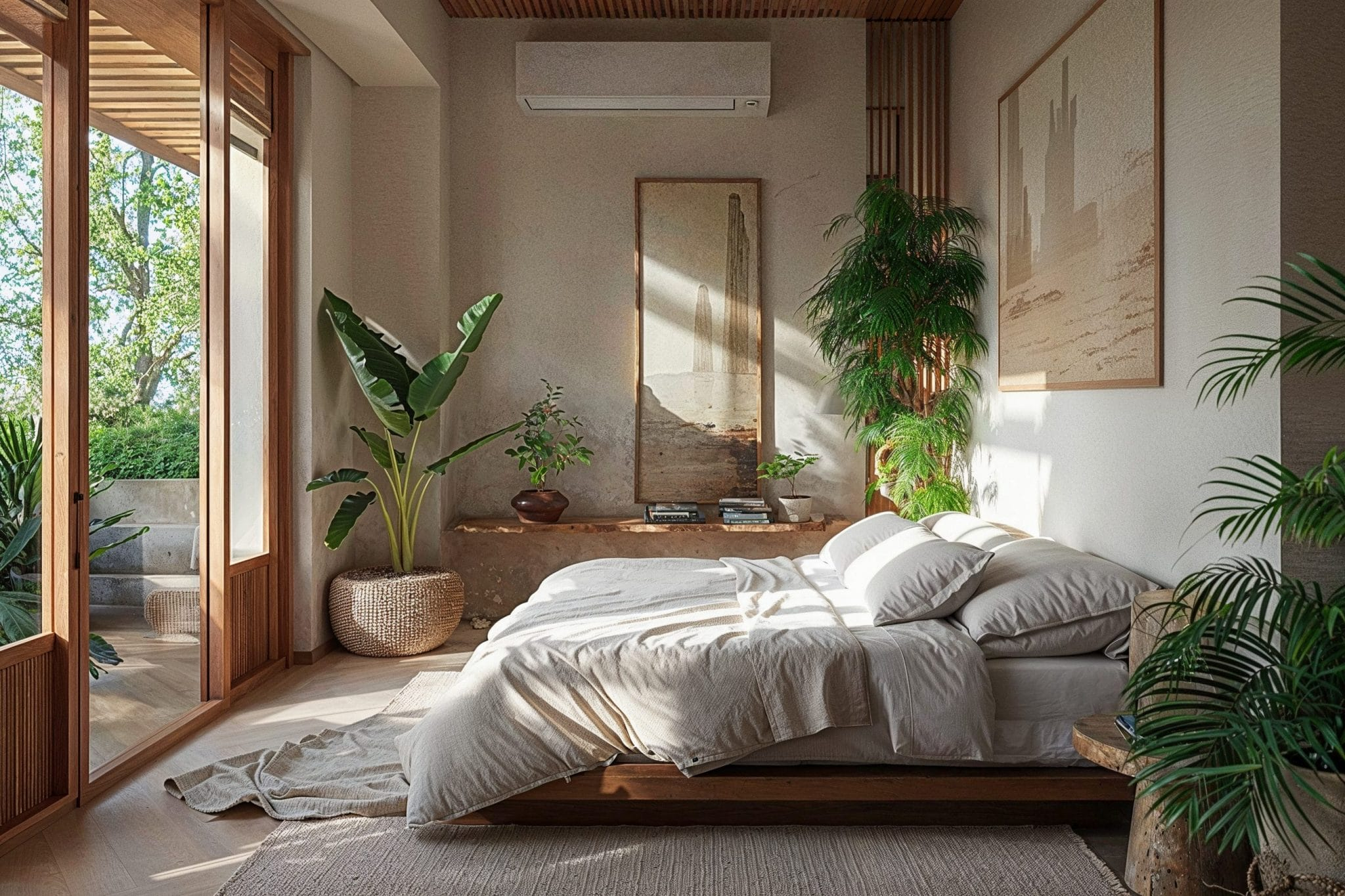
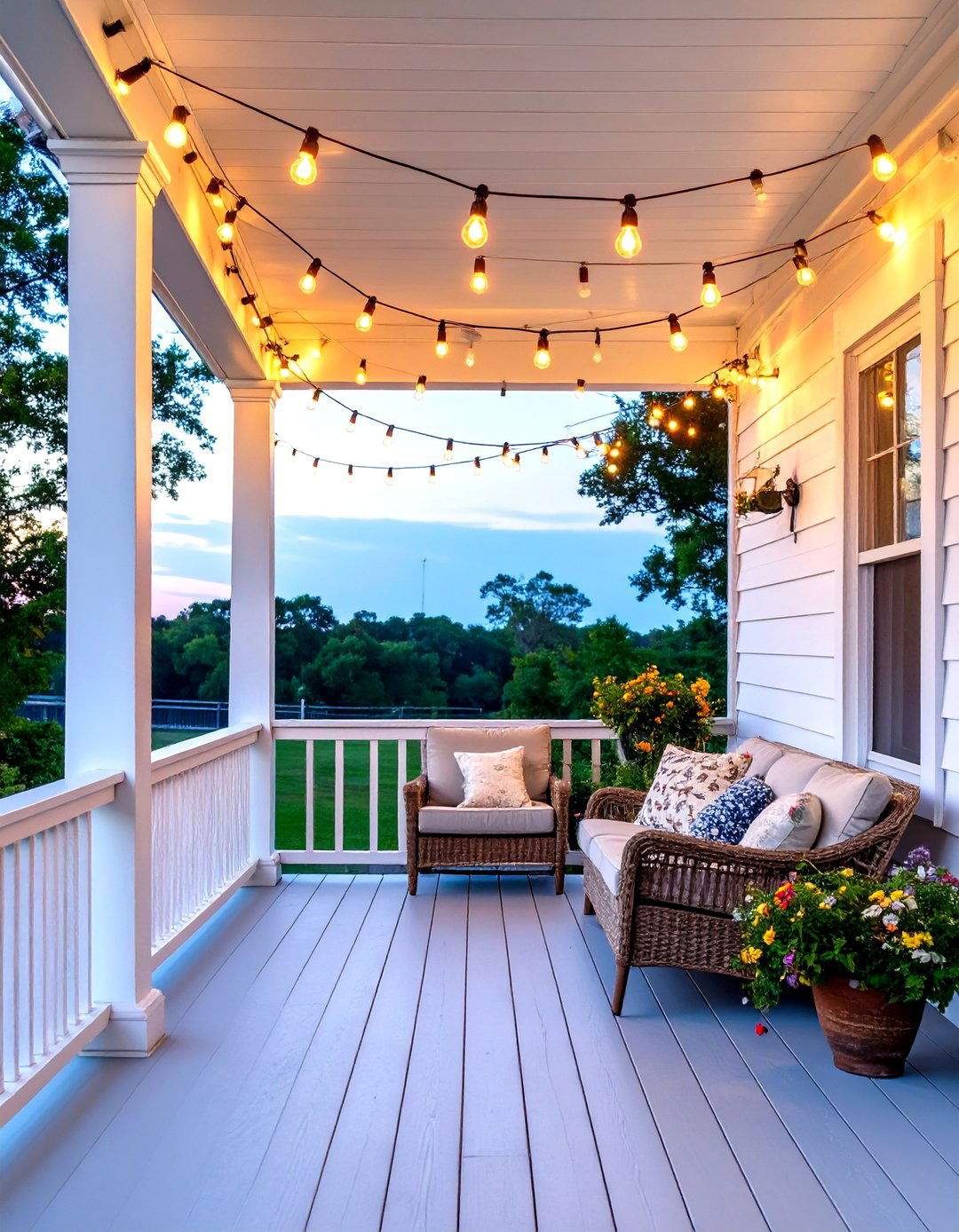
Step into a newly built suburban home from five years ago, and you were likely greeted by a wall of high-gloss white paint, stark gray LVP flooring, and sterile chrome light fixtures. It looked clean in photographs, but it felt cold to live in. People grew tired of living inside what felt like an upscale commercial airport lounge. Today, the pendulum has swung hard in the opposite direction. Homeowners are actively ripping out synthetic sheen in favor of spaces that breathe, creak, and show the honest marks of time.
The 2026 rustic revival movement is not about stuffing a suburban split-level with taxidermy, faux log-cabin paneling, or mass-produced farmhouse signs stamped with nostalgic quotes. Instead, the modern iteration of rustic design is an antidote to digital fatigue. It is a calculated, deeply tactile return to nature. Raw woods with exposed grain, unlacquered metals that tarnish with use, hand-thrown ceramics, and deep earth tones are redefining what it means to feel at home. This shift prioritizes material honesty and longevity, transforming ordinary rooms into grounded sanctuaries.
Behind this design shift lies a broader cultural craving for permanence in an increasingly virtual world. As artificial intelligence and screen-based labor dominate daily routines, the physical environment of the home has become the ultimate anchor. People want surfaces that engage the senses—rough-sawn white oak under bare feet, cool soapstone under hands, and wool textiles that smell faintly of the pasture. Designers and builders are responding by stripping away drywall to expose original masonry, utilizing lime-wash instead of vinyl paint, and sourcing furniture built by local craftspeople rather than flat-pack factories.
The Death of Showroom Perfection and the Rise of Material Honesty
For over a decade, interior design was dominated by an obsession with immaculate surfaces. Quartz countertops were engineered to be aggressively uniform, paint sheens were scrubbable and flatly synthetic, and every piece of furniture arrived at the doorstep without a single knot, dent, or scratch. By 2026, that pristine veneer has lost its appeal. Homeowners are realizing that showroom perfection creates a fragile environment where living life—spilling coffee, dragging a chair across the floor, or letting pets roam—feels like a threat to the decor rather than a part of daily existence.
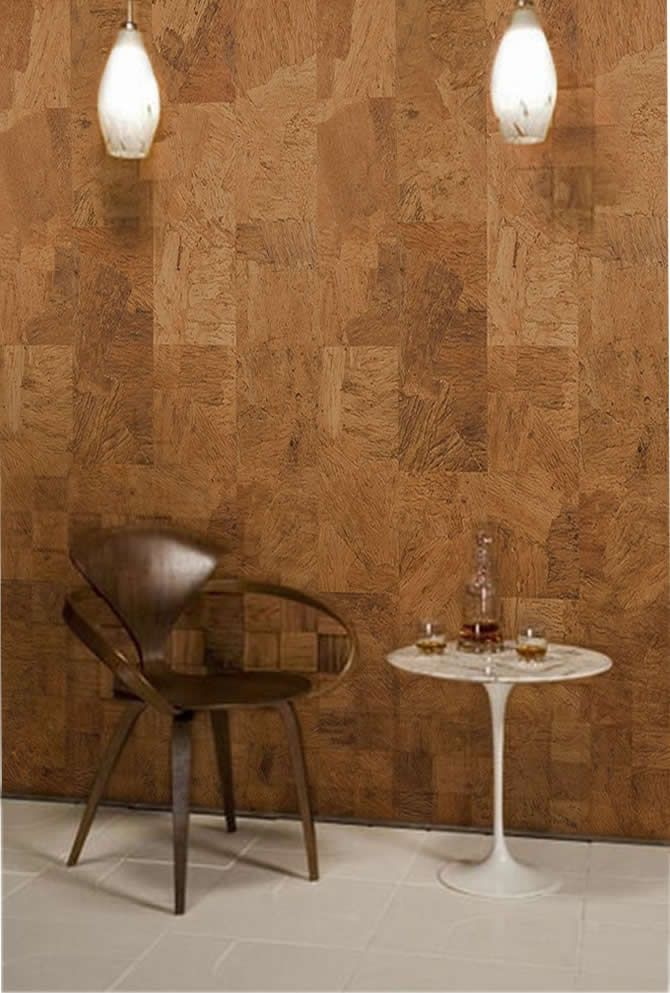
Material honesty has emerged as the defining philosophy of the contemporary rustic movement. When wood is used, it looks like wood; it features natural burls, fissures, and color variations that prove it was once a living tree. Metals are left unfinished so they develop a dark, rich patina through handling. Stone is chosen for its geological history, showcasing fossilized impressions and mineral veining rather than manufactured consistency. This approach acknowledges that a home is a dynamic ecosystem meant to weather, age, and adapt alongside its occupants.
Furthermore, this shift is altering supply chains and manufacturing priorities. Artisans and small-batch workshops are finding unprecedented demand for bespoke joinery and custom stonework. Consumers are willing to wait months for a dining table built from reclaimed structural timber because it carries a narrative. This tangible connection to origin points creates a psychological sense of safety and grounding. When you can trace the material history of your living space back to the earth, the house ceases to be just shelter and transforms into an extension of the natural world.
Earth-Toned Palettes and the Organic Color Theory of 2026
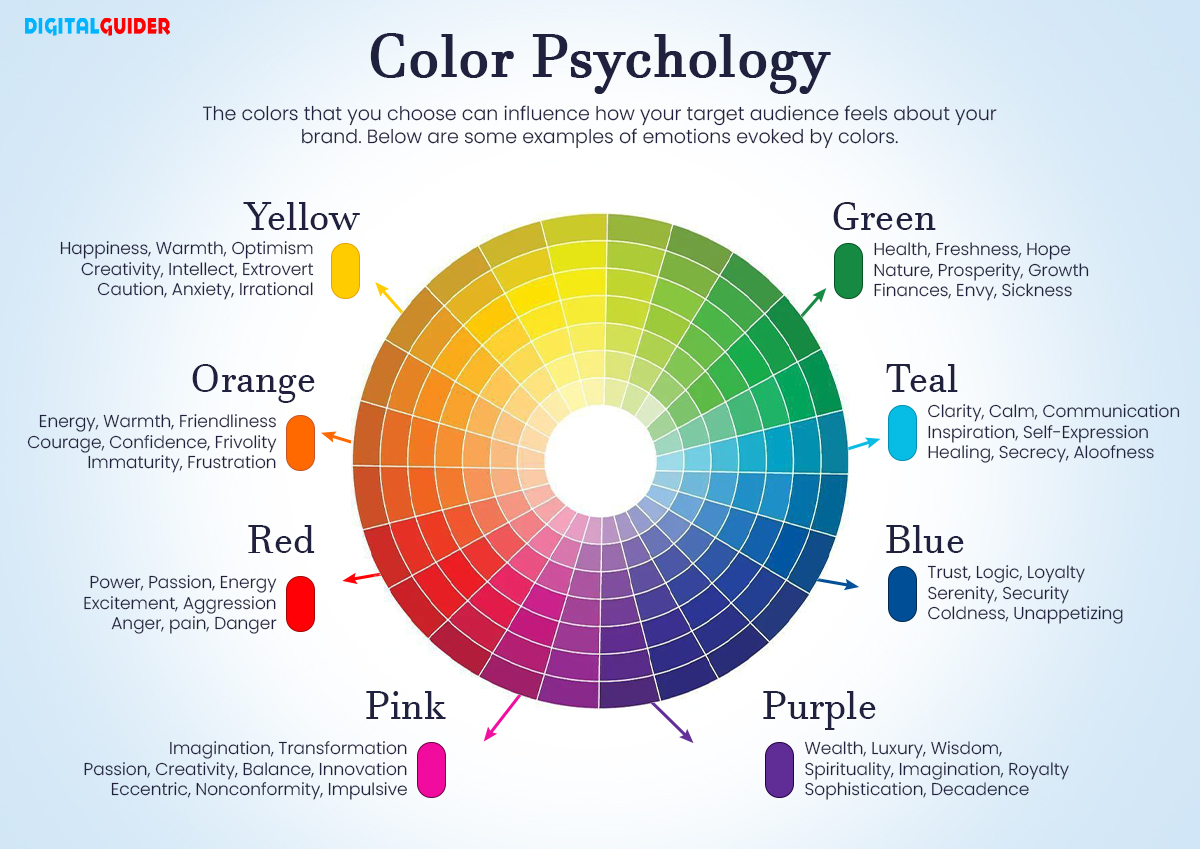
Color trends in 2026 have moved decisively away from the cool grays and stark whites that defined the minimalist era. The new rustic palette is drawn straight from soil, stone, and forest canopy. Think deep terracotta, muted moss green, weathered clay, warm ochre, and complex charcoal shades that mimic wet slate. These colors do not compete for attention; instead, they recede into the background, creating a cocoon-like atmosphere that lowers cortisol levels and promotes psychological restoration.
Applying these earthy hues requires a sophisticated understanding of light and texture. A dark olive green wall painted in a standard latex flat finish can look muddy and flat. However, when applied using lime-wash, mineral paints, or traditional tadelakt plaster, the same color gains depth and dimension as natural sunlight shifts across the room throughout the day. These artisan finishes breathe, absorbing and reflecting light in unpredictable ways that mimic outdoor environments.
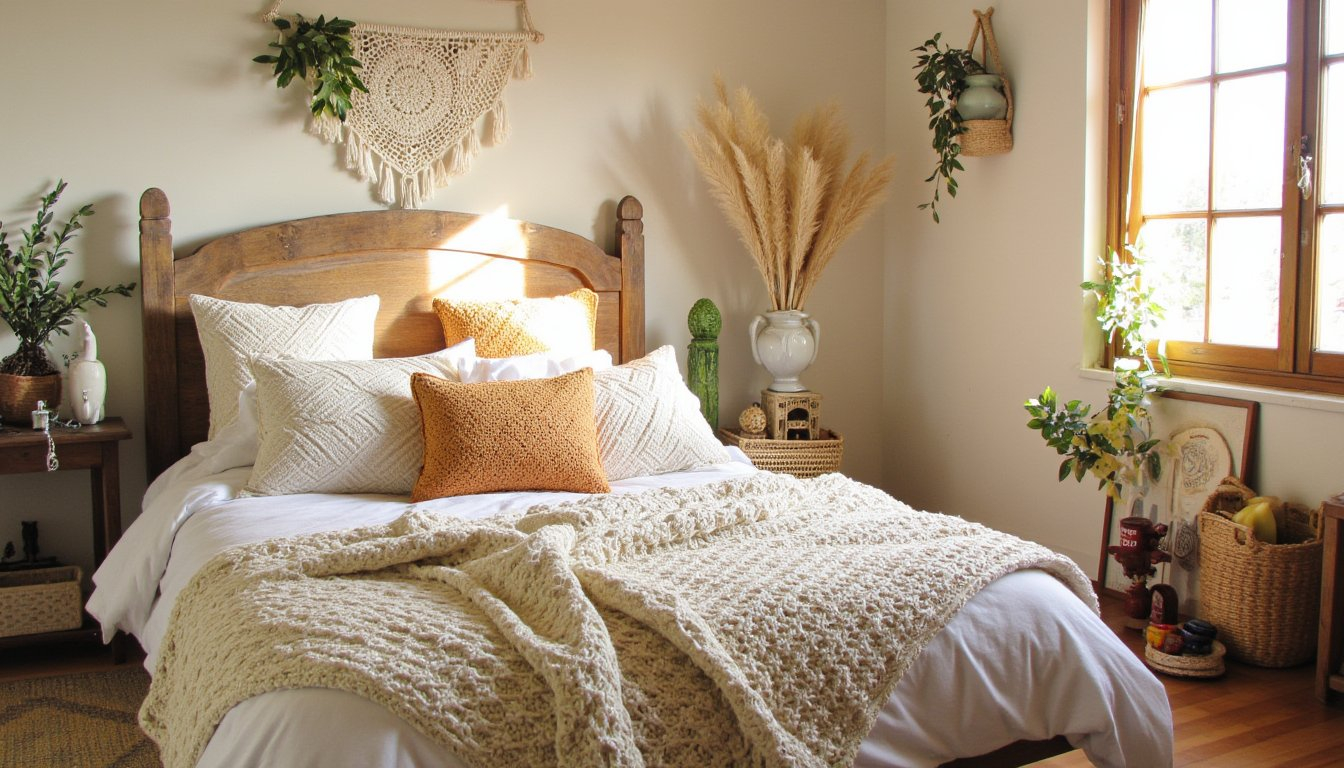
Integrating this palette successfully involves layering tones within the same family rather than relying on high-contrast accent walls. Pairing a sandy travertine floor with raw linen upholstery, walnut cabinetry, and bronze hardware creates a monochromatic warmth that feels both luxurious and elemental. The goal is to eliminate jarring visual boundaries, allowing walls, floors, and furnishings to blend into a continuous, cohesive landscape of natural color.
Methodical Integration of Natural Textures and Handcrafted Elements
Transforming a home through the lens of 2026 rustic design requires a deliberate, step-by-step approach to layering textures. Simply buying a rustic coffee table is not enough; the entire tactile ecosystem of the room must be considered. Here is the operational framework for bringing nature indoors through tactile design:
- Step 1 (Audit Existing Hard Surfaces): Evaluate your floors, countertops, and baseboards. Replace high-sheen synthetic materials with raw, matte alternatives like wide-plank European white oak with a hardwax oil finish, honed natural stone, or handmade terracotta tiles that feature natural surface irregularities.
- Step 2 (Introduce Living Metals): Eliminate polished chrome, shiny nickel, and lacquered brass. Swap cabinet pulls, faucets, and light fixtures for unlacquered brass, blackened iron, or raw bronze that will naturally darken and develop character through daily touch.
- Step 3 (Layer Organic Textiles): Ditch polyester blends and synthetic velvet. Invest in heavy Belgian flax linen for window treatments, un-dyed raw wool for area rugs, and heavy cotton-canvas or distressed leather for upholstery, ensuring a tactile variety that feels rich underhand.
- Step 4 (Incorporate Hand-Thrown Ceramics and Stoneware): Remove mass-produced porcelain decor. Style open shelving and tabletops with hand-thrown ceramic vases, rough-hewn stone bowls, and artisanal objects that display the thumbprints or throwing rings of the maker.
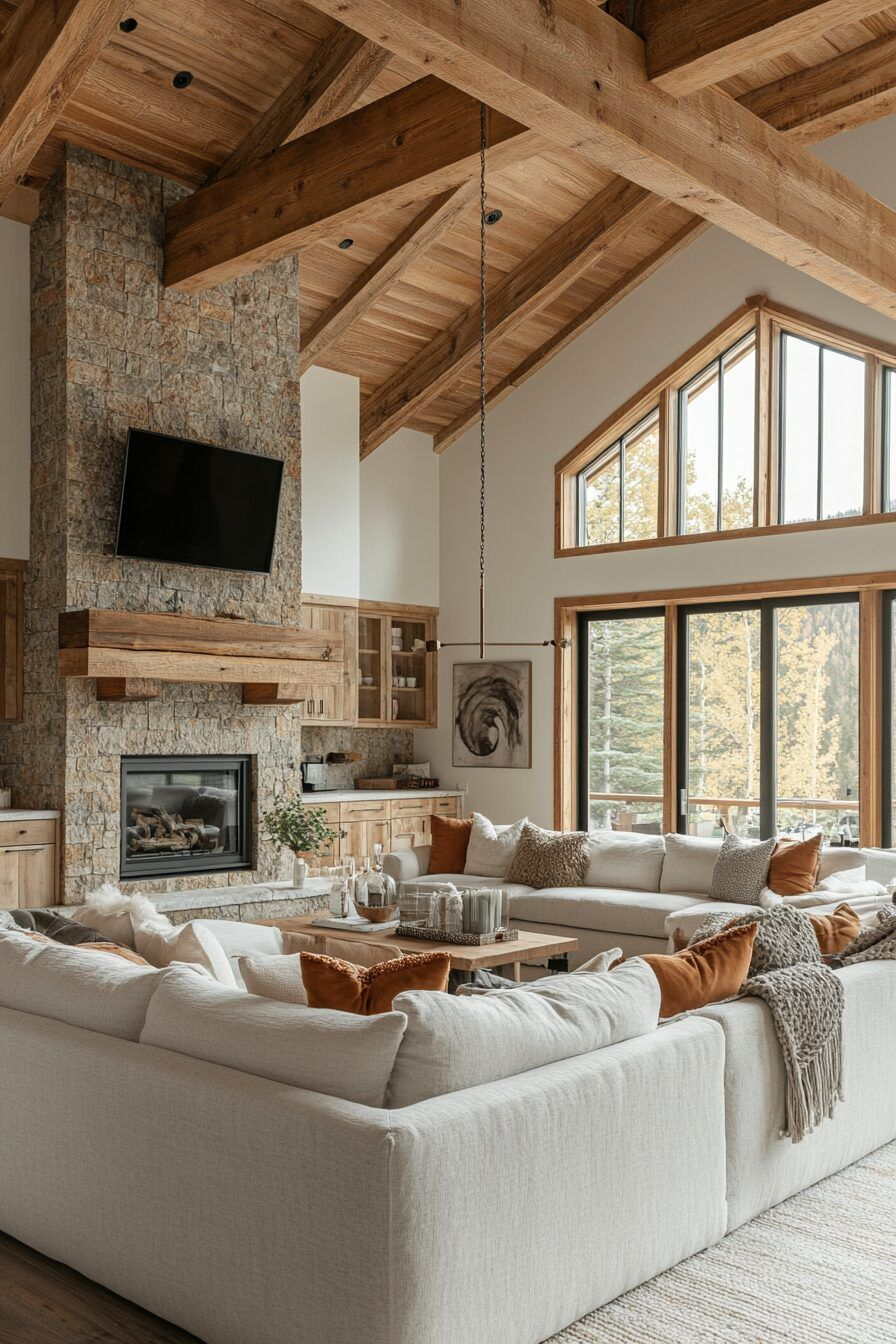
- Step 5 (Anchor with Structural Timber): Integrate exposed structural elements where possible, such as reclaimed ceiling beams, rough-cut mantelpieces, or solid wood interior doors that celebrate knots, checking, and natural wood grain variation.
Navigating Common Traps in Modern Rustic Interior Design
Attempting to capture a rustic aesthetic often leads homeowners straight into well-worn design traps. The most dangerous pitfall is creating a thematic stage set rather than a genuine living space. When rustic decor becomes literal, a home quickly turns into a caricature of a mountain cabin or a rustic theme park. Avoiding these missteps requires a strict adherence to restraint, material authenticity, and balanced proportions.
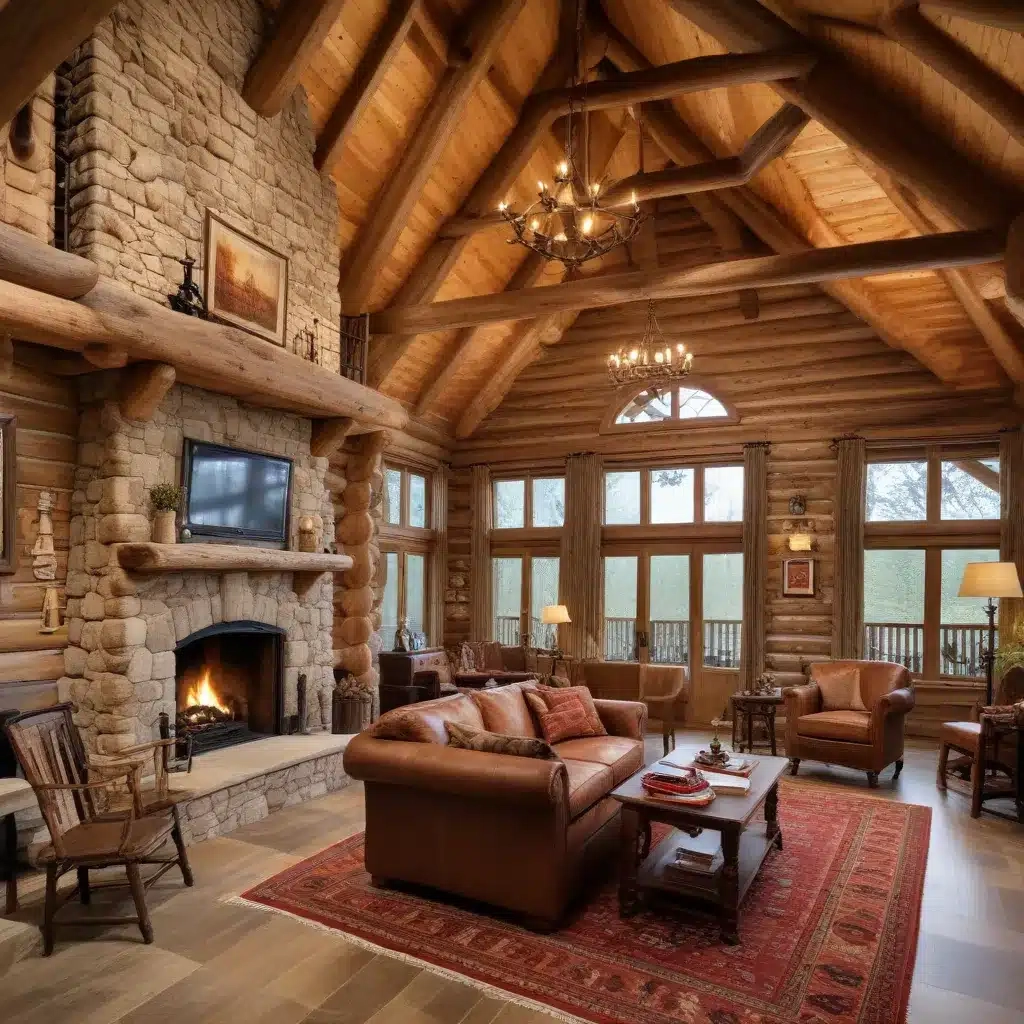
- Pitfall 1 (The Theme-Park Cabin Trap): Using too many explicit forest motifs, animal antlers, and plaid patterns turns a sophisticated home into a novelty lodge. Workaround: Rely strictly on material quality and organic texture rather than literal iconography; let wood grain and stone strata speak for themselves instead of adding wildlife art.
- Pitfall 2 (Over-Distressing Furniture): Factory-distressed furniture featuring uniform, mechanical scratch patterns looks obviously fake and cheapens the room. Workaround: Source genuine vintage or antique pieces with authentic wear, or buy clean, un-finished solid wood furniture and allow your own household activities to create real patina over time.
- Pitfall 3 (Monotonous Brown Overload): Filling a room with dark wood floors, dark wood walls, and dark wood furniture creates a cave-like, oppressive environment. Workaround: Balance heavy timbers with luminous, reflective natural elements like lime-washed plaster walls, unglazed zellige tiles, and light linen textiles to maintain spatial airiness.
- Pitfall 4 (Ignoring Modern Ergonomics): Sacrificing comfort for the sake of antique authenticity results in stiff, unusable seating and poorly functioning kitchens. Workaround: Pair antique or rustic frames with modern, high-density foam cushioning and concealed ergonomic support to ensure the space is genuinely comfortable for daily living.
- Pitfall 5 (Cluttering with Nostalgia Decor): Accumulating excessive small knick-knacks under the guise of "rustic charm" creates visual noise and difficult cleaning challenges. Workaround: Curate fewer, larger scale statement objects—such as a single massive root-wood bowl or a monumental canvas—to keep the space grounded and uncluttered.
The Broader Cultural Shift Toward Sustainable, Long-Term Interiors
The 2026 rustic revival is not merely an aesthetic preference; it represents a profound shift in consumer values regarding sustainability and the circular economy. For decades, fast-furniture culture encouraged homeowners to treat interior design like fast fashion—buying cheap, particle-board items designed to be discarded within three years. The modern rustic movement rejects this wasteful cycle entirely. By investing in heirloom-quality solid woods, natural stone, and repairable textiles, homeowners are voting for items that can be sanded down, re-oiled, and passed through generations.
This economic and environmental responsibility extends to sourcing practices. Discerning buyers now demand transparency regarding timber harvesting, insisting on reclaimed lumber, FSC-certified forests, or locally salvaged urban trees that would otherwise have been chipped into mulch. This hyper-local approach reduces carbon footprints while infusing the home with regional character—using local limestone in Texas builds or Pacific Northwest cedar in coastal renovations.
Furthermore, this design philosophy fosters a slower, more mindful domestic routine. When surfaces require gentle care—such as wiping down an oil-finished wood table with beeswax rather than harsh chemical sprays—the act of home maintenance becomes a ritual of stewardship. We begin to care for our physical spaces the way we care for living things, restoring a reciprocal relationship between habitat and inhabitant that contemporary architecture lost for decades.
Crafting a Grounded Sanctuary: Practical Takeaways for Your Home
Translating these macro trends into a coherent room-by-room strategy requires prioritizing function alongside emotional impact. You do not need to gut-reno your entire home to embrace the 2026 rustic ethos. Begin with areas of high tactile engagement—the kitchen island, the dining table, and the primary seating area—where physical contact with materials is most frequent.
Focus investment on foundational pieces that anchor the room. A solid white oak dining table or a heavy limestone console acts as an unshakeable anchor, around which softer, interchangeable elements can evolve. Keep architectural detailing simple and honest; let raw plaster, exposed brick, or board-formed concrete provide the structural backdrop without unnecessary crown moldings or synthetic trim work.
Finally, allow your home to be unfinished in the best possible sense of the word. Leave space for future acquisitions from travels, local craft fairs, and family milestones. A truly rustic interior is never truly "finished" on a designer’s mood board; it is a living chronicle of time, material, and human habitation that grows richer, warmer, and more deeply connected to nature with every passing year.
The enduring appeal of the 2026 rustic design movement lies in its profound simplicity. It asks us to stop running after digital perfection and return to the physical realities of the natural world. By welcoming honest materials, unrefined textures, and grounded color palettes into our living spaces, we do more than follow a passing design trend—we build a physical bulwark against the frantic pace of modern life.
As we look toward the future of residential architecture and interior styling, the mandate is clear: homes must nourish our physical and psychological well-being. They must offer sanctuary, tactile richness, and an authentic connection to the earth outside our doors. Embrace the knots in the wood, celebrate the patina on the brass, and let your home become the living, breathing landscape you have always needed.