Have you ever walked into a hyper-modern apartment and felt like it was missing a soul. Cold glass and steel can look amazing in magazines, but they sometimes lack the warmth we actually crave when we kick off our shoes at the end of the day.
That is where old-school woodwork comes in. Bringing traditional joinery into modern rooms creates a striking contrast that makes a house feel like a home.
The Beauty of Traditional Wood Joints
Ancient woodworkers figured out clever ways to lock pieces together without using a single nail or screw. Think about dovetails or mortise and tenon joints. These methods have survived for centuries because they are incredibly strong. When you expose these joints in a contemporary setting, you celebrate pure craftsmanship.
Instead of hiding every connection behind paint or drywall, modern designers are starting to highlight them. A exposed dovetail drawer box in a minimalist kitchen instantly adds character. It tells a story about how things are made.
Finding Balance in Open Floor Plans
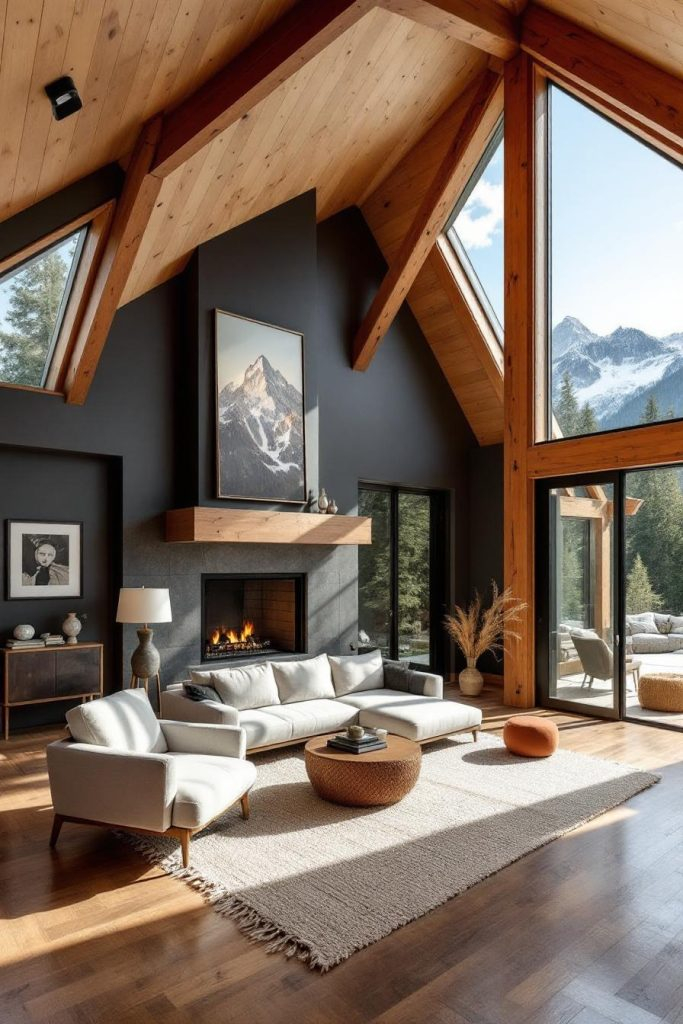
Open-concept homes are wonderful for light and flow, but they can sometimes feel cavernous. You need visual anchors to define different zones. Custom timber screens or half-wall partitions built with traditional framing can divide a room without blocking the sunshine.
Imagine a room divider made with interlocking wooden beams. It offers privacy while keeping that airy vibe alive. It creates distinct rooms within a vast space.
Choosing the Right Woods for Contrast
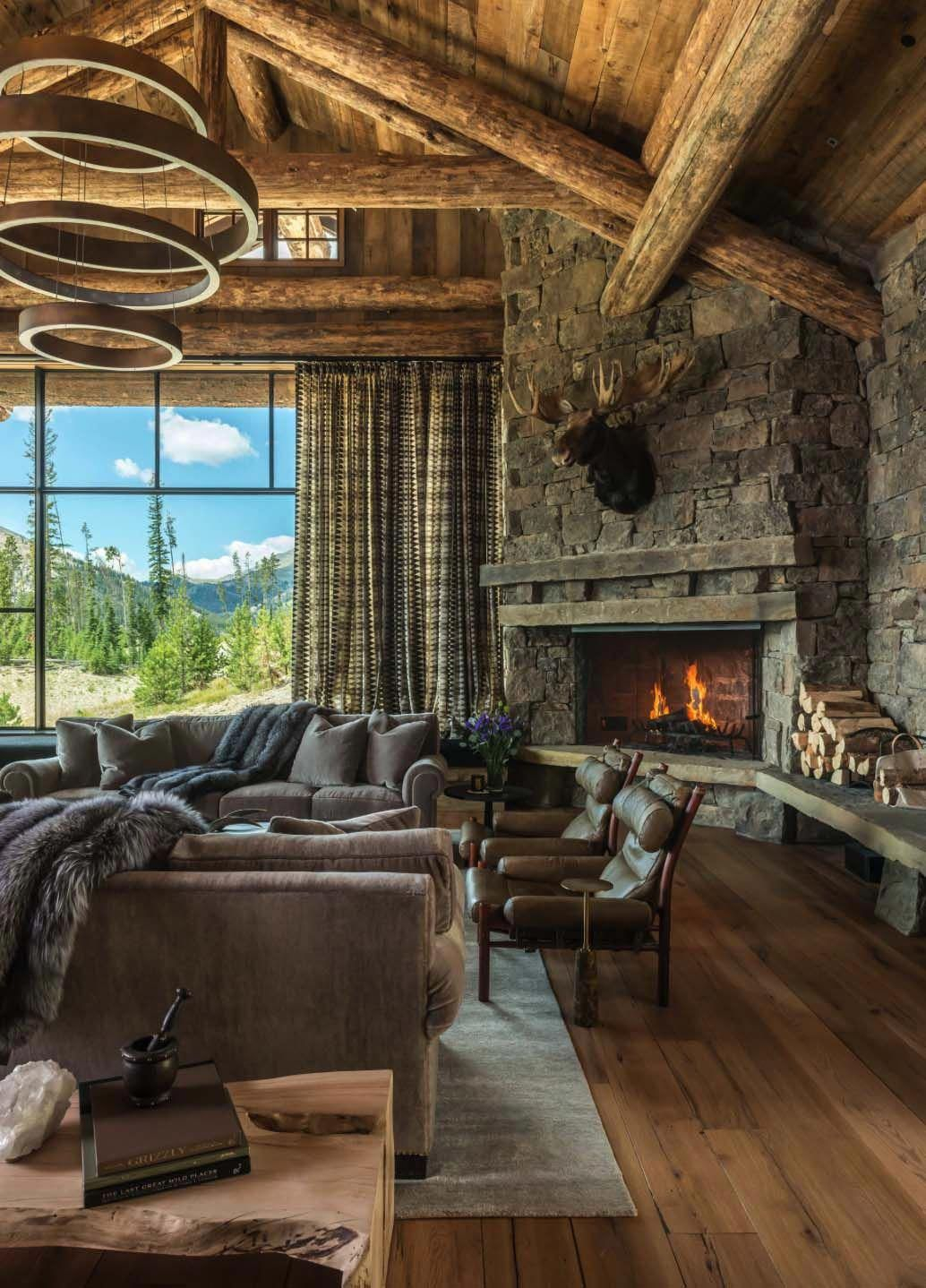
Mixing materials is an art form. If your contemporary space features concrete floors and white walls, adding rich oak or warm walnut brings immediate balance. The trick is to pick timber that complements your existing color palette rather than fighting it.
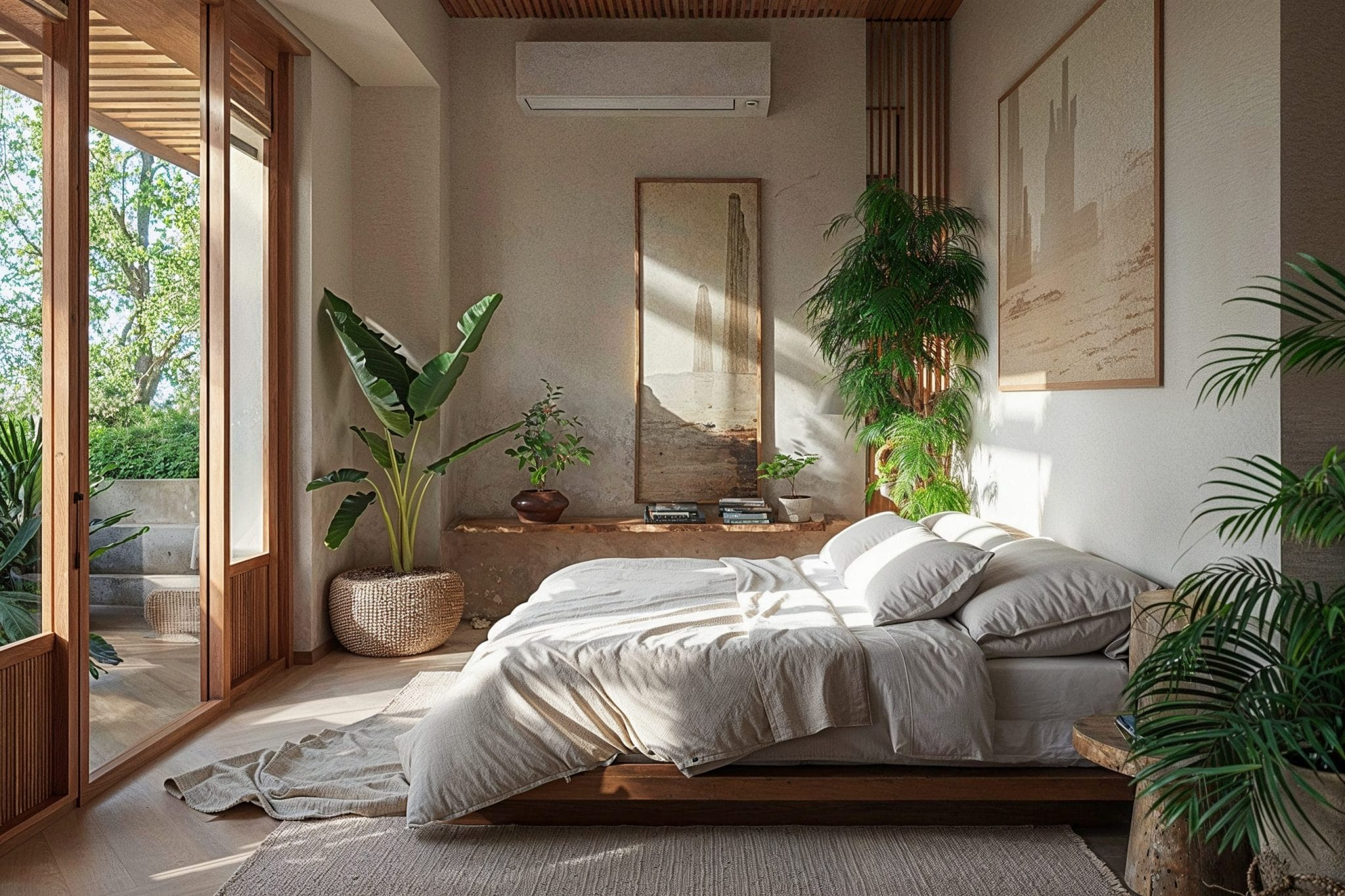
Lighter woods like ash or birch work wonders in Scandi-inspired rooms. They keep things bright while adding that organic touch everyone loves. Meanwhile, darker woods bring a moody, grounded energy to bright spaces.
Functional Art Through Built-in Furniture
Built-ins are the ultimate space savers. By using classic carpentry techniques for modern shelving or window seats, you get furniture that fits your exact room dimensions. No wasted corners.
A floating wooden media console crafted with traditional joinery looks sleek and modern. Yet, it carries the weight of authentic hand-crafted quality. It bridges the gap between past and present effortlessly.
Small Touches That Make a Big Impact
You do not need a complete overhaul to enjoy this style. Start small. Swap out standard interior doors for custom wooden slabs featuring handcrafted corner braces. Or add a solid timber coffee table with visible joinery details.
These subtle additions draw the eye and spark conversation. Guests will naturally want to run their fingers over the smooth, interlocking wood. It adds a tactile dimension that mass-produced furniture simply cannot match.
Blending eras does not mean your home has to look like a museum. In fact, heritage woodworking brings a grounded, timeless energy to cutting-edge architecture. It honors the past while serving our daily needs in 2026.
As interior trends shift toward sustainability and longevity, investing in heirloom-quality woodwork makes total sense. Wood that is joined properly will outlive us all. It is a win for both style and the planet.
Mixing heritage woodwork with modern design is all about finding harmony between the old and the new. By celebrating classic joinery techniques inside contemporary spaces, we build environments that feel both fresh and deeply rooted.
So, take a look around your own living area. Where could a touch of authentic timber craftsmanship transform your everyday routine into something a little more special.