You know that feeling when you buy a new car, drive it off the lot, and then hear a rattle in the dashboard three days later? It’s not just annoying. It feels like a betrayal. In construction, sealant joints are that dashboard rattle. They’re small, often ignored, and tucked away where nobody looks. But when they fail? Oh boy. The noise is loud, and the bill is even louder.
We’ve all seen it. A builder rushing to finish a facade before the rain hits. A homeowner trying to save fifty bucks on a bathroom remodel by using the wrong caulk. It seems harmless in the moment. Just a little bead of silicone here, a quick smear there. Who’s gonna notice? But here’s the thing: water notices. Air notices. And eventually, your wallet notices too. In 2026, with material costs still fluctuating and labor harder to find than ever, the temptation to speed up is real. But speeding up sealant work is like putting a band-aid on a broken leg. It might look okay for a week, but you’re gonna pay for it later.
The Illusion of Savings
Let’s talk numbers for a second. When a contractor bids out a job, every line item gets scrutinized. Sealant is often seen as a "commodity." It’s just goop in a tube, right? So, why not buy the cheap stuff? Why not skip the primer? Why not let the junior apprentice handle it instead of the seasoned pro? On paper, you save time. You save money. Maybe you cut $500 off the budget. That feels like a win.
But this is what we call the "penny wise, pound foolish" trap. Recent industry data shows that callbacks for waterproofing issues are among the most expensive fixes a builder faces. A former roofing company owner tracked his callbacks over two years and found that nearly 40% of them were related to poor detailing at transitions and joints. Not the roof itself. The edges. The seams. The places where two materials meet. By skipping proper joint preparation, you aren’t saving money. You’re just deferring the cost. And when that bill comes due, it’s usually with interest.
Think about the labor involved in fixing a failed joint. It’s not just squeezing new caulk in. You have to remove the old stuff. Clean the substrate. Maybe replace damaged backing rods. If water has gotten in, you might be tearing out drywall, replacing insulation, or treating mold. That $500 savings quickly turns into a $5,000 problem. Or worse. The initial "savings" are an illusion created by ignoring the future.
Water Always Wins
Here’s a hard truth: water is patient. It doesn’t care about your schedule. It doesn’t care about your budget. It just wants in. Sealant joints are the first line of defense against moisture intrusion. When you cut corners on these details—like using a sealant that isn’t rated for the movement of the joint, or failing to install a backer rod properly—you’re basically inviting water to a party it wasn’t invited to.
In 2026, we’re seeing more extreme weather events. Heavy rains, rapid temperature swings. These conditions put massive stress on building envelopes. A joint that was "good enough" in mild weather might fail miserably during a storm. If the sealant isn’t adhered correctly because the surface wasn’t cleaned, water seeps behind it. Once it’s there, it’s trapped. It rots wood. It corrodes steel. It ruins insulation.
I remember visiting a commercial project last year where the curtain wall joints were failing. The installer had skipped the primer to save an hour per floor. Seemed efficient at the time. Two years later, water was pouring into the office spaces. The repair cost? Ten times the original installation cost. And that’s not even counting the lawsuit from the tenant whose computers got soaked. Water always finds the weak spot. And a poorly detailed joint is the weakest spot in the house.
The Trust Deficit
Construction is built on trust. Homeowners trust builders. Developers trust architects. Subcontractors trust general contractors. When you cut corners on something as critical as sealant joints, you aren’t just risking physical damage. You’re risking your reputation. In an age where online reviews can make or break a business, one leak can destroy years of good will.
Imagine you’re a homeowner. You hired a contractor because they promised quality. You paid a fair price. Then, six months after moving in, you see a stain on your ceiling. You call the builder. They come out, shrug, and say, "Oh, that’s just a sealant issue. We’ll fix it." How does that make you feel? Do you trust them to fix your kitchen next year? Probably not. You tell your friends. You post on social media. The ripple effect is real.
For commercial builders, it’s even steeper. Liability insurance premiums go up when you have frequent claims. Clients stop calling. Bids get rejected because your track record shows "quality issues." Cutting corners on sealant details signals to everyone that you don’t care about the long-term value of your work. It suggests that you’re willing to compromise safety and durability for a quick buck. And in 2026, clients are smarter. They know that cheap construction costs more in the long run. They’re looking for partners, not just vendors. Don’t be the vendor they regret hiring.
Technical Details Matter
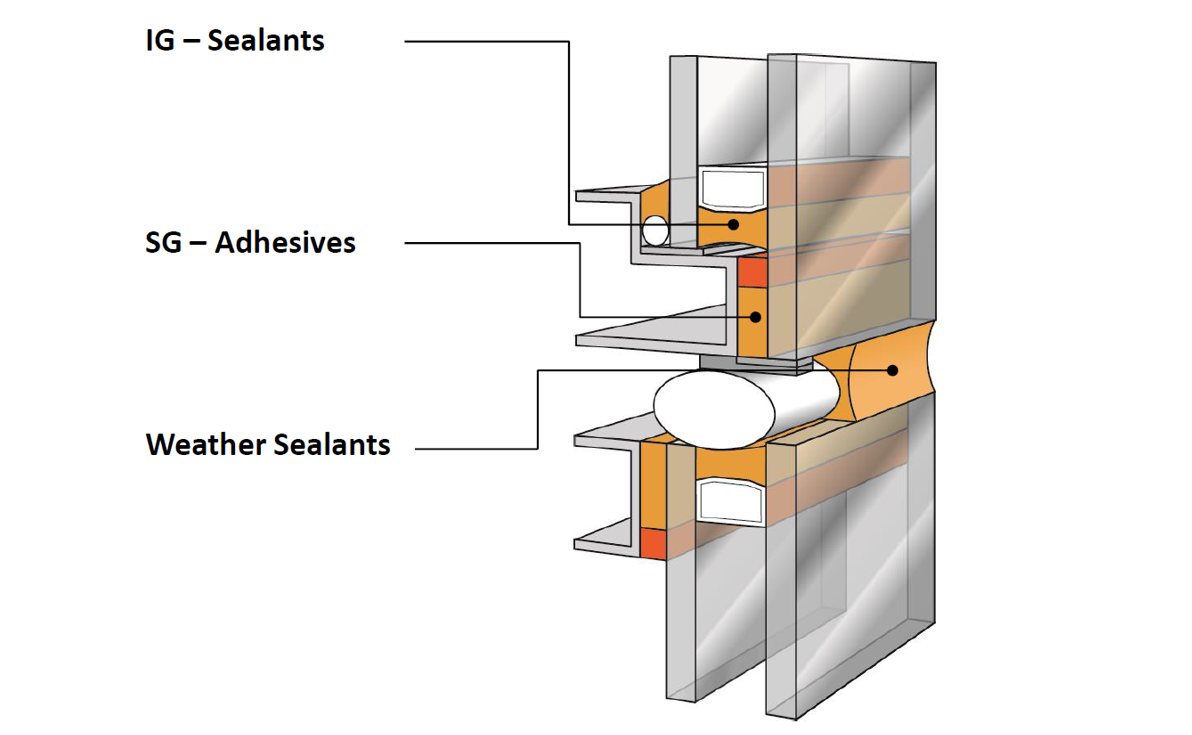
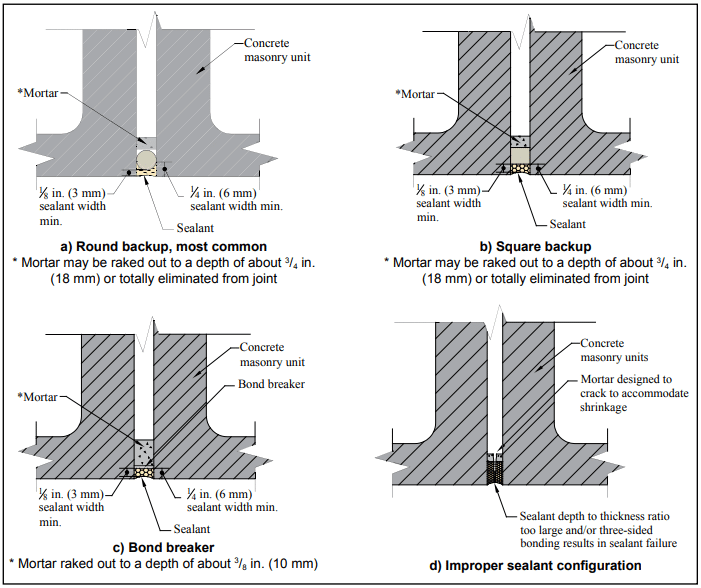
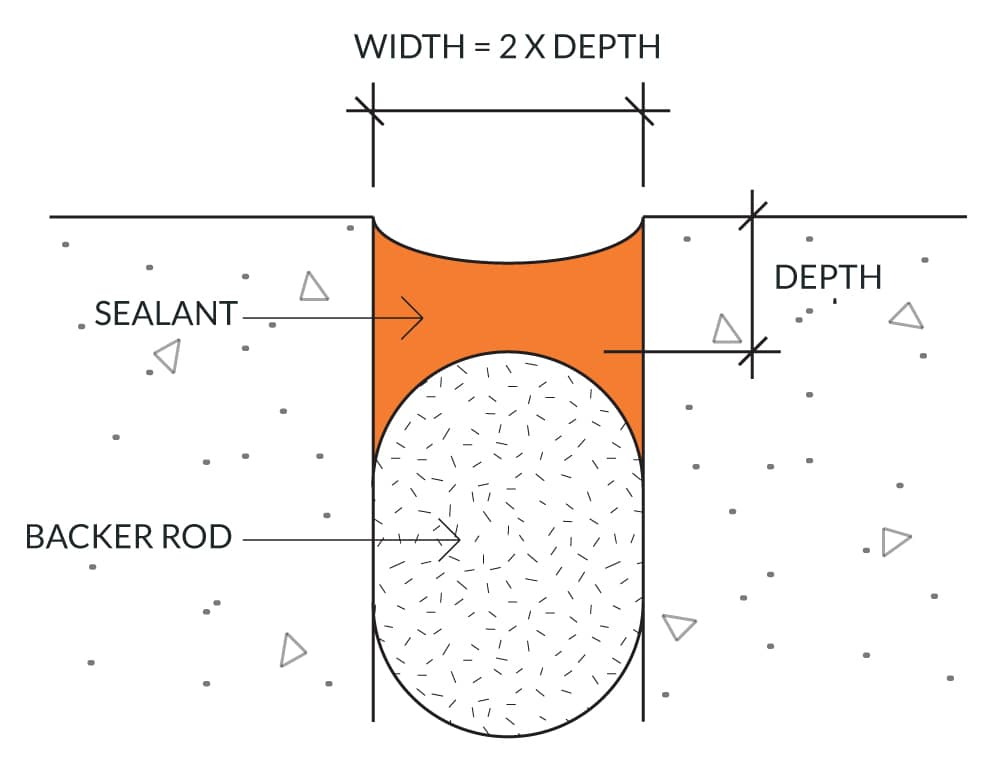
Okay, let’s get nerdy for a minute. Because the devil is in the details. Literally. A sealant joint isn’t just a gap filled with goo. It’s a system. It has three main parts: the sealant, the backer rod, and the substrate. If any one of these fails, the whole system fails.
First, the backer rod. This is the foam rope you put in the bottom of the joint. It controls the depth of the sealant. If you don’t use it, or if you push it in too deep, the sealant won’t cure right. It might adhere to the bottom of the joint (three-sided adhesion), which causes it to tear when the joint moves. You need two-sided adhesion. That’s basic physics. But skipping the backer rod saves five minutes. So people do it. And then the sealant cracks.
Second, the substrate. Is it clean? Is it dry? Is it compatible with the sealant? If you apply silicone to a dusty, oily surface, it’s not sticking. It’s just sitting there. Primer is often needed to ensure a chemical bond. Skipping primer is like trying to stick a sticker to a dirty window. It might hold for a day, but it’s coming off.
Third, the sealant itself. Not all caulks are created equal. Some are for static joints. Some are for high-movement joints. Using a cheap acrylic latex caulk on an expansion joint that moves two inches a year is a recipe for disaster. You need a high-performance silicone or polyurethane. And you need to calculate the right width-to-depth ratio. There are calculators available now, like the one from codingace.net, that help plan usage accurately. Using them prevents waste and ensures you’re ordering the right amount. But you have to take the time to use them.
The 2026 Reality Check
So, where are we in 2026? The construction industry is tighter than ever. Labor shortages mean experienced tradespeople are rare. Material costs are still volatile. This creates pressure. Pressure to go faster. Pressure to cut costs. But technology is also helping us do better.
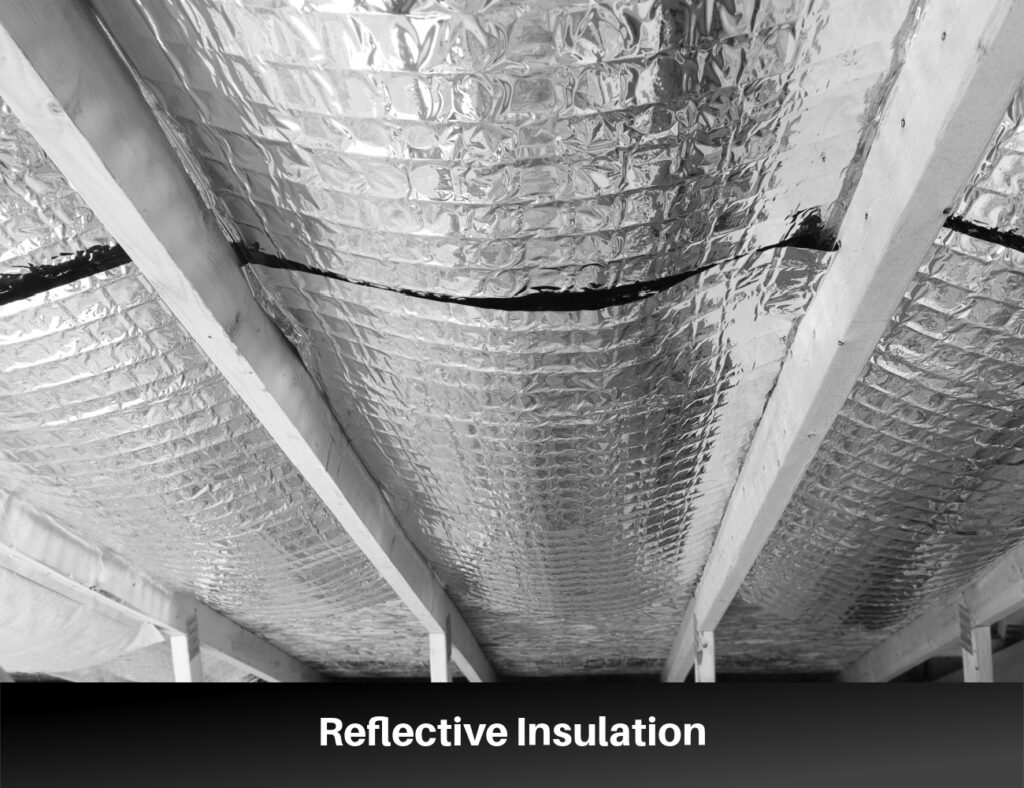
We have better tools now. Insulation cutting blades that create clean, dust-free edges for tighter board joints. Liquid-applied flashings that bridge gaps more effectively than old-school tapes. Digital calculators that help estimate sealant volume so you don’t under-order or over-waste. These tools make it easier to do it right. They remove some of the excuses.
But the human element remains. Training is crucial. A skilled tradesperson knows why they’re cleaning the joint. They know why they’re using a backer rod. They understand the science behind the squishy stuff. Investing in training pays off. It reduces errors. It speeds up installation because workers aren’t fixing mistakes. It builds a culture of quality. As one source noted, skilled trades focus on proper installation and building codes, which saves homeowners money over time. In 2026, the divide between "cheap" and "value" is wider than ever. Choose value.
Also, consider the environmental impact. Failed sealants lead to energy loss. Leaky buildings require more heating and cooling. That’s bad for the planet and bad for the utility bill. Tighter board joints and better sealing translate to better energy efficiency. It’s a win-win. But you have to commit to the process. You can’t half-ass energy efficiency.
Enough doom and gloom. Let’s talk solutions. How do you avoid the trap of cutting corners? It starts with mindset. Accept that doing it right takes time. Budget for that time. Educate your clients on why it matters. Here are some actionable tips to keep your joints tight and your conscience clear.
- Plan Ahead: Use a sealant joint calculator before you start. Know how much material you need. Compare profiles and waste factors. Accurate bids prevent the urge to skimp later.
- Prep is King: Clean the substrate. Remove dust, oil, and loose particles. If the manufacturer says use primer, use primer. No exceptions.
- Use Backer Rods: Always. Make sure they’re the right size. They should compress slightly when inserted. This ensures two-sided adhesion and proper depth.
- Choose the Right Sealant: Match the sealant to the application. High movement? Use high-modulus silicone. Underwater? Use a specialized marine grade. Don’t guess. Read the label.
- Train Your Team: Don’t let the newest hire handle critical joints without supervision. Teach them the "why," not just the "how." Show them pictures of failed joints. Make it real.
- Inspect Regularly: Check the work as it goes. Don’t wait until the end of the project. Catching a mistake early is cheap. Fixing it late is expensive.
These steps aren’t rocket science. They’re basics. But basics are often overlooked in the rush to finish. Slow down. Focus on the details. Your future self will thank you. And so will your clients.
Cutting corners on sealant joint details is a gamble you don’t want to take. The stakes are too high. The costs are too real. From water damage to lost trust, the consequences ripple far beyond the initial savings. In 2026, we have the tools, the knowledge, and the resources to do it right. Let’s use them. Let’s build things that last. Let’s stop treating sealant as an afterthought and start treating it as the critical component it is. Because in the end, quality isn’t expensive. It’s priceless. And honestly? It’s just better sleep at night knowing you didn’t leave a leak waiting to happen.
[sps_html tag=”img” src=”https://cdn.northcarolinafinearchitecture.com/2026/05/structural-glazing-sealants-for-advanced-facades-with-sealant-design.png” alt=”Structural Glazing Sealants For Advanced Façades with Sealant Design” style=”width: 100%; height: auto;”]
[sps_html tag=”img” src=”https://cdn.northcarolinafinearchitecture.com/2026/05/learn-about-roof-sealant-is-it-right-for-your-roof-in-sealant-design.jpg” alt=”Learn About Roof Sealant: Is It Right For Your Roof? in Sealant Design” style=”width: 100%; height: auto;”]
[sps_html tag=”img” src=”https://cdn.northcarolinafinearchitecture.com/2026/05/the-importance-of-starting-2025-with-proper-sealant-maintenance-intended-for-how-proper-sealant-design-protects-your-structure-from-decades-of-expansion-and-compression.png” alt=”The Importance Of Starting 2025 With Proper Sealant Maintenance … intended for How proper sealant design protects your structure from decades of expansion and compression” style=”width: 100%; height: auto;”]
[sps_html tag=”img” src=”https://cdn.northcarolinafinearchitecture.com/2026/05/2-1-sealant-joint-design-hammer-hand-for-how-proper-sealant-design-protects-your-structure-from-decades-of-expansion-and-compression.jpg” alt=”2.1 Sealant Joint Design - Hammer & Hand for How proper sealant design protects your structure from decades of expansion and compression” style=”width: 100%; height: auto;”]
[sps_html tag=”img” src=”https://cdn.northcarolinafinearchitecture.com/2026/05/joint-sealants-for-concrete-masonry-walls-cmha-with-regard-to-how-proper-sealant-design-protects-your-structure-from-decades-of-expansion-and-compression.png” alt=”Joint Sealants For Concrete Masonry Walls - Cmha with regard to How proper sealant design protects your structure from decades of expansion and compression” style=”width: 100%; height: auto;”]