Ever walked into your attic on a July afternoon and felt like you’d stepped into an oven? It’s not just your imagination. That blast of heat hitting your face is real, and it’s trying its hardest to push its way down into your living room. For decades, we’ve fought back with thick batts of fiberglass or blown-in cellulose. And sure, that stuff works. But there’s another layer of defense that often gets overlooked, tucked away in the shadows of the rafters. It’s thin, it’s shiny, and it doesn’t work the way you think insulation should.
We’re talking about radiant barriers. If you’re building a new home in 2026 or looking to upgrade an old one, this isn’t just some niche contractor upsell. It’s become a cornerstone of efficient roof systems, especially as summers get hotter and energy codes get stricter. But here’s the thing: most people don’t actually know what it does. They confuse it with regular insulation. They think it’s magic foil. It’s neither. It’s physics, plain and simple, working quietly in the background to keep your home comfortable without forcing your AC to run a marathon.
So, why does this matter now? Well, energy prices aren’t getting any cheaper, and the push for sustainable, low-carbon homes is stronger than ever. Understanding how these reflective materials interact with the rest of your roof assembly can save you money, extend the life of your HVAC system, and make your house feel like a sanctuary instead of a sweatbox. Let’s peel back the shingles and see what’s really going on up there.
The Science of Heat: It’s Not Just About Temperature
To get why radiant barriers are special, you have to unlearn a bit of what you know about heat. We usually think of heat moving in one way: conduction. That’s when heat travels through solid stuff. Like when you touch a metal spoon that’s been sitting in hot soup. The handle gets warm because the heat moved through the metal. In a house, this is what traditional insulation fights. Fiberglass traps air pockets to slow down that conductive heat flow from the hot roof deck down into the cool attic floor.
But there’s a second player: radiation. This is heat traveling in waves, like light from the sun. You’ve felt this before. Stand near a campfire, but don’t touch the flames or the hot coals. You still feel warm, right? That’s radiant heat. In your attic, the sun beats down on the shingles, heating up the roof deck. That deck then radiates heat downward into the attic space. Traditional insulation doesn’t stop this very well. It’s like trying to block a spotlight with a blanket. The blanket might catch some of it, but the light (or heat) still finds a way around or through.
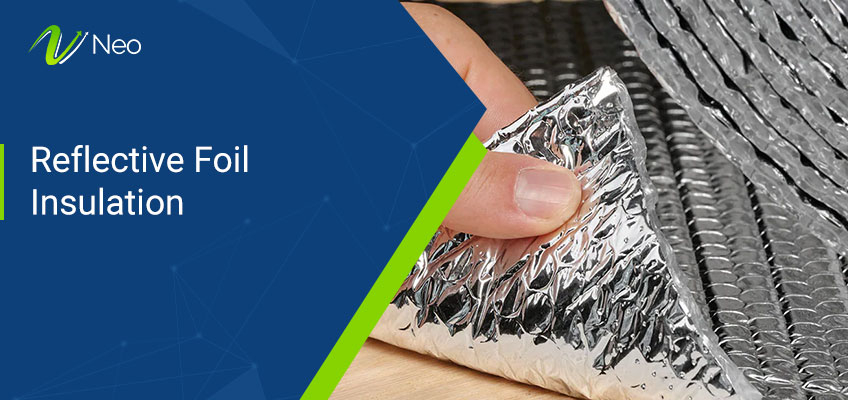
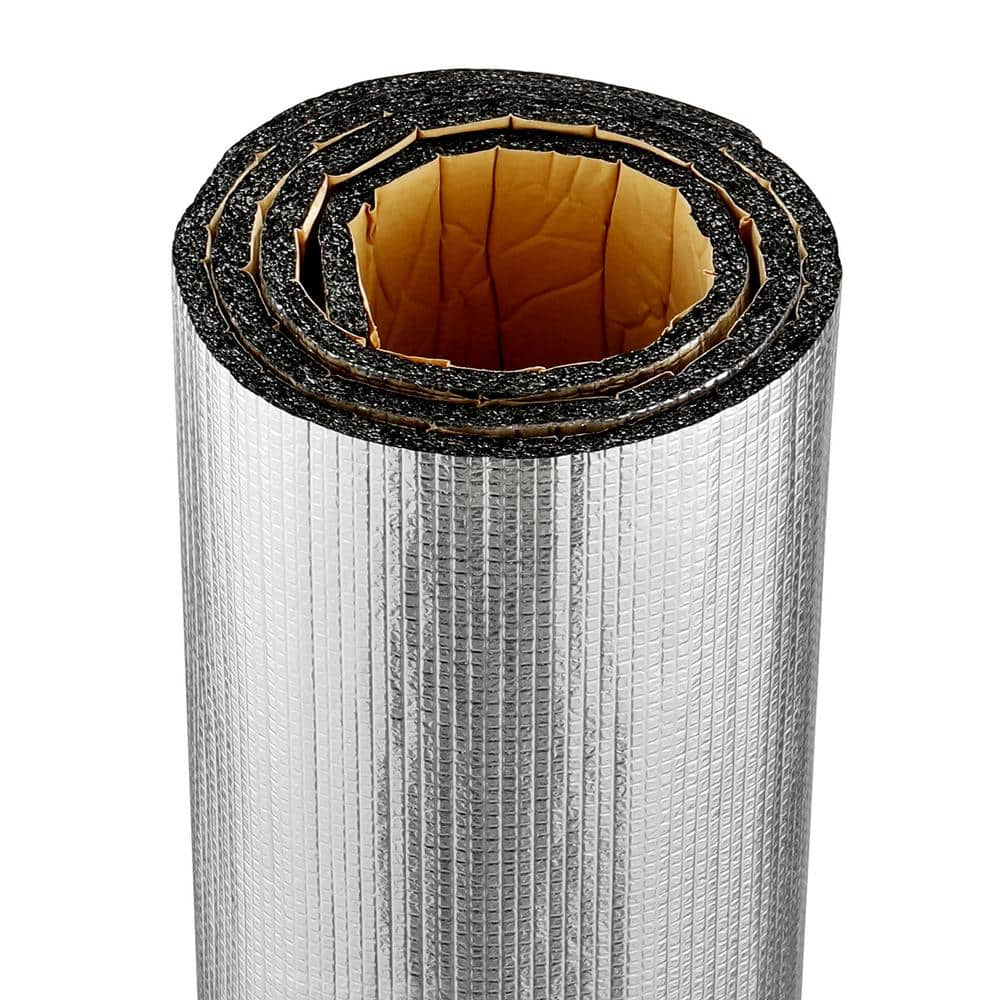
This is where the radiant barrier steps in. It’s typically a sheet of aluminum foil laminated to a backing material like kraft paper, plastic bubbles, or cardboard. Aluminum has a super low emissivity. Fancy word, simple meaning: it doesn’t give off heat easily. Instead, it reflects it. When those radiant heat waves hit the shiny surface, they bounce back up toward the roof. It’s like holding up a mirror to the sun. By reflecting up to 97% of radiant heat, the barrier keeps the attic space significantly cooler. It doesn’t add "R-value" in the traditional sense, but it changes the whole game by stopping the heat before it even starts soaking into your insulation.
Think of it this way. If your attic is a bucket, traditional insulation is the thickness of the bucket walls. A radiant barrier is like putting a lid on top. Without the lid, water (heat) splashes in from above no matter how thick the walls are. With the lid, most of the splash is blocked. In 2026, with roof temperatures regularly hitting 150°F or more in many parts of the country, that reflection capability is becoming less of a luxury and more of a necessity for efficient home design.
Where It Fits: Installation Matters More Than You Think
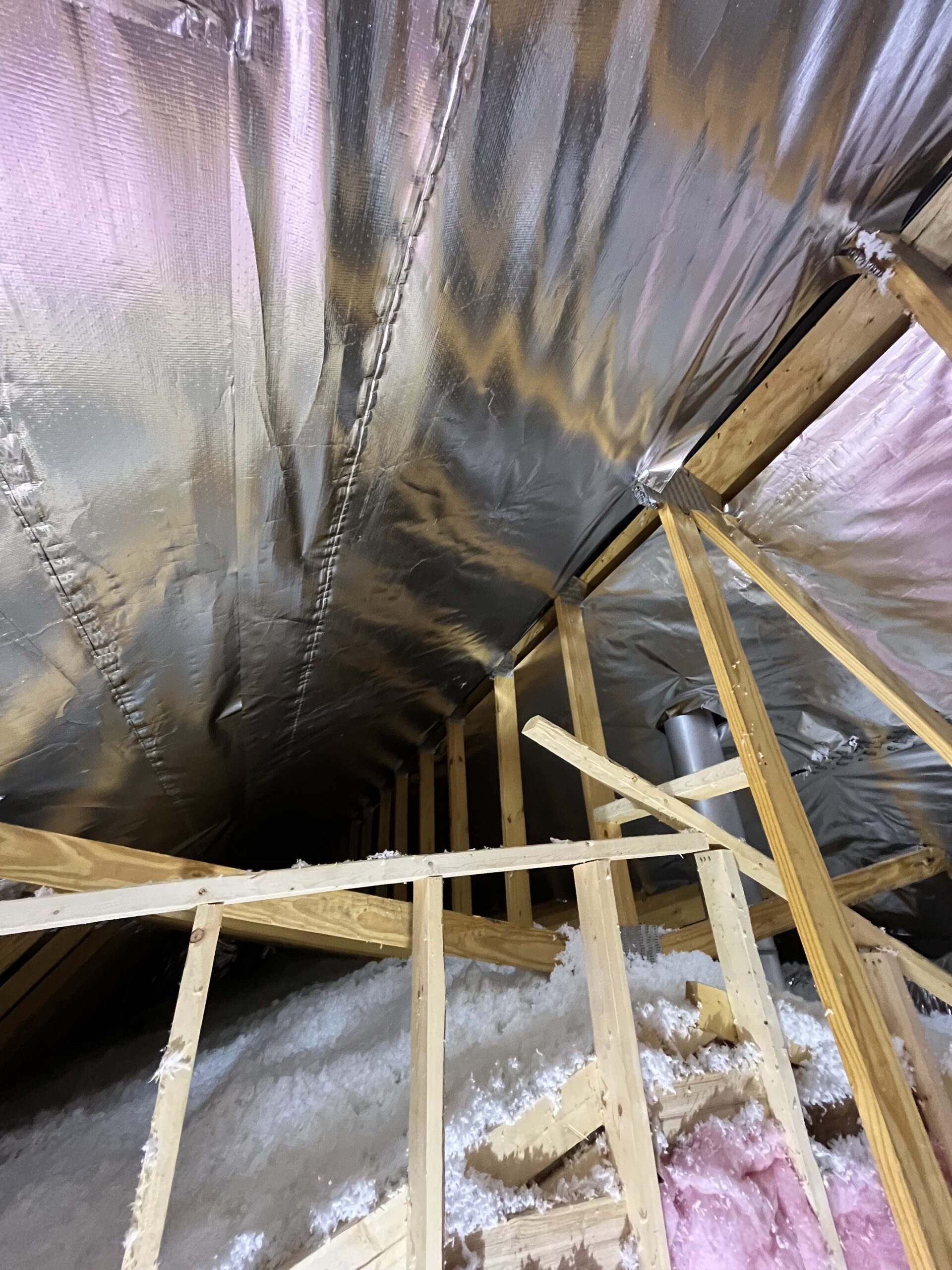
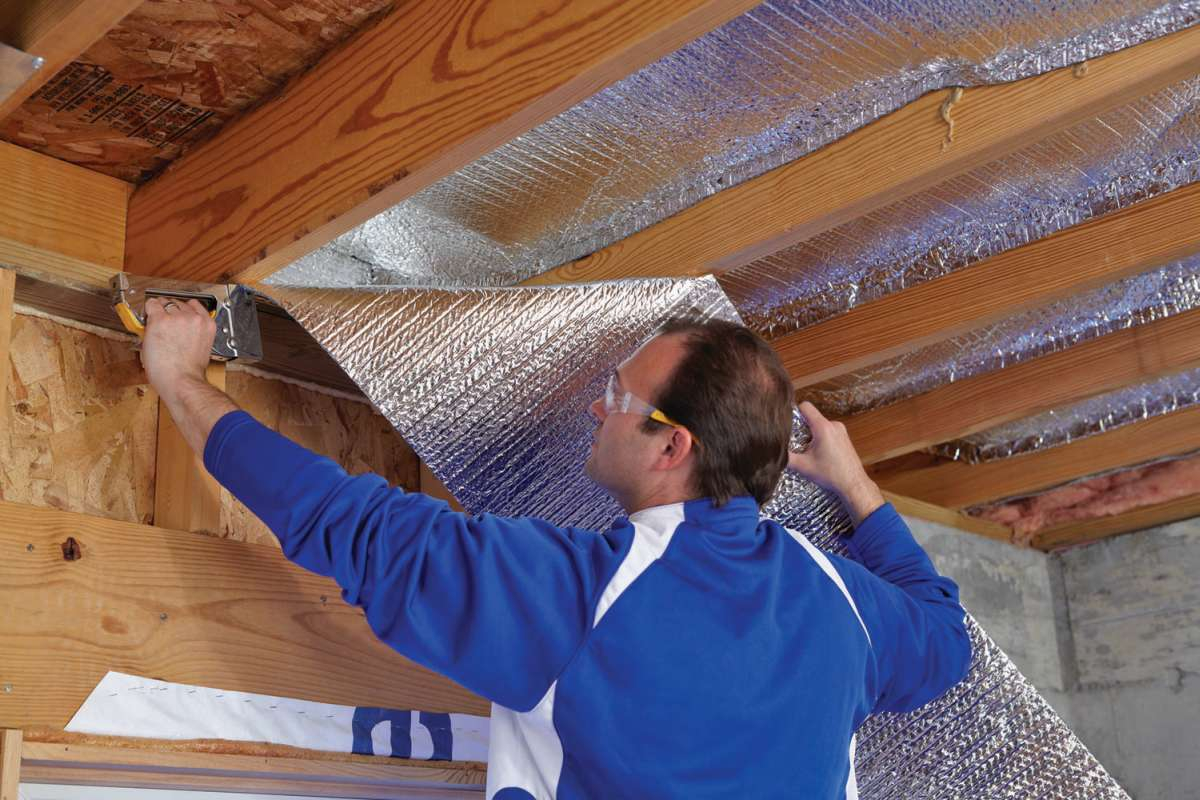
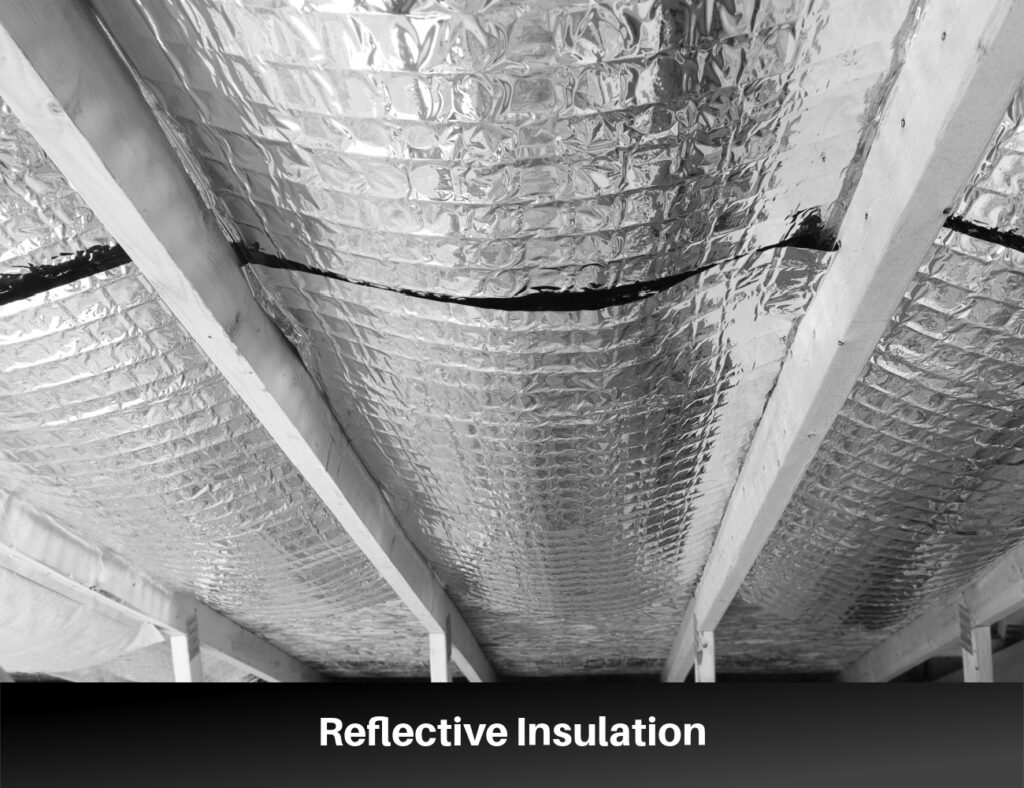
You can buy the best radiant barrier in the world, but if you slap it in the wrong spot, it’s basically expensive wallpaper. Location is everything. The most common place you’ll see it installed is on the underside of the roof rafters. This is called the "rafter bay" installation. Here, the foil faces the open attic space. It catches the heat radiating from the hot roof deck before it can warm up the air in the attic. This is great for keeping the whole attic volume cooler, which helps if you have ductwork or air handlers up there.
Another popular spot is stapled directly to the bottom chord of the trusses, right above the ceiling joists. This is often done in new construction because it’s fast and easy for the framers. However, there’s a catch. If you install it flat against the wood, it loses some effectiveness. Why? Because dust settles on it. Over time, a layer of attic dust can coat the foil, reducing its reflectivity. To work best, radiant barriers need an air gap. At least one side of the foil needs to face an open air space so the heat can’t conduct through the material itself. That’s why the rafter installation, where the foil drapes between the beams, is often preferred by pros.
Then there’s the option of integrated roof sheathing. Some manufacturers now sell OSB or plywood panels that come with a foil layer already attached. This is huge for builders in 2026 because it saves labor time. No separate stapling crew needed. The sheathing goes down, and the barrier is already there. But be careful. If the foil side faces the roof deck (which it shouldn’t), it’s useless. It must face the interior. Also, ventilation is key. A radiant barrier doesn’t replace proper attic ventilation. You still need soffit vents and ridge vents to let any trapped heat escape. The barrier reduces the heat load, but the vents flush out what’s left.
One mistake I see alot is people trying to put it over existing insulation. Don’t do it. If you lay foil on top of your fiberglass batts, you’re just creating a vapor trap that can lead to mold. Plus, it’s hard to keep clean. The barrier needs to be high up, near the source of the heat. Keep it clean, keep it facing the right way, and ensure there’s airflow. It’s not complicated, but precision matters. A sloppy install can drop performance by half, leaving you wondering why you bothered spending the money in the first place.
The Real-World Payoff: Energy Bills and Comfort
Let’s talk numbers, but not the boring kind. The kind that hits your wallet. Studies from the Department of Energy and various university extensions have shown that radiant barriers can reduce cooling costs by 5% to 10%. In hotter climates, like the Sun Belt, that number can jump to 15% or more. Now, 10% might not sound like a fortune. But over the lifespan of a roof—say, 20 to 30 years—that adds up. And in 2026, with electricity rates fluctuating and often trending upward, every kilowatt-hour counts.
But the bigger benefit isn’t just the bill. It’s comfort. Have you ever noticed that the upstairs bedrooms are always hotter than the downstairs? Or that the ceiling feels warm to the touch in the evening? That’s heat gain from the attic. By blocking that radiant transfer, a radiant barrier keeps the attic temperature closer to the outside air temperature, rather than letting it skyrocket to 140°F+. This means the heat has a harder time pushing through the ceiling drywall into your living spaces. Your AC doesn’t have to work as hard to maintain the set temperature. It cycles less. It lasts longer.
There’s also a hidden benefit for your equipment. If your HVAC ducts are in the attic, they’re likely losing cool air to the hot surroundings, even with insulation. A radiant barrier lowers the ambient temperature of the attic, which reduces the thermal load on those ducts. This means the air arriving at your vents is colder, and the system operates more efficiently. In older homes with leaky ducts, this can be a game changer. It’s not a fix for bad ducts, but it mitigates the penalty you pay for having them in a hostile environment.
Consider the case of a family in Phoenix who retrofitted their 1990s home. They added a radiant barrier to the rafters during a re-roof. Their summer electric bill dropped by about $40 a month. Not massive, but consistent. More importantly, they reported that the upstairs master bedroom, which used to be unbearable until midnight, stayed comfortable throughout the day. That’s the human side of efficiency. It’s not just about data points; it’s about being able to sleep without sweating through your sheets. That peace of mind is worth something too.
Myths and Misconceptions: What It Won’t Do
Despite the benefits, radiant barriers are surrounded by myths. The biggest one? That they replace insulation. They don’t. Period. Insulation (R-value) stops conductive heat. Radiant barriers stop radiant heat. You need both. Think of them as teammates, not substitutes. If you remove your fiberglass and just leave the foil, your house will bake in the winter and still get hot in the summer because conduction will run wild. In cold climates, the barrier does almost nothing for heating costs because the heat flow is reversed (inside to outside), and radiant loss is a smaller part of the equation compared to conduction through walls and windows.
Another myth is that they work equally well everywhere. They don’t. In cloudy, cool climates like Seattle or London, the payoff is minimal. The sun just isn’t intense enough for long enough periods to make the investment worthwhile. Radiant barriers shine (pun intended) in hot, sunny regions. If you live in a place with mild summers, you’re better off spending that money on adding more R-value to your attic floor. Context is king. Always look at your local climate zone before deciding.
Some people also worry about interference with Wi-Fi or cell signals. Since radiant barriers are made of metal, they can act as a Faraday cage if you wrap your entire house in them. But in a standard attic installation, where the foil is just on the roof deck, the impact on signals is usually negligible. Your router is likely downstairs, and the signal passes through walls, not just the roof. However, if you have a weak signal upstairs, it’s worth testing before and after installation. In rare cases, you might need to adjust your router placement or add a mesh node. It’s not a dealbreaker, but it’s something to be aware of.
Lastly, there’s the durability question. Will the foil tear? Will it corrode? Most modern radiant barriers are designed to last the life of the roof. They’re treated to resist corrosion and are tough enough to withstand the occasional bump from an HVAC tech. However, if you store boxes in your attic and pile them against the foil, you might puncture it. Small tears aren’t catastrophic, but large sections of missing foil reduce effectiveness. Treat it with respect, and it’ll treat you well. It’s not indestructible, but it’s not fragile either.
Environmental Impact and Sustainability in 2026
As we move further into the mid-2020s, sustainability isn’t just a buzzword; it’s a requirement. Homeowners and builders are looking for ways to reduce carbon footprints, and radiant barriers fit nicely into that puzzle. By lowering energy demand for cooling, they indirectly reduce greenhouse gas emissions from power plants. Every kilowatt-hour saved is a small win for the planet. But the material itself also has a story.
Most radiant barriers are recyclable. The aluminum layer can be recovered, and the backing materials (like paper or plastic) are often compatible with standard recycling streams, depending on your local facility. This is a big step up from some synthetic foam insulations that end up in landfills. In 2026, many manufacturers are also using recycled content in their backing materials. Look for products with GreenGuard certification or similar eco-labels. These ensure that the materials don’t off-gas harmful VOCs (volatile organic compounds) into your attic air, which can eventually seep into your home.
There’s also the urban heat island effect to consider. While radiant barriers primarily help the individual home, widespread adoption can slightly lower the ambient temperature of a neighborhood. If thousands of homes reflect heat back up instead of absorbing it into their structures, the overall thermal load of the community drops. It’s a small contribution, but every bit helps in densely populated areas. Cities like Los Angeles and Miami are starting to include reflective roofing technologies in their green building codes, recognizing the cumulative benefit.
Moreover, the longevity of the product plays a role. Because it doesn’t degrade quickly and doesn’t need replacement like some active mechanical systems, it’s a "install and forget" solution. This low-maintenance aspect appeals to the sustainable mindset. We don’t want products that require constant upkeep or chemical treatments. A passive, durable layer of protection aligns with the principles of resilient design. It’s about building homes that can withstand changing climates with minimal intervention.
However, be wary of greenwashing. Not all "reflective" products are created equal. Some cheap imports use thin, non-durable foils that oxidize and lose reflectivity within a few years. Stick to reputable brands that provide warranty information and performance data. In the end, the most sustainable product is the one that actually works for its intended lifespan. Doing it right the first time is the best environmental choice you can make.
So, should you install one? If you live in a hot, sunny climate, the answer is almost certainly yes. Especially if you’re replacing your roof or finishing an attic. The marginal cost during a re-roof is low since the labor is already there. For existing homes, it’s a bit more involved. You’d need to go into the attic and staple it up, which can be a dusty, cramped job. Hiring a pro might cost a few hundred to a thousand dollars, depending on the size of your attic. Run the numbers. If your cooling bills are high, the payback period could be as short as three to five years.
If you’re in a mixed climate, it’s a toss-up. You’ll get summer benefits, but little to no winter help. In cold climates, skip it. Focus on air sealing and high-R insulation instead. Also, consider your attic usage. If you store lots of stuff up there, make sure you don’t cover the foil. If you have HVAC equipment in the attic, the barrier is a no-brainer. The protection it offers your ducts and air handler alone can justify the cost.
Look for products that are perforated. Why? Because attics need to breathe. Non-perforated foil can trap moisture if there’s any condensation issues, leading to mold on the roof deck. Perforated barriers allow water vapor to pass through, keeping the wood dry. This is a critical detail that often gets missed. In 2026, building science has moved towards moisture-managed assemblies, and a perforated radiant barrier fits that model perfectly.
Finally, check your local incentives. Many utility companies and state programs offer rebates for energy-efficient upgrades, including radiant barriers. In some cases, you can get 50% or more of the cost back. It’s worth calling your provider or checking the Database of State Incentives for Renewables & Efficiency (DSIRE). Free money is the best kind of ROI. Don’t leave cash on the table just because you didn’t ask.
Choosing to install a radiant barrier is about taking control of your home’s thermal envelope. It’s not a magic bullet, but it’s a powerful tool in the toolbox. By understanding how it works, where it goes, and what it can (and can’t) do, you can make an informed decision that pays off in comfort, savings, and peace of mind. It’s a small layer of foil, but it makes a big difference.
In the end, our homes are our shelters. They protect us from the elements, but they also consume resources to keep us comfortable. As we face hotter summers and more extreme weather, smart, passive solutions like radiant barriers become essential. They remind us that sometimes, the best technology is the simplest. A little reflection goes a long way. So next time you’re up in the attic, take a look up. If you see that glimmer of silver, you’ll know your home is working smarter, not harder. And isn’t that what we all want?
[sps_html tag=”img” src=”https://cdn.northcarolinafinearchitecture.com/2026/05/heat-reflective-insulation-material-intended-for-radiant-barrier-design.webp” alt=”Heat Reflective Insulation Material intended for Radiant Barrier Design” style=”width: 100%; height: auto;”]
[sps_html tag=”img” src=”https://cdn.northcarolinafinearchitecture.com/2026/05/polyethylene-foam-reflective-insulation-roll-throughout-the-real-science-behind-reflective-insulation-that-contractors-wont-tell-you.jpg” alt=”Polyethylene Foam Reflective Insulation Roll throughout The Real Science Behind Reflective Insulation That Contractors Won't Tell You” style=”width: 100%; height: auto;”]
[sps_html tag=”img” src=”https://cdn.northcarolinafinearchitecture.com/2026/05/anything-insulation-radiant-barrier-with-regard-to-the-real-science-behind-reflective-insulation-that-contractors-wont-tell-you.jpg” alt=”Anything Insulation | Radiant Barrier with regard to The Real Science Behind Reflective Insulation That Contractors Won't Tell You” style=”width: 100%; height: auto;”]
[sps_html tag=”img” src=”https://cdn.northcarolinafinearchitecture.com/2026/05/what-is-reflective-insulation-with-regard-to-radiant-barrier-design.jpg” alt=”What Is Reflective Insulation? with regard to Radiant Barrier Design” style=”width: 100%; height: auto;”]
[sps_html tag=”img” src=”https://cdn.northcarolinafinearchitecture.com/2026/05/how-to-install-reflective-roll-insulation-at-ruth-jefferson-blog-intended-for-the-real-science-behind-reflective-insulation-that-contractors-wont-tell-you.jpg” alt=”How To Install Reflective Roll Insulation At Ruth Jefferson Blog intended for The Real Science Behind Reflective Insulation That Contractors Won't Tell You” style=”width: 100%; height: auto;”]