Have you ever looked at an everyday object and wondered how someone managed to build it from scratch? There is a special kind of magic that happens when an abstract thought in your head finally takes up physical space in the real world.
For a long time, turning wild ideas into actual physical things meant dealing with endless limitations. You had to rely on mass produced parts that never quite fit your exact vision. Today, things are totally different because modern makers have access to incredible tools that make custom building easier than ever.
The Shift Toward Personal Manufacturing
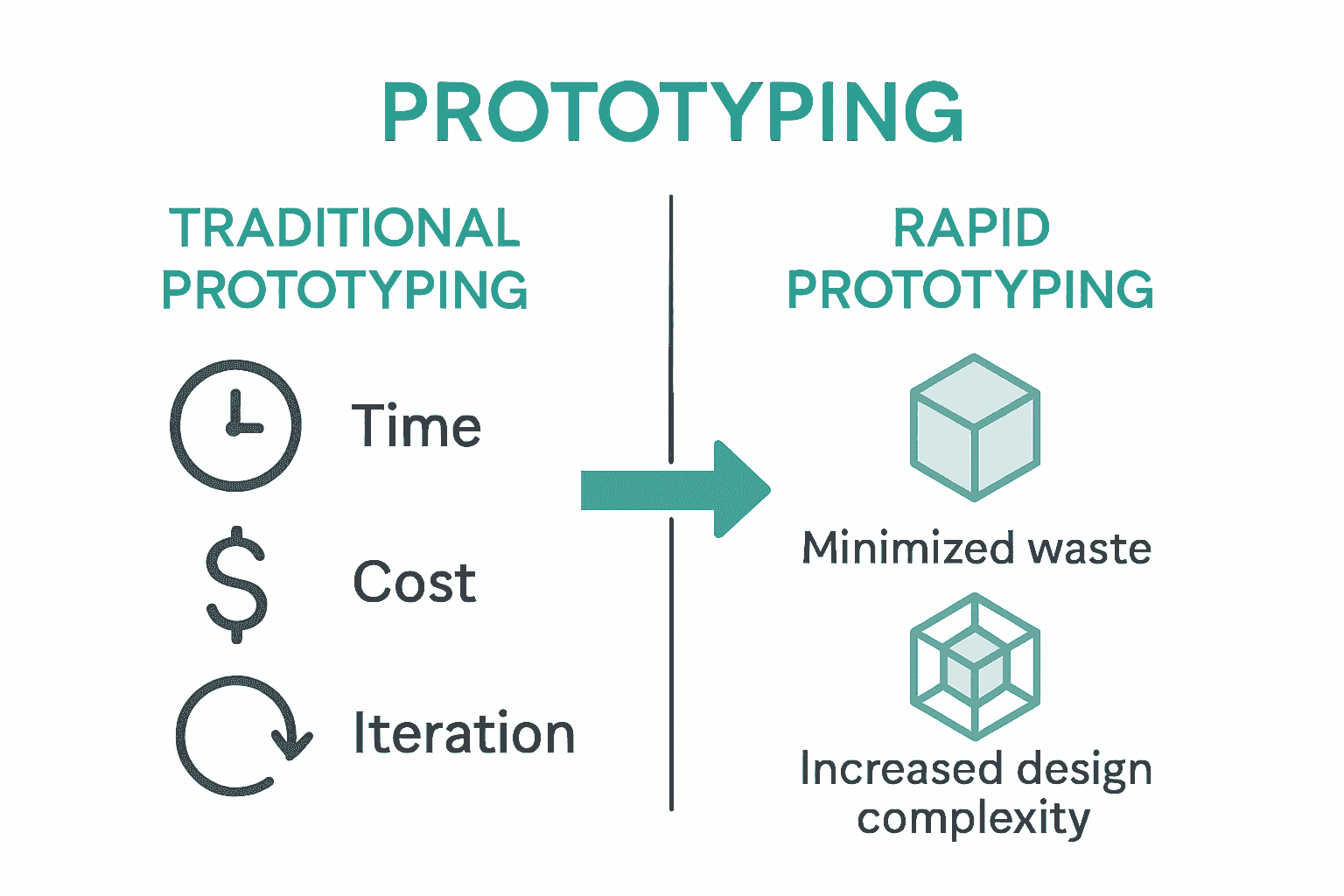
We are living in a time where traditional manufacturing is no longer the only game in town. Everyday creators, hobbyists, and small startups can now tap into production methods that used to cost a fortune. This shift opens up endless possibilities for anyone with a clever idea and a bit of determination.
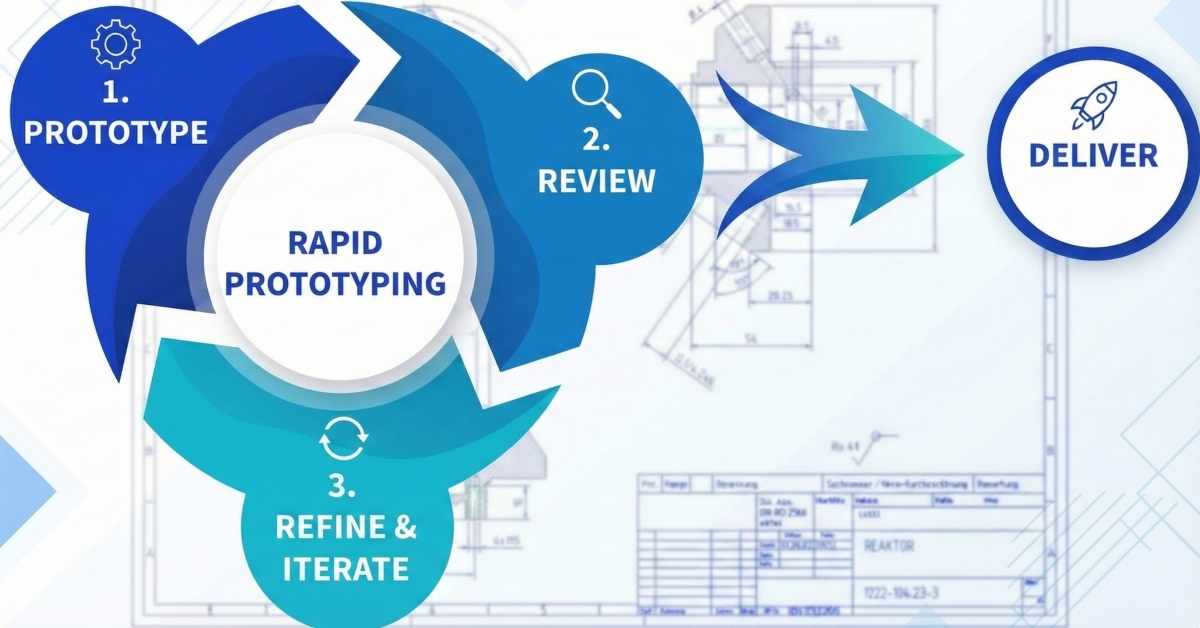
By blending computer design with physical tools, people can experiment faster than ever before. If a prototype fails, you just tweak the digital file and try again. That kind of freedom changes everything about how we solve design puzzles.
Harnessing the Power of CNC Machining
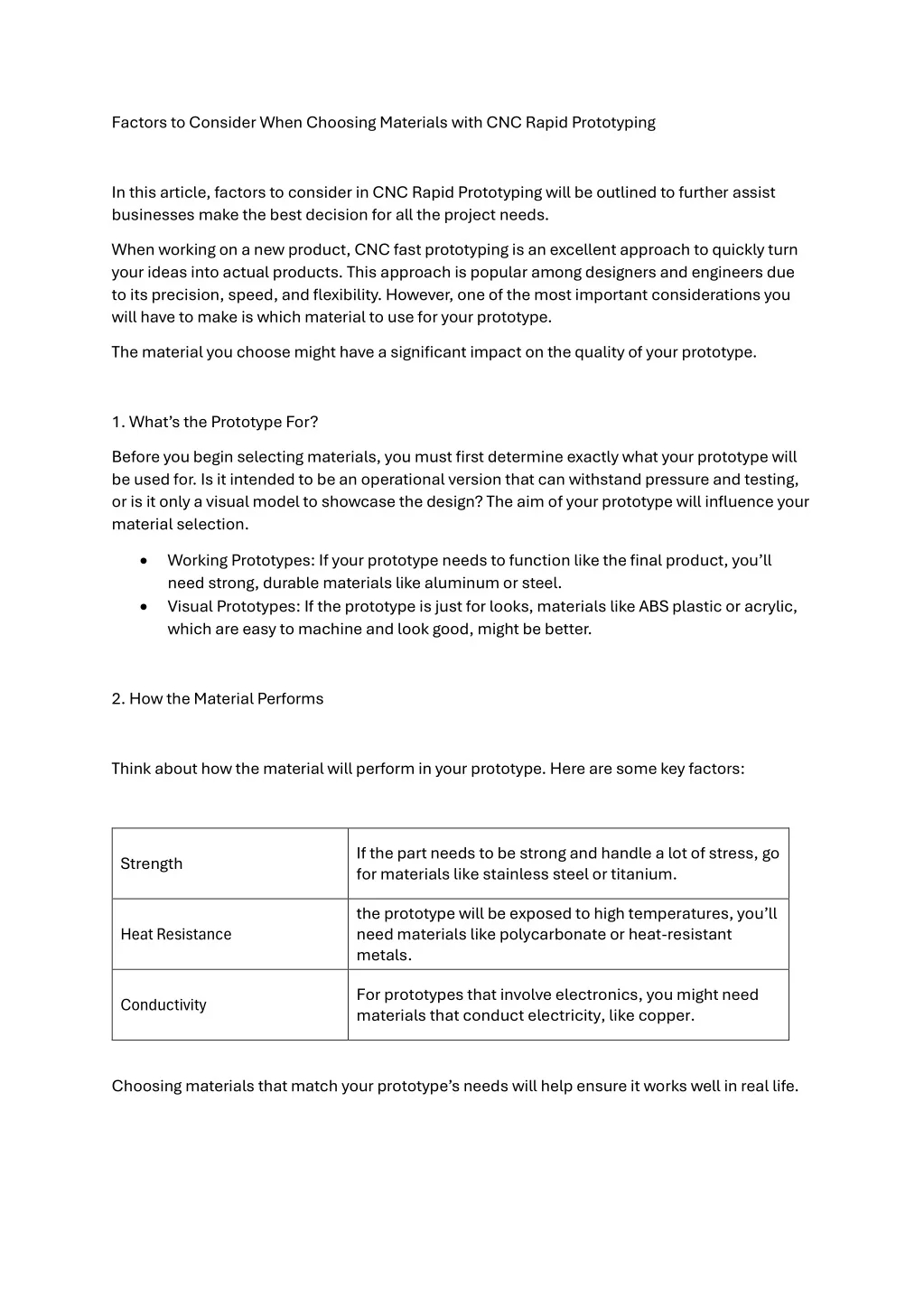
When people talk about high precision work, Computer Numerical Control (CNC) machining usually steals the show. It uses computerized controls to cut away material from a solid block with incredible accuracy. Whether you are shaping wood, plastic, or tough metal, a CNC machine follows your digital blueprint down to the fraction of a millimeter.
This technique is a total game changer for building strong, durable parts that need to fit together perfectly. Instead of guessing if hand-cut pieces will align, CNC routing and milling take all the guesswork out of the equation. It gives creators the confidence to tackle complex geometries without losing sleep over tiny measurement errors.
The Revolution of Additive Manufacturing and 3D Printing
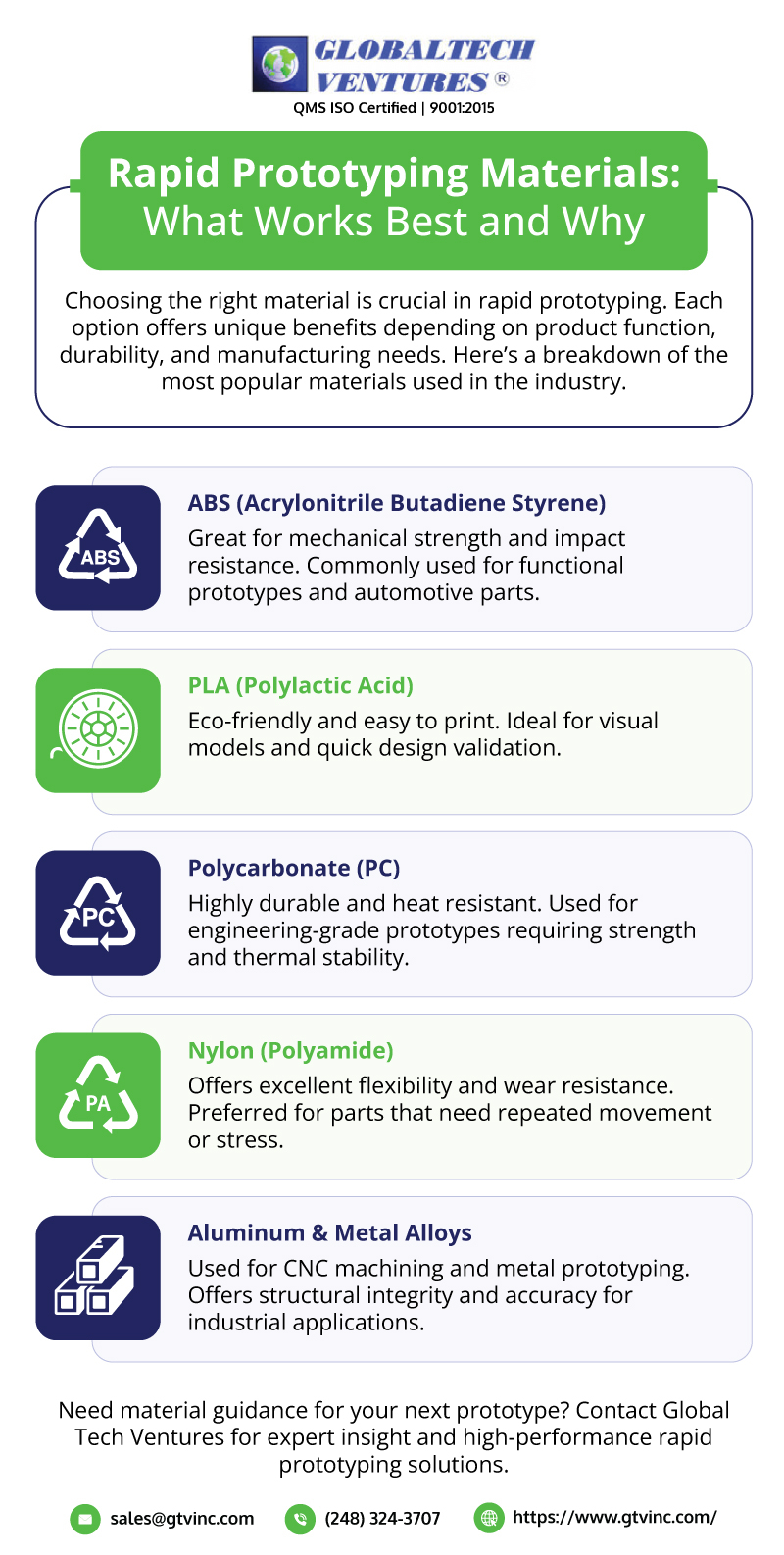
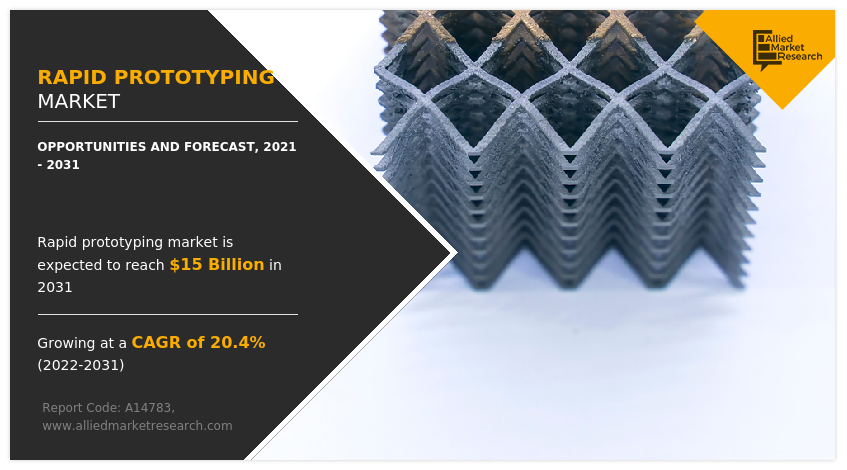
Additive manufacturing does the exact opposite of machining by building objects layer by layer. This approach lets you create weird, wonderful shapes that would be completely impossible using older cutting methods. It is fast, affordable, and endlessly flexible for rapid prototyping.
Designers can cycle through a dozen different versions of a product in a single week. By catching flaws early and testing physical shapes right on their desks, innovators save both time and money. It makes the journey from a rough sketch to a working model feel almost effortless.
Advanced Metalwork and Complex Geometries
Working with metal used to mean heavy lifting, sparks, and a lot of trial and error. Modern metal fabrication has evolved rapidly, especially for fast-moving fields like robotics, electric vehicles, and climate tech. Advanced cutting tools like high-powered lasers and waterjets slice through thick steel like it is butter.
Startups leveraging these advanced techniques are seeing massive benefits, including notable cost savings and much faster project turnaround times. When you can shape complex metal curves and joints with laser precision, your creative boundaries simply vanish. You can build structural frames that are both remarkably lightweight and indestructible.
Custom Circuit Boards for Smart Projects
Almost everything we build nowadays has some kind of electronic brain hidden inside. That is why custom Printed Circuit Board (PCB) fabrication has become such a massive deal for modern makers. Instead of forcing your electronics onto a generic, poorly fitting board, you can design a custom layout tailored precisely to your project space.
Tailored PCBs speed up the testing phase and boost overall product performance in ways you can easily notice. They keep wiring neat, reduce electrical interference, and let you pack advanced smart features into tiny enclosures. It is the secret ingredient behind many of the sleek gadgets we use every day.
You do not need a million-dollar factory in your backyard to start building cool stuff. Local makerspaces have popped up everywhere, acting as creative hubs filled with expensive professional gear, helpful mentors, and enthusiastic collaborators. These community workshops give everyday people access to laser cutters, 3D printers, and heavy-duty shop tools without breaking the bank.
Sharing a workspace with other passionate builders sparks inspiration you just cannot find working alone. Someone down the bench might know a clever trick to solve your exact design snag, or introduce you to a new software tool. Building things is always more fun when you share the journey with a supportive community.
Bringing your wildest ideas to life is no longer reserved for massive corporations with endless budgets. With accessible tools, powerful software, and welcoming maker communities, anyone can shape the future with their own hands. The only real limit now is your own imagination.
So grab a sketchpad, fire up a design program, and start experimenting today. You might just surprise yourself with what you can build when you let your creativity run wild.