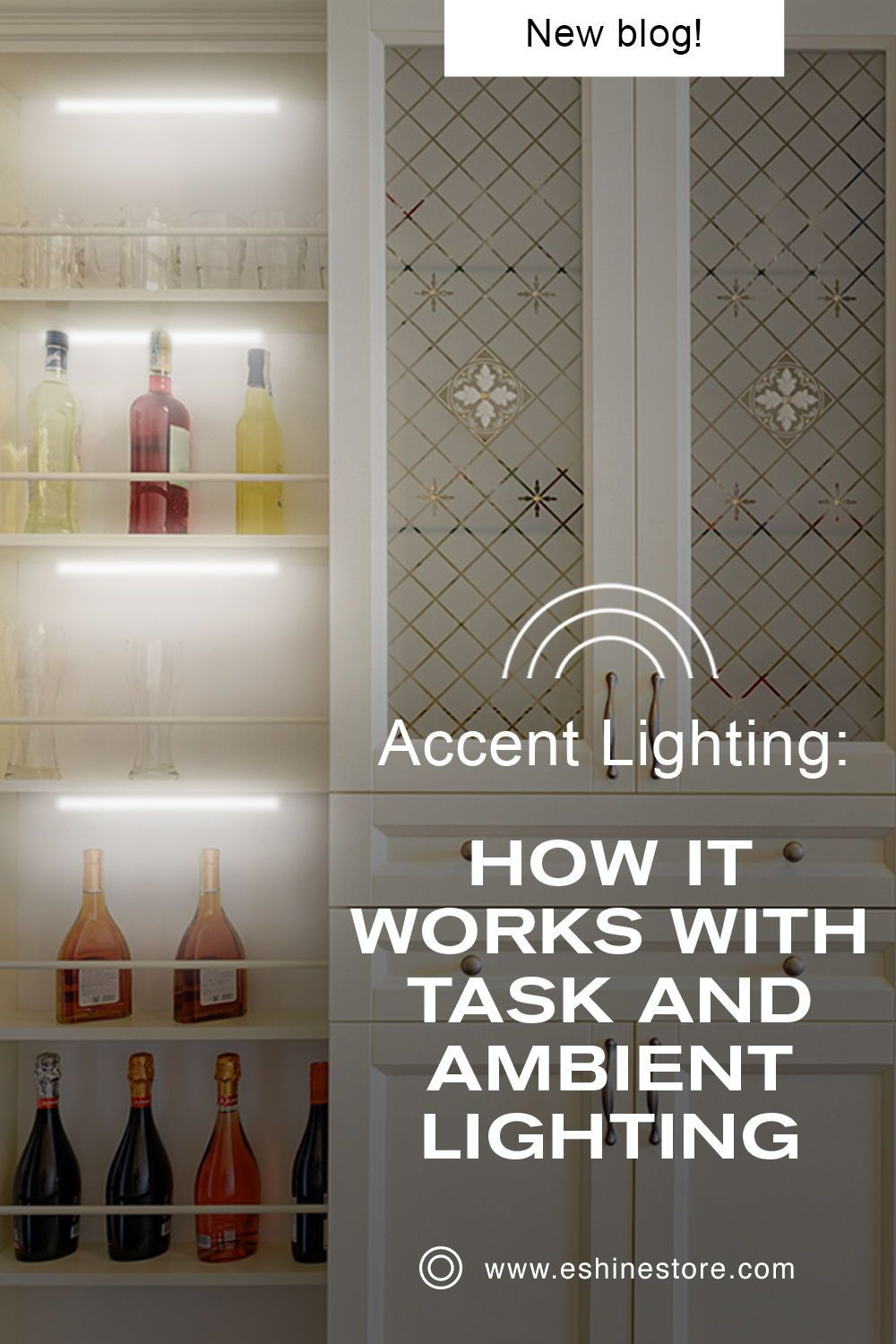
Ever walked into a kitchen that felt less like a cozy gathering spot and more like a sterile operating room. Or maybe you have seen the opposite—a cooking space so dimly lit by orange hues that you can barely tell an onion from a potato. Lighting changes everything, especially the accent lighting that sits right on top of your cabinetry.
Over cabinet lighting is one of those hidden design secrets that completely transforms a room. It bounces light off the ceiling, making the entire space feel taller and more open. But if you get the color temperature wrong, the whole vibe falls apart. Let us dive into how to pick the exact right hue for your home.
Understanding Kelvin and Color Temperatures
Before pulling out your wallet, you need to understand what those numbers on the bulb box actually mean. Light color is measured in Kelvin (K). The lower the number, the warmer and more yellow the light will be. The higher the number, the cooler and more blue it gets.
Generally, residential lighting bounces anywhere between 2700K and 5000K. Think of 2700K as the cozy glow of a traditional incandescent bulb or a candlelit dinner. On the other end, 5000K mimics intense, direct afternoon sunlight. For over cabinet setups, you are usually trying to find a sweet spot right in the middle of these extremes.
Matching Your Kitchen Cabinets and Paint Hues
Your current color palette plays a massive role in how the light will actually look. If you have warm wood cabinets like oak or cherry, or if your walls are painted a soft beige, a warm light (around 2700K to 3000K) will complement those tones beautifully. It brings out the rich grain of the wood and keeps things feeling incredibly inviting.
On the flip side, if you went with modern navy cabinets, crisp white paint, or sleek gray tones, warm lighting can make your kitchen look muddy or outdated. For cooler, contemporary designs, you want to lean toward a neutral white light around 3500K or 4000K. This keeps your whites looking bright and your cool tones looking sharp.
Balancing Task Lighting with Accent Glows
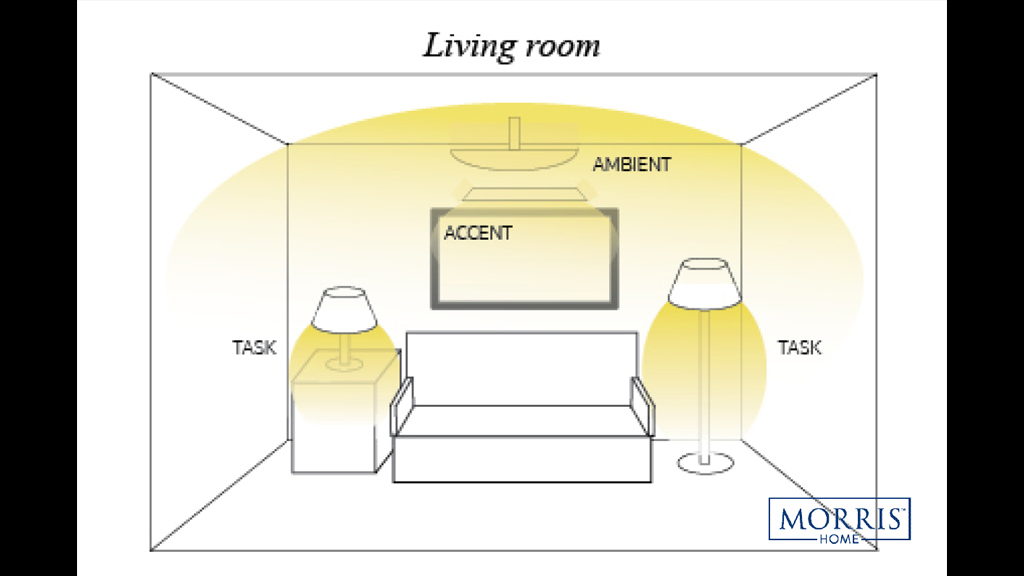
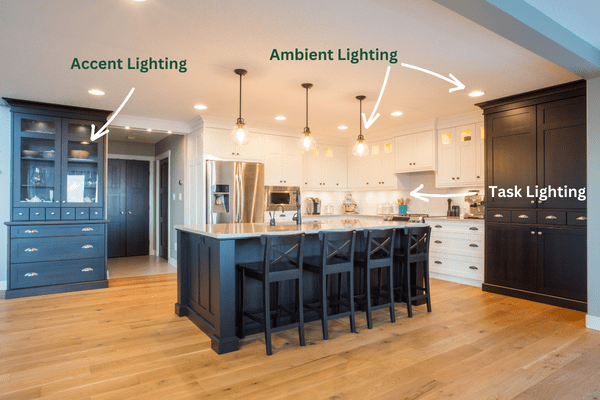
It is important to remember that over cabinet lighting is mostly for ambiance, whereas under cabinet lighting is for tasks like chopping veggies. If your under cabinet lights are a bright, crisp 4000K, putting a super warm 2700K light on top of the cabinets can create a jarring visual clash.
You do not necessarily have to match them perfectly, but they should be in the same ballpark. A great rule of thumb is to keep them within 500K of each other. If your countertops are flooded with 3500K light, aiming for 3000K or 3500K on top of the cabinets creates a smooth, seamless flow that looks like it was designed by a pro.
The Magic of Adjustable LED Strips
If you are feeling struck by analysis paralysis, there is a great workaround that has become super popular in 2026. Tunable or color-selectable LED tape lights are an absolute game changer. These fixtures allow you to change the color temperature with a remote control, a phone app, or a simple switch on the back of the device.
Investing in adjustable strips means you do not have to guess what will look best in your space ahead of time. You can install them, turn them on, and toggle between warm, neutral, and cool white until you find the exact setting that makes your heart sing. Plus, you can change the mood depending on the time of day.
Considering the Height of Your Ceilings
The distance between the top of your cabinets and your ceiling changes how light scatters across the room. If you have short ceilings with only a foot of clearance, the light has less room to spread out. A cooler, brighter light might feel a bit too intense and create harsh hot spots directly above the cabinets.
If you are blessed with soaring vaulted ceilings, you need a light that can throw its glow a bit further without getting lost in the shadows. A neutral 3500K light often works best here because it carries a bit more visual punch, ensuring the accent lighting actually does its job of brightening up the upper half of your room.
Real World Examples and What Works Best
Let us look at a couple of real homes to see this in action. Take a classic farmhouse kitchen with rustic wood shelves and warm brick accents; using a 2700K soft white tape light makes the whole space feel like a cozy retreat where guests want to linger over a glass of wine.
Compare that to a sleek urban condo with high-gloss flat panel cabinets and quartz countertops. A crisp 4000K light bounces beautifully off those reflective surfaces, highlighting the clean architectural lines without adding any unwanted yellow dinginess. It is all about evaluating your specific environment and picking the right tool for the job.
Choosing the right lighting temperature does not have to be an overwhelming chore. By taking a close look at your cabinet colors, your kitchen’s overall style, and how much space you have near the ceiling, you can easily narrow down the choices.
At the end of the day, your home should feel comfortable to you. Take your time, test out a few temporary bulbs or choose an adjustable LED strip, and enjoy the beautiful transformation that proper lighting brings to your daily life.