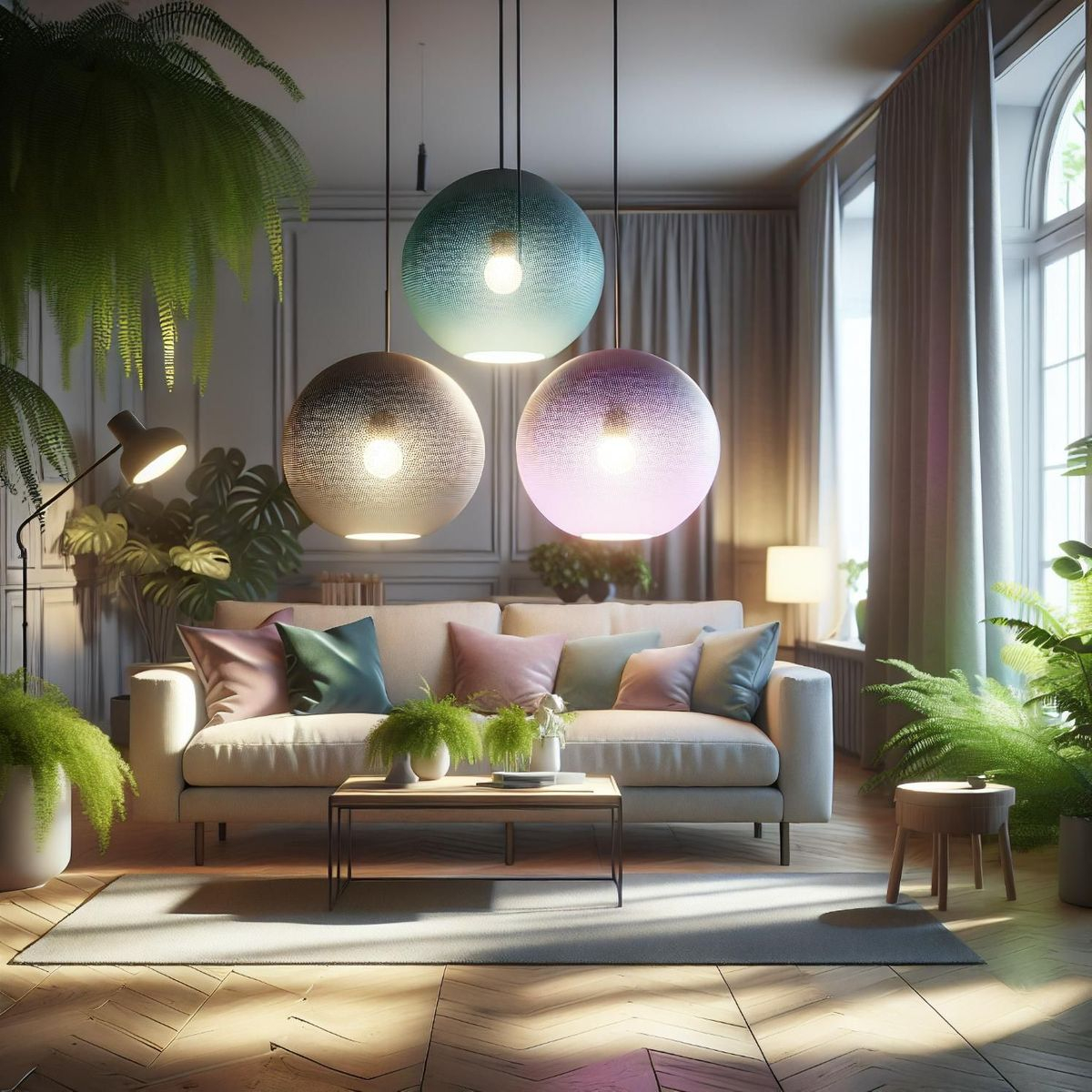
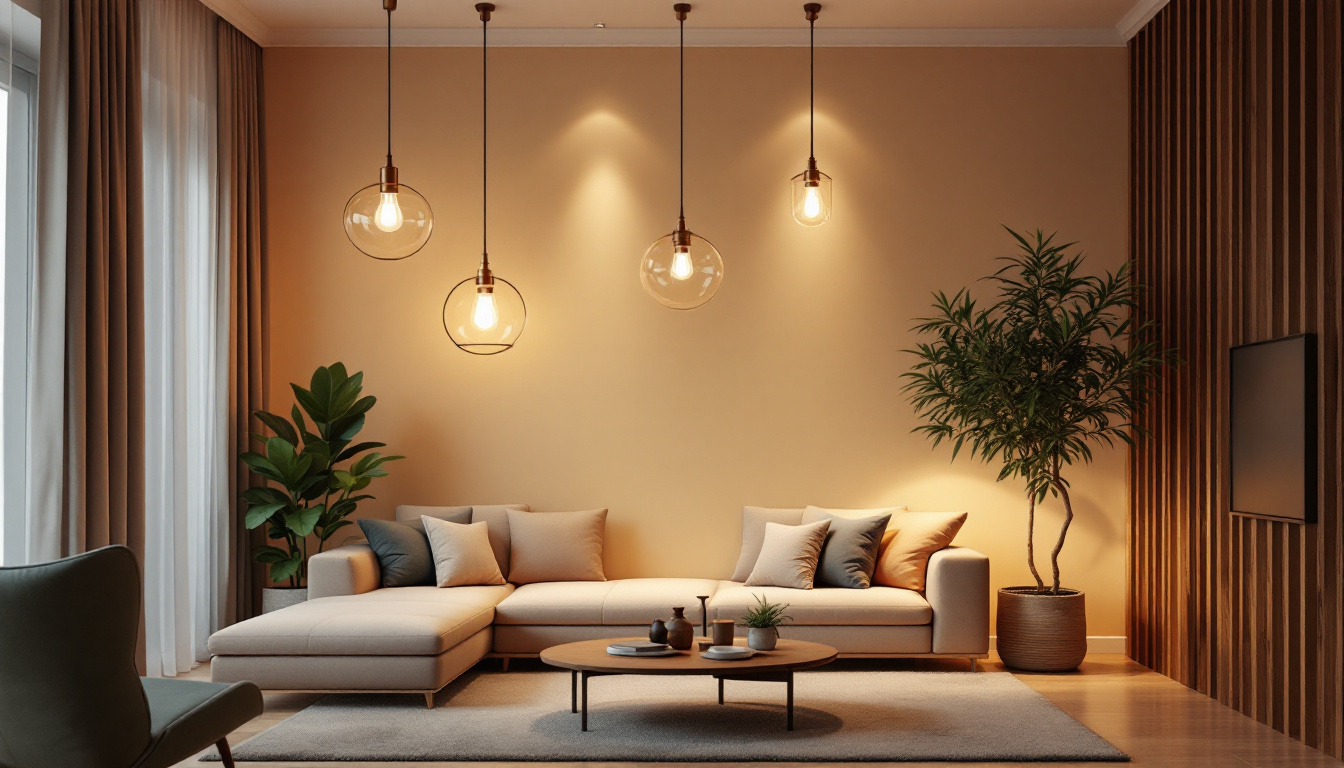
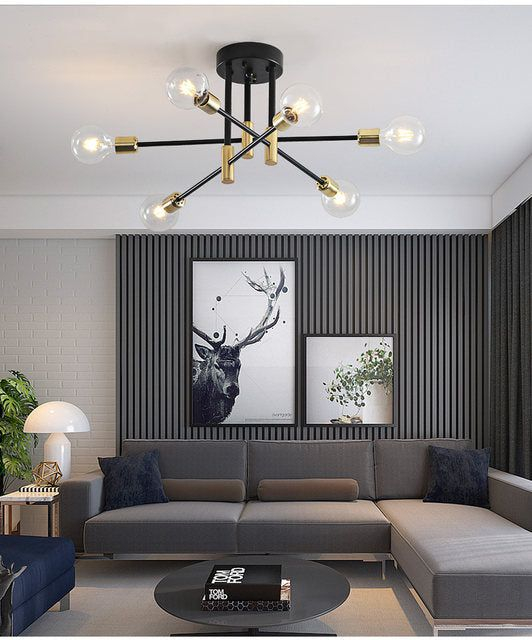
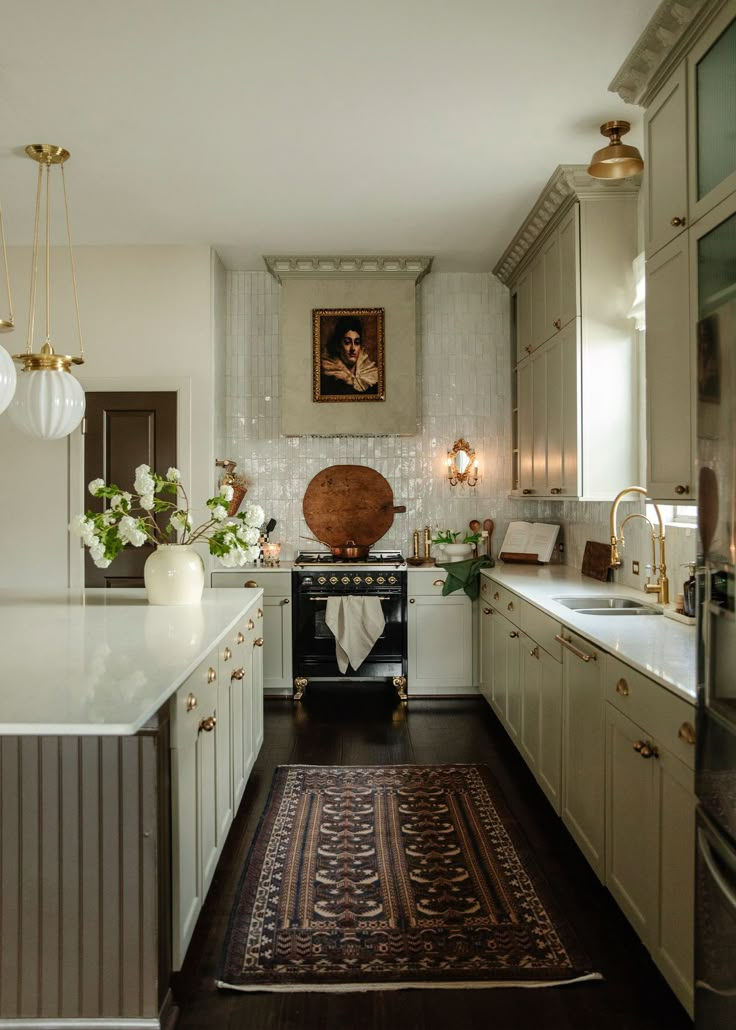
It is 8:30 PM on a Tuesday. You sink into your plush velvet sofa, hoping to decompress from a grueling workday, but something feels profoundly wrong with your sanctuary. Instead of feeling wrapped in a warm, restorative embrace, your living room looks like a regional claims processing department for an insurance firm. The walls glare with an unsettling, clinical brightness. Your favorite art pieces look washed out, and the air feels visually cold, even with the thermostat set to a cozy seventy-two degrees.
The culprit isn’t your paint choice, your furniture layout, or even the sleek, modern polished chrome light fixture you spent weeks hunting down. The villain here is invisible yet overwhelmingly potent: color temperature. Chrome, with its mirror-like, highly reflective finish, acts as an optical amplifier. When paired with the wrong Kelvin rating, it doesn’t just illuminate a room—it surgically exposes it, stripping away every ounce of residential intimacy and replacing it with the jarring, fluorescent aura of corporate productivity.
Lighting design in residential architecture is rarely given the psychological respect it demands. Homeowners obsess over silhouette, scale, and finish—drooling over brushed nickel, matte black, and high-shine chrome—while treating the bulb’s color temperature as an afterthought. They stroll down the lighting aisle, grab a pack of generic multi-use LEDs labeled "daylight," and screw them into an architectural chrome sconce or a multi-arm modern ceiling mount. What follows is an expensive aesthetic mismatch. Understanding how light interacts with highly reflective metal surfaces is the single most important step in rescuing your living space from feeling like a cubicle farm.
The Optical Physics of Chrome and Kelvin Ratings
Polished and brushed chrome finishes possess unique reflective properties that behave very differently than matte materials like brass, bronze, or painted wood. Chrome is a cool-toned metal with a high specular reflectance rate. It mirrors whatever light source is thrust upon it. If you throw a high-Kelvin, blue-heavy light source at a chrome fixture, the metal doesn’t just pass that light through; it multiplies, refracts, and amplifies the coolness, bouncing clinical wavelengths across your walls, flooring, and upholstery.
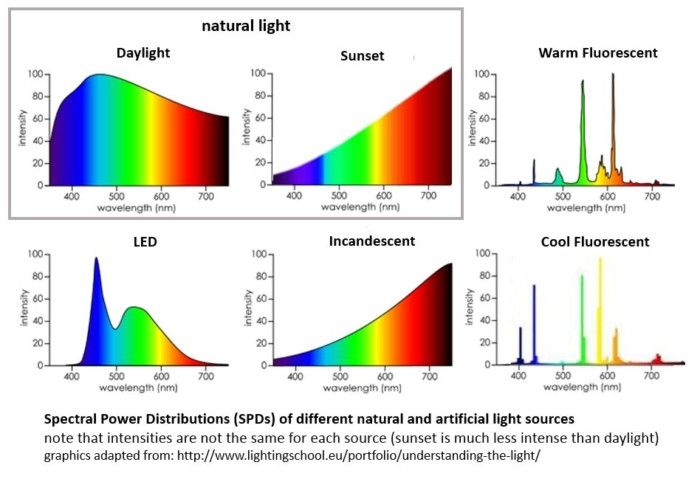
To understand this dynamic, you have to look at the Kelvin (K) scale, which measures the color appearance of light, ranging from warm reds and oranges to cool blues and whites. A candle sits at around 1,800K, casting an amber, deeply comforting glow. Incandescent bulbs historically lived around 2,700K, providing the buttery, warm light human evolution has associated with evening rest and firelight. On the other end of the spectrum, office spaces, hospitals, and commercial environments rely heavily on 4,000K to 5,000K because these cooler temperatures suppress melatonin production, enhance alertness, and boost visual acuity for reading spreadsheets and legal briefs.
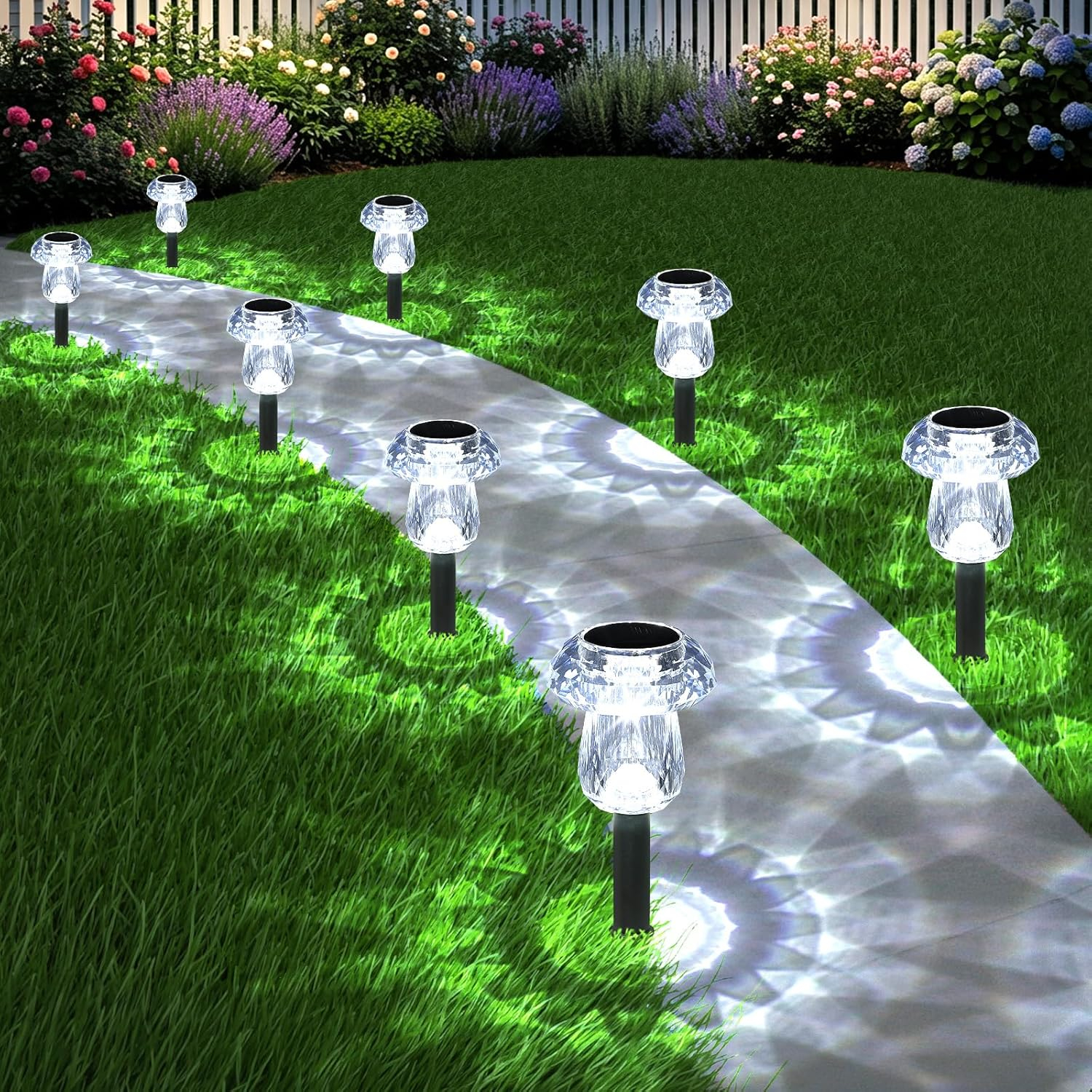
When you install a 4,000K or 5,000K bulb into a chrome fixture positioned in a living room, you are introducing commercial-grade biological triggers into a domestic relaxation zone. The chrome catches these high-frequency blue rays and spreads them across the room like a prism. Suddenly, your cozy sectional sofa looks like a waiting room couch, and your living room rug takes on the pale, antiseptic sheen of a commercial carpet tile. The human eye immediately registers this disconnect, creating a subtle, persistent psychological unease that prevents true relaxation.
Beyond the physical hardware, the interplay between chrome finish quality and bulb output dictates the perceived luxury of a space. Cheap chrome plating with minor surface imperfections will scatter cool light unevenly, creating harsh hotspots that mimic fluorescent tubes. High-grade architectural chrome, conversely, demands precise lighting pairing because its mirror finish is unforgiving. If the Kelvin rating is too high, it exposes dust, minor wall blemishes, and fabric textures with brutal clarity. If it is balanced correctly, it adds a crisp, jewelry-like sparkle that elevates the entire room’s architectural integrity without sacrificing comfort.
The Psychological Toll of Commercial Lighting in Domestic Spaces
Environmental psychology demonstrates a direct link between interior illumination and emotional state. For decades, workplace designers have leveraged cool color temperatures to drive focus, speed, and analytical processing. There is a time and place for this; nobody wants to draft a quarterly financial report under a flickering 2,200K Edison bulb. However, replicating that environment in a space designed for leisure, emotional connection, and unwinding creates a severe sensory mismatch.
When your living room bathes you in 4,000K+ light bouncing off shiny chrome surfaces, your brain receives continuous, subtle signals that it is time to work. Cortisol levels remain elevated because the human nervous system interprets high-Kelvin, blue-shifted illumination as midday sun. You might be sitting back with a novel or watching a film, but your physiology is stuck in high-gear processing mode. This explains why people often leave such living rooms feeling inexplicably drained, edgy, or restless, even when they spent the entire evening doing nothing physically demanding.
Furthermore, skin tones and interior textures suffer immensely under mismatched commercial lighting. Cool light strips the natural warmth from human skin, making everyone in the room look washed out, tired, or slightly ill. Rich wood grains, warm leathers, and deep textile colors lose their saturation, turning muddy and gray under the harsh glare of an incorrect chrome pairing. The room loses its dimensionality. Shadows become stark and unflattering instead of soft and gradient, erasing the cozy pockets of darkness that make a living room feel intimate and secure.
Interior designers refer to this phenomenon as "hospitality inversion"—the accidental conversion of a hospitality or residential space into an institutional one. It happens most frequently when homeowners prioritize raw brightness or energy efficiency numbers over atmospheric quality. They assume that "brighter is better" or that modern fixtures require modern-looking, ultra-white bulbs. Breaking this habit requires unlearning decades of commercial conditioning and retraining your eye to appreciate lower lumens and warmer temperatures in spaces dedicated to personal well-being.
Step-by-Step Practical Implementation Guide for Lighting Your Chrome Fixtures
Correcting an overly clinical living room requires a methodical approach to evaluating your current fixtures, auditing bulb specifications, and recalibrating your layering strategy. Follow this systematic framework to restore warmth and sophistication to your chrome-accented space:
- Step 1 (Audit Existing Kelvin Outputs): Turn on all your chrome light fixtures—sconces, floor lamps, and ceiling mounts—and inspect the current bulbs. Check the packaging or etchings on the bulbs to identify their exact Kelvin rating. If you find numbers at 3,500K, 4,000K, or above, you have identified the primary source of your office-like ambiance and should immediately flag those bulbs for replacement.
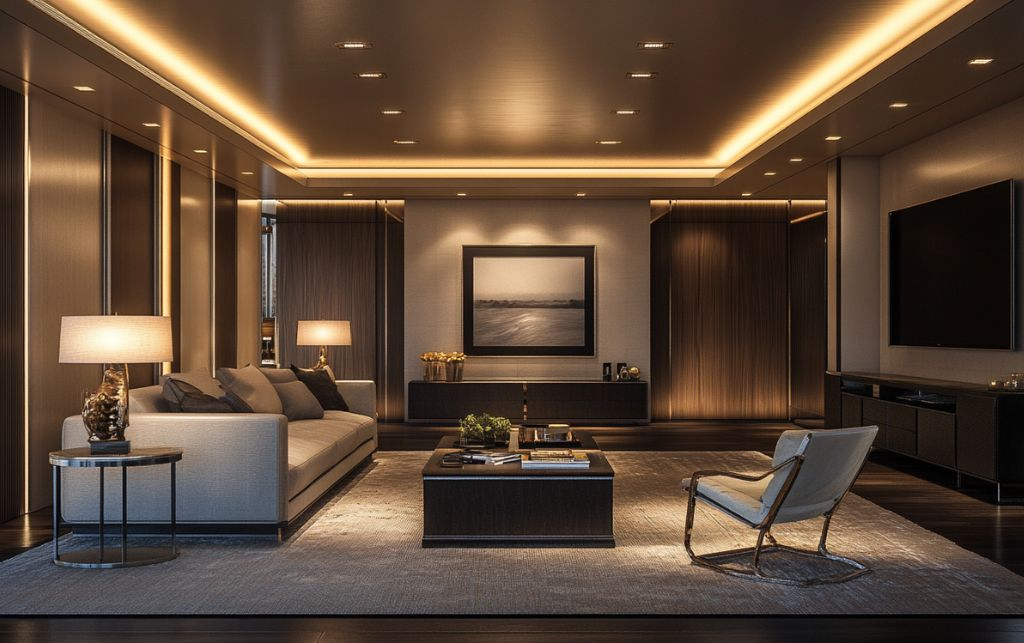
- Step 2 (Target the Sweet Spot of 2,400K to 2,700K): Purchase replacement LED bulbs rated specifically between 2,400K and 2,700K for your main living room chrome fixtures. A 2,700K bulb provides a warm, traditional incandescent feel, while dropping down to 2,400K introduces a cozier, boutique-hotel warmth that softens the inherent coolness of the chrome finish.
- Step 3 (Prioritize High Color Rendering Index [CRI]): Ensure every replacement bulb boasts a CRI rating of 90 or higher, with an R9 value above 50. High CRI ensures that the warm light reflecting off your chrome fixtures renders reds, browns, and natural skin tones accurately rather than making them look sickly or distorted under cheap diodes.
- Step 4 (Incorporate Warm Dimming Technology): Install warm-dimming LED bulbs or smart lighting systems that automatically drop in Kelvin rating as you dim the lights—shifting from 2,700K down to a cozy 1,800K. This mimics natural sunset behavior and allows your chrome fixtures to transition from functional daytime accents to sultry evening mood lighting.
- Step 5 (Layer Your Light Sources): Never rely solely on a single overhead chrome ceiling fixture. Balance the specular reflections of your chrome hardware by mixing in table lamps with fabric shades, floor lamps with amber diffusers, and low-level accent lighting to create a rich, multi-dimensional lighting landscape.
Common Pitfalls and Field-Tested Workarounds
Even with the best intentions, homeowners often stumble when trying to fix lighting temperature mismatches. Recognizing these recurring mistakes will save you time, money, and aesthetic frustration as you upgrade your living room’s ambiance.
- Pitfall 1 (Assuming All "Soft White" Labels Are Equal): Manufacturers often use vague marketing terms like "soft white" or "warm white" without clear Kelvin numbers, occasionally packaging 3,000K bulbs under these labels. Workaround: Never buy bulbs based on marketing adjectives; always look for the explicit numeric Kelvin rating on the back of the packaging to guarantee you stay within the 2,400K–2,700K residential range.
- Pitfall 2 (Mixing Cool and Warm Light Sources): Pairing a 2,700K table lamp with a 4,000K chrome flush-mount ceiling fixture creates a jarring visual war zone in your living room. Workaround: Establish a strict Kelvin ceiling for the entire room. If the room is a relaxation zone, every single bulb visible in the space should live within a tight 200-Kelvin window.
- Pitfall 3 (Ignoring Dimmer Compatibility with LEDs): Screwing dimmable warm-shift LEDs into older, incompatible rotary wall switches often results in stuttering, buzzing, or abrupt cutoff points that ruin the evening mood. Workaround: Upgrade your wall switches to modern LED-compatible trailing-edge (ELV) dimmers designed to handle low-wattage diode loads smoothly across their full range.
- Pitfall 4 (Over-Illuminating Small Spaces): Installing high-lumen output bulbs into multiple chrome fixtures in a modest-sized living room turns the space into a lightbox, regardless of the Kelvin temperature. Workaround: Calculate your target lumens (typically 10 to 20 lumens per square foot for living areas) and use lower-wattage bulbs distributed across multiple diffused fixtures instead of one blinding source.
- Pitfall 5 (Neglecting Fixture Placement Relative to Sightlines): Placing high-shine chrome fixtures directly in your primary eyeline from the sofa causes harsh glare when paired with incorrect wattages. Workaround: Position chrome sconces and task lights at angles where the bulb source is partially shielded or diffused, allowing the metal to catch ambient glow rather than acting as a direct laser beam into your eyes.
Holistic Perspectives and Long-Term Impact
Lighting is not merely a utility; it is the invisible architecture of your home’s emotional climate. As residential design trends lean heavily toward mixed metals and modern minimalism, polished and brushed chrome will remain a staple for its clean, timeless aesthetic. However, mastering the intersection of metal finishes and optical physics requires a shift in how we value domestic engineering. Treating lighting as an integrated biological and psychological system rather than a collection of glowing accessories transforms a house into a true sanctuary.
From an economic and environmental standpoint, choosing the correct color temperature paired with high-efficiency LEDs drastically reduces energy consumption while extending the aesthetic lifespan of your interior investments. High-quality warm LEDs with superior thermal management last for tens of thousands of hours, meaning your carefully curated chrome fixtures will maintain their mood-boosting glow for years without premature burnout or color shifting. This longevity reduces waste and ensures that your living space remains consistently comfortable through changing seasons and shifting lifestyle demands.
Furthermore, aligning your home environment with natural circadian rhythms has profound long-term health benefits. By eliminating high-Kelvin, blue-heavy light pollution from your evening routine, you support natural melatonin production, improve sleep architecture, and protect your circadian health. Your living room ceases to be a secondary workspace and reclaims its evolutionary purpose: a quiet, restorative harbor designed to shelter you from the cognitive friction of the outside world.
Actionable Recommendations and Key Takeaways
To permanently rid your living room of that persistent office vibe, anchor your design choices in strict technical standards and thoughtful aesthetic layering. Use this summary framework as your quick-reference checklist when evaluating or upgrading your chrome lighting fixtures:
- Enforce the Kelvin Boundary: Keep all living room lighting strictly between 2,400K and 2,700K to maintain biological calm and residential intimacy.
- Insist on High CRI: Buy bulbs rated CRI 90+ so your chrome fixtures reflect rich, natural tones across your furniture, artwork, and skin.
- Embrace Warm-Dim Technology: Invest in smart or dimming LEDs that drop in color temperature as intensity decreases, replicating the natural sunset.
- Audit Your Finishes and Bulbs Together: Remember that chrome is a mirror; whatever light you put into it will be amplified and cast across your entire living space.
- Layer Your Light: Distribute illumination across table lamps, floor lamps, and architectural sconces rather than relying on a single overhead source bouncing off metal surfaces.
The next time you walk into your living room as evening settles in, take a moment to look past the furniture and gaze directly at your lighting architecture. Notice how the chrome catches the light, how the shadows fall across your walls, and how your body responds to the visual atmosphere. If your shoulders stay tense and the room feels stark, you now possess the diagnostic tools to correct the imbalance.
Lighting is an act of curation, a deliberate choice about how you want to experience your own life at the end of a long day. By dialing in your Kelvin temperatures, respecting the reflective power of chrome, and prioritizing biological comfort over commercial brightness, you reclaim your home from the sterility of the modern office. Make the adjustment, dim the glare, and let your living room finally feel like home.