Have you ever stopped to think about why your living room feels the way it does? Maybe it’s the way the afternoon sun hits the couch, or perhaps it’s that subtle draft you can never seem to track down. For generations, we’ve taken our houses for granted, viewing them merely as shelters made of brick and wood. But right now, a quiet revolution is happening behind closed doors.
Architects, behavior experts, and materials scientists are completely rethinking what it means to be safe and comfortable inside a building. In 2026, the global climate is shifting rapidly, and our daily stress levels are higher than ever. Because of this, the people who design our habitats are realizing that four walls and a roof just aren’t enough anymore. They are looking deep into human psychology and advanced physics to build spaces that actively heal us.
Moving Beyond Simple Shelter
For the longest time, home design was pretty straightforward. You kept the rain out, kept the warmth in, and called it a day. But modern experts are shifting the focus toward holistic wellness. It turns out that the layout of a room can heavily impact your cortisol levels—that’s the pesky chemical responsible for stress. By opening up sightlines and using gentler geometric shapes, designers are finding they can lower a person’s heart rate almost instantly.
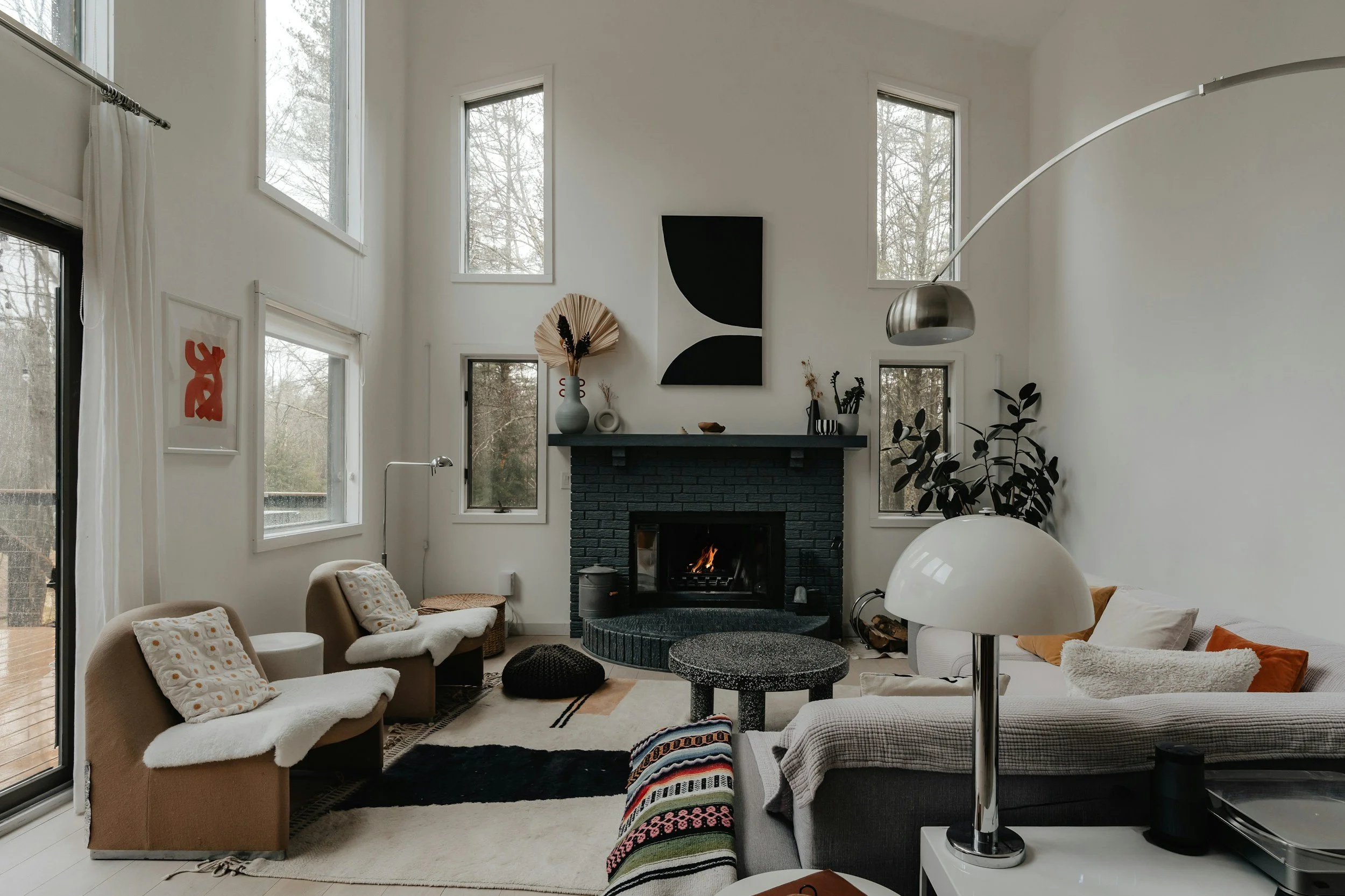
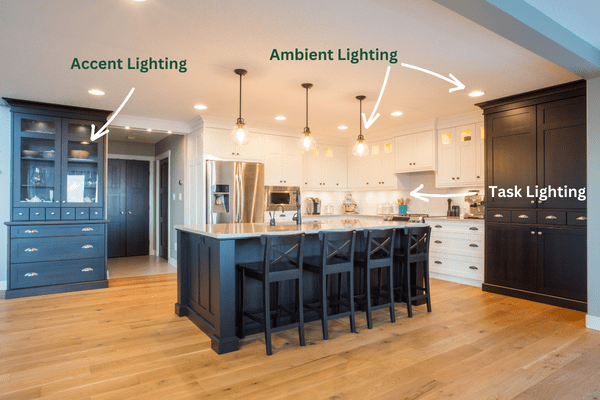
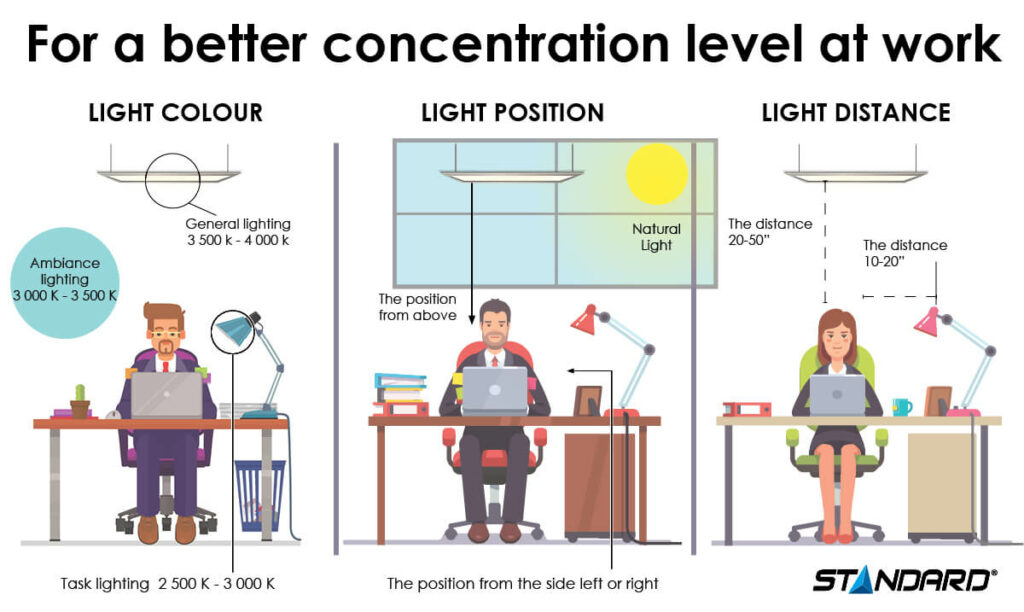
Take a look at how we use natural light nowadays. It’s no longer just about putting a window wherever it looks nice from the outside. Designers are mapping how sunlight moves across a room throughout the day to match our natural body clocks. This means brighter, energizing light in your morning workspace and softer, warmer tones in the evening to help you wind down naturally.
The Invisible Threat of Indoor Air
We tend to think of air pollution as an outdoor problem, like smog over a big highway. However, the air inside our homes can sometimes be way worse due to trapped chemicals from old paint, synthetic carpets, and poor ventilation. Today’s top builders are obsessed with what they call "passive breathing" systems for buildings. Instead of relying entirely on loud, energy-guzzling air conditioners, they are turning to smart materials.
For instance, many new builds utilize specialized clay-based wall coverings that naturally absorb extra moisture when it’s humid and release it back when the air gets too dry. This keeps the indoor climate stable without using a single watt of electricity. It’s a simple, ancient idea upgraded with modern science to protect our lungs and keep us comfortable.
Designing for Extreme Weather
Let’s face it, the weather in 2026 has been unpredictable, to say the least. From sudden flash floods to intense heatwaves, our homes are taking a beating. Because of this, safety in architecture has taken on a whole new meaning. Experts are no longer just building structures to withstand a typical storm; they are designing them to adapt to worst-case scenarios.
One fascinating concept gaining traction is the "sacrificial ground floor." In areas prone to flooding, the lowest level of a home is built with waterproof materials and open slats, allowing water to pass right through without destroying the main living spaces upstairs. Meanwhile, roofs are being covered in ultra-reflective, plant-based coatings that bounce scorching sunlight back into space, keeping the interior cool even during a summer blackout.
The Sound of Silence
Noise pollution is a silent thief of joy and sleep. If you live in a bustling city or near a busy intersection, you know exactly how exhausting constant background racket can be. Architects are focusing heavily on acoustic comfort, which goes way beyond just slapping some insulation inside the drywall. They are studying how sound waves bounce off different angles and textures.
By introducing soft, sound-absorbing wood panels and staggered wall designs, experts can make a condo in the middle of a loud downtown district feel as quiet as a cabin in the woods. It creates a sense of mental sanctuary. When you block out the chaotic sounds of the outside world, your brain finally gets a chance to truly rest and reset.
Bringing the Outdoors Inside
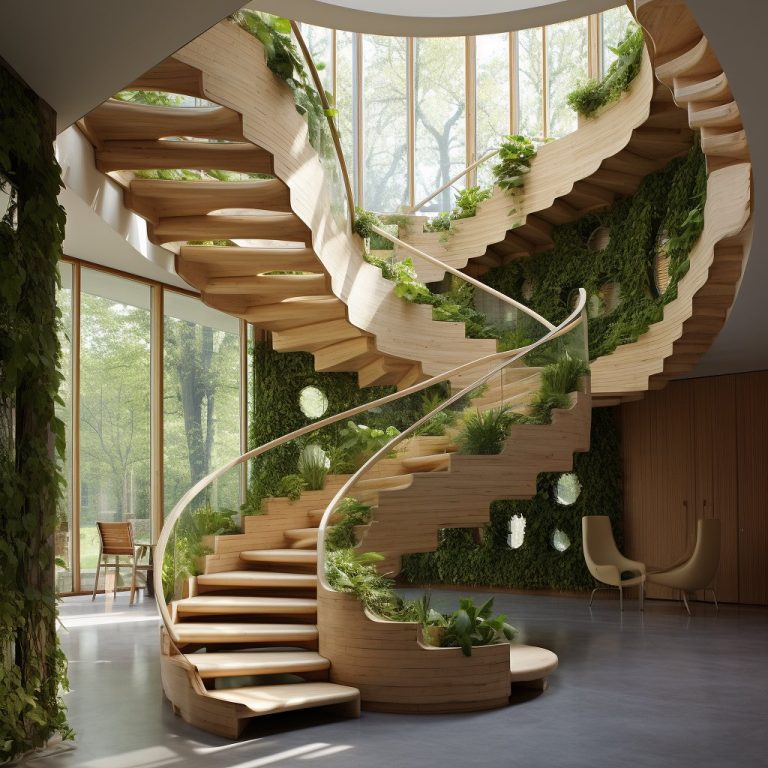
There is a concept called biophilic design, which is just a fancy way of saying humans have a deep, built-in need to connect with nature. When we are cut off from green things, our mental health suffers. Architects are fixing this by integrating living ecosystems directly into our hallways and kitchens. We aren’t just talking about a few potted plants on a windowsill.
We are seeing interior walls made of living moss that purify the air while acting as natural sound barriers. Courtyards are being placed right in the center of homes, allowing rain and wind to be safely observed from behind high-performance glass. Seeing a bit of green or watching raindrops fall while you sip your morning tea drastically lowers anxiety and makes a space feel deeply welcoming.
Actionable Tips for Your Own Space
You don’t need a multi-million dollar budget or a team of celebrity architects to bring these safety and comfort concepts into your own life. Making a few intentional adjustments to your current environment can yield massive benefits for your well-being.
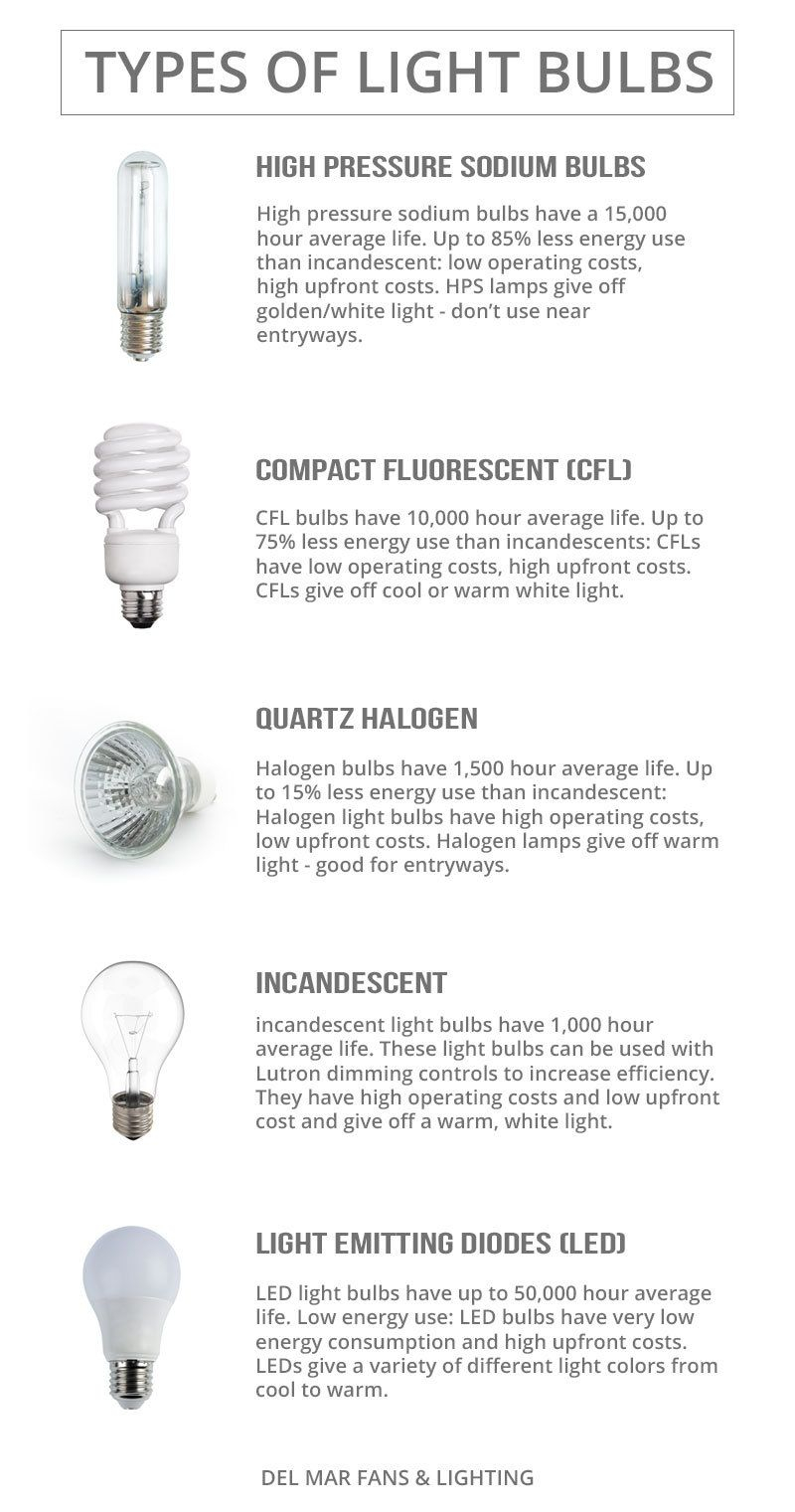
- Audit your lighting: Swap out harsh, cool-white bulbs in your bedroom for warm, dimmable options to protect your sleep cycle.
- Introduce natural textures: Incorporate raw wood, linen, or cork into your decor to bring a calming, tactile element to your rooms.
- Clear the air: Open your windows for just ten minutes a day, even in winter, to flush out trapped toxins and bring in fresh oxygen.
Ultimately, the future of habitat architecture isn’t about creating futuristic, cold sci-fi pods. It’s actually about returning to what makes us human, using advanced science to support our natural rhythm. The experts working behind the scenes right now recognize that our homes should be more than just a place to store our belongings.
By blending climate resilience, smarter materials, and psychological comfort, they are creating spaces that look out for us. As we move forward into 2026 and beyond, our homes will continue to evolve from simple boxes into active partners in our health and happiness.