You’ve probably noticed it. That subtle shift in the way our cities look against the horizon. It’s not just about height anymore. It’s about lightness. For decades, the skyline was a contest of bulk. Steel and concrete giants fighting for dominance, heavy and imposing. But walk around any major metropolis in 2026, and you’ll see something different. Slender lines. Delicate curves. Structures that seem to float rather than sit.
It’s a quiet revolution. One held together by tension, not just compression. We are living in the age of the cable. From pedestrian bridges that look like spun sugar to stadiums with roofs that breathe, these tensile structures are changing the visual language of urban life. They aren’t just pretty, though. They represent a massive shift in how we think about materials, space, and our relationship with the environment.
Why now? Why 2026? Well, the technology has finally caught up with the ambition. And honestly, we needed it. The old ways were getting too heavy, both literally and figuratively. Let’s dive into why these invisible threads are pulling our cities into a new era.
The Shift from Heavy to Light
Think about the buildings your grandparents knew. They were solid. Grounded. You could feel their weight. That was the aesthetic of the 20th century. Power meant mass. But today, power looks like efficiency. Modern cable structures—whether they are cable-stayed bridges, tensegrity towers, or fabric-roofed arenas—use a fraction of the material of traditional builds.
This isn’t just an artistic choice. It’s an economic and logistical one. In 2026, the cost of raw materials like steel and concrete remains volatile. Cables, made from high-tensile steel strands, offer a way to span huge distances without the need for massive support columns. This frees up ground space. Imagine a plaza without a single pillar blocking your view. That’s the gift of tension.
The visual impact is profound. When you remove the bulk, you let the sky back in. Cities feel less claustrophobic. The skyline becomes permeable. Light filters through structures that used to block it out. It’s a psychological shift as much as a physical one. We are moving away from fortresses and toward frameworks. It feels more open. More inviting. And frankly, it looks cooler.
Sustainability Woven into Design
Let’s talk about the elephant in the room. Or rather, the carbon footprint in the construction site. Traditional building methods are dirty. They churn out CO2 like there’s no tomorrow. But cable structures? They are surprisingly green. Because they use less material, they have a lower embodied carbon footprint. Less steel mined, less concrete poured, less transport needed.
In 2026, sustainability isn’t a bonus feature. It’s the baseline. Architects are under immense pressure to meet strict environmental standards. Tensile architecture helps them check those boxes. Many of these structures also incorporate smart fabrics. These aren’t just tarps. They are photovoltaic skins that generate energy. They collect rainwater. They adjust their transparency based on sunlight.
Consider the new transit hubs popping up in Europe and Asia. They use cable-net facades. These allow natural ventilation, reducing the need for air conditioning. It’s passive cooling at scale. The structure itself works with the climate, not against it. This integration of function and form is what makes modern cable design so compelling. It’s not just about looking good. It’s about doing good. And doing it efficiently.
Engineering Marvels Made Accessible
You might think this stuff is rocket science. And yeah, the math is complex. But the result is simple elegance. The key innovation driving this trend in 2026 is computational design. Computers can now simulate millions of stress scenarios in seconds. Engineers can optimize every single cable, every connection point, to be exactly as strong as it needs to be. No more, no less.
This precision allows for shapes that were impossible ten years ago. Twisting towers. Undulating roofs. Structures that defy gravity visually. But they are safe. Incredibly safe. The redundancy built into these systems is high. If one cable fails (which is rare), others pick up the slack. It’s a web of security.
What’s cool is how this tech has trickled down. It’s not just for mega-projects. Small communities are using cable structures for parks, markets, and community centers. The barriers to entry have lowered. Prefabricated cable kits are available. Local builders can assemble them with less specialized labor. This democratization of high-tech design is reshaping neighborhoods, not just downtowns. It brings a sense of wonder to everyday spaces.
Creating Human-Centric Spaces
At the end of the day, cities are for people. Not for buildings. And cable structures tend to be more human-friendly. Why? Because they create shade without darkness. They provide shelter without confinement. Think about a hot summer day. A heavy concrete overpass creates a dark, gloomy tunnel underneath. A cable-supported canopy? It dapples the light. It breathes.
These structures encourage movement. Pedestrian bridges are the perfect example. In 2026, we are seeing a surge in "destination bridges." These aren’t just for crossing rivers. They are parks in the sky. With gardens, seating, and viewing platforms. The slender profile of cable stays means less visual obstruction. You feel connected to the water, the city, the sky.
It changes how we interact. People linger. They take photos. They meet friends. The architecture facilitates social connection. Heavy structures often feel authoritarian. They say "keep moving." Light structures say "stay awhile." This softness is crucial in dense urban environments where stress levels are high. We need spaces that decompress us. Cable structures, with their airy aesthetics, do just that.
Economic Viability and Speed
Time is money. In construction, speed is everything. Traditional builds take years. Cable structures can go up in months. The components are manufactured off-site. They arrive ready to assemble. This reduces disruption to the surrounding area. Less noise, less dust, less traffic chaos. For city dwellers, this is a huge win.
In 2026, the demand for rapid infrastructure deployment is high. Population growth in urban centers is straining existing resources. We need transit links, public spaces, and housing fast. Tensile architecture offers a quick fix that doesn’t look temporary. It looks intentional. Sleek. Modern.
Plus, maintenance is easier. Cables are accessible. They can be inspected and replaced individually. You don’t need to tear down a whole wall to fix a structural issue. This long-term flexibility saves cities millions. It’s a smarter investment. Municipalities are realizing that the upfront savings and the long-term durability make cable structures a no-brainer. It’s fiscal responsibility wrapped in steel wire.
There is a beauty in seeing how things work. Cable structures don’t hide their mechanics. They celebrate them. The cables are visible. The tension is palpable. This honesty is refreshing in a world full of facades and filters. It connects us to the physics of the building. You can see the forces at play. It’s educational. It’s engaging.
This transparency also blends better with historic contexts. Putting a glass-and-steel box next to a 19th-century cathedral can feel jarring. But a delicate cable structure? It respects the old while asserting the new. It doesn’t compete for visual weight. It complements. We are seeing this in heritage sites across the globe. New additions that hover lightly above the past.
It’s a metaphor for our times. We value transparency. We value connection. We value agility. The skyline reflects our values. As we move further into the mid-2020s, our cities are becoming mirrors of our desire for openness. The heavy, opaque walls of the past are giving way to networks of light and tension. It’s a look that says we are ready for the future. Ready to adapt.
So, next time you look up, notice the lines. Notice the gaps. Notice how the light hits the steel. It’s not just a bridge or a roof. It’s a statement. A declaration that we can build big without being heavy. That we can be strong by being flexible. The cable revolution isn’t coming. It’s here. And it’s holding our cities together, one strand at a time. Pretty neat, huh?
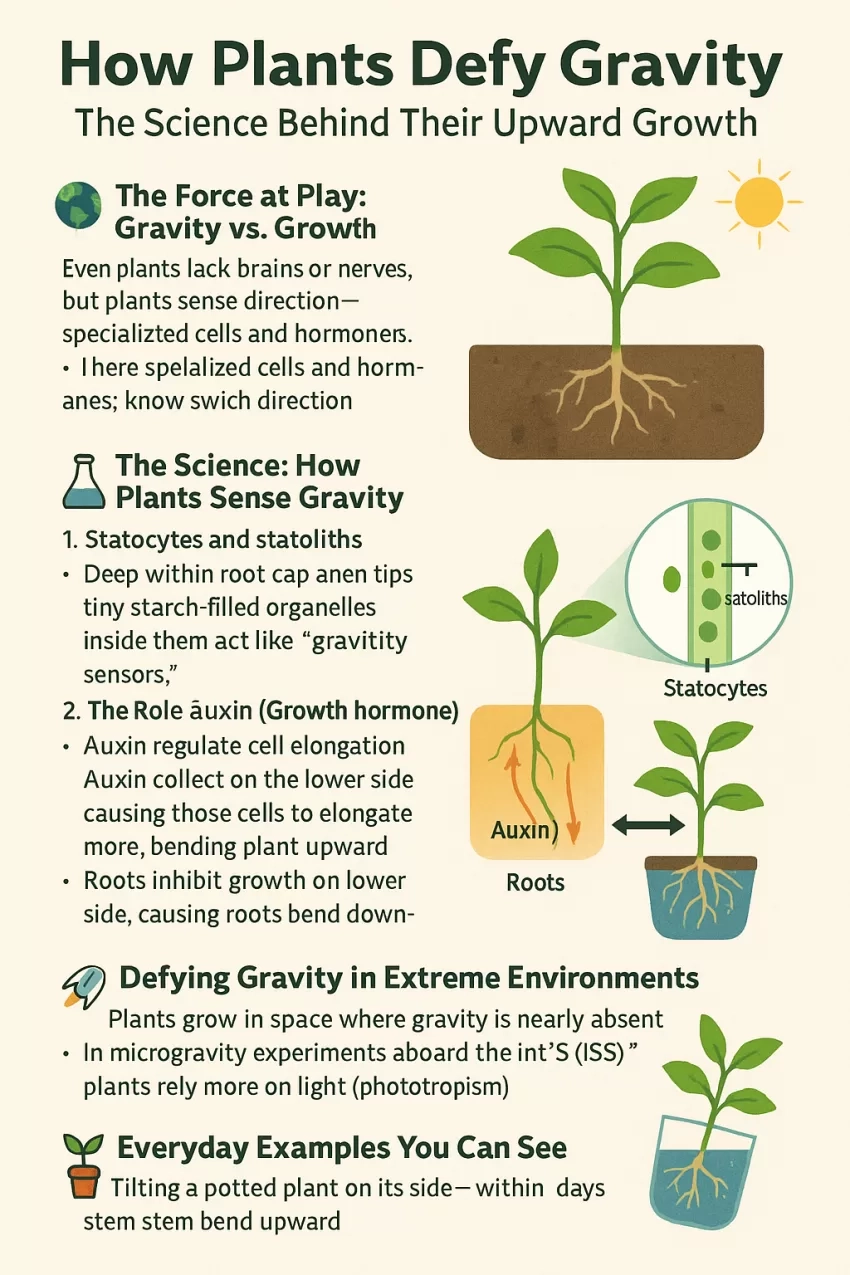
[sps_html tag=”img” src=”https://cdn.northcarolinafinearchitecture.com/2026/05/f09f8cb1-how-plants-defy-gravity-the-science-behind-their-upward-growth-with-regard-to-cable-structure-design.webp” alt=”🌱 How Plants Defy Gravity: The Science Behind Their Upward Growth … with regard to Cable Structure Design” style=”width: 100%; height: auto;”]
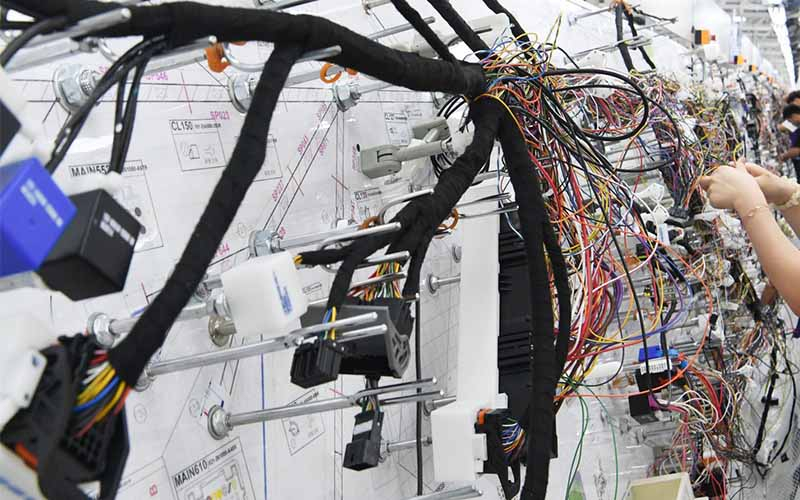
[sps_html tag=”img” src=”https://cdn.northcarolinafinearchitecture.com/2026/05/what-is-wire-harness-assembly-and-why-it-matters-fpic-intended-for-why-cables-defy-gravity-and-how-engineers-harness-their-power-in-2026.jpg” alt=”What Is Wire Harness Assembly And Why It Matters? - Fpic intended for Why Cables Defy Gravity and How Engineers Harness Their Power in 2026″ style=”width: 100%; height: auto;”]
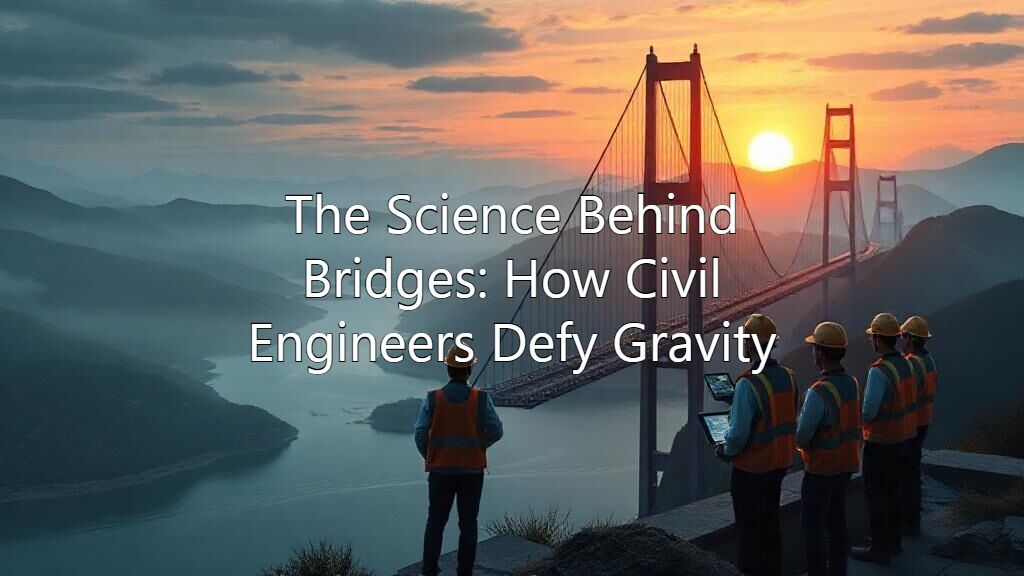
[sps_html tag=”img” src=”https://cdn.northcarolinafinearchitecture.com/2026/05/the-science-behind-bridges-how-civil-engineers-defy-gravity-stellar-with-cable-structure-design.jpg” alt=”The Science Behind Bridges: How Civil Engineers Defy Gravity - Stellar … with Cable Structure Design” style=”width: 100%; height: auto;”]
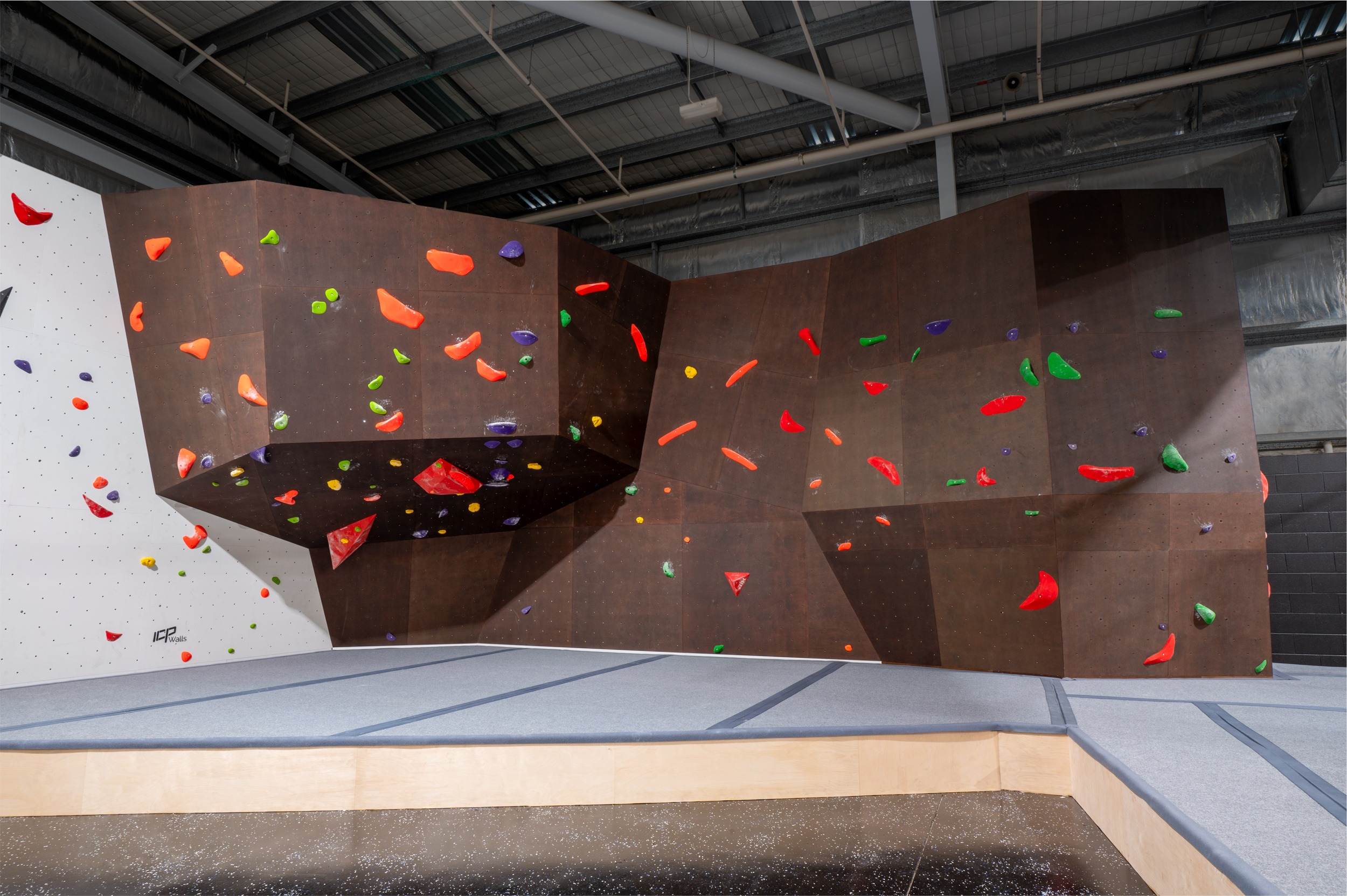
[sps_html tag=”img” src=”https://cdn.northcarolinafinearchitecture.com/2026/05/defy-gravity-cairns-latest-projects-by-icp-climb-icp-in-why-cables-defy-gravity-and-how-engineers-harness-their-power-in-2026.jpg” alt=”Defy Gravity Cairns | Latest Projects By Icp - Climb Icp in Why Cables Defy Gravity and How Engineers Harness Their Power in 2026″ style=”width: 100%; height: auto;”]
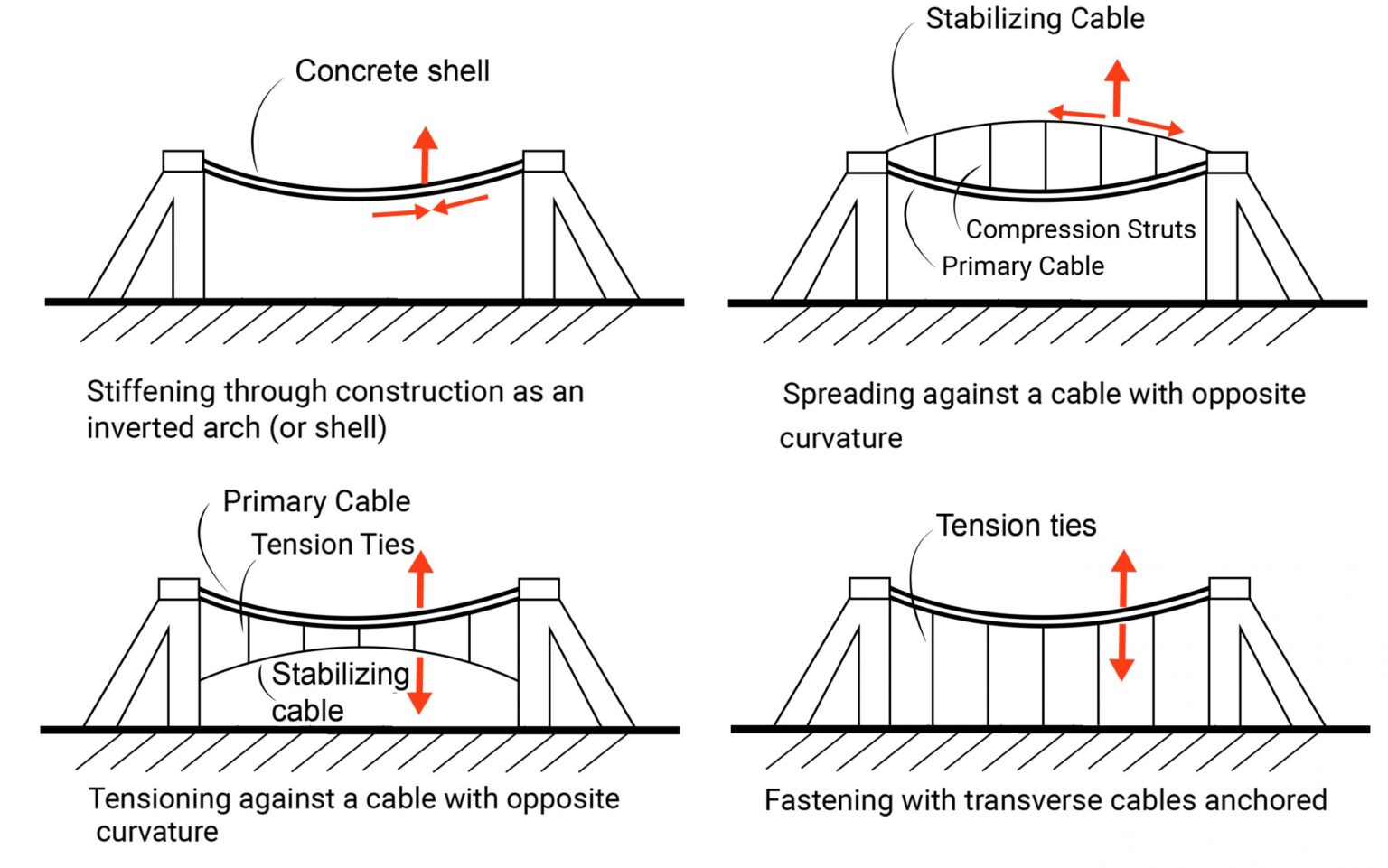
[sps_html tag=”img” src=”https://cdn.northcarolinafinearchitecture.com/2026/05/catenary-cables-and-arches-basic-concepts-of-structural-design-for-for-cable-structure-design.jpg” alt=”Catenary Cables And Arches – Basic Concepts Of Structural Design For … for Cable Structure Design” style=”width: 100%; height: auto;”]