We spend nearly ninety percent of our lives indoors, yet we rarely think about the actual stuff filling our lungs every single second. For most of us, air is invisible, so it is out of mind. But after spending months chatting with dozens of regular people who finally decided to overhaul their home ventilation, I realized something big. Changing your air changes your entire daily life.
It usually starts with a weird cough, a kid’s stubborn asthma, or just getting sick of that stale, musty smell in the basement. The people I talked to weren’t scientists or tech gurus. They were parents, remote workers, and retirees who simply wanted their houses to feel healthier. What they discovered along the way goes way beyond what you read on the back of a filter box.
The Hidden Triggers We Unknowingly Live With
Almost every homeowner told me they were shocked by what was actually floating around their living rooms. We love to blame outdoor smog for our breathing issues, but the air inside can be up to five times dirtier. One couple I interviewed, Sarah and Dave, noticed their morning stuffiness vanished entirely within a week of upgrading their system.
They found out their old standard fiberglass filters weren’t doing anything to stop micro-particles like pet dander or dust mites. Sarah told me she used to vacuum constantly, thinking she was messy. Turns out, her house was just trapping decades of invisible debris that kept recirculating through the vents every time the heat kicked on.
The Magic of Swapping to HEPA and High-MERV Filters
When people decide to upgrade, the first stop is usually the filter. Most folks started out using those cheap, see-through filters from the local hardware store. Upgrading to a High-Efficiency Particulate Air (HEPA) system or a high MERV-rated filter was a massive turning point for them.
"It is like upgrading from a chain-link fence to a solid brick wall," one dad told me.
These thicker, pleated filters catch the tiny bad stuff, including mold spores and bacteria. The lesson here? You have to check your system’s manual first, because these heavy-duty filters can slow down airflow if your HVAC system isn’t strong enough to push air through them.
Cracking a Window Isn’t Enough Anymore
A big mistake many homeowners admitted making early on was relying on old-school ventilation. They figured opening a window for ten minutes would fresh up the place. But in 2026, with shifting weather patterns and outdoor pollen counts hitting record highs, that often just lets more pollutants inside.
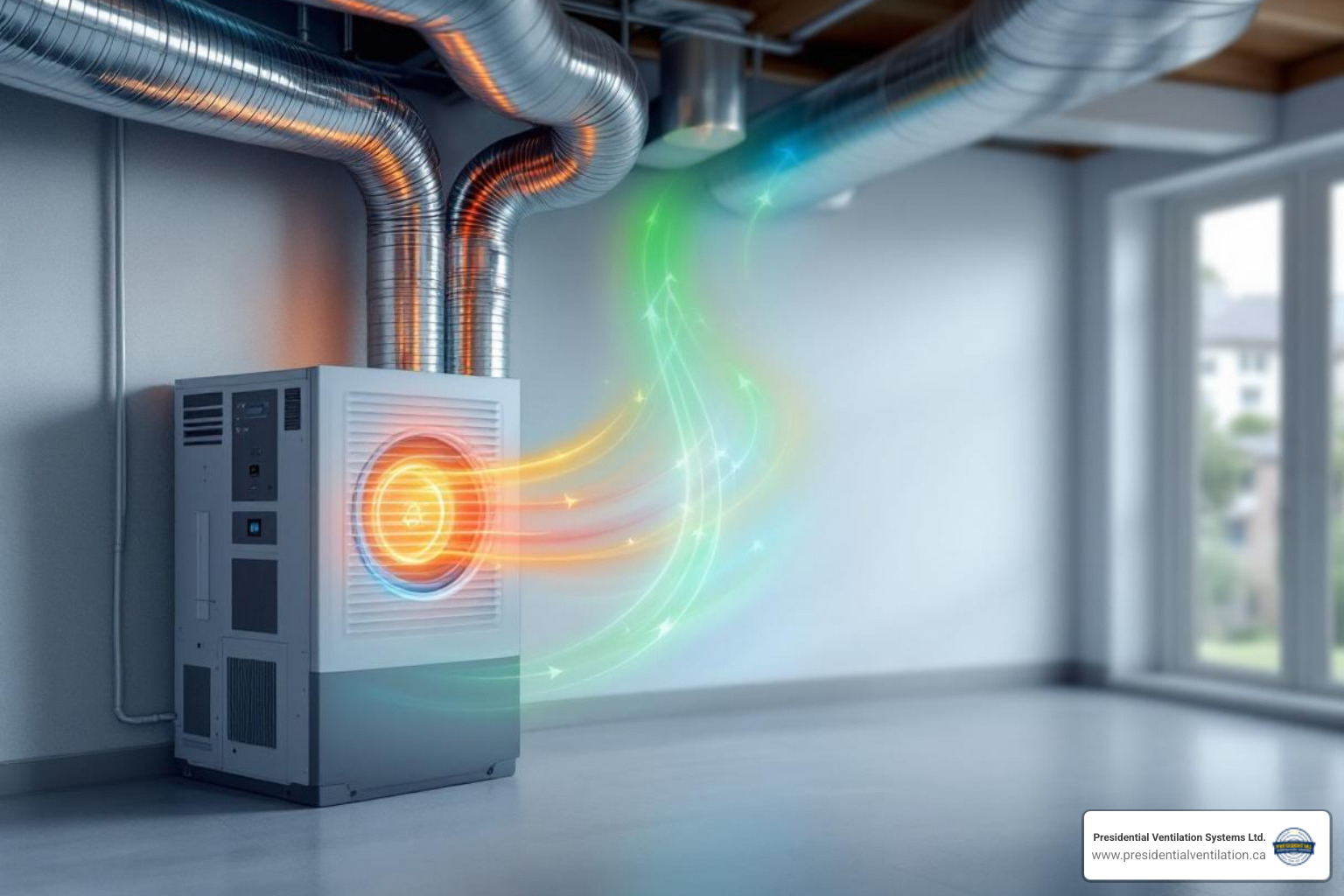
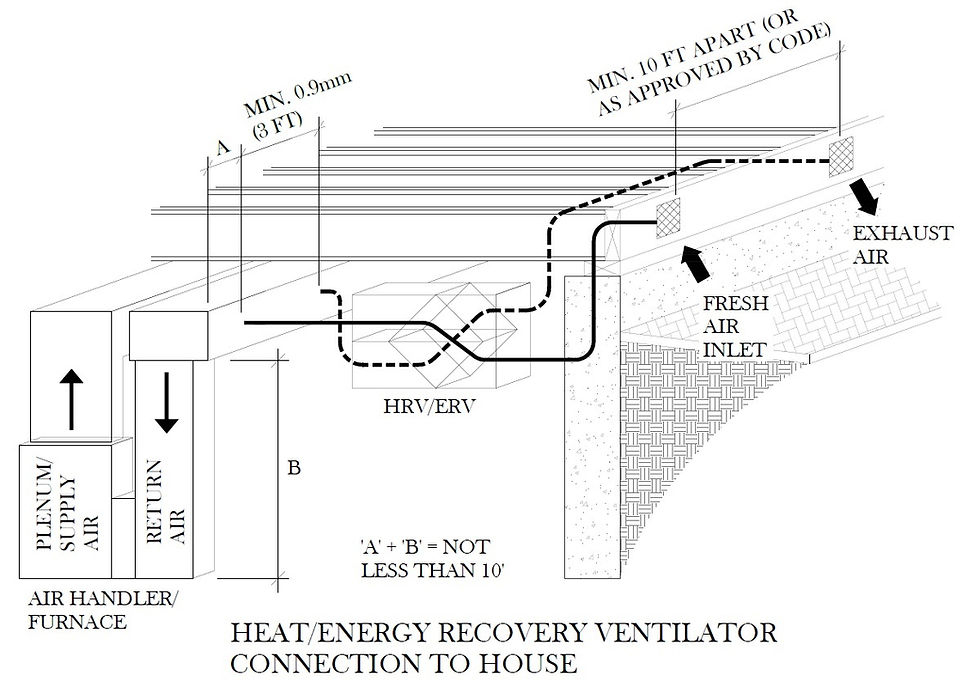
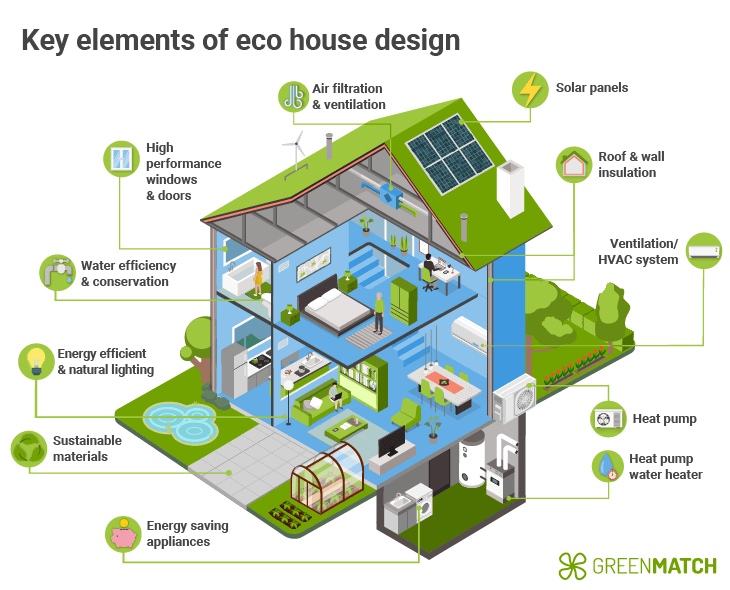
Instead, the homeowners who saw the biggest health improvements invested in mechanical ventilation, like Energy Recovery Ventilators (ERVs). These clever systems bring in fresh outdoor air while pulling out the stale indoor air, pre-heating or pre-cooling it so your energy bill doesn’t skyrocket. It gives you that crisp, outdoor feeling without the draft or the pollen.
Humidity Is the Ultimate Dealbreaker
Here is something I heard over and over: controlling moisture is just as critical as filtering out dust. If your air is too dry, your throat gets scratchy and viruses spread easier. If it is too humid, you are basically inviting mold and dust mites to throw a party in your drywall.
A family I met in the Midwest installed a whole-home dehumidifier linked right into their central air. Before the upgrade, their basement felt like a swamp every summer. Afterward, the musty scent disappeared completely, and their teenager stopped waking up with a stuffed-norse. Keeping humidity strictly between 30% and 50% seemed to be the sweet spot for everyone I spoke with.
The Hidden Financial Perks of Cleaner Air
While everyone started this journey for their health, almost everyone ended up talking about their wallets too. It turns out that cleaner air keeps your expensive heating and cooling equipment running smoother for longer. When dust doesn’t clog up the internal machinery, the system doesn’t have to work twice as hard to do its job.
Many homeowners noticed a distinct drop in their monthly utility bills after sealing their ductwork and upgrading their units. Plus, they were buying way less allergy medication and spending less time taking sick days from work. It is an investment that actually pays you back over time.
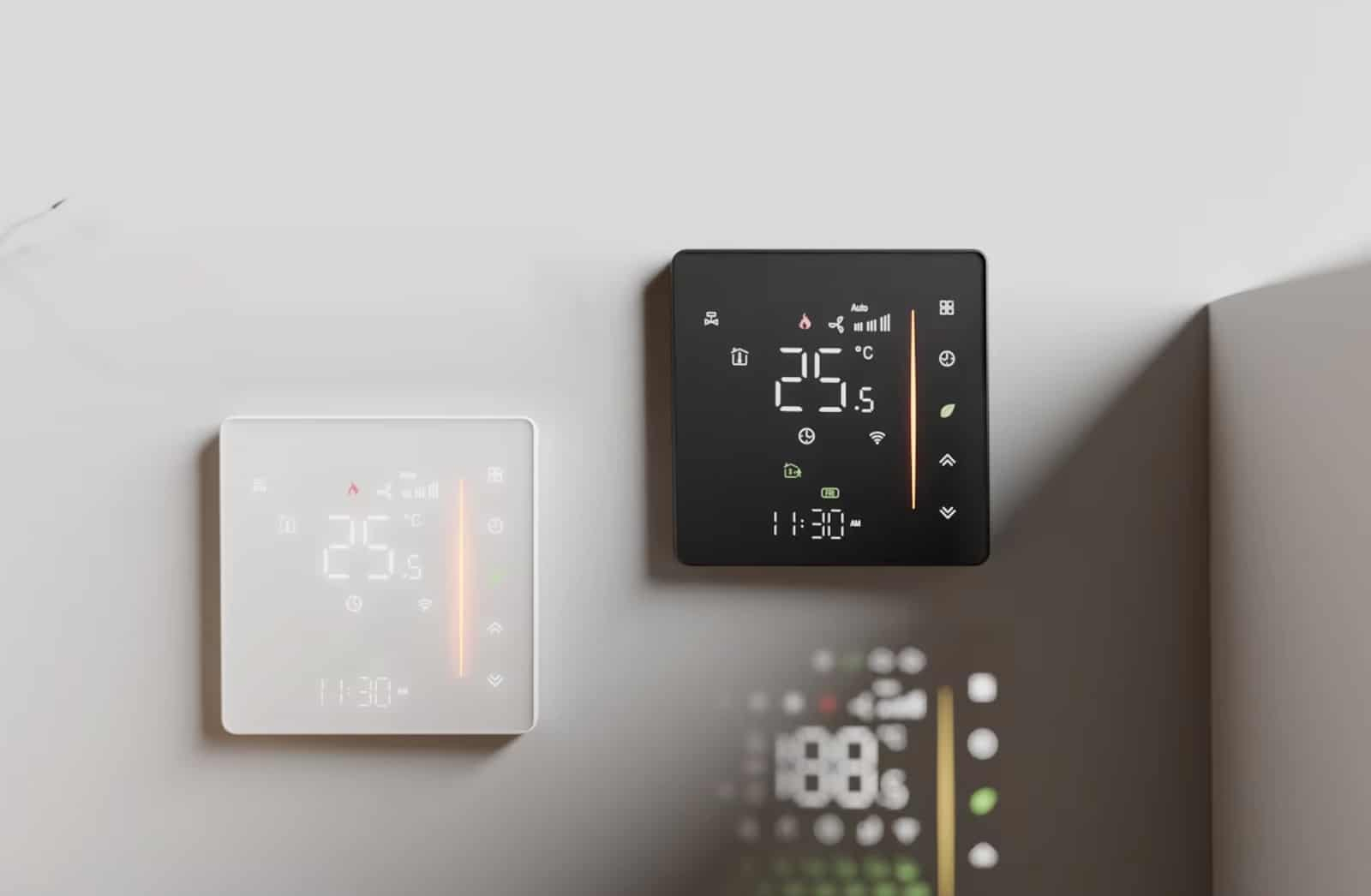
Finally, nearly every homeowner who upgraded in the last couple of years integrated some kind of smart air monitor into their setup. These little gadgets track things like volatile organic compounds (VOCs)—the invisible chemicals given off by cleaning sprays, new furniture, and even cooking dinner.
People told me it completely changed their daily habits. They learned to turn on the kitchen hood vent before they started frying food, and they stopped using harsh chemical air fresheners altogether. Seeing the air quality numbers improve in real-time on a phone app gave them a sense of control they never had before.
Upgrading your indoor air quality might sound like a boring home maintenance chore, but the human impact is massive. The people I interviewed didn’t just fix their houses; they improved their sleep, protected their kids, and made their living spaces genuinely comfortable.
If you are thinking about making a change, start small. Swap out your basic filter, get a simple air monitor to see what you are dealing with, and take it step by step. You will be amazed at how different life feels when you can finally take a truly deep, clean breath in your own home.