A quiet hum of bumblebees replaces the deafening roar of the Saturday morning lawnmower across suburban streets this season. If you take a walk through nearly any neighborhood, a subtle shift is hiding in plain sight. The emerald-green, chemical-dependent turf grass that once defined American front yards is rapidly shrinking. In its place, something far wilder, more colorful, and infinitely more useful is taking root. Homeowners are no longer willing to pour thousands of gallons of water, hours of back-breaking labor, and expensive synthetic fertilizers into a sterile patch of Kentucky bluegrass that produces nothing of value.
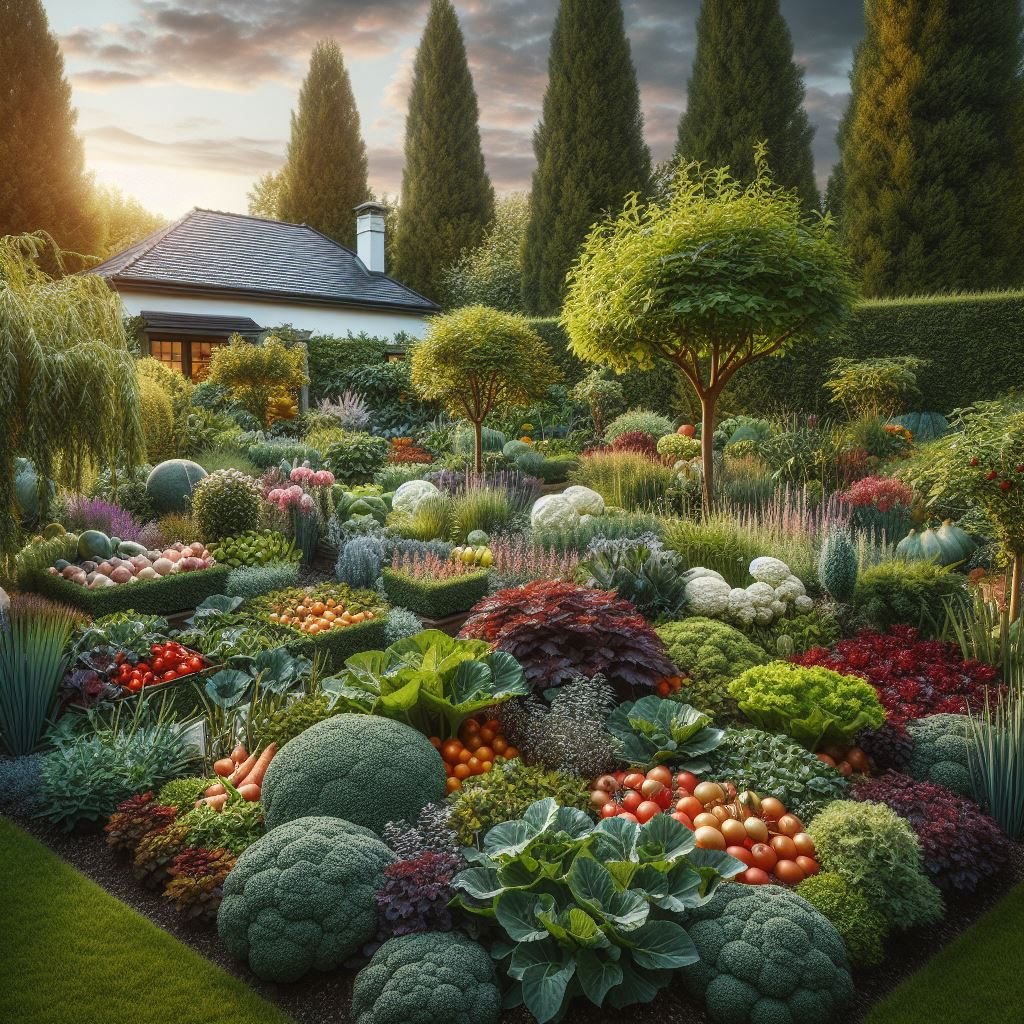
Instead, a growing contingent of property owners is turning to food forests—multilayered, perennial edible ecosystems that mimic natural woodlands. This isn’t just about planting a few stray tomato plants in a raised bed or starting a modest vegetable patch in the back corner of the yard. It represents a fundamental redesign of the residential landscape. People want outdoor spaces that pull double duty: serving as stunning architectural extensions of their homes while simultaneously yielding baskets of fresh fruit, medicinal herbs, and nutrient-dense vegetables right outside the back door.
The appeal goes far beyond simple aesthetics or weekend hobbies. Economic pressures, rising grocery prices, and a collective awakening regarding environmental sustainability have converged to rewrite the rules of modern suburban land use. When a homeowner looks at a quarter-acre of monoculture grass in 2026, they no longer see a symbol of suburban pride. They see a missed opportunity, a financial sinkhole, and an ecological desert. Trading the grass for an edible landscape solves these problems head-on, creating a localized food web that thrives with minimal human intervention once established.
The Death of the Monoculture Lawn and the Rise of Perennial Agriculture
The obsession with the traditional manicured turf grass is a relatively modern invention, born out of post-war real estate booms and chemical advancements. Maintaining that pristine look demands an astonishing amount of resources. Municipal water supplies strain under the weight of summer lawn irrigation, and millions of pounds of synthetic nitrogen fertilizers wash into local watersheds every year. Beyond the environmental toll, the sheer time investment required to edge, weed, mow, and aerate turf grass has led to widespread homeowner fatigue. People are simply tired of working for their yards instead of having their yards work for them.
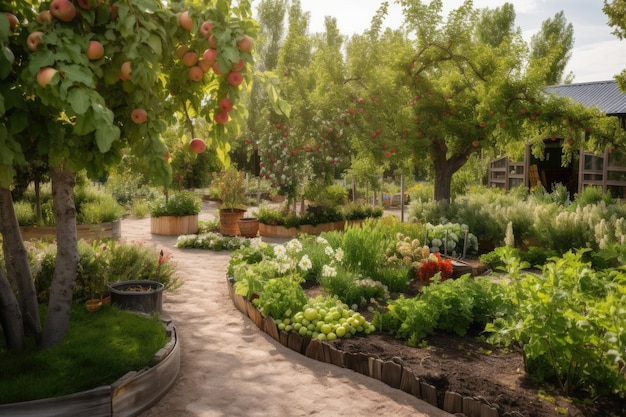
Enter the concept of the food forest, rooted in permaculture design principles pioneered decades ago but only now hitting the suburban mainstream. Unlike a standard row-crop garden that requires annual tilling, planting, and weeding, a food forest relies on perennials. By mimicking the seven distinct layers of a natural woodland—from towering canopy trees and understory fruit trees down to shrubs, herbaceous plants, ground covers, vines, and root crops—these systems maximize vertical space. Every square foot is optimized. A single footprint hosts an apple tree, dynamic accumulator flowers like comfrey at its base, berry bushes filling the mid-layer, and strawberries blanketing the soil.
This multi-tiered approach changes the physics and biology of the yard. Traditional lawns are fragile ecosystems that collapse without constant chemical life support. Food forests, conversely, are designed to build their own fertility. Deep-rooted trees mine minerals from the subsoil, bringing them up into their leaves, which eventually drop and create a rich, sponge-like humus layer. Mycorrhizal fungi networks establish underground, shuttling water and nutrients between plant roots. The result is a resilient, living biome that requires zero synthetic fertilizers, virtually no supplemental watering once established, and drastically less physical labor than a patch of grass.
Economic Realities and the Backyard Grocery Revolution
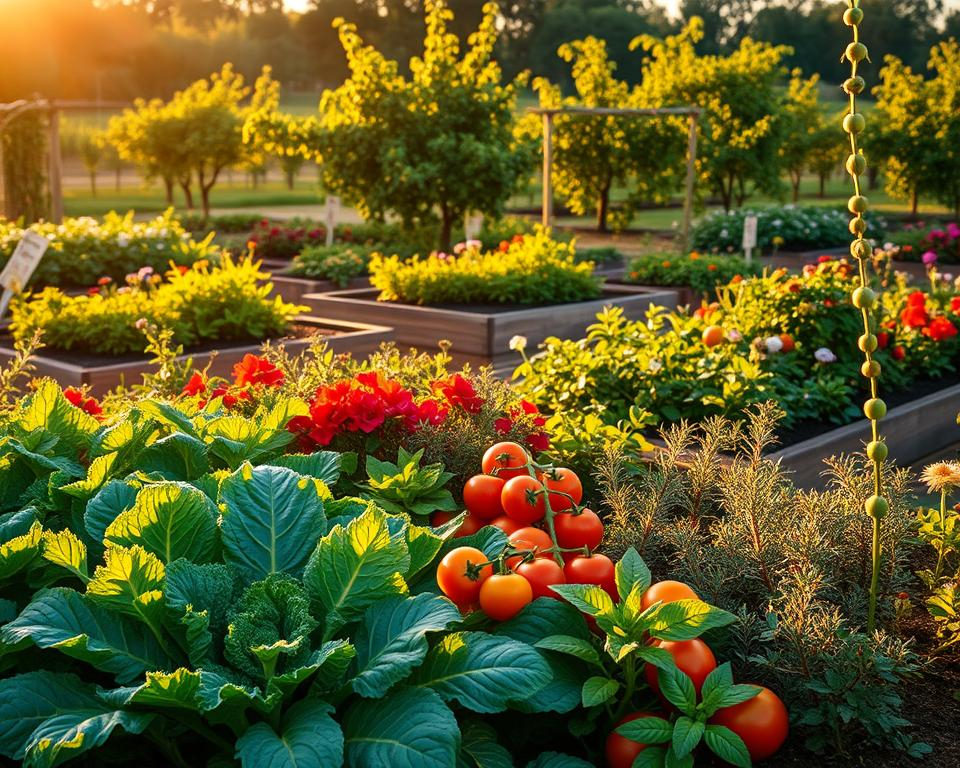
Grocery store receipts have become a reliable source of sticker shock for households everywhere. With the cost of fresh produce climbing steadily, growing food at home has transitioned from a quirky lifestyle trend to a practical household financial strategy. Traditional vegetable gardens help, but they demand constant seasonal replanting. A food forest scales up the yield exponentially by leveraging perennial crops that return year after year, compounding their production as the plants mature and establish deep root systems.
Consider the financial trajectory of a standard fruit tree versus a patch of grass. A grass lawn costs money every single week in gasoline, fertilizer, weed control, and water bills, returning zero financial value. A semi-dwarf apple, pear, or fig tree, on the other hand, begins producing dozens of pounds of organic fruit within a few years, effectively turning sunlight and rain into high-value groceries. When multiplied across a complete food forest system featuring blueberries, raspberries, currants, hazelnuts, and perennial greens like asparagus and sea kale, the household savings become substantial.
Furthermore, this shift directly impacts property value in unexpected ways. Real estate markets are increasingly rewarding sustainable, low-maintenance, and eco-friendly landscaping. Curb appeal no longer means a flat, neon-green carpet of grass that looks identical to every other house on the block. Today’s home buyers—particularly younger demographics entering the housing market—place a premium on mature edible landscaping, pollinator habitats, and functional outdoor living spaces. A thoughtfully designed front-yard food forest signals uniqueness, self-reliance, and environmental stewardship, turning heads and sparking conversations with neighbors who are eager to replicate the model.
Designing Your Edible Ecosystem: A Blueprint for Transformation
Transitioning away from a grass lawn requires careful planning rather than simply renting a sod cutter and hoping for the best. A successful food forest is engineered like an ecosystem, balancing light requirements, water flow, and plant companionship. Skipping the design phase often leads to overcrowded canopies, nutrient competition, and high maintenance down the line. Transforming your yard into a thriving, productive foodscape demands a methodical, step-by-step approach.
- Step 1 (Site Analysis and Mapping): Observe your yard across different seasons to chart sun exposure, shade patterns, natural drainage corridors, and wind tunnels. Note existing soil texture, compaction levels, and pH to determine which plants will thrive without heavy soil amendment.
- Step 2 (Sheet Mulching and Lawn Termination): Eliminate the turf grass without resorting to toxic herbicides by using the sheet mulching (lasagna gardening) method. Lay down overlapping layers of corrugated cardboard directly over the grass to block sunlight, then top it with thick layers of compost, aged manure, and wood chips to smother the sod and kickstart soil microbial life.
- Step 3 (Canopy and Understory Installation): Plant your primary structural anchors first—large canopy trees and semi-dwarf fruit or nut trees. Space them according to their mature spread, ensuring they will not shade out sun-loving understory crops entirely, and integrate nitrogen-fixing trees like autumn olive or goumi berry nearby to naturally fertilize the soil.
- Step 4 (Shrub, Herb, and Berry Layering): Fill the spaces between your trees with fruiting shrubs such as blueberries, elderberries, and currants. Interplant culinary and medicinal herbs like rosemary, thyme, oregano, and bee balm to deter pests through aromatic confusion and attract beneficial predatory insects.
- Step 5 (Ground Cover and Living Mulch Integration): Establish a dense layer of low-growing plants to protect the soil surface from moisture evaporation and weed germination. Use strawberries, creeping thyme, nasturtiums, and dynamic nutrient accumulators like comfrey and yarrow to seal the system and build permanent organic matter.
Navigating Obstacles and Avoiding Common Permaculture Missteps
While the concept of a food forest is profoundly appealing, transitioning from a manicured suburban lawn to an untamed jungle of edible plants comes with unique challenges. Novice designers frequently stumble by underestimating the sheer volume of organic matter required to build healthy soil, or by failing to manage neighborhood expectations regarding neatness and aesthetics. Recognizing these potential pitfalls ahead of time saves months of frustration and prevents costly landscaping mistakes.
- Pitfall 1 (Overplanting Too Quickly): Buying dozens of diverse plants without preparing the soil results in high mortality rates and overwhelmed caretakers. Workaround: Focus on sheet-mulching and preparing one robust zone or "guild" at a time, expanding outward as your knowledge and soil biology improve.
- Pitfall 2 (Neglecting Water Management in Year One): Young perennial plants and trees require consistent irrigation to establish their deep root systems, even in drought-tolerant systems. Workaround: Install a temporary drip irrigation system or sub-surface olla pots during the first two growing seasons until roots reach deep groundwater reserves.
- Pitfall 3 (Ignoring Neighborhood Aesthetics and HOAs): A completely wild, unmanaged food forest in a front yard can trigger friction with strict municipal ordinances or homeowners associations. Workaround: Employ "buffer zones" such as clean brick borders, neat pathways, and tidy perennial hedges along the property line to clearly signal intentional design rather than neglect.
- Pitfall 4 (Choosing Unadapted Cultivars): Planting fruit tree varieties that require climate conditions or chill hours inconsistent with your hardiness zone leads to perpetual crop failure. Workaround: Consult local agricultural extension offices or native fruit tree nurseries to source disease-resistant, regionally adapted cultivars.
- Pitfall 5 (Poor Plant Guild Placement): Grouping plants with conflicting root depth, water needs, or allelopathic properties (such as black walnuts inhibiting tomato relatives) stunts overall ecosystem growth. Workaround: Research specific plant compatibilities using established permaculture companion planting matrices before dropping anything into the earth.
The Broader Ecological Ripple Effect of Yard Rewilding
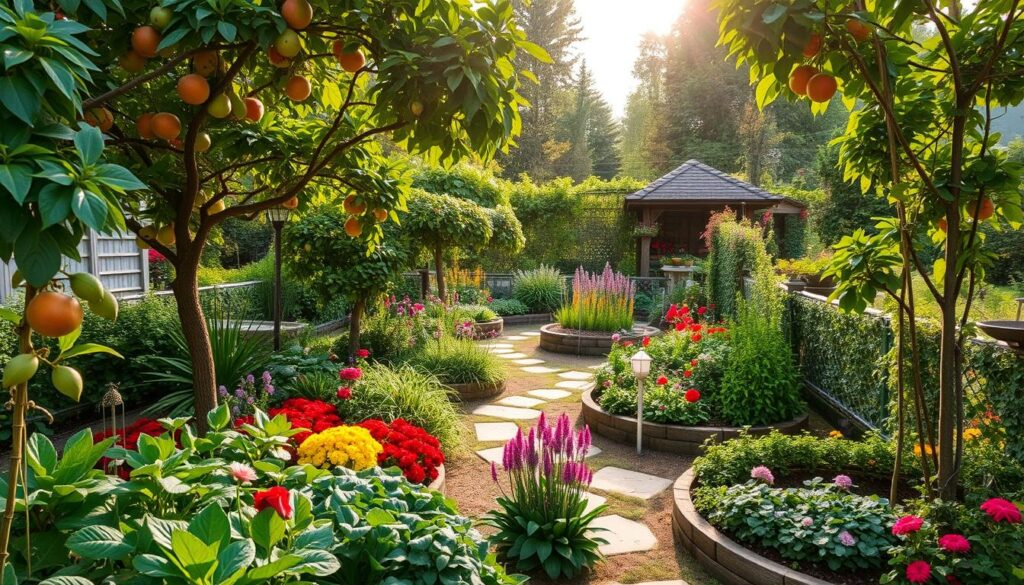
The movement away from traditional lawns carries ecological implications that extend far beyond individual property lines. Suburban and urban yards comprise millions of acres of contiguous land—an area larger than many national park systems combined. When property owners rip out sterile turf grass and replace it with biodiverse polycultures of native and edible plants, they stitch together fragmented wildlife corridors. Pollinators, migratory birds, native bees, and beneficial insects find refuge, food sources, and nesting habitats where chemical-soaked grass previously offered nothing.
This biological revival heals the soil as well. Traditional lawns act as impermeable caps when compacted by heavy mowers and foot traffic, shedding rainwater directly into storm drains and carrying synthetic pollutants into local rivers. A food forest acts as a sponge. Thick layers of wood chip mulch, deep tree roots, and porous, fungal-rich earth absorb heavy rainfall, recharging local aquifers and filtering impurities naturally. This sponge effect mitigates urban heat island impacts, cooling ambient neighborhood temperatures during scorching summer months through the process of evapotranspiration from lush foliage.
Furthermore, shifting personal food production closer to home dramatically reduces the carbon footprint associated with transporting, packaging, and refrigerating commercial produce. While a backyard food forest will not single-handedly replace industrial agriculture, it decentralizes food supply chains at a grassroots level. It fosters a deep psychological connection to the seasons, teaching children and communities where food actually comes from, how soil functions, and how humans can participate in natural systems as regenerative stewards rather than extractive consumers.
Actionable Frameworks for Building a Resilient Landscape
Embarking on a lawn-to-food-forest journey requires a clear operational framework to ensure long-term success without burning out the gardener. Treating your yard as a long-term enterprise rather than a weekend DIY project changes your perspective on maintenance and reward. The primary goal is to shift the system from high maintenance in the beginning to high yield and low labor over time, letting nature do the heavy lifting as the ecological interactions mature.
- The Observation Phase: Spend at least one full calendar year observing how sun, water, wind, and wildlife move across your property before purchasing expensive plant stock or moving major earth.
- The Core Guild Strategy: Build your plantings around central "mother" fruit trees, surrounding each one with a ring of supportive satellite plants: dynamic accumulators for nutrients, insectary plants for pest control, and nitrogen fixers for soil fertility.
- The Biomass Accumulation Rule: Never export organic matter from your property. Leave fallen leaves, prune woody debris, and let chopped weeds drop in place as chop-and-drop mulch to continuously feed the soil food web.
- The Phased Expansion Model: Break your property down into functional zones, starting with zone one directly outside your kitchen door for high-use culinary herbs, and moving out toward fruit trees and nut canopies in outer zones.
The suburban lawn is losing its iron grip on our cultural imagination, and for good reason. As we navigate the complex economic and environmental realities of the modern era, our yards can no longer afford to be ecological dead ends that demand endless inputs for zero return. Trading turf grass for a lush, biodiverse food forest is an act of quiet rebellion and practical optimism. It is a tangible way to reclaim sovereignty over our food supply, cool our immediate environment, and invite local wildlife back into our daily lives.
Stepping out onto your porch to harvest fresh berries, crisp greens, and sun-warmed fruit from a self-sustaining ecosystem completely alters your relationship with the land beneath your feet. You are no longer just a resident maintaining a property; you are the active steward of a thriving, productive biome. The transition takes patience, observation, and dirt under your fingernails, but the reward is a living landscape that feeds your family, delights the senses, and stands as a resilient testament to regenerative design.