We’ve all seen them. Those sad, boxy structures tucked into the corner of a yard, looking like they were dropped there by accident. They’re functional, sure, but they stick out like a sore thumb against a beautifully landscaped garden or a sleek modern home. It doesn’t have to be this way. In 2026, the backyard shed has undergone a quiet revolution. It’s no longer just a place to hide the lawnmower; it’s an extension of your living space, a design statement, and yes, still a incredibly practical storage solution.
Building a shed that actually looks like it belongs is less about construction tricks and more about intention. It’s about seeing your outdoor space as a whole, rather than a collection of separate parts. When you get it right, the shed doesn’t just blend in—it elevates the entire property. It becomes a feature people notice because it’s beautiful, not because it’s an eyesore. Let’s talk about how to make that happen, step by step, without losing your mind or your budget.
Start With the Big Picture Before You Buy a Single Nail
The biggest mistake people make is treating the shed as an afterthought. They build the house, landscape the yard, and then realize they need somewhere to put the bikes. So they slap up whatever was on sale at the big box store. Don’t do this. The key to blending is thinking about location, materials, colors, and surrounding elements right from the start. As noted by landscape experts, you shouldn’t just tack on a shed as an afterthought. It needs to feel inevitable, like it was always meant to be there.
Take a good hard look at your home’s architecture. Is it mid-century modern with clean lines and large windows? Then your shed should echo those same geometric shapes. Is it a cozy craftsman bungalow? Maybe your shed needs some warm wood tones and a pitched roof that mirrors the main house. The goal isn’t to copy your home exactly—that would look weird—but to create a visual conversation between the two structures. Think of them as siblings, not twins. They share DNA, but they have their own personalities.
Consider the sightlines too. Where will you see the shed most often? From the kitchen window while you’re doing dishes? From the patio where you drink your morning coffee? Place it where it enhances the view, not blocks it. Sometimes, tucking it behind a cluster of trees or using it to frame a garden path works better than putting it front and center. It’s about choreography. You’re directing the eye, guiding people through your space in a way that feels natural and pleasing.
Choose Materials That Speak the Same Language
Once you’ve got the location and style nailed down, it’s time to talk materials. This is where the magic happens. A modern shed doesn’t have to look like a sterile metal box. In fact, the best ones use a mix of textures that add depth and interest. Think about what your house is made of. If you have brick accents, maybe incorporate a brick base or pillar into the shed design. If your home features horizontal siding, consider using similar cladding on the shed, perhaps in a contrasting color to keep it fresh.
Wood is always a winner for warmth. Cedar and redwood are popular choices because they age gracefully, turning a silvery gray if left untreated, which can look stunningly modern. But don’t sleep on composite materials or high-quality vinyl. In 2026, these options have come a long way. They offer the look of wood without the maintenance headache, which is a huge plus if you’re busy. Metal accents, like black steel trim or corrugated panels, can add an industrial edge that pairs beautifully with minimalist designs. Just keep it balanced. Too much metal can feel cold; too much wood can feel rustic. Find the sweet spot.
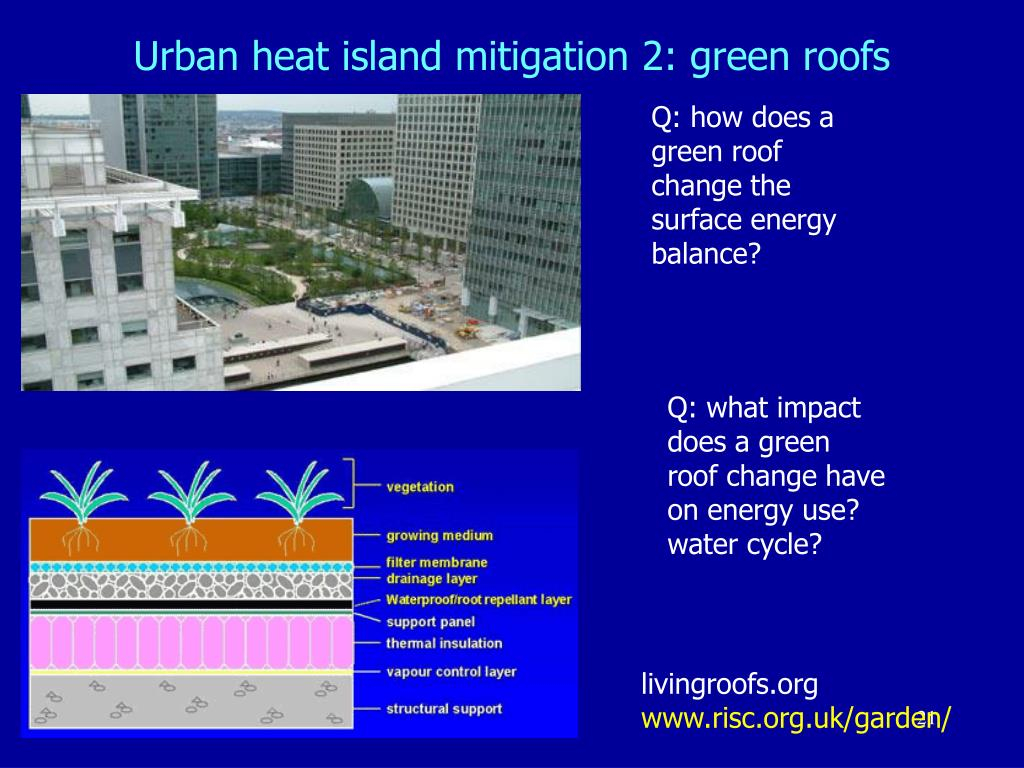
Also, think about the roof. It’s a huge surface area that’s often ignored. A green roof, covered in sedums and grasses, can literally blend your shed into the landscape. It’s eco-friendly, provides insulation, and looks incredible from above or from a second-story window. If that’s too ambitious, a simple flat roof with a slight pitch for drainage can give that sleek, contemporary vibe that defines modern design. Just make sure the roofing material complements the walls. Consistency is key, even when you’re mixing textures.
Master the Art of Color and Camouflage
Color is powerful. It can make a structure disappear or scream for attention. For a seamless blend, you generally want to go one of two routes: match or contrast intentionally. Matching doesn’t mean painting the shed the exact same shade as your house. That can look like a cheap addition. Instead, pull a secondary color from your home’s palette. If your house is white with dark gray trim, paint the shed dark gray. It ties the two together without being matchy-matchy.
Another trick is to use nature as your palette. Earth tones—soft greens, warm browns, slate grays—tend to recede into the background. They don’t fight with the greenery; they support it. If your garden is lush and vibrant, a muted, neutral shed will let the plants shine. On the other hand, if your landscape is more structured and minimal, a bold color like navy blue or charcoal black can act as a striking focal point. It’s all about context. What works in a desert landscape won’t work in a rainy Pacific Northwest garden.
Don’t forget the details. Hardware matters. Swapping out standard brass hinges for matte black or brushed nickel ones can instantly modernize a shed. Window frames should match the style of your home’s windows. If you have black-framed windows on your house, use black frames on the shed. These small touches signal to the brain that these buildings belong together. It’s subconscious, but it works. People might not know why the shed looks good, but they’ll feel that it fits.
Design for Function Without Sacrificing Form
A pretty shed is useless if it doesn’t work. The beauty of modern design is that it embraces functionality. Clean lines aren’t just aesthetic; they’re efficient. When planning your interior, think about how you’ll actually use the space. Do you need floor-to-ceiling shelving for bins? A workbench for hobbies? Or just open floor space for a kayak? Define the purpose early on. A shed that serves as a home office or art studio needs different features than one used solely for lawn equipment.
Lighting is crucial, both inside and out. Natural light makes a small space feel larger and more inviting. Consider adding skylights or clerestory windows high up on the walls. They provide privacy while flooding the interior with soft, diffused light. For exterior lighting, think about sconces that match your home’s fixtures. Well-placed lights can highlight architectural features and make the shed feel safe and welcoming at night. It also extends the usability of the space, allowing you to enjoy it after sunset.
Ventilation is another often-overlooked aspect. Proper airflow prevents moisture buildup, which can damage stored items and the structure itself. Install vents near the roofline and near the floor to create a natural convection current. If you’re using the shed as a workspace, you might even consider a small, energy-efficient mini-split system for heating and cooling. Modern sheds are increasingly being treated as conditioned spaces, blurring the line between indoors and outdoors. This shift means better insulation and tighter construction, which also helps with energy efficiency.
Integrate Landscaping to Soften the Edges
Even the best-designed shed can look abrupt if it’s sitting on bare dirt. Landscaping is the glue that holds everything together. Use plants to soften the hard lines of the structure. Climbing vines like clematis or jasmine can grow up trellises attached to the shed, adding vertical interest and a touch of wildness. Shrubs planted along the foundation can hide the base and make the building appear to rise naturally from the ground.
Think about pathways too. A gravel path or stepping stones leading to the shed invite people in. It creates a sense of destination and purpose. Use materials that complement the shed and the main house. If your patio is made of flagstone, use similar stone for the shed’s approach. This continuity reinforces the connection between the spaces. Also, consider adding a small deck or porch area in front of the shed. It gives you a place to pause, take off muddy boots, or just sit and enjoy the garden. It transforms the shed from a utility box into a destination.
Water features or outdoor art near the shed can also help integrate it into the overall design scheme. A simple fountain or a sculptural element can draw the eye and create a focal point that includes the shed as part of the composition. The idea is to create layers. The shed shouldn’t stand alone; it should be part of a curated experience. When you walk through your yard, every element should feel connected, intentional, and harmonious.
Before you swing a hammer, you need to deal with the boring stuff: permits and regulations. Every municipality has different rules about shed size, height, and setback distances from property lines. Ignoring these can lead to fines or being forced to tear down your beautiful creation. Check with your local building department early in the process. Many areas allow sheds under a certain square footage (often 100-120 sq ft) without a permit, but it’s always better to be safe.
Also, consider the foundation. A proper foundation ensures your shed stays level and dry. Concrete slabs are durable and permanent, while gravel bases are cheaper and easier to install. Pier foundations are great for uneven terrain. Choose what works for your soil type and budget. Don’t skimp here. A shaky foundation will cause doors to stick and roofs to leak, ruining the aesthetic and function over time.
Finally, think about security and insurance. If you’re storing valuable tools or equipment, invest in good locks and maybe even a security camera. Let your homeowner’s insurance provider know about the new structure. It might slightly increase your premium, but it ensures you’re covered in case of fire, theft, or storm damage. Being prepared saves headaches later. It’s part of responsible ownership, ensuring your investment lasts for years to come.
Building a modern shed that blends with your home is a journey, not just a project. It requires patience, vision, and attention to detail. But the reward is a space that feels truly yours. It’s a place that respects your home’s architecture while adding its own unique charm. Whether you’re storing garden tools or creating a quiet retreat for reading, the result is a seamless extension of your living space. So take your time, plan carefully, and build something that makes you smile every time you look out the window.
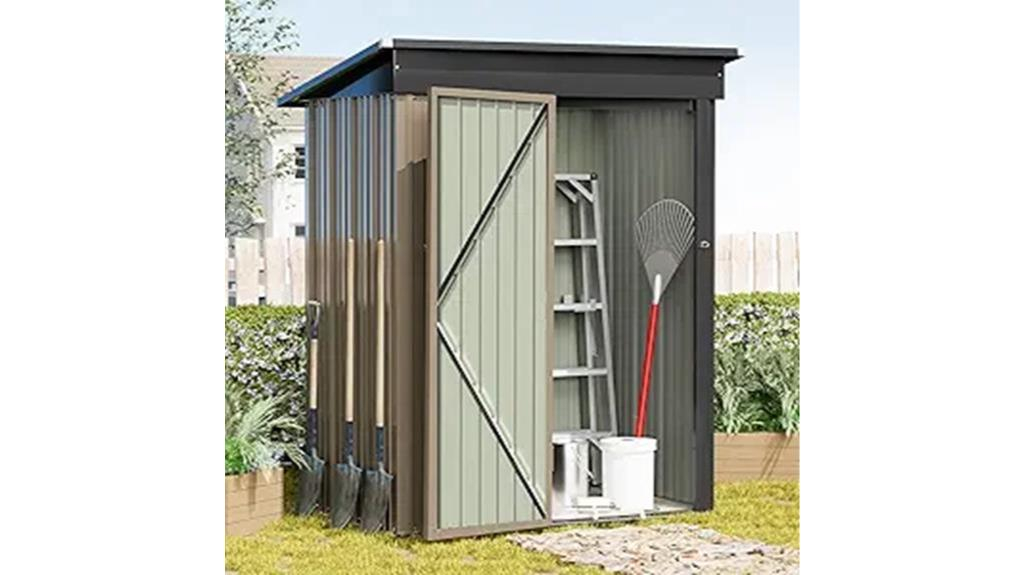
[sps_html tag=”img” src=”https://cdn.northcarolinafinearchitecture.com/2026/06/5-best-outdoor-storage-shed-backyard-eden-regarding-the-real-cost-of-building-vs-buying-an-outdoor-storage-solution.jpg” alt=”5 Best Outdoor Storage Shed - Backyard Eden regarding The Real Cost of Building vs Buying an Outdoor Storage Solution” style=”width: 100%; height: auto;”]
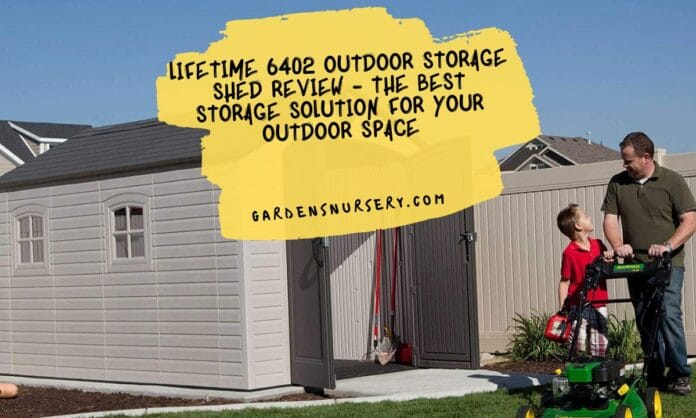
[sps_html tag=”img” src=”https://cdn.northcarolinafinearchitecture.com/2026/06/lifetime-6402-outdoor-storage-shed-review-gardens-nursery-with-regard-to-the-real-cost-of-building-vs-buying-an-outdoor-storage-solution.jpg” alt=”Lifetime 6402 Outdoor Storage Shed Review | Gardens Nursery with regard to The Real Cost of Building vs Buying an Outdoor Storage Solution” style=”width: 100%; height: auto;”]
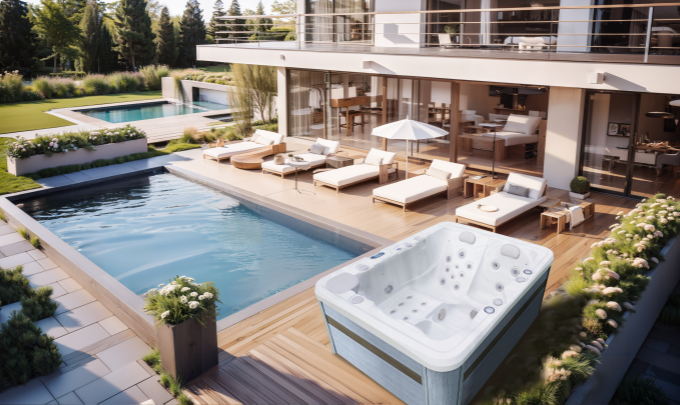
[sps_html tag=”img” src=”https://cdn.northcarolinafinearchitecture.com/2026/06/how-to-buy-the-best-outdoor-storage-which-throughout-outdoor-storage-shed-design.jpg” alt=”How To Buy The Best Outdoor Storage - Which? throughout Outdoor Storage Shed Design” style=”width: 100%; height: auto;”]
[sps_html tag=”img” src=”https://cdn.northcarolinafinearchitecture.com/2026/06/whats-the-real-cost-of-building-vs-buying-a-food-delivery-app-for-outdoor-storage-shed-design.jpg” alt=”What’s The Real Cost Of Building Vs. Buying A Food Delivery App? for Outdoor Storage Shed Design” style=”width: 100%; height: auto;”]