We’ve all been there. You’re staring at a wall section detail, coffee going cold, wondering if you’ve just designed a mold factory. For decades, the rule was simple: keep the water out. But buildings aren’t static boxes; they breathe. They sweat. And sometimes, they get sick. If you trap moisture inside a wall assembly because you were too afraid to let it out, you’re asking for trouble. Rot doesn’t care about your aesthetic vision. Mold doesn’t respect your budget.
Enter the variable permeance membrane. Or as some folks call them, "smart" vapor retarders. It sounds like marketing fluff, right? Like something invented to sell more plastic sheeting. But it’s not. It’s actually pretty clever physics wrapped in a thin layer of polyamide. These materials change their behavior based on the humidity around them. When it’s dry, they tighten up. When it’s wet, they open up. It’s like having a raincoat that turns into a mesh shirt when you start sweating. For designers in 2026, understanding this isn’t just optional—it’s essential for creating buildings that last.
The Physics of "Smart" Breathability
So, how does a piece of plastic know when to open up? It’s not magic. It’s chemistry. Most variable permeance membranes are made from specialized polyamides (nylons) that are hygroscopic. That’s a fancy word meaning they love water. When the relative humidity (RH) in the air rises, the molecules in the membrane absorb moisture. This causes the material to swell slightly on a microscopic level, creating tiny pathways for water vapor to pass through.
Think of it like a sponge. When a sponge is dry, it’s hard and dense. But when it gets wet, it expands and becomes more porous. In a wall assembly, this means that during the winter, when the indoor air is dry (thanks to heating), the membrane acts like a Class I vapor retarder (very low permeance). It stops warm, moist indoor air from pushing into the cold wall cavity where it could condense. But if something goes wrong—say, a leak or construction moisture gets trapped—the humidity rises. The membrane senses this spike in RH and its permeance increases dramatically, sometimes by a factor of 10 or more. This allows the wall to dry inward, toward the conditioned space, rather than trapping that moisture against the studs.
This dynamic response is what sets them apart from traditional polyethylene sheeting. Poly is dumb. It’s always closed. If you get wet behind it, you stay wet. Variable membranes are responsive. They adapt to the seasons and the specific conditions of the building. This is crucial because modern buildings are tighter than ever. We’ve sealed the leaks, which is great for energy efficiency, but it means we have less accidental drying potential. We need materials that can manage moisture actively, not just passively block it.
Climate Zones and the Interior Layer Debate
You can’t just slap a smart membrane on every wall and call it a day. Context is everything. In cold climates (like Zones 5, 6, 7, and 8 in North America), the primary drive for moisture is from the inside out during the winter. Warm, humid indoor air wants to move toward the cold exterior. Here, the variable permeance membrane shines. Installed on the interior side of the insulation, it prevents condensation in the winter but allows drying if the wall gets wet from rain or snow infiltration.
But what about mixed or hot-humid climates? That’s where things get tricky. In places like Florida or the Gulf Coast, the moisture drive is often from the outside in during the summer. Air conditioning makes the interior cold and dry, pulling humid outdoor air through the walls. In these scenarios, placing a vapor-retarding layer on the interior can actually trap moisture coming from the outside. Some newer membranes are designed to handle bidirectional drying, but you have to be careful. The key is understanding the dominant vapor drive for your specific location.
In 2026, we’re seeing more nuanced approaches. It’s not just "cold" vs. "hot." It’s about microclimates, orientation, and even the specific use of the building. A museum with strict humidity controls needs a different strategy than a residential home. Designers need to look at local code requirements, sure, but also at the building science principles underlying those codes. Don’t just follow the map; understand the weather. If you’re designing a basement in a temperate zone, for instance, a variable membrane can be a lifesaver. Basements are prone to high humidity and slow drying. A smart membrane on the interior finish can help manage that moisture without trapping it against the concrete foundation.
Beyond Vapor: The Air Barrier Connection
Here’s a secret that trips up a lot of people: vapor control and air control are not the same thing. You can have a perfect vapor retarder and still have massive air leaks. And air leaks carry way more moisture than vapor diffusion does. Think about it. A small hole in your air barrier can let in hundreds of times more water vapor than diffusion through a whole square foot of drywall. So, when we talk about variable permeance membranes, we’re usually talking about products that do double duty. They act as both the air barrier and the vapor retarder.
This is why detailing matters so much. If you’re using a product like INTELLO PLUS or VaporWise, you’re relying on it to stop air movement. That means every seam, every penetration, and every transition needs to be taped and sealed properly. It’s not enough to just staple it up. You need a continuous air seal. If air can bypass the membrane, the variable permeance feature becomes irrelevant because the bulk of the moisture is moving via convection, not diffusion.
Many design failures trace back to this disconnect. Architects specify the right membrane but don’t detail the transitions. They don’t show how the membrane connects to the window buck, or how it ties into the foundation waterproofing. This leaves gaps. Air sneaks in. Moisture accumulates. The wall rots. To avoid this, treat the air barrier as a primary system, not an afterthought. Draw it in your plans. Specify the tape. Require blower door testing to verify continuity. If the air isn’t sealed, the vapor control is just a band-aid on a bullet wound.
Material Selection and Performance Standards
Not all "smart" membranes are created equal. In the past, you might have grabbed whatever was on the shelf. Today, there are standards. The AC528 test method is becoming the benchmark for humidity-dependent vapor retarders. This standard measures how the permeance of a material changes across a range of relative humidity levels. Look for products that meet or exceed AC528 criteria. It gives you a reliable data point to compare different brands.
When selecting a product, look at the permeance curve. How low does it go at 30% RH? How high does it rise at 80% or 90% RH? You want a wide dynamic range. A good smart membrane might have a permeance of less than 1 perm at low humidity (acting as a Class II retarder) and jump to 10 or 20 perms at high humidity (acting as a vapor-open material). This range ensures it protects during dry conditions and dries during wet ones.
Also, consider durability and ease of installation. Some membranes are fragile and tear easily if you look at them wrong. Others are robust, tri-laminate structures that can withstand job-site abuse. Think about the tradespeople who will install it. If it’s difficult to tape or prone to tearing, they’ll cut corners. And corners cut in air sealing are corners that leak. Choose a product that balances performance with practicality. And don’t forget about compatibility with other materials. Will the adhesive on the tape bond well with the membrane surface? Will it hold up over time? These seem like small details, but they make or break the system.
Common Design Pitfalls and How to Avoid Them
Even with the best materials, designs fail. Why? Because of human error. One common mistake is assuming the membrane solves all moisture problems. It doesn’t. If you have a roof leak dumping water into the wall, no vapor retarder is going to save you. Good drainage and flashing are still priority number one. The variable membrane is a safety net, not a substitute for good waterproofing.
Another pitfall is ignoring the exterior side of the wall. If you’re using a smart membrane on the interior, you still need to ensure the exterior sheathing can dry out. Using impermeable exterior foam or vinyl siding without proper rain screening can trap moisture on the outside. The wall needs to breathe from both sides, or at least have a clear path to dry to the exterior if the interior path is blocked. Balance is key.
Also, watch out for "vapor sandwich" scenarios. This happens when you have a low-permeance layer on both the interior and exterior of the wall. For example, polyethylene on the inside and foil-faced foam on the outside. If any moisture gets in between those two layers, it’s trapped forever. Variable permeance membranes help avoid this on the interior side, but you still need to check what’s happening on the exterior. Make sure at least one side of the assembly is vapor-open enough to allow drying. In 2026, with tighter energy codes, this balance is harder to achieve but more important than ever.
Building science is evolving. As we push for net-zero energy and passive house standards, our margins for error shrink. We’re using more insulation, which means colder sheathing and higher risks of condensation. Variable permeance membranes are becoming a standard tool in this high-performance toolkit. But they’re not a silver bullet. They require thoughtful design, careful detailing, and rigorous execution.
Look for innovations in bio-based membranes and recyclable materials. The industry is moving toward sustainability not just in operation, but in construction. Some newer membranes are made from renewable resources and are easier to recycle at the end of the building’s life. Keeping an eye on these developments can help you stay ahead of the curve.
Ultimately, the goal is resilience. We’re designing buildings that need to last 50, 100, or more years. Climate change is bringing more extreme weather events—heavier rains, hotter summers, colder snaps. Buildings need to be able to handle these swings. Variable permeance membranes offer a level of adaptability that static materials can’t match. They give your design a bit of forgiveness. And in a world where perfection is impossible, forgiveness is a valuable commodity.
So, next time you’re detailing a wall, think about the moisture. Think about the seasons. Think about what happens when things go wrong. Because they will. And when they do, you’ll want a wall that can breathe, adapt, and survive. That’s the power of variable permeance. It’s not just about blocking vapor; it’s about managing risk. And that’s something every designer can get behind.
Don’t be afraid to ask questions. Talk to the manufacturers. Read the technical data sheets. Visit a site where it’s being installed. See how the trades handle it. The more you know, the better your designs will be. And remember, a dry wall is a happy wall. Keep it breathing, keep it sealed, and keep it smart.
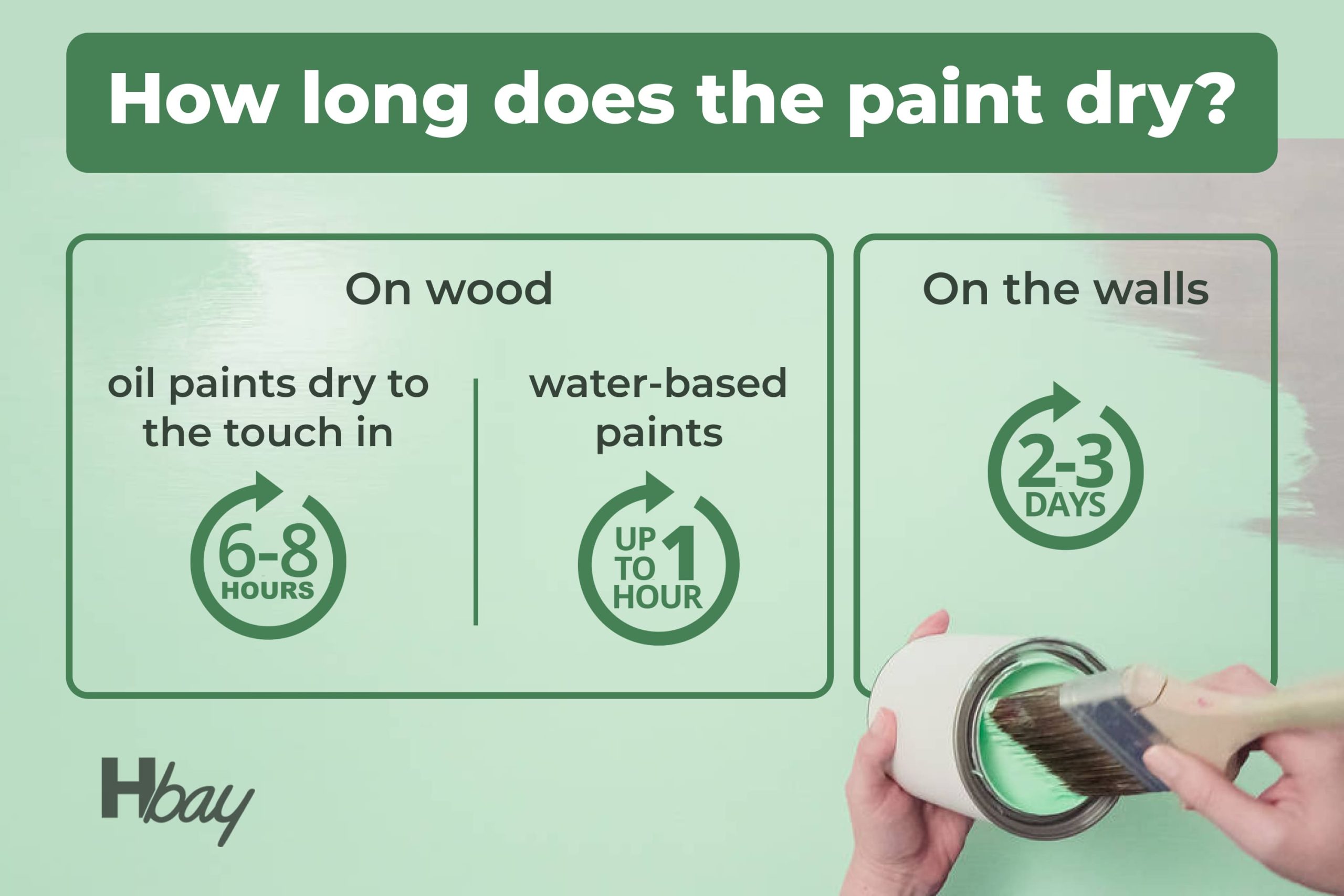
[sps_html tag=”img” src=”https://cdn.northcarolinafinearchitecture.com/2026/05/how-long-does-concrete-paint-take-to-dry-housekeepingbay-intended-for-when-to-let-walls-dry-out-instead-of-sealing-them-tight-in-2026-scaled.jpg” alt=”How Long Does Concrete Paint Take To Dry? - Housekeepingbay intended for When to Let Walls Dry Out Instead of Sealing Them Tight in 2026″ style=”width: 100%; height: auto;”]
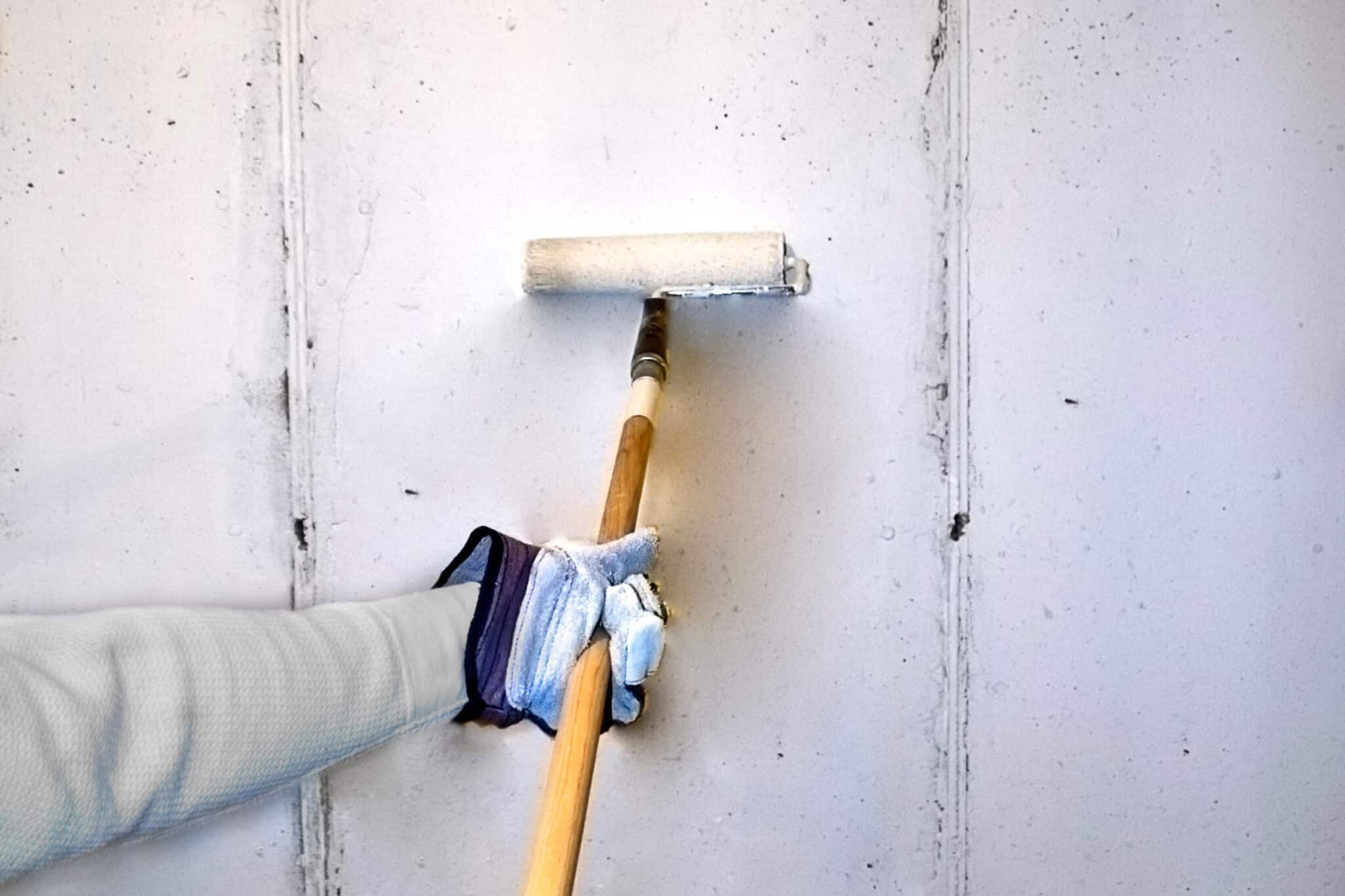
[sps_html tag=”img” src=”https://cdn.northcarolinafinearchitecture.com/2026/05/seal-walls-in-basement-at-kathleen-flores-blog-intended-for-vapor-barrier-design.jpg” alt=”Seal Walls In Basement At Kathleen Flores Blog intended for Vapor Barrier Design” style=”width: 100%; height: auto;”]
[sps_html tag=”img” src=”https://cdn.northcarolinafinearchitecture.com/2026/05/a-guide-on-how-to-dry-damp-walls-damp2dry-solutions-inside-vapor-barrier-design.jpeg” alt=”A Guide On How To Dry Damp Walls? Damp2Dry Solutions inside Vapor Barrier Design” style=”width: 100%; height: auto;”]
[sps_html tag=”img” src=”https://cdn.northcarolinafinearchitecture.com/2026/05/upstairs-leak-how-to-dry-wet-walls-and-ceiling-youtube-in-when-to-let-walls-dry-out-instead-of-sealing-them-tight-in-2026.jpg” alt=”Upstairs Leak: How To Dry Wet Walls And Ceiling - Youtube in When to Let Walls Dry Out Instead of Sealing Them Tight in 2026″ style=”width: 100%; height: auto;”]
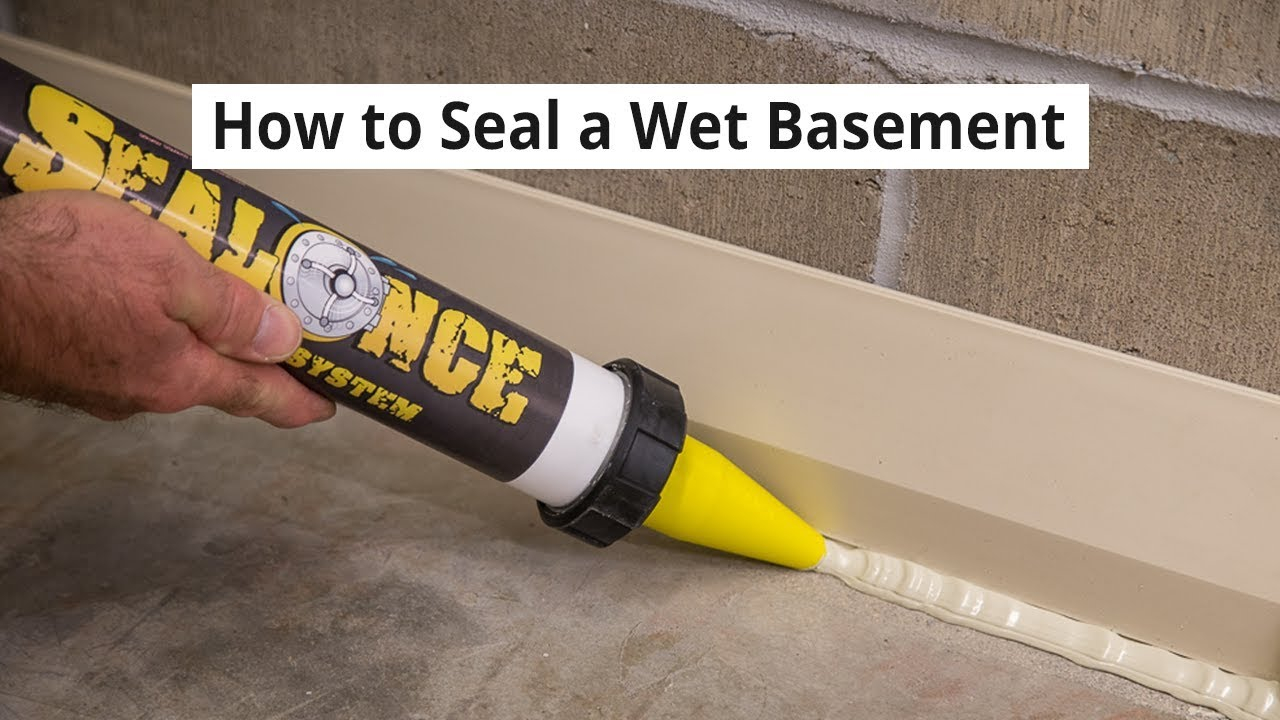
[sps_html tag=”img” src=”https://cdn.northcarolinafinearchitecture.com/2026/05/how-to-seal-a-wet-basement-water-tight-diy-basement-waterproofing-regarding-when-to-let-walls-dry-out-instead-of-sealing-them-tight-in-2026.jpg” alt=”How To Seal A Wet Basement Water-Tight • Diy Basement Waterproofing … regarding When to Let Walls Dry Out Instead of Sealing Them Tight in 2026″ style=”width: 100%; height: auto;”]