Ever stood by the edge of a murky pond and wished it looked like those postcard-perfect alpine lakes? You’re not alone. For homeowners with a patch of water on their property, the dream is usually simple: clear, inviting water that doesn’t smell like a swamp after a hot July afternoon. But getting there used to mean dumping chemicals into the ecosystem or installing loud, energy-hungry pumps that fight nature rather than work with it. That’s changing. Fast.
In 2026, the approach to residential lake management has shifted dramatically. We aren’t just trying to kill algae anymore; we are trying to build ecosystems. It’s less about control and more about balance. Whether you have a small backyard swimming pond or a larger acreage lake used for irrigation and aesthetics, the goal is the same. You want water that cleans itself, mostly. You want a system that lasts. And you want to spend your weekends swimming or fishing, not scrubbing sludge off liner walls. This guide walks you through how to make that happen, using methods that are as kind to the planet as they are effective for your peace of mind.
Understanding the Living Filter Concept
Most people think of filtration as a mechanical process. You push water through a mesh, dirt gets stuck, clean water comes out. Simple, right? Well, in a residential lake, that’s only half the battle. The real magic happens in what experts call the "living filter." This isn’t a piece of equipment you buy at a hardware store. It’s a zone. A specifically designed area of your lake where plants, gravel, and microbes work together to break down waste.
Think of it like a kidney for your lake. Just as your body filters blood, this zone filters water. It relies on beneficial bacteria—tiny, invisible workers that eat up nitrogen and phosphorus. These are the nutrients that cause algae blooms. If you starve the algae of its food, it can’t grow. It’s that straightforward. By integrating a regeneration zone, often filled with specific aquatic plants like cattails or rushes, you create a natural biofilter. The roots of these plants provide a massive surface area for bacteria to colonize. As water slowly moves through this root matrix, impurities are trapped and consumed.
The beauty of this system is its resilience. Unlike a sand filter that clogs and needs backwashing, a living filter gets better with age. The microbial community establishes itself over time, becoming more efficient at processing organic matter. In recent years, designs have moved away from concrete-heavy structures toward soft-edged, permeable boundaries. This allows for better integration with the surrounding landscape. It also means fewer harsh materials leaching into the water. You are essentially building a wetland, but one that is curated for clarity and aesthetic appeal. It’s a shift from fighting nature to hiring it as your staff.
Designing the Regeneration Zone
So, how do you actually build this thing? It starts with layout. You can’t just toss some plants in the corner and hope for the best. The regeneration zone needs to be sized correctly. A good rule of thumb, widely accepted in 2026 practices, is that the filtration area should be roughly equal to the swimming or open water area. If you have a 500-square-foot swimming zone, you need about 500 square feet of planted filtration zone. It sounds like a lot, but it’s necessary for effective cleaning without mechanical help.
The depth matters too. You want a gradient. Start shallow, around six to twelve inches, where emergent plants like irises and sedges thrive. These plants love having their feet wet but their heads dry. As you move deeper, up to two or three feet, you can introduce submerged oxygenators. These plants, such as hornwort or elodea, release oxygen directly into the water column. This oxygen is crucial for the beneficial bacteria we talked about earlier. They need air to breathe, just like us. Without enough oxygen, the good bacteria die, and the bad, smelly anaerobic bacteria take over. Nobody wants that.
Material selection is another critical piece. You’ll need a substrate, usually gravel or crushed stone. Avoid fine sand, which can compact and suffocate plant roots. Instead, use washed gravel with a mix of sizes. This creates voids for water to flow through and for roots to penetrate. Some newer systems incorporate specialized bio-media, like porous ceramic rings or lava rock, buried within the gravel. These materials have incredibly high surface areas, providing even more real estate for your bacterial workforce. It’s a bit more upfront cost, but it boosts efficiency significantly. Remember, the goal is slow movement. Water should meander through this zone, not rush. Speed is the enemy of filtration.
Mechanical Pre-Filtration Strategies
Even the best biological filter can get overwhelmed if it’s dealing with huge chunks of leaves, twigs, and debris. That’s where mechanical pre-filtration comes in. Think of this as the bouncer at the club. It stops the big stuff before it enters the delicate ecosystem of the regeneration zone. In residential lakes, this doesn’t have to be complex. Simple, low-tech solutions often work best and require less energy.
One popular method is the use of skimmer boxes. These are installed at the water’s edge, usually where wind naturally pushes debris. They suck in the top layer of water, trapping floating leaves and pollen in a basket. It’s simple, effective, and prevents that organic matter from sinking to the bottom and rotting. Rotting matter releases nutrients, which feeds algae. So, by removing the leaves early, you’re cutting off the algae’s food supply at the source. Another option is a leaf net during autumn. It’s low-tech, sure, but it saves you hours of cleanup later.
For larger lakes or those used for irrigation, sediment filters are key. Spin-down filters or bulk filter mats can handle heavier loads of silt and dirt. These are particularly important if your lake is fed by runoff from a lawn or garden. The runoff carries soil particles that cloud the water. By filtering this water before it enters the main body, you keep clarity high. Recent advancements in 2024 and 2025 have made these filters more durable and easier to clean. Some even self-flush, reducing maintenance to almost zero. The key is to place these mechanical systems upstream of your biological zones. Let the bouncer do his job so the kitchen staff (the bacteria) don’t get bogged down with trash.
The Role of Aeration and Circulation
Stagnant water is dead water. Or at least, it’s water that’s prone to problems. Circulation is the heartbeat of a healthy lake. It ensures that oxygen reaches all parts of the water column, especially the bottom. Why does the bottom matter? Because that’s where sludge accumulates. If the bottom is anaerobic (lacking oxygen), it produces methane and hydrogen sulfide. That’s the rotten egg smell you want to avoid. Aeration keeps the bottom aerobic, allowing beneficial bacteria to break down sludge efficiently.
There are different ways to aerate. Surface fountains are pretty, but they don’t always mix the water deeply. Subsurface diffusers are often more effective for filtration purposes. They release bubbles from the bottom, which rise and pull deeper water up to the surface. This process, called destratification, mixes the layers. It prevents thermal stratification, where warm water sits on top of cold water, creating a barrier that stops oxygen from reaching the depths. In the summer, this mixing is vital. It keeps the whole lake healthy, not just the top foot.
Solar-powered aeration systems have become a game-changer in recent years. With battery storage improvements in 2025, these systems can run 24/7 without being tied to the grid. This makes them perfect for remote residential lakes where running electricity is expensive or impractical. They are quiet, efficient, and sustainable. Plus, they reduce your carbon footprint. When designing your system, aim for complete turnover of the water volume every few days. This ensures that no part of the lake is left stagnant for too long. It’s a small investment that pays off in water clarity and odor control.
Plant Selection and Biodiversity
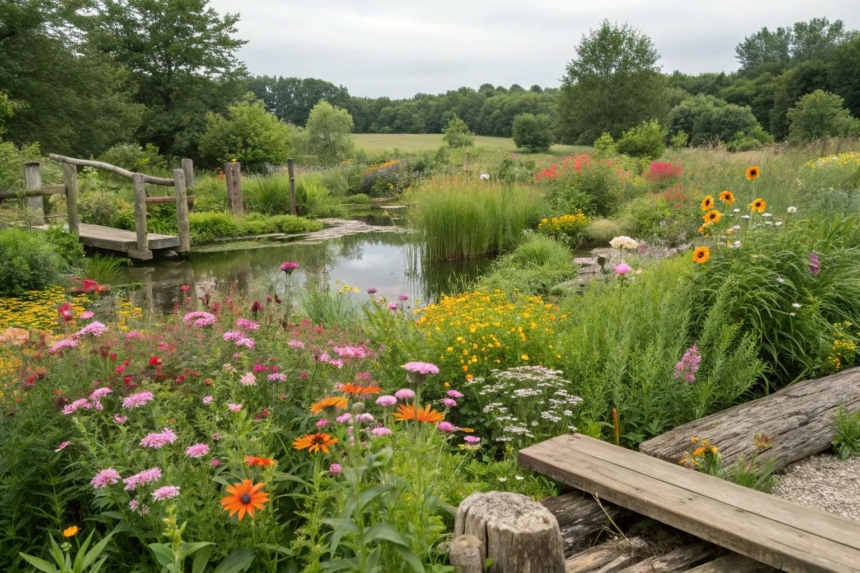
Plants are the stars of the show in a sustainable filtration system. But not all plants are created equal. You need a diverse mix to handle different tasks. Emergent plants, like cattails and bulrushes, are great for filtering nutrients from the water and providing habitat for wildlife. Submerged plants, like pondweed and milfoil, oxygenate the water and compete with algae for light. Floating plants, like water lilies and duckweed, shade the water, keeping it cool and blocking sunlight that algae needs to photosynthesize.
Diversity is key. Monocultures are risky. If a pest or disease hits one type of plant, you could lose your entire filtration capacity. By planting a variety of species, you create a resilient system. If one plant struggles, others pick up the slack. Native species are usually the best choice. They are adapted to your local climate and soil conditions, meaning they require less care and fertilizer. They also support local wildlife, from bees to birds to frogs. A lake that supports life is a lake that is alive and healthy.
Timing matters when planting. Spring and early fall are the best times. Give the plants time to establish their root systems before the heat of summer or the freeze of winter. Don’t overcrowd them initially. They will spread. Give them room to grow. And be patient. It takes time for a new ecosystem to mature. In the first year, you might see some algae. That’s normal. As the plants grow and the bacterial colonies establish, the water will clear. It’s a journey, not a sprint. Trust the process. And enjoy watching your lake come to life.
Let’s be honest: sustainable doesn’t mean zero maintenance. It means different maintenance. Instead of scrubbing walls and adding chlorine, you’re pruning plants and checking pumps. It’s more gardening, less chemistry. And for many, that’s a welcome change. Regular inspection is crucial. Check your skimmers weekly during peak season. Empty them before they overflow. Inspect your aeration system to ensure bubbles are rising evenly. If a diffuser is clogged, clean it. Small issues become big problems if ignored.
Plant management is ongoing. In the fall, cut back dead foliage. Don’t let it rot in the water. Remove excess biomass. This removes the nutrients stored in the plant tissue from the system. If you leave it, those nutrients release back into the water when the plant decomposes. It’s a cycle you want to break. In spring, divide overcrowded plants. This keeps them healthy and vigorous. You can even share divisions with neighbors. It’s a nice way to spread the joy of clean water.
Water testing is still important, even in natural systems. Test for pH, alkalinity, and nutrient levels occasionally. It helps you understand what’s happening below the surface. If phosphate levels spike, you might need to add more plants or check for external sources of runoff. Keep an eye on water levels too. Evaporation concentrates minerals and nutrients. Top off with rainwater or dechlorinated tap water if needed. Remember, a well-designed system is forgiving. It can handle minor fluctuations. But consistent care ensures it remains a pristine sanctuary for years to come. It’s about partnership with nature, not domination. And that partnership rewards you with beauty, tranquility, and a slice of the wild right in your backyard.
At the end of the day, integrating sustainable filtration into your residential lake is about more than just clear water. It’s about creating a space that breathes. A place that supports life in all its forms. From the microscopic bacteria working tirelessly in the gravel to the heron stalking fish in the shallows, every element plays a part. By choosing natural methods, you’re not just maintaining a pond; you’re stewarding an ecosystem. It requires patience, observation, and a willingness to learn from the land. But the reward is a lake that feels alive. A lake that changes with the seasons, yet remains clear and inviting. So, roll up your sleeves. Get your hands dirty. And start building your own slice of sustainable paradise. It’s worth every muddy boot.
[sps_html tag=”img” src=”https://cdn.northcarolinafinearchitecture.com/2026/06/hardscapes-101-top-design-ideas-for-your-lakefront-landscape-for-outdoor-lake-design.jpg” alt=”Hardscapes 101: Top Design Ideas For Your Lakefront Landscape for Outdoor Lake Design” style=”width: 100%; height: auto;”]
[sps_html tag=”img” src=”https://cdn.northcarolinafinearchitecture.com/2026/06/hardscapes-101-top-design-ideas-for-your-lakefront-landscape-pertaining-to-outdoor-lake-design.jpg” alt=”Hardscapes 101: Top Design Ideas For Your Lakefront Landscape pertaining to Outdoor Lake Design” style=”width: 100%; height: auto;”]
[sps_html tag=”img” src=”https://cdn.northcarolinafinearchitecture.com/2026/06/elements-that-make-a-great-backyard-landscape-creekside-vinyl-within-essential-elements-for-a-stunning-backyard-lakefront-landscape.jpg” alt=”Elements That Make A Great Backyard Landscape - Creekside Vinyl within Essential Elements for a Stunning Backyard Lakefront Landscape” style=”width: 100%; height: auto;”]
[sps_html tag=”img” src=”https://cdn.northcarolinafinearchitecture.com/2026/06/45-beautiful-backyard-landscaping-ideas-that-will-inspire-you-in-outdoor-lake-design.jpg” alt=”45+ Beautiful Backyard Landscaping Ideas That Will Inspire You in Outdoor Lake Design” style=”width: 100%; height: auto;”]
[sps_html tag=”img” src=”https://cdn.northcarolinafinearchitecture.com/2026/06/16-stunning-backyard-landscape-ideas-garden-eco-inside-outdoor-lake-design.jpg” alt=”16+ Stunning Backyard Landscape Ideas - Garden.eco inside Outdoor Lake Design” style=”width: 100%; height: auto;”]