Have you ever stood in your backyard, squinting against the harsh midday sun, and wished for a space that didn’t just survive the heat but actually celebrated it? We’ve all been there. For years, the default reaction to dry climates was to fight them—importing lush green lawns that guzzled water and required constant coddling. But something has shifted. In 2026, the narrative isn’t about battling nature anymore. It’s about embracing the raw, rugged beauty of the arid landscape.
Think about the quiet dignity of a saguaro cactus or the way light hits a sandstone boulder at sunset. There is a profound peace in those moments. Creating a desert-inspired outdoor space isn’t just a landscaping choice; it’s a lifestyle shift. It invites you to slow down, appreciate texture over turf, and find luxury in simplicity. Whether you live in Phoenix, Palm Springs, or just love the aesthetic of the American Southwest, this guide will walk you through turning your yard into a sanctuary that feels both wild and wonderfully refined.
Embracing the Palette: Colors and Textures That Breathe
The first step in any great design is understanding your canvas. In a desert-inspired space, the canvas is warm, earthy, and incredibly textured. Forget the cool blues and crisp whites of coastal designs. Here, we are talking about terracotta, ochre, deep rust, and sandy beiges. These colors don’t just look good; they reflect the environment. They help your space feel like a natural extension of the land rather than an imposition upon it.
Texture is where the magic really happens. A flat expanse of gravel might look boring, but layer it with smooth river rocks, rough-hewn slate, and spiky agave leaves, and suddenly you have visual interest that changes with the light. In recent years, designers have moved away from monochromatic "beige bombs" toward rich, layered contrasts. Think about pairing the soft, fuzzy leaves of lamb’s ear with the sharp, architectural lines of a yucca plant. The juxtaposition creates depth. It makes the eye travel across the space, discovering new details with every glance.
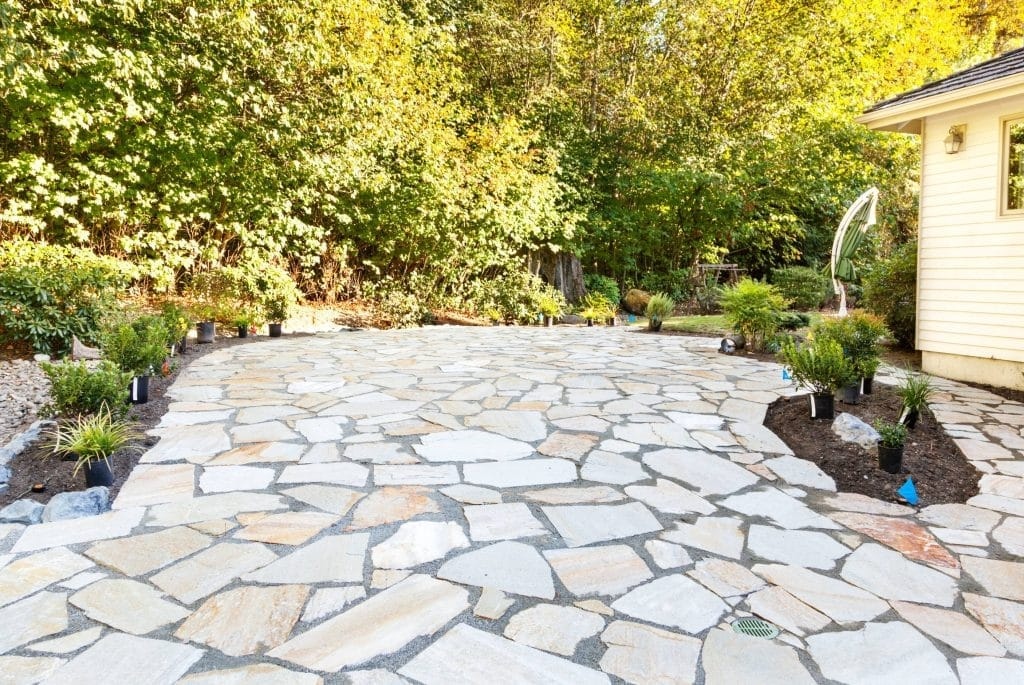
When selecting materials for hardscaping, consider local stone. Using native rock not only reduces transportation emissions but also ensures the color palette is perfectly matched to your region’s geology. Decomposed granite is a classic choice for pathways because it compacts well and has that distinctive crunch underfoot—a sensory detail that grounds you in the experience. Don’t be afraid to mix metals, either. Corten steel, with its weathered rust finish, ages beautifully in dry climates and adds a modern, industrial edge that contrasts nicely with organic plant forms.
The Art of Water Wisdom: Sustainable Luxury
Let’s address the elephant in the room: water. Or rather, the lack of it. One of the biggest misconceptions about desert landscaping is that it has to look sparse or barren. That couldn’t be further from the truth. In 2026, water conservation is synonymous with smart design, not deprivation. The goal is to use every drop wisely, creating an oasis that thrives on minimal input. This approach, often called xeriscaping, has evolved from a utilitarian necessity into a high-design statement.
Start by zoning your garden. Place plants with similar water needs together. This technique, known as hydrozoning, ensures you aren’t overwatering drought-tolerant succulents just to keep a thirsty fern alive nearby. Drip irrigation systems are no longer clunky eyesores; they are sleek, efficient, and often hidden beneath mulch or gravel. They deliver water directly to the root zone, reducing evaporation by up to 50% compared to traditional sprinklers. It’s a small change that makes a massive difference in your water bill and environmental footprint.
But sustainability doesn’t mean you can’t have water features. In fact, a small, recirculating fountain can be the centerpiece of a desert garden. The key is scale and efficiency. A modest bubbling urn or a narrow rill (a shallow channel of water) uses very little water due to evaporation if designed correctly, yet the sound of moving water provides a cooling psychological effect. It masks the noise of traffic or neighbors, creating a sense of secluded tranquility. Plus, the humidity microclimate around a small water feature can help nearby plants thrive during the hottest parts of the day.
Plant Selection: Beyond the Cactus
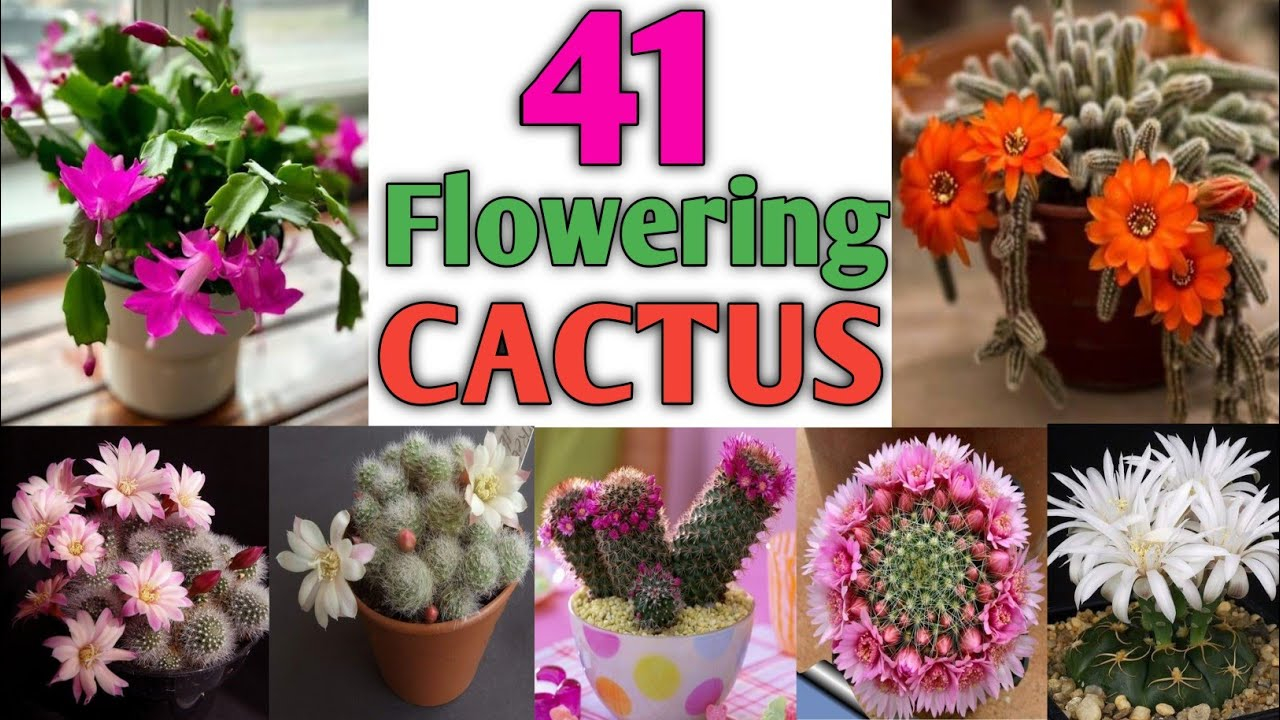
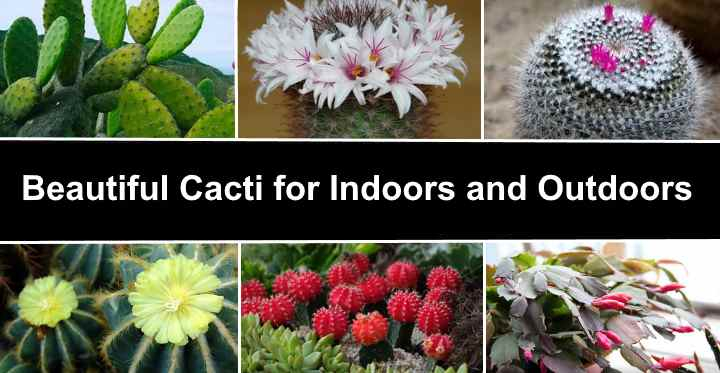
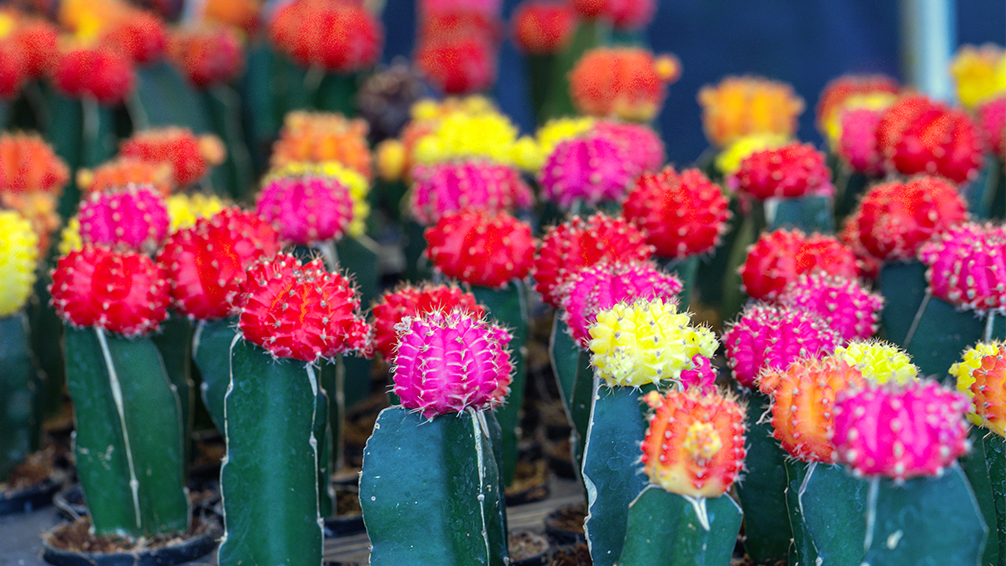
Sure, cacti are the icons of the desert, but relying on them alone is like decorating a house with only one type of chair. You need variety. The modern desert garden is a tapestry of succulents, ornamental grasses, and hardy shrubs that offer year-round interest. Agaves provide bold, sculptural forms that act as living art pieces. Their rosette shapes catch shadows beautifully, adding drama even when they aren’t blooming.
Don’t overlook the power of ornamental grasses. Varieties like deer grass or muhly grass add movement and softness to counterbalance the rigid structures of stone and cactus. When the wind blows, these grasses sway, creating a dynamic visual element that static plants can’t match. In the fall, many desert grasses turn golden or bronze, echoing the changing light of the season. They are low maintenance, requiring only an annual cutback, and they provide habitat for local birds and insects.
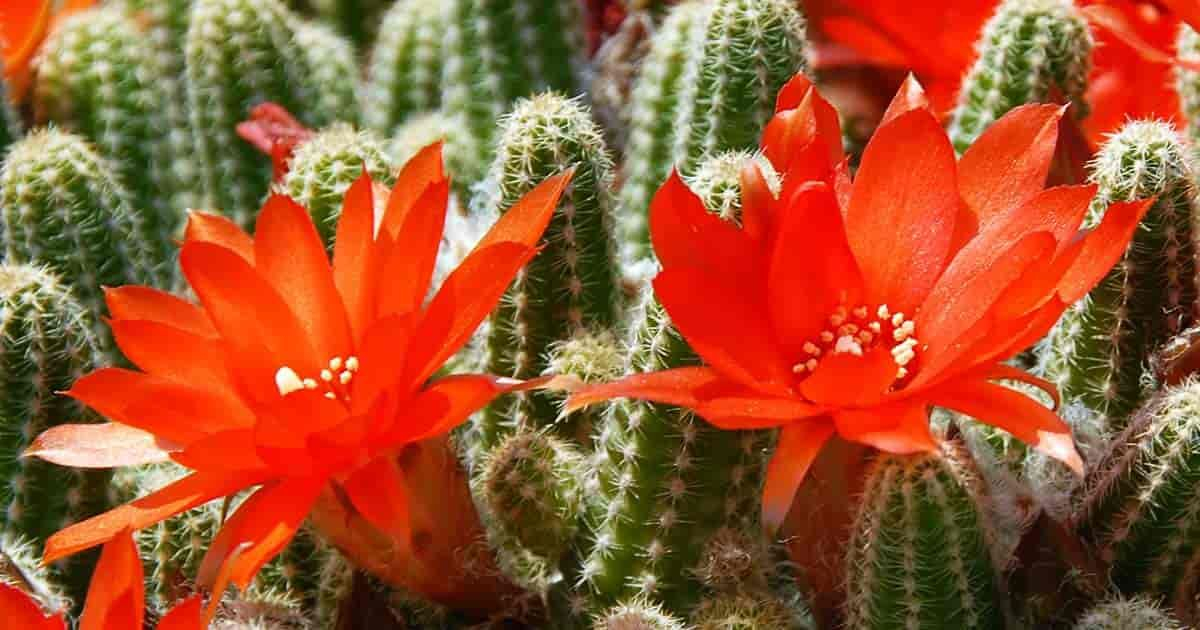
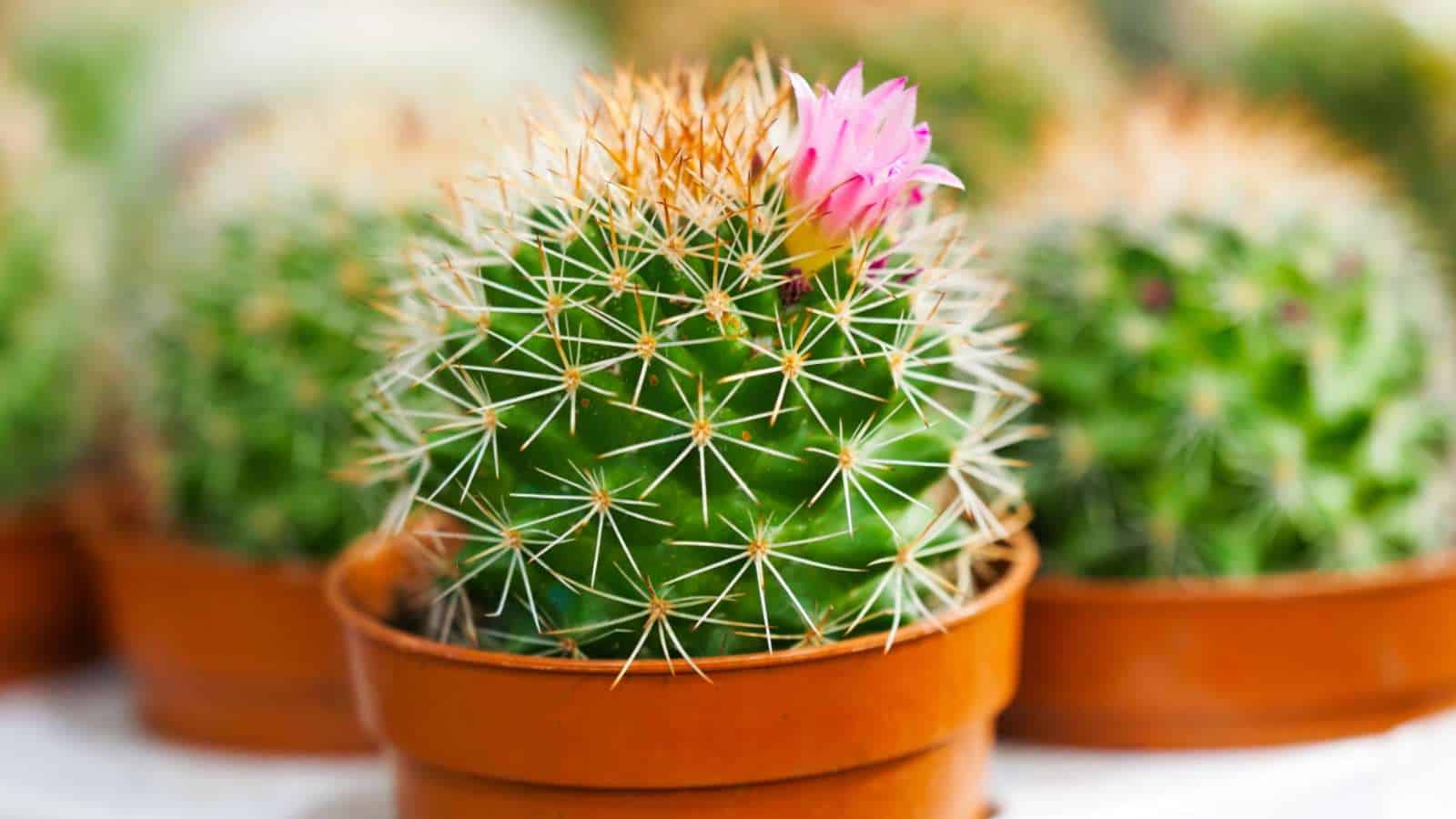
For pops of color, look to native wildflowers and flowering shrubs. Desert marigolds, penstemons, and globe mallow offer vibrant hues of yellow, purple, and orange without demanding much water. These plants are adapted to bloom after rains, so their flowering cycles might be unpredictable, but that unpredictability is part of their charm. It connects you to the rhythm of the seasons. In 2026, there is also a growing trend of incorporating edible desert plants. Prickly pear cactus pads are delicious grilled, and many native herbs like rosemary and lavender thrive in dry, sunny spots, offering both beauty and utility.
Hardscaping: Building the Bones of Your Oasis
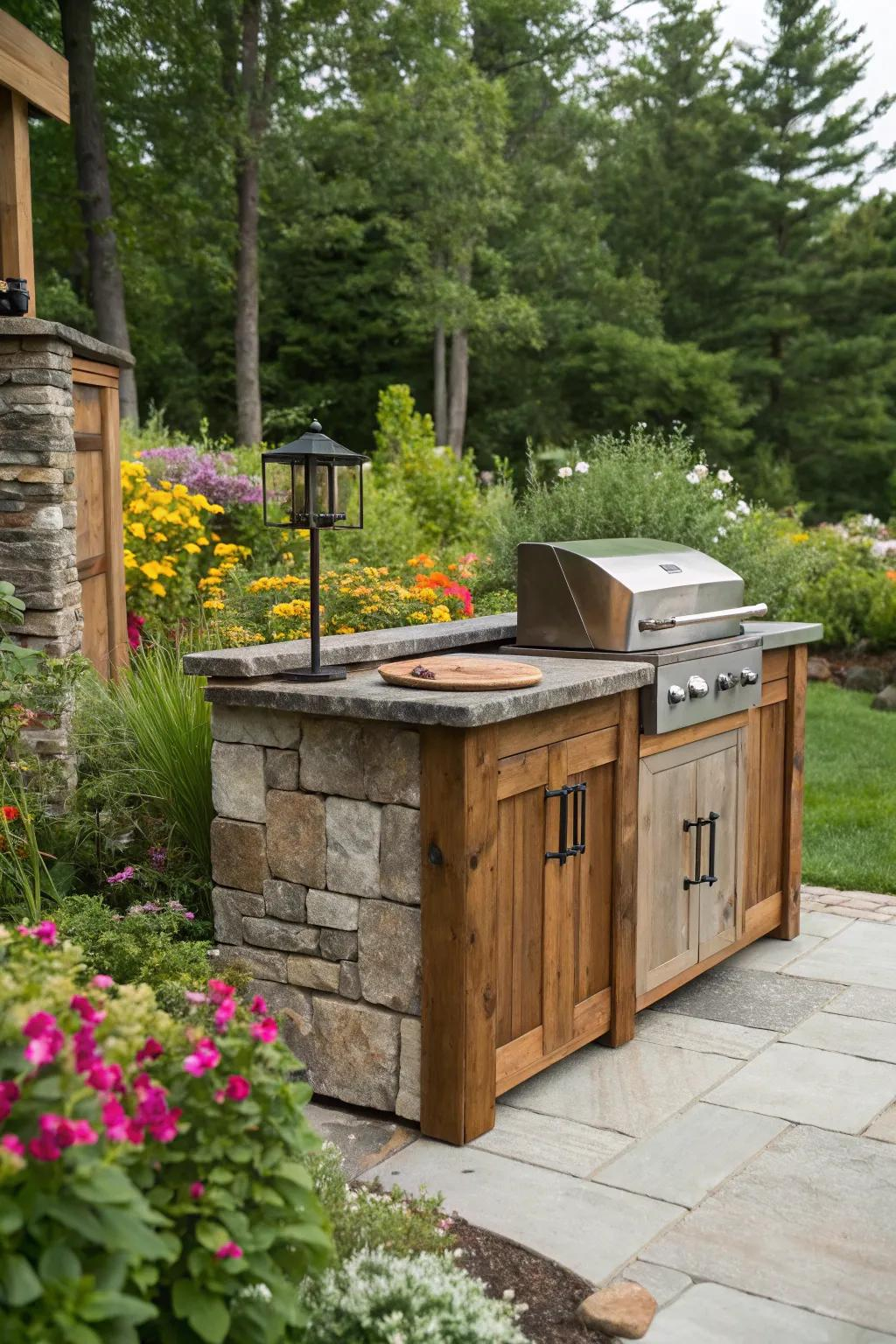
If plants are the flesh of your garden, hardscaping is the skeleton. In desert design, hardscaping does heavy lifting. It defines spaces, provides seating, and manages heat. Large patios made of flagstone or concrete pavers absorb heat during the day and release it slowly at night, which can be a blessing in cooler desert evenings but a curse in summer. The trick is balance. Use permeable materials where possible to allow rainwater to infiltrate the soil, recharging groundwater instead of running off into storm drains.
Shade structures are non-negotiable. You can’t enjoy an outdoor space if it’s too hot to sit in. Pergolas covered with climbing vines like bougainvillea or wisteria create dappled shade that feels airy and cool. For a more modern look, consider shade sails. They are inexpensive, easy to install, and come in various colors that can complement your design palette. They block intense UV rays while allowing air to circulate, preventing the stagnant heat buildup you get with solid roofs.
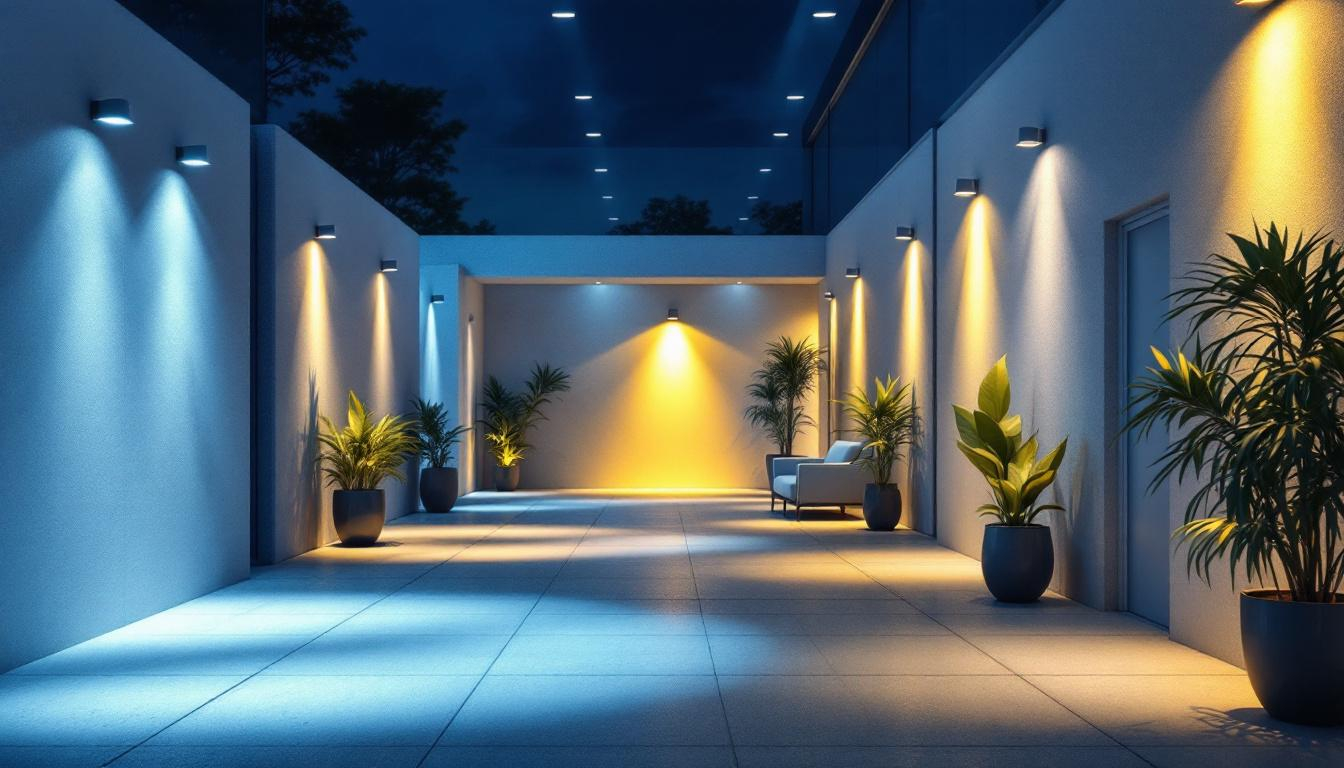
Vertical elements are also crucial. Walls made of adobe, rammed earth, or stacked stone can serve as windbreaks and privacy screens. They also act as thermal masses, stabilizing temperatures in adjacent seating areas. In smaller courtyards, a single feature wall with a textured finish can become a focal point, drawing the eye and making the space feel larger. Lighting plays a huge role here, too. Up-lighting a textured wall at night highlights its contours and creates a dramatic backdrop for evening gatherings. It turns your garden into a stage set, ready for performance at dusk.
Creating Zones for Living and Lounging
A stunning desert space isn’t just for looking at; it’s for living in. Think about how you want to use the area. Do you need a dining spot for al fresco meals? A quiet corner for morning coffee? A fire pit area for star-gazing? Zoning your outdoor room helps organize these activities and makes the space feel intentional. Use changes in elevation, different paving materials, or planters to subtly define these zones without building walls that block airflow.
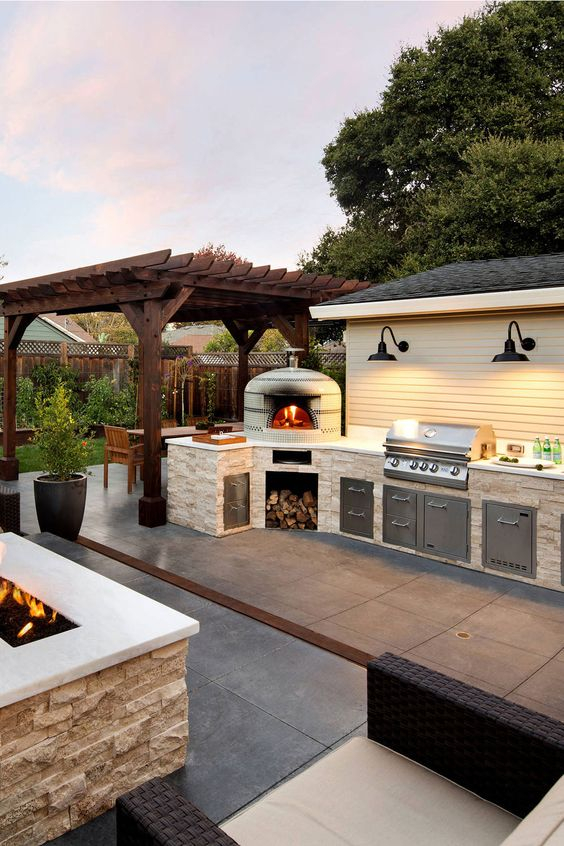
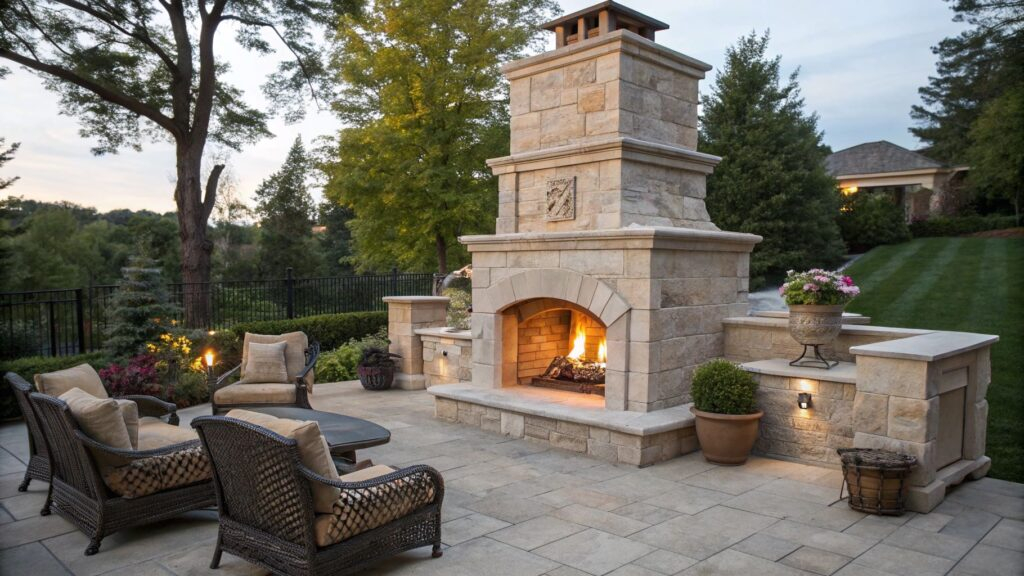
Fire features are a staple of desert living. As temperatures drop at night, a fire pit becomes the heart of the social space. Gas fire pits offer convenience and clean burns, while wood-burning ones provide that authentic crackle and scent. Surround the fire with comfortable, weather-resistant seating. In 2026, outdoor furniture has come a long way. Look for pieces made from teak, aluminum, or all-weather wicker that can withstand intense sun and occasional dust storms. Add cushions in durable fabrics like Sunbrella, choosing colors that hide dust but still pop against the neutral background.
Don’t forget the human scale. A vast, open desert yard can feel exposed and unwelcoming. Break it up with intimate nooks. A bench tucked under a palo verde tree, a small table between two large pots of succulents, or a hammock strung between posts creates invitations to pause and rest. These small moments of comfort are what transform a landscape into a home. They encourage you to step outside, not just to maintain the garden, but to inhabit it.
Desert skies are famous for their stars, so your lighting design should respect that darkness. Over-lighting is a common mistake that washes out the natural beauty of the night sky and creates glare. Instead, aim for low-level, strategic illumination. Path lights should be shielded to direct light downward, ensuring safe passage without blinding guests. Spotlights can highlight specimen plants or architectural features, creating pools of light that guide the eye.
Warm-colored LEDs (2700K to 3000K) are essential. Cool white light feels clinical and harsh in a natural setting, while warm light enhances the reds and oranges in the stone and soil. It mimics the glow of candlelight or fire, creating a cozy, inviting atmosphere. Consider using solar-powered lights for path markers. They have improved significantly in recent years, offering reliable brightness without the hassle of wiring. They are perfect for remote corners of the garden where running electricity would be difficult.
Atmosphere is also about sound and scent. Wind chimes made of bamboo or metal can add a gentle auditory layer that complements the rustle of grasses. Plant fragrant species like night-blooming jasmine or desert sage near seating areas so their scents are released in the evening breeze. These sensory details engage more than just sight, making the experience of being in your outdoor space fully immersive. It’s about creating a mood, a feeling of escape from the busy world inside.
Creating a desert-inspired outdoor space is a journey of discovery. It asks you to look closely at the land, to respect its limits, and to celebrate its unique gifts. By focusing on sustainable practices, thoughtful plant selection, and comfortable living zones, you can build a backyard that is not only beautiful but also resilient. It’s a space that demands less from you and gives back more in return.
As we move further into 2026, the trend toward arid-adapted design is only growing stronger. It’s a response to climate reality, yes, but also a recognition that there is profound beauty in restraint. You don’t need a lush, green lawn to have a luxurious outdoor life. You need connection, comfort, and a sense of place. So take a breath, look at your space with fresh eyes, and start small. Maybe it’s just a few agaves and a new chair. Maybe it’s a whole overhaul. Either way, the desert is waiting to welcome you home.
[sps_html tag=”img” src=”https://cdn.northcarolinafinearchitecture.com/2026/06/arizona-cactus-gardening-choosing-the-right-varieties-complete-gardening-throughout-outdoor-cactus-garden-design.jpg” alt=”Arizona Cactus Gardening: Choosing The Right Varieties - Complete Gardening throughout Outdoor Cactus Garden Design” style=”width: 100%; height: auto;”]
[sps_html tag=”img” src=”https://cdn.northcarolinafinearchitecture.com/2026/06/identifying-cactus-names-help-identifying-these-different-opuntia-intended-for-choosing-the-right-cactus-varieties-for-year-round-color-and-bloom.jpg” alt=”Identifying Cactus Names Help Identifying These Different Opuntia intended for Choosing the Right Cactus Varieties for Year-Round Color and Bloom” style=”width: 100%; height: auto;”]
[sps_html tag=”img” src=”https://cdn.northcarolinafinearchitecture.com/2026/06/cactus-different-colors-throughout-outdoor-cactus-garden-design.jpg” alt=”Cactus Different Colors throughout Outdoor Cactus Garden Design” style=”width: 100%; height: auto;”]
[sps_html tag=”img” src=”https://cdn.northcarolinafinearchitecture.com/2026/06/flowering-cactus-how-to-make-cactus-bloom-all-year-round-cactus-pertaining-to-outdoor-cactus-garden-design.jpg” alt=”Flowering Cactus: How To Make Cactus Bloom [All Year Round] | Cactus … pertaining to Outdoor Cactus Garden Design” style=”width: 100%; height: auto;”]
[sps_html tag=”img” src=”https://cdn.northcarolinafinearchitecture.com/2026/06/9-cactus-varieties-with-amazing-flowers-blooming-houseplants-youll-intended-for-choosing-the-right-cactus-varieties-for-year-round-color-and-bloom.jpg” alt=”9 Cactus Varieties With Amazing Flowers: Blooming Houseplants You'll … intended for Choosing the Right Cactus Varieties for Year-Round Color and Bloom” style=”width: 100%; height: auto;”]