Ever looked at a pile of rusted metal in the corner of your garage and seen something more than just junk? Maybe you saw potential. A chance to create something real with your own two hands. In 2026, the trend of upcycling isn’t just about saving the planet—though that’s a huge bonus—it’s about reclaiming the joy of making things. It’s about standing back, wiping sweat from your brow, and saying, "I built that." And when "that" happens to be a custom barbecue grill that cooks the best ribs your neighbors have ever tasted? Well, that’s a different kind of satisfaction entirely.
We’ve all been there. Staring at a store-bought grill that feels flimsy, generic, and frankly, a bit soulless. Or maybe you’re tired of spending hundreds on equipment that rusts out after two seasons. There’s a growing movement of backyard chefs and DIY enthusiasts who are flipping the script. They’re raiding scrap yards, checking curbside pickups, and digging through old workshops. Why? Because the best grills aren’t always bought. Sometimes, they’re rescued. This guide is your roadmap to turning forgotten objects into the centerpiece of your outdoor kitchen. It’s messy, it’s rewarding, and it’s surprisingly accessible.
Finding Treasure in the Trash
The first step in any upcycling journey is knowing what to look for. You don’t need a degree in engineering to spot a good candidate for a grill conversion. In fact, some of the best materials are hiding in plain sight. Steel drums are the holy grail of DIY grilling. They’re sturdy, heat-resistant, and the perfect size for smoking meats or searing steaks. You can often find them at local industrial shops, farms, or even online marketplaces for next to nothing. Just make sure they haven’t held anything toxic. A drum that once held food-grade oil or water is ideal. Avoid anything that contained chemicals, paints, or hazardous waste. Safety first, always.
But drums aren’t your only option. Old washing machine drums make fantastic fire pits or small charcoal grills because they’re already perforated for airflow. Discarded propane tanks? With proper cleaning and cutting (and serious safety precautions), they can become sleek, vertical smokers. Even old wheelbarrows have been transformed into mobile grilling stations. The key is to look for thick, heavy-gauge metal. Thin sheet metal warps under high heat and won’t last. You want material that can take a beating. Walk around your neighborhood with fresh eyes. That rusty fan housing your neighbor threw out? It could be the base for a unique oven. Keep an open mind.
Once you’ve spotted potential, inspect it closely. Look for deep rust that has eaten through the metal. Surface rust is fine—you can sand that off. But structural integrity is non-negotiable. Check for cracks, weak spots, or previous repairs that might fail under heat. Bring a magnet with you. If it sticks strongly, you’ve got ferrous metal, which is great for welding and durability. If it doesn’t stick, you might be dealing with aluminum or stainless steel, which require different techniques. Take your time here. Picking the right foundation saves you hours of frustration later.
Safety First: Prepping Your Materials
Let’s get real for a second. Working with recycled metal comes with risks. You’re dealing with unknown histories, sharp edges, and potentially harmful residues. Before you even think about lighting a fire, you need to prep your materials properly. This isn’t just about cleanliness; it’s about health. If you’re using a steel drum, assume it had something in it. Burn out any residual fumes by building a small, controlled fire inside it outdoors. Let it burn hot and long. This helps remove lingering chemicals and odors. Wear a respirator during this process. The smoke can be nasty.
Next, tackle the rust and old paint. Use a wire brush, sandpaper, or an angle grinder with a flap disc to strip the surface down to bare metal. You don’t need it to look brand new, but you do need to remove loose flakes and lead-based paint if it’s an older item. Lead paint was common before the late 70s, so if you’re unsure, test it or just strip it all off. Once cleaned, wash the metal with a degreaser and water. Let it dry completely. Moisture trapped under paint or seasoning will cause bubbling and rust later. This step is boring, I know. But skipping it is a recipe for disaster.
Finally, consider the structural modifications. If you’re cutting holes for vents or doors, use proper tools. A plasma cutter is ideal, but an angle grinder with a cut-off wheel works too. Wear eye protection, gloves, and hearing protection. Metal shards fly fast and hurt bad. Smooth out any sharp edges with a file or grinding stone. You’ll be handling this grill a lot, and you don’t want to slice your hands open every time you flip a burger. Take your time with prep. A well-prepped surface ensures your final product looks professional and lasts for years. It’s the difference between a makeshift contraption and a cherished tool.
Essential Tools and Techniques
You don’t need a fully equipped machine shop to build a grill, but having the right basics makes life easier. At a minimum, you’ll need an angle grinder, a drill with metal bits, clamps, and a measuring tape. If you plan to weld, a MIG welder is the most user-friendly for beginners. It’s forgiving and creates strong joints. If welding isn’t in your skill set yet, don’t worry. You can use high-temperature bolts, rivets, or even heavy-duty wire to assemble parts. Some of the most charming rustic grills look better with visible mechanical fasteners anyway. It adds character.
Heat management is the heart of any grill design. You need control over airflow. Fire needs oxygen to burn, and restricting that oxygen lowers the temperature. This is crucial for smoking. Plan for adjustable vents. Simple sliding metal plates work wonders. Position one vent near the bottom for intake and one near the top for exhaust. This creates a chimney effect, pulling air through the cooking chamber. Test your vent mechanism before final assembly. Make sure it moves smoothly and stays in place. A stuck vent can ruin a cook.
Another technique to master is seasoning your grill. Just like cast iron skillets, your new metal grill needs a protective layer. Coat the interior with a high-smoke-point oil like canola or grapeseed. Heat the grill slowly to around 400°F (200°C) and let it bake for an hour. This polymerizes the oil, creating a non-stick, rust-resistant barrier. Repeat this process two or three times. It might smell a bit funky the first time, but that’s normal. Seasoning not only protects the metal but also improves flavor over time. It’s a ritual that connects you to your creation. Treat it well, and it’ll treat you well.
Design Ideas That Inspire
Now for the fun part: design. What do you want your grill to look like? Do you want a sleek, modern smoker or a rugged, industrial beast? The beauty of upcycling is that there are no rules. One popular style is the offset smoker, made from two drums welded together. One acts as the firebox, the other as the cooking chamber. It’s classic, effective, and looks impressive. Another trend in 2026 is the vertical cabinet smoker, often crafted from old refrigerators or lockers. These provide excellent heat retention and plenty of rack space for large batches of jerky or sausages.
For those with limited space, consider a kettle-style grill made from a halved propane tank. It’s compact, portable, and heats up quickly. Add some wheels from an old office chair, and you’ve got a mobile grilling station that can go wherever the party is. If you’re feeling artistic, why not incorporate found objects? Old car rims make great bases. Vintage gauges can become temperature monitors. One creator recently turned an old Barbie pink fan housing into a whimsical outdoor oven. It was quirky, yes, but it worked perfectly for baking bread and roasting veggies. Don’t be afraid to inject personality into your build.
Think about ergonomics too. How high is the cooking grate? You don’t want to hunch over every time you check the burgers. Add handles made from pipe fittings or rebar for easy lifting. Include side shelves for holding tongs and plates. These small details make a huge difference in usability. Sketch your ideas on paper first. Visualize the workflow. Where will the charcoal go? How will you access the ash? Good design solves problems before they happen. Look at online communities for inspiration, but don’t copy blindly. Adapt ideas to fit your materials and skills. Make it yours.
Cooking on Your Custom Creation
So, you’ve built it. It’s seasoned. It’s ready. Now what? Cooking on a custom upcycled grill is slightly different than using a store-bought one. Every grill has its own personality. Some run hot, some have cold spots. Your first few cooks should be experiments. Start simple. Throw on some chicken thighs or sausages. Monitor the temperature closely. Use a reliable digital thermometer. Learn how your vents affect the heat. Does opening the top vent wide spike the temp? Does closing the bottom vent kill the fire? Take notes. This knowledge is gold.
One advantage of homemade grills is their thermal mass. Thick steel holds heat incredibly well. This is great for searing steaks. Get the grill screaming hot, lay down the meat, and listen to that sizzle. But it also means recovery time can be slower. If you open the lid too often, you lose heat that takes time to rebuild. Be patient. Trust the process. For smoking, low and slow is the name of the game. Maintain a steady 225-250°F (107-121°C). Add wood chunks for flavor. Hickory, apple, and cherry are all excellent choices. The smoke ring you get on a homemade smoker is often deeper and more pronounced because of the tight seal and consistent airflow.
Don’t forget maintenance. After each cook, scrape the grates while they’re still warm. Brush off excess ash from the firebox. Ash absorbs moisture and causes rust. If you’re not using the grill for a while, cover it. A simple tarp works, or sew a custom cover from heavy canvas. Check for rust spots periodically. Touch them up with high-heat paint if needed. Treat your grill like a partner, not just a tool. Clean it, respect it, and it will reward you with countless meals shared with friends and family. There’s a primal joy in eating food cooked on a fire you built, in a grill you made. It tastes better. I promise.
What if you have an old grill that’s beyond repair? Or maybe you built a new one and have leftover parts? Don’t toss them. Upcycling doesn’t stop at grilling. Old grill grates can become unique shelving units or garden trellises. The metal body of a broken kettle grill makes a fantastic planter. Drill some drainage holes, fill it with soil, and plant succulents or herbs. It’s industrial chic at its finest. Fireboxes can be converted into standalone fire pits for chilly autumn evenings. Just add a spark screen for safety.
Creativity extends to accessories too. Use old handlebars from a bike as towel racks for your outdoor kitchen. Turn vintage license plates into signage. The community of upcyclers is vast and supportive. Share your projects online. Tag them with #UpcycledGrill or #DIYBBQ. You’ll find thousands of others doing the same. Exchange tips, troubleshoot problems, and celebrate successes. In 2026, sustainability is cool, but connection is cooler. Building something from scratch connects you to a long lineage of makers. It’s a rejection of disposable culture. It’s a statement that says, "I value resourcefulness."
Also, consider the environmental impact. By repurposing metal, you’re keeping it out of landfills. You’re reducing the demand for new manufacturing, which saves energy and resources. It’s a small act, but multiplied by millions of people, it makes a difference. Plus, you’re saving money. A custom stainless steel smoker can cost thousands. A upcycled one might cost fifty bucks in materials and a weekend of labor. The value proposition is undeniable. So go ahead. Get your hands dirty. Make mistakes. Learn from them. And enjoy the process.
There’s something deeply satisfying about firing up a grill you built yourself. The smell of charcoal mixing with wood smoke. The sound of sizzling meat. The laughter of friends gathering around. It’s more than just cooking. It’s creating memories. Upcycling old items into BBQ grills is a journey of discovery. You learn about metal, fire, and yourself. You realize that what others see as waste, you see as opportunity. So, what are you waiting for? Go find that old drum. Clean it up. Cut some holes. And start cooking. Your backyard—and your taste buds—will thank you.
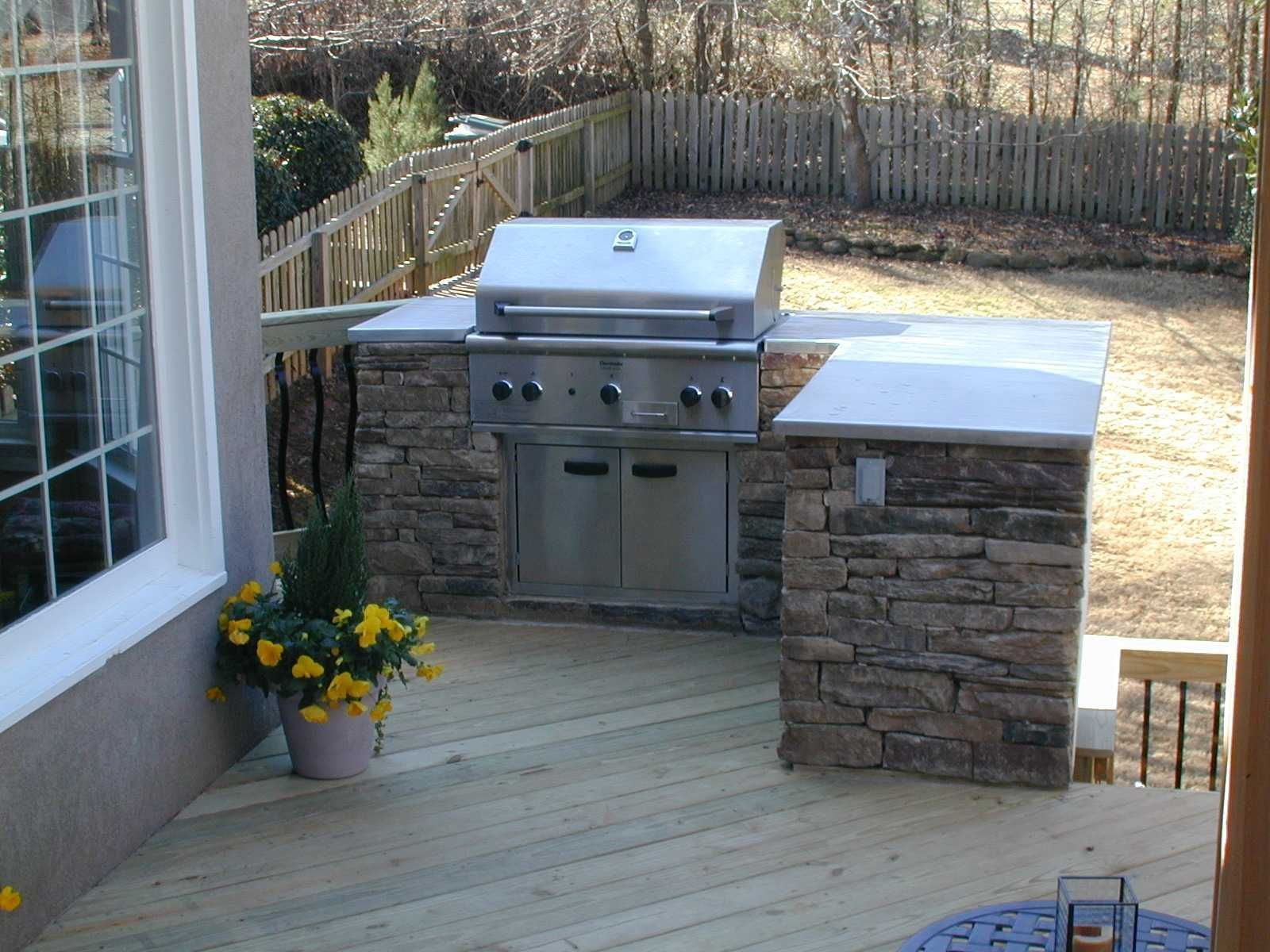
[sps_html tag=”img” src=”https://cdn.northcarolinafinearchitecture.com/2026/06/small-backyard-grill-patio-ideas-at-esteban-roder-blog-regarding-small-space-big-flavor-creative-outdoor-grill-ideas-for-tight-patios.jpg” alt=”Small Backyard Grill Patio Ideas At Esteban Roder Blog regarding Small Space Big Flavor Creative Outdoor Grill Ideas for Tight Patios” style=”width: 100%; height: auto;”]
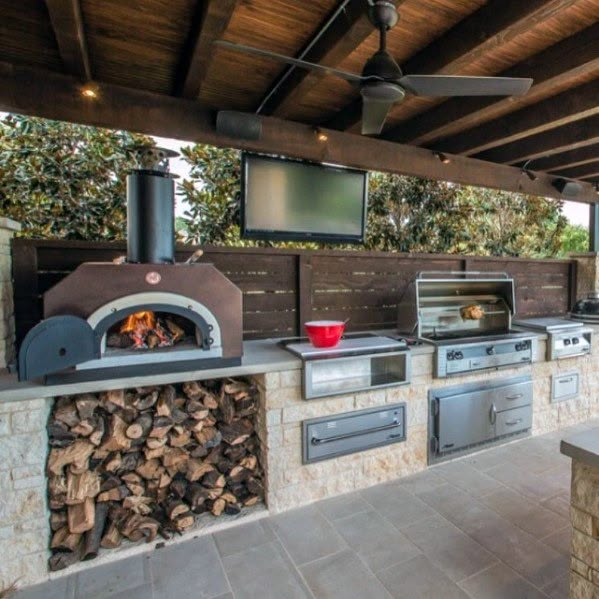
[sps_html tag=”img” src=”https://cdn.northcarolinafinearchitecture.com/2026/06/built-in-grill-ideas-for-your-outdoor-kitchen-space-kitchen-design-pertaining-to-small-space-big-flavor-creative-outdoor-grill-ideas-for-tight-patios.jpg” alt=”Built-In Grill Ideas For Your Outdoor Kitchen Space | Kitchen Design … pertaining to Small Space Big Flavor Creative Outdoor Grill Ideas for Tight Patios” style=”width: 100%; height: auto;”]
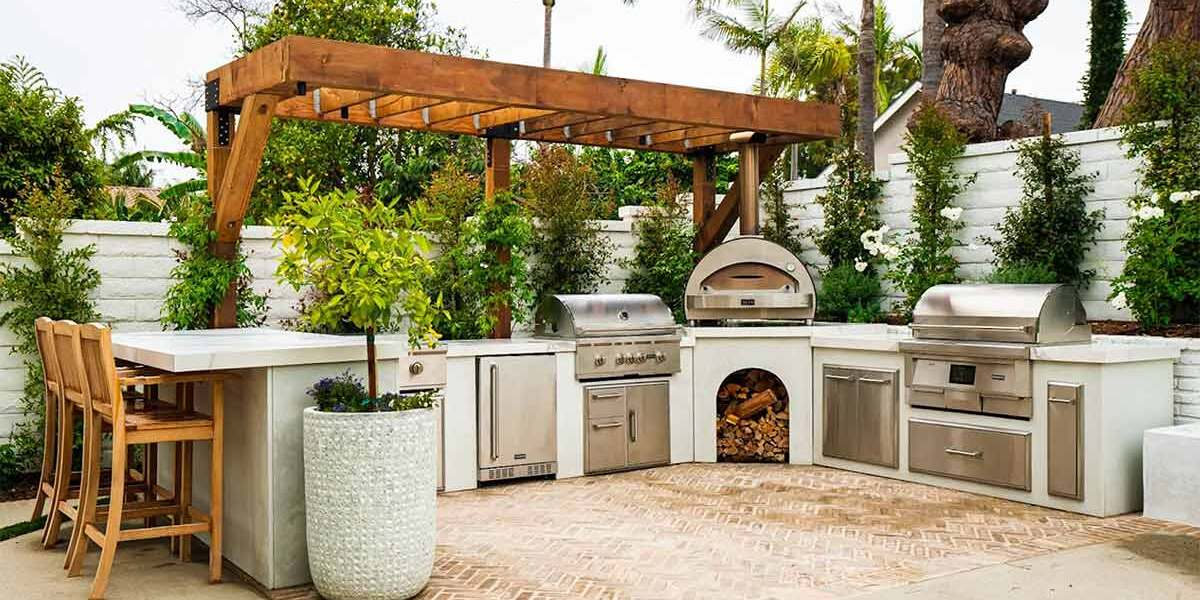
[sps_html tag=”img” src=”https://cdn.northcarolinafinearchitecture.com/2026/06/the-best-backyard-grill-ideas-for-outdoor-kitchens-organize-with-sandy-within-outdoor-grill-design.jpeg” alt=”The Best Backyard Grill Ideas For Outdoor Kitchens - Organize With Sandy within Outdoor Grill Design” style=”width: 100%; height: auto;”]
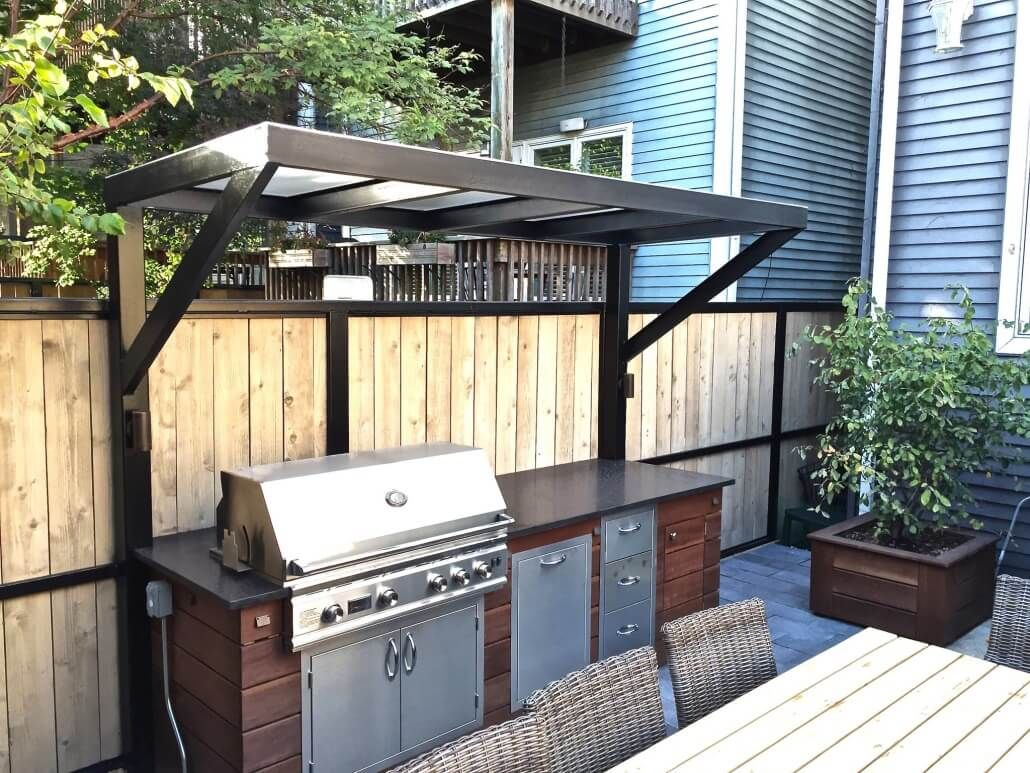
[sps_html tag=”img” src=”https://cdn.northcarolinafinearchitecture.com/2026/06/patio-with-a-fireplace-and-a-gas-grill-in-chicago-backyard-kitchen-for-small-space-big-flavor-creative-outdoor-grill-ideas-for-tight-patios.jpg” alt=”Patio With A Fireplace And A Gas Grill In Chicago. | Backyard Kitchen … for Small Space Big Flavor Creative Outdoor Grill Ideas for Tight Patios” style=”width: 100%; height: auto;”]
[sps_html tag=”img” src=”https://cdn.northcarolinafinearchitecture.com/2026/06/2024s-outdoor-grill-designs-small-spaces-to-luxury-kitchens-inside-outdoor-grill-design.jpg” alt=”2024'S Outdoor Grill Designs: Small Spaces To Luxury Kitchens inside Outdoor Grill Design” style=”width: 100%; height: auto;”]