We’ve all been there. You buy a couch because it looks amazing in the showroom lighting. It’s soft, it’s trendy, and the price tag didn’t make you cry. But six months later? The cushions are sagging like a tired hammock, the fabric is pilling, and one leg wobbles every time you sit down. It’s frustrating. It feels wasteful. And honestly, it hurts the wallet more in the long run than just buying the good stuff upfront.
In 2026, with supply chains still occasionally hiccuping and sustainability becoming less of a buzzword and more of a necessity, the way we buy furniture is shifting. We aren’t just looking for "fast furniture" anymore. We want pieces that stick around. Pieces that handle the summer humidity, the dry winter heat, the muddy paw prints, and the wine spills. Choosing durable furniture isn’t about spending a fortune; it’s about knowing where to look and what questions to ask. It’s about investing in comfort and joy that doesn’t expire with the seasons.
Know Your Wood: The Skeleton Matters Most
Let’s start with the bones. If you’re buying a table, chair, or bed frame, the wood is everything. Marketing teams love to use vague terms like "engineered wood" or "composite materials." Sounds fancy, right? Usually, it means particleboard or MDF (medium-density fiberboard). These materials are fine for a temporary desk or a bookshelf that holds nothing but air, but they don’t hold up to real life. They swell when it’s humid and crack when it’s dry. Once they break, they’re basically trash.
You want solid hardwoods. Think oak, maple, cherry, or walnut. These woods are dense and tough. They can take a beating and still look good after a little sanding and oiling. When you’re shopping, lift the piece. Solid wood is heavy. If a dining chair feels light as a feather, it’s probably hollow or made of cheaper materials. Also, check the grain. If the pattern repeats perfectly every few inches, it’s likely a veneer over something lesser. Real wood has imperfections. It has character. Those knots and slight color variations? That’s proof of quality, not a defect.
Don’t sleep on joinery either. This is how the pieces connect. Avoid staples, nails, or just glue. Look for dovetail joints in drawers—they look like interlocking fingers and are incredibly strong. For frames, look for mortise-and-tenon joints or double-doweled connections. These methods allow the wood to expand and contract with the seasons without snapping apart. It’s a small detail, but it’s the difference between a heirloom and a landfill donation.
Fabric Science: Surviving Spills and Sunlight
Upholstery is where most people go wrong. They pick a color they love without thinking about how it will age. In 2026, textile technology has come a long way, but the basics remain the same. You need to look at two things: the rub count and the fiber content. The rub count, or double rubs, tells you how much friction the fabric can take before it wears out. For a chair you sit in every day, you want at least 15,000 double rubs. For a family sofa that sees movie nights and nap times, aim for 30,000 or higher.
Natural fibers like cotton and linen feel great, but they stain easily and can fade in direct sunlight. Synthetics like polyester and nylon are tougher and resist fading better, but they can feel plasticky if they’re low quality. The sweet spot? Performance fabrics. Brands have developed woven synthetics that feel like natural fibers but repel liquids and resist stains. Some even use recycled materials, which is a huge plus for the eco-conscious shopper. Always ask for a swatch. Take it home. Put it near your window. See how the light hits it. Spill a drop of water on it. Does it bead up or soak in immediately?
Also, consider the weave. Tight weaves like twill or canvas are more durable than loose weaves like chenille. Loose weaves catch claws and snag on jewelry. If you have pets, this is non-negotiable. Microfiber is another old reliable—it’s tight, soft, and easy to clean. Just remember, no fabric is invincible. But choosing the right one means you spend less time cleaning and more time living.
The Cushion Test: Comfort That Doesn’t Quit
A beautiful frame means nothing if the seat feels like a rock or a marshmallow. Cushions are complex. They have layers. The core is usually foam, wrapped in batting or down. High-resilience (HR) foam is the gold standard here. It bounces back. Cheap foam compresses and stays compressed, leaving you sitting on the wooden frame within a year. Ask about the density of the foam. You want a density of at least 1.8 pounds per cubic foot for seating. Anything lower is junk.
Down and feather wraps add that luxurious, sink-in feeling, but they require maintenance. You’ll need to fluff them regularly, or they’ll look flat and sad. A mix of down and synthetic fibers often offers the best balance of comfort and structure. It’s softer than pure foam but holds its shape better than pure down. If you’re testing a sofa in the store, don’t just sit on it gently. Sit down hard. Shift your weight. Does it support you? Does it feel like it will spring back when you get up?
Pay attention to the cushion construction too. Are the cushions reversible? Can you unzip the covers? Being able to rotate and flip cushions extends their life significantly. It distributes the wear evenly. If the cushions are sewn into the frame, walk away. You can’t clean them properly, and you can’t fix them when they sag. Flexibility is key to longevity.
Construction Secrets: What’s Hidden Inside
Most of us never look under the skirt or behind the back panel of a sofa. That’s a mistake. The hidden details tell the true story of quality. Flip a chair over. Is the bottom covered with a nice fabric, or is it raw, splintery wood? A finished bottom shows care. Check the legs. Are they part of the frame, or are they screwed on? Screwed-on legs can loosen over time. Integrated legs are stronger. If they are attached, look for corner blocks—triangular pieces of wood glued and screwed into the corners of the frame. These reinforce the structure and prevent wobbling.
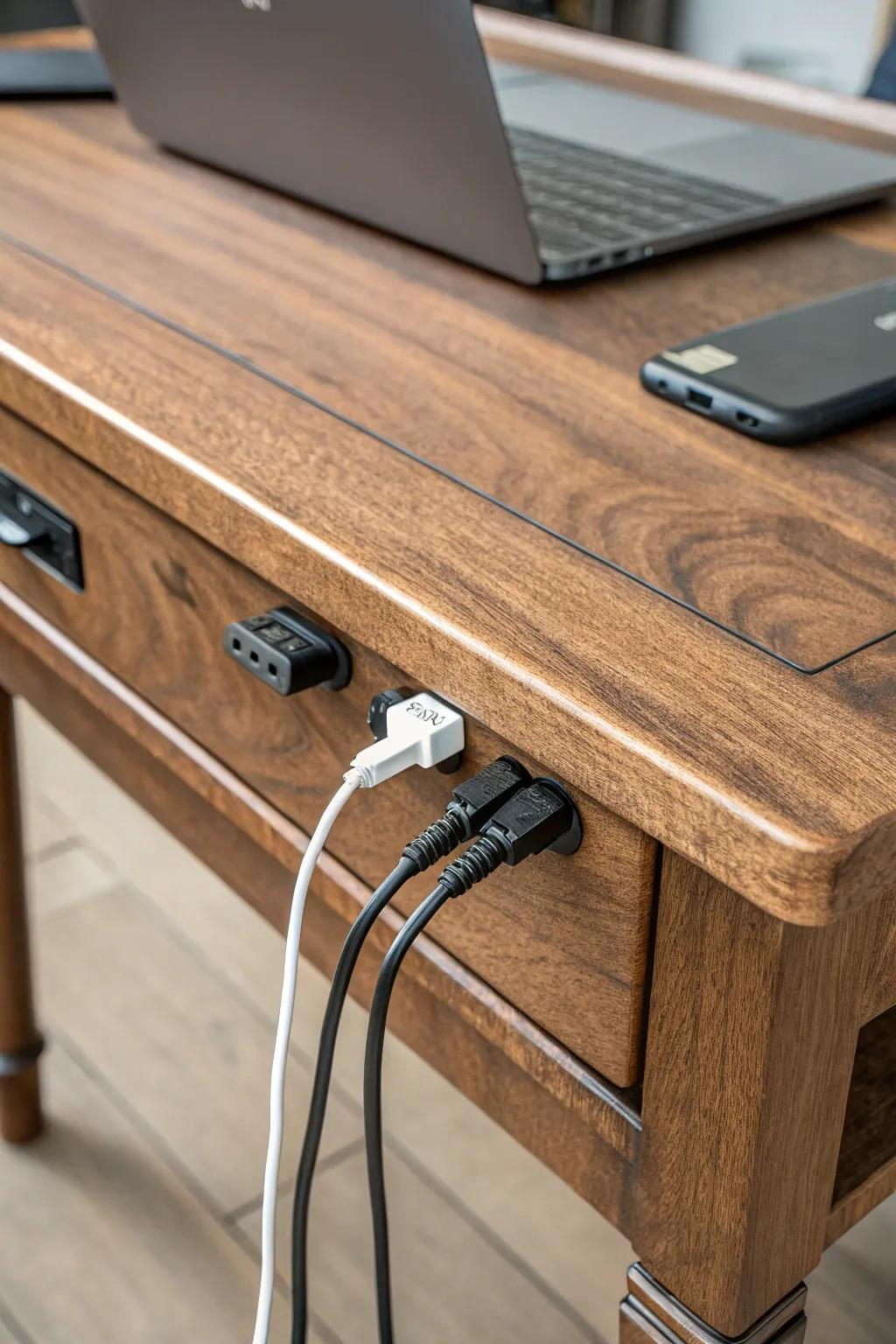
For tables and desks, check the underside. Is it smooth? Are there rough edges that could snag clothes? Look at the drawer slides. Do they glide smoothly? Metal glides with ball bearings are far superior to wooden tracks, which can warp and stick. Full-extension slides let you access the back of the drawer, which is a practical feature that also indicates higher quality hardware.
Don’t ignore the back of the piece either. It should be finished, not just raw plywood. If it’s upholstered, the fabric should be taut and neatly stapled. Sloppy workmanship on the back usually means sloppy workmanship on the inside. Take a flashlight if you have to. Peek behind the cushions. Look for consistency. Quality is consistent. Cheap furniture cuts corners where you can’t see them, hoping you won’t notice until it’s too late.
Seasonal Smarts: Adapting to Your Environment
Furniture lives in a dynamic environment. Humidity, temperature, and sunlight change with the seasons, and your furniture needs to cope. In humid summers, wood expands. In dry winters, it contracts. This movement can cause cracks or joint failures if the piece isn’t built to handle it. This is why acclimatization matters. When you bring a new piece home, let it sit in the room for a few days before assembling or using it heavily. Let it adjust to the temperature and humidity of your space.
Sunlight is a silent killer of furniture. UV rays fade fabrics and dry out wood, causing it to brittle. If you have large windows, consider UV-filtering window film or heavy curtains during the brightest parts of the day. Rotate your rugs and move your chairs occasionally so one side doesn’t get all the sun exposure. For wood pieces, use coasters and placemats consistently. Heat rings and water marks are hard to remove and often permanent.
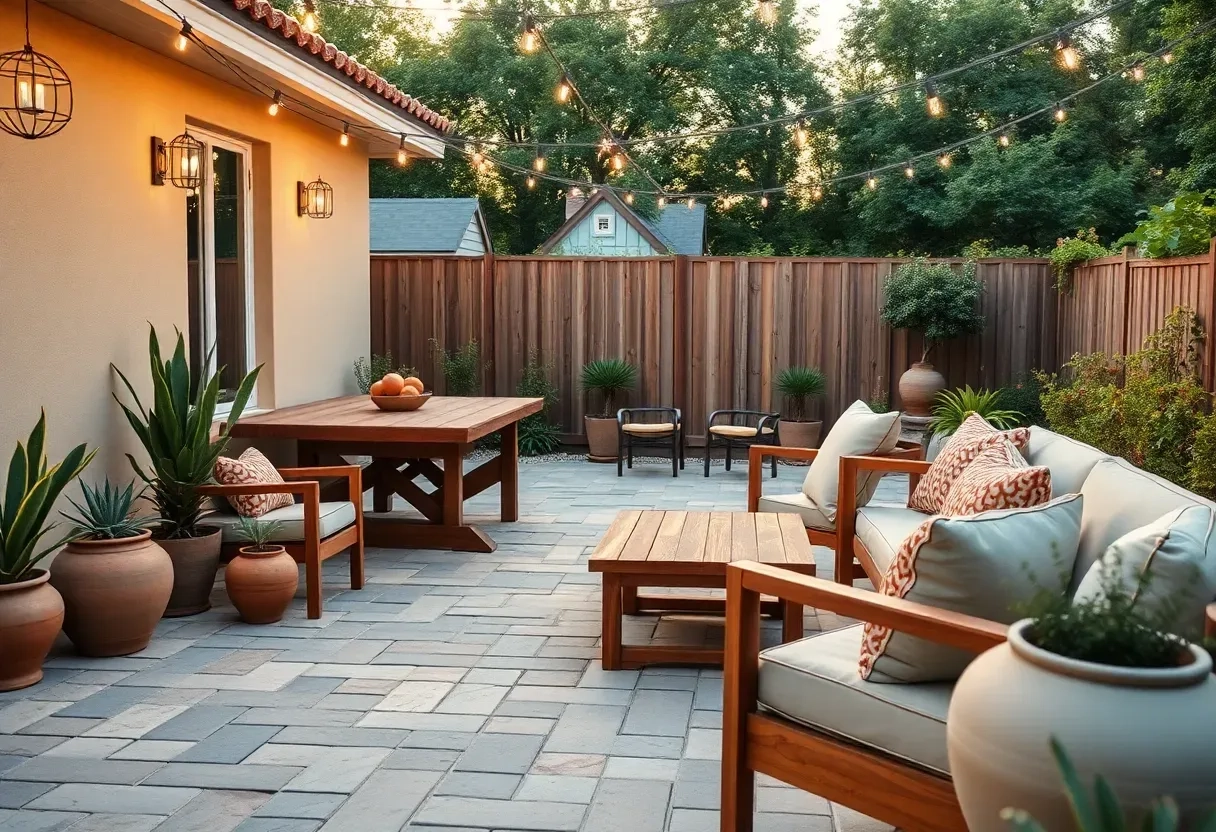
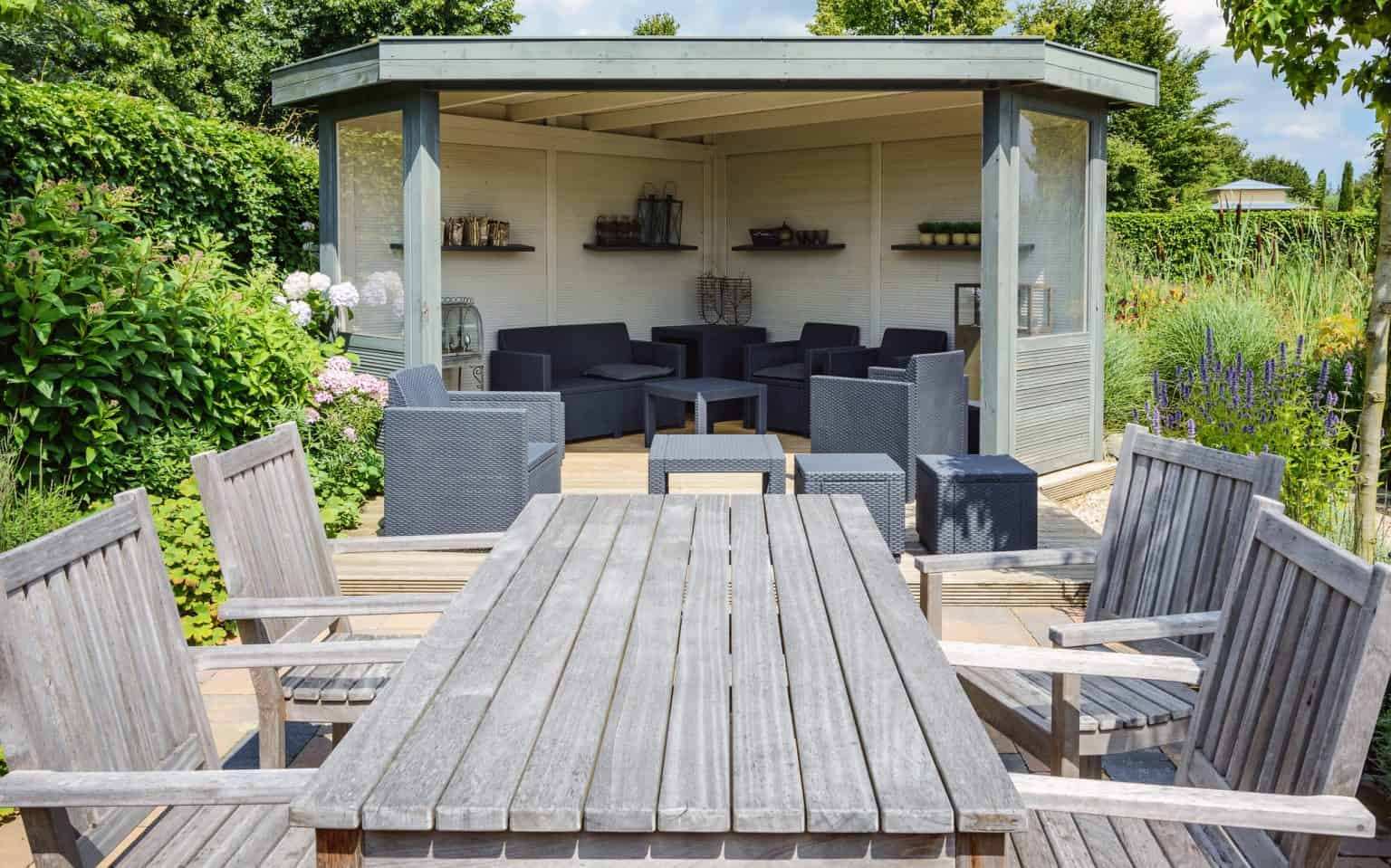
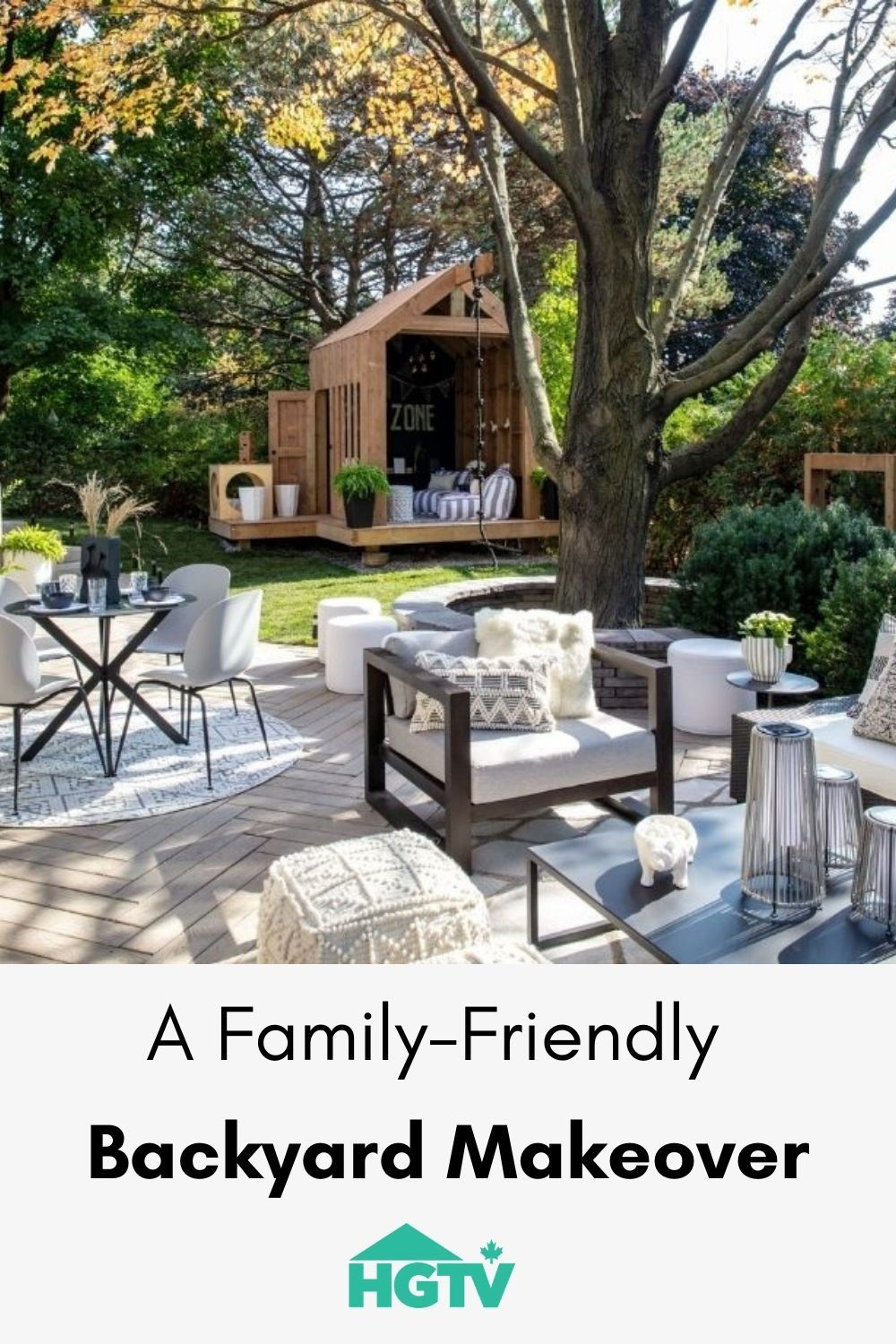
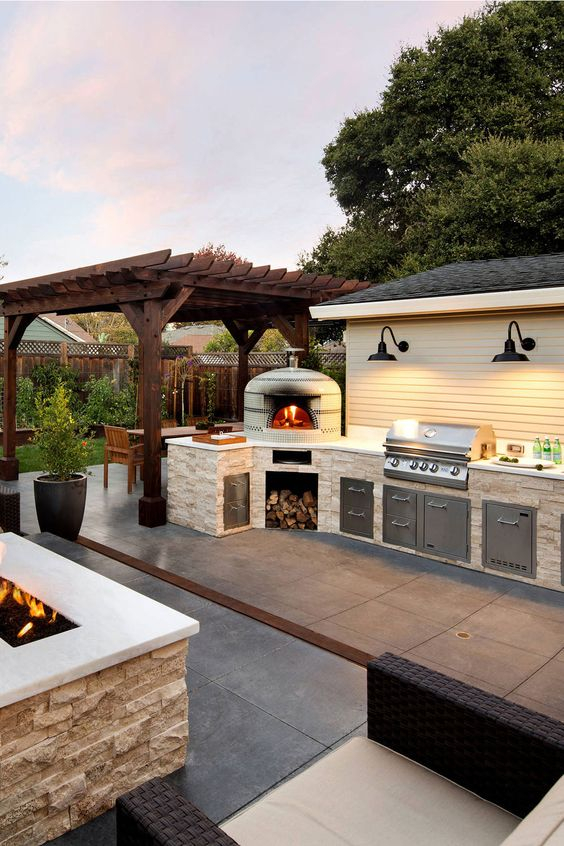
Outdoor furniture faces even harsher conditions. If you’re buying for a patio, look for materials like teak, aluminum, or all-weather wicker. Teak contains natural oils that repel water and insects. Aluminum doesn’t rust. Avoid cheap plastic resins that become brittle and crack in freezing temperatures. And always, always cover your outdoor pieces when they’re not in use, especially during storm season. A good cover is the cheapest insurance policy you can buy for your patio set.
Here’s the thing about durable furniture: it costs more upfront. There’s no getting around that. But we need to shift our mindset from "price tag" to "cost per use." A $500 sofa that lasts two years costs you $250 a year. A $2,000 sofa that lasts twenty years costs you $100 a year. Plus, the $2,000 sofa probably looks better, feels better, and doesn’t end up in a landfill. It’s an investment in your daily comfort.
Think about the pieces you use most. Your bed, your sofa, your dining chair. These are high-traffic items. Splurge here. Save on the accent chair in the corner or the side table that only holds a lamp. Prioritize quality where it touches your body every day. In 2026, many brands offer repair services or replacement parts. Buy from companies that stand behind their products. A warranty isn’t just a piece of paper; it’s a promise that the manufacturer believes in their build quality.
Finally, buy what you love. Trends come and go. Fast fashion furniture tries to keep up with fleeting styles, resulting in pieces that look dated in a year. Classic designs with clean lines and neutral tones tend to age better. You can always change the look with pillows, throws, and art. But the foundation should be timeless. When you love a piece, you take care of it. You wipe it down. You tighten the screws. You treat it well. And that care, combined with good construction, is what makes furniture last through every season, year after year.
Choosing durable furniture is a act of patience and observation. It requires slowing down in a world that wants us to buy quickly and discard easily. But the reward is a home that feels stable, comfortable, and truly yours. It’s a space that grows with you, bearing the marks of your life not as damage, but as history. So next time you’re shopping, look closer. Ask questions. Touch the materials. Your future self will thank you for it.
[sps_html tag=”img” src=”https://cdn.northcarolinafinearchitecture.com/2026/06/backyard-ideas-to-turn-your-outdoor-space-into-a-staycation-paradise-in-outdoor-lounge-design.jpg” alt=”Backyard Ideas To Turn Your Outdoor Space Into A Staycation Paradise … in Outdoor Lounge Design” style=”width: 100%; height: auto;”]
[sps_html tag=”img” src=”https://cdn.northcarolinafinearchitecture.com/2026/06/10-backyard-hangout-ideas-to-liven-up-your-outdoor-space-for-outdoor-lounge-design.webp” alt=”10 Backyard Hangout Ideas To Liven Up Your Outdoor Space for Outdoor Lounge Design” style=”width: 100%; height: auto;”]
[sps_html tag=”img” src=”https://cdn.northcarolinafinearchitecture.com/2026/06/outdoor-decor-backyard-ideas-that-turn-any-yard-into-a-cozy-escape-you-with-outdoor-lounge-design.jpg” alt=”Outdoor Decor Backyard Ideas That Turn Any Yard Into A Cozy Escape You … with Outdoor Lounge Design” style=”width: 100%; height: auto;”]
[sps_html tag=”img” src=”https://cdn.northcarolinafinearchitecture.com/2026/06/17-ways-to-turn-your-backyard-into-a-summer-hangout-spot-for-practical-tips-for-turning-any-yard-into-your-favorite-weekend-hangout.jpg” alt=”17 Ways To Turn Your Backyard Into A Summer Hangout Spot for Practical Tips for Turning Any Yard Into Your Favorite Weekend Hangout” style=”width: 100%; height: auto;”]
[sps_html tag=”img” src=”https://cdn.northcarolinafinearchitecture.com/2026/06/21-backyard-patio-designs-that-turn-any-yard-into-a-retreat-in-practical-tips-for-turning-any-yard-into-your-favorite-weekend-hangout.webp” alt=”21 Backyard Patio Designs That Turn Any Yard Into A Retreat in Practical Tips for Turning Any Yard Into Your Favorite Weekend Hangout” style=”width: 100%; height: auto;”]