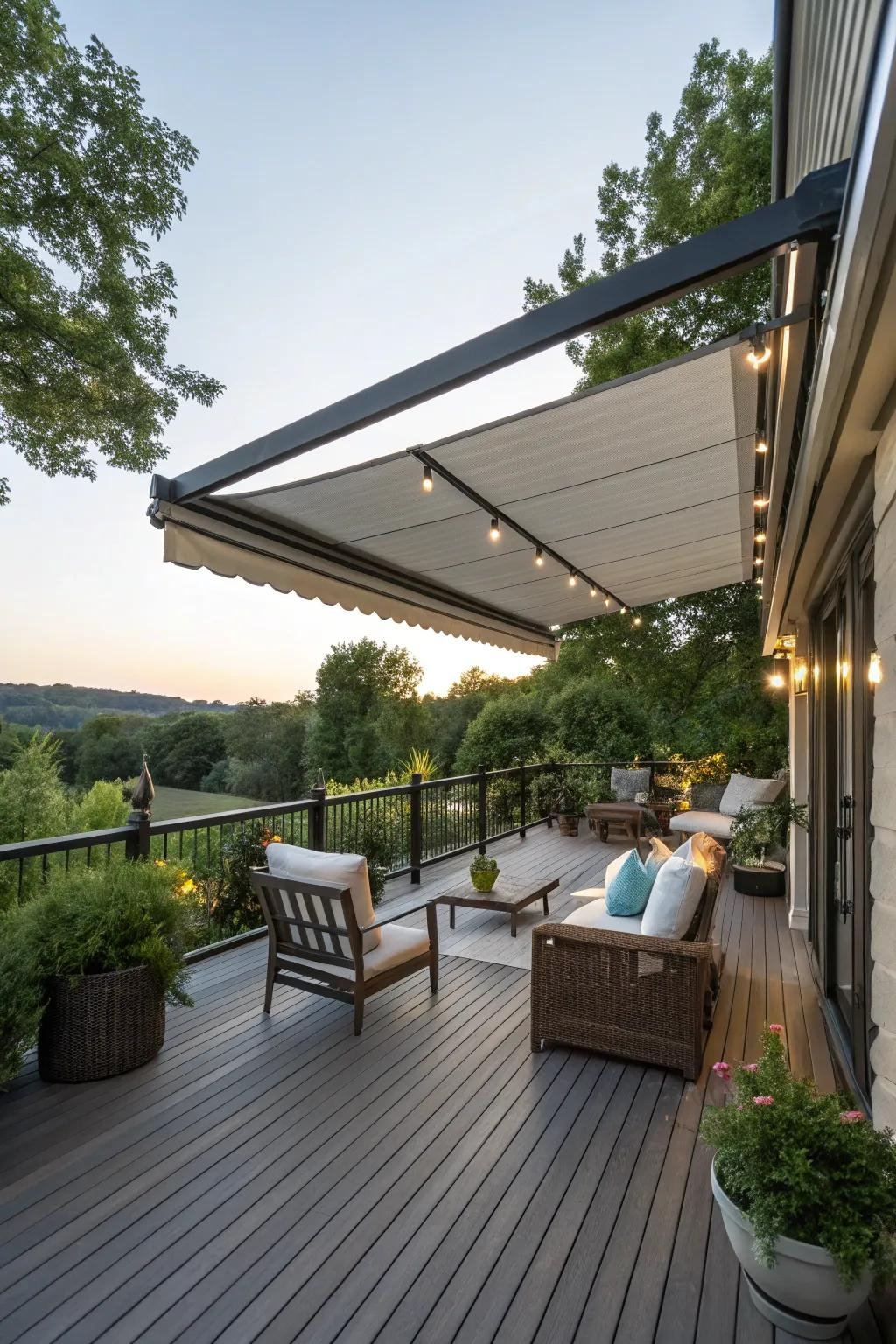
It’s getting hot out there. Really hot. If you’ve stepped into your backyard lately, you’ve probably felt that wall of heat hitting you the moment you open the door. We all want a place to sit, to breathe, to escape the glare. For years, the quick fix was a polyester umbrella or a vinyl awning stretched tight over a metal frame. It worked, sure. But in 2026, the conversation has shifted. We aren’t just looking for shade anymore. We’re looking for life.
Think about it. A fabric canopy blocks the sun, but it doesn’t do much else. It sits there, static and silent. A living canopy? That’s different. It breathes. It changes with the seasons. It drops leaves in autumn to let the winter light in, then bursts into green glory when the summer heat returns. It’s not just a roof; it’s a participant in your garden’s ecosystem. And honestly, that’s exactly what we need right now.
The trend isn’t just about aesthetics, though a lush, leafy ceiling is undeniably beautiful. It’s about resilience. As climate patterns become more unpredictable, gardeners are realizing that working with nature is far more effective than trying to block it out with synthetic barriers. This shift toward regenerative practices means our gardens are becoming active tools for cooling our homes and supporting local wildlife, rather than just passive spaces we look at.
The Cooling Power of Photosynthesis
Let’s talk science, but keep it simple. You know how asphalt gets scorching hot in July? That’s because it absorbs heat. Synthetic canopies, even the "eco-friendly" ones made from recycled plastics, still trap heat underneath them. They create a stagnant pocket of warm air. A living canopy does the opposite. Through a process called evapotranspiration, plants release water vapor from their leaves. This acts like natural air conditioning, lowering the ambient temperature around your home by several degrees.
In 2026, energy costs are still a concern for most households. By planting deciduous trees or vigorous vines on the south and west sides of your house, you’re essentially installing a free cooling system. Studies have shown that well-placed vegetation can reduce indoor cooling costs significantly. But it’s not just about saving money on the electric bill. It’s about comfort. Sitting under a grapevine or a maple tree feels different than sitting under a tent. The air is fresher. It moves. It smells like earth and chlorophyll, not heated plastic.
Consider the microclimate you create. A dense layer of leaves breaks the wind, reduces dust, and increases humidity just enough to make dry summers bearable. It’s a subtle shift, but your body notices it. You feel calmer. The harshness of the direct sun is filtered into a dappled, gentle light that’s easier on the eyes and better for your skin. This isn’t just shade; it’s a therapeutic environment crafted by biology.
Regenerating Soil and Supporting Biodiversity
One of the biggest shifts in gardening this year is the move away from depletion and toward regeneration. Traditional landscaping often treats soil as dirt—just a place to stick roots. But a living canopy changes the game underground too. When leaves fall, they decompose. This leaf litter feeds the soil, adding organic matter and encouraging microbial life. It’s a closed loop. You don’t need to buy bags of mulch or fertilizer if you let the tree do the work.
This focus on soil health is central to the regenerative garden practices gaining traction in 2026. Healthy soil holds more water, which means less irrigation for you. It also sequesters carbon, turning your garden into a small but meaningful carbon sink. Every leaf that grows and falls is part of this cycle. Compare that to a metal pole stuck in the ground, which does nothing for the earth beneath it. In fact, installing hardscapes often compacts soil and kills the very life we’re trying to nurture.
Then there’s the wildlife aspect. A synthetic awning is a dead zone for bugs and birds. A living canopy is a bustling highway. Bees pollinate the flowers. Birds nest in the branches. Beneficial insects hunt pests on the leaves. By choosing plants native to your region, you’re providing habitat for species that are struggling elsewhere. It’s a small act of stewardship. You’re not just gardening for yourself; you’re gardening for the neighborhood ecosystem. It feels good to know your shade structure is helping a pair of wrens raise their young.
Long-Term Value vs. Short-Term Convenience
We live in a world of instant gratification. Buying a pop-up canopy is easy. You order it online, it arrives in two days, and you’re shaded by afternoon. But what happens in three years? The fabric fades. The seams rip. The metal rusts. Then you have to buy another one. And another. It’s a cycle of consumption that ends up in landfills. Living canopies require patience, yes. You can’t plant a seed and sit under it the same day. But the payoff is permanent.
Investing in a living canopy is an investment in property value. Mature trees and established vine structures are seen as assets. They add curb appeal and character that a temporary tent never could. Real estate trends in 2026 show that buyers are increasingly looking for sustainable, low-maintenance landscapes. A garden that cools itself and supports biodiversity is a selling point. It shows that the home is integrated with its environment, not fighting against it.
Think about the maintenance, too. Sure, you have to prune. You have to water while the plants are establishing. But once a tree or vine is mature, it largely takes care of itself. It doesn’t need to be taken down before a storm. It doesn’t need to be cleaned with chemical sprays. It just grows. There’s a profound peace in that reliability. You’re building something that lasts decades, maybe even centuries. That’s a legacy.
Smart Integration with Modern Garden Tech
Don’t get it twisted—going natural doesn’t mean going backward. In 2026, smart gardening is huge. But instead of using tech to control nature, we’re using it to understand it. Soil sensors can tell you exactly when your canopy plants need water, preventing waste. Automated drip irrigation systems ensure that deep-rooted trees get moisture where they need it most, without spraying water on non-target areas. This precision makes maintaining a living canopy easier than ever before.
Some gardeners are even integrating solar-powered lighting into their living structures. Imagine string lights woven through the branches of a wisteria, powered by the sun during the day. It’s a blend of the organic and the digital that enhances the experience without compromising sustainability. The key is using technology to support the plant’s health, not to replace it. We’re seeing more apps that help identify pest issues early, allowing for organic interventions before a problem spreads.
This synergy allows us to manage larger, more complex canopy systems in smaller spaces. Vertical gardens on trellises, espaliered fruit trees against walls, and pergolas covered in fast-growing annuals like hops or beans are all part of this modern approach. You don’t need an acre to have a canopy. You just need a smart plan. The tools available today make it accessible for anyone, whether you have a sprawling backyard or a tiny urban patio.
Choosing the Right Plants for Your Space
So, how do you start? It depends on where you live and what you need. If you want quick shade, annual vines like morning glories or hyacinth beans can cover a trellis in a single season. They’re perfect for renters or those who like to change things up. For a long-term solution, look at deciduous trees. Maples, oaks, and dogwoods provide excellent summer shade and let sunlight through in winter when you want warmth. Native species are always the best bet because they’re adapted to your local climate and pests.
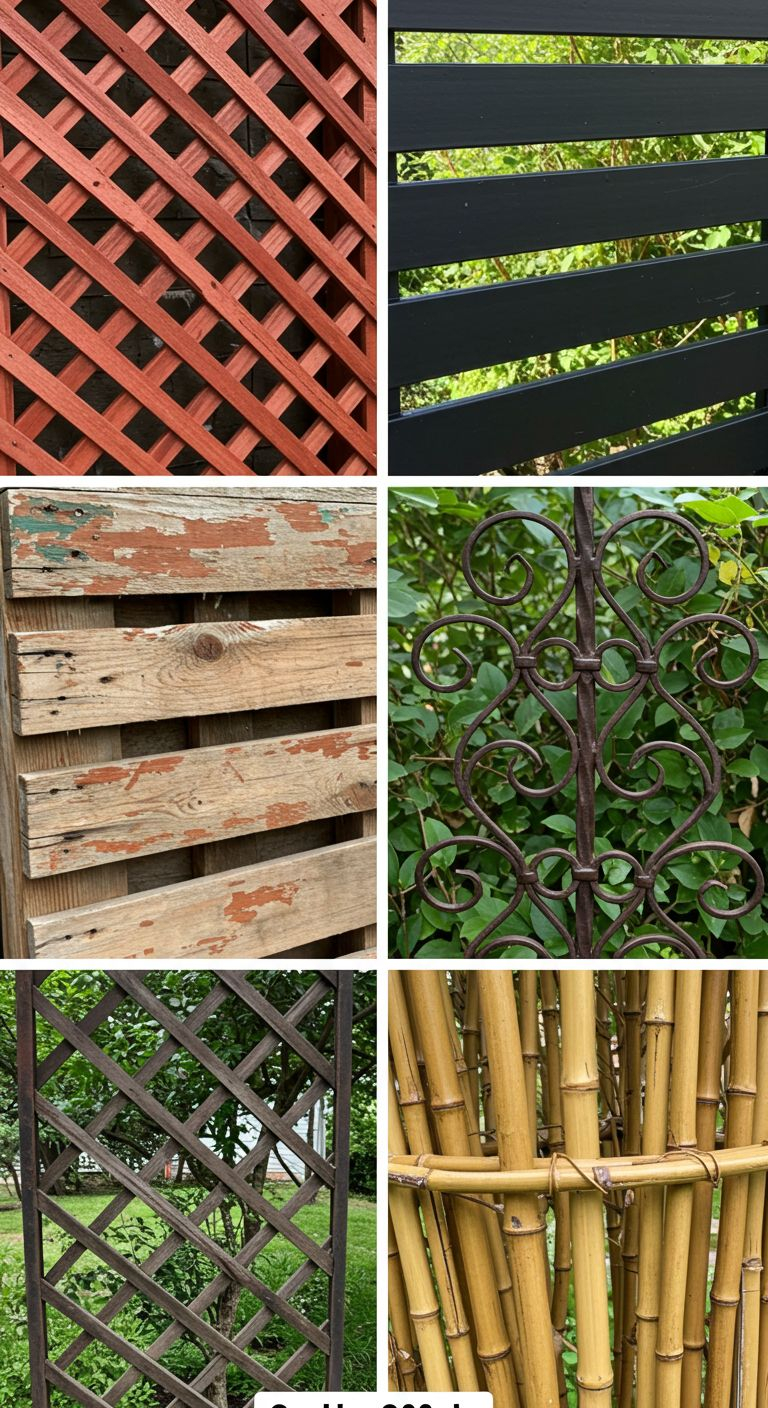
For smaller spaces, consider fruit-bearing vines. Grapes, kiwis, and passionflowers offer shade and a harvest. It’s a double win. You get a cool place to sit and fresh food to eat. Just make sure the structure you build is strong enough to hold the weight. A living canopy gets heavy, especially when wet. Using sustainable materials like untreated cedar or reclaimed wood for your trellises and pergolas keeps the whole project eco-friendly.
Don’t forget about the understory. A canopy isn’t just the top layer. Planting shrubs and perennials beneath your trees creates a layered effect that maximizes cooling and biodiversity. Ferns, hostas, and native grasses thrive in the dappled light. This layering mimics natural forests, creating a resilient system that suppresses weeds and retains moisture. It’s about thinking in three dimensions, not just two.
There’s a fear that trees are messy. Leaves in the gutters, branches on the roof. It’s a valid concern, but it’s manageable. Regular pruning keeps trees healthy and contained. Choosing the right species matters too. Some trees drop large, sticky fruits or have invasive roots. Do your research. Consult with local arborists or nursery experts who know what works in your specific area. In 2026, there’s a wealth of online resources and community groups dedicated to sharing this knowledge.
Another myth is that living canopies take too long. While a oak tree might take twenty years to reach full size, you can accelerate the process. Start with container-grown specimens that are already a few feet tall. Use fast-growing pioneer species to provide immediate cover while slower, longer-lived trees establish themselves. You can also mix annuals and perennials to fill gaps. Patience is a virtue, but strategy speeds things up.
Pests are another worry. People think natural means buggy. But a diverse ecosystem balances itself. If you have birds and beneficial insects, they’ll handle the aphids and caterpillars. Avoid broad-spectrum pesticides, which kill the good guys too. Focus on plant health. A stressed plant attracts pests. A healthy plant resists them. It’s about prevention, not reaction. And honestly, a few holes in leaves are a sign of life, not failure. Embrace the imperfection.
As we move further into 2026, the choice becomes clearer. We can continue to cover our outdoor spaces with synthetic materials that contribute to waste and heat islands. Or we can choose to grow our shade. Living plant canopies offer a path forward that is cooler, cleaner, and more connected to the natural world. They ask for a bit more thought upfront, but they give back so much more in return.
It’s not just about having a place to sit. It’s about creating a space that heals. For the soil, for the air, for the wildlife, and for us. There’s a quiet joy in watching the leaves unfurl in spring, knowing they’ll protect you from the summer sun. It’s a partnership. And in a world that often feels chaotic and disconnected, that partnership feels like home. So grab a shovel. Plant a tree. Let it grow.
[sps_html tag=”img” src=”https://cdn.northcarolinafinearchitecture.com/2026/05/the-benefits-of-installing-a-retractable-patio-awning-pcunw-for-what-to-know-before-installing-a-retractable-awning-on-your-deck.jpeg” alt=”The Benefits Of Installing A Retractable Patio Awning - Pcunw for What to Know Before Installing a Retractable Awning on Your Deck” style=”width: 100%; height: auto;”]
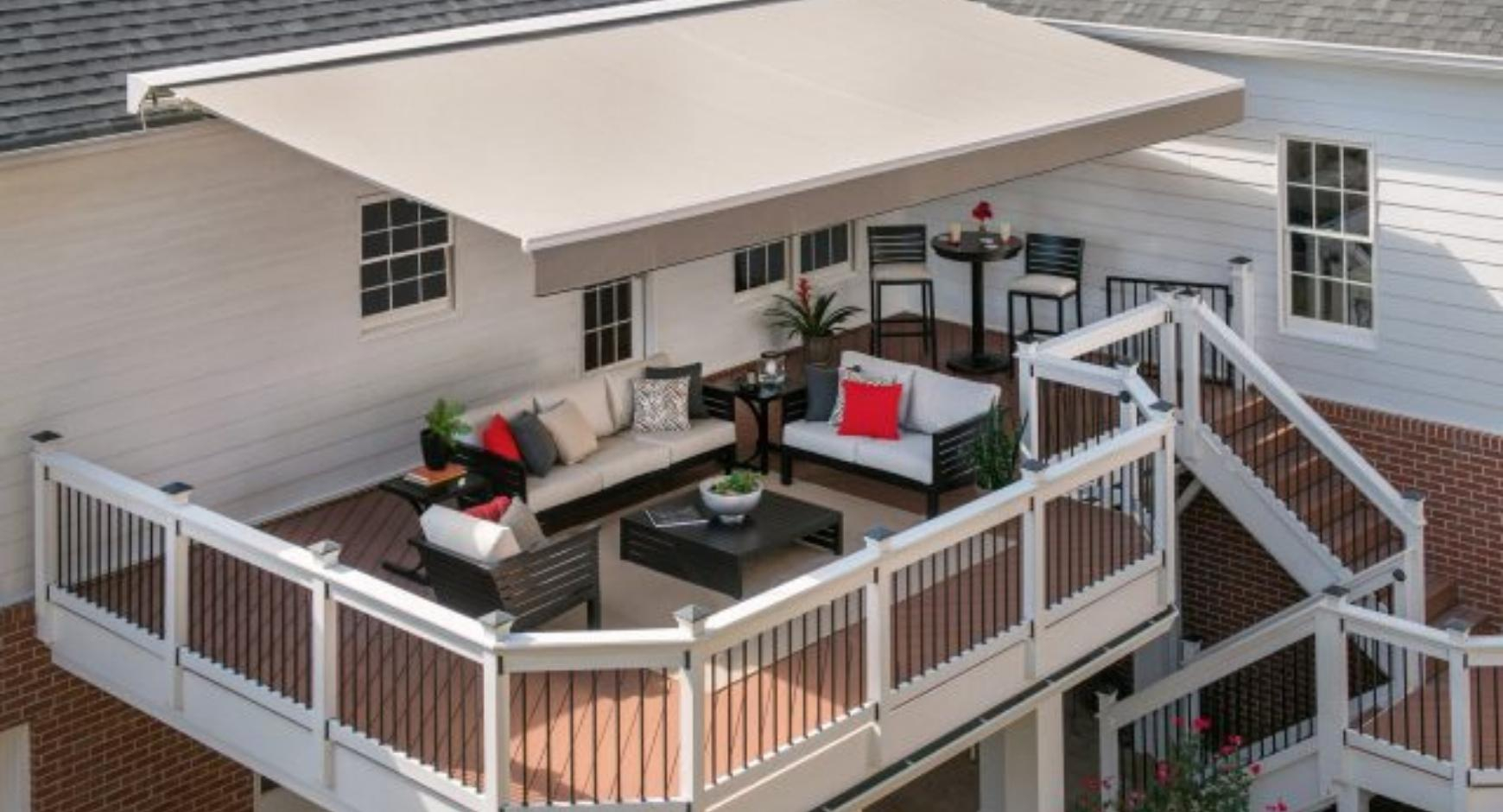
[sps_html tag=”img” src=”https://cdn.northcarolinafinearchitecture.com/2026/05/13-inspiring-cool-decking-ideas-for-your-home-intended-for-outdoor-canopy-design.jpg” alt=”13+ Inspiring Cool Decking Ideas For Your Home intended for Outdoor Canopy Design” style=”width: 100%; height: auto;”]
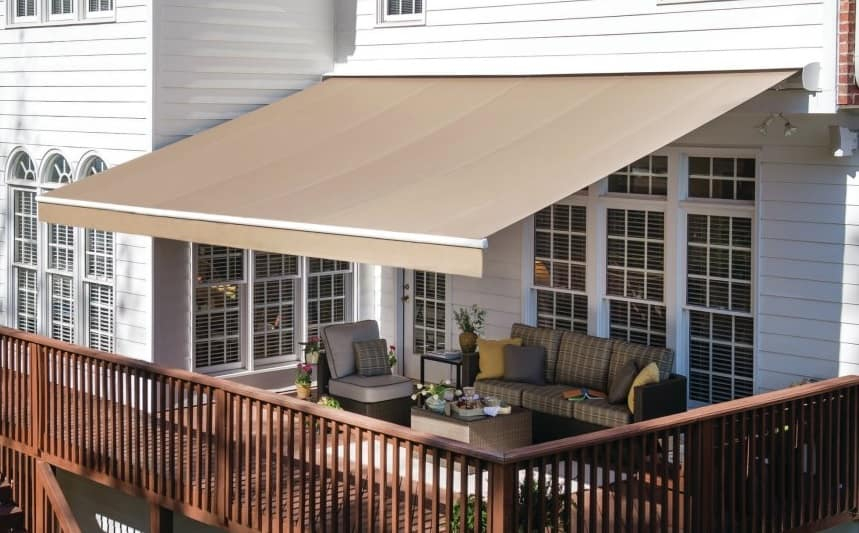
[sps_html tag=”img” src=”https://cdn.northcarolinafinearchitecture.com/2026/05/what-you-need-to-know-before-purchase-a-retractable-awning-within-outdoor-canopy-design.jpg” alt=”What You Need To Know Before Purchase A Retractable Awning within Outdoor Canopy Design” style=”width: 100%; height: auto;”]
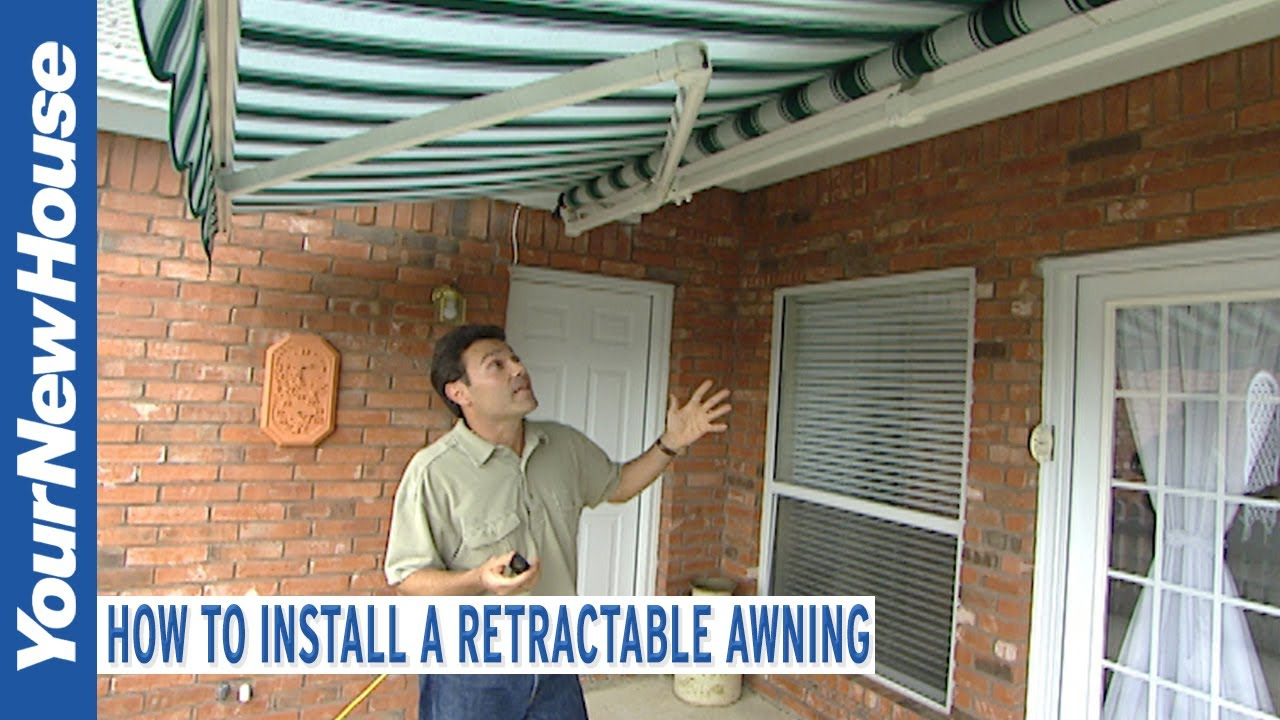
[sps_html tag=”img” src=”https://cdn.northcarolinafinearchitecture.com/2026/05/how-to-install-a-retractable-awning-fix-it-up-youtube-pertaining-to-outdoor-canopy-design.jpg” alt=”How To Install A Retractable Awning - Fix It Up - Youtube pertaining to Outdoor Canopy Design” style=”width: 100%; height: auto;”]
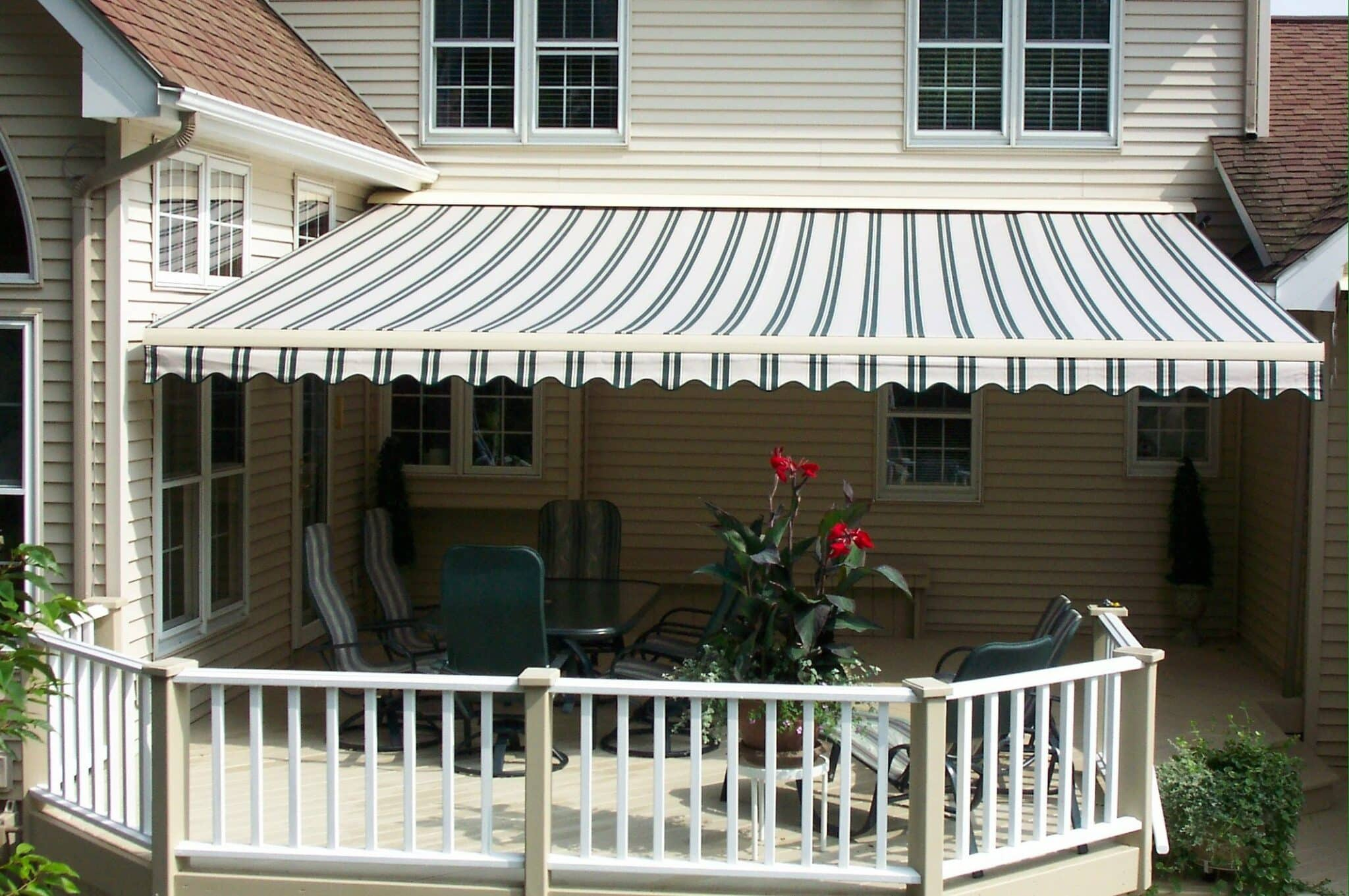
[sps_html tag=”img” src=”https://cdn.northcarolinafinearchitecture.com/2026/05/a-complete-guide-to-finding-the-best-retractable-awnings-throughout-outdoor-canopy-design.jpg” alt=”A Complete Guide To Finding The Best Retractable Awnings throughout Outdoor Canopy Design” style=”width: 100%; height: auto;”]