It’s a quiet Tuesday afternoon. The sun is beating down on the side of your warehouse. You glance at that red box mounted on the brick wall—the fire extinguisher cabinet. It looks fine. Maybe a little dusty. The paint is slightly faded, sure, but it’s there. It’s supposed to be there. It’s your first line of defense if things go sideways. But here’s the thing nobody talks about until it’s too late: that cabinet might be lying to you.
We tend to think of fire safety equipment as static. You buy it, you mount it, you forget it. But exterior mounted cabinets live in a harsh world. They battle rain, UV rays, freezing temps, and salt air every single day. And while they’re built to protect what’s inside, many of them have design flaws baked right into their blueprints. Flaws that don’t show up during inspection but scream loud and clear when seconds count.
Let’s pull back the curtain. Not to scare you, but to empower you. Because knowing these hidden weaknesses isn’t just about code compliance—it’s about making sure that when smoke fills the air, the tool you need is actually usable.
The Corrosion Trap Nobody Talks About
You’d think a metal box designed for the outdoors would be, well, ready for the outdoors. But look closer at many standard exterior cabinets installed before 2024. See those seams? Those little gaps where the door meets the frame? That’s where moisture loves to hide. It’s not just about rust looking ugly. It’s about mechanism failure.
When water seeps into the hinge points or the latch mechanism, it doesn’t just sit there. It freezes in winter, expanding and cracking the metal. It corrodes the springs in self-closing doors. By the time you notice the door sticking, it’s often too late. The internal components are seized. In an emergency, fumbling with a stuck latch while smoke billows around you isn’t just frustrating—it’s dangerous. Recent guides from industry leaders like Kordfire highlight that corrosion isn’t just surface-level; it compromises the structural integrity of the cabinet itself, potentially causing the door to fall off or jam permanently.
And it’s not just the hinges. The bottom of the cabinet is a classic design oversight. Many older models lack proper drainage holes, or worse, have holes that are positioned incorrectly, allowing wind-driven rain to splash up into the cabinet instead of draining out. This creates a mini swamp at the base, where the extinguisher sits. If the canister’s handle or pressure gauge gets corroded, will it work when you pull the pin? Probably not. It’s a silent sabotage happening inch by inch, year after year.
The UV Degradation Blind Spot
Sunlight is free, abundant, and utterly destructive to plastic and painted surfaces. Yet, so many exterior cabinets use standard polycarbonate windows or non-UV-stabilized gaskets. Over time, that clear window turns yellow, then cloudy, then brittle. By 2026, we’ve seen countless cases where the visibility of the extinguisher inside is completely obscured, not by dirt, but by the material itself breaking down.
NFPA 10 standards emphasize visibility. You need to see the equipment to know it’s there. But if the window is opaque, does it really meet the spirit of the law? Probably not. More importantly, those degraded gaskets lose their seal. Once the seal is broken, you’re back to square one with moisture intrusion. The UV rays also fade the bright red paint and the "Fire Extinguisher" lettering. A faded sign is harder to spot in a panic. It’s a small detail, but in a crisis, cognitive load is high. People look for bright red. If your cabinet looks pinkish-grey, you’ve added precious seconds to the response time.
Some newer models claim UV resistance, but not all are created equal. Cheap alternatives use coatings that peel after two summers. The design flaw here is the assumption that "outdoor rated" means "sun-proof." It doesn’t. Without specific UV-inhibited materials, the cabinet becomes a blind spot in your safety plan. You might think you’re protected, but visually, you’re flying blind.
Accessibility vs. Security: The Locking Dilemma
Here’s a tough question: Should an outdoor fire cabinet be locked? On one hand, you don’t want vandals stealing or tampering with the extinguisher. On the other, you need instant access in an emergency. Many designs try to solve this with simple key locks or break-glass mechanisms. But the design flaw lies in the execution.
Standard key locks often seize up due to the corrosion issues we mentioned earlier. Or, the keys get lost. Break-glass panels? They’re risky outdoors. Glass can shatter from hail, temperature swings, or accidental impact, leaving the extinguisher exposed to the elements and creating a hazard of broken shards. Some cabinets use plastic frangible bars, but these can become brittle in cold weather and snap prematurely, or conversely, become too tough to break quickly in a panic.
The real issue is the balance. A cabinet that’s too secure delays access. One that’s too open invites trouble. Modern best practices suggest using weather-resistant, non-corrosive latches with clear, easy-to-break seals rather than complex locking mechanisms. But many existing installations still rely on outdated lock designs that fail when wet or frozen. It’s a design paradox: protecting the equipment from people can inadvertently protect it from being used when needed most.
Thermal Shock and Internal Condensation
Exterior cabinets experience wild temperature swings. In the summer, the interior can reach 140°F (60°C) or more. In winter, it can drop well below freezing. This thermal cycling creates condensation inside the cabinet, even if it’s "sealed." Warm air holds more moisture. When the sun goes down and the temp drops, that moisture condenses on the cooler metal surfaces and the extinguisher itself.
This constant wet-dry cycle is brutal. It accelerates corrosion on the extinguisher cylinder, especially at the base where water pools. It can also affect the pressure gauge accuracy over time. While extinguishers are built to withstand some environmental stress, storing them in a microclimate that fluctuates wildly shortens their lifespan and reliability. The design flaw? Lack of ventilation or insulation. Most cabinets are just thin metal boxes. They offer no thermal buffer.
In colder climates, this is even worse. If water gets inside and freezes, it can crack the extinguisher’s hose or nozzle. Imagine pulling the trigger and nothing comes out because the line is blocked by ice. It’s a rare but catastrophic failure mode. Better designs incorporate insulated walls or passive ventilation systems to mitigate condensation, but these are still the exception, not the rule, in many standard outdoor units.
Mounting Height and Ergonomic Oversights
Let’s talk about human factors. NFPA guidelines specify mounting heights, usually ensuring the top of the extinguisher is no more than 5 feet above the floor. But exterior mounts often ignore the ground reality. What if the ground is uneven? What if snow piles up against the building in winter?
I’ve seen cabinets mounted at the correct height in July, only to be buried under two feet of snow by January. The design flaw here is the lack of consideration for seasonal environmental changes. If the cabinet is inaccessible due to snow, ice, or overgrown vegetation (which happens more often than you’d think), it’s useless. Furthermore, many exterior cabinets don’t account for the added difficulty of operating them in bad weather. Trying to open a stiff, cold latch while wearing thick gloves in a blizzard is a nightmare.
The handles and latches are often designed for bare hands in mild conditions. They’re too small, too slick, or require too much dexterity. In a high-stress, low-visibility, cold-weather scenario, these small ergonomic failures become major barriers. A good design would feature large, glove-friendly levers and clear markings that are tactile, not just visual. But most standard units skip this, assuming ideal conditions that rarely exist outdoors.
Finally, let’s address the biggest hidden flaw: designs that make maintenance difficult. If you can’t easily inspect the interior, you won’t. Many cabinets have doors that swing open only 90 degrees, making it hard to remove the extinguisher for a thorough check. Others have sharp edges inside that can damage hoses during removal. Some lack clear labels inside indicating the last inspection date or maintenance requirements.
OSHA and NFPA require regular inspections. But if the cabinet design makes those inspections a hassle, they get skipped. Faded labels, as noted in safety guidelines, fail basic requirements. But beyond labels, the physical act of checking the pressure gauge, verifying the pin is intact, and ensuring the hose is uncracked needs to be straightforward. Designs that require tools to open panels or have obscure latch mechanisms discourage regular checks.
This is a cultural and design failure combined. We build boxes that are hard to care for, then wonder why they’re poorly maintained. The solution? Simple, tool-free access. Clear, durable interior labeling. Drainage that’s easy to clear. Until then, we’re relying on hope rather than design. And hope isn’t a safety strategy.
So, what’s the takeaway? Exterior fire cabinets are essential, but they’re not infallible. They have weaknesses. Corrosion, UV damage, locking issues, thermal stress, ergonomic oversights, and maintenance hurdles. These aren’t just minor inconveniences. They’re potential points of failure.
Take a walk around your facility this week. Look at those red boxes. Do the doors open smoothly? Is the glass clear? Is the label legible? Is the base dry? Don’t just glance. Really look. Because the difference between a safe workplace and a tragic one might just come down to a well-designed, well-maintained cabinet. And in 2026, we have the knowledge to do better. Let’s use it.
[sps_html tag=”img” src=”https://cdn.northcarolinafinearchitecture.com/2026/06/unveiling-hidden-design-flaws-the-red-flags-you-shouldnt-overlook-for-outdoor-fire-extinguisher-design.png” alt=”Unveiling Hidden Design Flaws: The Red Flags You Shouldn't Overlook … for Outdoor Fire Extinguisher Design” style=”width: 100%; height: auto;”]
[sps_html tag=”img” src=”https://cdn.northcarolinafinearchitecture.com/2026/06/home-inspections-and-hidden-storage-flaws-when-clutter-becomes-a-with-regard-to-the-hidden-design-flaws-in-exterior-mounted-fire-safety-equipment.webp” alt=”Home Inspections And Hidden Storage Flaws: When Clutter Becomes A … with regard to The Hidden Design Flaws in Exterior Mounted Fire Safety Equipment” style=”width: 100%; height: auto;”]
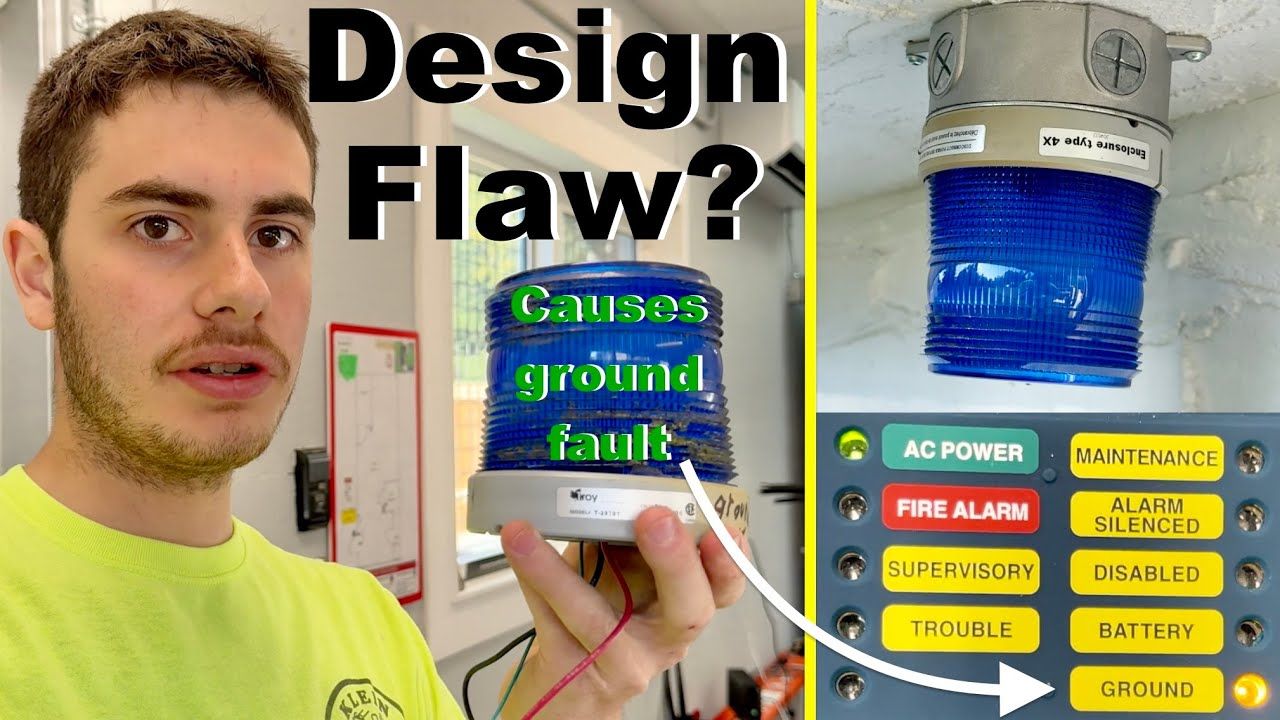
[sps_html tag=”img” src=”https://cdn.northcarolinafinearchitecture.com/2026/06/fire-alarm-blue-strobe-design-flaw-ground-wire-changes-flash-pattern-inside-the-hidden-design-flaws-in-exterior-mounted-fire-safety-equipment.jpg” alt=”Fire Alarm Blue Strobe Design Flaw? Ground Wire Changes Flash Pattern … inside The Hidden Design Flaws in Exterior Mounted Fire Safety Equipment” style=”width: 100%; height: auto;”]
[sps_html tag=”img” src=”https://cdn.northcarolinafinearchitecture.com/2026/06/hidden-flaws-in-strategy-pdf-pertaining-to-outdoor-fire-extinguisher-design.jpg” alt=”Hidden Flaws In Strategy | Pdf pertaining to Outdoor Fire Extinguisher Design” style=”width: 100%; height: auto;”]
[sps_html tag=”img” src=”https://cdn.northcarolinafinearchitecture.com/2026/06/hidden-flaws-in-strategy-pdf-intended-for-the-hidden-design-flaws-in-exterior-mounted-fire-safety-equipment.jpg” alt=”Hidden Flaws In Strategy | Pdf intended for The Hidden Design Flaws in Exterior Mounted Fire Safety Equipment” style=”width: 100%; height: auto;”]