Ever pulled a cast-iron skillet out of a 450-degree oven with nothing but a flimsy towel? You know that split-second panic when the heat starts seeping through the fabric. Now, imagine that heat is ten times hotter, or worse, it’s molten metal splashing toward your skin. That’s the difference between a kitchen mishap and a life-altering injury. We often take our hands for granted until they’re in danger. Whether you’re flipping burgers at a summer cookout or laying down a heavy weld bead in a fabrication shop, the barrier between your skin and extreme heat is usually just a glove. But not all gloves are created equal. In fact, the gap between a cheap oven mitt and a certified welding gauntlet is vast, filled with complex material science that most of us never think about until it’s too late.
It’s easy to assume that "heat resistant" means the same thing everywhere. It doesn’t. The heat from a campfire is radiant and convective—it warms the air around you and sends sparks flying. The heat in a welding shop is conductive and intense, often involving direct contact with superheated metals or exposure to temperatures that can melt steel. Understanding this distinction is crucial. In 2026, safety standards have become even more rigorous, pushing manufacturers to innovate beyond traditional leather. We now see hybrid materials, advanced synthetics, and smart designs that offer protection without sacrificing dexterity. This isn’t just about buying gear; it’s about understanding the physics of heat transfer and how specific materials interrupt that process to keep you safe.
The Three Enemies: Conductive, Convective, and Radiant Heat
To pick the right glove, you first have to know what you’re fighting. Heat travels in three main ways, and each requires a different defense strategy. Conductive heat is what happens when you touch something hot. Think of grabbing a metal railing in the sun or handling a hot pipe. The energy moves directly from the object to your hand. For this, you need insulation—materials that slow down the transfer of energy. Thick leather or layered fabrics work best here because they create a buffer zone. The thicker the material, the longer it takes for the heat to reach your skin. But thickness isn’t everything. If the material conducts heat well (like thin rubber), it’s useless no matter how thick it is.
Then there’s convective heat. This is heat moving through fluids or gases. When you stand near a bonfire, the hot air rising up is convection. Sparks flying off a grinder are also a form of convective hazard, carrying intense heat through the air. Gloves designed for this need to be tight-fitting enough to prevent hot air or sparks from getting inside the cuff, yet breathable enough to let sweat escape. If sweat builds up, it can turn to steam under high heat, causing scalds. That’s why many industrial gloves feature lined interiors that wick moisture away while blocking external heat. It’s a delicate balance between sealing out danger and letting your skin breathe.
Radiant heat is the silent killer. It’s the energy you feel on your face when you open an oven door or stand near a furnace. It travels in waves and doesn’t need air or contact to burn you. Aluminized fabrics are the gold standard here. Those shiny, silver-looking gloves reflect radiant heat away from the hand, much like a space blanket reflects body heat back to you. In welding applications, where arcs produce intense ultraviolet and infrared radiation, aluminized backing or outer layers can make the difference between comfort and severe burns. Knowing which type of heat dominates your workspace is the first step in choosing the right protection.
Leather: The Timeless Shield
Leather has been the go-to material for heat protection for centuries, and for good reason. It’s durable, flexible, and naturally resistant to flames and sparks. But not all leather is the same. Cowhide is the most common type found in welding gloves. It’s tough, offers great abrasion resistance, and handles moderate heat well. However, it can stiffen up after repeated exposure to high temperatures or if it gets wet and dries out improperly. For heavier duties, elk skin is often preferred. It’s softer and more flexible than cowhide, allowing for better dexterity, which is crucial when you’re holding a small TIG torch or manipulating thin wire. Elk skin also tends to resist hardening after heat exposure, maintaining its protective qualities longer.
Split leather is another variant you’ll see often, especially in more affordable gloves. It’s made from the lower layers of the hide, making it less expensive but also less durable than top-grain leather. While it still offers decent heat resistance, it wears out faster and provides less protection against sharp objects or heavy sparks. In 2026, we’re seeing a resurgence in high-quality, sustainably sourced leathers treated with natural oils rather than harsh chemicals. These eco-friendly options not only perform well but also appeal to workers who are conscious of environmental impact. The key with leather is maintenance. Regularly conditioning your gloves keeps them supple and extends their lifespan, ensuring they don’t crack and expose your skin to hazards.
One downside to traditional leather is its weight and bulk. For tasks requiring fine motor skills, heavy leather gloves can feel like wearing boxing mitts. That’s why many modern designs use leather only in high-wear areas, like the palm and fingers, while using lighter, more flexible materials on the back of the hand. This hybrid approach maximizes protection where it’s needed most without sacrificing comfort. It’s a practical evolution of an ancient material, proving that sometimes the old ways are still the best, provided they’re adapted for modern needs.
Synthetics: Kevlar, Nomex, and Beyond
While leather is tough, synthetic fibers have revolutionized heat protection, especially in environments where weight and flexibility are critical. Kevlar® is perhaps the most famous of these materials. Known for its use in bulletproof vests, Kevlar is incredibly strong and heat resistant, capable of withstanding temperatures up to 800°F (427°C) without breaking down. It’s lightweight and offers excellent cut resistance, making it ideal for tasks where you’re handling sharp, hot materials. However, Kevlar can degrade when exposed to UV light over time, so it’s often blended with other fibers or used in indoor applications. It’s also prone to absorbing moisture, which can affect its insulating properties if not properly managed.
Nomex® is another heavyweight in the synthetic arena. Developed by DuPont, Nomex is inherently flame-resistant, meaning it won’t melt, drip, or support combustion in normal oxygen levels. It’s widely used in firefighting gear and racing suits, and it’s found its way into high-end heat-resistant gloves. Nomex excels in protecting against flash fires and intense radiant heat. Unlike some materials that rely on chemical treatments to become fire-resistant, Nomex’s protection is built into the fiber itself. This means it doesn’t wash out or wear off over time. In 2026, advancements in Nomex blends have made it softer and more comfortable, addressing previous complaints about itchiness or stiffness.
Then there are newer players like PBI (Polybenzimidazole) and CarbonX. PBI offers exceptional thermal stability and is often used in extreme environments like aerospace and foundries. It doesn’t burn or melt, even at temperatures exceeding 1,000°F. CarbonX, made from oxidized acrylic fibers, is known for its ability to self-extinguish and provide superior protection against arc flashes. These materials are often more expensive than Kevlar or Nomex, but for specialized industrial applications, the investment is worth it. The trend in 2026 is toward blending these synthetics with natural fibers to create gloves that offer the best of both worlds: the durability of leather and the lightweight, high-tech protection of advanced polymers.
Standards and Certifications: Decoding the Labels
Walking into a safety supply store can be overwhelming. There are dozens of brands, styles, and price points. How do you know which one is safe? That’s where standards and certifications come in. In Europe, the EN 407 standard is the benchmark for heat-resistant gloves. It tests for six different hazards: flammability, contact heat, convective heat, radiant heat, small splashes of molten metal, and large quantities of molten metal. Each category is rated on a scale from 0 to 4 (or 0 to 3 for some), with higher numbers indicating better protection. For example, a glove with a level 4 rating for contact heat can withstand temperatures up to 932°F (500°C) for at least 15 seconds. Understanding these ratings helps you match the glove to the specific risks of your job.
In the United States, ASTM International sets the standards. ASTM F1060 measures thermal protective performance (TPP) for contact heat, while ASTM D6413 tests for flame resistance. The American National Standards Institute (ANSI) also provides guidelines for cut and abrasion resistance, which are often relevant in welding and metalworking. In 2026, there’s been a push for greater harmonization between European and American standards, making it easier for global companies to source consistent safety gear. Look for gloves that clearly display their certification labels. If a glove doesn’t have a visible tag or documentation, it’s best to avoid it. Counterfeit or non-compliant gloves are a significant risk, offering a false sense of security.
It’s also important to note that standards evolve. What was acceptable ten years ago might not meet today’s rigorous testing protocols. Manufacturers are constantly innovating to exceed minimum requirements, so don’t just look for the bare minimum rating. If your work involves occasional exposure to high heat, a mid-range glove might suffice. But if you’re working daily with molten metal or high-voltage arcs, invest in gloves with the highest possible ratings for those specific hazards. Remember, certifications are your guarantee that the glove has been tested and proven to perform under controlled conditions.
Choosing the Right Glove for the Task
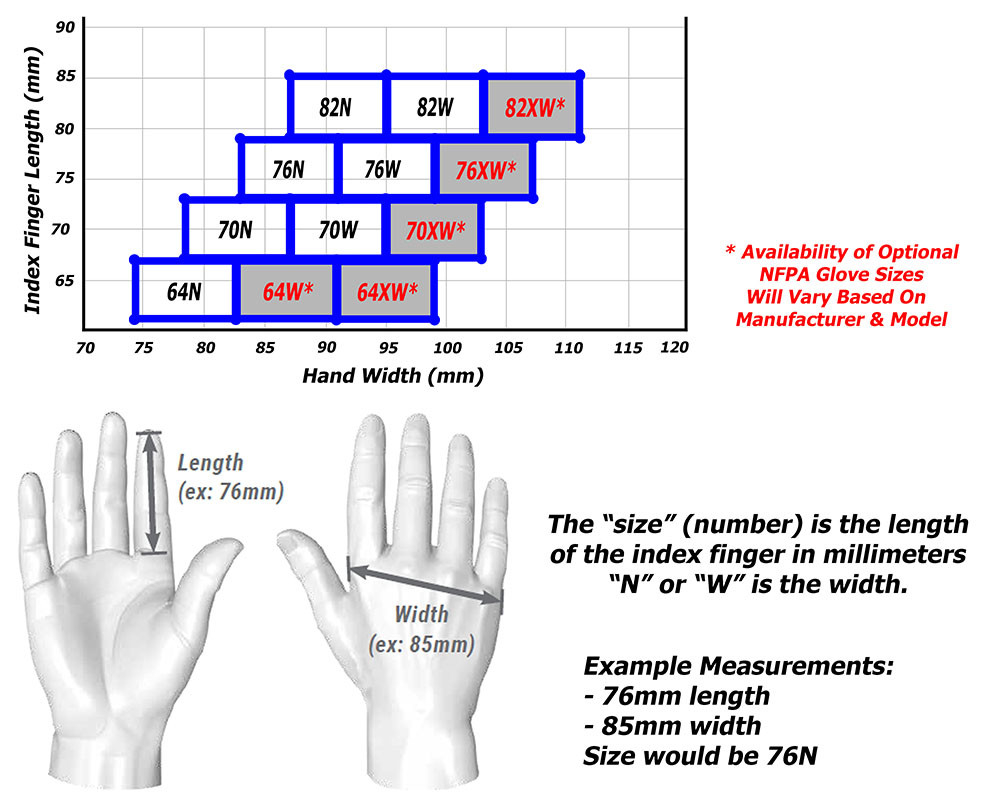
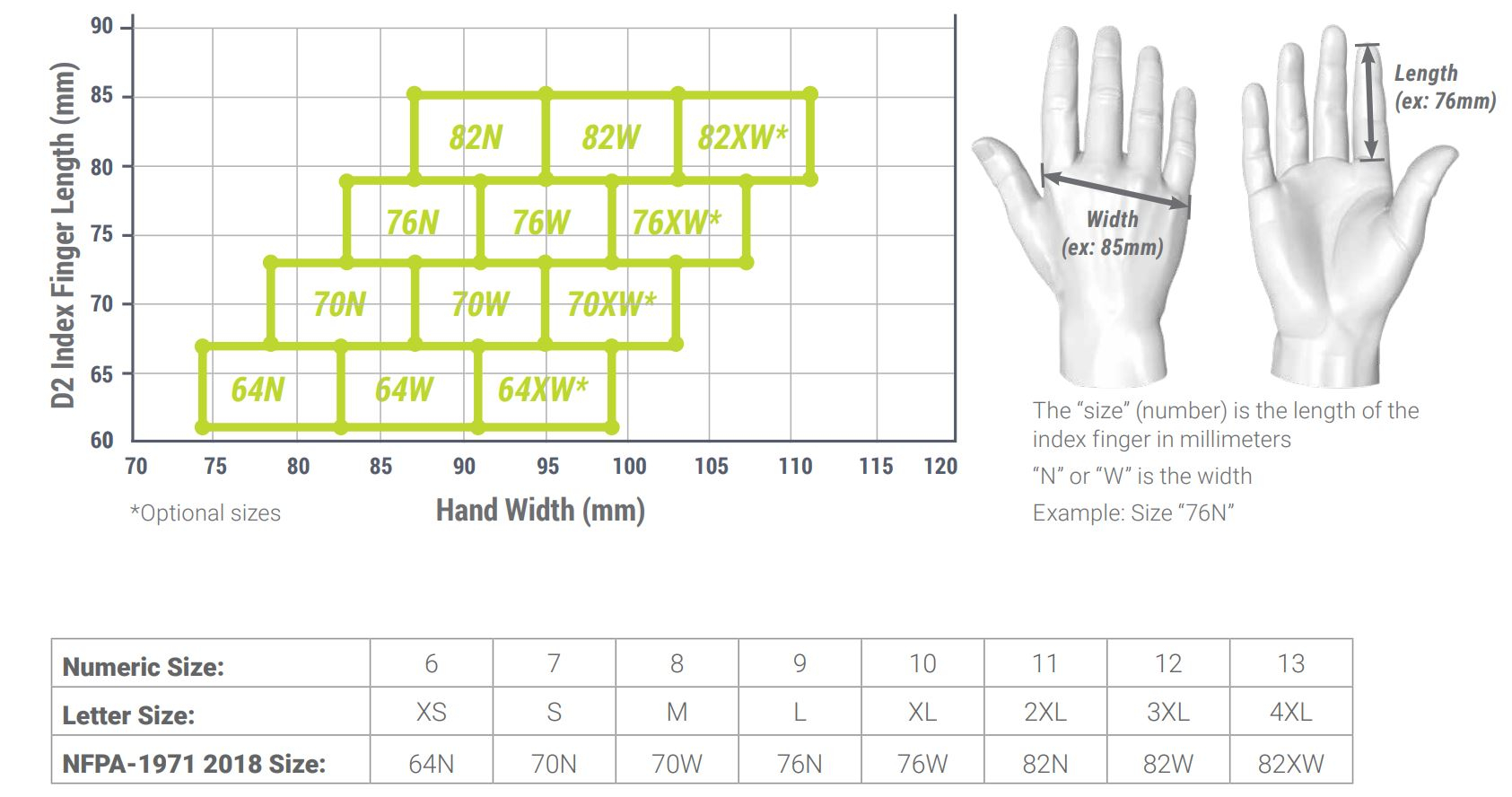
Selecting the right glove isn’t just about heat resistance; it’s about fit, dexterity, and the specific nature of the task. A glove that’s too loose can catch on machinery or allow sparks to slip inside. One that’s too tight can restrict blood flow and cause fatigue. In 2026, ergonomic design has become a major focus for manufacturers. Many gloves now feature pre-curved fingers and articulated joints that mimic the natural shape of the hand, reducing strain during prolonged use. Try on gloves before buying them if possible. Make a fist, grip a tool, and move your fingers. If it feels awkward or restrictive, it’s not the right glove, no matter how high its heat rating.
Consider the duration of exposure. Are you briefly touching a hot surface, or are you working in a high-heat environment for hours? For short, intermittent contact, a lighter glove with good dexterity might be sufficient. For prolonged exposure, you need thicker insulation and possibly a lining that wicks sweat. Also, think about secondary hazards. If you’re welding, you’re likely dealing with sharp edges, spatter, and UV radiation. A glove that combines leather palms for abrasion resistance with Kevlar backs for cut and heat protection might be ideal. For foundry work, where molten metal splash is a risk, look for gloves with aluminized surfaces and long cuffs to protect the forearms.
Don’t forget about the cuff length. Standard wrist-length gloves are fine for low-risk tasks, but for welding or handling large hot objects, gauntlet-style gloves that extend up the forearm offer crucial extra protection. They prevent sparks and heat from traveling up your sleeve. In recent years, we’ve seen innovations in cuff design, such as elasticated wrists for a secure fit and reinforced edges to prevent fraying. Ultimately, the best glove is the one you’ll actually wear. If it’s uncomfortable, you’ll be tempted to take it off, leaving your hands vulnerable. Prioritize comfort and fit alongside protection to ensure consistent use.
Maintenance and Lifespan: Keeping Your Gear Safe
Even the best heat-resistant gloves won’t last forever. Proper maintenance is essential to ensure they continue to provide adequate protection. Leather gloves, in particular, require regular care. Clean them with a damp cloth to remove dirt and debris, and condition them with a leather protector to keep them supple. Avoid exposing them to excessive moisture or direct sunlight for extended periods, as this can cause cracking and degradation. Synthetic gloves should be washed according to the manufacturer’s instructions, usually with mild detergent and cold water. Avoid bleach or fabric softeners, which can break down the fibers and compromise their heat-resistant properties.
Inspect your gloves before every use. Look for signs of wear and tear, such as holes, tears, thinning material, or stiffened areas. Pay special attention to the seams and fingertips, which are high-stress areas. If you find any damage, replace the gloves immediately. A small hole can let in intense heat or molten spatter, causing severe burns. In industrial settings, it’s common to have a rotation schedule for gloves, ensuring they aren’t overused and have time to rest and dry out. Sweat and moisture can reduce the insulating properties of many materials, so allowing gloves to air dry between shifts is crucial.
In 2026, some high-end gloves come with RFID tags or QR codes that track usage and maintenance history. Scanning the code can tell you when the glove was purchased, how many hours it’s been used, and when it’s due for replacement. While this technology is mostly found in large industrial operations, it highlights the growing importance of data-driven safety practices. For individual users, keeping a simple log of when you bought your gloves and noting any significant exposures can help you decide when it’s time for a new pair. Don’t wait for them to fall apart. Proactive replacement is far cheaper than medical bills.
At the end of the day, safety gear is about more than just specifications and standards. It’s about confidence. When you trust your gloves, you can focus on your work without constantly worrying about burning your hands. This mental ease improves performance and reduces accidents caused by distraction or hesitation. Comfort plays a huge role in this. Blisters, chafing, or excessive sweating can be just as distracting as the fear of burns. That’s why the industry is moving toward lighter, more breathable materials that don’t sacrifice protection. In 2026, user feedback is driving innovation, with manufacturers prioritizing ergonomics and wearability alongside raw protective power.
There’s also a cultural shift happening. Safety is no longer seen as a burden or a box to check. It’s viewed as a professional standard, a sign of respect for oneself and one’s craft. Whether you’re a weekend warrior grilling in the backyard or a seasoned welder in a shipyard, taking the time to choose the right gloves shows pride in your work. It acknowledges the risks involved and takes responsibility for mitigating them. This mindset extends beyond gloves to all personal protective equipment (PPE). When safety becomes part of the culture, everyone benefits. Accidents decrease, productivity increases, and people go home to their families intact.
So, the next time you reach for a pair of heat-resistant gloves, take a moment to consider what they’re made of, what they’re protecting you from, and how they fit. It’s a small act, but it’s one that carries significant weight. From the humble campfire to the intense arc of a welding torch, the science of heat protection is constantly evolving. But the goal remains the same: to keep your hands safe, so you can keep doing what you love. Stay informed, stay protected, and never underestimate the power of a good pair of gloves.
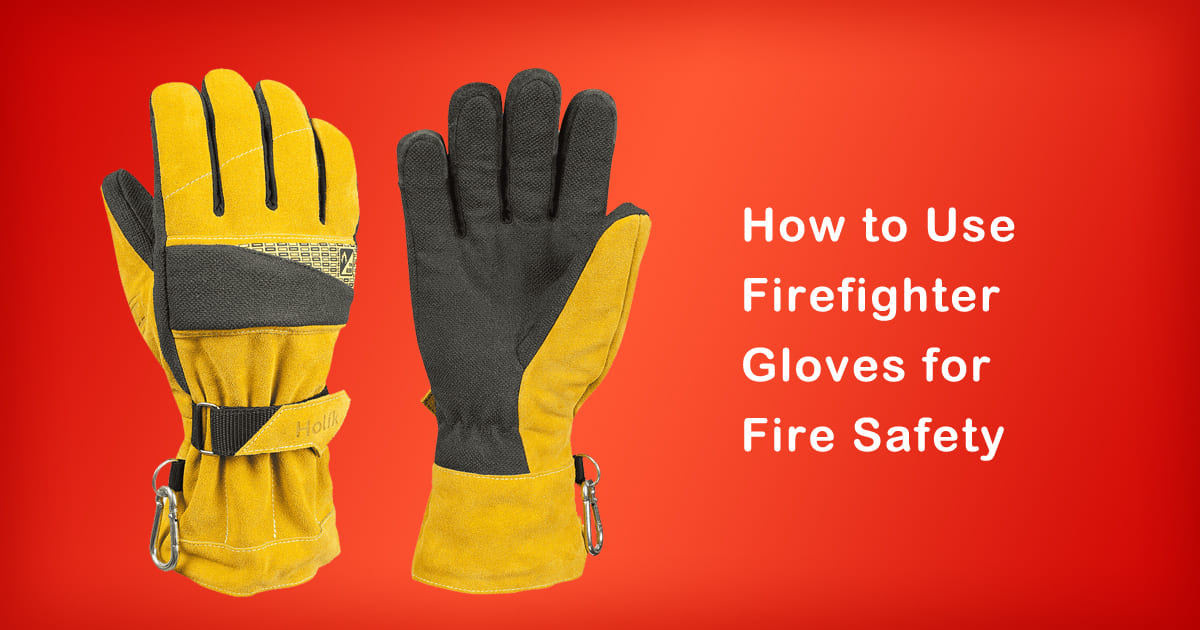
[sps_html tag=”img” src=”https://cdn.northcarolinafinearchitecture.com/2026/06/how-to-use-firefighter-gloves-for-fire-safety-step-by-step-guide-in-outdoor-fire-glove-design.jpg” alt=”How To Use Firefighter Gloves For Fire Safety | Step-By-Step Guide … in Outdoor Fire Glove Design” style=”width: 100%; height: auto;”]
[sps_html tag=”img” src=”https://cdn.northcarolinafinearchitecture.com/2026/06/majestic-structural-firefighting-glove-gauntlet-live-action-safety-with-how-to-balance-dexterity-and-protection-in-modern-fire-glove-design.jpg” alt=”Majestic Structural Firefighting Glove Gauntlet | Live Action Safety with How to Balance Dexterity and Protection in Modern Fire Glove Design” style=”width: 100%; height: auto;”]
[sps_html tag=”img” src=”https://cdn.northcarolinafinearchitecture.com/2026/06/firearmor-sr-x-8180-structural-firefighting-gloves-in-outdoor-fire-glove-design.jpeg” alt=”Firearmor® Sr-X® 8180 Structural Firefighting Gloves in Outdoor Fire Glove Design” style=”width: 100%; height: auto;”]
[sps_html tag=”img” src=”https://cdn.northcarolinafinearchitecture.com/2026/06/granqvists-firefighting-gloves-firefighter-protection-uk-for-how-to-balance-dexterity-and-protection-in-modern-fire-glove-design.jpg” alt=”Granqvists Firefighting Gloves — Firefighter Protection Uk for How to Balance Dexterity and Protection in Modern Fire Glove Design” style=”width: 100%; height: auto;”]
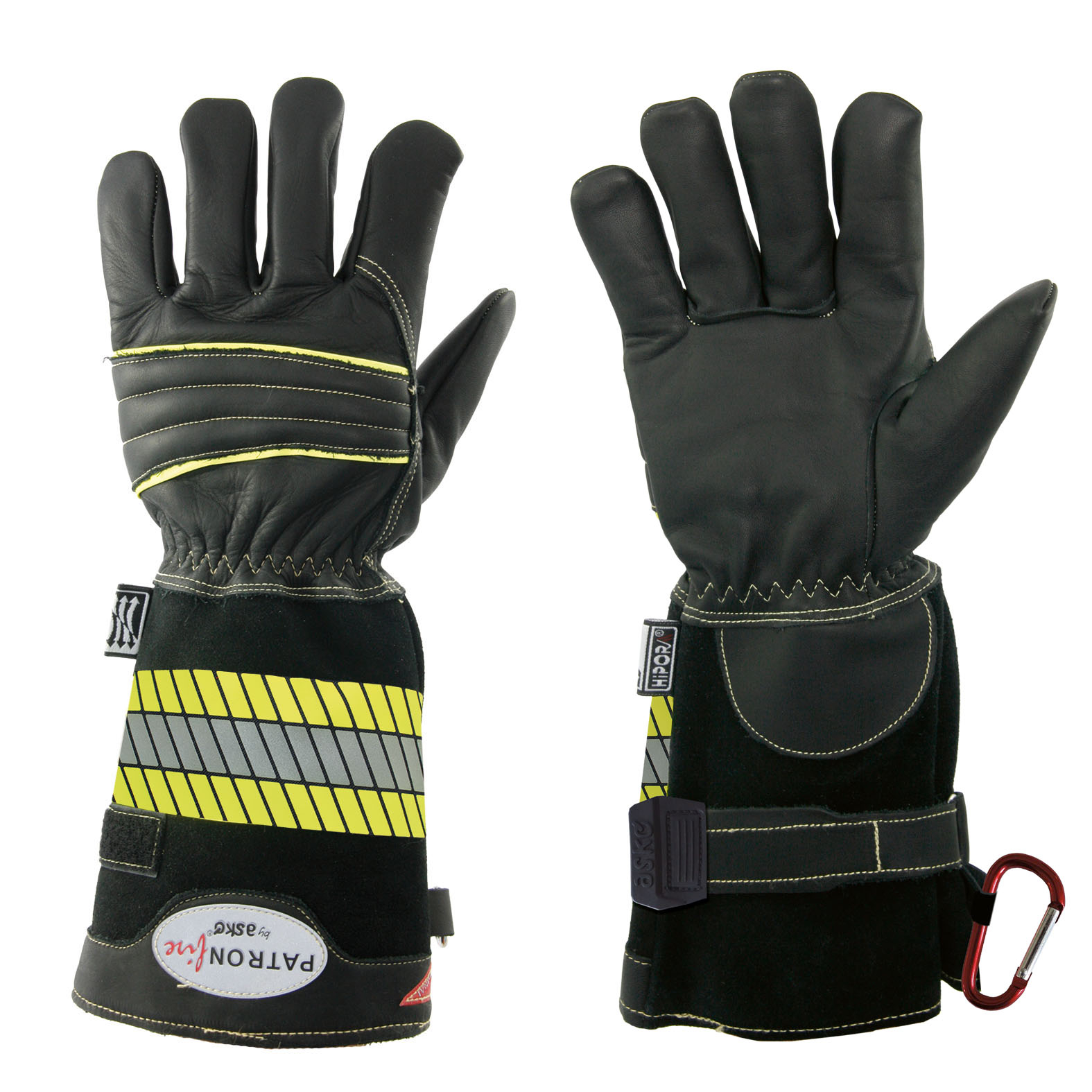
[sps_html tag=”img” src=”https://cdn.northcarolinafinearchitecture.com/2026/06/asko-patron-long-cuff-fire-gloves-tecs-in-outdoor-fire-glove-design.jpg” alt=”Asko Patron® Long Cuff Fire Gloves | Tecs in Outdoor Fire Glove Design” style=”width: 100%; height: auto;”]