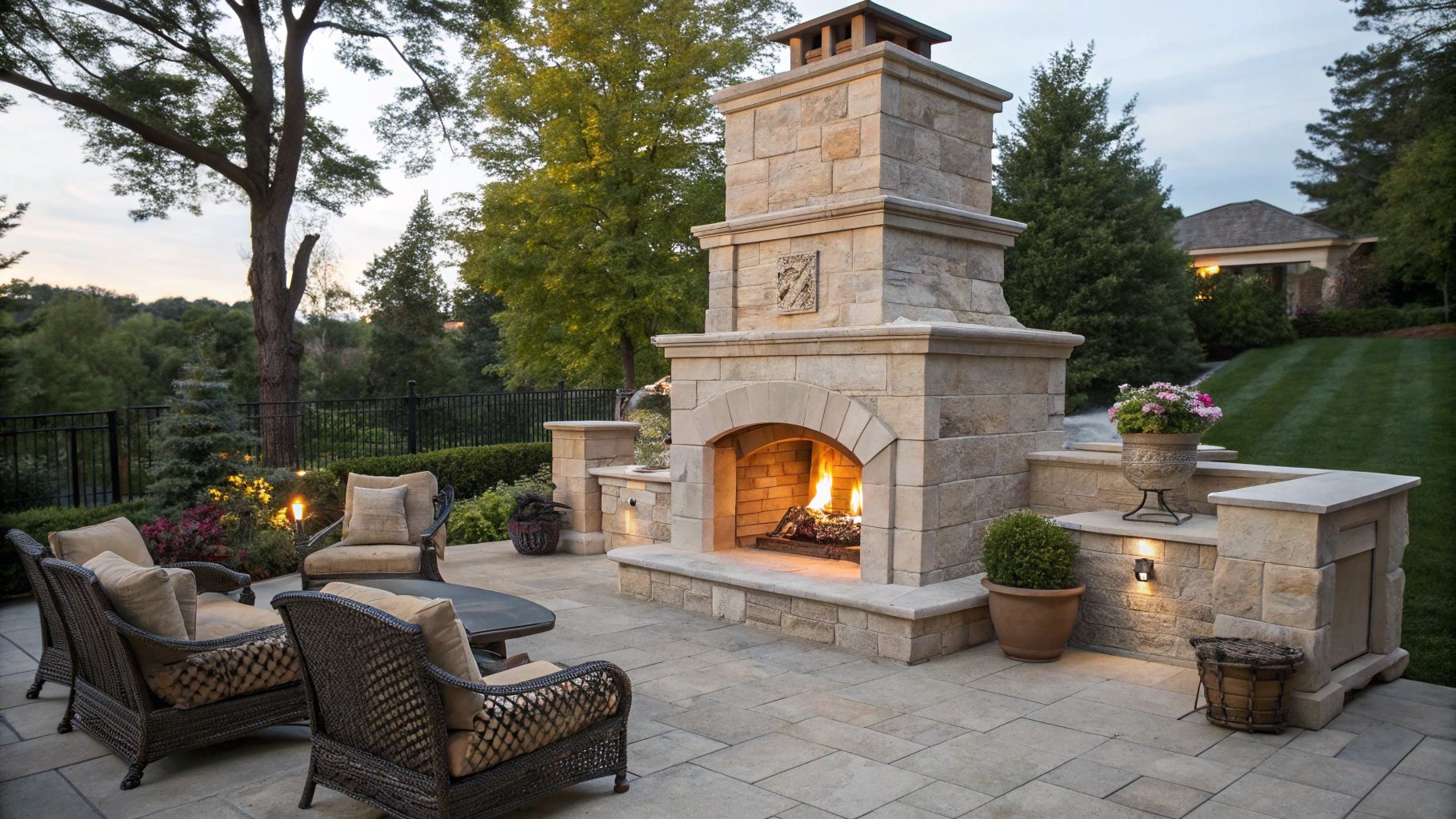
Ever sat around a backyard fire pit or fireplace, wrapped in three blankets, and still felt a chill creeping up your spine? It’s frustrating. You spent the money, you cleared the space, and you lit the match. But instead of a warm, glowing retreat, you got a pretty light show and cold toes. We’ve all been there. In 2026, the approach to outdoor heating has shifted dramatically. It’s no longer just about tossing a stone structure into the corner of the yard and calling it a day.
The trend this year is all about performance meeting aesthetics. People aren’t just looking for something that looks good on Instagram; they want functional warmth that extends their living season well into late autumn and even early winter. If you are planning a build or a renovation, you need to know that decoration is secondary to physics. A fireplace that doesn’t radiate heat toward your seating area is basically just an expensive sculpture. Let’s fix that.
Designing a patio heater that works requires understanding wind, material density, and human behavior. It’s not rocket science, but it does require paying attention to details that most contractors gloss over. By focusing on how heat moves and how people actually sit outside, you can create a space that feels like a hug rather than a drafty cavern. This guide breaks down exactly how to get it right, using the latest insights from top designers and homeowners who have learned these lessons the hard way.
Stop Treating It Like Decoration
For years, outdoor fireplaces were treated as visual anchors. They were meant to be looked at, not necessarily relied upon for comfort. That mindset is dead. In 2026, experts agree that your fireplace must act as an architectural core. It defines the seating zone. It frames the view. But most importantly, it establishes a hierarchy of warmth in an open landscape. If your fireplace is tucked into a corner far from where you sit, it’s failing its primary job.
Think about the layout before you lay a single brick. Where do you actually want to hang out? Is it near the pool? Beside the dining table? In a secluded lounge nook? The fireplace needs to be integrated into that specific zone, not placed arbitrarily. Recent designs show a move toward placing the fire source closer to the main gathering spots, sometimes even using double-sided units that serve two areas at once. This isn’t just about style; it’s about maximizing the thermal output where human bodies are located.
You also need to consider the scale. A massive, towering chimney might look impressive from the street, but if the firebox is too high off the ground, the heat rises straight into the sky. Keep the flame level lower, closer to seated height. This ensures that the radiant heat hits your chest and face, which is where we feel warmth most acutely. Don’t let the desire for grandeur sacrifice the coziness. A modest, well-placed fire is infinitely warmer than a distant, majestic one.
Choose the Right Fuel for Real Heat
There’s a ongoing debate about wood versus gas, and in 2026, the answer depends entirely on your priority: ambiance or consistent BTUs. Wood burning offers that crackling sound and the smell of smoke that triggers deep psychological comfort. However, it’s inconsistent. The heat fluctuates as logs burn down, and wind can easily blow the warmth away. If you live in a windy area, wood might leave you shivering despite the visible flames.
Gas fireplaces, particularly modern propane or natural gas inserts, have come a long way. They offer instant, adjustable heat. You can turn them up when the temperature drops and dial them back when you’re just chatting. For pure warming capability, gas often wins because you can control the output precisely. Plus, newer models in 2026 feature realistic ceramic logs and ember beds that mimic the look of wood without the hassle. It’s a trade-off, but for many, the reliability is worth it.
Don’t overlook electric options for smaller, covered patios. While they don’t produce the same raw heat as combustion, advanced infrared electric heaters integrated into fireplace designs can provide targeted warmth without any fumes. This is perfect for urban balconies or semi-enclosed decks where ventilation is tricky. The key is matching the fuel type to your local climate and how you plan to use the space. If you want to roast marshmallows, go wood. If you want to read a book in November without freezing, consider gas.
Master the Wind and Weather Protection
Heat is shy. It hates wind. Even a gentle breeze can strip away the warm air layer surrounding your body, making a 50-degree night feel like 30. This is why shielding your fireplace is critical. In 2026, successful designs incorporate windbreaks directly into the structure. This could be a solid wall on the windward side, a pergola with retractable canvas covers, or even strategic landscaping like tall hedges or ornamental grasses.
Orientation matters immensely. Before you break ground, spend a few evenings outside noting which way the wind blows most often. Position your fireplace so that the back of the structure blocks the prevailing breeze. This creates a "heat pocket" where the warm air gets trapped and circulates among your guests. If you can’t block the wind with the fireplace itself, build adjacent walls or install glass panels. Tempered glass windscreens are huge right now because they stop the draft without blocking the view of the flames.
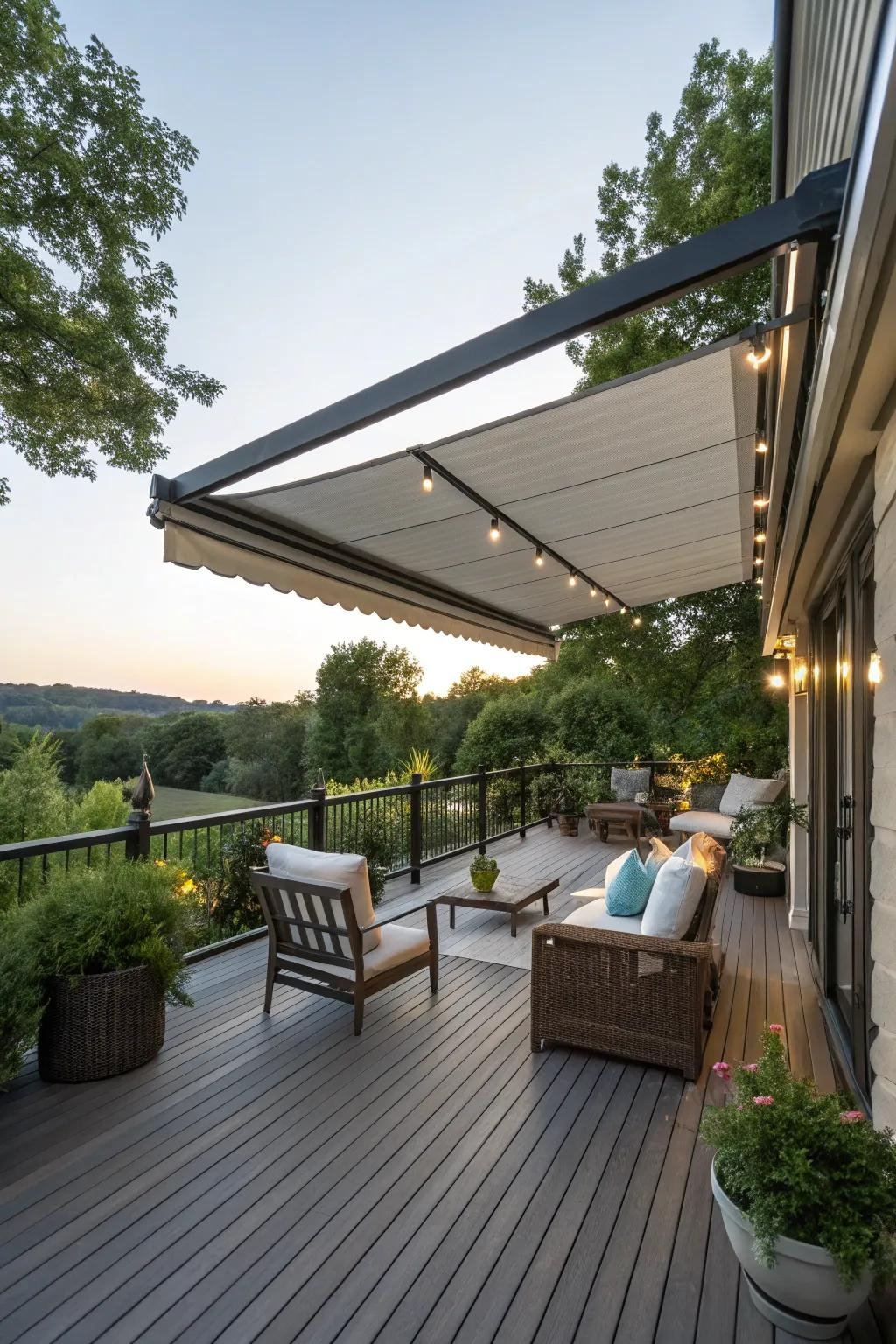
Also, think about overhead coverage. An open sky allows heat to escape rapidly. A covered patio, a pergola with a solid roof, or even a large umbrella can help reflect some of that radiant heat back down toward you. It doesn’t need to be fully enclosed—that would make it smoky—but partial coverage significantly improves thermal retention. The goal is to create a microclimate that feels five to ten degrees warmer than the open yard.
Select Materials That Hold and Radiate Warmth
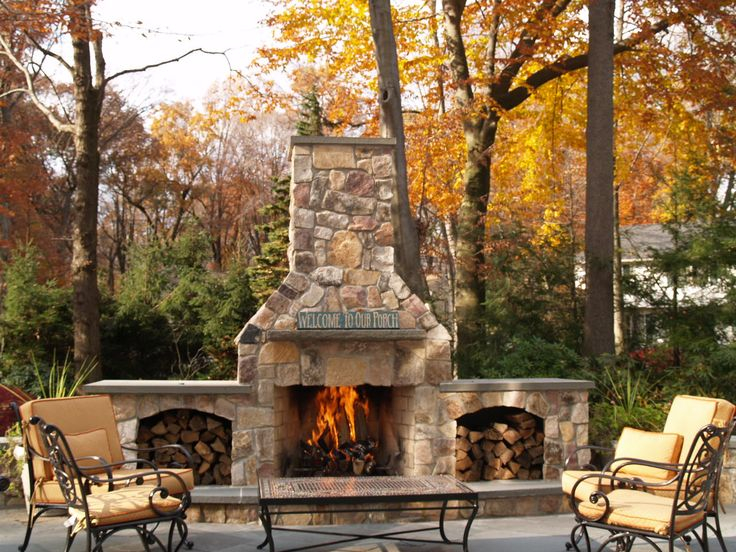
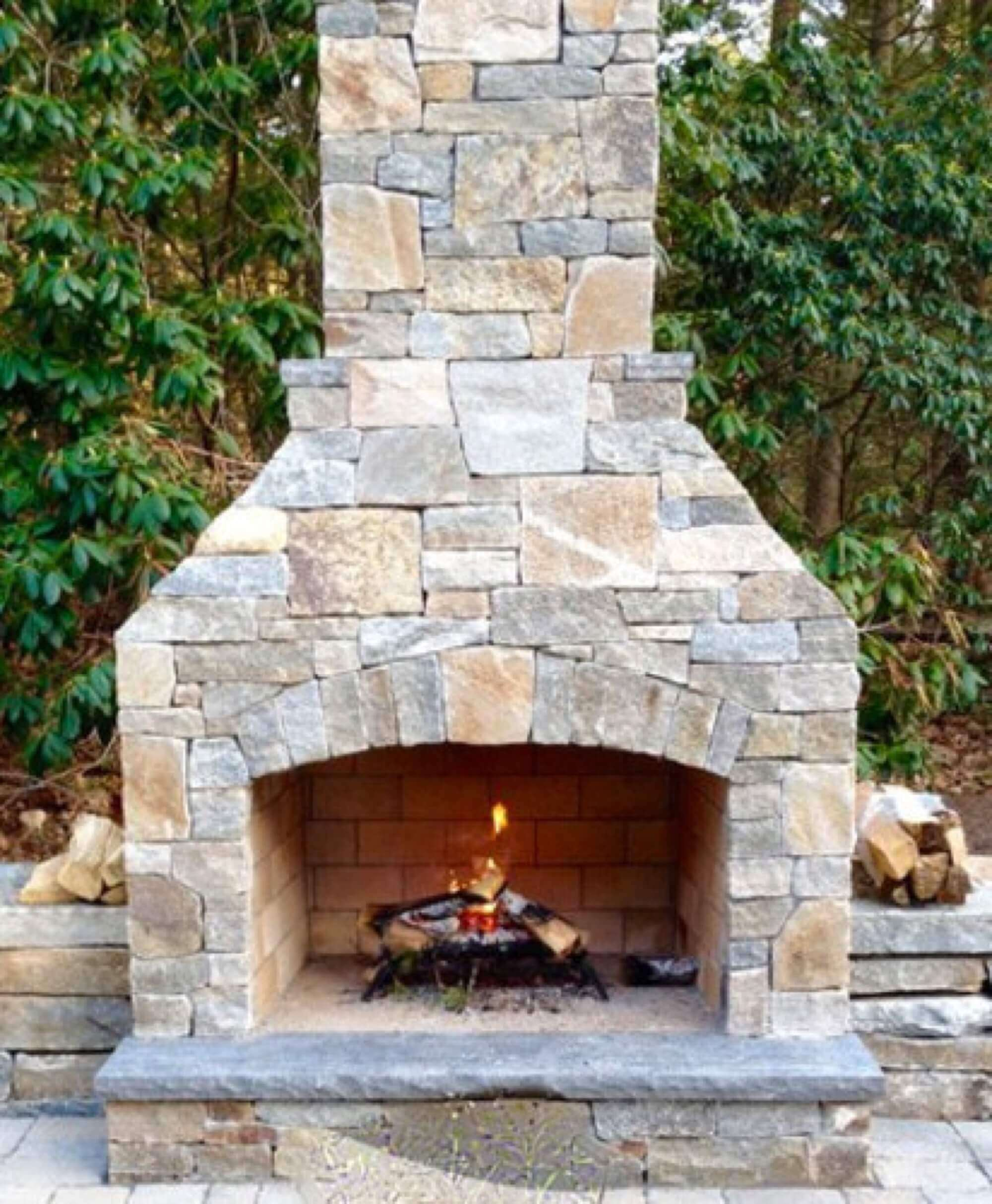
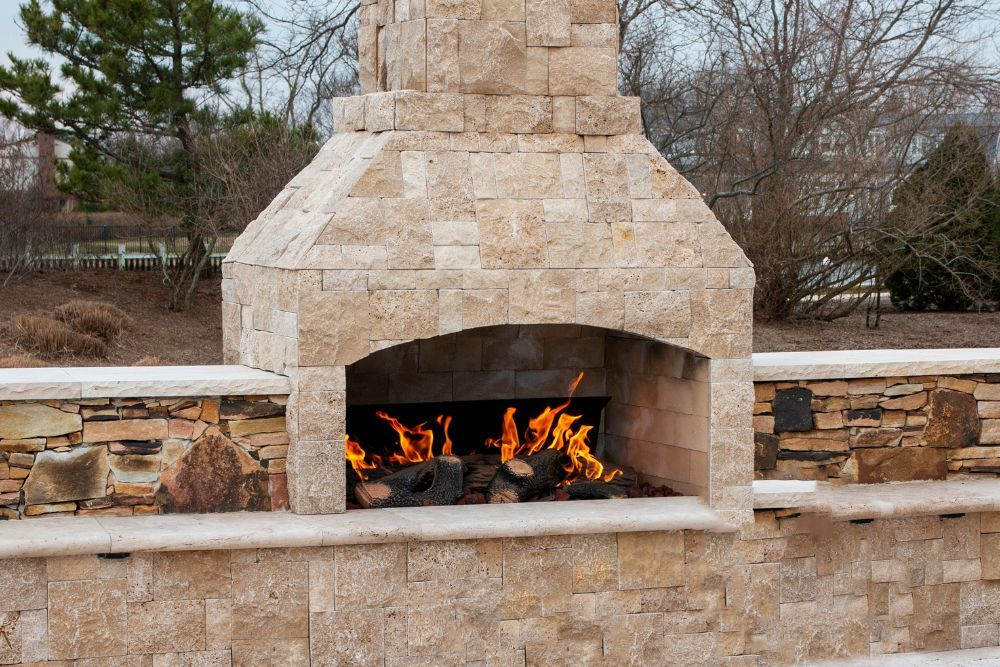
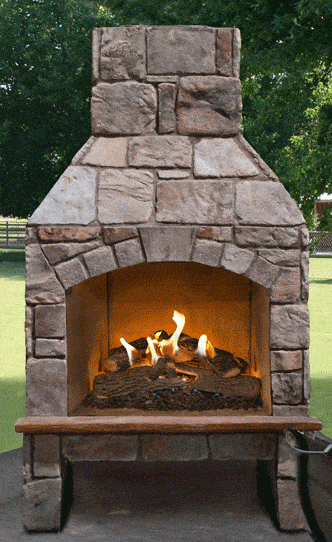
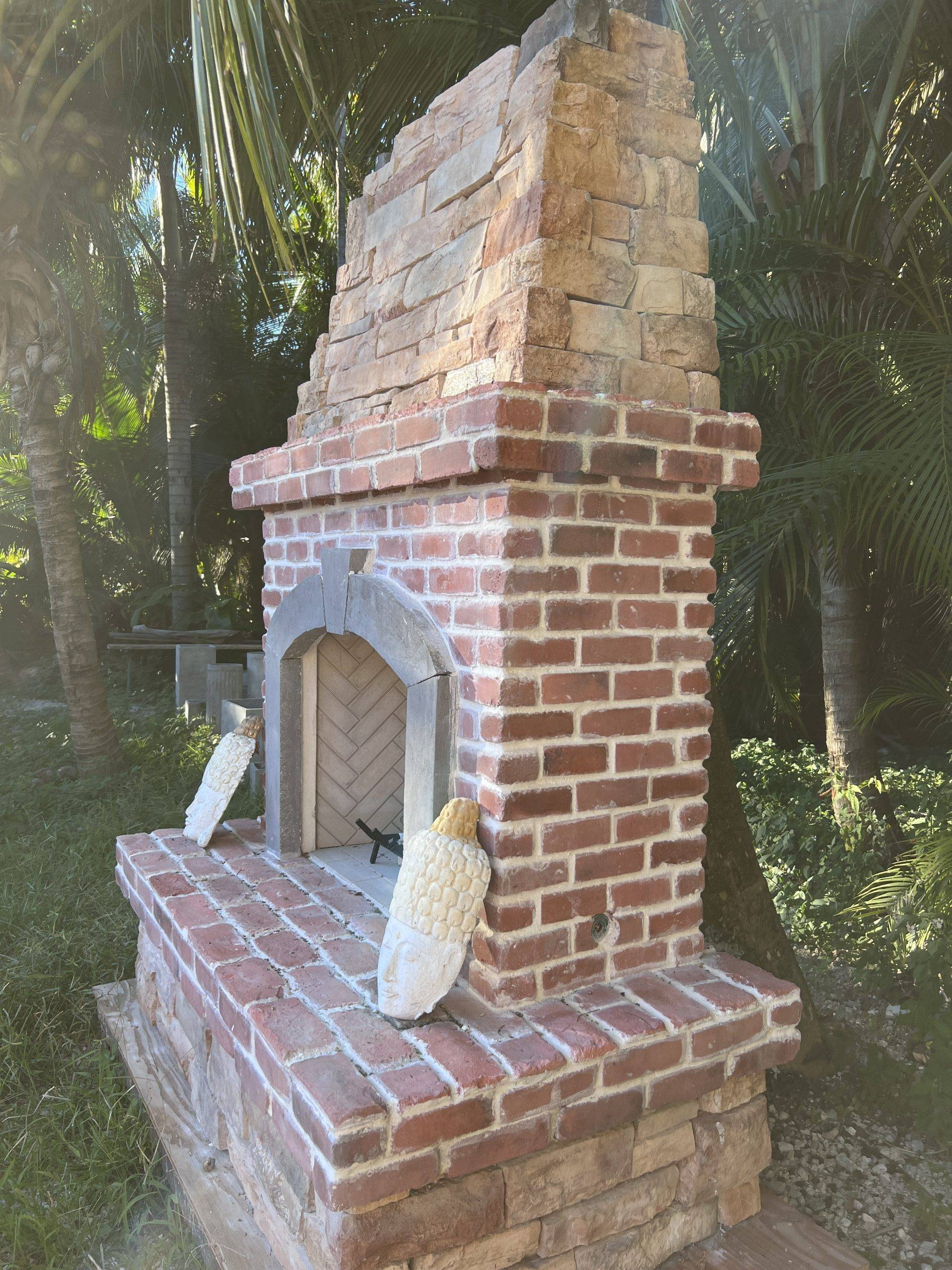
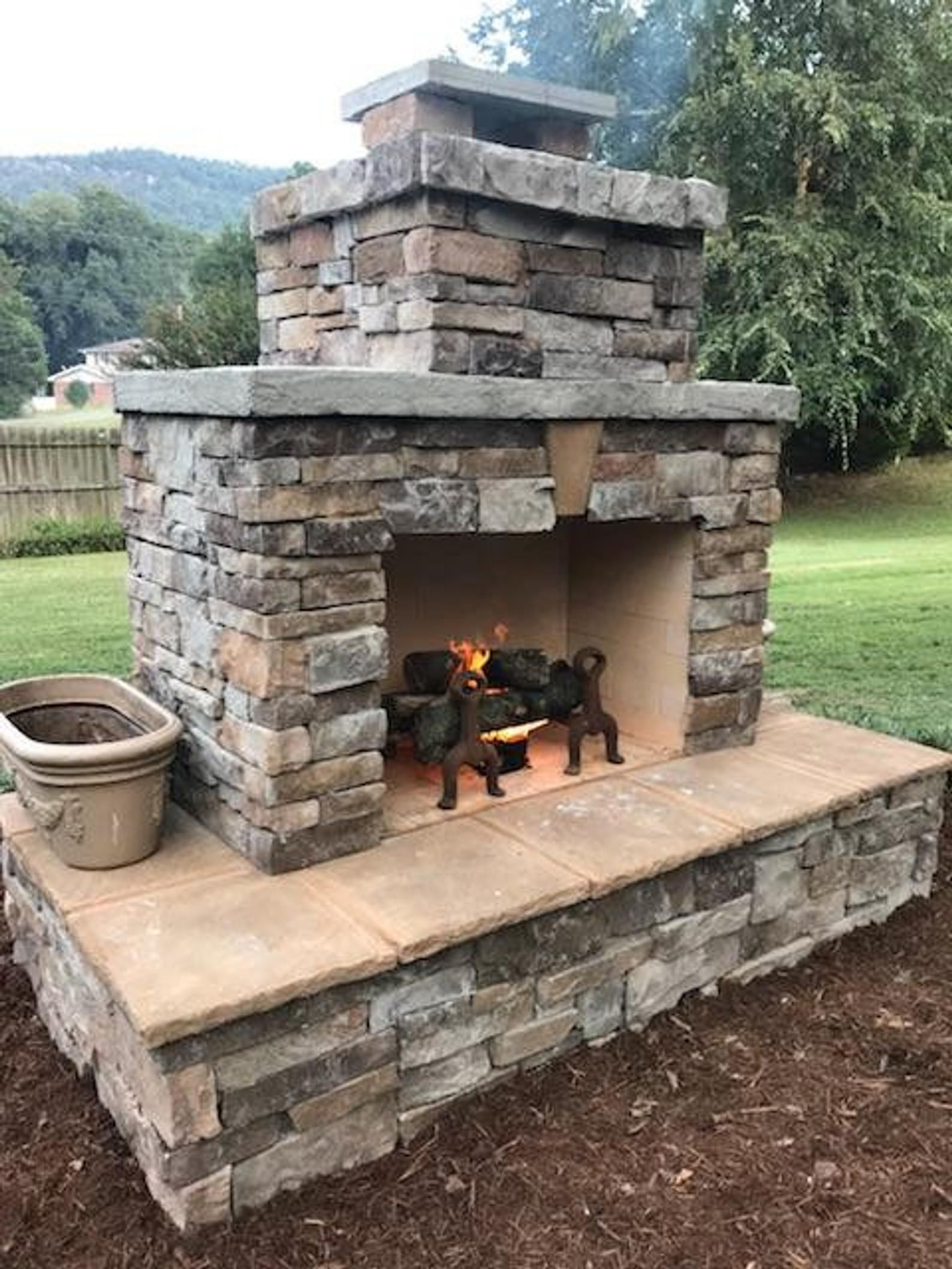
Not all stones are created equal when it comes to heat. Thin veneer stones look nice but hold very little thermal mass. They heat up quickly and cool down just as fast. For a fireplace that actually warms the patio, you want materials with high thermal mass. Dense concrete, thick natural stone, and brick are excellent choices. These materials absorb the heat from the fire and slowly radiate it outward, even after the flames die down.
In 2026, we’re seeing a return to robust, masonry-heavy designs. Instead of lightweight metal frames clad in thin tile, people are building substantial structures that feel permanent and grounded. This isn’t just for durability; it’s for physics. A heavy stone wall behind the fire acts as a reflector, bouncing heat forward into the seating area. If you’re using a metal insert, ensure it’s surrounded by enough masonry to act as a heat sink.
Color plays a role too. Darker materials absorb and radiate heat more effectively than light-colored ones. While a white stucco fireplace might look chic, a dark granite or charcoal-colored concrete surround will do a better job of contributing to the ambient warmth. Mix textures to keep it interesting, but prioritize density. Feel the weight of the materials you choose. If it feels flimsy, it won’t hold heat.
Get the Seating Geometry Right
You can have the hottest fire in the world, but if your chairs are ten feet away, you won’t feel it. The geometry of your seating arrangement is just as important as the fireplace itself. In 2026, the trend is toward intimate, curved seating that wraps around the heat source. Think semicircular sofas, built-in benches, or clusters of chairs arranged in a tight U-shape. This traps the warm air and keeps everyone within the effective radius of the radiant heat.
Avoid lining chairs up in a straight row facing the fire like a theater audience. That spreads people out and leaves gaps where heat escapes. Instead, bring them in close. The ideal distance is usually between three to six feet from the firebox opening, depending on the intensity of the flame. Any closer and it’s uncomfortable; any further and it’s ineffective. Use rugs and low tables to define this inner circle, reinforcing the sense of a cozy, heated zone.
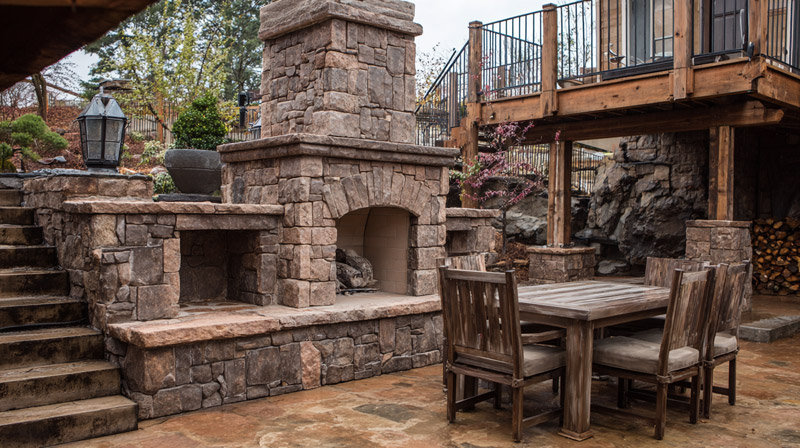
Consider multi-level seating too. Built-in steps or tiered benches allow people to sit at different heights, which can help with sightlines and heat distribution. Lower seats are often warmer because heat rises, but being too low can put you in the smoke path if the draft isn’t perfect. Balance is key. Test your layout with temporary furniture before committing to permanent built-ins. Sit there for an hour. See where the drafts hit. Adjust accordingly.
Modern outdoor living is smart living. In 2026, integrating technology into your fireplace design isn’t just a gimmick; it’s a comfort enhancer. Smart controls allow you to ignite the fire, adjust the flame height, and even monitor fuel levels from your phone. This means you can pre-heat your patio before you step outside, ensuring the space is welcoming the moment you arrive. No more fumbling with lighters in the cold.
Lighting is another crucial element that complements the warmth. Soft, warm-toned LED strips integrated into the fireplace structure or nearby steps can enhance the cozy feeling without competing with the fire. Avoid bright, cool-white lights that kill the mood. Instead, use dimmable fixtures that mimic the glow of the flames. This layered lighting approach makes the space feel inviting and safe, encouraging you to stay out longer.
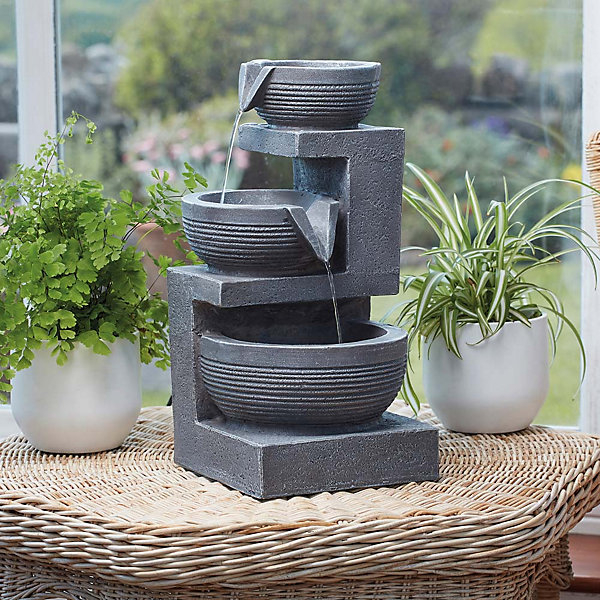
Don’t forget the sensory details. Add elements like nearby planters with aromatic herbs (rosemary and lavender smell amazing when warmed), or a small water feature whose sound masks neighborhood noise. These touches don’t add heat, but they enhance the perception of comfort. When you feel relaxed and engaged by your surroundings, you perceive the warmth more positively. It’s about creating a holistic experience, not just a heat source.
So, there you have it. Building an outdoor fireplace that actually warms your patio in 2026 is less about picking a pretty style and more about mastering the environment. It’s about blocking the wind, choosing dense materials, placing the fire close to your seat, and maybe letting a smart thermostat do the heavy lifting. It’s easy to get caught up in the visuals, but remember why you’re doing this. You want to sit outside, drink something warm, and feel comfortable.
Start with the basics: where does the wind come from? Where do you sit? What fuel makes sense for your lifestyle? Answer those questions first, and the design will follow. Don’t be afraid to keep it simple. A well-oriented, solid stone box with a gas burner can be cozier than a sprawling, ornate monument that lets the breeze whistle through. Focus on the human experience. The warmth should feel effortless.
Take your time with the planning. Sketch it out. Walk the space. Imagine the cold nights. By prioritizing function alongside form, you’ll create a backyard retreat that you’ll use for months longer than you expected. And really, isn’t that the whole point? To extend those precious moments of connection under the stars, without needing three coats and a hot water bottle. Go make it happen.
[sps_html tag=”img” src=”https://cdn.northcarolinafinearchitecture.com/2026/05/outdoor-fireplace-mortar-fireplace-guide-by-linda-with-why-your-outdoor-fireplace-needs-more-than-just-stone-and-mortar.jpg” alt=”Outdoor Fireplace Mortar – Fireplace Guide By Linda with Why your outdoor fireplace needs more than just stone and mortar” style=”width: 100%; height: auto;”]
[sps_html tag=”img” src=”https://cdn.northcarolinafinearchitecture.com/2026/05/34-beautiful-stone-fireplaces-that-rock-bring-the-rusticity-within-outdoor-fireplace-design.jpg” alt=”34 Beautiful Stone Fireplaces That Rock - Bring The Rusticity within Outdoor Fireplace Design” style=”width: 100%; height: auto;”]
[sps_html tag=”img” src=”https://cdn.northcarolinafinearchitecture.com/2026/05/rustic-fireplace-ideas-to-warm-up-any-room-throughout-why-your-outdoor-fireplace-needs-more-than-just-stone-and-mortar.jpg” alt=”Rustic Fireplace Ideas To Warm Up Any Room throughout Why your outdoor fireplace needs more than just stone and mortar” style=”width: 100%; height: auto;”]
[sps_html tag=”img” src=”https://cdn.northcarolinafinearchitecture.com/2026/05/we-can-build-outdoor-masonry-fireplaces-of-your-dreams-intended-for-why-your-outdoor-fireplace-needs-more-than-just-stone-and-mortar.jpg” alt=”We Can Build Outdoor Masonry Fireplaces Of Your Dreams! intended for Why your outdoor fireplace needs more than just stone and mortar” style=”width: 100%; height: auto;”]
[sps_html tag=”img” src=”https://cdn.northcarolinafinearchitecture.com/2026/05/stone-fireplace-outdoor-within-why-your-outdoor-fireplace-needs-more-than-just-stone-and-mortar.jpg” alt=”Stone Fireplace Outdoor within Why your outdoor fireplace needs more than just stone and mortar” style=”width: 100%; height: auto;”]