You’ve probably heard it before. "It’s up to code." It sounds reassuring, doesn’t it? Like a stamp of approval from some official body saying your home is safe, sound, and ready for life. But when it comes to keeping your house warm in winter and cool in summer, meeting the minimum building code is kinda like passing a driving test with a D-minus. Sure, you’re legally allowed on the road, but you’re not exactly driving a high-performance machine. In fact, you might be struggling just to keep up.
In 2026, the gap between what’s legally required and what’s actually comfortable (and efficient) has never been wider. Energy prices are still fluctuating, weather patterns are getting more extreme, and let’s be honest—nobody wants to sit in a drafty living room wearing three sweaters while their heating bill skyrockets. The truth is, building codes are designed to be the absolute baseline for safety and basic energy efficiency. They aren’t designed for your comfort, your wallet, or the long-term value of your home. If you’re building new or renovating, treating code minimums as your goal is a missed opportunity. A big one.
The Hidden Cost of Doing the Bare Minimum
Let’s talk about what "code minimum" actually means. It’s the lowest level of performance a builder can legally get away with. In many parts of the country, that means R-values (the measure of insulation’s resistance to heat flow) that were considered adequate ten or even twenty years ago. For example, an attic might only require R-38, while experts now recommend R-60 or higher for optimal performance. That difference isn’t just a number on a chart. It’s the difference between a cozy home and one that feels like it’s fighting against the elements.
When you settle for the minimum, you’re essentially locking in higher utility bills for the life of the house. Think about it. Insulation is one of those things you install once and then forget about. If you skimp now, you’re paying for it every single month. And since the federal tax credits for energy-efficient home improvements expired at the end of 2025, there’s no government check coming to help offset those ongoing costs. You’re on your own. The initial savings from using less insulation might look good on the construction budget, but over five, ten, or fifteen years? Those pennies add up to thousands of dollars wasted on energy that just leaks out through your walls and roof.
It’s also about comfort. Have you ever noticed how some rooms in your house feel colder than others, even when the thermostat is set to 72? That’s often a sign of inadequate insulation or poor air sealing. Code-minimum homes often have "thermal bridges"—spots where heat escapes easily, like around windows, doors, and framing studs. These spots create cold drafts and uneven temperatures. You end up cranking up the heat to compensate, which wastes even more energy. It’s a vicious cycle. By going beyond code, you’re not just saving money. You’re creating a home that feels consistent, calm, and comfortable in every corner.
Understanding R-Values: More Than Just a Number
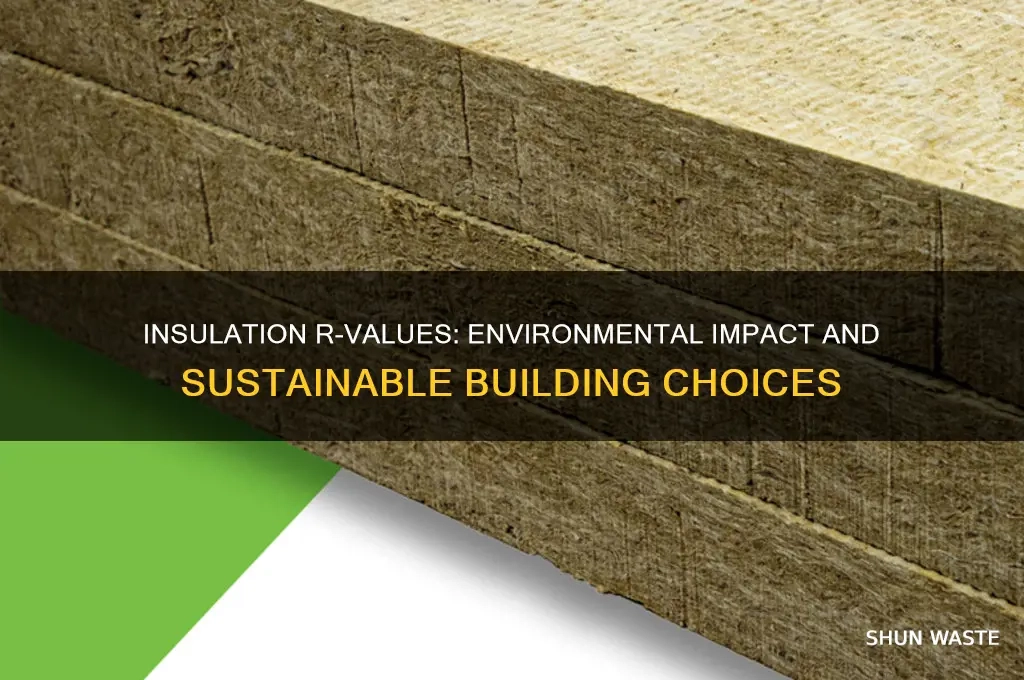
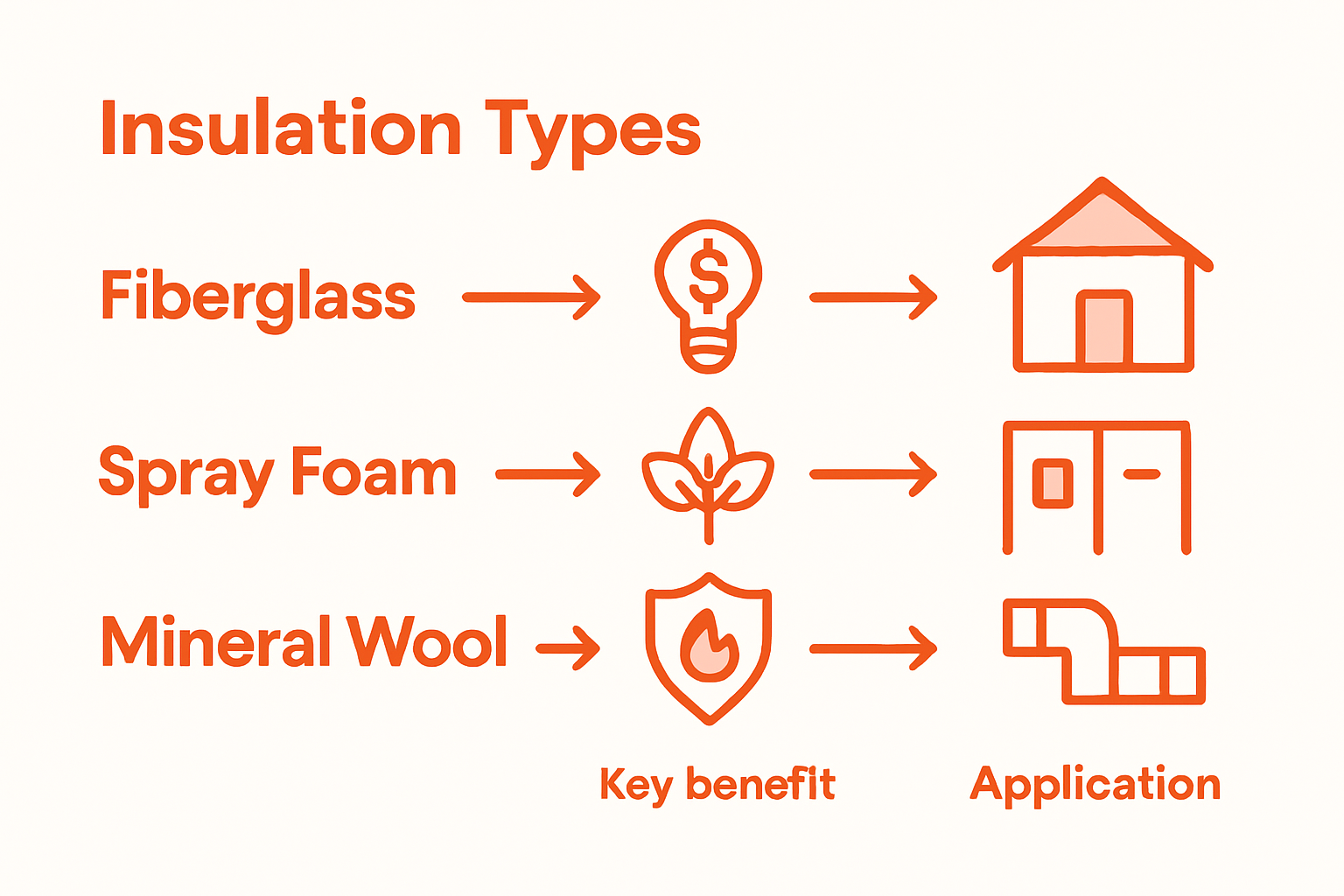
So, what’s this R-value thing everyone keeps talking about? Simply put, it’s a measure of how well insulation resists heat flow. The higher the R-value, the better the insulation. But here’s the catch: R-values aren’t one-size-fits-all. They depend on the type of material, how it’s installed, and where it’s placed. Fiberglass batts, spray foam, mineral wool, and rigid foam all have different R-values per inch. For instance, spray foam might give you R-6 per inch, while fiberglass might only give you R-3. That means you need twice as much fiberglass to get the same performance.
In 2026, the conversation around R-values has gotten more nuanced. It’s not just about stuffing more material into your walls. It’s about choosing the right material for the right job. Take attics, for example. They’re usually the easiest place to add extra insulation because there’s so much space. Going from R-38 to R-60 in an attic is relatively cheap and easy, but the payoff in energy savings is huge. Walls are trickier. You can’t just add more thickness without changing the structure. That’s where high-performance materials like dense-packed cellulose or spray foam come in. They offer higher R-values in thinner profiles, making them ideal for retrofits or tight spaces.
But don’t get too hung up on the numbers alone. Installation matters just as much. Even the best insulation won’t work if it’s compressed, gaps are left unfilled, or it’s installed wet. A common mistake is assuming that because you bought high-R-value insulation, your home is automatically efficient. Not true. Poor installation can reduce effectiveness by 30% or more. That’s why working with experienced contractors who understand the nuances of different materials is crucial. Ask them questions. Look at their past work. Don’t just accept the cheapest bid. Your home’s performance depends on it.
Air Sealing: The Unsung Hero of Efficiency
Here’s a secret most builders won’t tell you: insulation alone isn’t enough. You can have the thickest, highest-R-value insulation in the world, but if your home is leaky, it’s all for nothing. Air leakage is the silent killer of energy efficiency. It’s responsible for up to 40% of heating and cooling losses in typical homes. Think of it like this: insulation is like a sweater. It keeps you warm by trapping heat. But if you’re standing in a wind tunnel, that sweater won’t do much good. You need a windbreaker too. That’s what air sealing does.
Air sealing involves finding and closing all the little cracks and gaps in your home’s envelope—the barrier between the inside and outside. This includes gaps around windows and doors, penetrations for pipes and wires, and even the junctions between walls and floors. In older homes, this is often overlooked. In new construction, it’s sometimes treated as an afterthought. But in 2026, best practices demand that air sealing be done meticulously, before insulation is installed. Otherwise, the insulation can’t do its job properly.
The good news? Air sealing is relatively inexpensive compared to adding more insulation. Caulk, foam sealant, and specialized tapes can make a huge difference. Some contractors even use blower door tests to find leaks. This test pressurizes the house and uses a fan to measure how much air is leaking out. It’s a great way to pinpoint problem areas. If you’re serious about efficiency, ask your contractor if they perform blower door tests. If they don’t, consider hiring a separate energy auditor. It’s a small investment that can pay off big time.
The Climate Factor: One Size Does Not Fit All
Building codes are national or state-level standards, but climate is local. What works in Florida doesn’t work in Maine. And what works in Seattle might not work in Denver. Yet, many builders apply a cookie-cutter approach to insulation, regardless of location. This is a huge mistake. In cold climates, the priority is keeping heat in. In hot climates, it’s keeping heat out. In mixed climates, you need a balance. Ignoring these differences leads to homes that are inefficient and uncomfortable.
For example, in cold climates, vapor barriers are critical. They prevent moisture from getting trapped in walls, which can lead to mold and rot. But in hot, humid climates, vapor barriers can actually trap moisture inside, causing the same problems. The type of insulation matters too. Spray foam is great for air sealing and high R-values, but it’s expensive. Mineral wool is fire-resistant and good for soundproofing, but it’s heavier. Fiberglass is cheap and widely available, but it’s prone to settling and gaps. Choosing the right combination for your specific climate is key.
In 2026, we’re seeing more extreme weather events. Heat waves are hotter. Cold snaps are colder. Storms are more frequent. This makes resilience even more important. A well-insulated home isn’t just more comfortable. It’s safer. During power outages, a tightly sealed, well-insulated home will stay warmer (or cooler) for longer. This can be a lifesaver in extreme conditions. So, don’t just think about today’s weather. Think about tomorrow’s. Invest in insulation that can handle whatever Mother Nature throws your way.
Health and Indoor Air Quality Benefits
Most people think of insulation as just a way to save money on energy bills. But it’s also a major factor in indoor air quality and health. Poorly insulated homes are often drafty, which means they’re pulling in outside air—along with pollen, dust, and pollutants. This can trigger allergies and asthma. On the flip side, tightly sealed homes can trap indoor pollutants if they’re not ventilated properly. That’s why balanced ventilation is so important. It brings in fresh air while exhausting stale air, keeping your home healthy and comfortable.
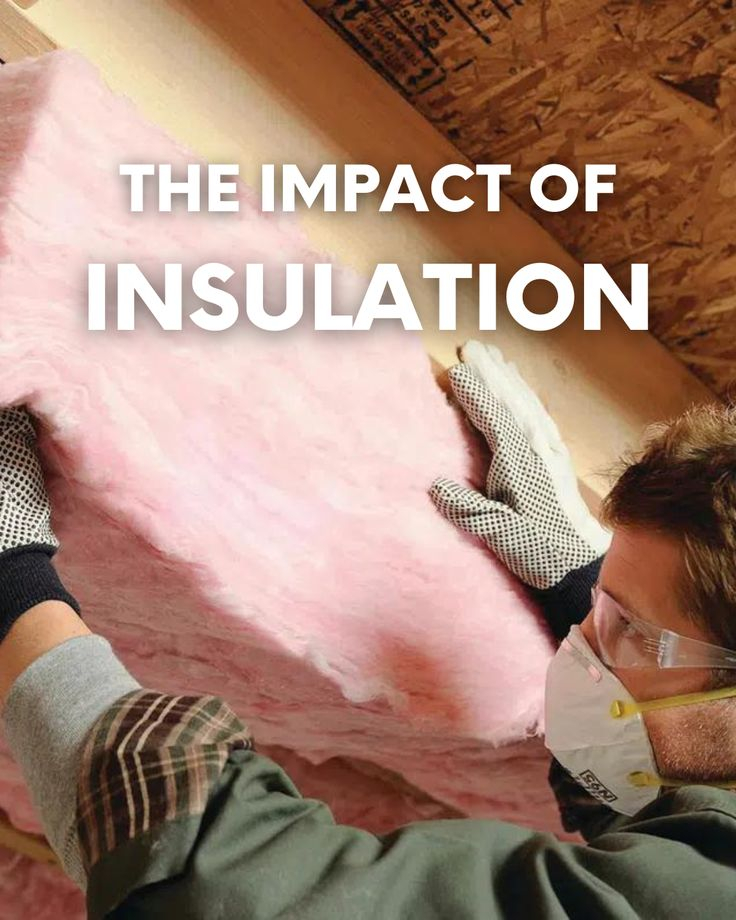
Insulation materials themselves can also impact air quality. Some older foams and fiberglass products contain chemicals that can off-gas volatile organic compounds (VOCs). These can cause headaches, respiratory issues, and other health problems. In 2026, there’s a growing trend toward healthier, low-VOC insulation options. Materials like cellulose (made from recycled paper), mineral wool, and certain types of spray foam are formulated to be safer for occupants. When choosing insulation, ask about its environmental and health impacts. Don’t just look at the R-value. Look at the whole picture.
Moisture control is another big piece of the puzzle. As mentioned earlier, improper insulation can lead to condensation and mold growth. Mold isn’t just ugly. It’s a serious health hazard. It can cause respiratory problems, allergic reactions, and even neurological issues in severe cases. By ensuring your home is properly insulated and air-sealed, you’re reducing the risk of moisture problems. This protects both your health and your home’s structure. It’s a win-win.
Future-Proofing Your Investment
Finally, let’s talk about value. A well-insulated home is more valuable. Period. Buyers are becoming more educated about energy efficiency. They’re looking for homes that are comfortable, cheap to operate, and environmentally friendly. A home that exceeds code minimums stands out in the market. It signals that the owner cared about quality and long-term performance. This can translate into a higher resale price and a faster sale.
Plus, regulations are likely to get stricter. What’s considered "code minimum" today might be illegal tomorrow. Many cities and states are adopting more rigorous energy codes to meet climate goals. By going beyond code now, you’re future-proofing your home. You won’t have to worry about costly upgrades down the road. You’ll already be ahead of the curve. This is especially important if you plan to stay in your home for a long time. It’s an investment in your own comfort and financial security.
Think of it this way. Would you rather buy a car with the minimum safety features, or one with advanced airbags, collision avoidance, and lane-keep assist? Most people would choose the latter. Why treat your home any differently? It’s where you spend most of your time. It’s where your family lives. It deserves more than the bare minimum.
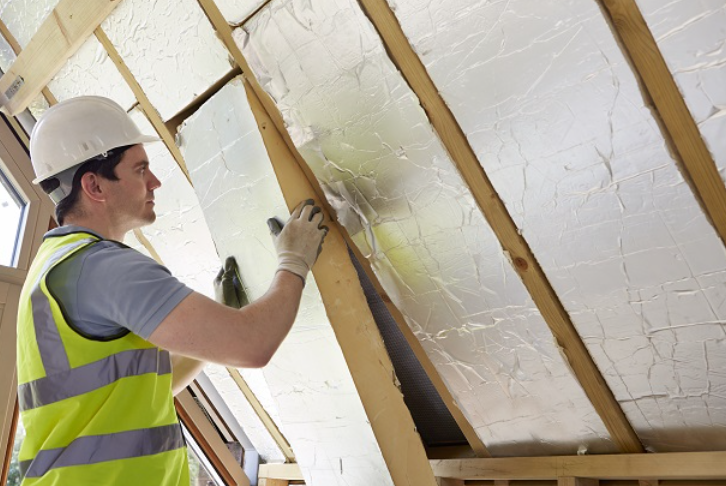
So, how do you actually do this? It’s simpler than you might think. Start by getting an energy audit. Many utilities offer them for free or at a reduced cost. An auditor will inspect your home, identify problem areas, and recommend improvements. This gives you a roadmap. Next, prioritize. Attics are usually the easiest and most cost-effective place to start. Then move to walls, basements, and crawl spaces. Don’t forget air sealing. It’s just as important as insulation.
When hiring contractors, look for experience and certifications. Ask for references. Get multiple bids. Don’t just go with the cheapest option. Ask about the materials they use. Are they low-VOC? Do they have high R-values? How do they ensure proper installation? A good contractor will be happy to answer these questions. If they seem evasive, walk away.
Finally, take advantage of any remaining local incentives. While the federal tax credit ended in 2025, some states and utilities still offer rebates or loans for energy-efficient upgrades. Check with your local government and utility company. Every little bit helps. And remember, this isn’t just about saving money. It’s about creating a home that’s comfortable, healthy, and resilient. It’s about doing the right thing for your family and the planet. So, don’t settle for code minimum. Go further. Your home—and your wallet—will thank you.
[sps_html tag=”img” src=”https://cdn.northcarolinafinearchitecture.com/2026/06/insulation-r-values-environmental-impact-and-sustainable-building-pertaining-to-insulation-design.webp” alt=”Insulation R-Values: Environmental Impact And Sustainable Building … pertaining to Insulation Design” style=”width: 100%; height: auto;”]
[sps_html tag=”img” src=”https://cdn.northcarolinafinearchitecture.com/2026/06/the-impact-of-insulation-marketing-leader-lower-energy-costs-within-insulation-design.jpg” alt=”The Impact Of Insulation | Marketing Leader, Lower Energy Costs … within Insulation Design” style=”width: 100%; height: auto;”]
[sps_html tag=”img” src=”https://cdn.northcarolinafinearchitecture.com/2026/06/impact-of-insulation-on-hvac-performance-and-costs-hvac-service-and-pertaining-to-the-real-impact-of-insulation-choices-on-operational-costs-and-comfort.png” alt=”Impact Of Insulation On Hvac Performance And Costs - Hvac Service And … pertaining to The Real Impact of Insulation Choices on Operational Costs and Comfort” style=”width: 100%; height: auto;”]
[sps_html tag=”img” src=”https://cdn.northcarolinafinearchitecture.com/2026/06/how-insulation-choices-impact-your-homes-energy-efficiency-ultimate-pertaining-to-insulation-design.png” alt=”How Insulation Choices Impact Your Home’s Energy Efficiency - Ultimate … pertaining to Insulation Design” style=”width: 100%; height: auto;”]
[sps_html tag=”img” src=”https://cdn.northcarolinafinearchitecture.com/2026/06/effective-insulation-installation-in-denver-co-by-1-team-intended-for-insulation-design.jpg” alt=”Effective Insulation Installation In Denver, Co By #1 Team intended for Insulation Design” style=”width: 100%; height: auto;”]