It’s hot. Like, really hot. If you’ve stepped outside lately, you’ve probably felt that wall of air hit you, the kind that makes you wonder if your plants are judging you for not watering them enough. But here’s the thing: in 2026, watering more isn’t always the answer. In fact, it can be the problem. We’re seeing shifts in weather patterns that demand we rethink how we garden. It’s not just about keeping things alive; it’s about letting them thrive with less.
Succulents have long been the poster children for low-maintenance gardening, but the rules have changed. The mild winters and predictable springs of the past? They’re gone. Now, we’re dealing with flash droughts and heat domes that stick around for weeks. This guide isn’t just about picking pretty plants. It’s about building a system. A resilient, beautiful, water-wise ecosystem that looks good even when the thermometer breaks records. Let’s dig in.
Understanding the New Normal: Why 2026 is Different
Gardening used to be about following a calendar. Plant in spring, water in summer, prune in fall. Simple. But climate resilience is the new baseline. According to recent data from growingtogive.org, future-proofing your garden means looking beyond just the plant itself. You have to consider root-zone protection, airflow, and smart irrigation. It’s a holistic approach. The heat in 2026 isn’t just high temperatures; it’s the intensity and duration. Plants get stressed not just by lack of water, but by soil that cooks their roots.
This shift requires a mindset change. We’re moving away from fighting nature to working with it. Drought-tolerant gardens aren’t barren landscapes of gravel and cactus spines. They’re vibrant, textured, and colorful. But they rely on design principles that prioritize water conservation from the ground up. As noted by completegardening.com, adopting practices that minimize water usage while creating beauty is crucial. It’s about sustainability meeting aesthetics. You’re not just saving water; you’re creating a space that feels calm and grounded, even when the weather feels chaotic.
So, what does this mean for you? It means stopping the cycle of overwatering out of panic. It means choosing plants that don’t just tolerate heat but love it. And it means designing your space so that every drop of water counts. The goal is a garden that asks for very little but gives back so much in terms of visual joy and environmental benefit. It’s a partnership with the land, not a domination of it.
Choosing the Right Warriors: Top Succulents for Extreme Heat
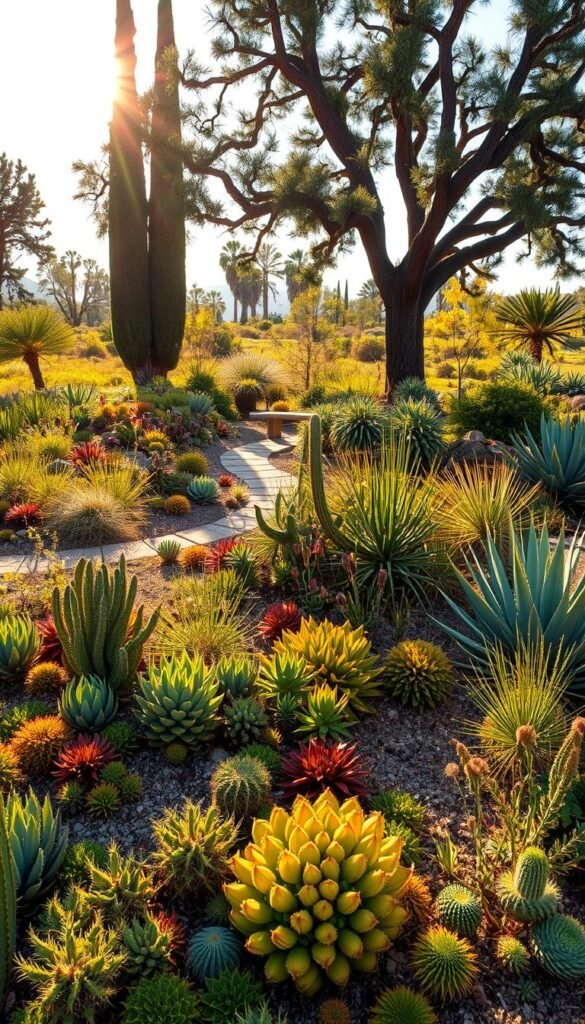
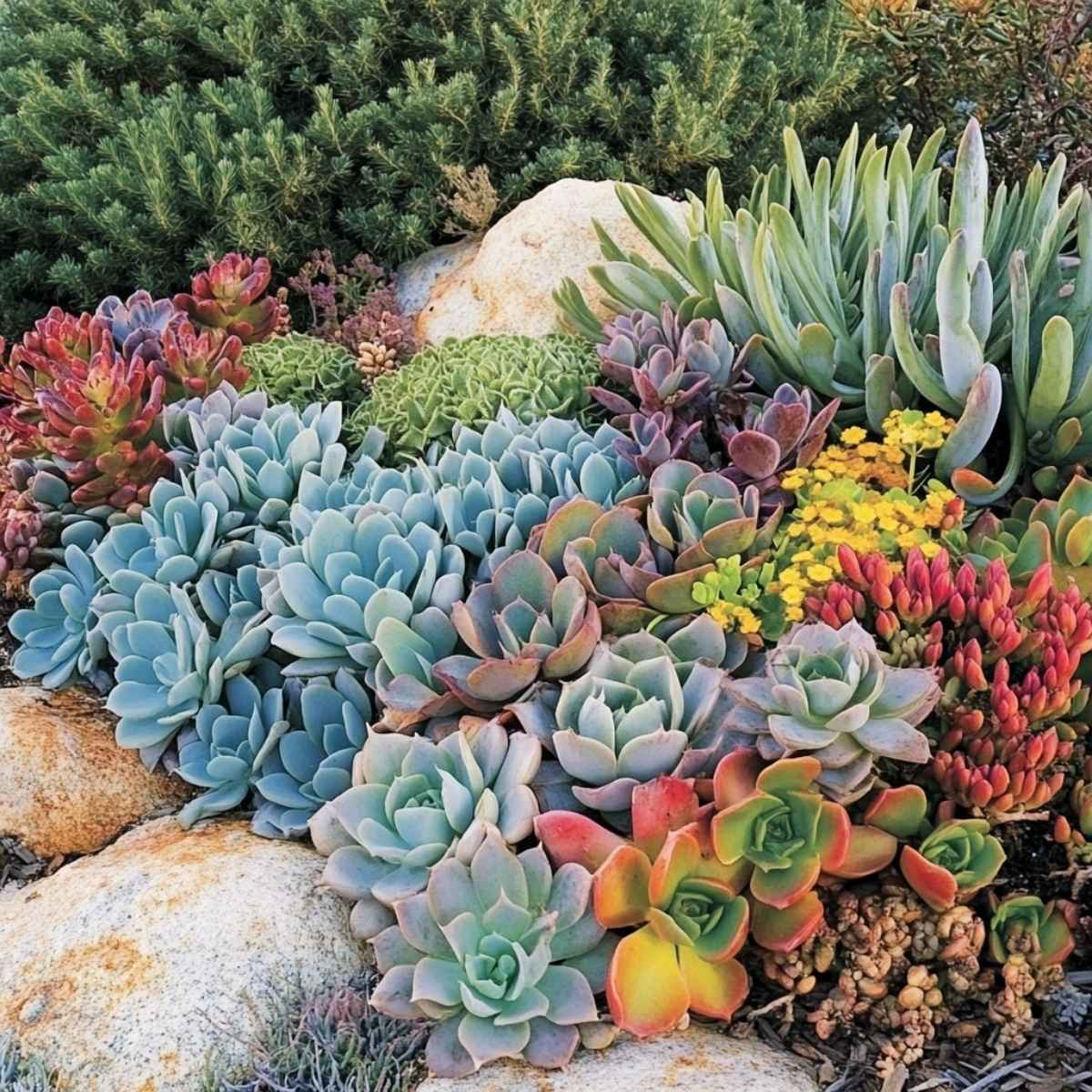
Not all succulents are created equal. Some wilt under pressure; others flourish. When selecting plants for a 2026 heatwave garden, you need tough cookies. Agave, Aloe, and Sedum are classic choices for a reason. As highlighted by succulencare.com, these plants are among the best for hot, dry, low-water gardens. They have evolved mechanisms to store water and reflect sunlight. But don’t stop there. Look at Sempervivum (Hens and Chicks) and ice plants. These ground covers spread quickly, shading the soil and keeping root zones cool.
Let’s talk specifics. Agave americana is a powerhouse. It’s large, architectural, and barely needs a drink once established. But be careful with placement; it gets big. For smaller spaces, try Echeveria ‘Perle von Nürnberg’. Its powdery leaves reflect heat, acting like natural sunscreen. Then there’s the humble Jade Plant (Crassula ovata). It’s forgiving, sturdy, and looks great in containers or beds. The key is diversity. Don’t just pick one type. Mix heights, textures, and colors. This isn’t just for looks; it creates microclimates within your garden.
Also, consider your USDA zone. What works in Arizona might struggle in humid Florida heat. Check the sun and water needs for each plant. Some succulents prefer morning sun and afternoon shade, especially in peak summer. Others, like many Agaves, want full blast all day. Know your site. Observe where the shadows fall. Use that info to place your plants. A little planning goes a long way. You’re curating a team of survivors, each with a specific role to play in your garden’s ecosystem.
Soil and Drainage: The Hidden Hero of Drought Resistance
Here’s a secret: most succulent deaths aren’t caused by drought. They’re caused by rot. And rot comes from wet feet. In 2026, when rain does come, it often comes in heavy, destructive bursts. Your soil needs to handle this. Standard garden soil holds too much moisture. You need a mix that drains fast. Think gritty, rocky, and airy. As ecolivingtools.com suggests, proper soil composition is critical for drought-tolerant success. A good rule of thumb is 50% organic matter and 50% inorganic material like perlite, pumice, or coarse sand.
Why does this matter? Because succulent roots need oxygen. When soil stays wet, roots suffocate and rot. Fast-draining soil mimics the native environments of these plants—rocky slopes, desert floors, cliff faces. It allows water to pass through quickly, taking nutrients with it, but leaving the roots moist just long enough to drink. Then it dries out. This cycle is key. You can buy pre-mixed cactus soil, but amending it with extra perlite often helps in extreme heat.
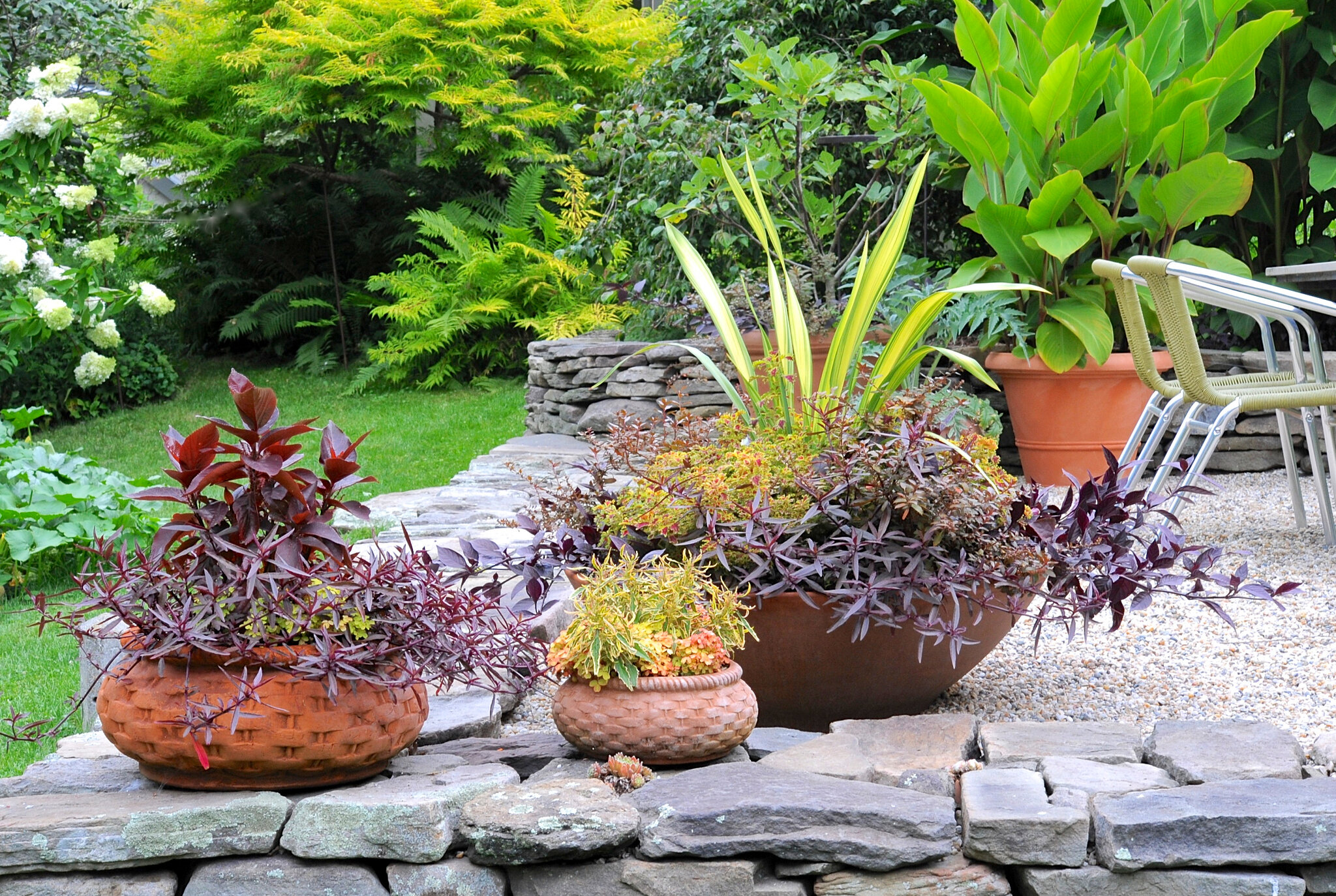
Don’t forget the power of mulch. But not wood chips. Wood holds water and can cause rot. Use inorganic mulch like gravel, crushed granite, or pea gravel. As plantyplace.com notes, mixed sizes of river rocks act as anchors and help regulate soil temperature. Light-colored rocks reflect heat, keeping the soil cooler. Dark rocks absorb heat, which might be useful in cooler climates but risky in 2026’s heat. Choose wisely. This layer protects the soil surface, reduces evaporation, and keeps weeds down. It’s a simple step with huge benefits.
Smart Design: Layouts That Beat the Heat
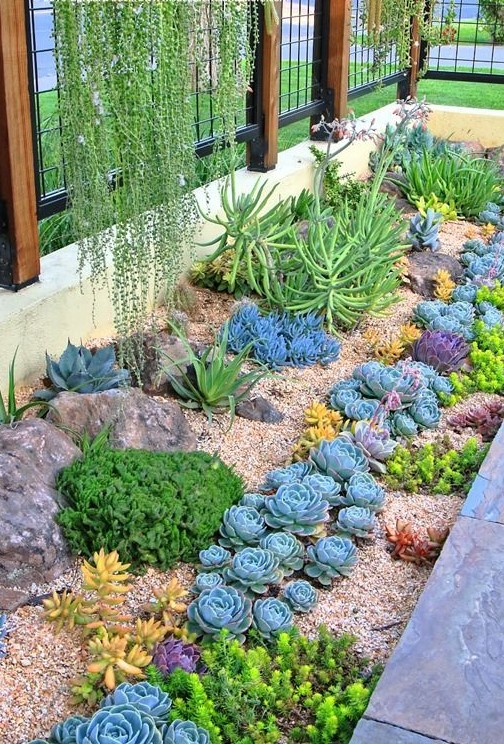
Designing for drought isn’t just about plants; it’s about layout. How you arrange your garden affects how it handles heat. Grouping plants with similar water needs together is rule number one. This is called hydrozoning. It prevents you from overwatering drought-tolerant plants to keep thirsty neighbors happy. Create zones. Put your thirstiest succulents (yes, some need a bit more) in one area, and your true desert warriors in another. This makes irrigation efficient and targeted.
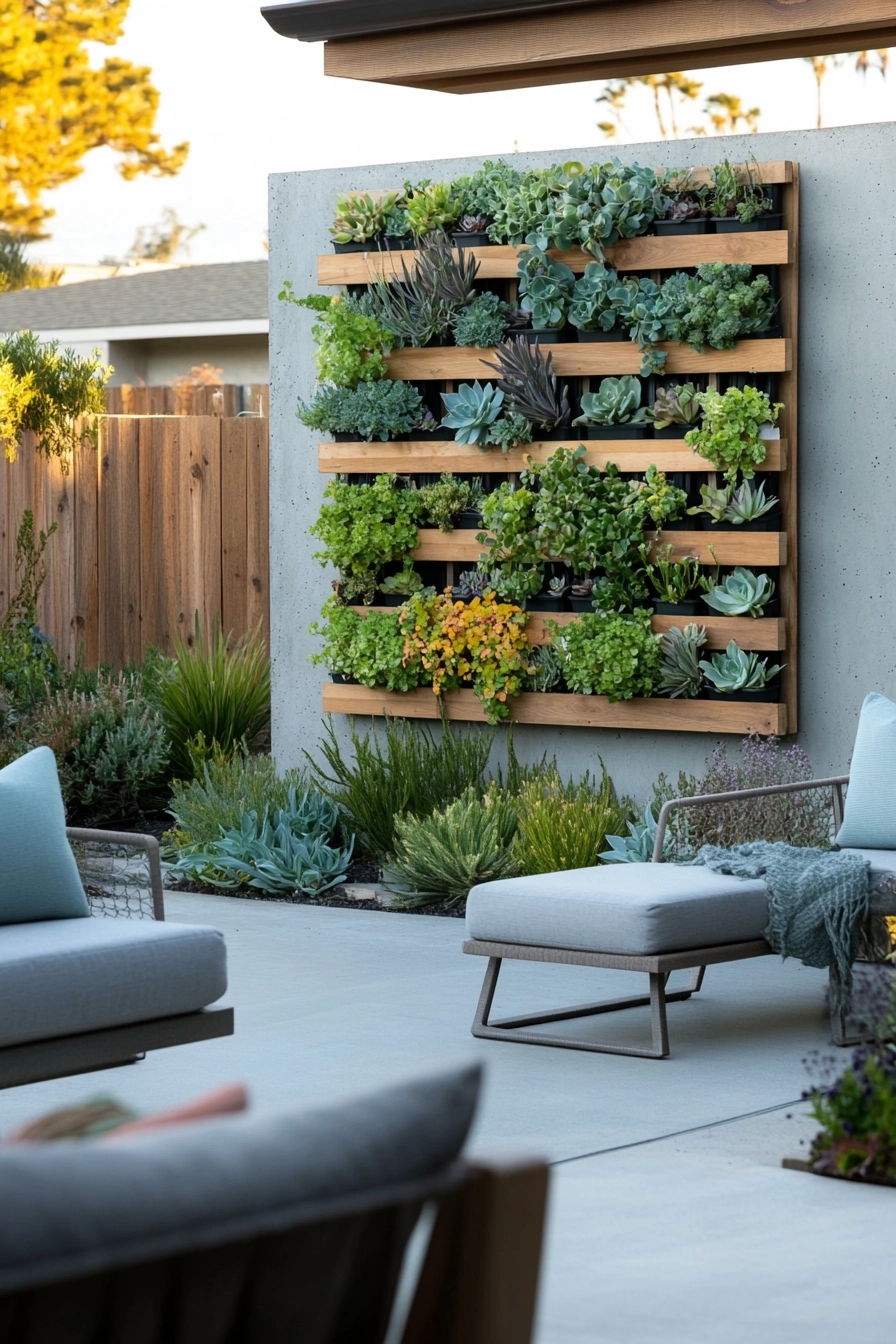
Vertical gardens are having a moment, and for good reason. As mentioned by plantyplace.com, succulents are perfect for space-saving vertical designs. Walls heat up, yes, but they also offer shade to lower plants. Use tall agaves or aloes to cast shadow on smaller sedums below. This creates a layered effect that cools the microclimate. Think about airflow too. Crowded plants trap humidity and heat. Give them space. Good air circulation helps leaves dry out after dew or rare rain, preventing fungal issues.
Rock gardens are another excellent option. Large decorative boulders act as heat sinks, absorbing warmth during the day and releasing it slowly at night. This buffers temperature swings. Place succulents near these rocks for protection. Use gaps between rocks to plant ground covers like ice plant. This fills space, suppresses weeds, and creates a seamless, natural look. The goal is to mimic nature. Nature doesn’t plant in straight lines. It clusters, spreads, and layers. Follow that lead. Your garden will look more organic and function better.
Watering Wisely: Techniques for 2026 Conditions
Watering is where most people go wrong. In the heat of 2026, the instinct is to water daily. Don’t. Succulents store water in their leaves and stems. They’re built for scarcity. Overwatering is the fastest way to kill them. Instead, water deeply and infrequently. Soak the soil thoroughly, then let it dry out completely before watering again. This encourages deep root growth. Shallow roots dry out fast; deep roots find moisture deeper in the soil. It’s about training your plants to be self-sufficient.
Smart irrigation systems can help. Drip irrigation delivers water directly to the root zone, minimizing evaporation. As growingtogive.org points out, smart irrigation is a key climate-resilient strategy. Set timers to water early in the morning. This gives plants time to absorb moisture before the heat of the day hits. Avoid evening watering, which can leave foliage wet overnight and invite disease. If you’re hand-watering, use a hose with a shut-off nozzle. Target the base of the plant, not the leaves.
Watch your plants. They’ll tell you when they’re thirsty. Wrinkled leaves, slight shriveling, or a loss of turgor pressure are signs. But don’t panic at the first sign. Succulents can handle some stress. It’s part of their charm. Learn to read their signals. In peak summer, you might water once every two weeks. In cooler months, maybe once a month or less. Adjust based on rainfall and temperature. Flexibility is key. There’s no fixed schedule. There’s only observation and response. Listen to your garden.
A drought-resistant garden isn’t “no maintenance.” It’s “low maintenance.” But it still needs care. Pruning is important. Remove dead leaves and spent flowers. This keeps air flowing and prevents pests. Dead material can harbor insects or fungus, especially if it gets wet. Keep your garden clean. Weed regularly. Weeds compete for water and nutrients. Even in a succulent garden, they’ll pop up. Pull them when they’re small. It’s easier then.
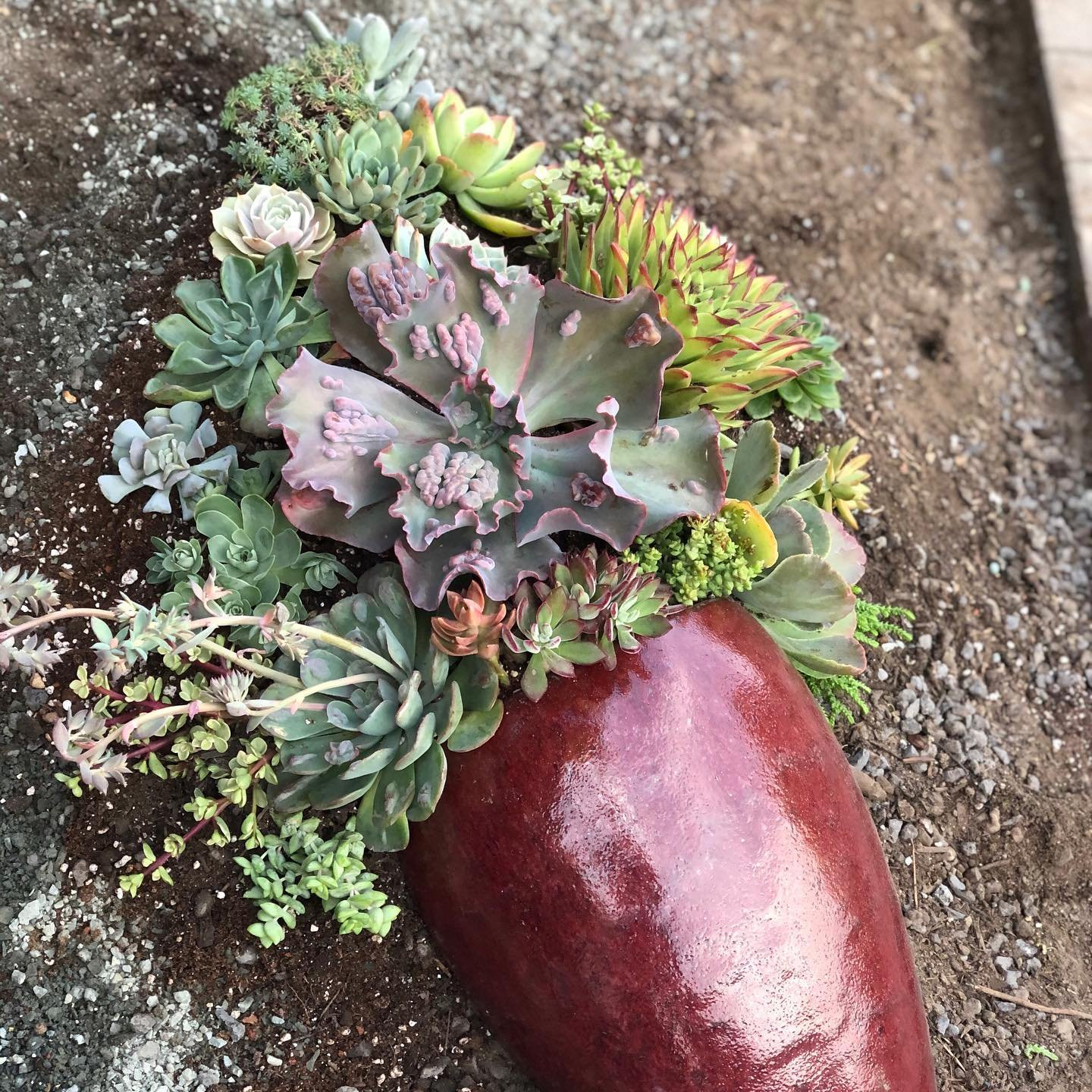
Propagation is a fun part of succulent care. Many succulents are easy to propagate from leaf cuttings or offsets. This lets you fill in gaps or share with friends. As ecolivingtools.com mentions, propagation is a key skill for succulent gardeners. It’s cost-effective and rewarding. Watch for pests like mealybugs or aphids. They love stressed plants. A strong jet of water or insecticidal soap can handle minor infestations. Catch them early. Healthy plants resist pests better.
Finally, observe and adapt. Gardening is a learning process. What works in one spot might not work in another. Note what thrives and what struggles. Replace failures with better-suited plants. Don’t be afraid to experiment. Try new varieties. Move plants around. Your garden is a living thing, changing with the seasons and the years. Embrace that change. In 2026, resilience is about adaptation. Your succulent garden is a testament to that. It’s a small act of hope, a patch of beauty that stands firm against the heat.
Creating a drought-resistant succulent garden in 2026 is less about fighting the elements and more about dancing with them. It’s about choosing the right plants, preparing the soil, designing smartly, watering wisely, and maintaining with care. It’s a shift in perspective. From control to collaboration. From excess to efficiency. The result is a garden that’s not just surviving the heat, but thriving in it. A space that’s beautiful, sustainable, and deeply satisfying.
So, start small. Pick a corner. Choose a few tough succulents. Amend your soil. Watch them grow. Learn from them. You’ll find that less is indeed more. Less water, less work, more beauty. More resilience. More peace. In a world that feels increasingly uncertain, there’s something grounding about watching a plant thrive against the odds. It’s a reminder that life finds a way. And with the right approach, your garden can too. Go get your hands dirty. The heat isn’t waiting, but neither should you.
[sps_html tag=”img” src=”https://cdn.northcarolinafinearchitecture.com/2026/06/outdoor-succulent-garden-design-stylish-and-low-maintenance-landscaping-regarding-designing-a-drought-proof-succulent-garden-that-thrives-in-2026-heat.jpg” alt=”Outdoor Succulent Garden Design: Stylish And Low-Maintenance Landscaping regarding Designing a drought-proof succulent garden that thrives in 2026 heat” style=”width: 100%; height: auto;”]
[sps_html tag=”img” src=”https://cdn.northcarolinafinearchitecture.com/2026/06/how-to-design-a-water-wise-drought-tolerant-garden-alices-wonderland-pertaining-to-outdoor-succulent-garden-design.jpeg” alt=”How To Design A Water-Wise Drought-Tolerant Garden - Alices Wonderland … pertaining to Outdoor Succulent Garden Design” style=”width: 100%; height: auto;”]
[sps_html tag=”img” src=”https://cdn.northcarolinafinearchitecture.com/2026/06/designing-water-wise-gardens-drought-tolerant-plants-and-layouts-throughout-designing-a-drought-proof-succulent-garden-that-thrives-in-2026-heat.jpeg” alt=”Designing Water-Wise Gardens: Drought-Tolerant Plants And Layouts throughout Designing a drought-proof succulent garden that thrives in 2026 heat” style=”width: 100%; height: auto;”]
[sps_html tag=”img” src=”https://cdn.northcarolinafinearchitecture.com/2026/06/10-stunning-mediterranean-garden-ideas-for-a-relaxing-backyard-with-regard-to-outdoor-succulent-garden-design.jpg” alt=”10 Stunning Mediterranean Garden Ideas For A Relaxing Backyard with regard to Outdoor Succulent Garden Design” style=”width: 100%; height: auto;”]
[sps_html tag=”img” src=”https://cdn.northcarolinafinearchitecture.com/2026/06/creating-a-drought-resistant-oasis-the-ultimate-guide-to-front-yard-regarding-outdoor-succulent-garden-design.jpg” alt=”Creating A Drought-Resistant Oasis: The Ultimate Guide To Front Yard … regarding Outdoor Succulent Garden Design” style=”width: 100%; height: auto;”]