Ever notice how the world seems to slow down when you hear water? It’s not just in your head. That gentle trickle or soft splash does something primal to our nervous systems. It tells us to breathe. To unclench our jaws. For those of us living in apartments or homes with postage-stamp-sized patios, finding that sense of escape can feel impossible. We look at our four concrete walls and see limits. But what if you looked closer and saw potential?
You don’t need a sprawling estate to create a retreat. You just need a corner, a bit of creativity, and the willingness to get your hands a little wet. In 2026, the trend isn’t about grand, expensive installations anymore. It’s about intimacy. It’s about crafting a personal oasis that fits your life and your space. Whether you have a balcony that barely fits a chair or a small backyard nook, adding water changes everything. It masks the hum of traffic. It invites birds. It turns a sterile space into a living, breathing part of your home.
Why Water Changes Everything in Small Spaces
Let’s be honest. Small spaces can feel loud. Not just in volume, but in visual noise. When you’re surrounded by neighbors’ fences, air conditioning units, and the general clutter of urban living, your mind rarely gets a break. This is where water works its magic. It’s not just a decoration; it’s a tool for mental clarity. Studies have long shown that the sound of moving water lowers cortisol levels. It’s nature’s white noise machine, but far more pleasant than any app on your phone.
Beyond the sound, water adds depth. A mirror-like surface in a small basin reflects the sky, making a tiny patio feel twice as big. A vertical water wall draws the eye upward, emphasizing height rather than the lack of width. It creates a focal point. Instead of staring at a blank brick wall, you’re watching light dance on ripples. It gives your eyes somewhere restful to land. This shift in perspective is crucial. It transforms a "leftover" space into a destination. You start wanting to spend time there. You bring your coffee out in the morning. You read your book there in the evening.
And let’s talk about the vibe. Water brings life. Even a simple recirculating fountain attracts dragonflies, bees, and occasionally a thirsty sparrow. This connection to nature, however small, grounds us. It reminds us that we are part of a larger ecosystem, even if that ecosystem is just a ten-gallon pot on a fire escape. In a world that feels increasingly digital and disconnected, having a tangible, natural element right outside your door is a luxury anyone can afford. It’s an anchor. A reminder to pause.
Getting Started: Tools and Basic Materials
Before you run to the hardware store, take a breath. You don’t need a workshop full of power tools. Most DIY water features rely on simplicity. The heart of any project is the pump. For small patios, you’ll want a submersible pump. These are quiet, efficient, and safe. Look for one with an adjustable flow rate. This lets you control the sound. Do you want a gentle gurgle or a steady stream? The pump size depends on the height you want the water to reach. A good rule of thumb for beginners is to start small. A pump that moves 50 to 100 gallons per hour is usually plenty for a tabletop or small ground feature.
Next, you need a reservoir. This is where the water lives. It doesn’t have to be fancy. A glazed ceramic pot, a galvanized steel tub, or even a repurposed wooden barrel works beautifully. The key is that it must hold water without leaking. If you’re using a porous material like terra cotta, you’ll need to seal it or use a liner. Plastic liners are cheap and easy to cut to size. They hide inside pretty containers, so no one has to know they’re there. Just make sure the container is sturdy enough to hold the weight of the water. Water is heavy. A gallon weighs about eight pounds. Do the math before you put a flimsy pot on a wobbly table.
Then there’s the tubing and the stones. Black vinyl tubing connects the pump to the spout. Hide it behind rocks or plants. Speaking of rocks, they are your best friend. River stones, slate, or pea gravel help disguise the mechanics and add texture. They also help break up the sound of falling water, making it softer and less splashing. You might also need a drill if you’re creating your own spouts, but many kits come with pre-made options. Keep it simple. Gather your materials, lay them out, and visualize the flow. If you can picture it, you can build it.
The Tiered Pot Fountain: A Classic for a Reason
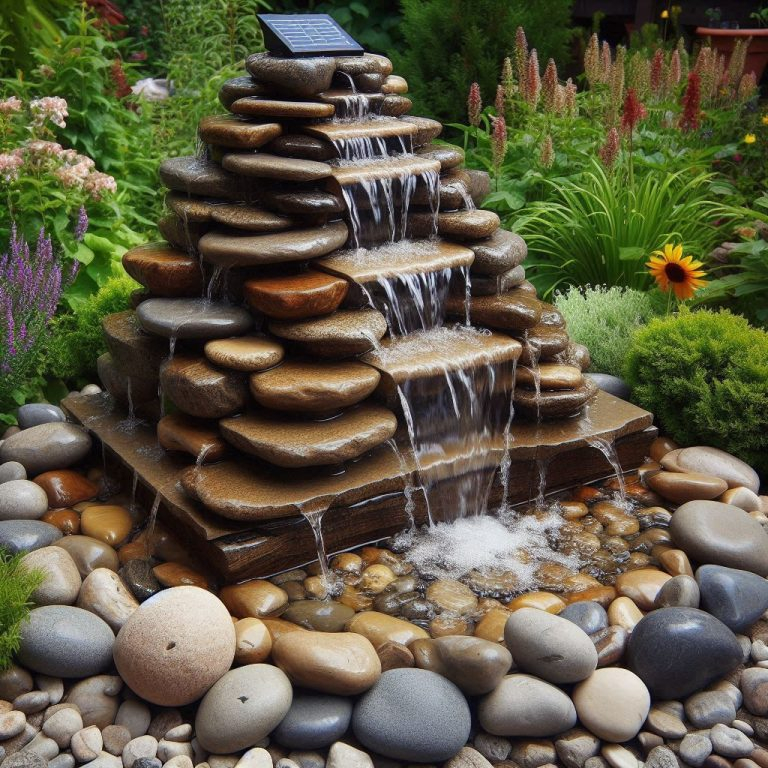
If you’re new to this, start with the tiered flower pot fountain. It’s a classic for a reason. It’s forgiving, looks elegant, and costs next to nothing if you shop at thrift stores or use pots you already have. The concept is simple: stack pots from largest to smallest, drill holes in the bottom of each (except the top one), and run the tubing up through the center. The water pumps up to the top pot and cascades down through the layers. It’s visually satisfying and sounds wonderful.
To build it, you’ll need three terracotta pots of decreasing size. Drill a hole in the center of the bottom of the two larger pots. The hole should be just big enough for your tubing to pass through snugly. Stack them on a sturdy base—like a large saucer or a flat stone. Place your pump in the bottom reservoir (the base). Run the tubing up through the holes. At the top, you can use a small decorative nozzle or just let the water spill over the rim. Cover the tubing with stones or soil if you plan to plant something in the top pot. A small fern or moss loves the constant moisture.
The beauty of this design is its versatility. You can paint the pots to match your decor. You can use mismatched colors for a whimsical look. Or keep them natural for a rustic feel. The sound is a soft, continuous shhhhh. It’s not loud enough to annoy neighbors, but loud enough to mask the distant hum of the city. Plus, it takes up very little footprint. You can place it on a side table, a step, or directly on the patio floor. It’s a weekend project that yields years of enjoyment. And if you mess up? You just unstack it and try again. No harm done.
Vertical Water Walls: Maximizing Height
When floor space is tight, go up. Vertical water walls are stunning modern additions that turn a blank fence or wall into a living piece of art. They don’t have to be complicated. In fact, some of the best ones are made from simple materials like slate tiles, bamboo, or even recycled window frames. The idea is to create a surface where water sheets down smoothly. This creates a visual curtain of water that is both mesmerizing and private. It acts as a screen, blocking the view of unsightly neighbors or utility boxes.
One easy way to start is with a mounted planter box. Attach a waterproof liner to a wooden frame. Install a small pump at the bottom. Run the tubing to the top edge. You can let the water fall over a lip of stone or metal. As it falls, it hits a catch basin below. The sound here is different. It’s a consistent, rushing white noise. It’s incredibly effective at drowning out street traffic. If you’re handy, you can build a frame from cedar or redwood, which resist rot. Seal it well. Use a level to make sure the water flows evenly. If it’s tilted, the water will pool on one side and look messy.
For a softer look, try a bamboo wall. Bundle stalks together and mount them vertically. Run the water down the center. The hollow stems amplify the sound slightly, creating a unique, rhythmic dripping noise. It feels tropical and exotic. Add some trailing plants like ivy or pothos around the edges to soften the hardscape. The greenery contrasts beautifully with the movement of the water. Just remember to check the pump regularly. Debris from leaves can clog it. A quick rinse once a month keeps it running smooth. This type of feature makes a bold statement without taking up any usable floor space. It’s perfect for balconies where every square inch counts.
Container Ponds: Bringing Life to Your Patio
Maybe you want more than just moving water. Maybe you want stillness. A container pond is a miniature ecosystem. It’s a slice of nature in a box. You can use anything from a half-whiskey barrel to a large ceramic urn. The key is depth. You need at least 12 to 18 inches of water to support aquatic plants and keep the temperature stable. Fill your container with water. Let it sit for a day to off-gas chlorine if you’re using tap water. Then, add your plants.
Start with oxygenators like hornwort. They live underwater and keep the water clear. Add floating plants like water lettuce or duckweed. They provide shade, which prevents algae from taking over. Finally, add a marginal plant like a dwarf papyrus or a mini cattail. These grow in shallow water at the edges. Their roots filter the water naturally. You don’t need a filter if you have enough plants. The plants do the work. It’s a self-cleaning system, mostly. You’ll just need to top off the water as it evaporates.
If you want fish, stick to minnows or guppies. Goldfish get too big and produce too much waste for a small container. Minnows are hardy and fun to watch. They dart around and add movement. But be careful in hot climates. Small volumes of water heat up fast. Provide shade with your plants or move the container to a cooler spot in the afternoon. A container pond is quiet. It doesn’t gurgle. It reflects. It invites you to sit and stare. It’s meditative. Watching a dragonfly land on a lily pad is a small miracle that happens daily in these tiny worlds. It connects you to the seasons. You see the buds form, the flowers bloom, and the leaves fade. It’s a lesson in patience and presence.
Let’s address the elephant in the room. Maintenance. People avoid water features because they fear they’ll become mosquito breeding grounds or algae swamps. This doesn’t have to be true. The secret is circulation and balance. Mosquitoes need stagnant water to lay eggs. If your water is moving, even slightly, mosquitoes won’t touch it. A small pump keeps the water circulating. If you have a still pond, add a small bubbler or change the water weekly. It’s that simple. Don’t let fear stop you.
Algae is another common concern. Green water looks unpleasant. But algae thrives on sunlight and nutrients. Limit direct sunlight if possible. Use aquatic plants to compete for the nutrients. If algae appears, don’t panic. Scrub the sides with a brush. Do a partial water change. Avoid using chemicals. They harm beneficial bacteria and can kill plants or pets. Nature wants to balance itself. Give it a hand, but don’t force it. In 2026, there are also eco-friendly enzyme treatments available that break down organic waste without harsh chemicals. A little goes a long way.
Winter care depends on where you live. If you freeze, you need to protect your pump. Drain it and store it indoors. Empty the feature if it’s small and prone to cracking. Stone and ceramic can crack when water expands inside them. If you have a large, sturdy feature, you can leave it empty or cover it. In milder climates, you can run the feature year-round. Just keep an eye on ice buildup. Sometimes, turning the pump off during extreme cold snaps saves it from burning out. Maintenance isn’t a chore. It’s a ritual. Checking the water level, wiping a leaf, listening to the sound. It’s a moment of care for your space. And in return, your space cares for you.
Creating a water feature on a small patio isn’t about perfection. It’s about intention. It’s about carving out a space for peace in a chaotic world. You don’t need a big budget or a degree in landscape architecture. You just need to start. Pick a spot. Choose a style that speaks to you. Gather your materials. And listen. Listen to the water. Let it wash away the stress of the day. Your serene retreat is waiting. It’s closer than you think.
[sps_html tag=”img” src=”https://cdn.northcarolinafinearchitecture.com/2026/06/17-easy-diy-fountain-ideas-for-a-relaxing-garden-retreat-f09f8c8a-with-from-solar-powered-to-natural-rock-trends-shaping-outdoor-fountain-design-this-year.jpeg” alt=”17+ Easy Diy Fountain Ideas For A Relaxing Garden Retreat 🌊 with From Solar Powered to Natural Rock Trends Shaping Outdoor Fountain Design This Year” style=”width: 100%; height: auto;”]
[sps_html tag=”img” src=”https://cdn.northcarolinafinearchitecture.com/2026/06/cascading-rocks-solar-powered-water-feature-easy-fountain-intended-for-outdoor-fountain-design.jpg” alt=”Cascading Rocks | Solar Powered Water Feature | Easy Fountain intended for Outdoor Fountain Design” style=”width: 100%; height: auto;”]
[sps_html tag=”img” src=”https://cdn.northcarolinafinearchitecture.com/2026/06/solar-powered-rock-waterfall-solar-water-feature-available-from-the-in-outdoor-fountain-design.jpg” alt=”Solar Powered Rock Waterfall Solar Water Feature Available From The in Outdoor Fountain Design” style=”width: 100%; height: auto;”]
[sps_html tag=”img” src=”https://cdn.northcarolinafinearchitecture.com/2026/06/solar-powered-rock-fall-fountain-by-kaleidoscope-look-again-pertaining-to-from-solar-powered-to-natural-rock-trends-shaping-outdoor-fountain-design-this-year.jpg” alt=”Solar Powered Rock Fall Fountain By Kaleidoscope | Look Again pertaining to From Solar Powered to Natural Rock Trends Shaping Outdoor Fountain Design This Year” style=”width: 100%; height: auto;”]
[sps_html tag=”img” src=”https://cdn.northcarolinafinearchitecture.com/2026/06/35-outdoor-fountain-ideas-for-2025-modern-diy-solar-natural-rock-with-outdoor-fountain-design.png” alt=”35 Outdoor Fountain Ideas For 2025 – Modern, Diy, Solar, Natural Rock … with Outdoor Fountain Design” style=”width: 100%; height: auto;”]