Let’s be honest for a second. When was the last time you really looked at your garage? I don’t mean just glancing at it as you pull in late from work, tired and ready to collapse. I mean, truly looked at it. For most of us, the garage is an afterthought. It’s where the lawnmower goes to die, where boxes of holiday decorations gather dust, and where cars are parked haphazardly because, well, there’s no other choice. But here’s the thing: in 2026, the garage has evolved. It’s no longer just a storage unit with a door. It’s a major player in your home’s overall aesthetic and financial worth.
Think about it. If you have a two, three, or even four-car garage, that structure likely takes up a huge chunk of your home’s front facade. It’s massive. Ignoring its design is like wearing a tuxedo with flip-flops. It just doesn’t work. A well-designed multi-car garage can transform your property from "nice" to "wow." It adds serious curb appeal. And when it comes time to sell? That appeal translates directly into cold, hard cash. Buyers notice. They care. And they’re willing to pay more for a home that feels cohesive, functional, and stylish from the driveway up.
So, how do you get there? It’s not about spending a fortune on gold-plated door handles. It’s about smart design choices, architectural harmony, and thinking beyond the basic box. Whether you’re building new or remodeling an existing structure, the principles remain the same. You want a space that works for your life today while looking good enough to impress tomorrow’s buyers. Let’s dive into how you can make your multi-car garage the asset it was always meant to be.
Making It Look Like Part of the House, Not an Add-On
The biggest mistake people make with multi-car garages is treating them like separate entities. You know the look: a big, blank wall with three white doors slapped onto the side of a charming Craftsman or Colonial. It screams "afterthought." To boost value, your garage needs to feel like it grew out of the house naturally. This is all about architectural consistency. As noted by design experts at The Pinnacle List, blending functionality with the home’s existing style is key. You want visitors to see the garage and think, "Of course that belongs there," not "Why is that huge box sitting next to my pretty house?"
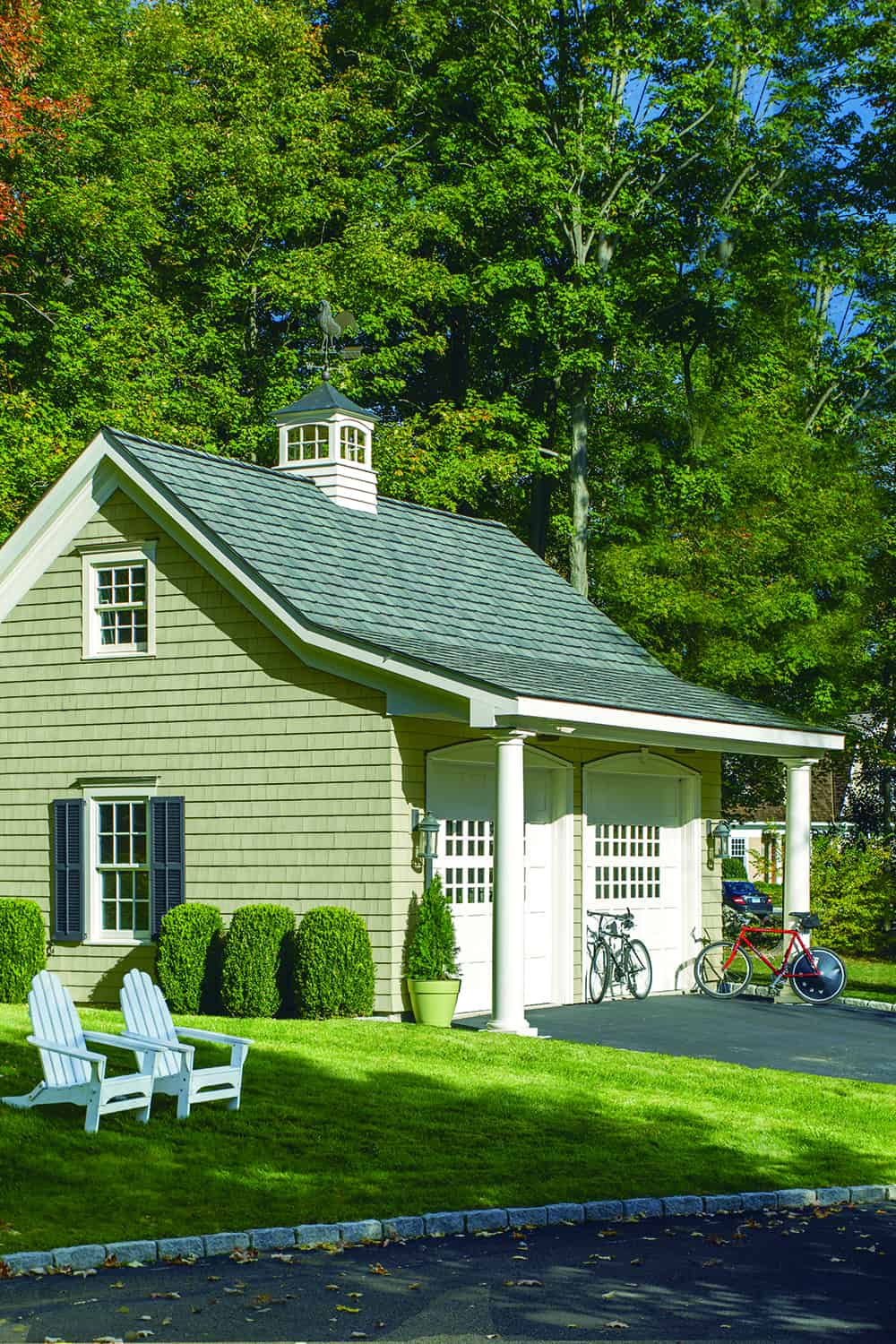
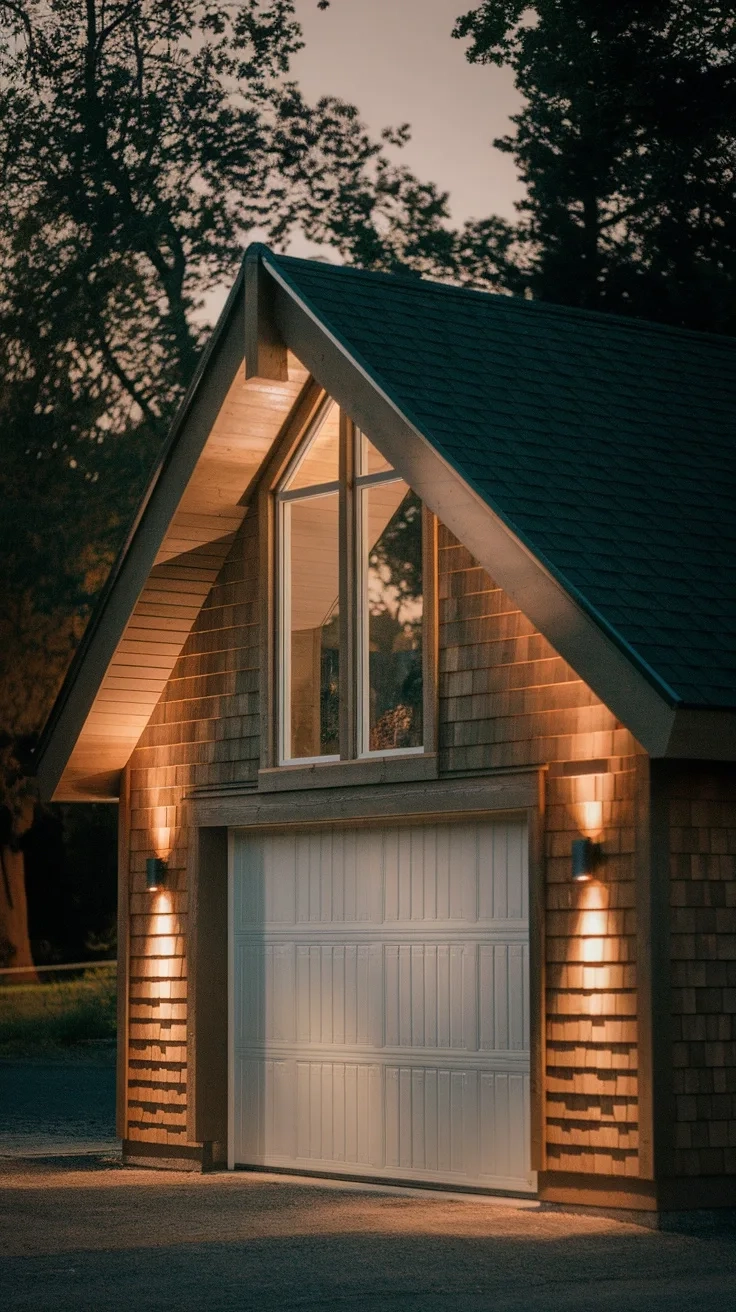
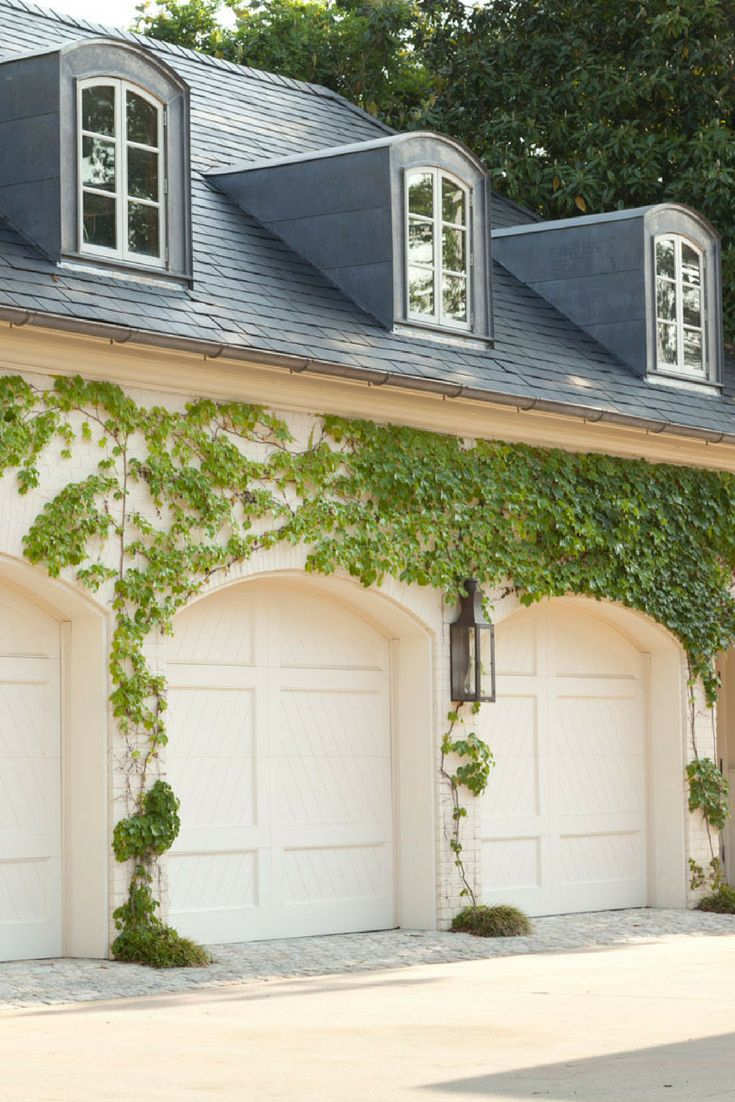
Start with the roofline. If your home has gables, give the garage gables too. Match the pitch of the roof. Use the same roofing material—whether it’s slate, clay tile, or architectural shingles. This creates a visual bridge between the main structure and the garage. Don’t forget the siding. If your house is brick, use brick on the garage. If it’s clapboard, match the width and color of the boards. Even small details matter. Trim colors, window styles, and exterior lighting should mirror what’s on the main house. This isn’t about being boring; it’s about being cohesive. When the eye travels across the front of your property, it should flow smoothly, not stumble over a disjointed garage.
And let’s talk about scale. A three-car garage can look monstrous if it’s just one wide wall. Break it up. Use columns, changes in material, or varying roof heights to create visual interest. Maybe the third bay is set back slightly, or perhaps it has a different roof peak. These subtle shifts reduce the "bulk" factor. They make the structure feel more human-sized and less like a warehouse. In 2026, buyers are looking for homes that feel inviting, not intimidating. A garage that respects the scale of the neighborhood and the main house signals that the homeowner cares about detail. That perception of care adds value, plain and simple.
Choosing Doors That Define the Space
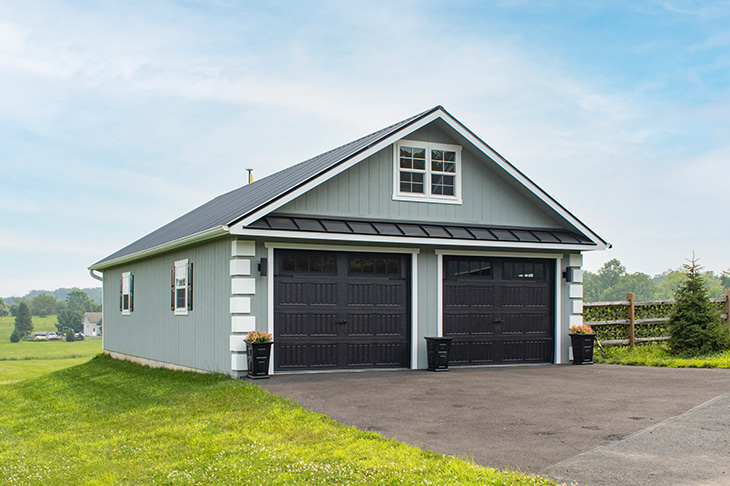
If the roof and siding are the body of your garage, the doors are its face. They’re the first thing people see. And let’s be real, standard white steel doors are… fine. But "fine" doesn’t boost property value. "Fine" doesn’t stop someone scrolling through Zillow. To really enhance curb appeal, you need doors that make a statement. Architectural Digest points out that even small updates here can make a huge difference. You don’t necessarily need to replace the entire mechanism, but upgrading the look is crucial.
Material matters. Wood doors offer warmth and classic elegance, perfect for traditional homes. They’re pricey and require maintenance, sure, but the payoff in aesthetics is undeniable. Composite wood-look doors are a fantastic alternative in 2026. They give you the rich texture and grain of real wood without the warping or rotting issues. For modern homes, consider full-view aluminum and glass doors. They’re sleek, industrial-chic, and let natural light flood into the workspace. This transparency can make the garage feel less like a cave and more like a showroom.
Then there’s the configuration. For a multi-car garage, avoid the temptation to just install three identical single doors side-by-side unless the architecture demands it. Often, a double door paired with a single door looks better. It breaks up the monotony. Or, if you have a wide span, consider custom oversized doors that cover two bays, separated by a decorative column. Hardware is another easy win. Swap out generic handles for wrought iron or brushed nickel accents. Add windows. Windows in garage doors aren’t just for letting light in; they add rhythm and character. They break up the large flat surface. Just ensure the window style matches your home’s other windows. Arched tops for Victorians, square grids for Moderns. Consistency is king.
Smart Layouts for Real Life Functionality
Curb appeal gets people interested, but functionality keeps them happy. And happy homeowners (or buyers) means higher value. A multi-car garage is a lot of square footage. If it’s just empty space with cars parked in it, you’re wasting potential. In 2026, the garage is a multifunctional hub. It’s a workshop, a gym, a drop zone for kids’ sports gear, and yes, a place for cars. But if you can’t get your car in because the space is cluttered, the design has failed. Precision Door highlights the importance of ingenious layout and storage ideas, and they’re right. You need a plan.
Start with the floor plan. Where do the cars go? Ensure there’s enough clearance between vehicles so doors can open without dinging the neighbor’s ride. Standard bays are often too narrow for today’s larger SUVs and trucks. Aim for at least 10 to 12 feet wide per bay if possible. Depth matters too. Can you park a long truck and still walk around the front? If not, you’re going to hate your life every day. Consider a "deep bay" for one spot if you have oversized vehicles.
Storage needs to be vertical. Wall-mounted slat systems, overhead racks, and ceiling-mounted lifts for bikes or kayaks keep the floor clear. But don’t just slap shelves anywhere. Zone the space. Create a "dirty zone" near the entry for muddy boots and coats. Put tools in a dedicated workshop area, perhaps in the back or side bay. Keep the car zones clear. Lighting plays a huge role here too. Bright, evenly distributed LED lighting makes the space feel larger and safer. It also makes finding that one specific screwdriver much less frustrating. A well-lit, organized garage feels premium. It feels like a managed asset, not a junk drawer. And buyers can feel that difference the moment they step inside.
Materials and Textures That Last and Impress
We’ve talked about matching materials, but let’s dig deeper into quality. In 2026, sustainability and durability are huge selling points. Buyers are savvy. They know that cheap vinyl siding cracks and that thin metal doors dent easily. Investing in high-quality materials isn’t just about looks; it’s about longevity and low maintenance. This is a major value-add. Sussel Garages emphasizes that a well-designed garage complements the home’s architecture, and part of that is using materials that stand the test of time.
Consider stone or brick accents. Even if your whole house isn’t brick, using stone veneer on the lower portion of the garage or around the pillars can add weight and permanence. It grounds the structure. It looks expensive because it is. But if budget is a concern, high-quality fiber cement siding is a great alternative. It resists rot, insects, and fire, and it holds paint beautifully. It’s a smart, long-term play.
Don’t ignore the driveway either. The approach to your garage is part of the experience. Cracked asphalt kills curb appeal. Consider stamped concrete, pavers, or exposed aggregate. These materials offer texture and color variety. They can guide the eye toward the garage doors in a pleasing way. Plus, they’re durable. A beautiful driveway leading to a beautifully clad garage creates a cohesive entry sequence. It’s the red carpet of your home. And remember insulation. Amarr notes that insulating the garage space and doors provides energy savings. In extreme climates, this is a big deal. A temperature-controlled garage protects your cars and makes the space usable year-round. It’s a feature that appeals to enthusiasts and practical buyers alike.
Lighting and Landscaping: The Finishing Touches
You can have the most beautiful garage in the world, but if it’s dark and surrounded by dead shrubs, it’s not doing its job. Lighting and landscaping are the jewelry of your home’s exterior. They highlight the best features and hide the flaws. The Fade Group talks about achieving a seamless aesthetic transition, and lighting is crucial for that. You want your garage to feel integrated into the landscape, not plopped down on a barren slab.
Layer your lighting. Don’t just rely on one bright floodlight above the door. That creates harsh shadows and looks utilitarian. Use a mix of ambient, task, and accent lighting. Path lights along the driveway guide guests safely. Sconces on either side of the garage doors frame the entry and add symmetry. Under-eave lighting can wash the facade with a soft glow, highlighting the texture of the siding or stone. And inside? Make sure the light spills out nicely when the door is open. It invites curiosity. It shows off that clean, organized interior we talked about.
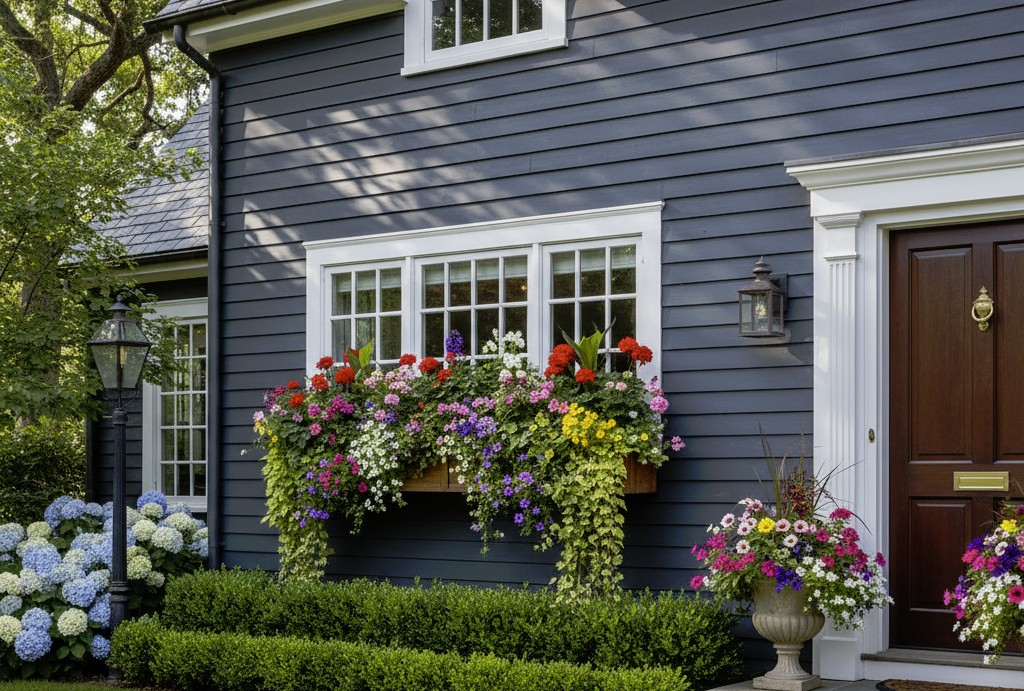
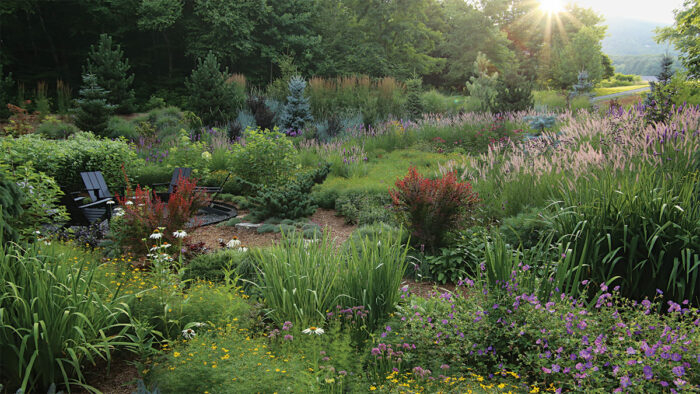
Landscaping softens the hard edges. A multi-car garage is a big, hard structure. Plants break up that mass. Use tall ornamental grasses or small trees to flank the sides. Planters with seasonal flowers near the entry add color and life. But keep it tidy. Overgrown bushes blocking the windows or doors look neglected. Choose native plants that thrive in your area with minimal water. This shows eco-consciousness, another plus for 2026 buyers. The goal is to make the garage feel like it’s nestled into the site, not dominating it. When the hardscape and softscape work together, the whole property feels curated. It feels loved. And that emotional connection is what drives offers.
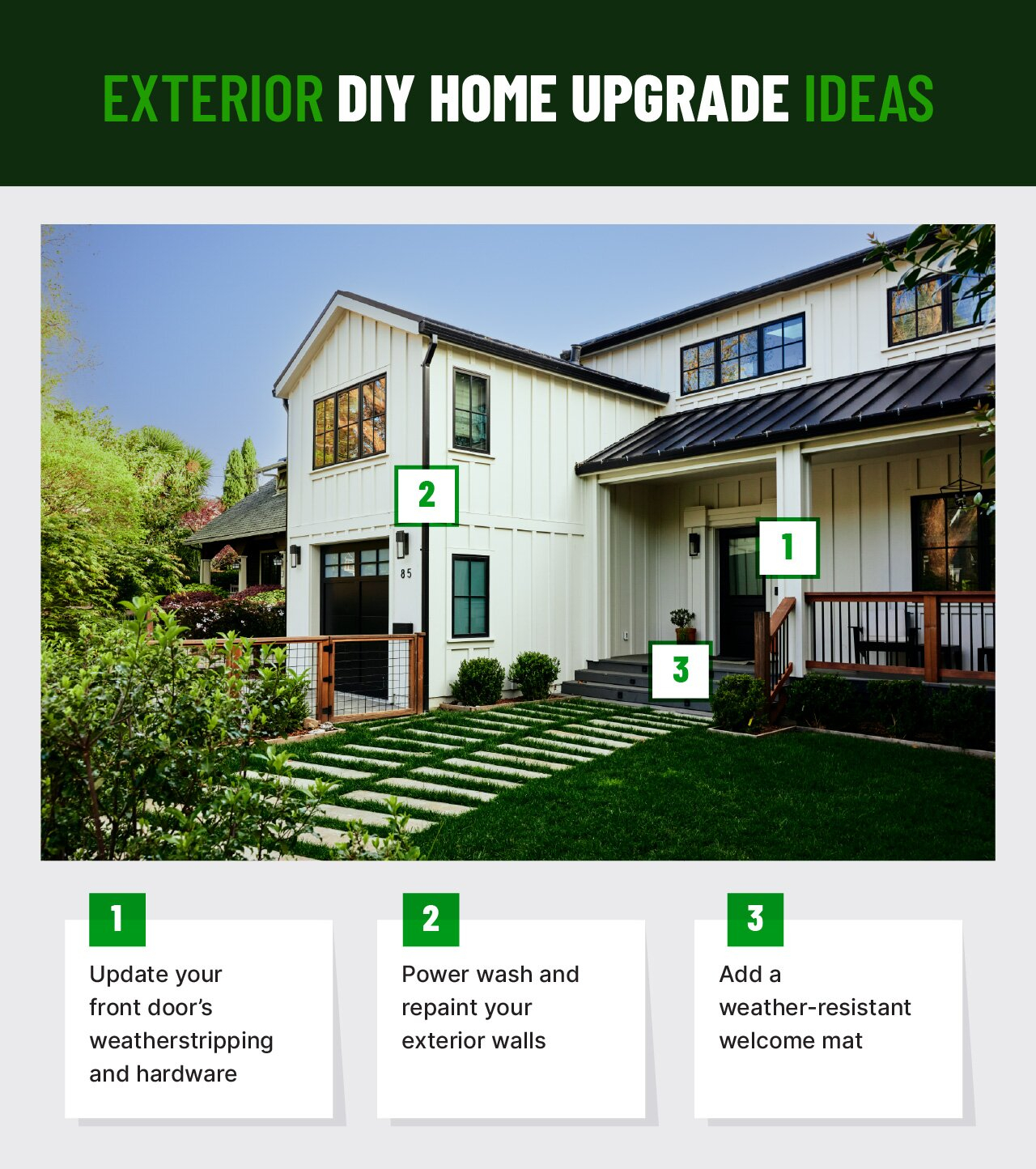
Let’s talk money. Because at the end of the day, this is an investment. You want to spend wisely. You don’t need to blow your entire savings account to see a return. Architectural Digest mentions that spending as little as $100 on updates can make a difference. That’s true. Sometimes, it’s the small things. A fresh coat of paint on the doors. New hardware. Cleaning the windows. These are low-cost, high-impact moves.
But if you’re doing a larger remodel or build, prioritize. Spend on the things that are hard to change later. Doors, roofing, and structural layout fall into this category. Skimping here leads to regret. Save on the things that are easy to swap. Light fixtures, shelving units, and decor can be upgraded over time. Don’t buy the most expensive everything. Buy the right things. A mid-range composite door might look just as good as a high-end wood one to the average buyer, but cost half as much. Do your research. Get multiple quotes.
Also, think about your neighborhood. You don’t want to over-improve. If every house on your block has a basic two-car garage, building a six-car palace with a wine cellar might not recoup its cost. Aim for the upper end of the norm, not the outlier. Enhance what’s already there. Align your upgrades with what buyers in your area expect. In 2026, energy efficiency and smart home integration are increasingly expected. Adding smart openers, EV charging stations, or better insulation can be smart financial moves. They appeal to the modern buyer’s lifestyle. Keep your eye on the resale value, not just your personal preference. Balance passion with prudence.
So, where does this leave us? Designing a multi-car garage that boosts value isn’t about following rigid rules. It’s about intention. It’s about seeing the garage not as a necessary evil, but as a canvas. When you align the architecture, choose quality materials, organize the interior, and soften the exterior with light and plants, you create something special. You create a home that feels complete.
In 2026, buyers are looking for turnkey properties. They want homes that feel move-in ready, inside and out. A thoughtful garage design signals that the rest of the house has been cared for with the same attention. It reduces their mental load. They don’t have to imagine what could be; they see what is. And what they see is valuable. Whether you’re planning to sell next year or stay for decades, these improvements pay dividends. They make your daily life better and your asset stronger.
Take a look at your garage again. Really look at it. What’s one small thing you could change today? Maybe it’s just cleaning the windows. Maybe it’s planting a bush. Start there. Build from there. Your home—and your wallet—will thank you.
[sps_html tag=”img” src=”https://cdn.northcarolinafinearchitecture.com/2026/06/12-creative-garage-exterior-ideas-to-enhance-curb-appeal-garage-utopia-intended-for-outdoor-garage-design.webp” alt=”12 Creative Garage Exterior Ideas To Enhance Curb Appeal | Garage Utopia intended for Outdoor Garage Design” style=”width: 100%; height: auto;”]
[sps_html tag=”img” src=”https://cdn.northcarolinafinearchitecture.com/2026/06/elevate-curb-appeal-with-an-inside-out-garage-makeover-home-trends-intended-for-simple-exterior-upgrades-that-elevate-your-garage-from-utility-to-architectural-feature.jpg” alt=”Elevate Curb Appeal With An Inside Out Garage Makeover - Home Trends … intended for Simple exterior upgrades that elevate your garage from utility to architectural feature” style=”width: 100%; height: auto;”]
[sps_html tag=”img” src=”https://cdn.northcarolinafinearchitecture.com/2026/06/5-simple-exterior-upgrades-that-raise-curb-appeal-home-briefings-with-regard-to-outdoor-garage-design.jpg” alt=”5 Simple Exterior Upgrades That Raise Curb Appeal - Home Briefings with regard to Outdoor Garage Design” style=”width: 100%; height: auto;”]
[sps_html tag=”img” src=”https://cdn.northcarolinafinearchitecture.com/2026/06/diy-home-upgrades-and-projects-for-all-homeowners-pertaining-to-outdoor-garage-design.jpg” alt=”Diy Home Upgrades And Projects For All Homeowners pertaining to Outdoor Garage Design” style=”width: 100%; height: auto;”]
[sps_html tag=”img” src=”https://cdn.northcarolinafinearchitecture.com/2026/06/7-key-upgrades-to-increase-your-garage-curb-appeal-house-exterior-pertaining-to-simple-exterior-upgrades-that-elevate-your-garage-from-utility-to-architectural-feature.jpg” alt=”7 Key Upgrades To Increase Your Garage Curb Appeal | House Exterior … pertaining to Simple exterior upgrades that elevate your garage from utility to architectural feature” style=”width: 100%; height: auto;”]